Archives

Bleeding Disorders Hemophilia and Von Willebrand disease!


Hereditary clotting factor deficiencies. Single clotting factor deficiency. Factor I, II, V, VII, X, XI, XIII deficiency (autosomal) Factor VIII/IX deficiency (X-linked recessive) Factor XII deficiency (non-bleeding disorder) Multiple clotting factor deficiencies. F V + F VIII (autosomal recessive) Vitamin K dependent factors (F II, VII, IX, X) Von Willebrand Disease. Inherited platelet disorders. Wintrobe’s Clinical Hematology, 11th ed, 2004.

Bleeding disorders are a group of conditions that result when the blood cannot clot properly. In normal clotting, platelets, a type of blood cell, stick together and form a plug at the site of an injured blood vessel. Proteins in the blood called clotting factors then interact to form a fibrin clot, essentially a gel plug, which holds the platelets in place and allows healing to occur at the site of the injury while preventing blood from escaping the blood vessel. While too much clotting can lead to conditions such as heart attacks and strokes, the inability to form clots can be very dangerous as well, as it can result in excessive bleeding. Bleeding can result from either too few or abnormal platelets, abnormal or low amounts of clotting proteins, or abnormal blood vessels.

Hemophilia is perhaps the most well-known inherited bleeding disorder, although it is relatively rare. It affects mostly males.

Many more people are affected by von Willebrand disease, the most common inherited bleeding disorder in America caused by clotting proteins. Von Willebrand disease can affect both males and females. Platelet disorders are the most common cause of bleeding disorder and are usually acquired rather than inherited. You can find information on other bleeding disorders by following the links at the bottom of this page.

How do you know if your at risk?

Bleeding disorders such as hemophilia and von Willebrand disease result when the blood lacks certain clotting factors. These diseases are almost always inherited, although in rare cases they can develop later in life if the body forms antibodies that fight against the blood’s natural clotting factors. Individuals and pregnant women with a family history of bleeding disorders should talk to their doctors about detection and treatment. Symptoms of bleeding disorders may include:

  • Easy bruising
  • Bleeding gums
  • Heavy bleeding from small cuts or dental work
  • Unexplained nosebleeds
  • Heavy menstrual bleeding
  • Bleeding into joints
  • Excessive bleeding following surgery

What is Hemophilia and how is it treated?

Hemophilia is a rare, inherited bleeding disorder that can range from mild to severe, depending on how much clotting factor is present in the blood. Hemophilia is classified as type A or type B, based on which type of clotting factor is lacking (factor VIII in type A and factor IX in type B). Hemophilia results from a genetic defect found on the X chromosome. Women have two X chromosomes. Women who have one X chromosome with the defective gene are termed carriers and they can pass the disease onto their sons. Due to random chromosome activation, some women carriers may range from asymptomatic to symptomatic depending on how much of their factor VIII or IX is inactivated. In fact, some women may have “mild hemophilia,” though this is less common. Men have one X and one Y chromosome, so if their X chromosome has the defective gene, they will have hemophilia.

Because blood does not clot properly without enough clotting factor, any cut or injury carries the risk of excessive bleeding. In addition, people with hemophilia may suffer from internal bleeding that can damage joints, organs, and tissues over time.

In the past, people with hemophilia were treated with transfusions of factor VIII obtained from donor blood, but by the early 1980s these products were discovered to be transmitting blood-borne viruses, including hepatitis and HIV. Thanks to improved screening techniques, and a major breakthrough that enabled scientists to create synthetic blood factors in the laboratory by cloning the genes responsible for specific clotting factors, today’s factor-replacement therapies are pure and much safer than ever before.

What Is von Willebrand Disease and How Is It Treated?

Von Willebrand disease is an inherited condition that results when the blood lacks functioning von Willebrand factor, a protein that helps the blood to clot and also carries another clotting protein, factor VIII. It is usually milder than hemophilia and can affect both males and females. Women are especially affected by von WIllebrand disease during menses. Von Willebrand disease is classified into three different types (Types 1, 2, and 3), based on the levels of von Willebrand factor and factor VIII activity in the blood. Type 1 is the mildest and most common form; Type 3 is the most severe and least common form.

With early diagnosis, people with von Willebrand disease can lead normal, active lives. People with mild cases may not require treatment, but should avoid taking drugs that could aggravate bleeding, such as aspirin and ibuprofen, without first consulting with a doctor. More serious cases may be treated with drugs that increase the level of von Willebrand factor in the blood or with infusions of blood factor concentrates. It is important for people with von Willebrand disease to consult with their doctors before having surgery, having dental work, or giving birth, so that proper precautions can be taken to prevent excessive bleeding. You may be referred to a hematologist, a doctor who specializes in the treatment of blood disorders.
QUOTE FOR WEDNESDAY:

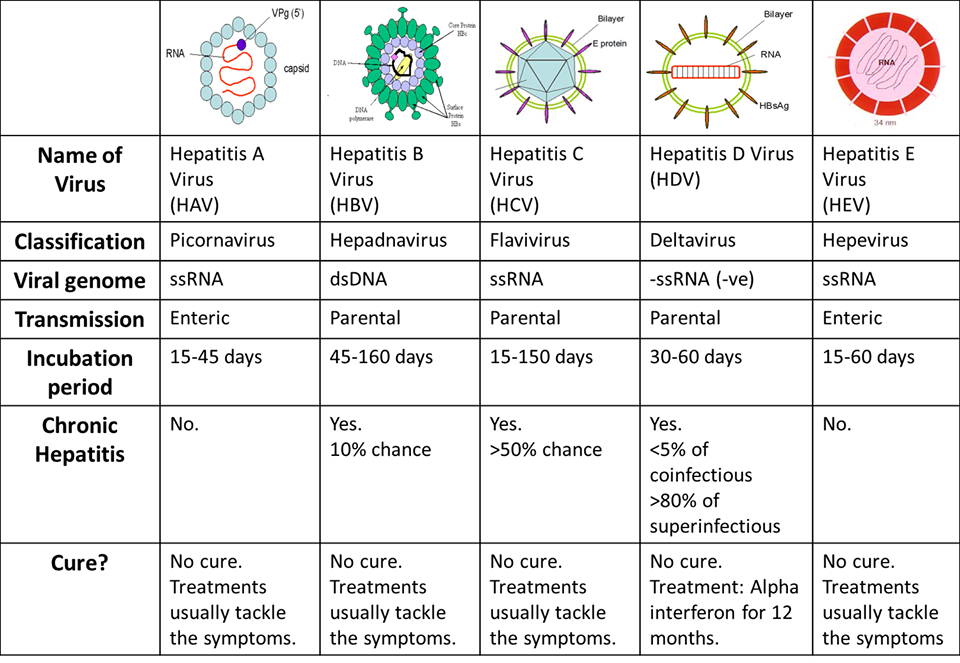
“Hepatitis C and D usually occur as a result of parenteral contact with infected body fluids.  Hepatitis A and E are typically caused by ingestion of contaminated food or water.”

Center for Disease Prevention and Control CDC

Part II Hepatitis C,D, & E


Hepatitis C is an infectious disease affecting primarily the liver, caused by the hepatitis C virus (HCV). The infection is often asymptomatic, but chronic infection can lead to scarring of the liver and ultimately to cirrhosis, which is generally apparent after many years. In some cases, those with cirrhosis will go on to develop liver failure, liver cancer, or life-threatening esophageal and gastric varices.

HCV is spread primarily by blood-to-blood contact associated with intravenous drug use, poorly sterilized medical equipment, and transfusions. An estimated 150–200 million people worldwide are infected with hepatitis C. The existence of hepatitis C – originally identifiable only as a type of non-A non-B hepatitis – was suggested in the 1970s and proven in 1989.  Hepatitis C infects only humans and chimpanzees. It is one of five known hepatitis viruses: A, B, C, D, and E.

The virus persists in the liver in about 85% of those infected. This infection of the liver is caused by the hepatitis virus. About 3.2 million people in the U.S. have the disease. But it causes few symptoms, so most of them don’t know.

There are many forms of the hepatitis C virus. The most common in the U.S. is type 1. None is more serious than any other, but they respond differently to treatment.

Jaundice (a condition that causes yellow eyes and skin, as well as dark urine), Stomach pain, Loss of appetite, Nausea, and Fatigue.

HOW IT’S TRANSMITTED

The virus spreads through the blood or body fluids of an infected person.

You can catch it from:

-Sharing drugs and needles

-Having sex, especially if you have an STD, an HIV infection, several partners, or have rough sex.

-Being stuck by infected needles

-Birth — a mother can pass it to a child

Hepatitis C isn’t spread through food, water, or by casual contact.

HOW IT’S DIAGNOSED

You can get a blood test to see if you have the hepatitis C virus.

Are There Any Long-Term Effects?

Yes. About 75% to 85% of people who have it develop a long-term infection called chronic hepatitis C. It can lead to conditions like liver cancer and cirrhosis, or scarring of the liver. This is one of the top reasons people get liver transplants.

WHAT’S THE TREATMENT:

Hepatitis C treatments have changed a lot in recent years. The latest is a once-daily pill called Harvoni that cures the disease in most people in 8-12 weeks. It combines two drugs: sofosbuvir (Sovaldi) and ledipasvir. In clinical trials, the most common side effects were fatigue and headache. However, the medicine is expensive.  Interferon and ribavirin used to be the main treatments for hepatitis C. They can have side effects like fatigue, flu-like symptoms, anemia, skin rash, mild anxiety, depression,nausea, and diarrhea.

THOSE AT HIGHEST RISK:

Certain things may increase your risk of becoming infected with the hepatitis C virus. Just because you are at risk for getting hepatitis C does not mean that you have the virus.

Many people do not know how they became infected with hepatitis C.

Recommended Related to Hepatitis

Tips to Deal With Hepatitis C Fatigue

When you have hepatitis C, being tired — really tired — can be a fact of life. But there are ways you can boost your energy. Here, three people who have experience with fatigue from the disease share their tips.

You can get hepatitis from:                                                           

Sharing needles and other equipment (such as cotton, spoons, and water) used to inject drugs.              

-Having your ears or another body part pierced, getting a tattoo, or having acupuncture with needles that have not been sterilized properly. The risk of getting hepatitis C in these ways is very low.                          

-Working in a health care environment where you are exposed to fresh blood or where you may be pricked with a used needle. Following standard precautions for health care workers makes this risk very low.

HEPATITIS D

Hepatitis D (hepatitis delta) is a disease caused by the hepatitis D virus (HDV), a small circular enveloped RNA virus. This is one of five known hepatitis viruses: A, B, C, D, and E. HDV is considered to be a sub-viral satellite because it can propagate only in the presence of the hepatitis B virus (HBV).

Transmission of HDV:  Most already are with Hepatitis B.  How can it transmit from one to another?  Well similar to that of Hepatitis B including:

Spread through infected Hepatitis B or D needles shared since one of the users blood is infected with the infection.

Spread through a sex partner infected with Hepatitis B or D via the semen

****both spreads infected through the blood and fluids in the body****

Spread through a infected mother to her newborn.

Remember it can occur either via simultaneous infection with HBV (coinfection) or superimposed on chronic hepatitis B or hepatitis B carrier state (superinfection).

Both superinfection and coinfection with HDV results in more severe complications compared to infection with HBV alone. These complications include a greater likelihood of experiencing liver failure in acute infections and a rapid progression to liver cirrhosis, with an increased chance of developing liver cancer in chronic infections. In combination with hepatitis B virus, hepatitis D has the highest fatality rate of all the hepatitis infections, at 20%.

The routes of transmission of hepatitis D are similar to those for hepatitis B. Infection is largely restricted to persons at high risk of hepatitis B infection, particularly injecting drug users and persons receiving clotting, and is mostly associated with intravenous drug use. factor concentrates. Worldwide more than 15 million people are co-infected. HDV is rare in most developed countries

TREATMENT:

The vaccine for hepatitis B protects against hepatitis D virus because of the latter’s dependence on the presence of hepatitis B virus for it to replicate.

Low quality evidence suggests that interferon alpha can be effective in reducing the severity of the infection and the effect of the disease during the time the drug is given, but the benefit generally stops when the drug is discontinued, indicating that it does not cure the disease. Interferon is effective only in ~20% of cases.

The drug myrcludex B, which inhibits virus entry into hepatocytes, is in clinical trials as of October 2015

Hepatitis E virus (HEV) is another liver infection.  Hepatitis E is a self-limited disease that does not result in chronic infection. While rare in the United States, Hepatitis E is common in many parts of the world. It is transmitted from ingestion of fecal matter, even in microscopic amounts, and is usually associated with contaminated water supply in countries with poor sanitation is a liver infection caused by the Hepatitis E virus (HEV). Hepatitis E is a self-limited disease that does not result in chronic infection.

Hepatitis E is a common cause of hepatitis outbreaks in developing parts of the world and is increasingly recognized as an important cause of disease in developed countries. Safe and effective vaccines to prevent HEV infection have been developed but are not widely available.  There is no FDA approved vaccination for Hepatitis E.


QUOTE FOR MONDAY:

Hepatitis is an inflammation of the liver. Viruses cause most cases of hepatitis. The type of hepatitis is named for the virus that causes it; for example, hepatitis A, hepatitis B or hepatitis C. Drug or alcohol use can also cause hepatitis. In other cases, your body mistakenly attacks healthy cells in the liver.

medicineplus.com

QUOTE FOR THE WEEKEND:

Without plants, life on Earth simply would not exist. Through the process of photosynthesis, plants produce oxygen, as well as purifying the air of pollutants. Plants convert the carbon dioxide people and animals exhale into fresh oxygen.  Plants do a lot more

Greener Good (greenergood.com)


QUOTE FOR FRIDAY:

“Cystic fibrosis affects the cells that produce mucus, sweat and digestive juices. These secreted fluids are normally thin and slippery. But in people with CF, a defective gene causes the secretions to become sticky and thick. Instead of acting as lubricants, the secretions plug up tubes, ducts and passageways, especially in the lungs and pancreas.”

MAYO CLINIC

QUOTE FOR THURSDAY:

“Cystic fibrosis (CF) is an inherited disease that causes thickened mucus to form in the lungs, pancreas and other organs. In the lungs, this mucus blocks the airways, creating lung damage and making it hard to breathe. CF is a life-threatening condition, but thanks to advances in treatment and care, the average life expectancy has been steadily increasing and quality of life has improved.”

American Lung Association

QUOTE FOR WEDNESDAY:

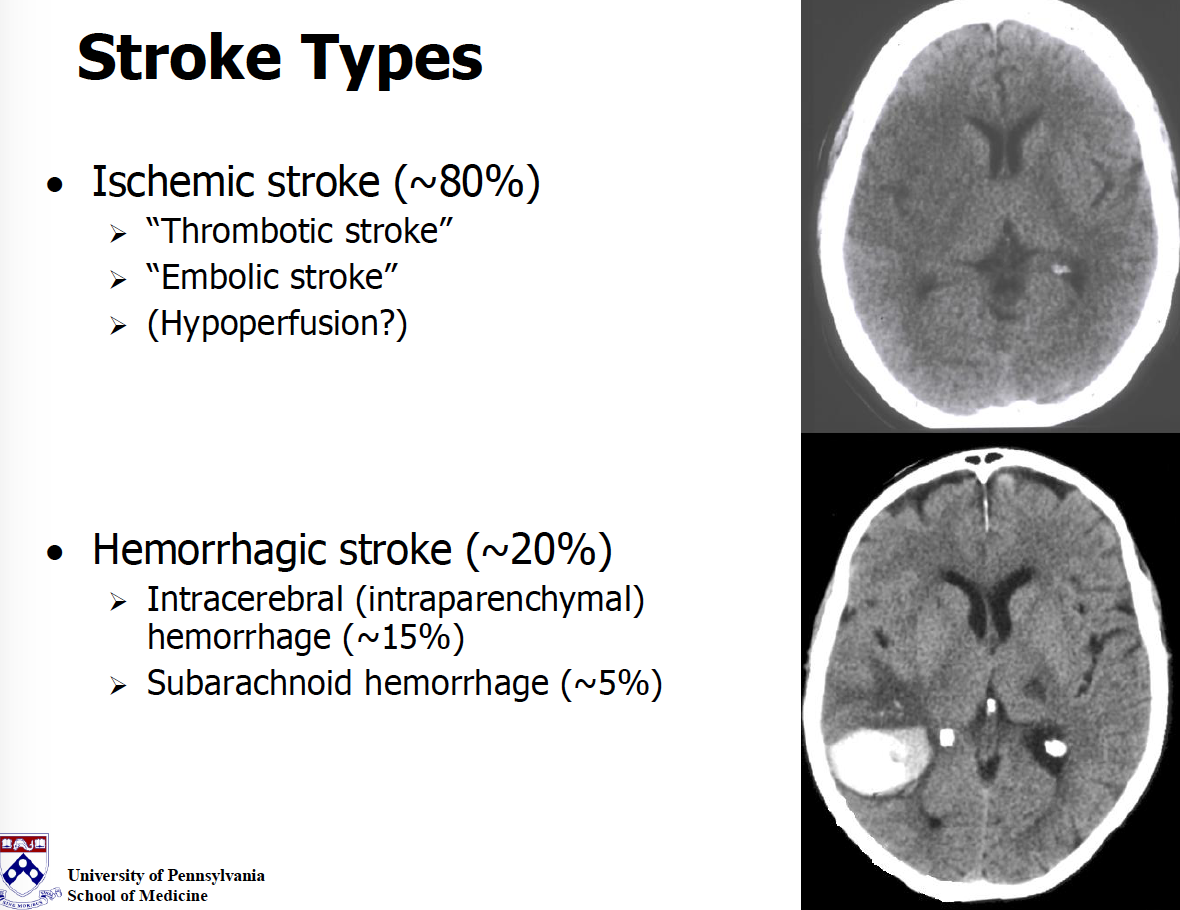
“Emergency treatment for stroke depends on whether you’re having an ischemic stroke or a stroke that involves bleeding into the brain (hemorrhagic).  The impact of your stroke depends on the area of the brain involved and the amount of tissue damaged.”

MAYO CLINIC

Part III Stoke Awareness – Treatment and How to prevent a stroke!

TREATMENT OF STROKES

If you’re having a stroke, it’s critical that you get medical attention right away. Immediate treatment may minimize the long-term effects of a stroke and prevent death!

Ischemic Stroke Treatment

tPA, the Gold Standard

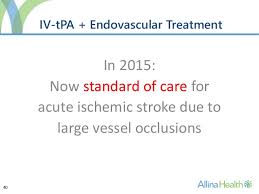
The only FDA approved treatment for ischemic strokes is tissue plasminogen activator (tPA, also known as IV rtPA, given through an IV in the arm). tPA works by dissolving the clot and improving blood flow to the part of the brain being deprived of blood flow. If administered within 3 hours(and up to 4.5 hours in certain eligible patients), tPA may improve the chances of recovering from a stroke. A significant number of stroke victims don’t get to the hospital in time for tPA treatment; this is why it’s so important to identify a stroke immediately.

Endovascular Procedures
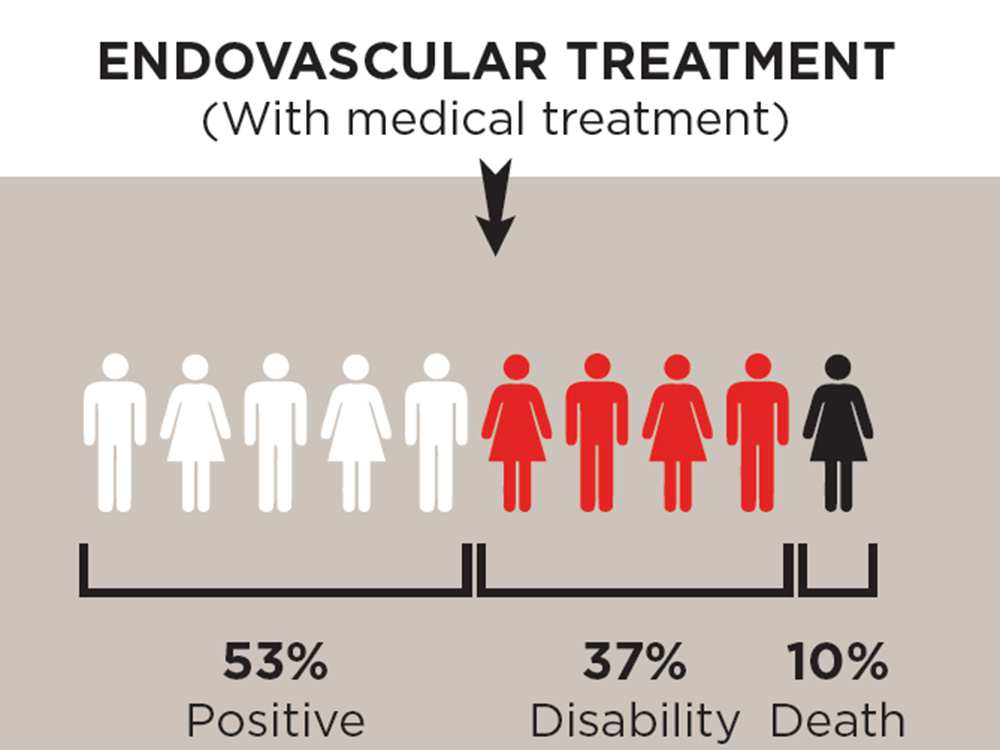
Another treatment option is an endovascular procedure* called mechanical thrombectomy, strongly recommended, in which  trained doctors try  removing a large blood clot by  sending a wired-caged device called a stent retriever, to the site of the blocked blood vessel in the brain. To remove the brain clot, doctors thread a catheter through an artery in the groin up to the blocked artery in the brain. The stent opens and grabs the clot, allowing doctors to remove the stent with the trapped clot. Special suction tubes may also be used. The procedure should be done within six hours of acute stroke symptoms, and only after a patient receives tPA.

*Note: Patients must meet certain criteria to be eligible for this procedure.


Image courtesy of Medtronic

Hemorrhagic Stroke Treatment

Endovascular Procedures
Endovascular procedures may be used to treat certain hemorrhagic strokes similar to the way the procedure is used for treating an ischemic stroke. These procedures are less invasive than surgical treatments, and involve the use of a catheter introduced through a major artery in the leg or arm, then guided to the aneurysm or AVM; it then deposits a mechanical agent, such as a coil, to prevent rupture.

Surgical Treatment
For strokes caused by a bleed within the brain (hemorrhagic stroke), or by an abnormal tangle of blood vessels (AVM), surgical treatment may be done to stop the bleeding. If the bleed is caused by a ruptured aneurysm (swelling of the vessel that breaks), a metal clip may be placed surgically at the base of the aneurysm to secure it.

How to prevent a stroke!

Treatment is also aimed at other factors that put you at risk, including high blood pressure, diabetes, and high cholesterol. But it takes more than just your doctor’s efforts. You also have an important role to play in preventing stroke. It’s up to you to make lifestyle changes that can lower your risk.

What you can do to prevent a stroke is this:

1-Control your blood pressure.

2-Lose Weight to the point that your in a healthy weight for your height.   If you’re overweight, losing as little as 10 pounds can have a real impact on your stroke risk.              Try to eat no more than 1,500 to 2,000 calories a day (depending on your activity level and your current body mass index).  Increase the amount of exercise you do with such activities as walking, golfing, or playing tennis, and by making activity part of every single day.

3-Exercise More-Exercise contributes to losing weight and lowering blood pressure, but it also stands on its own as an independent stroke reducer. Exercise at a moderate intensity 5x/wk and if you can’t do ½ hr as day spread it out into 2 15minute exercise moments for the day.

4- Drink-in moderation What you’ve heard is true. Drinking can make you less likely to have a stroke—up to a point. “Studies show that if you have about one drink per day, your risk may be lower.  I am not saying drink one glass of liquor a day but if you have to limit it to one glass a day.  Red wine your first choice, because it contains resveratrol, which is thought to protect the heart and brain.

5-Atrial Fibrillation-Atrial fibrillation is a form of irregular heartbeat that causes clots to form in the heart. Those clots can then travel to the brain, producing a stroke. “Atrial fibrillation carries almost a fivefold risk of stroke, and should be taken seriously; take your anticoagulant medication the MD orders to keep the blood thin to prevent clotting.

6-Treat diabetes –Having high blood sugar over time damages blood vessels, making clots more likely to form inside them putting the person at higher risk for a stroke.  So simply keep your sugar under control.

7-QUIT Smoking-Along with a healthy diet and regular exercise, smoking cessation is one of the most powerful lifestyle changes that will help you reduce your stroke risk


QUOTE FOR TUESDAY:

“When a person shows signs of having a stroke, time is the most critical factor for ensuring their survival and minimizing the extent of brain damage. Therefore, the speed at which a radiologist can determine which type of stroke has occurred is essential for administering the proper treatment. With speed and time as significant factors for saving a patient’s life, the standard test to assess a stroke has usually been computed tomography (CT) scans. CT scans vary in length, but they are generally very quick, and some may be completed within five minutes. ”

GE Health

“The symptoms of stroke vary widely, depending on what part of the brain is affected, and whether the stroke is ischemic or hemorrhagic.”

American Society of Neuroradiology ASNR