Archives

QUOTE FOR FRIDAY:

34.2 million people, or 10.5% of the U.S. population, have diabetes. An estimated 26.8 million people – or 10.2% of the population – had diagnosed diabetes. Approximately 7.3 million people have diabetes but have not yet been diagnosed (2018).

Diabetes Research Institute Foundation

QUOTE FOR THE WEEKEND:

“Gigantism is a serious condition that is nearly always caused by an adenoma, a tumor of the pituitary gland. Gigantism occurs in patients who had excessive growth hormone in childhood. The pituitary tumor cells secrete too much growth hormone (GH), leading to many changes in the body.  Gigantism usually presents in childhood or young adulthood. If a pituitary tumor that secretes growth hormone develops after the bone growth plates fuse, the result is acromegaly.”

UCLA Health Ed.

QUOTE FOR THURSDAY:

“Insulin is a hormone made by the pancreas that allows your body to use sugar (glucose) from carbohydrates in the food that you eat for energy or to store glucose for future use. Insulin helps keeps your blood sugar level from getting too high (hyperglycemia) or too low (hypoglycemia).”

EndocrineWeb (endocrineweb.com)

QUOTE FOR WEDNESDAY

“An enzyme is a biological catalyst and is almost always a protein. It speeds up the rate of a specific chemical reaction in the cell. The enzyme is not destroyed during the reaction and is used over and over. A cell contains thousands of different types of enzyme molecules, each specific to a particular chemical reaction.”
 
National Human Genome Research Institute

QUOTE FOR TUESDAY:

“Information from the ongoing COVID-19 pandemic suggests that this virus is spreading more efficiently than influenza, but not as efficiently as measles, which is highly contagious.”

CDC (cdc.org)

COVID-19 and where we are at; including other pandemics in history!

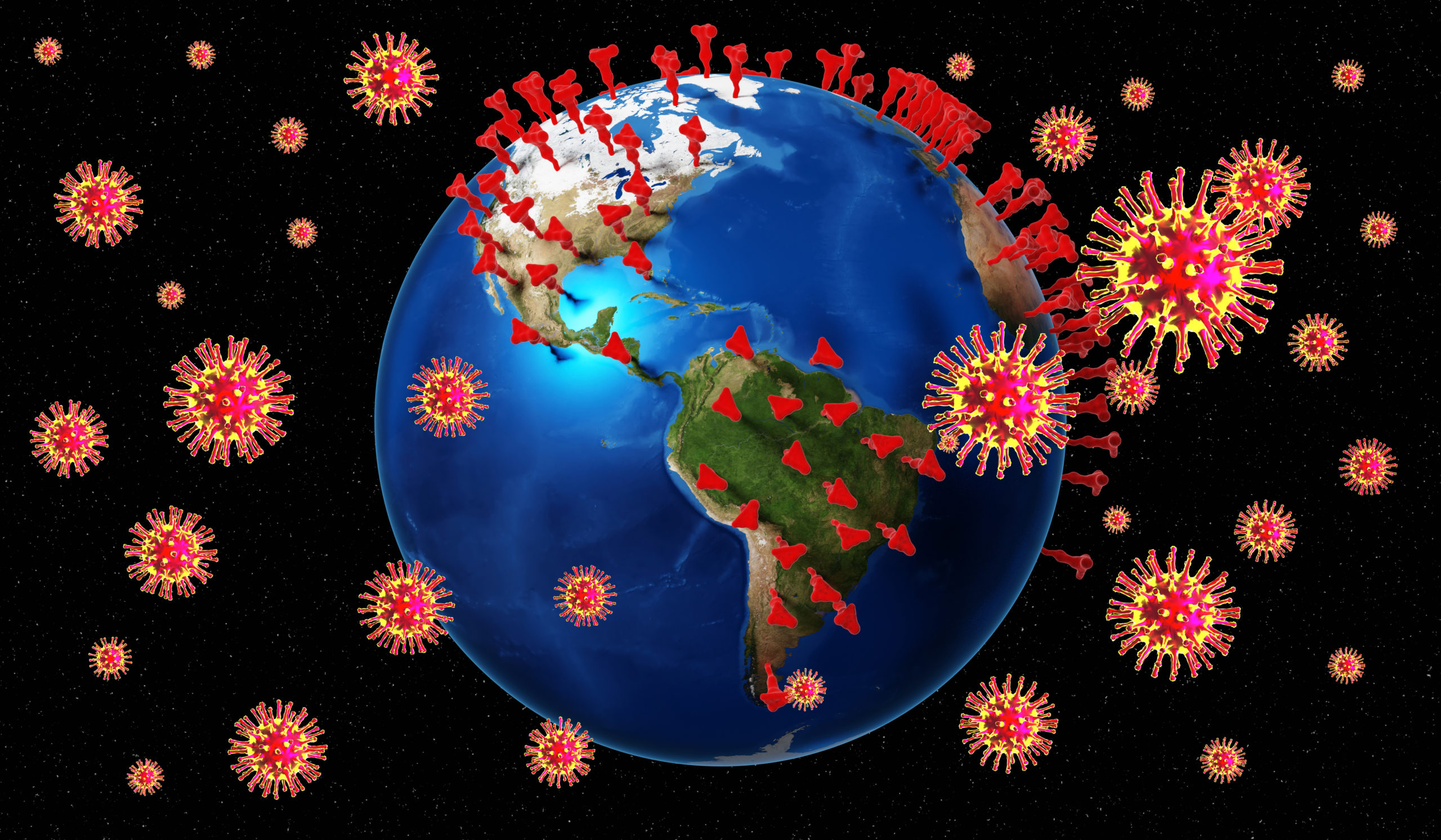
Global coronavirus epidemic outbreak concept – 3D illustration

Coronavirus Cases:

5,532,110

Deaths:

347,243

Recovered:

2,319,216

Now Let Us Look At 1918-1919 H1N1 Swyne Flu statistics

CDC states: “The 1918 influenza pandemic was the most severe pandemic in recent history. It was caused by an H1N1 virus with genes of avian origin. Although there is not universal consensus regarding where the virus originated, it spread worldwide during 1918-1919. In the United States, it was first identified in military personnel in spring 1918. It is estimated that about 500 million people or one-third of the world’s population became infected with this virus. The number of deaths was estimated to be at least 50 million worldwide with about 675,000 occurring in the United States.”

So H1N1 affected 500 million people  1/3 of the world at that time.

H1N1 by 1918 killed 50 million deaths.

Covid-19 is not even close in numbers.  No comparison and there was a lock down 6 weeks in the US for H1N1 1918 to 1919. 

The 100-year anniversary of the 1918 pandemic and the 10-year anniversary of the 2009 H1N1 pandemic are milestones that provide an opportunity to reflect on the groundbreaking work that led to the discovery, sequencing and reconstruction of the 1918 pandemic flu virus. This collaborative effort advanced understanding of the deadliest flu pandemic in modern history and has helped the global public health community prepare for contemporary pandemics, such as 2009 H1N1, as well as future pandemic threats. ”

By the numbers of both pandemics this is shown to be true (Covid -19 compared to our deadliest pandemic 1918-1919 Swine Flu=The Spanish Flu doesn’t even come close in numbers of how many affected and killed).

Covid over 500,000 affected and H1N1  over 5,000,000. See the difference and we will get through this.

H1N1 in 2009-2010:

“From April 12, 2009 to April 10, 2010, CDC estimated there were 60.8 million cases (range: 43.3-89.3 million), 274,304 hospitalizations (range: 195,086-402,719), and 12,469 deaths (range: 8868-18,306) in the United States due to the (H1N1)pdm09 virus.”.
Ending line, history does repeat itself and there have been pandemics worse, similar, or less but significant in count to be called a pandemic.
We needed to lock down but now we are ready to reopen.   God willing it stays that way and by history pandemics the research on Covid-19 will get better in treating and being prepared for this.  Also, our economy will get better in time.
QUOTE FOR THE WEEKEND:

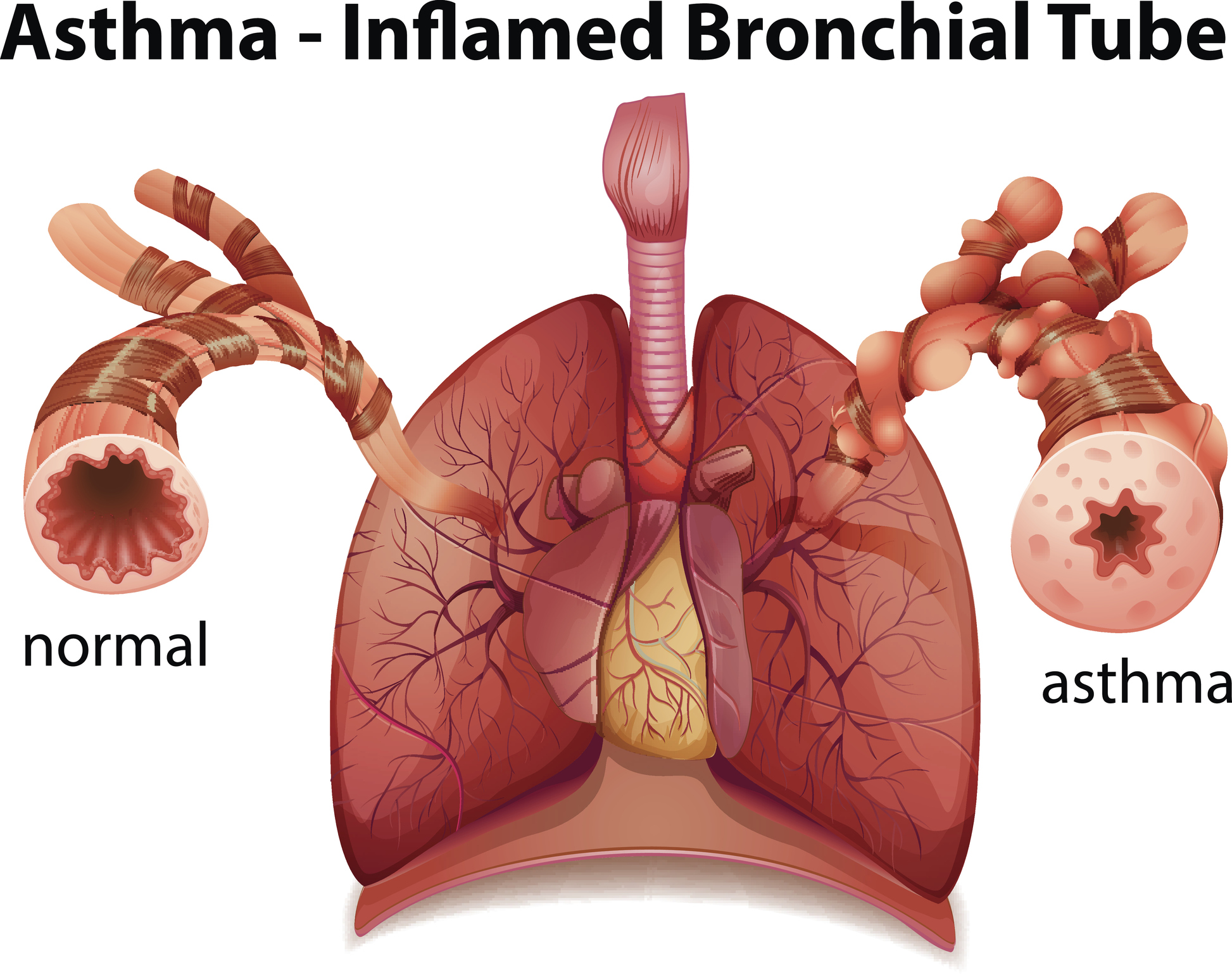
Asthma is a condition in which your airways narrow and swell and produce extra mucus. This can make breathing difficult and trigger coughing, wheezing and shortness of breath. For some people, asthma is a minor nuisance where for others it could be a lot worse.

MAYO CLINIC

National Asthma Month


airways impacted by asthma

Asthma is a chronic, or long-term, disease that inflames and narrows the airways of your lungs

Asthma causes a variety of symptoms that can worsen at any time, making breathing difficult. Asthma is a disease that cannot be cured, but it can be managed. Some days you may not have symptoms, but this doesn’t mean your asthma has gone away. Asthma doesn’t have to slow you down. There are things you can do to control your asthma.

Asthma may cause the linings of your airways to get swollen, and the muscles around them can get tight. Sometimes the swelling and tightness get much worse. This is called an exacerbation, or asthma attack. An asthma attack can happen with any kind of asthma. Over time, effects of uncontrolled asthma, such as increased inflammation and asthma attacks, may have long-term effects on your breathing leading to permanent damage to the lining of your airways.  Asthma attacks can be serious; that’s why it’s important for you to work with your healthcare provider to control your asthma.

Not all asthma is the same.

Asthma may be different for different people. Your healthcare provider may identify your type of asthma based on:

  • how often you have symptoms
  • nighttime awakenings
  • how often you’re using your rescue inhaler
  • if your asthma is keeping you from doing your normal activities
  • how well you’re breathing, based on a breathing test

Your healthcare provider may assign the type of asthma that you have based on the most severe category listed above.

Intermittent asthma

If your asthma affects you twice a week or less, your asthma may be intermittent. You may need a rescue inhaler up to 2 days per week. It’s the mildest kind of asthma, but it’s not risk free, so be sure to tell your healthcare provider about your symptoms, and find out what you can do to help keep them under control.

Persistent asthma

Unlike intermittent asthma, with persistent asthma you may have symptoms and other limitations more often.  Persistent asthma can be mild, moderate, or severe.  Sometimes your symptoms may go away on their own. But other times, uncontrolled asthma may get worse. So can the risk of an asthma attack. It’s important to talk to your healthcare provider about your symptoms, and any changes you notice. Your healthcare provider can work with you to help control your asthma symptoms and reduce your risk.

People with mild asthma may have symptoms more than twice a week, but not every day. They may be awakened 3-4 times a month by their asthma or use a rescue inhaler called a SABA more than 2 days a week. They typically have some minor limits to their activities, but have a normal score on breathing tests. People with mild persistent asthma may also have some risk of asthma attacks that require corticosteroids (like prednisone).

If you have mild asthma, your doctor may prescribe a long-term controller medication like low-dose inhaled corticosteroids, as well as your rescue inhaler. When your mild asthma is well controlled, you may not have any symptoms at all, but this doesn’t mean your asthma has gone away.

If you have mild asthma, talk to your healthcare provider to make sure you are getting the right medicines to control your symptoms, and to help avoid asthma attacks. You should ask your healthcare provider what to watch for, and how to prevent an attack.

If you have moderate asthma, you may have symptoms every day. People with moderate asthma may be awakened once a week or more by asthma but not nightly, or may need to use their rescue inhaler every day. Their asthma may cause some limitations to their regular activities. Breathing tests may show some limitations, too. People with moderate asthma may have some risk of asthma attacks that require corticosteroids (like prednisone). Work with your healthcare provider to see what you can do to help gain control of moderate asthma, reduce symptoms and awakenings, and the need for a rescue inhaler, with little or no interference in your normal activities.

If you have severe asthma, you’re not alone. With the help of your doctor, severe asthma can be controlled.  However, severe asthma affects roughly 5-10% of people with asthma. Uncontrolled severe asthma may include symptoms throughout the day, every day, or waking up every night due to asthma symptoms. You may need a rescue inhaler several times a day. People with severe asthma may have frequent asthma attacks that require oral corticosteroids, sometimes severe enough to send them to a hospital. Severe asthma may cause many limits to daily activities, and low scores on breathing tests.

Some risk factors that can play a part in whether you develop different types of asthma may include pollution, allergies, smoking, obesity, or genetics.

If your asthma is severe and uncontrolled, your healthcare provider may recommend a specialist, like an allergist or a pulmonary specialist (also called a pulmonologist). These doctors are specially trained to treat asthma. They can help you find the right combination of medication and self-care to help manage your

QUOTE FOR FRIDAY:

“Preeclampsia is a disorder that occurs only during pregnancy and the postpartum period and affects both the mother and the unborn baby. Affecting at least 5-8% of all pregnancies, it is a rapidly progressive condition characterized by high blood pressure and usually the presence of protein in the urine.  Early recognition of preeclampsia symptoms can save your life.”

Preeclampsia Foundation (preclampsiafoundation.org)

QUOTE FOR THURSDAY:

“According to the US Centers for Disease Control and Prevention, hemophilia occurs in approximately 1 in 5,000 live births. There are about 20,000 people with hemophilia in the US. All races and ethnic groups are affected. Hemophilia A is four times as common as hemophilia B while more than half of patients with hemophilia A have the severe form of hemophilia.  Von Willebrand disease (VWD) is the most common bleeding disorder, affecting up to 1% of the US population.”

National Hemophilia Foundation