



Archive | August 2025

QUOTE FOR THE WEEKEND:

“The rise in opioid overdose deaths is shown in three waves, with a slight decrease from 2022 to 2023.

From 1999-2023, approximately 806,000 people died from an opioid overdose. This includes overdose deaths involving prescription and illegal opioids.2

This rise in opioid overdose deaths can be outlined in three distinct waves.

First wave

The first wave began with increased prescribing of opioids in the 1990s. Overdose deaths involving prescription opioids (natural and semi-synthetic opioids and methadone) increased starting around 19993 but have declined in recent years.1

Second wave

The second wave began in 2010, with rapid increases in overdose deaths involving heroin.4 However, in recent years, heroin overdose deaths have been declining.1

Third wave

The third wave began in 2013, with substantial increases in overdose deaths involving synthetic opioids, particularly those involving illegally made fentanyl and fentanyl analogs (IMFs).567 IMFs have largely saturated the illegal drug supply. They are often found in powder form or pressed into counterfeit pills and can have other drugs mixed into them. More recently, non-opioid sedatives, such as xylazine, have been found mixed into IMFs.8 From 2022 to 2023, the rate of overdose deaths involving synthetic opioids decreased approximately 2%.1

In the current landscape, many opioid overdose deaths also involve other drugs. In 2023, among a sub-set of jurisdictions, nearly 47% of drug overdose deaths involved both opioids and stimulants.”

Center for Disease Control and Prevention – CDC (Understanding the Opioid Overdose Epidemic | Overdose Prevention | CDC)


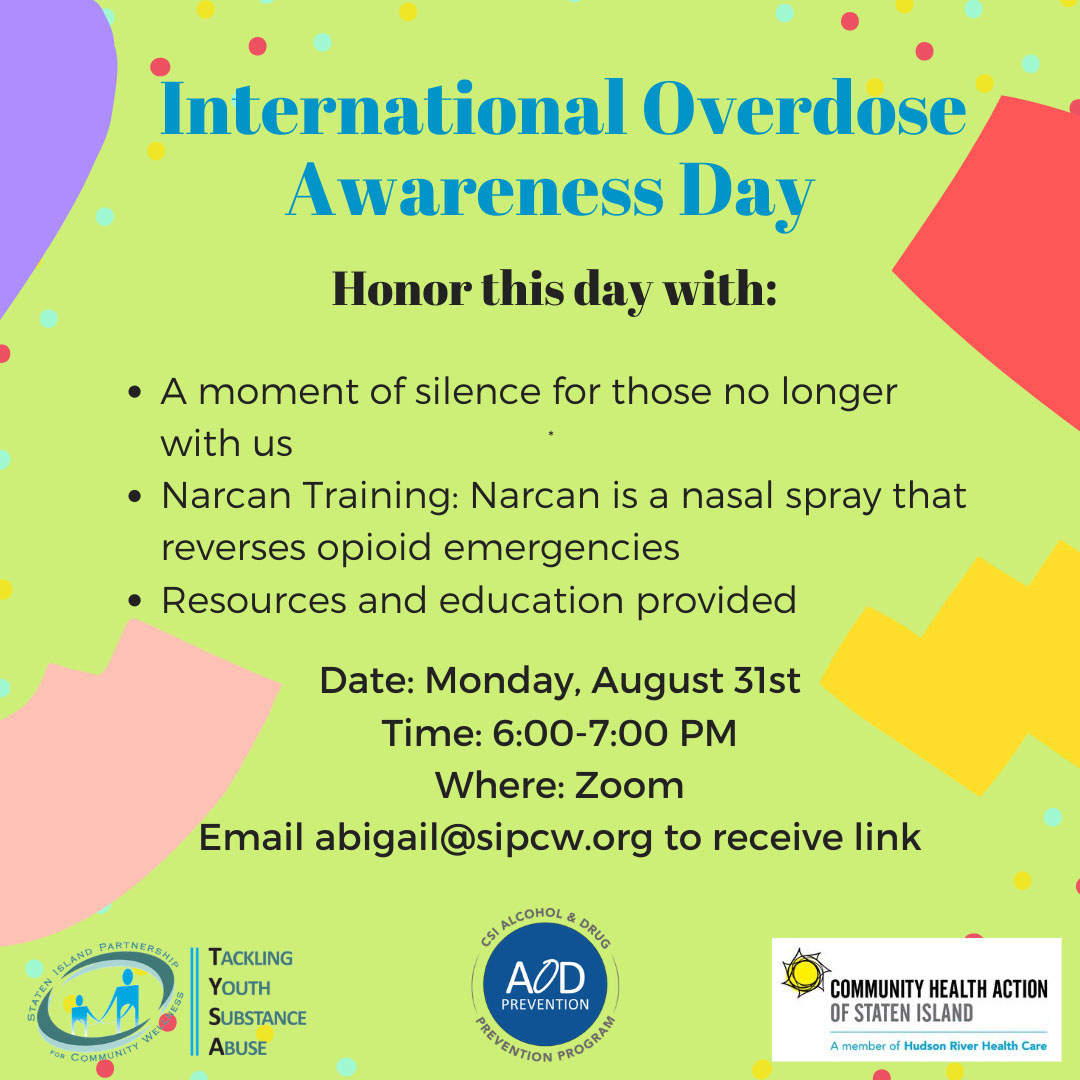
Opioid Misuse Prevention Day is August 31st

Opioid addiction remains one of the primary public health crises in the nation. In order to fight it, everyone needs to do their part. The medical community is taking steps to address the frequency with which they prescribe opioid-based pain medications. Law enforcement has stepped up their efforts to reduce the influx of synthetic opioids such as fentanyl and carfentanyl. Unison Health has increased its capacity to treat substance abuse disorders through its Sub-Acute Detox facility and Recovery Housing.

PREVENT MISUSE IN THE FIRST PLACE:

One of the best ways to prevent you or the people around you from misusing opioids is to not have any around in the first place! If you’ve been prescribed opioid-based prescription pain medications in the past, check your medicine cabinet to make sure you don’t have any leftovers. Over half of all people with a history of opioid misuse report having gotten or stolen them from a friend or family member.

The best way to dispose of extra medications is through a program in your community. In the meantime, there are places throughout the greater Toledo area where you can deposit unwanted prescription medications safely and easily or check out what places are nearer to you in your county online.

Recognizing the Signs of Opioid Misuse:

According to the AMA, 45% of people who use heroin started with an addiction to prescription opioids. Because people usually receive their initial prescriptions from honest doctors trying to alleviate legitimate pain, some individuals labor under the misconception that these medications are safer than illegal drugs. The fact of the matter is that the potential for abuse and even addiction is very real, and addiction has been known to take hold after just one week of regular use.

For people who are concerned that their child, loved one or friend is misusing opioids, look for the signs. Mood swings or constant irritability may describe the majority of teenagers, but in their extreme form it could indicate a more serious problem. Losing a job or failing in school can also be a red flag, as can disappearing for long periods of time, stealing money or frequent flu-like symptoms. Of course, be on the lookout for more obvious signs such as puncture marks on the arms or excessively lethargic behavior.

Stage 3: Getting Help for People Fighting Opioid Addiction

The AMA also offers pointers on what to do when you’re dealing with someone contending with serious opioid misuse, including knowing the signs of an overdose. These may include:

  • Slowed or no breathing
  • Unconsciousness
  • Confusion
  • Nervousness
  • Pinpoint pupils
  • Clammy skin
  • Fatigue
  • Seizures

If someone you know is misusing opioids, it may be a good idea to keep Naloxone – Narcon (a narcotic antidote) on hand. Naloxone reverses the effects of opioids and can help preventing death from an overdose until healthcare professionals can arrive. Naloxone is available at a number of pharmacies throughout the U.S. without a prescription, and is recommend you confer with your doctor to see if Naloxone is right for your loved one.


QUOTE FOR FRIDAY:

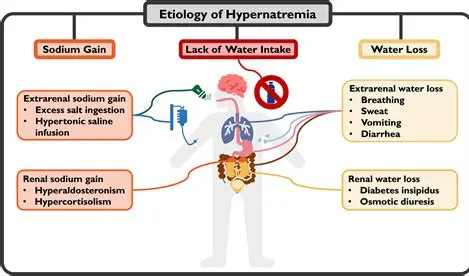
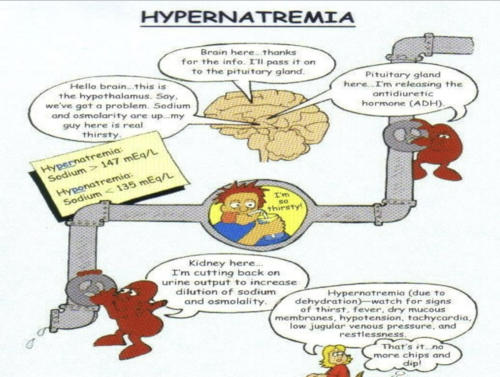
“Hypernatremia is when there’s too much sodium and not enough water in your blood. Sodium is one of the electrolytes in your body, found mostly in your blood. It’s important for many body functions. However, when there’s too much, the imbalance can cause serious problems.

Doctors define hypernatremia as a sodium level of over 145 milliequivalents per liter of blood — a normal level is between 136 and 145 milliequivalents per liter.

It’s most likely to happen in babies or people who are older. Certain health conditions can make hypernatremia more likely. But it’s often a symptom of dehydration — if you don’t have enough water, your blood sodium levels can get too high.”

Web M.D. (Hypernatremia: Danger of Too Much Sodium in Your Blood)

What Is Hypernatremia? Also learn the risk factors, how its diagnosed & treated, complications, how to prevent it and takeaways!

Hypernatremia is when there’s too much sodium and not enough water in your blood. Sodium is one of the electrolytes in your body, found mostly in your blood. It’s important for many body functions. However, when there’s too much, the imbalance can cause serious problems.  Your body can’t function without sodium, but too much of it can cause problems.

Doctors define hypernatremia as a sodium level of over 145 milliequivalents per liter of blood — a normal level is between 136 and 145 milliequivalents per liter.

It’s most likely to happen in babies or people who are older. Certain health conditions can make hypernatremia more likely. But it’s often a symptom of dehydration — if you don’t have enough water, your blood sodium levels can get too high.

It’s also possible, but less likely, to get hypernatremia from taking in too much salt or having salt poisoning. But if you’re otherwise healthy, you don’t need to worry about getting hypernatremia from your diet, says Amanda Beaver, a registered dietitian nutritionist at Houston Methodist in Houston.

“If we just eat a bunch of sodium from food, it’s not going to necessarily cause us to develop hypernatremia, because our body tries to closely regulate the amount of sodium that’s in our blood,” Beaver says.

Here’s how it works: When there’s a change in the balance of sodium and water, your body senses it and gets rid of more or less sodium in your pee to get back to a normal level. If the amount of sodium in your blood is getting too high, it’ll trigger you to feel thirsty and drink more. Dehydration and hypernatremia can be more likely when you’re older because, in part, your sense of feeling thirsty can diminish with age.

Your body will also release hormones called aldosterone and antidiuretic hormone (ADH). These cause your kidneys to hold onto more water. So, you’ll see your pee look darker and more concentrated if you aren’t drinking enough. Your body naturally will get rid of more sodium and less water to keep your levels in a normal range.

Even if you do get hypernatremia, most cases are mild and can be treated by taking in more fluids. If you start to get dehydrated and feel thirsty, you’re sensing a mild case of hypernatremia. You can treat it by drinking water or a sports drink that contains electrolytes. Moderate or severe cases need medical care.

Any condition or circumstance that causes you to lose water without losing sodium can raise your risk for hypernatremia. These include:

  • Gastroenteritis
  • Vomiting
  • Long-term drainage from a tube in the nose (nasogastric drainage)
  • Burns
  • Sweating too much from exercise, fever, or heat
  • Kidney problems
  • Hyperglycemia
  • Reduced thirst response
In rare cases, breastfed babies can get hypernatremia because they aren’t drinking enough. It can also happen in cases of child or elder abuse.It can also happen if you take in too much sodium from:

  • Formula with too much salt
  • Ingesting sodium bicarbonate
  • Salt tablet poisoning
  • Hyperaldosteronism (too much of a hormone called aldosterone)
  • Drinking or drowning in seawater
Hypernatremia and diabetes insipidusHypernatremia can also happen if you have diabetes insipidus. It’s a rare condition caused by problems with the hormone vasopressin, which keeps your sodium and fluids balanced. The condition can cause you to pee too much. This makes dehydration and hypernatremia more likely if you don’t drink enough water.

A doctor can diagnose hypernatremia through a blood test. Sometimes, urine tests can be used as well.

Treatment of Hypernatremia:

The treatment aims to restore the normal balance of fluid and sodium in your body. Your hypernatremia treatment will depend on what’s causing your high salt levels. It’s usually best to restore sodium balance by drinking fluids. If your hypernatremia is more than mild, your doctor may replace the fluids in your body using an IV. This will supply fluids directly into your bloodstream, balancing the amount of sodium that’s in your blood.

In most cases, hypernatremia can be fixed. But it’s important not to lower sodium levels too fast. However, your doctor will want to find out why you got hypernatremia to make sure there aren’t other problems that need to be treated to keep it from happening again.

One of the most severe complications of hypernatremia is a ruptured blood vessel in your brain. Called a subarachnoid or subdural hemorrhage, this kind of bleeding in your brain can cause permanent brain damage or death.

If doctors are able to detect and begin treating hypernatremia before it gets too severe, they can restore the balance of sodium and fluids in your body, preventing serious complications.

The easiest way to prevent hypernatremia is to drink enough water and take in a reasonable amount of salt. But you normally won’t get hypernatremia just from eating too many salty snacks or other high-sodium foods.

The average adult should drink four to six cups of water each day. If you’re on certain medications, are very active, or live in a hot climate or at high altitude, you should drink more.The American Heart Association (AHA) recommends no more than 2,300 milligrams of sodium a day (ideally less than 1,500 milligrams), especially if you have high blood pressure. However, the AHA says the average intake in the U.S. is more than 3,400 milligrams a day. That can lead to hypernatremia and other serious health problems.Staying hydrated should help most people avoid hypernatremia. However, it may be the result of an electrolyte imbalance caused by other conditions. In this case, it could be a medical emergency and should be treated by doctors.

Hypernatremia happens when you have too much sodium in your bloodstream. It’s more likely if you have certain health conditions or you’re dehydrated. It’s a good idea to limit the amount of salt in your diet. But you probably won’t get hypernatremia from eating too much salty food, as your body naturally balances your amount of water and sodium.

What is hyponatremia and how does it affect the human body?

Hyponatremia2Hyponatremia1

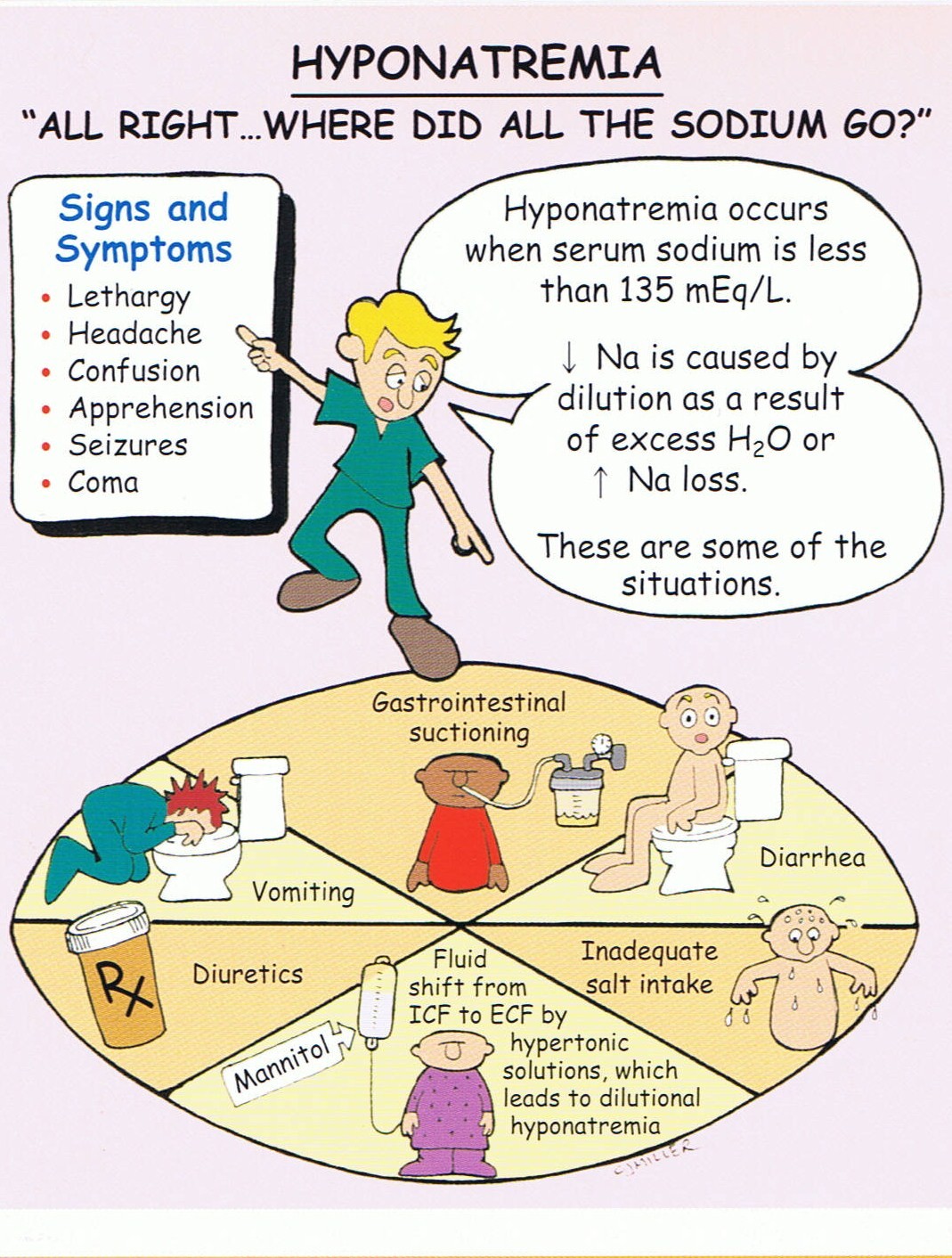
Hyponatremia is a condition that occurs when the level of sodium in your blood is abnormally low. Sodium is an electrolyte, and it helps regulate the amount of water that’s in and around your cells.

In hyponatremia, one or more factors — ranging from an underlying medical condition to drinking too much water during endurance sports causes the sodium in your body to become diluted. When this happens, your body’s water levels rise, and your cells begin to swell. This swelling can cause many health problems, from mild to life-threatening.

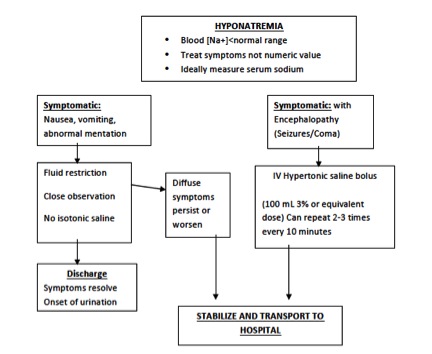
Hyponatremia treatment is aimed at resolving the underlying condition. Depending on the cause of hyponatremia, you may simply need to cut back on how much you drink. In other cases of hyponatremia, you may need intravenous fluids and medications.

Sodium we know what systems it effects from yesterday’s article on sodium in general of how it works in the human body.  If you don’t know and didn’t get a chance to read it yesterday stop this article going to yesterday’s to read over the general information of how sodium works and effects the human body.  This will help you understand the signs and symptoms easier.

Hyponatremia signs and symptoms may include:

  • Nausea and vomiting
  • Headache
  • Confusion
  • Loss of energy and fatigue
  • Restlessness and irritability
  • Muscle weakness, spasms or cramps
  • Seizures
  • To a Coma

A normal sodium level is between 135 and 145 milliequivalents per liter (mEq/L) of sodium. Hyponatremia occurs when the sodium in your blood falls below 135 mEq/L.

Sodium plays a key role in your body. It helps maintain normal blood pressure, supports the work of your nerves and muscles, and regulates your body’s fluid balance playing a particular role in acid and base balances inside our blood stream working with in particular potassium.

Many possible conditions and lifestyle factors can lead to hyponatremia, including:

  • Certain medications. Some medications, such as some water pills (diuretics), antidepressants and pain medications, can cause you to urinate or perspire more than normal.  Medications that increase your risk of hyponatremia include thiazide diuretics as well as some antidepressants and pain medications. In addition to the recreational drug Ecstasy has been linked to fatal cases of hyponatremia.
  • Heart, kidney and liver problems. Congestive heart failure and certain diseases affecting the kidneys or liver can cause fluids to accumulate in your body, which dilutes the sodium in your body, lowering the overall level.
  • Syndrome of inappropriate anti-diuretic hormone (SIADH). In this condition, high levels of the anti-diuretic hormone (ADH) are produced, causing your body to retain water instead of excreting it normally in your urine.
  • Chronic, severe vomiting or diarrhea. This causes your body to lose fluids and electrolytes, such as sodium.
  • Drinking too much water. Because you lose sodium through sweat, drinking too much water during endurance activities, such as marathons and triathlons, can dilute the sodium content of your blood. Drinking too much water at other times can also cause low sodium.
  • Dehydration. Taking in too little fluid can also be a problem. If you get dehydrated, your body loses fluids and electrolytes.
  • Hormonal changes. Adrenal gland insufficiency (Addison’s disease) affects your adrenal glands’ ability to produce hormones that help maintain your body’s balance of sodium, potassium and water. Low levels of thyroid hormone also can cause a low blood-sodium level.
  • The recreational drug Ecstasy. This amphetamine increases the risk of severe and even fatal cases of hyponatremia. In acute hyponatremia, sodium levels drop rapidly — resulting in potentially dangerous effects, such as rapid brain swelling, which can result in coma and death.Seek emergency care for anyone who develops severe signs and symptoms of hyponatremia, such as nausea and vomiting, confusion, seizures, or lost consciousness.
  • Premenopausal women appear to be at the greatest risk of hyponatremia-related brain damage. This may be related to the effect of women’s sex hormones on the body’s ability to balance sodium levels.
  • In chronic hyponatremia, sodium levels drop gradually over 48 hours or longer — and symptoms and complications are typically more moderate.
  • Also for older adults they may have more contributing factors for hyponatremia, including age-related changes, taking certain medications and a greater likelihood of developing a chronic disease that alters the body’s sodium balance.
  • ****Call your doctor if you know you are at risk of hyponatremia and are experiencing nausea, headache, cramping or weakness. Depending on the extent and duration of these signs and symptoms, your doctor may recommend seeking immediate medical care.

QUOTE FOR WEDNESDAY:

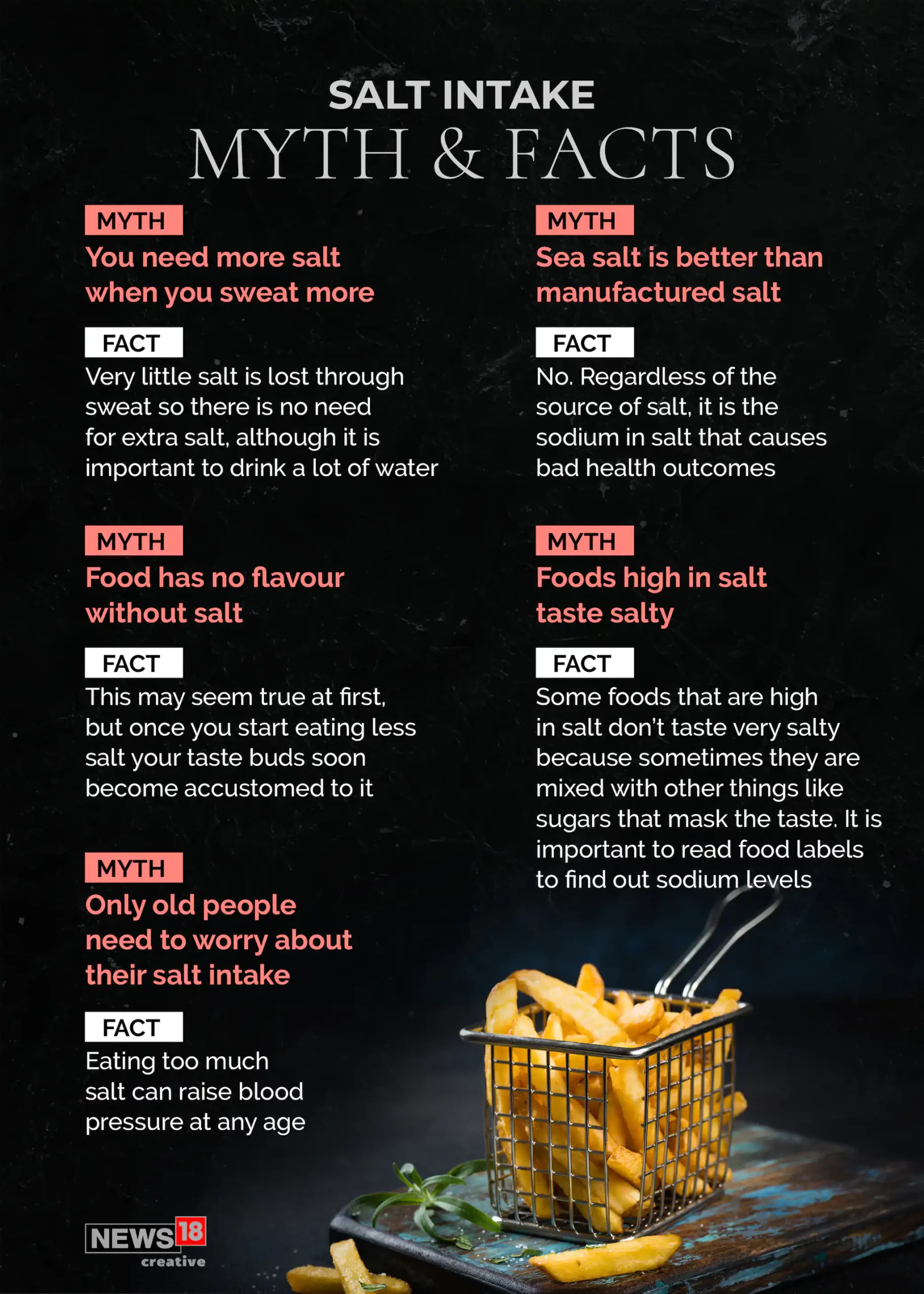
“Table salt, sodium chloride (NaCl), is a naturally occurring mineral essential for animal life. Salt is one of the most widely used and oldest forms of food seasoning (SF Fig. 2.2). Saltiness is one of the five basic human tastes in addition to sweetness, sourness, bitterness, and umami (a savory, meaty taste, such as that of cooked mushrooms, cheese, or soy sauce). As salt dissolves in a solution or on food, it breaks into its component ions: sodium and chloride (Na+ and Cl, respectively). The salty flavor primarily comes from the sodium ions.

Salt plays a crucial role in maintaining human health. It is the main source of sodium and chloride ions in the human diet. Sodium is essential for nerve and muscle function and is involved in the regulation of fluids in the body.  Sodium also plays a role in the body’s control of blood pressure and volume.

Although sodium is essential, people who consume too much sodium may have hypertension or high blood pressure, a condition that can lead to serious illnesses such as heart disease, kidney disease, and stroke.

Chloride ions serve as important electrolytes by regulating blood pH and pressure. Electrolytes are compounds, often salts, which dissociate into their ionic components in solvents like water. Chloride is also a crucial component in the production of stomach acid (HCl). Humans excrete salt when sweating and must replenish these lost sodium and chloride ions through their diet.”

Part 2 Why the body needs SALT?


Now, let us get in the specifics of the electrolyte sodium chloride and health.

Table salt is made up of the elements sodium and chloride – the technical name for salt is sodium chloride. Your body needs some sodium to work properly. Na in our body plays important roles and works with potassium. It helps with the function of nerves and muscles. It also helps to keep the right balance of fluids in your body. When Na gets high concentrated (in blood=hypernatremia) our body reacts by allowing more water in that compartment (ex. Plasma) to balance out the electrolyte and fluids in that compartment to prevent complications. Your kidneys control how much sodium is in your body. If you have too much and your kidneys can’t get rid of it, sodium builds up in your blood (hypernatremia). This can lead to health problems. In healthy individuals, the kidneys respond to excess sodium by flushing it out in the urine. Unfortunately, this also removes potassium. If potassium levels are low, the body tries to hoard it, which also means hanging onto sodium. Water follows sodium, leading to an increase in the amount of water in the body and the volume of blood in circulation. Excess sodium blunts the ability of blood vessels to relax and contract with ease causing your vessels to vasoconstrict which increases pressure in your vessels=high blood pressure (B/P)and may also overstimulate the growth of heart tissue. Blood pressure climbs, and the heart must work harder=stress to the heart. When we stress the heart out=overworked, lack of oxygen to the heart tissue happens=pain (we call it Angina that can be reversed) and if it continues can lead to a heart attack (scarring to the heart=damage done to the heart that’s not reversible). Also with constant high B/P with constriction of vessels in the brain this can cause the same stress=headache which if not resolved can lead to a stroke (scarring to the brain, again not reversible).   All of these responses are made worse by low potassium intake.

In some people, especially those already diagnosed with high blood pressure, heart failure, or impaired kidney functioning, the kidneys hang onto sodium no matter what, further complicating the disease they have and worsening their health.

One way to flush sodium out of the body is by getting more potassium. An interesting report from the Trials of Hypertension Prevention suggests that changing the balance between these two minerals can help the heart and arteries.

High blood pressure can lead to other health problems, especially uncontrolled.

Most people in the U.S. get more sodium in their diets than they need. A key to healthy eating is choosing foods low in salt and sodium. Doctors recommend you eat less than 2.4 grams per day. That equals about 1 teaspoon of table salt a day. Reading food labels can help you immensely in seeing accurately how much sodium is in prepared foods of your meals you eat.

Most of the focus on sodium and potassium centers on their effects on the kidneys, blood vessels, and heart.  But these minerals affect every part of the body, including the relentless breakdown and buildup of bone.  A diet high in sodium increases the amount of calcium excreted in the urine. This loss is especially prominent when calcium intake is low, as it is for so many Americans. Loss of calcium can contribute to osteoporosis, the age-related weakening of bones=easier fractures and brakes in bones.

One way to combat the problem is by taking in more calcium from food or supplements. Getting more potassium, in the range of the recommended 4,700 mg a day, can also help.

To be sure, there is more to bone health than sodium and potassium. Heredity, lack of exercise, hormone levels (low testosterone in men, low estrogen in women), and a dearth of vitamin D and vitamin K can also weaken bones. But it’s good to know that a positive change made for your heart is doing good things elsewhere in the body.

One way to prevent or fight high blood pressure and keep the heart healthy is to boost the amount of potassium you get while at the same time reducing your sodium intake. (Note: Check with your doctor before boosting your intake of potassium. Although it’s a good strategy for many, it can be harmful to people with kidney disease or heart failure, or those who are taking certain kinds of diuretics, or “water pills.”) Recommended if with any disease get clearance from your m.d. before making changes in your diet, activity, and any health habits (especially if a cardiac, renal, diabetes diagnosis)

The best way to get more potassium and less sodium is by eating more fresh fruits and vegetables, beans, fish, homemade foods, and low-salt versions of prepared foods. You can top the 4,700-milligram mark for potassium and stay under 800 mg of sodium by having regular oatmeal, orange juice, and coffee for breakfast; a peanut butter and jelly sandwich and milk for lunch; baked halibut, a baked potato with the skin, and a spinach salad with half an avocado for dinner; and some peanuts, raisins, a banana, and low-sodium V8 in between. The potassium-to-sodium ratio of this menu is 14 to 1. Best way to figure out the amount of sodium or potassium in your diet is count what the label of the food your eating states is in a serving and document it up in 24hrs and add it up. Add in some exercise and, though you aren’t living like people in the Stone Age, you might have arteries as healthy as they had.

To know what primary (prevention) or secondary management of diseases or illnesses caused by or effected by sodium blood levels in the body with learning how to control and take proper sodium intake as best as possible this can be accomplished by eating a healthy diet (low sodium), practice healthy habits, and even lose weight if necessary. Doing this will let you reach your optimal level of health. Having the knowledge in how to eat sodium healthy, how to lose weight by living healthy habits and eating healthy not just 3 mths or a year but for life with being able to treat yourself to treats and foods occasionally is the way to go but remember always consult your primary doctor especially those with high b/p or cardiac disease before making changes in activity or diet.

QUOTE FOR TUESDAY:

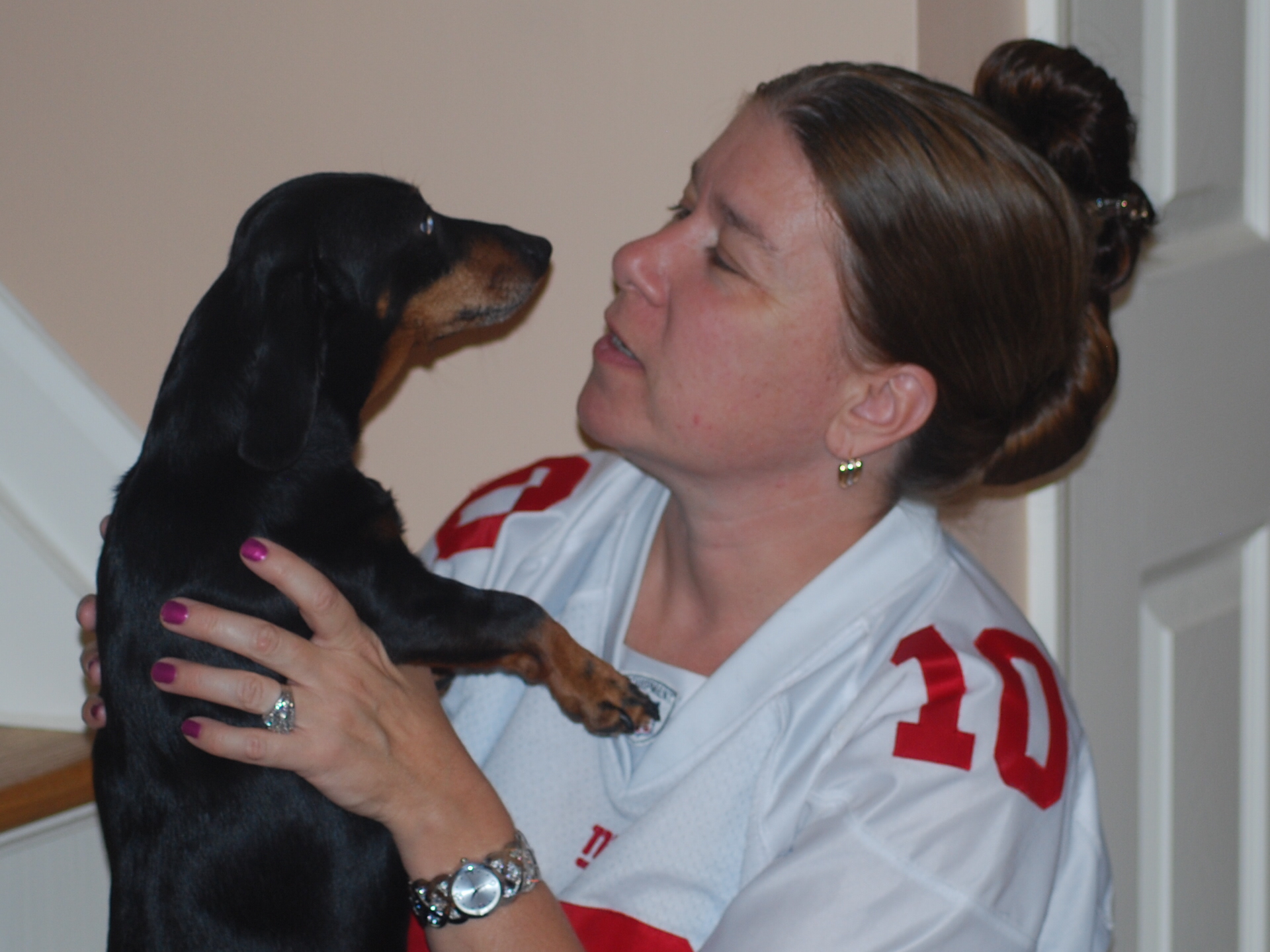
People with dogs know the benefits of pet ownership. The unconditional love, trust and loyalty shown by your canine companions, coupled with their unbridled enthusiasm on your return home each day, is hard to put into words.

There’s another plus of having a dog by your side: It improves your overall physical and mental health. Here’s how.

Dogs get you moving

One notable benefit is that dogs force you to get up and move. One research study found that dog owners are more likely to report regular physical activity than people who don’t own dogs. Activities associated with dog ownership, like feeding, grooming, playing and letting them outside, all increase physical activity levels. Physical activity improves blood flow, induces muscle contraction and reduces joint stiffness.”

MAYO CLINIC (Dogs are good for your health – Mayo Clinic Health System)

Dogs are more than great pets; its National Dog Day!!


Goldsmiths College released a study that showed more dogs will approach someone who’s crying or in distress than someone who is not. This shows that dogs are empathetic and are eager to help comfort humans in pain.

Their sense of smell can do even more than we think; dogs can also detect low blood sugar in their master. They will either alert the person that the sugar has dropped or, if a diabetic attack has already occurred, will bark and bark and bark in an attempt to alert somebody to come help, thus working to save the diabetic’s life.

Some dogs are also able to detect seizures in humans.  Recent research has shown certain dogs are able to warn seizure patients that they’re going to experience an attack, sometimes hours before it happens. Nobody yet knows how they do it, or why only certain dogs can do it. They also can’t be trained to do it, so if you feel you need a seizure-sniffing dog, you need to make sure you have yourself a natural.

Due to their incredible sense of smell, dogs have shown anywhere from 70 to 99% accuracy (depending on the study) when tasked with detecting lung cancer in a nearby patient.

Fibromyalgia is a debilitating disease that can leave its victim in constant pain. Studies have shown that the Xolo dog’s body temperature can be used as a kind of therapeutic heating pad, due to it being a hairless species. Of course, unlike heating pads, a Xolo will bond with you, snuggle with you and keep you warm as long as you need, leading to both external comfort and internal happiness.

In a surprising twist, it might actually be beneficial to get a dog for your baby, even if they’re allergic. Studies have shown that children under the age of one who live with a dog are much less likely to develop the chronic, and annoying, skin condition called eczema.

Dogs can highly make humans more social.  The British Medical Journal has concluded that dogs act as “social catalysts,” who help people get out more, approach others more easily, and overall reduce isolation. This is actually just as important as the basic companionship that dogs provide, as human social support is beneficial to human health and the dog.

Simply by being themselves, dogs have been shown to help reduce PTSD among soldiers. In addition to providing the usual doggie companionship, they have been shown to help sufferers come out of their shells, be less numb and angry, and improve their social life as well.

A dog kissing you obviously feels wonderful, but it might actually have physical benefits too. Studies have shown that saliva, both the human and doggie variety, can help stimulate nerves and muscles, and get oxygen moving again, which is the secret ingredient in helping wounds to heal. In short, “licking your wounds” is not just a cliché after all.

Almost certainly due to the positive vibes and good feelings that dogs bring out of their masters, even in the worst of times, studies have found that older people who own dogs average at least one less doctor appointment per year than those who do not.

Not that they are the cure but preliminary studies by the American Heart Association are revealing that dog owners have less risk of heart disease than those without dogs. The reasons given are the exercise that owners get when walking their dogs, plus the presence of the dog helps the owner deal with stress better. The evidence is mostly anecdotal right now, but dog owners know that it’s all true.

Day-to-day depression, or even more serious chronic depression, is easier to handle with the love of a dog, studies show. Simply by having them around, and knowing that even at our worst, somebody loves us unconditionally and is eager to see us happy again, we’re given a reason to get up and keep going.

Autistic children often find the world very stressful, in ways that the non-autistic can’t understand. Luckily, a dog can. Studies are showing that bringing a therapy dog into an autistic household helps to reduce the amount of cortisol (a stress hormone) in the autistic child’s body. This both calms the child down and shows him that he has a friend.

Bullying has been a huge problem for a long time, and people are finally doing something about it. Dogs, too. Experimental programs have been launched that bring dogs into schools to promote empathy, with the lesson that you shouldn’t treat people badly, because you wouldn’t do it to a dog. Thus far, kids have been able to make the connection, which will hopefully continue to be the case.

Dogs have shown that they can help keep dementia sufferers on schedule, reminding them when its time for medicine and when to see the doctor. In addition, when the owner experiences frustration over the state of their mind, the “dementia dog” is right there to support them, comfort them, and remind them that someone’s always there for them.

AREN’T DOGS AMAZING!!