Archive | August 2025

QUOTE FOR MONDAY:

“Salt, also known as sodium chloride, is about 40% sodium and 60% chloride. It flavors food and is used as a binder and stabilizer. It is also a food preservative, as bacteria can’t thrive in the presence of a high amount of salt. The human body requires a small amount of sodium to conduct nerve impulses, contract and relax muscles, and maintain the proper balance of water and minerals. It is estimated that we need about 500 mg of sodium daily for these vital functions. But too much sodium in the diet can lead to high blood pressure, heart disease, and stroke. It can also cause calcium losses, some of which may be pulled from bone. Most Americans consume at least 1.5 teaspoons of salt per day, or about 3400 mg of sodium, which contains far more than our bodies need.”

Harvard.edu (Salt and Sodium • The Nutrition Source)

Part 1 WHY THE BODY NEEDS SALT

SALT4

First we’ll cover how water, electrolytes, proteins work in the body to understand how sodium (being a electrolyte) is so important with our health. Then we will cover how to use sodium therapeutically in our diet with knowing how it impacts how your future health and how it prevents with even help you in managing certain diseases or illnesses you already have.

Let us first understand the basics of the human body: a large percentage of body weight is composed of water that is containing dissolved particles of organic and inorganic substances vital to life. A young adult male is about 60% water whereas a female is 50%. Than the percentage of the body weight, that is WATER, declines with age. Since fat contains little water, the more obese a person gets the smaller the percentage of water weight is in that person.   Salt is what we call sodium (NA) + chloride (Cl)=Sodium chloride =NaCl, which are both an electrolytes. Water is distributed throughout the body, but in compartments that are inside our cells, outside of our cells (being plasma), and in our tissues. In these compartments with the water are electrolytes but in varying amounts. The largest percentage of water in our body is inside the cells. The body fluid in us is constantly being lost and replaced for normal body processes to occur.   If we eat daily food and fluids the body easily maintains the compartments in balancing the water and electrolytes in our body (remember the compartments are in the cells, outside of cells, and in the tissues).   We know the body receives water to these different compartments through our diet in what we eat (foods & liquids) and through the metabolism (break down) of the those foods & liquids=nutrition that we eat and through the body tissues. There are ending products from the metabolism (break down) of tissues in our body and our foods and fluids through digestion causing our body to have an ending result of toxins in the body but are body gets rid of them if functioning within normal limits. Two vital processes that do this which demand continual expenditure of water in removal of toxins is: 1.) removal of body heat by vaporization of water via the lungs and the skin(perspiration).                         2.)excretion of urea and other metabolic wastes by the kidneys dumping them in our urinary bladder; the stool also in our GI tract plays a role in this removal of metabolic wastes in evacuation.                                                                                                                                                                                    Solid foods such as meats and vegetables contain 60 to 90% water . Note the normal daily replacement of water roughly equals the normal daily loss with an entire body functioning properly. The volume of water used in these processes varies greatly with external influences such as temperature and humidity.

All body fluids contain chemical compounds. Chemical compounds in solution may be classified as electrolytes or nonelectrolytes based on their ability to conduct an electric current in the solution. Electrolytes are either positive, which is a charged particle called an cation (electric current=Na+); or negative which is not a charged particle called an anion (no electric current=Cl-). This is why you’ll see an electrolyte banner or board up in the front of chemistry class or just in your chemistry book (a positive or negative sign after every abbreviation of each element). It’s letting you know if it is + or -. Proteins are special types of charged molecules. They both have a charge that is dependent on the pH of the body fluids. A normal pH in our plasma is 7.35 to 7.45 and at this level your proteins exist with a net negative charge. In our bodies compartments, when imbalances happen regarding fluids, electrolytes or proteins problems occur; acidity and alkalinity distribution in the body becomes effected.

What does this all mean?                                         

There are 3 main mechanisms for fluid and electrolyte movement in the body to help in maintenance of acid and base balances throughout the human body which are diffusion, osmosis, and filtration. Through these mechanisms transfer of water and electrolytes take place dispensing them in the body where they are needed.                                        

Electrolytes account for most of the osmotic pressure of the body fluids (this pressure is the concentration of solids in a compartment—example inside your cells is a compartment). Electrolytes are VITALLY important in the maintenance of acid and base (alkaline) balancing in all cells to all the plasma (outside the cell) to every tissue region of the body. These 3 mechanisms of delivery that balance the fluids and electrolytes in our body you need to have working correctly; but when the body ends up getting imbalances of electrolytes or fluids over a long period of time certain illnesses or diseases can arise. If a system fails in our body, this can put the electrolyte and fluid balance off causing health problems in our body; take for example. kidneys that play a major role in removing toxins from our bloodstream by pulling them out of the blood vessels that filter through the kidneys and allows the organ to dump the toxins into our urinary bladder where we excrete them.   When we void, the more yellow the urine means the higher the amount or concentration of toxins is in the urine and that was dumped in the urinary bladder by proper kidney function.   So if disease like renal (kidneys )failure occurs than this messes up the entire process of balancing the acid and base fluids in the body by allowing the toxics to stay in our body which causes them to be dumped elsewhere, like in our tissues=the body is trying to compensate. This will cause yellowing to the sclera, skin, etc… which we call jaundice and if not repaired you will die sooner in life.  


QUOTE FOR THE WEEKEND:

“About 1 in 10 people who have stomach surgery develop dumping syndrome.1 Dumping syndrome is more common after some types of surgery than others.

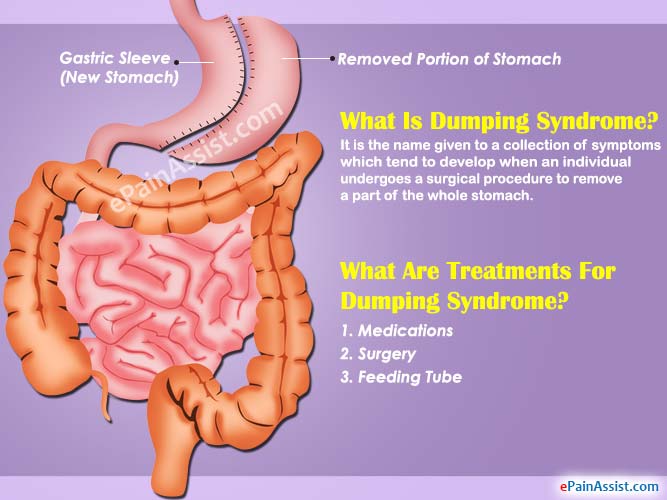
For example, dumping syndrome is more common after gastric bypass surgery than after other types of weight-loss surgery, also called metabolic and bariatric surgery. Dumping syndrome is also more common after a gastrectomy that removes the entire stomach than after a gastrectomy that removes only part of the stomach.

Early dumping syndrome is more common than late dumping syndrome. Some people have both forms. Among people with dumping syndrome, about 1 in 4 have late dumping syndrome alone.2″

National Institute of Diabetes and Digestive and Kidney Diseases (Definition & Facts for Dumping Syndrome – NIDDK)


Part II Dumping Syndrome – How its diagnosed and the Rxs.

How is dumping syndrome diagnosed?

A health care provider will diagnose dumping syndrome primarily on the basis of symptoms. A scoring system helps differentiate dumping syndrome from other GI problems. The scoring system assigns points to each symptom and the total points result in a score. A person with a score above 7 likely has dumping syndrome.

The following tests may confirm dumping syndrome and exclude other conditions with similar symptoms:

  • A modified oral glucose tolerance test checks how well insulin works with tissues to absorb glucose. A health care provider performs the test during an office visit or in a commercial facility and sends the blood samples to a lab for analysis. The person should fast—eat or drink nothing except water—for at least 8 hours before the test. The health care provider will measure blood glucose concentration, hematocrit—the amount of red blood cells in the blood—pulse rate, and blood pressure before the test begins. After the initial measurements, the person drinks a glucose solution. The health care provider repeats the initial measurements immediately and at 30-minute intervals for up to 180 minutes. A health care provider often confirms dumping syndrome in people with
    • low blood sugar between 120 and 180 minutes after drinking the solution
    • an increase in hematocrit of more than 3 percent at 30 minutes
    • a rise in pulse rate of more than 10 beats per minute after 30 minutes
  • A gastric emptying scintigraphy test involves eating a bland meal—such as eggs or an egg substitute—that contains a small amount of radioactive material. A specially trained technician performs this test in a radiology center or hospital, and a radiologist—a doctor who specializes in medical imaging—interprets the results. Anesthesia is not needed. An external camera scans the abdomen to locate the radioactive material. The radiologist measures the rate of gastric emptying at 1, 2, 3, and 4 hours after the meal. The test can help confirm a diagnosis of dumping syndrome.

The health care provider may also examine the structure of the esophagus, stomach, and upper small intestine with the following tests:

  • An upper GI endoscopy involves using an endoscope—a small, flexible tube with a light—to see the upper GI tract. A gastroenterologist—a doctor who specializes in digestive diseases—performs the test at a hospital or an outpatient center. The gastroenterologist carefully feeds the endoscope down the esophagus and into the stomach and duodenum. A small camera mounted on the endoscope transmits a video image to a monitor, allowing close examination of the intestinal lining. A person may receive general anesthesia or a liquid anesthetic that is gargled or sprayed on the back of the throat. If the person receives general anesthesia, a health care provider will place an intravenous (IV) needle in a vein in the arm. The test may show ulcers, swelling of the stomach lining, or cancer.
  • An upper GI series examines the small intestine. An x-ray technician performs the test at a hospital or an outpatient center and a radiologist interprets the images. Anesthesia is not needed. No eating or drinking is allowed before the procedure, as directed by the health care staff. During the procedure, the person will stand or sit in front of an x-ray machine and drink barium, a chalky liquid. Barium coats the small intestine, making signs of a blockage or other complications of gastric surgery show up more clearly on x rays.

A person may experience bloating and nausea for a short time after the test. For several days afterward, barium liquid in the GI tract causes white or light-colored stools. A health care provider will give the person specific instructions about eating and drinking after the test.

How is dumping syndrome treated?

Treatment for dumping syndrome includes changes in eating, diet, and nutrition; medication; and, in some cases, surgery. Many people with dumping syndrome have mild symptoms that improve over time with simple dietary changes.

Eating, Diet, and Nutrition

The first step to minimizing symptoms of dumping syndrome involves changes in eating, diet, and nutrition, and may include

  • eating five or six small meals a day instead of three larger meals
  • delaying liquid intake until at least 30 minutes after a meal
  • increasing intake of protein, fiber, and complex carbohydrates—found in starchy foods such as oatmeal and rice
  • avoiding simple sugars such as table sugar, which can be found in candy, syrup, sodas, and juice beverages
  • increasing the thickness of food by adding pectin or guar gum—plant extracts used as thickening agents

Some people find that lying down for 30 minutes after meals also helps reduce symptoms.

Medication

A health care provider may prescribe octreotide acetate (Sandostatin) to treat dumping syndrome symptoms. The medication works by slowing gastric emptying and inhibiting the release of insulin and other GI hormones. Octreotide comes in short- and long-acting formulas. The short-acting formula is injected subcutaneously—under the skin—or intravenously—into a vein—two to four times a day. A health care provider may perform the injections or may train the patient or patient’s friend or relative to perform the injections. A health care provider injects the long-acting formula into the buttocks muscles once every 4 weeks. Complications of octreotide treatment include increased or decreased blood glucose levels, pain at the injection site, gallstones, and fatty, foul-smelling stools.

Surgery

A person may need surgery if dumping syndrome is caused by previous gastric surgery or if the condition is not responsive to other treatments. For most people, the type of surgery depends on the type of gastric surgery performed previously. However, surgery to correct dumping syndrome often has unsuccessful results.

Points to Remember

  • Dumping syndrome occurs when food, especially sugar, moves too fast from the stomach to the duodenum—the first part of the small intestine—in the upper gastrointestinal (GI) tract.
  • Dumping syndrome has two forms, based on when symptoms occur:
    • early dumping syndrome—occurs 10 to 30 minutes after a meal
    • late dumping syndrome—occurs 2 to 3 hours after a meal
  • People who have had surgery to remove or bypass a significant part of the stomach are more likely to develop dumping syndrome. Other conditions that impair how the stomach stores and empties itself of food, such as nerve damage caused by esophageal surgery, can also cause dumping syndrome.
  • Early dumping syndrome symptoms include
    • nausea
    • vomiting
    • abdominal pain and cramping
    • diarrhea
    • feeling uncomfortably full or bloated after a meal
    • sweating
    • weakness
    • dizziness
    • flushing, or blushing of the face or skin
    • rapid or irregular heartbeat
  • The symptoms of late dumping syndrome include
    • hypoglycemia
    • sweating
    • weakness
    • rapid or irregular heartbeat
    • flushing
    • dizziness
  • Treatment for dumping syndrome includes changes in eating, diet, and nutrition; medication; and, in some cases, surgery. Many people with dumping syndrome have mild symptoms that improve over time with simple dietary changes.

References

QUOTE FOR FRIDAY:

“Dumping syndrome is a group of symptoms, such as diarrhea, nausea, or feeling light-headed or tired after a meal, that are caused by rapid gastric emptying. Rapid gastric emptying is a condition in which food moves too quickly from your stomach to your duodenum (the first section of the small intestines).

Are there different forms of dumping syndrome?

Dumping syndrome has two forms

  • early dumping syndrome, in which you have symptoms within 30 minutes after eating a meal
  • late dumping syndrome, in which you have symptoms 1 to 3 hours after eating a meal

Early and late dumping syndromes have different symptoms.”

National Institute of Diabetes and Digestive and Kidney Diseases (Definition & Facts for Dumping Syndrome – NIDDK)


Part I Dumping Syndrome – What it is, what are the causes, who is most likely to develop it, and the symptoms!

What is dumping syndrome?

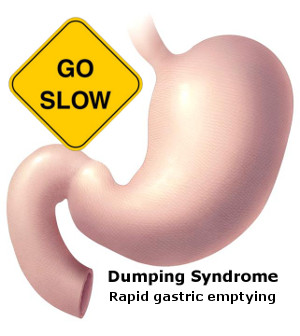
Dumping syndrome occurs when food, especially sugar, moves too fast from the stomach to the duodenum—the first part of the small intestine—in the upper gastrointestinal (GI) tract. This condition is also called rapid gastric emptying. Dumping syndrome has two forms, based on when symptoms occur:

  • early dumping syndrome—occurs 10 to 30 minutes after a meal
  • late dumping syndrome—occurs 2 to 3 hours after a meal

What is the GI tract?

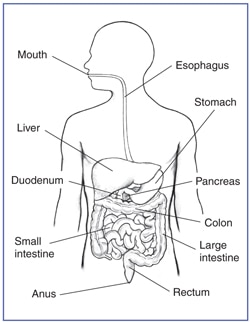
The GI tract is a series of hollow organs joined in a long, twisting tube from the mouth to the anus—the opening where stool leaves the body. The body digests food using the movement of muscles in the GI tract, along with the release of hormones and enzymes. The upper GI tract includes the mouth, esophagus, stomach, duodenum, and small intestine. The esophagus carries food and liquids from the mouth to the stomach. The stomach slowly pumps the food and liquids into the intestine, which then absorbs needed nutrients. Two digestive organs, the liver and the pancreas, produce digestive juices that reach the small intestine through small tubes called ducts.

The last part of the GI tract—called the lower GI tract—consists of the large intestine and anus. The large intestine is about 5 feet long in adults and absorbs water and any remaining nutrients from partially digested food passed from the small intestine. The large intestine then changes waste from liquid to a solid matter called stool. Stool passes from the colon to the rectum. The rectum is located between the last part of the colon—called the sigmoid colon—and the anus. The rectum stores stool prior to a bowel movement. During a bowel movement, stool moves from the rectum to the anus.

Illustration of the digestive tract within an outline of the top half of a human body.
The upper GI tract includes the mouth, esophagus, stomach, duodenum, and small intestine. The lower GI tract consists of the large intestine—which includes the colon and rectum—and anus.

What causes dumping syndrome?

Dumping syndrome is caused by problems with the storage of food particles in the stomach and emptying of particles into the duodenum. Early dumping syndrome results from rapid movement of fluid into the intestine following a sudden addition of a large amount of food from the stomach. Late dumping syndrome results from rapid movement of sugar into the intestine, which raises the body’s blood glucose level and causes the pancreas to increase its release of the hormone insulin. The increased release of insulin causes a rapid drop in blood glucose levels, a condition known as hypoglycemia, or low blood sugar.

Who is more likely to develop dumping syndrome?

People who have had surgery to remove or bypass a significant part of the stomach are more likely to develop dumping syndrome. Some types of gastric surgery, such as bariatric surgery, reduce the size of the stomach. As a result, dietary nutrients pass quickly into the small intestine. Other conditions that impair how the stomach stores and empties itself of food, such as nerve damage caused by esophageal surgery, can also cause dumping syndrome.

What are the symptoms of dumping syndrome?

The symptoms of early and late dumping syndrome are different and vary from person to person. Early dumping syndrome symptoms may include

  • nausea
  • vomiting
  • abdominal pain and cramping
  • diarrhea
  • feeling uncomfortably full or bloated after a meal
  • sweating
  • weakness
  • dizziness
  • flushing, or blushing of the face or skin
  • rapid or irregular heartbeat

The symptoms of late dumping syndrome may include

  • hypoglycemia
  • sweating
  • weakness
  • rapid or irregular heartbeat
  • flushing
  • dizziness

About 75 percent of people with dumping syndrome report symptoms of early dumping syndrome and about 25 percent report symptoms of late dumping syndrome. Some people have symptoms of both types of dumping syndrome.1

References

QUOTE FOR THURSDAY:

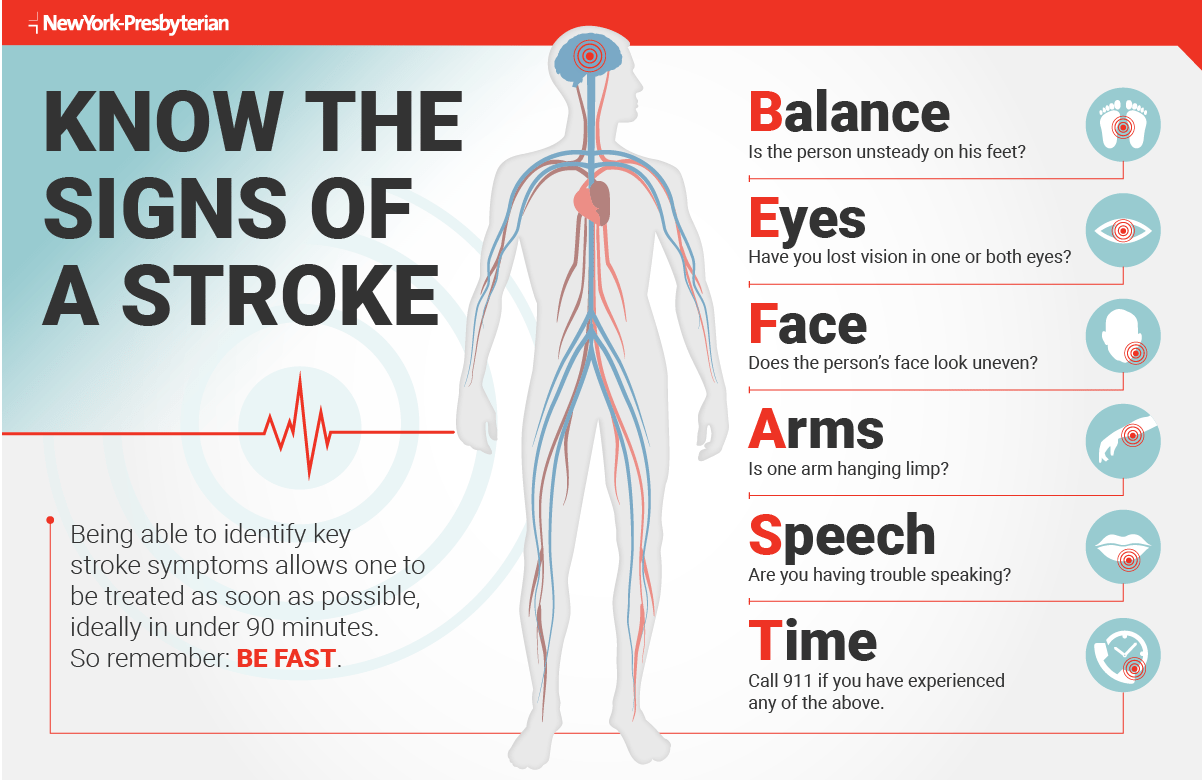
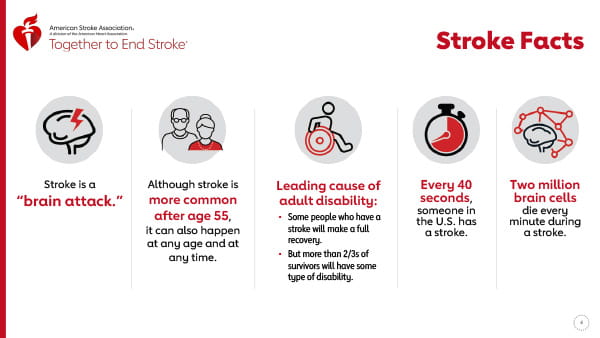
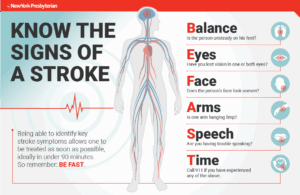
  • “In the United States in 2022, 1 in 6 deaths (17.5%) from cardiovascular disease was due to stroke.1
  • The death rate for stroke decreased from 39.5 per 100,000 in 2022 to 39.0 per 100,000 in 2023.1
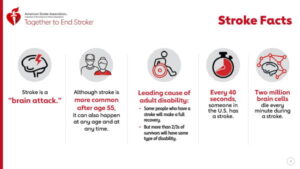
  • Every 40 seconds, someone in the United States has a stroke.2 Every 3 minutes and 14 seconds, someone dies of stroke in this country.1
  • Every year, more than 795,000 people in the United States have a stroke.2
  • About 610,000 of these are first or new strokes.2
  • About 185,000 strokes—nearly 1 in 4—are in people who have had a previous stroke.2
  • About 87% of all strokes are ischemic strokes, in which blood flow to the brain is blocked.2
  • Stroke risk increases with age, but strokes can—and do—occur at any age.
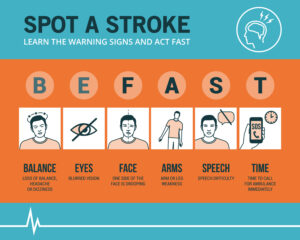
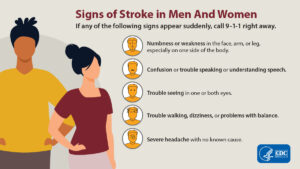
  • Early action is important for stroke.
  • Stroke statistics vary by race and ethnicity.”

Center of Disease Control and Prevention – CDC (Stroke Facts | Stroke | CDC)

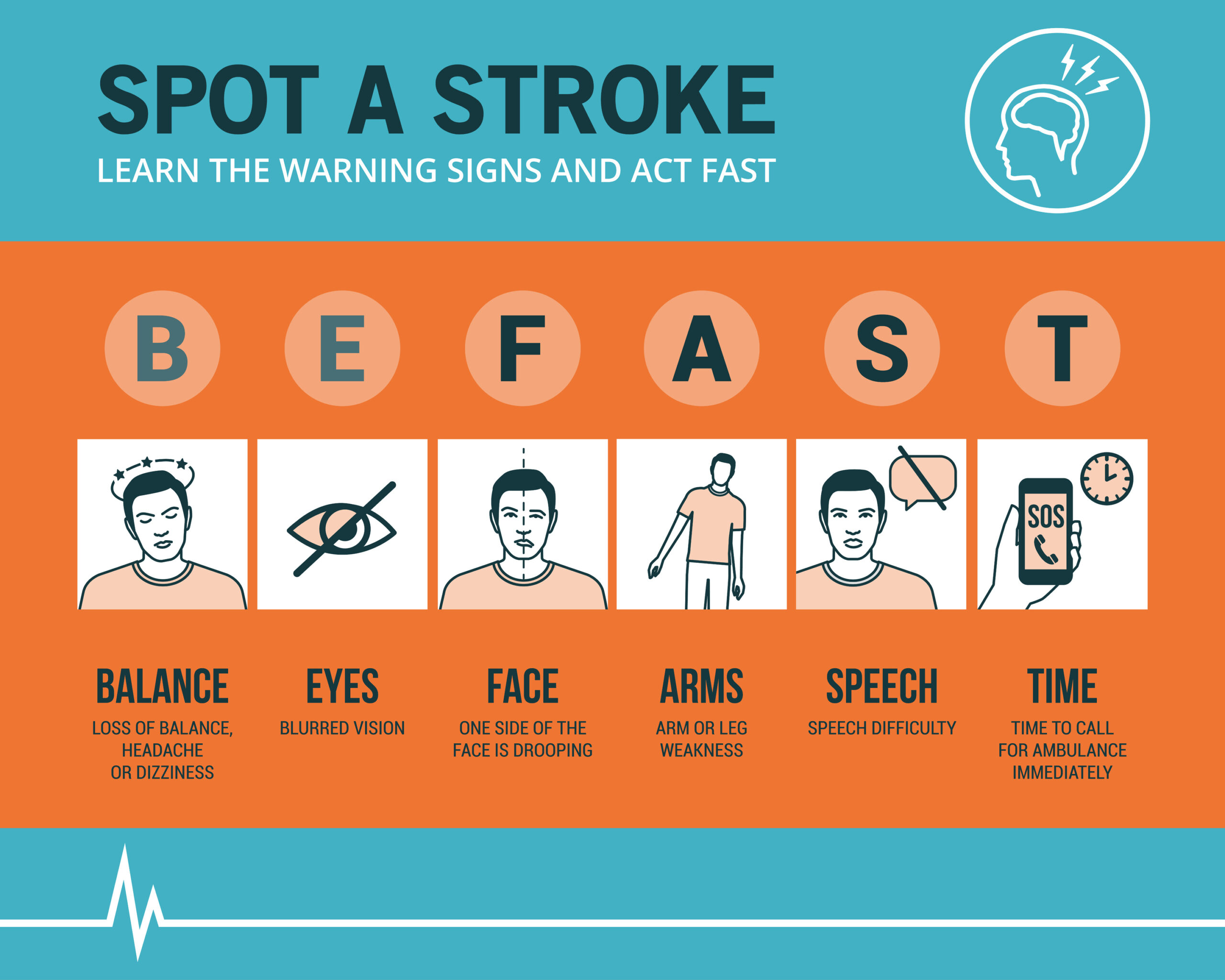
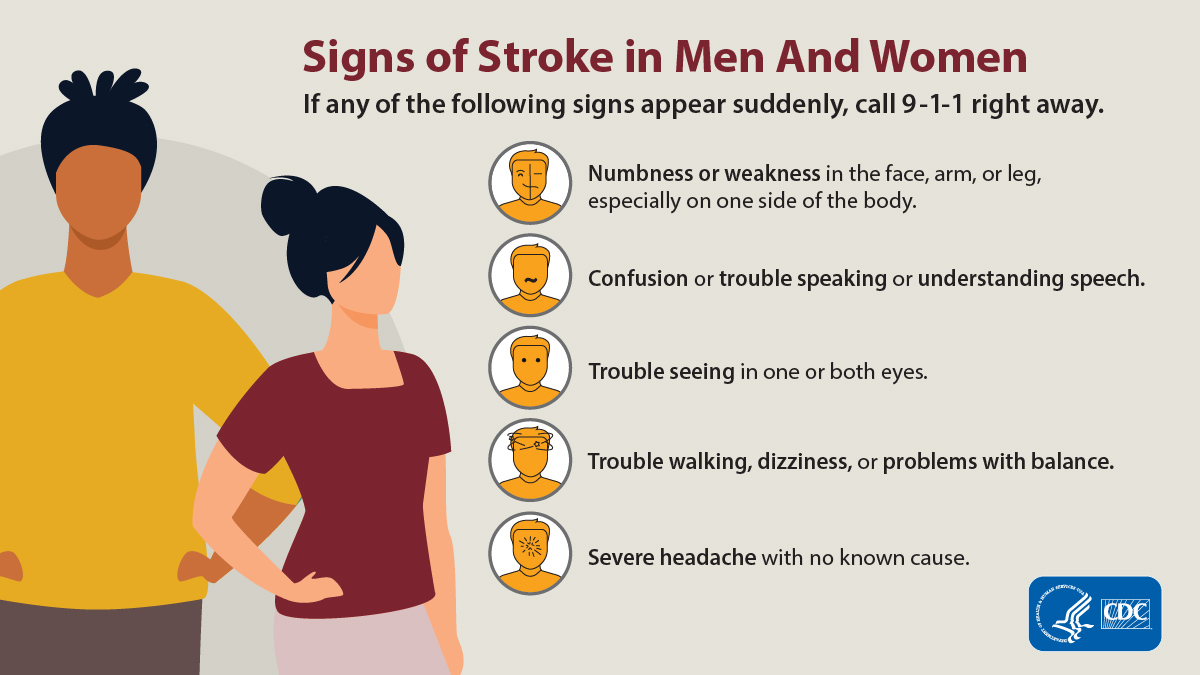
*Prevention of Stroke or Transient Ischemic Attack (TIA)* – Know the signs, the types of strokes, the risks, and you can take to prevent it!


There are 2 types of strokes:

1-Hemmoragic-a blood vessel that bursts in the brain causing lack of oxygen to be supplied to the area of the brain (a lobe) where the vessel ruptured.  Lack of oxygen to any area of the body tissue=starvation to the tissue; where in this case is the brain=a stroke.

2-Blockages-These blockages caused by the following: blood clots, athero-sclerosis, a common disorder, it happens due to fat, cholesterol, with even tar from smoking, or other substances that build up in the walls of the arteries forming hard structures called plaque and in time creating a blockage in the vessel interfering with blood supply providing oxygen to tissue and if blocked in the brain=high probability of a stroke occurring if not taken care of.   “Recommended related to Heart Disease” by Web MD which states that atherosclerosis is the key cause of heart attacks & strokes including it’s the number one killer in the United States.  Risk Factors for atherosclerosis include high blood pressure (b/p)=arteriosclerosis, blood level of high bad cholesterol (LDL), blood level of low good cholesterol (HDL), smoking, diabetes, and history of heart attacks in your nuclear family.  Definitely a healthy diet, having exercise in your life, and your weight within the therapeutic body mass index level will help prevent, if not treat, atherosclerosis.

 The Risk Factors of this disease, especially diet & sedentary lifestyle:

1. High Blood Pressure (b/p)-This is also known as the diagnosis hypertension.  In understanding how hypertension works let’s use a metaphor:  Think of a blood vessel as a long thin balloon and if we stand on it the pressure will increase inside the balloon causing the diameter of the balloon to swell up.  If you continue to step on the balloon adding additional pressure this causes it to finally reach it’s total amount of pressure or when you exceed the total level of pressure this results in popping the balloon.  Similar concept with high b/p, that’s if the pressure keeps rising in our blood vessels due to blockage or vasoconstriction (which is making the vessels diameter more narrow=increased pressure in the vessels) sooner or later a vessel bursts somewhere in the body due to the b/p passing it’s total level in the amount of pressure that it can handle in the circulatory system which can result into a burst of an artery, like in the brain causing a stroke or in a vessel near the heart causing a myocardial infarction (but this is another topic some other day).  Think of food,  a human being not eating leads into starvation, well for blood cells lack of oxygen=starvation to the cells.  This causes in both situations or cases a lack of nutrition (the tissue is lacking oxygen).  With a stroke, not enough oxygen is getting to the brain resulting from either a hemorrhage (loosing too much blood=loosing to many cells=oxygen (food for tissue) or a blockage preventing 02 getting to the area.  Though many people have increased b/p due to only 2 things diet leading them to obesity, and lack of exercise due to a sedentary lifestyle, which could be changed and resolve the problem in most cases.  Increased b/p can also be due noncompliance- like continuing to smoke, or not following the healthy regimen the M.D. ordered for you as a patient.  The overall healthy regimen for a person with hypertension would be a low sodium diet (preventing further vasoconstriction), even low in cholesterol/fat/1800-2000 calories a day (preventing obesity or further weight gain), balancing rest with exercise and the b/p medications taken as prescribed, by their M.D.    So for many Americans hypertension can be controlled just by diet with balancing exercise with rest.  For others it might take a little more like doing which is what I just mentioned with following your medication regimen as ordered and going to your doctor having your b/p monitored, as your M.D. prescribes.                                                                                                                                                                        2. Smoking-For starters, this unhealthy habit puts you at risk for high blood pressure since it causes vasoconstriction (narrowing) of the vessels in our body due to the nicotine.  The answer to this risk factor is simply quit this unhealthy habit.  Smoking adds to the plaque building up in the vessels.  Centers for Disease state that in 2010 the leading cause of death was heart disease followed by cancer than to chronic respiratory disease and lastly stroke.  Over time a healthy diet balanced with exercise daily or every 2 days for 30minutes would help decrease the cardiac disease and stroke.  The American Lung Association states that smoking is directly responsible for approximately 90 percent of lung cancer deaths and approximately 80-90 percent of COPD (emphysema and chronic bronchitis) deaths.

  • Among adults who have ever smoked, 70% started smoking regularly at age 18 or younger, and 86% at age 21 or younger.3
  • Smoking harms nearly every organ in the body, and is a main cause of lung cancer and chronic obstructive pulmonary disease (COPD, including chronic bronchitis and emphysema). It is also a cause of coronary heart disease (CAD), stroke and a host of other cancers and diseases.

So let’s take a car for instance, if the transmission is bad and not repaired by a mechanic the engine will be effected and soon fail completely.  Now let’s take the lungs, if they are bad and you don’t go to a doctor to help treat the problem the heart will be effected at some point to failure in function and vice versa.  If a smoker doesn’t quit it causes COPD=Emphysema (this does take over years) and it will affect the heart in time to not function as effectively with someone who has healthy lungs.  Worse, if you don’t quit smoking you increase the risk of getting CAD (coronary artery disease) and add to the problem atherosclerosis if you already have the diagnosis which is caused by fatty materials (lipids), fibrous tissue with tar (from the smoking) causing blockages in the vessels.  You also have a risk at lung cancer.

3. High Cholesterol-The National Stroke Association states the following about cholesterol:
Cholesterol is a soft, waxy fat (lipid) that is made by the body. It is found in the bloodstream and in all of your body’s cells. The body needs cholesterol to form cell membranes, some hormones and vitamin D.

Cholesterol is also found in some foods, such as seafood, eggs, meats and dairy products.

Because cholesterol does not dissolve in the blood on its own, it must be carried to and from cells by particles called lipoproteins. There are two main types of lipoproteins: low-density lipoproteins (LDL)=the bad cholesterol and high-density lipoproteins=the good cholesterol (HDL).

LDL can cause plaque build-up. Plaque is a thick, hard substance that can clog arteries. Recent studies show that high levels of LDL and triglycerides (blood fats) raise the risk of ischemic stroke. Plaque can also increase risk of a transient ischemic attack (TIA) where stroke symptoms go away within 24 hours.  Stroke verses TIA=Nonreversible verses Reversible. Stroke is scarring to the brain where TIA doesn’t.  Like Heart Attack verses Angina, Heart Attack is scarring to the heart verses no scarring to the heart with Angina. Both Angina and TIA are just lack of oxygen to the heart and the brain, causing the symptoms due to lack of oxygen=ischemia.  Both heart attack and stroke are both a lot worse than just ischemia.  They both get to the point where there in no oxygen causing actual permanent damage to the organ since the problem never reversed=scarring to the heart and brain.

The second main type of cholesterol is high-density lipoprotein (HDL), often called the “good” cholesterol. High levels of HDL may reduce stroke risk.

High cholesterol levels or plaque build-up in the arteries can block normal blood flow to the brain and cause a stroke. High cholesterol may also increase the risk of heart disease and atherosclerosis, which are both risk factors for stroke.

Many things can affect the b/p levels & cholesterol levels. Some can be changed and some cannot.   We can change 3 things.  You can change, anyone can change, it’s up to you in deciding whether to do it or not and being able to discipline yourself with having the power to do it. They are:

1-Diet — Foods high in saturated fat and cholesterol can increase cholesterol levels. 

2-Weight — Being overweight can increase your cholesterol levels.

3-Exercise — People who are not active tend to have higher cholesterol levels.   

These 3 things can prone you to high blood pressure (B/P), a stroke, & cardiac disease and even other diseases.  I just had a dear friend who I’ve known almost 35 years that survived coronary artery bypass surgery over 55 y/o, with 5 blockages (2 100% blocked and 3 at least 80% blocked).  That was a set up for a silent heart attack if he didn’t have the surgery but he was lucky in getting symptoms of chest pain and fatigue/lethargy due to these blockages.  This made him go the doctor.  He stopped smoking the day before the surgery.   His life had taken a 360 turn and stopped in his daily routine and life schedule.  It had begin all over again at almost 60.

Without controlling your blood pressure therapeutically or ending your smoking or eating healthy with living healthy habits the heart at first will be able to compensate with living unhealthy habits but over time the heart may find it so hard to function or work that the heart starts to fail in doing its job effectively (it decompensates causing failure if no changes are made).  Again let’s take the car, you do maintenance to the vehicle it will operate and last longer, well the exact principle with the human body.  Pretty simple isn’t it.

If you don’t eat a healthy diet, keep your weight in a therapeutic range, properly exercise than expect a high odds they will be leaning more towards a shortening of your life span.  You can control your diet, weight and your exercise the right way with a little direction.  We are here for just direction in helping you maintain a good diet including weight and giving you guidance. Healthy habits in giving you knowledge about routine exercise, all 4 food groups and how to eat them in healthy proportions are the important key.

It is all up to you in making the choice on your life where you can make it more enjoyable and less restricted now and at retirement by sticking to a good health diet and healthy habits, not for 3 or 6 months but for life.  You make all the decisions in what you want to do with your body with what’s acceptable.

QUOTE FOR WEDNESDAY:

“National Immunization Awareness Month (NIAM) is an annual observance held in August to highlight the importance of vaccination for people of all ages. Together, we can help raise awareness about the importance of vaccination and encourage people to talk to a healthcare provider they trust about staying up to date on their vaccinations.

National Immunization Awareness Month aims to raise awareness about the importance of vaccination across the lifespan to help protect communities from serious diseases.”

Center for Disease Control and Prevention (National Immunization Awareness Month (NIAM) | Vaccines & Immunizations | CDC)

National Immunization Awareness Month

National Immunization Awareness Month (NIAM) is an annual observance held in August to highlight the importance of vaccination for people of all ages. NIAM was established to encourage people of all ages to make sure they are up to date on the vaccines recommended for them. Communities have continued to use the month each year to raise awareness about the important role vaccines play in preventing serious, sometimes deadly, diseases.

Diseases that vaccines prevent can be dangerous, or even deadly if not prevented via a vaccine.  Understand ALL vaccines greatly reduce the risk of infection by working with
the body’s natural defenses to safely develop immunity to disease.
Also to understand how vaccines work, it is helpful to first look at how the body fights illness in more detail. When germs, such as bacteria or viruses, invade the body, they attack and multiply. This invasion is called an infection, and the infection is what causes the illness. The immune system uses several tools to fight infection. Blood contains red blood cells, for carrying oxygen to tissues and organs, and white blood cells or immune cells, for fighting infection. These white blood cells consist
primarily of B-lymphocytes, T-lymphocytes, and macrophages:
In simpler terminlology this means building antibodies to the diseases or eating up the disease or fighting the disease that spread in the body but getting it under control (meaning killing it off).  So vaccines fight off and prevent infection from growing in the human body including in our dog or cat (Ex. rabies vaccine for example).
How is this done, well let us explain:
Macrophages-  are white blood cells that swallow up and digest
germs, plus dead or dying cells. The macrophages leave behind
parts of the invading germs called antigens. The body identifies
antigens as dangerous and stimulates the body to attack them.
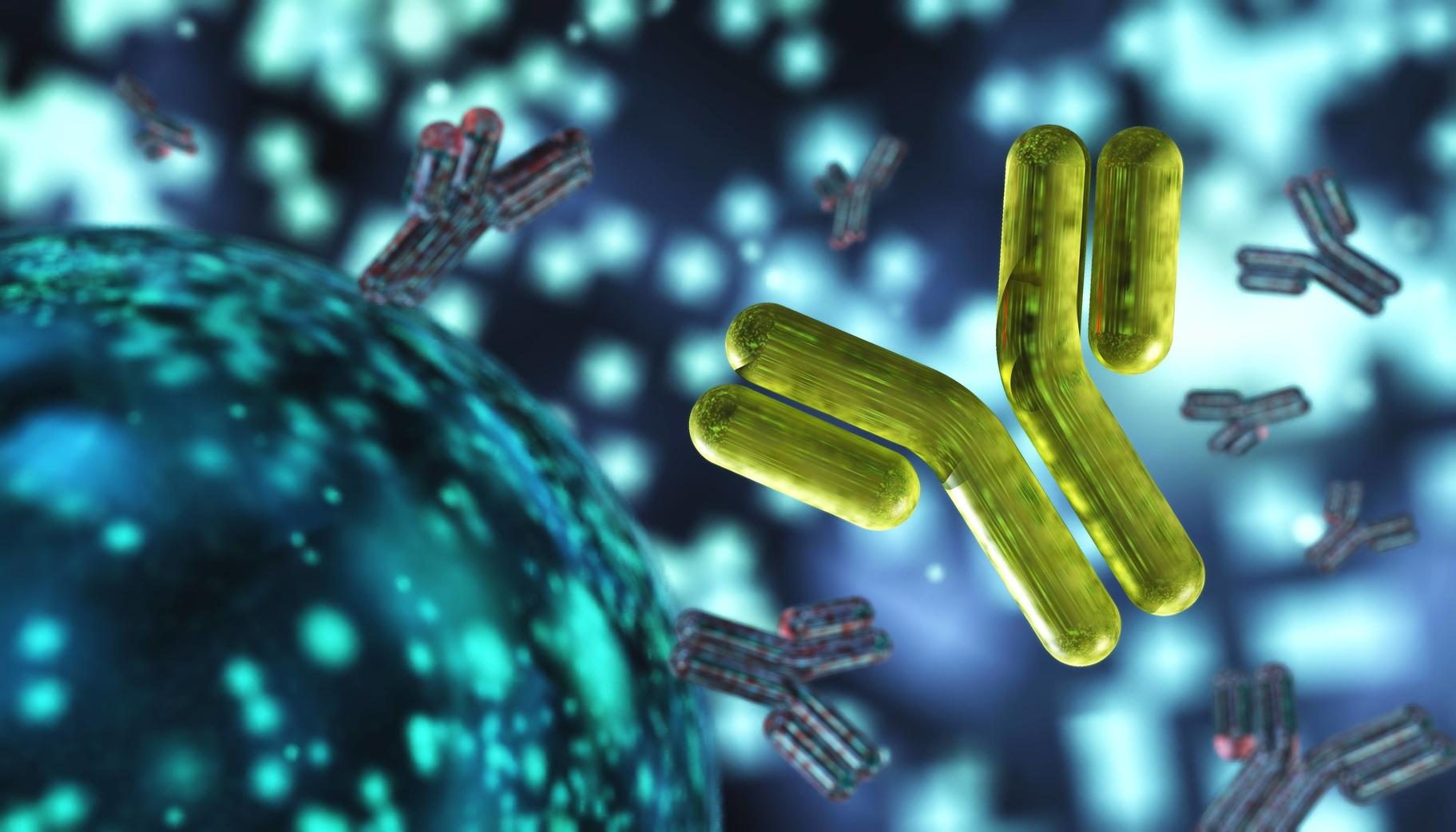
Antibodies- attack the antigens left behind by the macrophages.
Antibodies are produced by defensive white blood cells called
B-lymphocytes.
•T-lymphocytes- are another type of defensive white blood cell. They attack cells in the body that have already been infected.
The first time the body encounters a germ, it can take several days to make and use all the germ-fighting tools needed to get over the infection. After the infection, the immune system remembers what it learned about how to protect the body against that disease.
The body keeps a few T-lymphocytes, called memory cells that go
into action quickly if the body encounters the same germ again. When the familiar antigens are detected, B-lymphocytes produce antibodies to attack them.
Vaccines help develop immunity by imitating an infection. This type of infection, however, does not cause illness, but it does cause the immune system to produce T-lymphocytes and antibodies. Sometimes, after getting a vaccine, the imitation infection can cause minor symptoms, such as fever. Such minor symptoms are normal
and should be expected as the body builds immunity. Once the imitation infection goes away, the body is left with a supply of “memory” T-lymphocytes, as well as B-lymphocytes that will remember how to fight that disease in the future. However, it
typically takes a few weeks for the body to produce T-lymphocytes and B-lymphocytes after vaccination.
Therefore, it is possible that a person who was infected with a disease just before or just after vaccination could develop symptoms and get a disease, because the vaccine has not had enough time to provide protection.

Types of Vaccines:

Scientists take many approaches to designing vaccines. These approaches are based on information about the germs (viruses or bacteria) the vaccine will prevent, such as how it infects cells and how the immune system responds to it. Practical considerations, such as regions of the world where the vaccine would be used, are also important because the strain of a virus and environmental conditions, such as temperature and risk of exposure, may be different in various parts of the
world. The vaccine delivery options available may also differ geographically. Today there are five main types of vaccines that infants and young children commonly receive:
Live, attenuated vaccines fight viruses. These vaccines contain a version of the living virus that has been weakened so that it does not cause serious disease in people with healthy immune systems. Because live, attenuated vaccines are the closest thing to a natural infection, they are good teachers for the immune system.
Examples of live, attenuated vaccines include measles, mumps, and rubella vaccine (MMR) and varicella (chickenpox) vaccine. 
Inactivated vaccines also fight viruses. These vaccines are made by inactivating, or killing, the virus during the process of making the vaccine. The inactivated polio vaccine is an example of this type of vaccine. Inactivated vaccines produce immune responses in different ways than live, attenuated vaccines. Often, multiple doses are necessary to build up and/or maintain immunity.
•Toxoid vaccines prevent diseases caused by bacteria that produce
toxins (poisons) in the body. In the process of making these
vaccines, the toxins are weakened so they cannot cause illness.
Weakened toxins are called toxoids. When the immune system
receives a vaccine containing a toxoid, it learns how to fight off
the natural toxin. The DTaP vaccine contains diphtheria and
tetanus toxoids.
Subunit vaccines include only parts of the virus or bacteria, or subunits, instead of the entire germ. Because these vaccines contain only the essential antigens and not all the other molecules that make up the germ, side effects are less common. The pertussis (whooping cough) component of the DTaP vaccine is an example of a subunit vaccine.
Conjugate vaccines fight a different type of bacteria. These bacteria have antigens with an outer coating of sugar-like substances called polysaccharides. This type of coating disguises the antigen, making it hard for a young child’s immature immune system to recognize it and respond to it. Conjugate vaccines are effective for these types of bacteria because they connect (or conjugate) the polysaccharides to antigens that the immune system responds to very well. This linkage helps the immature immune system react to the coating and develop an immune response. An
example of this type of vaccine is the Haemophilus influenzae type B (Hib) vaccine.
Vaccines that require more than one dose.
There are four reasons that babies—and even teens or adults for that
matter—who receive a vaccine for the first time may need more
than one dose or every year like the flu shot or every 5 years like pneumonia shot:
•For some vaccines (primarily inactivated vaccines), the first dose does not provide as much immunity as possible. So, more than one dose is needed to build more complete immunity. The vaccine that protects against the bacteria Hib, which causes meningitis, is a good example.
•In other cases, such as the DTaP vaccine, which protects against diphtheria, tetanus, and pertussis, the initial series of four shots that children receive as part of their infant immunizations helps them build immunity. After a while, however, that immunity begins to wear off. At that point, a “booster ” dose is needed to bring immunity levels back up. This booster dose is needed at 4 years through 6 years old for DTaP. Another booster against these diseases is needed at 11 years or 12 years of age. This booster for older children—and teens and adults, too—is called Tdap.
•For some vaccines (primarily live vaccines), studies have shown that more than one dose is needed for everyone to develop the best immune response. For example, after one dose of the MMR vaccine, some people may not develop enough antibodies to
fight off infection. The second dose helps make sure that almost everyone is protected.
•Finally, in the case of the flu vaccine, adults and children (older than 6 months) need to get a dose every year. Children 6 months through 8 years old who have never gotten the flu vaccine in the past or have only gotten one dose in past years need two doses
the first year they are vaccinated against flu for best protection. Then, annual flu shots are needed because the disease-causing viruses may be different from year to year. Every year, the flu vaccine is designed to prevent the specific viruses that experts
predict will be circulating.
The Bottom Line Some people believe that naturally acquired immunity—immunity from having the disease itself—is better than the immunity provided by vaccines. However, natural infections can cause severe complications and be deadly. This is true even for diseases that most people consider mild, like chickenpox. It is impossible to predict who will get serious infections that may lead to hospitalization. Vaccines, like any medication, can cause side effects. The most common side effects are mild. However, many vaccine-preventable disease symptoms can be serious, or even deadly. Although many of these diseases are rare in this country, they do circulate around the world and can be brought into the U.S., putting unvaccinated children at risk.

Even with advances in health care, the diseases that vaccines prevent can still be very serious – and vaccination is the best way to prevent them!