Archive | July 2025

QUOTE FOR THURSDAY:

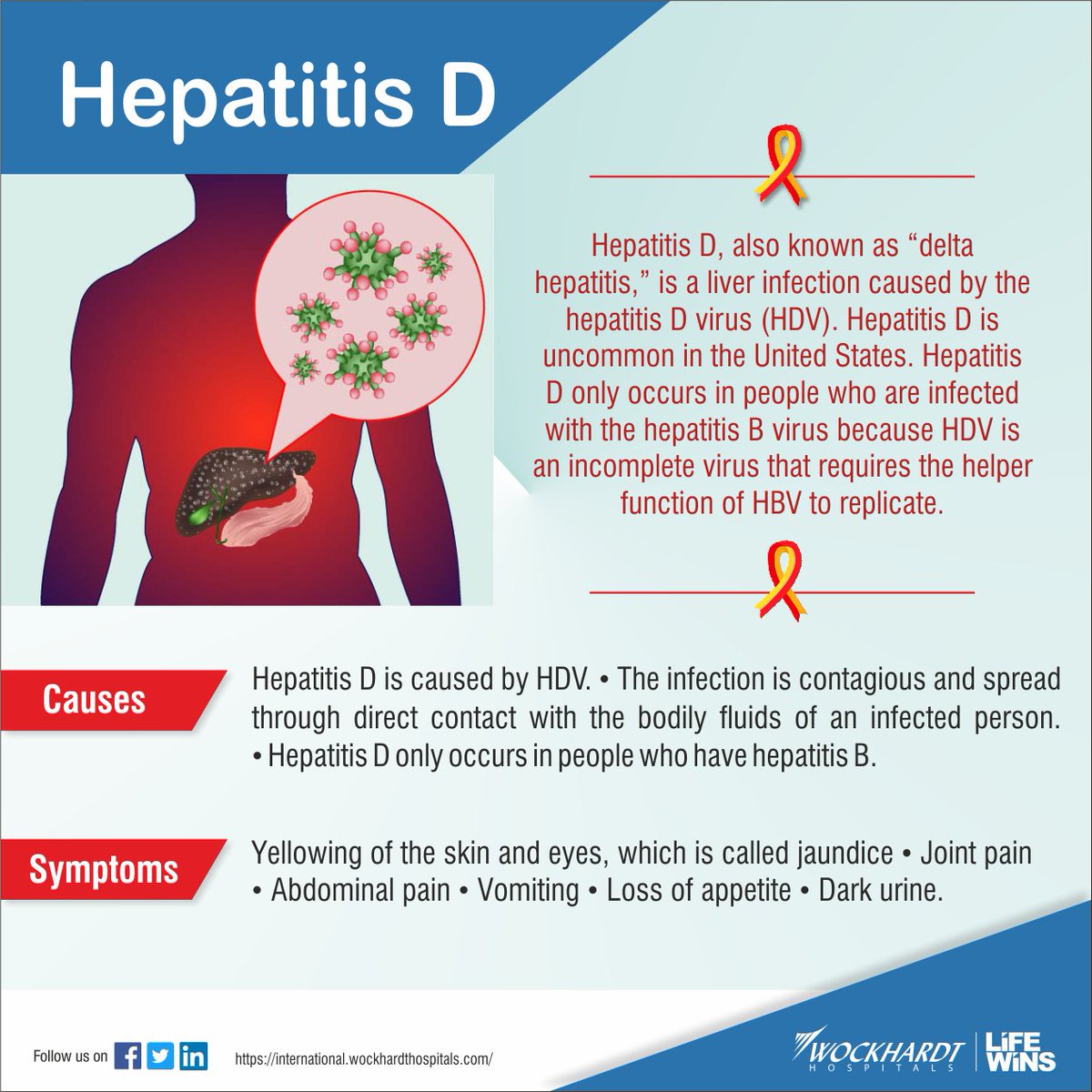
“Hepatitis D is a liver infection caused by HDV. HDV is known as a “satellite virus” because it can only infect people who are also infected by the hepatitis B virus (HBV). HDV can cause severe symptoms and serious illness that can lead to liver damage and even death.

Because hepatitis D is not a nationally notifiable condition, the actual number of hepatitis D cases in the US is unknown.

People with hepatitis D can become infected with both HBV and HDV at the same time or get hepatitis D after first being infected with HBV. These two types of HDV infection are defined below.

People who get infected with both HBV and HDV at the same time are considered coinfected. Coinfection with HBV and HDV can cause serious short-term health problems and even liver failure, but it usually does not lead to lifelong illness.

Superinfection happens when people get hepatitis D after first having been infected with HBV. This type of infection is more likely to result in long-term illness, including rapid development of liver fibrosis, liver failure, and even death.”

Centers for Disease Control and Prevention – CDC (Hepatitis D Basics | Hepatitis D | CDC)

PART III Hepatitis D and E -what they are, how both are transmitted, diagnosed, & treated!

HEPATITIS D:

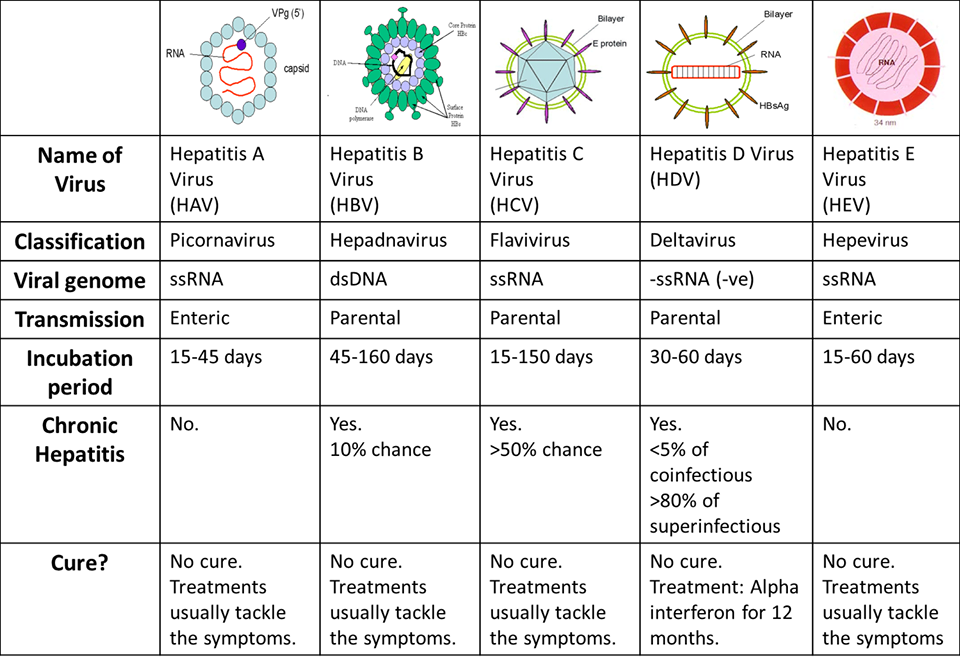
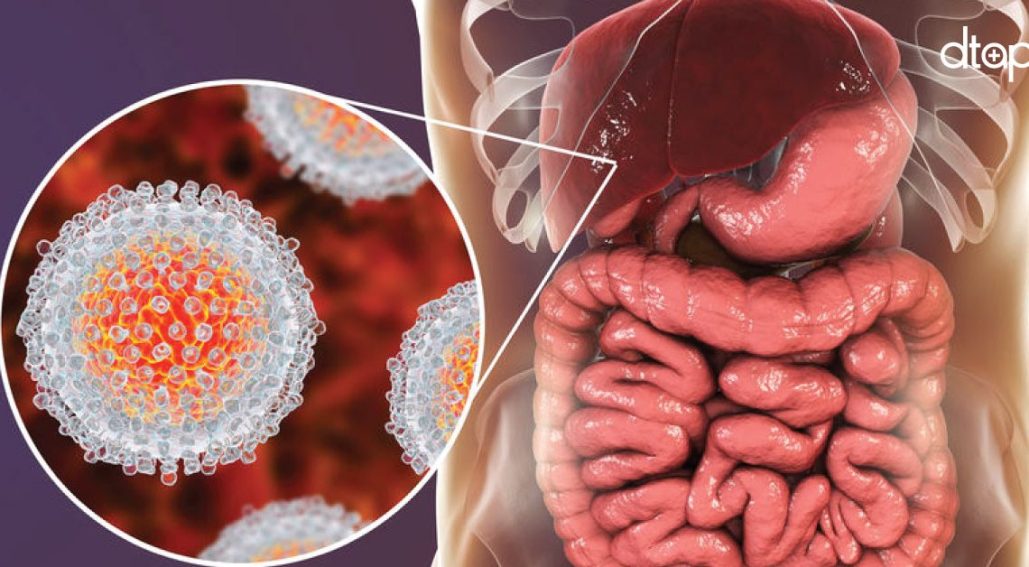
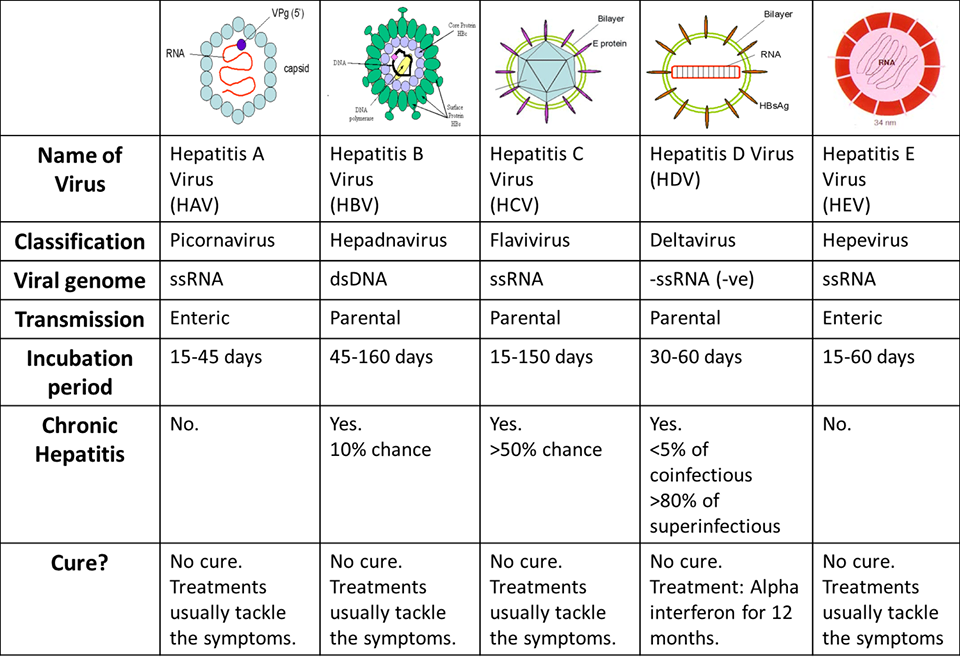
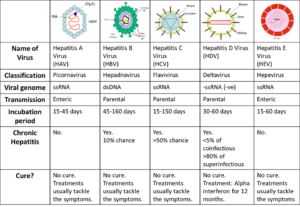
Hepatitis D (hepatitis delta) is a disease caused by the hepatitis D virus (HDV), a small circular enveloped RNA virus. This is one of five known hepatitis viruses: A, B, C, D, and E. HDV is considered to be a sub-viral satellite because it can propagate only in the presence of the hepatitis B virus (HBV).

How its transmitted:

Transmission of HDV can occur either be via simultaneous infection with HBV (coinfection) or superimposed on chronic hepatitis B or hepatitis B carrier state (superinfection).

Both superinfection and coinfection with HDV results in more severe complications compared to infection with HBV alone. These complications include a greater likelihood of experiencing liver failure in acute infections and a rapid progression to liver cirrhosis, with an increased chance of developing liver cancer in chronic infections. In combination with hepatitis B virus, hepatitis D has the highest fatality rate of all the hepatitis infections, at 20%.

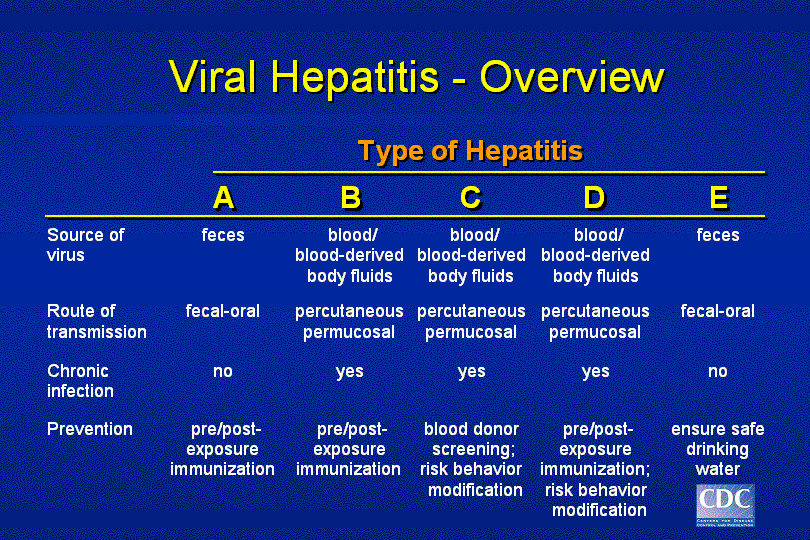
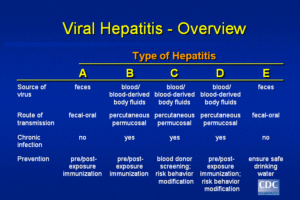
The routes of transmission of hepatitis D are similar to those for hepatitis B. Infection is largely restricted to persons at high risk of hepatitis B infection, particularly injecting drug users and persons receiving clotting factor concentrates. Worldwide more than 15 million people are co-infected. HDV is rare in most developed countries, and is mostly associated with intravenous drug use.

How its diagnosed:

HDV infection is diagnosed by high levels of anti-HDV immunoglobulin G (IgG) and immunoglobulin M (IgM), and confirmed by detection of HDV RNA in serum.

However, HDV diagnostics are not widely available and there is no standardization for HDV RNA assays, which are used for monitoring response to antiviral therapy.

How it’s treated:

The vaccine for hepatitis B protects against hepatitis D virus because of the latter’s dependence on the presence of hepatitis B virus for it to replicate.

Low quality evidence suggests that interferon alpha can be effective in reducing the severity of the infection and the effect of the disease during the time the drug is given, but the benefit generally stops when the drug is discontinued, indicating that it does not cure the disease. Interferon is effective only in ~20% of cases.

The drug myrcludex B, which inhibits virus entry into hepatocytes, is in clinical trials as of October 2015


Hepatitis E:

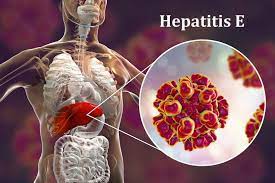
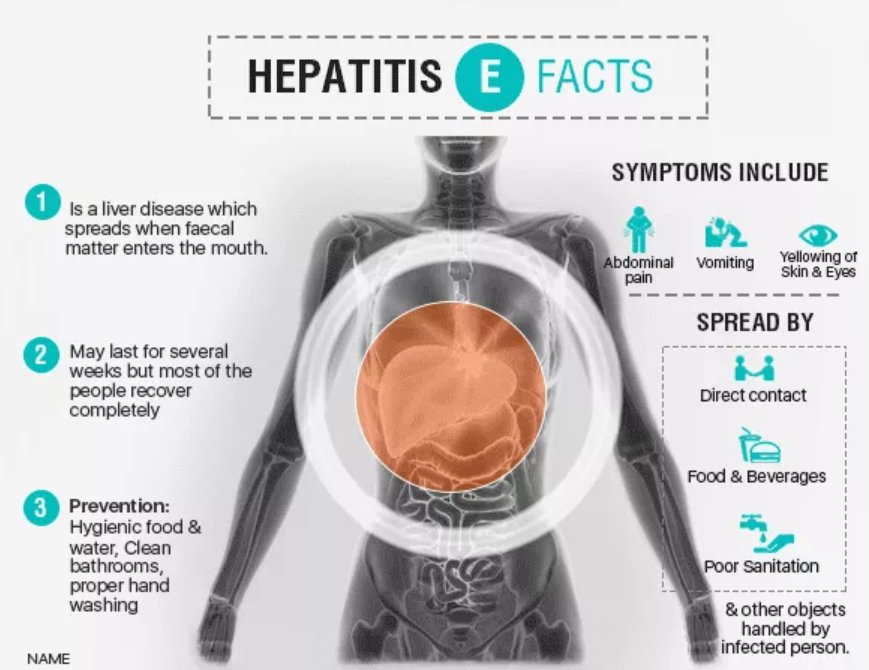
Hepatitis E infection is found worldwide and is common in low- and middle-income countries with limited access to essential water, sanitation, hygiene and health services.

How it’s transmitted:

In these areas, the disease occurs both as outbreaks and as sporadic cases. The outbreaks usually follow periods of fecal contamination of drinking water supplies and may affect several hundred to several thousand persons. Some of these outbreaks have occurred in areas of conflict and humanitarian emergencies such as war zones and camps for refugees or internally displaced populations, where sanitation and safe water supply pose special challenges.

Sporadic cases are also believed to be related to contamination of water, albeit at a smaller scale. The cases in these areas are caused mostly by infection with genotype 1 virus, and much less frequently by genotype 2 virus.

In areas with better sanitation and water supply, hepatitis E infection is infrequent, with only occasional sporadic cases. Most of these cases are caused by genotype 3 virus and are triggered by infection with virus originating in animals, usually through ingestion of undercooked animal meat (including animal liver, particularly pork). These cases are not related to contamination of water or other foods.

How its diagnosed:

Definitive diagnosis of hepatitis E infection is usually based on the detection of specific anti-HEV immunoglobulin M (IgM) antibodies to the virus in a person’s blood; this is usually adequate in areas where the disease is common.

How it’s treated:

There is no specific antiviral therapy for acute hepatitis E. Physicians should offer supportive therapy. Patients are typically advised to rest, get adequate nutrition and fluids, avoid alcohol, and check with their physician before taking any medications that can damage the liver, especially acetaminophen.  If any form of treatment, NIH NIDDK recommends this:  “Treatment for acute hepatitis E includes resting, drinking plenty of liquids, and eating healthy foods to help relieve symptoms. Talk with your doctor before taking any prescription or over-the-counter medicines, vitamins or other dietary supplements NIH external link, or complementary or alternative NIH external link medicines—any of these could damage your liver. You should avoid alcohol until your doctor tells you that you have completely recovered from hepatitis E.”


QUOTE FOR WEDNESDAY:

“Hepatitis C is a viral infection that causes liver swelling, called inflammation. Hepatitis C can lead to serious liver damage. The hepatitis C virus (HCV) spreads through contact with blood that has the virus in it.

Hepatitis C infection is caused by the hepatitis C virus (HCV). The infection spreads when blood that has the virus enters the bloodstream of a person who isn’t affected.

Around the world, hepatitis C infection exists in several forms, called genotypes. There are seven genotypes and 67 subtypes. The most common hepatitis C genotype in the United States is type 1.”

MAYO CLINIC (Hepatitis C – Symptoms and causes – Mayo Clinic)

Part II Awareness on Hepatitis C-What it is, how its transmitted, how its diagnosed & treated with those at risk!

                          Hepatitis II


Hepatitis C is an infectious disease affecting primarily the liver, caused by the hepatitis C virus (HCV). The infection is often asymptomatic, but chronic infection can lead to scarring of the liver and ultimately to cirrhosis, which is generally apparent after many years. In some cases, those with cirrhosis will go on to develop liver failure, liver cancer, or life-threatening esophageal and gastric varices.

HCV is spread primarily by blood-to-blood contact associated with intravenous drug use, poorly sterilized medical equipment, and transfusions. An estimated 150–200 million people worldwide are infected with hepatitis C. The existence of hepatitis C – originally identifiable only as a type of non-A non-B hepatitis – was suggested in the 1970s and proven in 1989.  Hepatitis C infects only humans and chimpanzees. It is one of five known hepatitis viruses: A, B, C, D, and E.

The virus persists in the liver in about 85% of those infected. This infection of the liver is caused by the hepatitis virus. About 3.2 million people in the U.S. have the disease. But it causes few symptoms, so most of them don’t know.

There are many forms of the hepatitis C virus. The most common in the U.S. is type 1. None is more serious than any other, but they respond differently to treatment.

Jaundice (a condition that causes yellow eyes and skin, as well as dark urine), Stomach pain, Loss of appetite, Nausea, and Fatigue.

HOW IT’S TRANSMITTED

The virus spreads through the blood or body fluids of an infected person.

You can catch it from:

-Sharing drugs and needles

-Having sex, especially if you have an STD, an HIV infection, several partners, or have rough sex.

-Being stuck by infected needles

-Birth — a mother can pass it to a child

Hepatitis C isn’t spread through food, water, or by casual contact.

HOW IT’S DIAGNOSED

You can get a blood test to see if you have the hepatitis C virus.

Are There Any Long-Term Effects?

Yes. About 75% to 85% of people who have it develop a long-term infection called chronic hepatitis C. It can lead to conditions like liver cancer and cirrhosis, or scarring of the liver. This is one of the top reasons people get liver transplants.

WHAT’S THE TREATMENT:

Hepatitis C treatments have changed a lot in recent years. The latest is a once-daily pill called Harvoni that cures the disease in most people in 8-12 weeks. It combines two drugs: sofosbuvir (Sovaldi) and ledipasvir. In clinical trials, the most common side effects were fatigue and headache. However, the medicine is expensive.  Interferon and ribavirin used to be the main treatments for hepatitis C. They can have side effects like fatigue, flu-like symptoms, anemia, skin rash, mild anxiety, depression, nausea, and diarrhea.

THOSE AT HIGHEST RISK:

Certain things may increase your risk of becoming infected with the hepatitis C virus. Just because you are at risk for getting hepatitis C does not mean that you have the virus.

Many people do not know how they became infected with hepatitis C.

Recommended Related to Hepatitis

Tips to Deal With Hepatitis C Fatigue

When you have hepatitis C, being tired — really tired — can be a fact of life. But there are ways you can boost your energy. Here, three people who have experience with fatigue from the disease share their tips.

You can get hepatitis from:                                                           

Sharing needles and other equipment (such as cotton, spoons, and water) used to inject drugs.              

-Having your ears or another body part pierced, getting a tattoo, or having acupuncture with needles that have not been sterilized properly. The risk of getting hepatitis C in these ways is very low.                          

-Working in a health care environment where you are exposed to fresh blood or where you may be pricked with a used needle. Following standard precautions for health care workers makes this risk very low.


QUOTE FOR TUESDAY:

“With five different types of viral hepatitis, it can be difficult to understand the differences between them. Some forms of hepatitis get more attention than others, but it is still important to know how they are transmitted, what they do, and the steps that you can take to protect yourself and your liver!

While hepatitis A and B both impact the liver, the two viruses differ greatly from one another. Hepatitis B is a blood-borne pathogen; its primary mode of transmission is through direct blood-to-blood contact with an infected person. In contrast, hepatitis A can be spread by fecal-oral transmission or by consuming food or water that has been contaminated.”

Hepatitis B Foundation (What’s the Difference: Hepatitis A vs Hepatitis B – Hepatitis B Foundation)

Part I Awareness on Hepatitis A and B Types – How both are transmitted, diagnosed, the treatment & those at highest risk!

                                 Hepatitis II

                        Hepatitis_Overview

Viral hepatitis, including hepatitis A, hepatitis B, and hepatitis C, are distinct diseases that affect the liver and have different hepatitis symptoms and treatments. Other causes of hepatitis include recreational drugs and prescription medications. Hepatitis type is determined by laboratory tests.  The infection leads to inflammation of the liver with any hepatitis. The liver processes blood and filter toxins so they don’t cause damage to your body but when the organ is inflamed problems happen with the infection that caused the inflammation.

HEPATITIS A:

If you have this infection, you have inflammation in your liver that’s caused by a virus. You don’t always get symptoms, but when you do, you might have: Jaundice (yellowing of the skin), Pain in your belly, Loss of appetite, Nausea, Fever, Diarrhea, Fatigue, Loss of weight, fever, sore muscles, **Pain on the right side of the belly, under the rib cage-where your liver is located** (if not a combination of these symptoms).

Children often have the disease with few symptoms.

You can spread the Hepatitis A virus about 2 weeks before your symptoms appear and during the first week they show up, or even if you don’t have any.

How it’s transmitted:

-You can catch the disease if you drink water or food that’s been contaminated with the stool of someone with the virus.                                                                                                                                                  

You can also get infected if you:   HOW?  Well: -Eat fruits, vegetables, or other foods that were contaminated during handling.                                        

-Eat raw shellfish harvested from water that’s got the virus in it.                                                                        

-Swallow contaminated food. Exampes: Sometimes a group of people who eat at the same restaurant can get hepatitis A. This can happen when an employee with hepatitis A doesn’t wash his or her hands well after using the bathroom and then prepares food. It can also happen when a food item is contaminated by raw sewage or by an infected garden worker.                                                                                                                                                        

 -The disease can also spread in day care centers. Children, especially those in diapers, may get stool on their hands and then touch objects that other children put into their mouths. And workers can spread the virus if they don’t wash their hands well after changing a diaper.                                                                                                                                        

How Is It Diagnosed?

Blood tests allow doctors to diagnose it. **It is important to identify the type of hepatitis virus causing the infection to prevent it from spreading and to start the proper treatment. Since this Hepatitis A virus infection is spread through food or water that has been contaminated by the feces (stool) of an infected person.**

Are There Any Long-Term Effects?

Usually the virus doesn’t cause any long-term problems or complications. But according to the CDC, 10% to 15% of people with hepatitis A will have symptoms that last a long time or come back over a 6- to 9-month period. In rare situations, some people may have liver failure or need a transplant.

What’s the Treatment?

No treatments can cure the disease. Your doctor may take tests that check your liver function to be sure your body is healing.

Who is at highest risk for this?

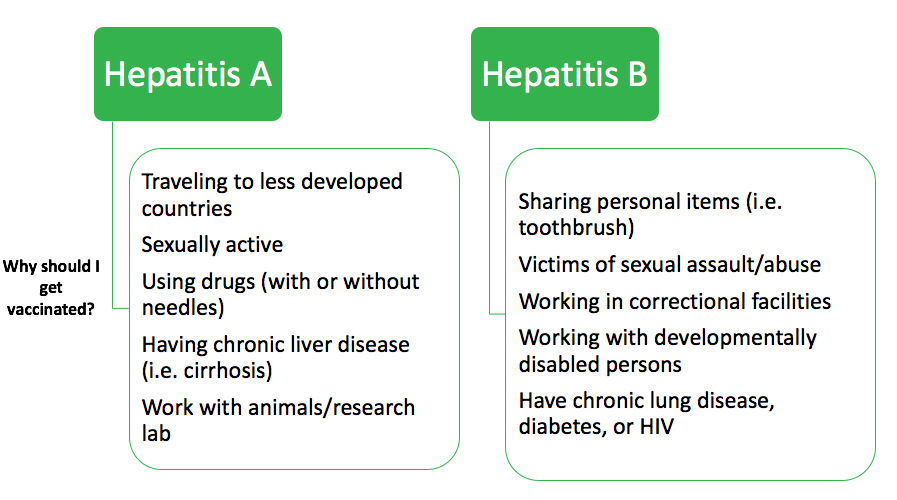
-Live with or have sex with someone who’s -Travel to countries where hepatitis A is common

Remember the people who are also at risk:

-Men who have sex with men.                                                                                                                                       

-People who inject illegal drugs                                                                                                                                  

-Kids in child care and their teachers

-The virus can also be transmitted through close physical contact with an infectious person, although casual contact among people does not spread the virus.

HEPATITIS B

Hepatitis B is a serious disease caused by the hepatitis B virus (HBV). Infection with this virus can cause scarring of the liver, liver failure, liver cancer, and even death. What happens to most cases of Hepatitis patients is the adult cases (up to 95%), hepatitis B causes limited infection. Usually people manage to fight off the infection successfully within a few months, developing an immunity that lasts a lifetime. (This means you won’t get the infection again).  Blood tests show evidence of this immunity, but no signs of active infection. Unfortunately, this is not true in infants and young children in which 90% of infants and 30% to 50% of children will develop a chronic infection.

Symptoms of acute infection (when a person is first infected with hepatitis) include:

Jaundice (yellowing of the skin or whites of the eyes and/or a brownish or orange tint to the urine) -Unusually light colored stool  -Unexplained fatigue that persists for weeks or months    

-Flu-like symptoms such as fever, loss of appetite, nausea, and vomiting –Abdominal pain

Often, symptoms occur one to six months after exposure, with an average of three month. An estimated 30% of those infected do not have any symptoms at all.

How it’s transmitted:

Hepatitis B is spread in infected blood and other bodily fluids such as semen and vaginal secretions. It is spread in the same way that the virus that causes AIDS (HIV) is spread but hepatitis B is 50 to 100 times more infectious. Most people who are infected with hepatitis B in the U.S. do not know they have it. If you’re pregnant and you’ve got hepatitis B, you could give the disease to your unborn child. If you deliver a baby who’s got it, he needs to get treatment in the first 12 hours after birth.

How it’s diagnosed:                                                                                                              

If your doctor suspects that you may have hepatitis B, he or she will perform a complete physical exam and order blood tests to look at the function of your liver. Hepatitis B is confirmed with blood tests that detect the virus.

If your disease becomes chronic, liver biopsies (tissue samples) may be obtained to detect the severity of the disease.

Are There Any Long-Term Effects?

Liver damage if the virus is not taken care will happen with multiple organ crash from putting affect on other organs from doing their jobs.

WHAT’S THE TREATMENT:

Treatment depends on whether you:

-Have been recently infected with the virus (treating acute hepatitis B).

-Have the symptoms of an acute infection.                                                                                                                  

-Have chronic infection (Have had the hepatitis B for a chronic period of time).                                        

-Acute vs Chronic=different RX.

Acute Hep B. you should get a shot of hepatitis B immunoglobulin (HBIG) and the first of three shots of the hepatitis B vaccine(What is a PDF document?). It is important to receive this treatment within 7 days after a needle stick and within 2 weeks after sexual contact that may have exposed you to the virus. The sooner you receive treatment after exposure, the better the treatment works.

Regarding Chronic Hep B treatment depends on how active the virus is in your body and your chance of liver damage. The goal of treatment is to stop liver damage by keeping the virus from multiplying.

Antiviral medicine is used if the virus is active and you are at risk for liver damage. Medicine slows the ability of the virus to multiply.

Antiviral treatment isn’t given to everyone who has chronic hepatitis B.

Follow-up visits

Whether or not you take medicine, you will need to visit your doctor regularly. He or she will do blood tests to check your liver and the activity of the hepatitis B virus in your body.

Some of the tests can find out whether the virus is multiplying in your liver, which would increase your risk of liver damage.

Liver transplant

If you develop advanced liver damage and your condition becomes life-threatening, you may need a liver transplant. But not everyone is a good candidate for a liver transplant.

If you have not gotten a hepatitis B vaccine and think you may have been exposed to the virus, you should get a shot of hepatitis B immunoglobulin (HBIG) and the first of three shots of the hepatitis B vaccine(What is a PDF document?). It is important to receive this treatment within 7 days after a needle stick and within 2 weeks after sexual contact that may have exposed you to the virus. The sooner you receive treatment after exposure, the better the treatment works.

THOSE AT HIGHEST RISK FOR HEPATITIS B:

-Being born in, or spending more than 6 months in, parts of the world where hepatitis B is common or where a large number of people have been infected for a long time. Such areas include Southeast and Central Asia, the islands of the South Pacific, the Amazon River basin, the Middle East, Africa, Eastern Europe, and China.

-Being a man who has sex with men.

-Being sexually active. This includes having unprotected sex with someone who is infected with the virus or whose sexual history is unknown to you.

-Having more than one sex partner. (Your risk is higher if you have another sexually transmitted infection such as chlamydia.)

-Living with someone who has a chronic hepatitis B infection.

-Getting body piercings or tattoos from someone who doesn’t sterilize his or her equipment.

-Sharing needles or other equipment (such as cotton, spoons, and water) to inject illegal drugs.
 

Auto Brewery Syndrome-What it is, the causes, the symptoms and how its diagnosed!

Auto brewery syndrome is a rare condition in which your body turns sugary and starchy foods into alcohol. This can cause symptoms as if you were drunk, even if you haven’t had any alcohol.

Auto-brewery syndrome or gut fermentation syndrome is a condition in which ethanol is produced through endogenous fermentation by fungi or bacteria in the gastrointestinal system, oral cavity, or urinary system. Patients with auto-brewery syndrome present with many of the signs and symptoms of alcohol intoxication while denying an intake of alcohol and often report a high-sugar, high-carbohydrate diet.

The production of endogenous ethanol occurs in minute quantities as part of normal digestion, but when fermenting yeast or bacteria become pathogenic, extreme blood alcohol levels may result. Auto-brewery syndrome is more prevalent in patients with co-morbidities such as diabetes, obesity, and Crohn disease but can occur in otherwise healthy individuals.  Several strains of fermenting yeasts and rare bacteria are identified as pathogens. While auto-brewery syndrome is rarely diagnosed, it is probably underdiagnosed. Even rarer are two cases of auto-brewery syndrome identified, one in the oral cavity and one in the urinary bladder.

ETIOLOGY:

Various yeasts from the Candida and Saccharomyces families are commensals turned pathogenic that cause auto-brewery syndrome. Several strains of bacteria are also known to ferment ethanol.

  • Fermenting yeasts such as Saccharomyces cerevisiae, S. boulardii, and various strains of Candida, including C. glabrata, C. albicans, C. kefyr, and C. parapsilosis are identified as causes of this condition.
  • The bacteria Klebsiella pneumonia, Enterococcus faecium, E. faecalis, and Citrobacter freundii are implicated in at least one case each.
  • Existing conditions, such as diabetes or liver problems, can impact the diagnosis of ABS. Patients with type 2 diabetes mellitus (DM) or liver cirrhosis (LC) tested higher for endogenous ethanol (EnEth) levels than a control group without the disease. But the EnEth levels peaked highest in a group of patients with both type 2 DM and LC, where the blood alcohol concentration reached 22.3 mg/dL.
  • Four common yeasts (Candida albicansCandida tropicalisSaccharomyces cerevisiae, and Torulopsis glabrata) were combined with infant formulas. Ethanol production was measured after 24 and 48 hours. The quantities of ethanol produced suggest an explanation for patients exhibiting auto-brewery syndrome.
  • Bacterial production of EnEth is involved in the development of non-alcoholic fatty liver disease (NAFLD). Higher levels of EnEth are also detected in obese patients and those with non-alcoholic steatohepatitis (NASH).

SYMPTOMS:

Auto brewery syndrome can make you:

  • drunk without drinking any alcohol
  • very drunk after only drinking a small amount of alcohol (such as two beers)

Symptoms and side effects are similar to when you are slightly drunk or when you have a hangover from drinking too much:

  • red or flushed skin
  • dizziness
  • disorientation
  • headache pain
  • nausea and vomiting
  • dehydration
  • dry mouth
  • burping or belching
  • fatigue
  • memory and concentration problems
  • mood changes

Auto brewery syndrome can also lead to or worsen other health conditions such as:

  • chronic fatigue syndrome
  • irritable bowel syndrome
  • depression and anxiety

How does someone get this syndrome?

Adults and children can have auto brewery syndrome. Signs and symptoms are similar in both. Auto brewery syndrome is usually a complication of another disease, imbalance, or infection in the body.

You can’t be born with this rare syndrome. However, you may be born with or get another condition that triggers auto brewery syndrome. For example, in adults, too much yeast in the gut may be caused by Crohn’s disease. This can set off auto brewery syndrome.

In some people liver problems may cause auto brewery syndrome. In these cases, the liver isn’t able to clear out alcohol fast enough. Even a small amount of alcohol made by gut yeast leads to symptoms.

Toddlers and children with a condition called short bowel syndrome have a higher chance of getting auto brewery syndrome. A medical case reported that a 3-year-old girl Trusted Source with short bowel syndrome would get “drunk” after drinking fruit juice, which is naturally high in carbohydrates.

Other reasons you may have too much yeast in your body include:

  • poor nutrition
  • antibiotics
  • inflammatory bowel disease
  • diabetes
  • low immune system

How its diagnosed:

There are no specific tests to diagnose auto brewery syndrome. This condition is still newly discovered and more research is needed. Symptoms alone are typically not enough for a diagnosis.

Your doctor will likely do a stool test to find out if you have too much yeast in your gut. This involves sending a tiny sample of a bowel movement to a lab to be tested. Another test that might be used by some doctors is the glucose challenge.

In the glucose challenge test, you’ll be given a glucose (sugar) capsule. You won’t be allowed to eat or drink anything else for a few hours before and after the test. After about an hour, your doctor will check your blood alcohol level. If you don’t have auto brewery syndrome your blood alcohol level will be zero. If you have auto brewery disease your blood alcohol level may range from 1.0 to 7.0 milligrams per deciliter.

If you suspect you have this auto brewery syndrome, you might try a similar test at home, though you shouldn’t use it to self-diagnose. Eat something sugary, like a cookie, on an empty stomach. After an hour use an at-home breathalyzer to see if your blood alcohol level has risen. Write down any symptoms.

This home test may not work because you may not have noticeable symptoms. At-home breathalyzers may also not be as accurate as the ones used by doctors and law enforcement. Regardless of what you observe, see a doctor for a diagnosis.


QUOTE FOR THE WEEKEND:

“Legionnaires’ disease is a severe case of pneumonia – an inflammation in the lungs caused by a bacterium called legionella.

Legionnaires’ disease is caused by the waterborne Legionella bacteria, named after the 1976 outbreak involving a Philadelphia convention of the American Legion. During the event, many veterans and some attendees developed a severe, previously unrecognized form of pneumonia that became known as Legionnaires’ disease.

Up to 18,000 people are hospitalized with Legionnaires’ disease annually in the U.S. with outbreaks most common between June and October.

About 1 in 10 people who get sick from being infected by Legionella will die.  Awareness and early treatment are vital to help people fully recover from this disease.”

Alliance to Prevent Legionnaires Disease (Awareness – Prevent Legionnaires)

Part I Legionnaires/Pontiac Fever- What is this illness, the symptoms, & who is at increased risk?

Legionairres outbreak 

legionnaires how its picked up

Legionnaires’ disease is a severe form of pneumonia — lung inflammation usually caused by infection. Legionnaires’ disease is caused by a bacterium known as legionella.

Legionella bacteria are found naturally in freshwater environments, like lakes and streams. The bacteria can become a health concern when they grow and spread in human-made building water systems like

  • Showerheads and sink faucets
  • Cooling towers (structures that contain water and a fan as part of centralized air cooling systems for buildings or industrial processes)
  • Hot tubs
  • Decorative fountains and water features
  • Hot water tanks and heaters
  • Large, complex plumbing systems

Home and car air-conditioning units do not use water to cool the air, so they are not a risk for Legionella growth.

However, Legionella can grow in the windshield wiper fluid tank of a vehicle (such as a car, truck, van, school bus, or taxi), particularly if the tank is filled with water and not genuine windshield cleaner fluid.

You can’t catch Legionnaires’ disease from person-to-person contact. Instead, most people get Legionnaires’ disease from inhaling the bacteria. Older adults, smokers and people with weakened immune systems are particularly susceptible to Legionnaires’ disease.

The legionella bacterium also causes Pontiac fever, a milder illness resembling the flu. Separately or together, the two illnesses are sometimes called legionellosis. Pontiac fever usually clears on its own, but untreated Legionnaires’ disease can be fatal. Although prompt treatment with antibiotics usually cures Legionnaires’ disease, some people continue to experience problems after treatment.

Know this about Legionnaire’s disease, although the disease primarily affects the lungs, it occasionally can cause infections in wounds and in other parts of the body, including the heart.

Legionnaires’ disease usually develops two to 10 days after exposure to legionella bacteria. It frequently begins with the following signs and symptoms:

  • Headache
  • Muscle pain
  • Chills
  • Fever that may be 104 F (40 C) or higher
  • By the second or third day, you’ll develop other signs and symptoms that may include:
  • Cough, which may bring up mucus and sometimes blood
  • Shortness of breath
  • Chest pain
  • Gastrointestinal symptoms, such as nausea, vomiting and diarrhea
  • Confusion or other mental changesA mild form of Legionnaires’ disease — known as Pontiac fever — may produce signs and symptoms including fever, chills, headache and muscle aches. Pontiac fever doesn’t infect your lungs, and symptoms usually clear within two to five days.WHEN TO SEE A DOCTOR:

Who are at risk for Legionnaires’ disease:

Most healthy people exposed to Legionella do not get sick. People at increased risk of getting sick are:

  • People 50 years or older
  • Current or former smokers
  • People with a chronic lung disease (like chronic obstructive pulmonary disease or emphysema)
  • People with weak immune systems or who take drugs that weaken the immune system (like after a transplant operation or chemotherapy)
  • People with cancer
  • People with underlying illnesses such as diabetes, kidney failure, or liver failure

See your doctor if you think you’ve been exposed to legionella bacteria. Diagnosing and treating Legionnaires’ disease as soon as possible can help shorten the recovery period and prevent serious complications. For people at high risk, prompt treatment is critical.

updated 11/21/2023 by strive for good health.