Archive | October 2025

QUOTE FOR HALLOWEEN:

Walk Safety:

  1. Cross the street at corners, using traffic signals and crosswalks. Look left, right and left again when crossing and keep looking as you cross.
  2. Put electronic devices down, keep heads up and walk, don’t run, across the street.
  3. Teach children to make eye contact with drivers before crossing in front of them.
  4. Always walk on sidewalks or paths. If there are no sidewalks, walk facing traffic as far to
  5. the left as possible.  Children should walk on direct routes with the fewest street crossings.
  6. Watch for cars that are turning or backing up. Teach children to never dart out into the street or cross between parked cars.
  7. Join kids under age 12 for trick-or-treating. If kids are mature enough to be out without supervision, tell them to stick to familiar areas that are well lit and trick-or-treat in groups.

Drive extra safely:

1.Enter and exit driveways and alleys slowly including carefully.

2. Get rid of any distractions – like your cell phone – in your car so you can concentrate on the road and your surroundings.

3. Turn your headlights on earlier in the day to spot children from greater distances.

4. Popular trick-or-treating hours are 5:30 p.m. to 9:30 p.m. Be especially alert for kids during those hours.

NHTSA (Halloween Safety Tips for Drivers, Pedestrians, More | NHTSA)


QUOTE FOR THURSDAY:

“Try to keep an eye on how much added sugar your kids are exposed to, but the reality is that it’s challenging to avoid, if not impossible, for many families.  Instead of restricting the loads of candy that make it home, we spread it out in a variety of ways to make it not so overwhelming.

Initially, we the children have as much of the holiday candy that they want when they bring it home or on the day of the holiday.  Always make sure to take out anything that your child may be allergic to or is considered a choking hazard.  I recommend taking the Thrive Training Institute online CPR course, as well as their Choking Prevention and Response course so you know what to do when it matters most.  Use code ALEX10 for $10 off.

After the kids have enjoyed what they wanted, put it in one bag, tuck it away so it’s out of sight and to be honest; eventually forget about it.  What happens next is typically distributed throughout the six suggestions below once we remember it’s still there.

  • Offer candy with meals and snacks casually
  • Toss the candy out
  • Donate leftover candy
  • Use candy for an art project
  • Use leftover candy in a recipe
  • Save candy for the next holiday”

The family nutritionist (6 Dietitian Approved Ways to Use Up Leftover Candy – The Family Nutritionist)

What to do with excess Halloween candy, how to store it & for how long, including donation ideas!

Afraid you’ll be dealing with an excess of Halloween treats until long after Valentine’s Day? Here are some ideas for enjoying the evening’s haul responsibly and getting rid of leftover candy:

  • Let each child keep enough candy to have one or two pieces a day for one or two weeks ‒ long enough for the excitement to wane. Throw away, donate or repurpose the rest.
  • When your child asks for a piece of candy, pair it with a healthy snack: an apple, a banana, some nuts or celery with peanut butter.
  • “Buy back” candy from your child with money or tokens they can trade in for a fun activity: a day at the zoo, an afternoon playing at the park, ice skating or a day at the pool.
  • Some dentists’ offices have buy-back or trade-in programs, too.
  • Save it for holiday baking.
  • Save it to fill the piñata at the next birthday celebration or give out with Valentine cards.
  • Use it in an arts and crafts project or to decorate a holiday gingerbread house.

Have no fear – you got this! Let’s make Halloween fun, spooky and a little healthier, too.

Ideas f0r places to donate candy:

Donate excess candy to a homeless shelter, children’s hospital or care package program for troops overseas. A familiar sweet treat from home can be comforting at the holidays.

There’s an organization called Soldiers’ Angeles Treats for Troops that will take what you don’t want and send it to military members, VA hospitals and military units worldwide. To find a site where you can donate your candy, click here. It is too late to become a collection site, but next year you can register and choose where the candy will go on the Treats for Troops website.

You can also make up candy bags that can be sent to the Treats for Troops organization which will then be sent to deployed military, VA hospitals or other military facilities. For more information on that program, click here.

If donations aren’t your thing, and you would rather get creative, then head to the kitchen and start stashing the candy away for later dates!

How to store the different types of candy & sweets your little ones get on Halloween:

Virginia Tech looked into it and found that most commercial candies are safe for months after Halloween.

Virginia Technew.vt/…23halloween candy expert states the shelf life depends on the type of candy:

  • Dark chocolate – one to two years if wrapped in foil and stored in a cool, dark, dry place, such as a pantry or basement.
  • Milk and white chocolate – 8 to 10 months.
  • Hard candy – up to a year when stored at room temperature or a cool, dry location.
  • Jellied candy – 6 to 8 months if opened, but away from light and heat, keeping it at 70 degrees or so; 12 months if not opened.
  • Candy corn – 3 to 6 months if opened; 9 months if unopened.
  • Gum – 6-9 months if sealed. To maximize freshness, keep chewing gum packages in a cool, dry place and out of any direct sunlight.
  • Caramel – 6 to 9 months if stored covered and away from heat and light, keeping it at room temperature. Could last up to 12 months in some cases.
  • Homemade Halloween sweets, though, are best enjoyed shortly after concocted in the kitchen, such as caramel- or candy-coated apples, crispy rice treats, fudge, and more.

“For items that are fully cooked to their crunchy and sticky best, these usually last at room temperature for anywhere from four to seven days,” food science assistant professor Alexis Hamilton said. “Coated apples are a risk if partially eaten and not kept in the fridge. These can be safely enjoyed for up to four days after partially eating them and storing in a refrigerator. If you want to enjoy a candy apple on a stick, consider waiting to insert the stick until right before you intend to eat them or (if making in advance), store them in the refrigerator. Of course, these storage recommendations are only a factor if these aren’t gobbled up before they even make it to a container.”


QUOTE FOR WEDNESDAY:

“Children are more than twice as likely to be hit by a car and killed on Halloween than on any other day of the year!

Halloween is not just for kids anymore. The holiday has become one of the most popular in the U.S. with people of all ages taking part in things like trick-or-treating, decorating homes and attending parties.

The American Red Cross wants everyone to enjoy the festivities safely, so we offer tips for all ages on how to have a great Halloween and stay safe while doing so.

COSTUME SAFETY Trick-or-treaters need to see and be seen.

  • Use face makeup instead of masks.
  • Add reflective tape to costumes and trick-or-treat bags. If possible, have everyone wear light-colored clothing.
  • Use flame-resistant costumes and wigs.
  • When choosing costumes, stay away from long trailing fabric so no one trips and falls.
  • Avoid using decorative contact lenses to avoid problems with your eyes.
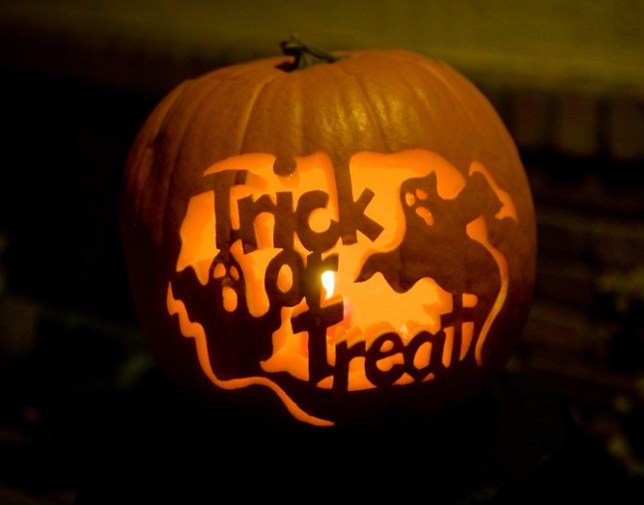
  • If carving pumpkins, don’t use candles to light them. Instead, try battery-operated lights or glow sticks.

TRICK OR TREAT SAFETY A sad statistic – children are more than twice as likely to be hit by a car and killed on Halloween than on any other day of the year

  • Have your trick or treaters walk only on sidewalks, not in the street. If there are no sidewalks, walk at the edge of the roadway, facing traffic. Look both ways before crossing the street, and cross only at the corner. Don’t cross between parked cars, and don’t cut across yards or use alleys.
  • Drivers — use extra caution as youngsters may forget to look both ways before crossing. As the sun goes down, watch for children in dark clothing.
  • Give trick-or-treaters a flashlight to light their way.
  • A parent or responsible adult should accompany young children door-to-door.
  • If older children are going alone, plan their route. Set a specific time they should return home. Teach them to only visit homes that have a porch light on, to accept treats at the door and never go inside.
  • Be cautious around animals, especially dogs.
  • Walk, don’t run.
  • Check all goodies before the kids dig in. Make sure to remove loose candy, open packages and remove any choking hazards. Discard any items with brand names that you are not familiar with.”

American Red Cross (https://www.redcross.org/about-us/news-and-events/news/2025/halloween-safety-tips-for-trick-or-treaters-)

“Some safety tips when celebrating Halloween:

  • If you decide to go trick-or-treating, wear light-colored clothing that’s short enough to prevent tripping and add reflective tape to the sides, front, and back of your costume.
  • Ensure children can see well while wearing their masks and securely fasten the mask so it does not fall off.
  • Go out in daylight and carry a flashlight for when it gets dark. Everyone will be celebrating differently according to their comfort level, so expect some doors may not be open to trick-or-treaters.
  • Stay within the neighborhood and only visit homes you know.
  • Watch for traffic.
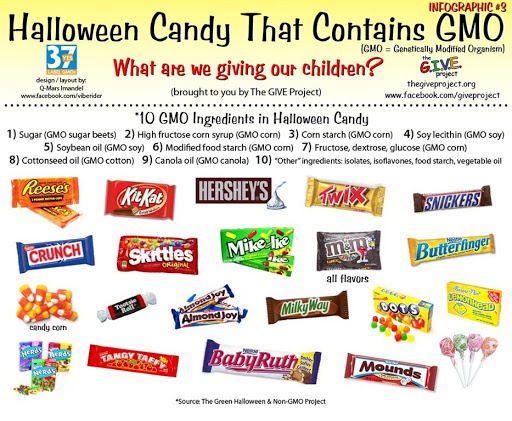
  • Only give and accept wrapped or packaged candy.
  • Examine all candy before allowing children to eat it.
  • Keep costumed children away from pets, as pets might not recognize the child and become frightened.
  • Avoid hard plastic or wood props such as daggers or swords. Substitute with foam rubber, which is soft and flexible.”

Always a Treat (Halloween Safety Tips – Always A Treat)

More safety tips on candy including pumpkin carving & costumes!


Did you know the night before Halloween has names like:

Mischief Night is an informal holiday on which people engage in jokes, pranks, vandalism, or parties.[1] It is known by a variety of names including Devil’s Night (particularly in Detroit), Gate Night, Goosey Night, Moving Night, Cabbage Night, Mystery Night and Mat Night.

Halloween Candy Safety Tips

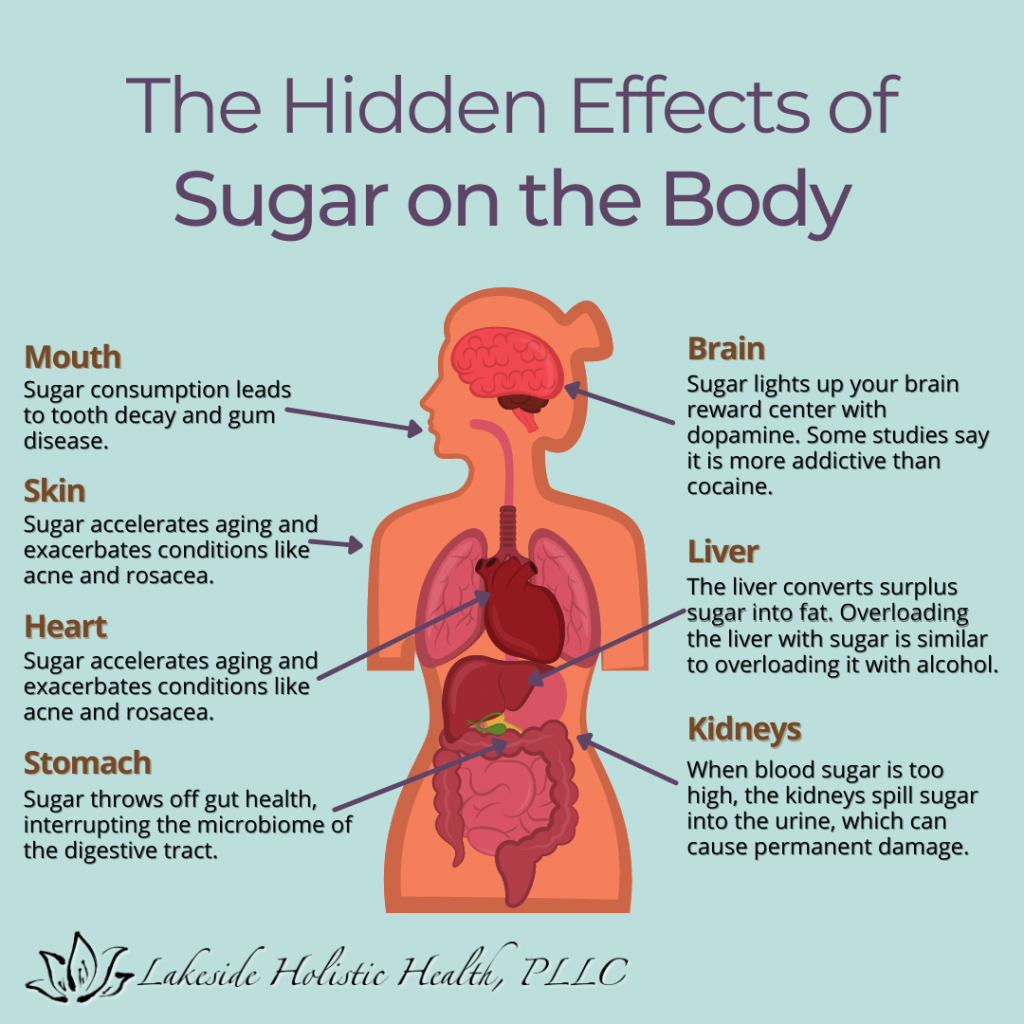
Parents should take precautions about Halloween candy safety, but its also important to have a realistic sense of harm. Its easy for the media to give us the sense that the world is a more menacing place than it really is. In the 1980s, a myth spread about the serious risk of troubled people using poison and razor blades to tamper with Halloween candy. Almost all reports were discredited.

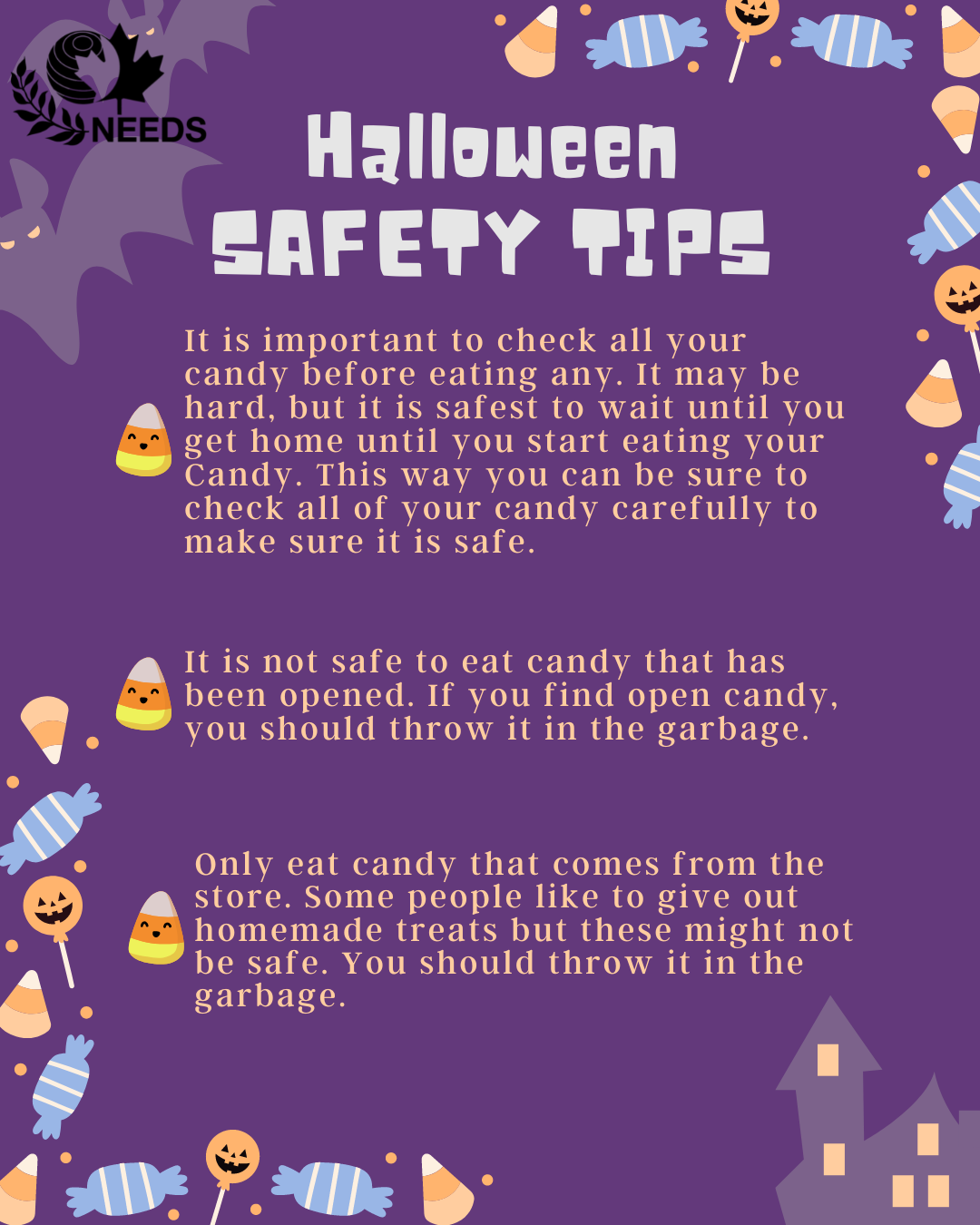
But no amount of debunking can completely alleviate parent anxiety. After all, however rare, it could happen.  Some Halloween candy safety precautions include:

  • For young children, remove any choking hazards such as gum, peanuts, hard candies, or small toys.
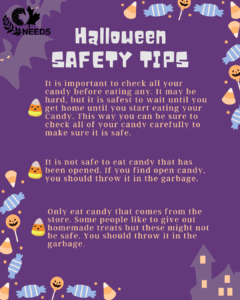
  • Instruct your children to show you all their candy before eating it so that you can carefully inspect it for tampering.
  • Tell your children not to accept or eat anything that isnt commercially wrapped.
  • Throw out candy or treats that are homemade, unwrapped, or have torn wrapping.

And managing the Halloween candy craze? First, to reduce trick-or-treat munching, give your children a snack or light meal before you leave the house. Decide ahead of time how many pieces of candy they can eat on Halloween night.

Pumpkin Carving Safety Tips

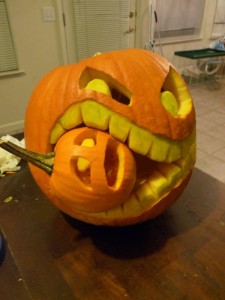
  • Carve pumpkins on stable, flat surfaces with good lighting.
  • Have children draw a face on the outside of the pumpkin and then do the cutting yourself.
  • Place lighted pumpkins away from curtains and other flammable objects, and do not leave lighted pumpkins unattended.
  • If you set jack-o-lanterns on your porch with candles in them, make sure that they are far enough out of the way so that childrens costumes wont accidentally set on fire.
  • Artificial lights and candles are a safer alternative to real candles.

Halloween Costume Safety Tips

  • If possible, have your children wear clothing that is bright, reflective, and flame retardant.
  • If your child is carrying a prop, such as sword or pitchfork, make sure that the tips are smooth and flexible enough to not cause injury if your child falls on them.
  • Avoid long, baggy, or loose costumes to prevent tripping.
  • Insist that your children wear well-fitting, sturdy shoes. Mom’s high heels are better for costume parties, not trick-or-treating.
  • Securely fit hats and scarves to prevent them from slipping over your childrens eyes.
  • Apply a natural mask of cosmetics rather than have your child wear a mask that might restrict breathing or obscure vision. If you use a mask, make sure it fits securely and has eyeholes large enough to allow full vision.

Have a happy and safe Halloween!

BE SAFE WITH YOUR ANIMALS!

QUOTE FOR TUESDAY:

“The kids look adorable in their costumes and are counting down the days until Oct. 31! Are you ready for the sugar rush. Whether you’re having a party with friends or trick-or-treating in the neighborhood, with a little creativity, you can find fun ways to include some healthy options in the mix.

For the trick-or-treater

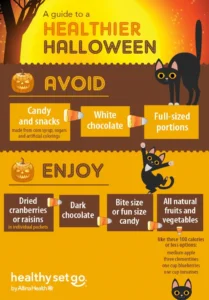
  • Fill up first. What kid doesn’t want to eat their favorite candy right when it goes into their trick-or-treat bag? Having a healthy meal BEFORE your kids go trick-or-treating can reduce their temptation to snack while walking or to overindulge because their tummies will be full.
  • Bag the monster bag. Choose or make a smaller collection container for your child and steer clear of the pillowcase method. If you encourage kids to only take one piece of candy from each house, they’ll be able to visit more houses in the neighborhood.
  • Get moving. Get some exercise by making Halloween a fun family activity. Walk instead of driving kids from house to house. Set a goal of how many houses or streets you’ll visit or compete in teams to do as many as you can. Bring a bottle of water, a flashlight, and wear comfortable shoes for walking.
  • Look before you eat. Check expiration dates and inspect all edibles before allowing children to eat them. Don’t let children eat anything with questionable or unknown ingredients, especially if they have food allergies.
  • Have a plan. Halloween, and Eat Smart Month in November, can be a great time to talk with kids about moderation and making smart eating choices. Plan in advance how much candy they’ll be allowed to take at each house, keep and eat. If they’re old enough, let them help decide what to do with excess candy.”

American Heart Association (How To Have a Healthy Halloween | American Heart Association)


In advance parents, learn some healthy tips for Halloween candy including alternatives to just sugar!

halloween4   halloween 2

TRICK                     OR                     TREAT

halloween picture         HALLOWEEN1A

The trick to enjoying your favorite Halloween treats? Moderation, according to the results of the National Confectioners Association’s (NCA) new national survey. As the holiday approaches, nearly 80 percent of parents report that they have a plan in place to help their children make smart decisions when it comes to the enjoyment of treats. More than three-quarters of Americans will hand out candy to trick-or-treaters this year and many others will participate in community-sponsored Halloween events, display a seasonal candy bowl or attend a Halloween party. NCA projects that retail sales of Halloween candy in 2015 will be $2.6 billion, a boost to the U.S. economy that helps support 55,000 manufacturing jobs and hundreds of thousands of jobs in related industries.

“People understand that candy is a treat, and this year’s survey tells us that they are celebrating Halloween in more ways than ever and practicing moderation,” said Alison Bodor, executive vice president of the National Confectioners Association. “Parents, including me, are embracing Halloween celebrations and traditions, but we’re also using the holiday as an opportunity to teach our children how to enjoy candy as a fun part of a balanced lifestyle.”

Bodor added that the U.S. confectionery industry supports 465,000 American jobs. “From our industry’s own manufacturers to the jobs we help support on the farms where our ingredients are grown and in the stores where our products are sold, candy makers are supporting good-paying jobs in this country. Confectioners are vital to the economic success of their communities – at Halloween and year round.”

According to NCA’s seasonal survey, more than 90 percent of parents discuss or plan to discuss balance and moderation with their children relative to their candy consumption, and while most report having these conversations year-round, many use Halloween day as a starting point.

Those who stay home to hand out candy also recognize the importance of balance and moderation. More than 60 percent of respondents prefer to hand candy to trick-or-treaters, rather than having the ghosts and goblins help themselves, and nearly 60 percent of those surveyed believe that up to two pieces is just the right amount per household.

Halloween Is Meant For Sharing Halloween continues to be the top candy-giving holiday with 86 percent of people gifting or sharing chocolate or other candy. Seven in 10 people believe that holidays like Halloween are meant for enjoying candy, and that it is important to do so in moderation. Parents support the notion that sharing is a critical piece of the Halloween celebration – a full 80 percent report that they enjoy some of their children’s Halloween bounty by either sneaking it when the kids aren’t looking (23 percent) or by instituting a house rule that it must be shared (57 percent).

Candy Is Always A Treat NCA’s survey revealed that 81 percent of Americans support the notion that candy is a treat and 75 percent agree that it is okay to enjoy seasonal chocolate or candy. Almost 20 percent of consumers say they are more likely to buy seasonal candy in smaller portion sizes than they were five years ago.

Everyone Has A Favorite Americans love chocolate year-round, and Halloween is no exception. A full 70 percent of people say chocolate is their favorite Halloween treat, followed by candy corn (13 percent), chewy candy (6 percent) and gummy candy (5 percent). Despite chocolate’s popularity, most Americans (63 percent) say they stock their trick-or-treat candy bowls with a mix of chocolate and non-chocolate, so that they can be sure to have something everyone will like. When it comes to selecting candies in shapes like spiders, eyeballs and brains to inspire seasonal celebrations, parents are 24 percent more likely than non-parents to pick creepy candy over other Halloween themes.

Keeping An Eye On The Candy Stash Nearly four in five parents (79 percent) encourage moderation by keeping tabs on their children’s candy consumption following Halloween, but they take different approaches. Some limit their children to a certain number of pieces per day (35 percent), a total number of pieces overall (14 percent), or a general amount of calories (9 percent) and then take the rest away. Twenty-one percent opt to take responsibility for the candy and dole it out as appropriate. NCA supported research at Pennsylvania State University to help parents learn practices that promote balance and moderation with treats in their homes. As part of that research, a scientific literature review published recently in the Journal of Pediatric Obesity concluded that simply restricting or forbidding children from having snack foods or other treats, like candy, is not an effective approach to helping them learn how to consume these foods in moderation.

WAYS TO HANDLE HALLOWEEN IN MODERATION:

Something Good to Eat

  • Let kids enjoy a little bit of trick-or-treat loot at a time — say, two snack-sized candy bars a day.
  • Don’t allow candy to substitute for healthy stuff. Plan a healthy breakfast, lunch, and dinner for Halloween day. Serving well-balanced meals should ensure that sweets do not replace essential nutrients.
  • If you’re hosting a children’s party, serve plenty of fruit and vegetables as well as a kid-friendly meal like pizza. Set up one bucket of candy and let kids take just a few pieces.

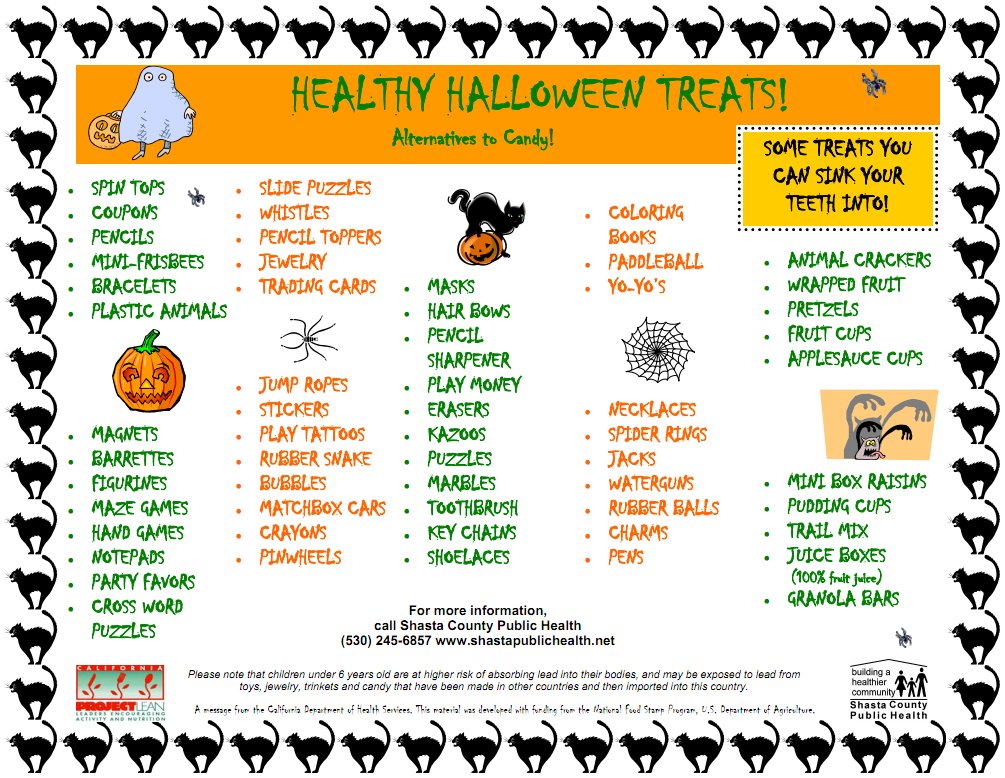
Alternative Treats

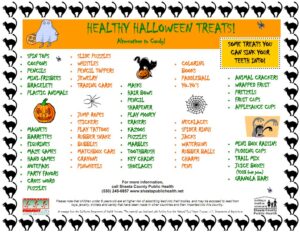
A growing number of parents are bucking the candy-giving tradition altogether. The 2000 American Express Retail Index estimated that 18% of adults distributed non-candy treats. In some of these homes, children may have special dietary needs. Other parents are alarmed by reports about the increasing rate of child obesity, and some parents just hope to lessen the day’s sugar intake.

A recent study even showed that kids welcome such alternatives. Researchers offered trick-or-treaters in five Connecticut neighborhoods two bowls to choose from: one with lollipops or fruit candy and one with inexpensive Halloween-themed trinkets. About half the kids skipped the sweet stuff and took a toy instead. So consider making the switch at your house.

From the grocery:

  • sugar-free lollipops
  • fruit
  • raisins
  • granola bars
  • popcorn
  • trail mix

From the party-supply store (purchased in bulk, these items should cost about 20 cents each):

  • plastic vampire teeth
  • glow-in-the dark stickers
  • temporary tattoos
  • spider rings
  • safe decorations for the child to have

More cool options:

  • crayons and stickers: Crayola makes special crayon packs that feature three Halloween-inspired colors. The cost of twenty packs plus twenty color-in stickers is about $3.99.
  • personalized photos. Start the unique tradition of becoming the neighborhood “phantom photographer.” Dig out your child’s i-Zone camera and give everyone who comes to the door a sticker picture of himself in costume. At approximately $18 per three-pack of film, you can expect to spend about 50 cents per trick-or-treater.

Acts of Sweetness

Halloween is a great time to teach children about sharing. This is a day when kids are inspired to be like Spider-Man or other heroic do-gooders. Encourage their charitable attitude by turning trick-or-treating into a save-the-world mission. In addition to candy, have your child ask for donations for a non-profit organization or school program or donating to the VA patients candy.
QUOTE FOR MONDAY:

“For Halloween parties, creativity can be the key to making the event memorable. Here are some ways to be creative/safe at both kid and adult parties:

Costume Contest: Encourage kids to dress up and compete in a costume contest, with prizes for silliest, scariest, and most creative outfits. Adults can add categories like “Best/Worst Couple Costume” or “Overachiever of the Year” with themed prizes or gift cards.

Pumpkin Decorating: Set up a no-carve station with markers, stickers, googly eyes, and paint for kids to decorate pumpkins. Adults can host a pumpkin carving competition with unique or creepy themes.

Halloween Charades: Use simple charades game ideas like “witch,” “pumpkin,” or “trick-or-treating” for kids. Adults can make it more challenging with horror movie references and pop culture icons.

Spooky Bingo: Fill up a row on free printable Halloween bingo cards for kids. Adults can try Halloween movie-themed Bingo or offer mini bottles of adult beverages for prizes.

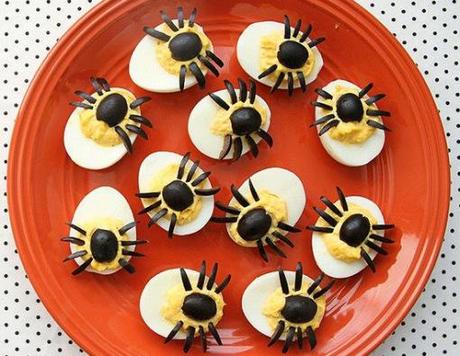
Haunted House Party: Transform your living space into a haunted house with cobwebs, LED candles, and eerie soundtracks. Serve simple Halloween food like “eyeball” deviled eggs or breadstick “fingers.”

Party Plan Ideas
(https://www.playpartyplan.com/halloween-party-ideas/)

Halloween ways to be creative at the kid parties and even adult ones too!

halloween-snacks3 halloween-snacks4

halloween-snacks5 halloween-snacks halloween-dip22

halloween-dips

Halloween pot lucks, parties, and trick-or-treating can be sneaky business—even for your young ones trying to keep them healthy with the neighbors and other family or friends kids. The scariest part is you trying to avoid the kids’ treat bags full of candy, chocolate, and chips but yet making it fun for all.

However, you can still get your great Halloween treats on without terrorizing your healthy diet if you infuse the holiday with these scary (good) tips and even more important for the young ones with even possibly having the kids ask you to tell their mom of the great recipe. It is all in your creativity and taking the time as opposed to picking up a bag of treats in a plastic bag you dump in a bowl.

1. Use your creativity on healthy foods alone or with candy in place of the “Classic Halloween Candy”

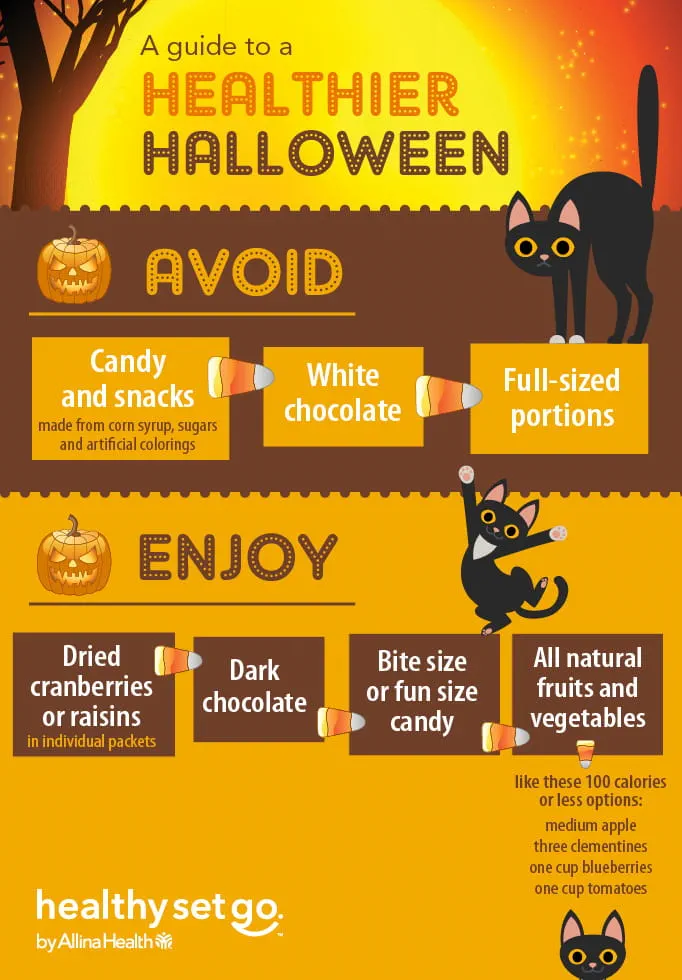
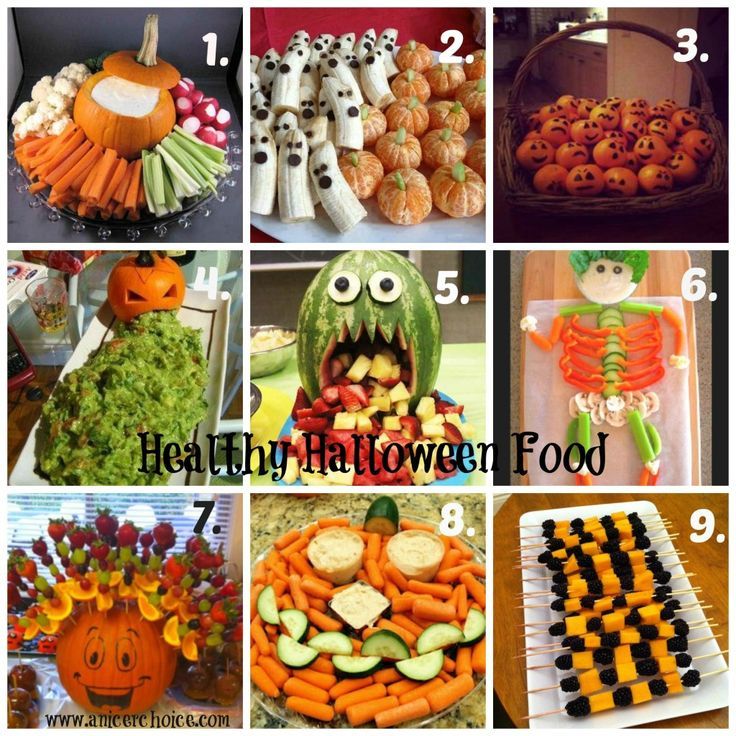
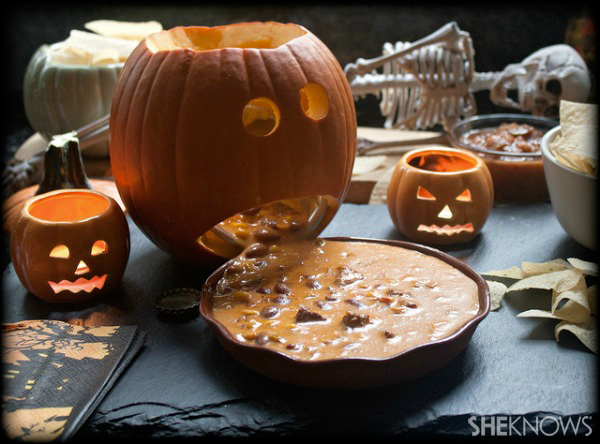
It’s fairly easy to give classic Halloween candy the creativity of using fruit. For example take the PUMPKIN – the maskcot of Halloween, which happens to be a cultivar of a squash plant, most commonly of Cucurbita pepo, that is round, with smooth, slightly ribbed skin, and deep yellow to orange coloration. The thick shell contains the seeds and pulp. This kind of creativity is to make a healthier, more natural form of candy corn layer a wedge of pineapple, a wedge of cantaloupe, and a piece of banana on wooden skewers. You can also make healthy apple monsters by using a melon baller to carve out eyes, mount them on toothpicks, and use a large apple slice as a mouth with slivered almonds to create the toothy grin. Again it’s all in your creativity. Without making all fruit you could even add dark chocolate on the fruits or any candy that mixes with the taste of the fruit you use. Again make it fun and delicious so its utilized with decreasing everything being candy, which isn’t good for anyone’s else.

2. Create homemade candy treats that are healthier than the store

In the store you find candy trans fat or refined sugars or high processed or even regular milk chocolate as opposed to dark chocolate (healthier). Make homemade candy treat bags at the parties with these creations of yours. I know it takes time but making it know your helping a another individual which should make you feel could and trust me many will appreciate you like the other moms.

3. Add Just a Touch of your Creativity Sweetness

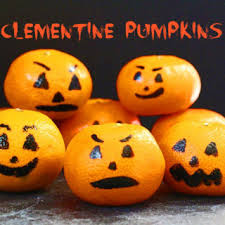
Sometimes there can be just too much sinfully sweet ingredients in Halloween desserts. One of my favorites is chocolate chunks in double chocolate tombstone brownies. However, you can satisfy a sweet tooth without killing your entire diet by creating a healthy dessert with just a touch of sweetness. You can either make those dark chocolate brownies and cutting them into finger size pieces as opposed to a regular size brownie with making them have a Halloween effect look on them. Another idea going more health wise is creating spooky bananas by using 2 dark chocolate chips for eyes and a dark chocolate kiss as a surprised mouth on ½ of bananas or make witches caldrons by coring apples and filling with quick oats, raisins, and a touch of maple syrup. Take oranges or mandarins putting celery sticks in the top center to make pumpkins. For a sweet treat that will satisfy your haunted Halloween cravings—try whipping up batches of pumpkin inspired cookies, brownies, cakes, and muffins. Pumpkin is actually a nutritionally fuelled substitute for butter, margarine, and oil in a lot of lower fat recipes. Use your minds depth in making Halloween creations.

5. Carve Up Spooky Veggies

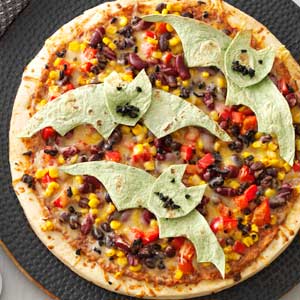
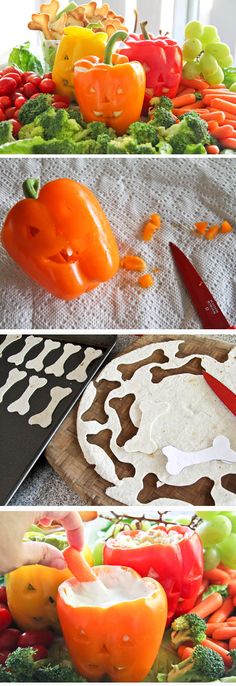
Who says that vegetables can’t be festive? In addition to buckets of candy and chocolate at your Halloween party, feature a platter of carrots, cucumbers, and pepper pieces cut into spooky shapes—such as ghosts, witches hats, bats, cats, and pumpkins for dipping into healthy hummus, salsa, and guacamole. Or spoon salads into cored peppers carved into mini Jack-o-lanterns.

6. Make healthy creative dips

With fruit, healthy chips, vegetables with salads and create healthy dips. For blood effect salsa, for green goblin effect guacamole dips, orange effect from carrot veggie dip to bean veggie dip. Than there is fruit cherry dip to green apple dip to orange or mandarin or pumpkin dips.

7. DIY Your Favorite Halloween Snacks

If there’s one snack I just can’t resist, it’s peanut butter rice crispy treats! However, instead of getting mine from a box, I choose to make a healthier version in my own kitchen, and I use nutritious ingredients—like raw almond butter and whole-wheat rice crisps—to redeem my Halloween sins.

8. Air Pop Your Halloween Treats

Air popped corn (especially if it’s whole grain) can provide a filling foundation for sweets and snacks without haunting you for weeks after. Indulge your taste for something sweet by air popping corn; rolling it into balls using a bit of honey or maple syrup, raisins, and chopped nuts; and drizzling with dark-chocolate and melted almond butter. Or simply serve an air popped bowl of corn sweetened with a bit of maple syrup for a healthier version of caramel corn.


QUOTE FOR THE WEEKEND:

“Every October, we celebrate Health Literacy Month — a time to recognize the importance of making health information easy to understand and the health care system easier to navigate.

This year, we’re also highlighting Healthy People 2030’s updated definition of health literacy! A team of experts recently split the definition into 2 parts:

  • Personal health literacy: The degree to which individuals have the ability to find, understand, and use information and services to inform health-related decisions and actions for themselves and others.
  • Organizational health literacy: The degree to which organizations equitably enable individuals to find, understand, and use information and services to inform health-related decisions and actions for themselves and others.

Among other changes, this new definition acknowledges that organizations have a responsibility to address health literacy — and emphasizes people’s ability not just to understand health information but also to use it.”

Office of Disease Prevention and Health Promotion – OASH  (October Is Health Literacy Month! – News & Events | odphp.health.gov)