QUOTE FOR THE WEEKEND:

“According to a 2023 report, the prevalence of ALS in the United States is about 9.1 cases per 100,000 people.

ALS (amyotrophic lateral sclerosis), commonly known as Lou Gehrig’s disease, is a rare neurological disorder affecting approximately 30,000 people in the U.S. It can run in families, but most cases have no family connection.      According to the National Organization for Rare Disorders, ALS develops in 1.5 to 3 people per 100,000 in the United States and Europe each year.

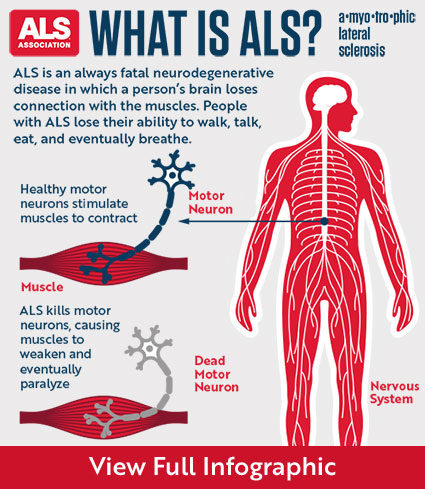
ALS affects the brain cells (neurons) that control your muscles. As ALS progresses, people lose voluntary control of their muscles and various bodily functions, including standing, chewing food, and speaking clearly.
The ALS Association suggests that men are about 20% more likely than women to develop ALS, though as people get older, the sex differences tend to even out.
The ALS Association reports that ALS is more common among non-Hispanic individuals, with white adults about twice as likely as Black adults to develop ALS.”

Part III ALS awareness month-What is the Rx?


Over the past decade, understanding of the multiple destructive pathways that lead to neuronal death in amyotrophic lateral sclerosis (ALS) has greatly improved.  There is still no cure for ALS unfortunately with all the technology medicine has but there are therapies.

Home Care at some point in middle to beginning of late stage.

This would include a Home Health Assistant followed under a Visiting Nurse/RN with an Attending Doctor for follow up on the pt care=A whole team of medical care including as soon as needed:

PT and OT:

Physical therapy (PT) is the use of exercises and treatments to improve physical movement and overall mobility. Occupational therapy (OT) is similar but is focused on developing or maintaining the physical skills needed to perform everyday tasks. For example, a physical therapist might prescribe stretching exercises to limit discomfort and preserve range of motion or use pool therapy to help you walk and improve joint function. An occupational therapist may help you find new ways to brush your teeth or recommend equipment that can make your activities of daily living easier to perform.

Speech Therapy:

For people living with ALS with bulbar symptoms, ALS leads to speech problems when it attacks bulbar neurons. These are the nerve cells responsible for bringing messages from the lower parts of the brain (bulbar region) to the muscles that move the lips, tongue, soft palate (back of roof of mouth), jaw, and vocal folds (voice box). As nerves are lost to the disease, the muscles they control become weak and tight. This causes dysarthria-difficulty speaking).  A speech-language pathologist can help with both speaking and swallowing difficulties. This may include finding devices to help you communicate as your speech becomes harder for others to understand.

Respiratory Therapy:

A respiratory therapist can teach you new techniques for breathing and coughing, helping you keep your airway and lungs clear and healthy. When mechanical ventilators are needed, they can help you evaluate the options and choose the best ventilator for your needs.  An ALS diagnosis is shocking and frightening, but as with any disease, knowledge is power. Being aware of symptoms and how you can prepare for – and manage – them is key to quality of life and often, for peace of mind. The impact of ALS on breathing is one of the most daunting aspects of the disease and one for which you and your family can and should prepare for early in the ALS journey.

Psychotherapy:

Feeling sad or scared after being diagnosed with ALS is completely natural.

In time the patient with ALS has there life completed turned upside down when they need assistance with there activitities of daily living from independent in their ADLs.  It’s not unusual to feel depressed or anxious after getting diagnosed with ALS. If you have difficulty coping with the mental and emotional side of ALS, a counselor or psychiatrist can help.

Potential symptoms of depression include:  Prolonged feelings of sadness, hopelessness, worthlessness, anxiety, or guilt.   Irritability or angry outbursts over small matters. Changes in sleeping patterns, including insomnia or sleeping too much.  Changes in appetite.

Medications:

There are a number of medications that can help treat the various symptoms of ALS and new drugs are being developed all the time. Talk with your doctor or therapist to find out what is currently available and whether any such medications might be right for you.

There are currently four drugs approved by the U.S. Food and Drug Administration to treat ALS (Radicava, Rilutek, Tiglutik, and Nuedexta). Studies all over the world, many funded by The ALS Association, are ongoing to develop more treatments and a cure for ALS.

Radicava™ (edaravone)

The FDA approved Radicava™ in 2017, less than a year after Mitsubishi Tanabe Pharma America submitted a new drug application, making it the first new treatment specifically for ALS in 22 years.

Rilutek (riluzole, now generic)

This was the first FDA-approved drug available to treat ALS — in 1995. It inhibits glutamate release and prolongs life approximately three months. Riluzole is the generic name of Rilutek.

Tiglutik (thickened riluzole)

The first and only thickened liquid form of riluzole, Tiglutik was approved by the FDA in September 2018. This formulation contrasts with the oral pill form of riluzole that has been on the market for ALS for more than 20 years. It is designed to avoid potential problems of crushing tablets.

Nuedexta®

Indicated for the treatment of pseudobulbar affect (PBA), which is characterized by frequent, involuntary, and often sudden episodes of crying and/or laughing that are exaggerated and/or don’t match how you feel. PBA occurs secondary to a variety of otherwise unrelated neurologic conditions. Nuedexta® (dextromethorphan HBr and quinidine sulfate) was FDA-approved in 2011.


QUOTE FOR FRIDAY:

“Amyotrophic lateral sclerosis (ALS) is a progressive neurological disorder that affects motor neurons in the brain and spinal cord, leading to the degeneration and death of these crucial nerve cells [1]. This fatal condition, often referred to as Lou Gehrig’s disease, causes a gradual loss of voluntary muscle control, impacting essential functions such as walking, talking, chewing, and breathing [2]. ALS typically manifests between the ages of 40 and 70,

Notably, ALS does not typically affect cognitive function, sensory perception, or bladder control [2]. While the exact cause remains unknown for most cases, approximately 10% are attributed to genetic factors, classified as familial ALS. The remaining 90% are considered sporadic, occurring randomly without a clear hereditary link [3]. Despite ongoing research, there is currently no cure for ALS, and the average life expectancy after diagnosis ranges from 3 to 5 years, although some individuals may survive for a decade or more [1].”

ALS United Ohio (ttps://alsohio.org/als-vs-ms-amyotrophic-lateral-sclerosis-vs-multiple-sclerosis/)


Part II ALS Awareness Month-Stages of ALS

Once ALS starts, it almost always progresses, eventually taking away the ability to walk, dress, write, speak, swallow, and breathe, and shortening the life span. The onset of ALS often involves muscle weakness or stiffness as early symptoms. Progression of weakness, wasting, and paralysis of the muscles of the limbs and trunk, as well as those that control vital functions such as speech, swallowing, and breathing, generally follows.

How fast and in what order this occurs is very different from person to person. While the average survival time is three years, about 20 percent of people with ALS live five years, 10 percent will survive 10 years and 5 percent will live 20 years or longer.

End stages of ALS often include trouble swallowing and speaking. Weak and paralyzed vocal cords make speaking difficult and eventually impossible. Trouble swallowing occurs gradually in some patients, but can occur suddenly in others.

Stages of ALS

ALS is a relentlessly progressive disorder. The rate of progression between individuals is variable and the history generally reflects gradual and progressive worsening over time until death occurs.

Early stages:

Muscles

  • Muscles may be weak and soft, or they may be stiff, tight, and spastic. Muscle cramping and twitching (fasciculation) occurs, as does loss of muscle bulk (atrophy).
  • Symptoms may be limited to a single body region or mild symptoms may affect more than one region.

Physical effects

  • The person may experience fatigue, poor balance, slurred words, a weak grip, tripping when walking, or other minor symptoms.
  • Sometimes this stage occurs before a diagnosis is made.

Middle stages:

Muscles

  • Symptoms become more widespread.
  • Some muscles are paralyzed, while others are weakened or unaffected. Fasciculations may continue.

Physical effects

  • Unused muscles may cause contractures, in which the joints become rigid, painful, and sometimes deformed.
  • If a fall occurs, the person may not be able to stand back up alone.
  • Driving is relinquished.
  • Weakness in swallowing muscles may cause choking and greater difficulty eating and managing saliva.
  • Weakness in breathing muscles can cause respiratory insufficiency, especially when lying down.
  • Some people experience bouts of uncontrolled and inappropriate laughing or crying (pseudobulbar affect). Despite how it seems, the person usually doesn’t feel particularly sad or happy.

Late stages:

Muscles

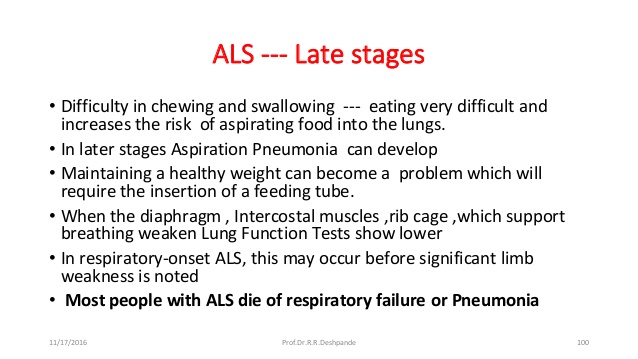
  • Most voluntary muscles are paralyzed.
  • The muscles that help move air in and out of the lungs are severely compromised.

Physical effects

  • Mobility is extremely limited, and help is needed in caring for most personal needs.
  • Poor respiration may cause fatigue, fuzzy thinking, headaches, and susceptibility to pneumonia. (Respiratory insufficiency is a leading cause of death in ALS.)
  • Speech, or eating and drinking by mouth, may not be possible
  • Assistance needed if not needed in the previous stage yet; in the home care you would need:

    • Power wheelchair, hospital bed, mechanical lift, and switches that enable any moving body part to operate computers, environmental control units, and communication devices.
    • Assisted ventilation, either noninvasive or invasive (tracheostomy).
    • Feeding tube.
    • Possibly urinary catheters aren’t required but can make toileting easier.
    • The type of home assistance you need:

    1.) Caregivers should:

    • Find and train caregiving help.
    • Oversee 24-hour care operations.
    • Find ways to help the person with ALS stay socially and mentally active.
    • Get into a routine that supports themselves as well as the person with ALS.
    • Know that although this stage is all-consuming, surprisingly many caregivers report great stability and satisfaction in their daily lives at this later stage of the disease.

       2.) Visiting RN (Nurse) who basically follows up on the care and decline or no change in pt    with letting the attending M.D. in charge be kept informed on pt’s status who makes any change with orders on the pt’s care.  It’s a whole team effect to make sure the pt gets the best care!

  • Progression is not always a straight line in an individual, either. It is not uncommon to have periods lasting weeks to months where there is very little or no loss of function. There are even very rare examples in which there is significant improvement and recovery of lost function. These ALS “arrests” and “reversals” are, unfortunately, usually transient. Less than 1 percent of people with ALS will have significant improvement in function lasting 12 months or longer

End stage

  • The vast majority of deaths in ALS are the result of respiratory failure, a process that progresses slowly over months. Medications can relieve discomfort, anxiety, and fear caused by respiratory insufficiency.
  • Far less-common causes of death in ALS include malnutrition as a result of swallowing problems, pulmonary embolism (a blockage in one of the arteries of the lungs), abnormalities in the heart’s electrical pacing system called cardiac arrhythmias, and pneumonia as the result of aspiration (when food or fluid gets into the lungs).
  • Hospice care (in a facility or in the home) focuses on providing comfort and maintaining quality of life by supporting the physical, emotional, and spiritual needs of the individual with ALS and their family members. Families should contact hospice early on to see what in-home services are available even before the most advanced stage.
  • At MDA clinics, physicians work closely with palliative care teams to coordinate treatment with in-home hospice care providers, assisted living facilities, or inpatient hospice settings. Such cooperation helps ensure the person with ALS has the most peaceful and painless experience possible.


Part I ALS Awareness Month-What is it and what are the signs and symptoms?

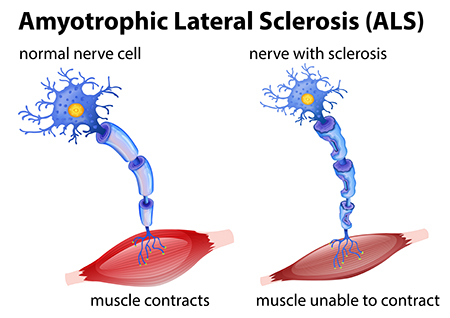
Amyotrophic lateral sclerosis concept illustration

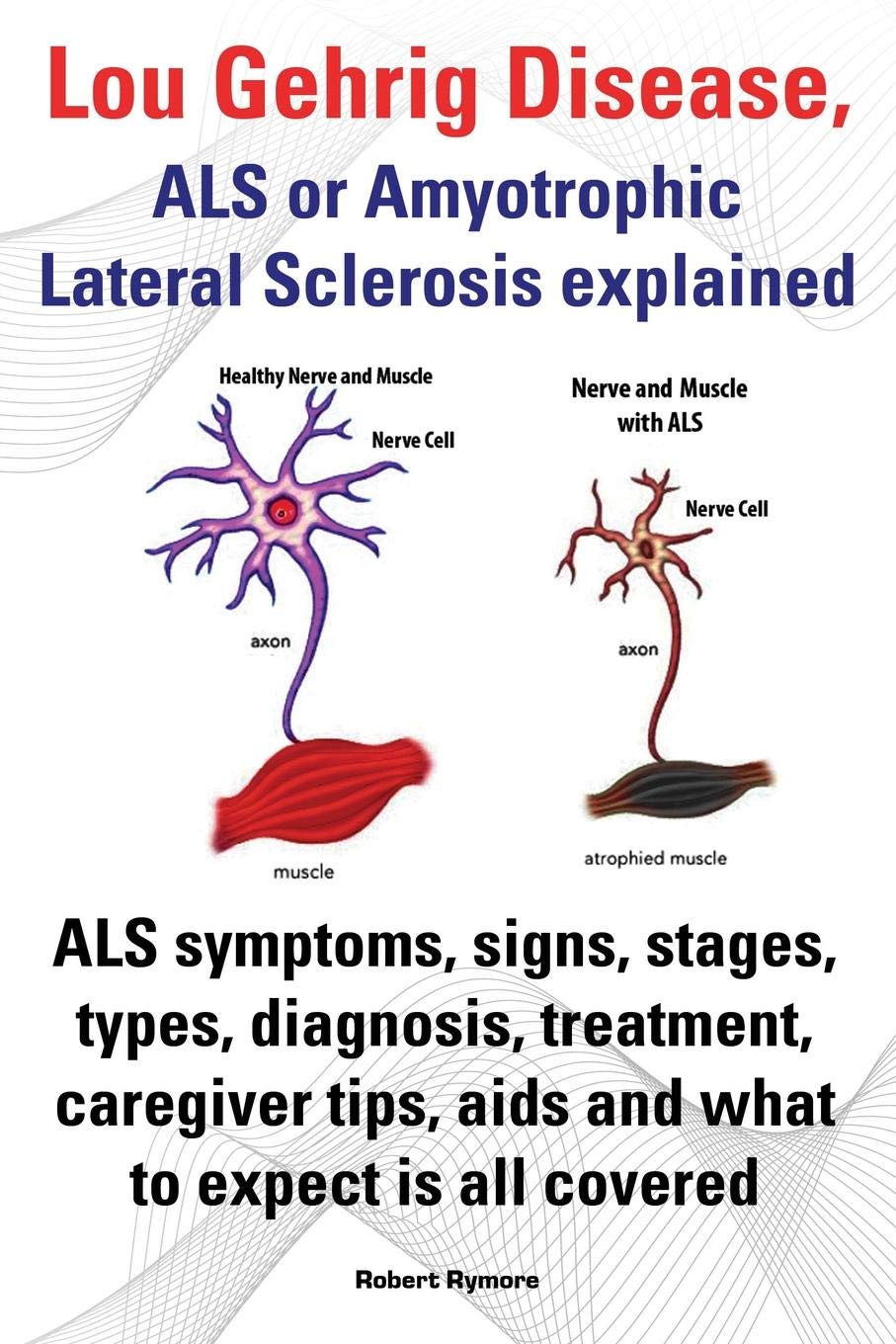
ALS amyotrophic lateral sclerosis is a rare neurological disease affecting nerve cells that control voluntary muscle movement.  Amyotrophic Lateral Sclerosis or ALS, more commonly known as Lou Gehrig’s disease, is a terminal and progressive motor neuron disease. ALS specifically targets and kills the motor neurons responsible for controlling the vast majority of skeletal muscles in the human body, which eventually leads to respiratory failure and death.

Individuals with ALS experience a degeneration of their motor neurons, which causes the muscles to stop receiving the signals needed to function. After a certain time, the brain completely loses its ability to control voluntary movements, hence, people with ALS are unable to walk, move, or even breathe properly.

ALS belongs to, and is perhaps the most common example of, a group of neurological disorders known as Motor Neuron Diseases.  These diseases affect the body by causing the death of millions of neurons found in the motor cortex of the brain as well as the spinal cord. These nerve cells are directly responsible for the regulation and control of skeletal muscle function.

How ALS is diagnosed:

Considering the damage ALS can do, it became essential to spread the message regarding the disease so that people could treat it at an early stage. Though there is no cure for ALS but early detection can help in improving the quality of life of those with the disease. 

The signs and symptoms of this diagnosis:

1-Fatigue

A positive diagnosis of ALS is based primarily on a patient’s symptomatology.  Unfortunately there is no test that can currently provide a more conclusive assessment.

There are many diseases whose symptoms resemble those observed in patients with ALS. Therefore, diseases such as cervical osteoarthritis, cervical hernias that compress the spinal cord, heavy metal poisoning, and some infectious diseases such as Lyme disease or syphilis, can delay a correct diagnosis of ALS immediately.

As such, when ALS is suspected, it is common practice to rule out other diseases through a variety of tests including but not limited to lumbar punctures, MRIs, and electromyographic studies. In some cases, it might be necessary to perform a biopsy of muscle tissue in order to assuage any remaining doubts.

Often, the earliest symptoms of ALS are ignored or outright dismissed. Therefore, better understand this disease’s signs and symptoms.

2-Loss of strength

Pt’s with ALS eventually lose the ability to control all voluntary movement. During the progression of the disease, which typically lasts for several years, patients will experience a cumulative loss of muscle strength.

In most cases, the first muscles affected by the disease are those of the arms and legs which results in patients experiencing awkwardness when walking or moving about, an increased propensity for stumbling or tripping, and difficulty performing everyday tasks especially fine motor tasks like texting on the phone, typing, and even tying shoe or sneaker laces.

3-Muscle Atrophy

This is when the muscle actually deteriorates and muscle is lost.  Leading to muscle dystrophy,in the specific case of ALS, it occurs due to a dramatic reduction in the connection between nerves and muscle fibers caused by the death of motor neurons.  It often culminates to paresthesia to partial or total paralysis.

4-Fasciculations

Fasciculations are slight and involuntary muscular contractions that occur underneath the skin, but that do not produce any observable limb movement. Fasciculations are visible to the naked eye and are sometimes described as looking like small worms are moving within the muscle. These contractions occur because of spontaneous nerve discharges that fire within clumps of skeletal muscle fibers.  They can occur due to damage present in the lower motor neurons. They could be considered an early warning sign of the possible onset of ALS.

5-Cramps

Muscle cramps are highly common in patients who have ALS, and their incidence increases as the disease progresses. These sustained involuntary contractions of the muscles are typically accompanied by palpable contractures, can last anywhere from 30 to 45 seconds, and tend to be extremely painful.  Spasticity could develop and may not allow certain movements as a consequence of cramps;  in which antagonistic muscle groups participate.

Other Symptoms include:

  • Tripping and falling
  • Hand weakness or clumsiness
  • Slurred speech or trouble swallowing
  • twitching in your arms, shoulders and tongue
  • Inappropriate crying, laughing or yawning
  • Cognitive and behavioral changes


QUOTE FOR WEDNESDAY:

“7 Disorders are part of or closely related to Autism. Each disorder has symptoms commonly seen with autism, as well as its own specific symptoms.  These disorders are:

  • Williams Syndrome
  • Fragile X Syndrome
  • Landau-Kleffner Syndrome
  • Prader-Willi Syndrome
  • Angelman Syndrome
  • Rett Syndrome
  • Tardive Dyskinesia”

Autism Research Institute (7 Disorders Closely Related to Autism – Autism Research Institute)


Part II Related Conditions to Autism

Williams Syndrome

Williams Syndrome (also known as Williams-Beuren syndrome) is a rare genetics disorder in which a portion of DNA material on chromosome 7 is missing. The prevalence in the population is somewhere between 1 out of 10,000.

Many people with Williams Syndrome exhibit autistic behaviors. This includes: developmental and language delays, problems in gross motor skills, hypersensitivity to sounds, picky eating, and perseverating.

However, Williams Syndrome includes other symptoms that may require different or additional treatments. A diagnosis is essential to maximize quality of care.

These individuals differ from the typical autistic individual because they also have cardiovascular abnormalities, high blood pressure, elevated calcium levels, and are very sociable. They also have unique pixie-like facial features–almond shaped eyes, oval ears, full lips, small chins, narrow faces, and broad mouths.

Fragile X

Fragile X syndrome (also known as Martin-Bell syndrome) is a sex-linked genetic disorder. The exact frequency of Fragile X syndrome is unclear, but the CDC estimates that roughly 1.4 in 10,000 males and 0.9 in 10,000 females are affected by this disorder. Males afflicted with this syndrome typically have a moderate to severe form of intellectual handicap. Females may also be affected but generally have a mild form of impairment.

Approximately 15% to 20% of those with Fragile X Syndrome exhibit autistic-type behaviors, such as poor eye contact, hand-flapping or odd gesture movements, hand-biting, and poor sensory skills. Behavior problems and speech/language delay are also common features of Fragile X Syndrome.

People with Fragile X syndrome also have a number of recognizable physical features, including a high arched palate, strabismus (lazy eye), large ears, long face, large testicles in males, poor muscle tone, flat feet, and sometimes mild, heart valve abnormalities. Although most individuals with Fragile X syndrome have a characteristic ‘look’ (long face and large ears), there are some who do not have typical features.

Many hospitals and laboratories perform blood tests to diagnose Fragile X syndrome. Several treatments are recommended for individuals with this disorder, including mild medications for behavior problems and therapies for speech and language and sensory improvement. Families are advised to seek genetic counseling to understand the inheritable nature of Fragile X Syndrome and to discuss with family members the likelihood other individuals or future offspring may have this disorder.

Thank  You to Dr. Peter Jacky of Kaiser Sunnyside Hospital in Clackamas, Oregon for his comments on this article.

Landau-Kleffner Syndrome

Landau-Kleffner Syndrome is a rare form of epilepsy that manifests as a form of aphasia, (loss of language), which usually develops between 3 and 7 years. It is twice as common in males than females and is often diagnosed in conjunction with autism. Initially, these individuals have a healthy, problem-free development with normal speech and vocabulary. These individuals first lose their ability to comprehend (i.e., receptive speech) and then their ability to speak (i.e., expressive speech). These changes can occur gradually or suddenly.

People with Landau-Kleffner Syndrome have abnormal EEG patterns (i.e., brain waves) in the temporal lobe (located on the sides of the brain) and in the temporo-parieto-occipital regions during sleep. Diagnosis of this syndrome usually involves examining the person’s EEG patterns during sleep. Approximately 70% develop epilepsy; and these seizures are typically infrequent and can be either with or without convulsions.

One common characteristic of Landau-Kleffner Syndrome is the failure to respond to sounds. Thus, parents may suspect their child of hearing loss. Autistic characteristics seen in Landau-Kleffner Syndrome individuals include pain insensitivity, aggression, poor eye contact, insistence on sameness, and sleep problems.

The cause of Landau-Kleffner Syndrome is not known. Some suggested causes have been a dysfunctional immune system, exposure to a virus, and brain trauma. The prognosis is better when the onset is after age 6 and when speech therapy is started early. Several other treatments have also been shown to be beneficial for many of these individuals, such as anticonvulsant mediations and corticosteroids. There is also a surgical technique in which the pathways of abnormal electrical brain activity are severed.

Prader-Willi Syndrome

Prader-Willi Syndrome is a disorder which is sometimes associated with, but not a subtype of, autism. The classical features of this disorder include an obsession with food which is often associated with impulsive eating, compact body build, underdeveloped sexual characteristics, and poor muscle tone. Because of their obsession with food, many people afflicted with Prader-Willi Syndrome are overweight. Most individuals afflicted with Prader-Willi Syndrome have mild mental deficits.

Some of the behaviors which are common to both Prader-Willi Syndrome and autism are:

  • delays in language and motor development
  • learning disabilities
  • feeding problems in infancy
  • sleep disturbances, skin picking
  • temper tantrums
  • high pain threshold

Prader-Willi Syndrome affects approximately 1 in 10,000 people. Most individuals suffering from this disorder are missing a small portion of chromosome 15 which appears to come from the paternal side of the family. When a small portion of chromosome 15 is missing and comes from the maternal side, the person may suffer from Angelman Syndrome.

The most effective form of treatment for people suffering from Prader-Willi Syndrome is behavior modification. In general, medications do not appear to be very effective for these individuals.

Angelman Syndrome

Angelman syndrome is a genetic disorder that affects the nervous system. Initial symptoms of this disorder typically manifest in the first year of life and become more apparent through early childhood. It is estimated that Angelman syndrome occurs in roughly every one in 15,000 people. Similarly to Prader Willi Syndrome, this disorder derives from a missing portion of chromosome 15, but unlike Prader Willi, this deficit comes from the maternal side.

Angelman syndrome is commonly characterized by:

  • Mental and speech deficits
  • Speech impairment
  • Problems with motor skills and balance
  • Epilepsy
  • Small head size
  • Hyperactivity
  • Smiling, Laughing and Hand flapping
  • Difficulty sleeping

To learn more about Angelman Syndrome, please visit the Angelman Syndrome Foundation

Rett Syndrome

Rett Syndrome was first recognized by Andreas Rett in 1966 and is a neurological disorder affecting primarily females. Autopsies on the brains of these individuals indicate a pathology different from autism; however, children afflicted with Rett Syndrome often exhibit autistic-like behaviors, such as repetitive hand movements, prolonged toe walking, body rocking, and sleep problems. In most cases, there is a regression in cognition, behavior, social, and motor skills throughout their lifetime.

The prevalence of Rett Syndrome is estimated to be between 1 in 10,000 and 1 in 15,000 people.

Typical characteristics:

  • Normal development until 1/2 to 1 1/2 years
  • Behavioral, social, and cognitive regression
  • Shakiness of the torso, and possibly the limbs
  • Unsteady, stiff-legged gait
  • Breathing difficulties (hyperventilation, apnea, air swallowing)
  • Seizures (approximately 80% have epilepsy)
  • Teeth grinding and difficulty chewing
  • Stunted growth and small head
  • Severe mental deficits
  • Hypoactivity

In 1999, Dr. Huda Zoghbi and her colleagues located the gene for Rett syndrome. The gene was located on one of the two X chromosomes that determine sex. Rett syndrome results from the mutation of the gene that makes methyl cytosine binding protein, resulting in excessive amounts of this protein.

For more information about this disorder, visit International Rett Syndrome Association

Tardive dyskinesia

Tardive dyskinesia is a syndrome involving dysfunctional, involuntary movements associated with long-term, chronic use of neuroleptic medications, such as Haldol, Prolixin, and Thorazine. These drugs lead to an apparent general calming or sedative effect on the individual and are considered major tranquilizers.

Tardive dyskinesia may appear anywhere from three months to several years after initial use of these medications, and withdrawal from neuroleptics often exacerbates the symptoms.

Common tardive dyskinesia movements include, but are not limited to:

  • facial tics, grimacing
  • eye blinking
  • lip smacking
  • tongue thrusting
  • moving one’s head back or to the side
  • foot tapping
  • ankle movements
  • shuffled gait
  • head nodding

Tardive dyskinesia may lead to very serious problems, such as respiratory interference, inability to eat, oral ulcerations, and difficulty standing/walking.

Tardive dyskinesia movements may be confused with stereotypy because of the repetitive nature of both behaviors. Stereotypy refers to ritualistic, often complex behaviors, such as body and head rocking, hand-flapping, and complex hand movement patterns. Stereotypy appears to be under voluntary control. In contrast, tardive dyskinesia movements are less complex, less ritualistic, and are not volitional.

Other psychoactive drugs, such as clozaril/clozapine, have similar effects on behavior but do not produce tardive dyskinesia as neuroleptics do.

Is it Autism?

While the behavioral symptoms of the conditions above may overlap with autism, they may require different or additional treatments. Seek a diagnosis and treatment plan from a qualified medical professional before starting any form of treatment.

QUOTE FOR TUESDAY:

“Autism spectrum disorder (ASD) is a developmental disability caused by differences in the brain.
Some people with ASD have a known difference, such as a genetic condition or it can be other causes including those that are not yet known.
Scientists believe there are multiple causes of ASD that act together to change the most common ways people develop. We still have much to learn about these causes and how they impact people with ASD.
Early intervention services can greatly improve the development of a child with ASD.”
Centers of Disease Control and Prevention – CDC

Part I Autism (ASD) Awareness-Learn how’s its diagnosed, what causes ASD, Genes R/T ASD, how s/s change in time, the treatment of ASD!

What disorders are related to ASD?

Certain known genetic disorders are associated with an increased risk for autism, including Fragile X syndrome (which causes intellectual disability) and tuberous sclerosis (which causes benign tumors to grow in the brain and other vital organs) — each of which results from a mutation in a single, but different, gene. Recently, researchers have discovered other genetic mutations in children diagnosed with autism, including some that have not yet been designated as named syndromes. While each of these disorders is rare, in aggregate, they may account for 20 percent or more of all autism cases.

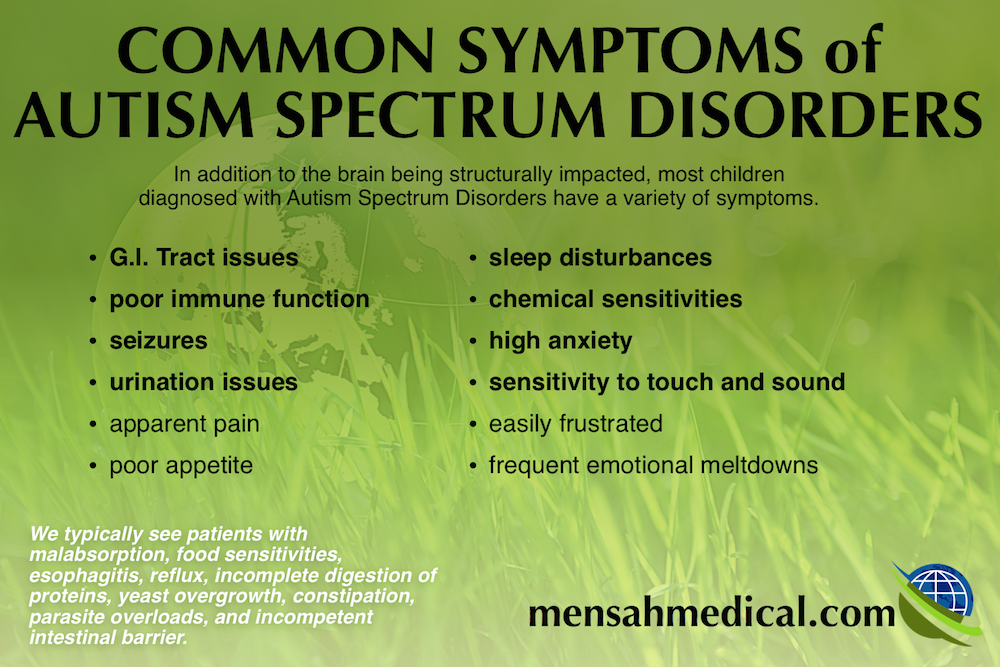
People with ASD also have a higher than average risk of having epilepsy. Children whose language skills regress early in life — before age 3 — appear to have a risk of developing epilepsy or seizure-like brain activity. About 20 to 30 percent of children with ASD develop epilepsy by the time they reach adulthood. Additionally, people with both ASD and intellectual disability have the greatest risk of developing seizure disorder.

How is ASD diagnosed?

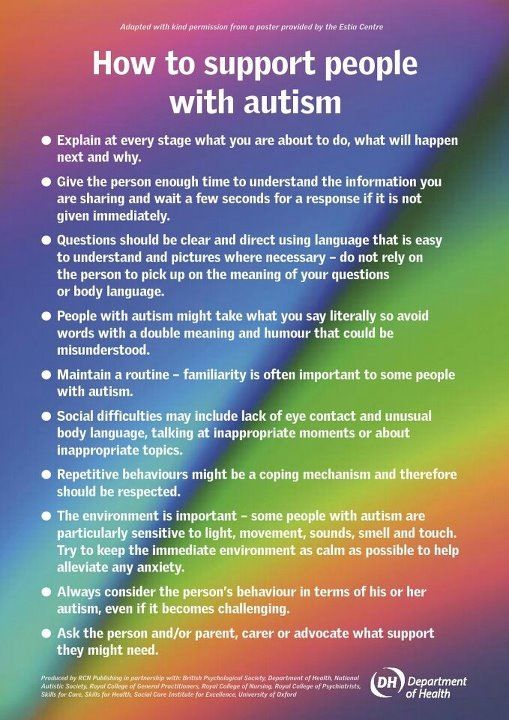
ASD symptoms can vary greatly from person to person depending on the severity of the disorder. Symptoms may even go unrecognized for young children who have mild ASD or less debilitating handicaps. Very early indicators that require evaluation by an expert include:

  • no babbling or pointing by age 1
  • no single words by age 16 months or two-word phrases by age 2.
  • no response to name
  • loss of language or social skills previously acquired
  • poor eye contact
  • excessive lining up of toys or objects
  • no smiling or social responsiveness

Later indicators include:

  • impaired ability to make friends with peers
  • impaired ability to initiate or sustain a conversation with others
  • absence or impairment of imaginative and social play
  • repetitive or unusual use of language
  • abnormally intense or focused interest
  • preoccupation with certain objects or subjects
  • inflexible adherence to specific routines or rituals

Health care providers will often use a questionnaire or other screening instrument to gather information about a child’s development and behavior. Some screening instruments rely solely on parent observations, while others rely on a combination of parent and doctor observations. If screening instruments indicate the possibility of ASD, a more comprehensive evaluation is usually indicated.

A comprehensive evaluation requires a multidisciplinary team, including a psychologist, neurologist, psychiatrist, speech therapist, and other professionals who diagnose and treat children with ASD. The team members will conduct a thorough neurological assessment and in-depth cognitive and language testing. Because hearing problems can cause behaviors that could be mistaken for ASD, children with delayed speech development should also have their hearing tested.

What causes ASD?

Scientists believe that both genetics and environment likely play a role in ASD. There is great concern that rates of autism have been increasing in recent decades without full explanation as to why. Researchers have identified a number of genes associated with the disorder. Imaging studies of people with ASD have found differences in the development of several regions of the brain. Studies suggest that ASD could be a result of disruptions in normal brain growth very early in development. These disruptions may be the result of defects in genes that control brain development and regulate how brain cells communicate with each other. Autism is more common in children born prematurely. Environmental factors may also play a role in gene function and development, but no specific environmental causes have yet been identified. The theory that parental practices are responsible for ASD has long been disproved. Multiple studies have shown that vaccination to prevent childhood infectious diseases does not increase the risk of autism in the population.

What role do genes play?

Twin and family studies strongly suggest that some people have a genetic predisposition to autism. Identical twin studies show that if one twin is affected, then the other will be affected between 36 to 95 percent of the time. There are a number of studies in progress to determine the specific genetic factors associated with the development of ASD. In families with one child with ASD, the risk of having a second child with the disorder also increases. Many of the genes found to be associated with autism are involved in the function of the chemical connections between brain neurons (synapses). Researchers are looking for clues about which genes contribute to increased susceptibility. In some cases, parents and other relatives of a child with ASD show mild impairments in social communication skills or engage in repetitive behaviors. Evidence also suggests that emotional disorders such as bipolar disorder and schizophrenia occur more frequently than average in the families of people with ASD.

In addition to genetic variations that are inherited and are present in nearly all of a person’s cells, recent research has also shown that de novo, or spontaneous, gene mutations can influence the risk of developing autism spectrum disorder.  De novo mutations are changes in sequences of deoxyribonucleic acid or DNA, the hereditary material in humans, which can occur spontaneously in a parent’s sperm or egg cell or during fertilization. The mutation then occurs in each cell as the fertilized egg divides. These mutations may affect single genes or they may be changes called copy number variations, in which stretches of DNA containing multiple genes are deleted or duplicated.  Recent studies have shown that people with ASD tend to have more copy number de novo gene mutations than those without the disorder, suggesting that for some the risk of developing ASD is not the result of mutations in individual genes but rather spontaneous coding mutations across many genes.  De novo mutations may explain genetic disorders in which an affected child has the mutation in each cell but the parents do not and there is no family pattern to the disorder. Autism risk also increases in children born to older parents. There is still much research to be done to determine the potential role of environmental factors on spontaneous mutations and how that influences ASD risk.

Do symptoms of autism change over time?

For many children, symptoms improve with age and behavioral treatment. During adolescence, some children with ASD may become depressed or experience behavioral problems, and their treatment may need some modification as they transition to adulthood. People with ASD usually continue to need services and supports as they get older, but depending on severity of the disorder, people with ASD may be able to work successfully and live independently or within a supportive environment.

How is autism treated?

There is no cure for ASD. Therapies and behavioral interventions are designed to remedy specific symptoms and can substantially improve those symptoms. The ideal treatment plan coordinates therapies and interventions that meet the specific needs of the individual. Most health care professionals agree that the earlier the intervention, the better.

Educational/behavioral interventions: Early behavioral/educational interventions have been very successful in many children with ASD. In these interventions therapists use highly structured and intensive skill-oriented training sessions to help children develop social and language skills, such as applied behavioral analysis, which encourages positive behaviors and discourages negative ones. In addition, family counseling for the parents and siblings of children with ASD often helps families cope with the particular challenges of living with a child with ASD.

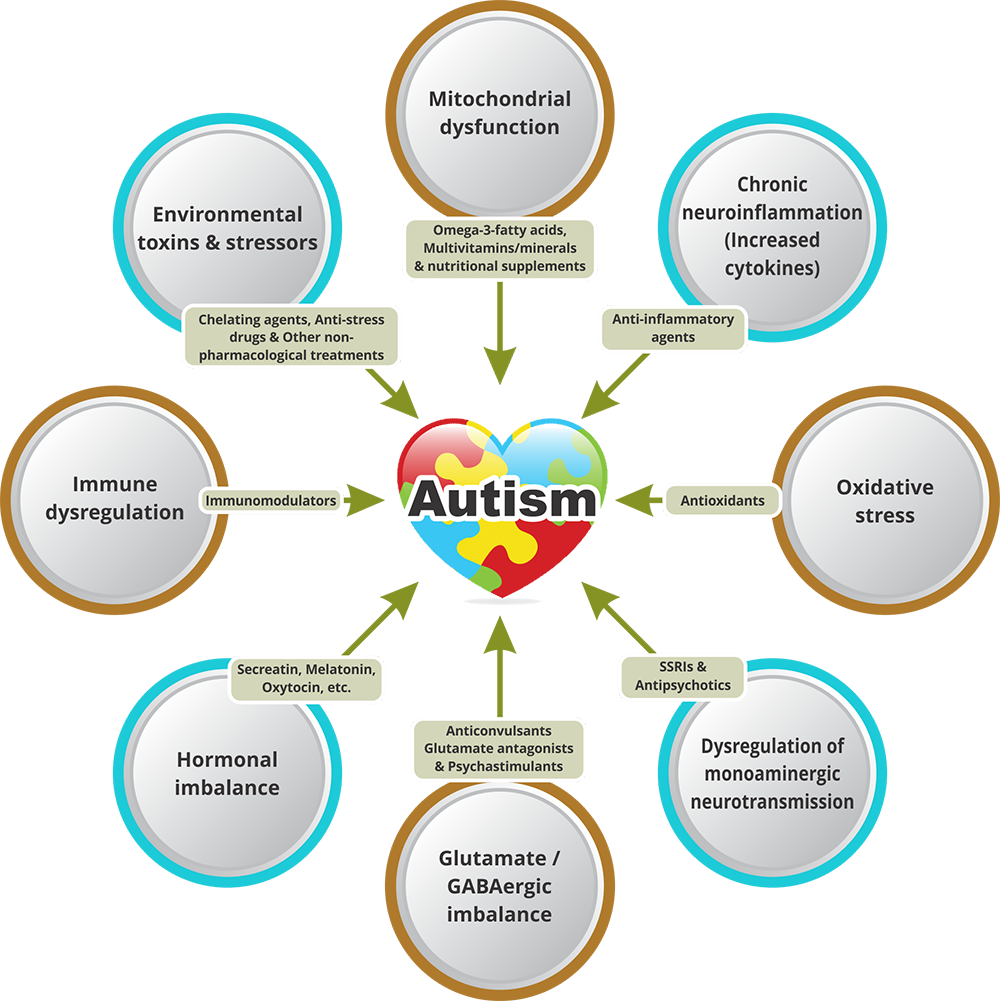
Medications: While medication can’t cure ASD or even treat its main symptoms, there are some that can help with related symptoms such as anxiety, depression, and obsessive-compulsive disorder. Antipsychotic medications are used to treat severe behavioral problems. Seizures can be treated with one or more anticonvulsant drugs. Medication used to treat people with attention deficit disorder can be used effectively to help decrease impulsivity and hyperactivity in people with ASD. Parents, caregivers, and people with autism should use caution before adopting any unproven treatments