Archives

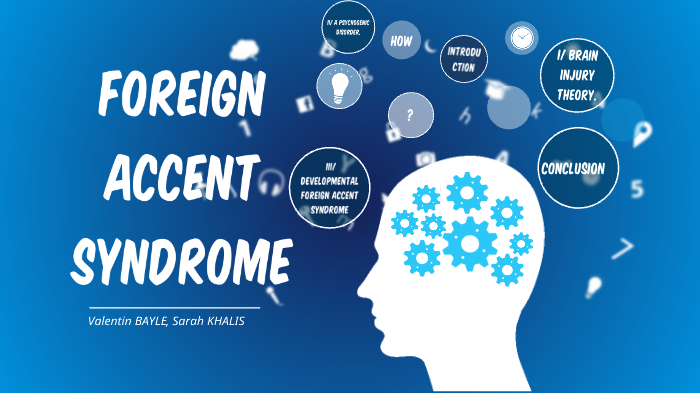
Foreign Accent Syndrome (FAS)

Foreign accent syndrome (FAS) is speech disorder that causes a sudden change to speech so that a native speaker is perceived to speak with a “foreign” accent. FAS is most often caused by damage to the brain caused by a stroke or traumatic brain injury. Other causes have also been reported including multiple sclerosis and conversion disorder and in some cases no clear cause has been identified.

Although it’s extremely rare, it’s a real condition.

Speech may be altered in terms of timing, intonation, and tongue placement so that is perceived as sounding foreign. Speech remains highly intelligible and does not necessarily sound disordered.

FAS has been documented in cases around the world, including accent changes from Japanese to Korean, British English to French, American-English to British English, and Spanish to Hungarian.

Some common speech changes associated with FAS include:

  • Fairly predictable errors
  • Unusual prosody, including equal and excess stress (especially in multi-syllabic words)
  • Consonant substitution, deletion, or distortion
  • Voicing errors (i.e. bike for pike)
  • Trouble with consonant clusters
  • Vowel distortions, prolongations, substitutions (i.e. “yeah” pronounced as “yah”)
  • “uh” inserted into words

How this is diagnosed:

Language skills will be tested. This can be done with:

  • Reading, writing, and language comprehension tests
  • Recordings to analyze speech patterns

Images will be taken of the brain. This can be done with:

  • MRI scan
  • CT scan
  • Single-photon emission computed tomography (SPECT) scan
  • PET scan

The brain’s electrical activity may be measured. This can be done with an electroencephalogram (EEG).

FAS is rare. A team of specialists may be needed to make the diagnosis.

Treatment for this condition:

The goal of treatment is to manage symptoms. Choices are:

  • Speech therapy to learn how to better move the lips and jaw during speech
  • Counseling to help cope with FAS

How to prevent this rare condition is to do the following:

There are no known guidelines to prevent this health problem. Stroke is the most common cause. People who are at risk for stroke should take steps to lower their risk.
QUOTE FOR TUESDAY:

“Underage drinking is a serious public health problem in the United States. Alcohol is the most widely used substance among America’s youth, and drinking by young people poses enormous health and safety risks. In 2019, about 24.6 percent of 14- to 15-year-olds reported having at least 1 drink. In 2019, 7.0 million young people ages 12 to 20 reported that they drank alcohol beyond “just a few sips” in the past month.  People ages 12 to 20 drink 4.0 percent of all alcohol consumed in the United States. Although youth drink less often than adults do, when they do drink, they drink more. More than 90 percent of all alcoholic drinks consumed by young people are consumed through binge drinking.  The consequences of underage drinking can affect everyone—regardless of age or drinking status. Either directly or indirectly, we all feel the effects of the aggressive behavior, property damage, injuries, violence, and deaths that can result from underage drinking. This is not simply a problem for some families—it is a nationwide concern.”

National Institute on Alcohol Abuse and Alcoholism NIH


QUOTE FOR MONDAY:

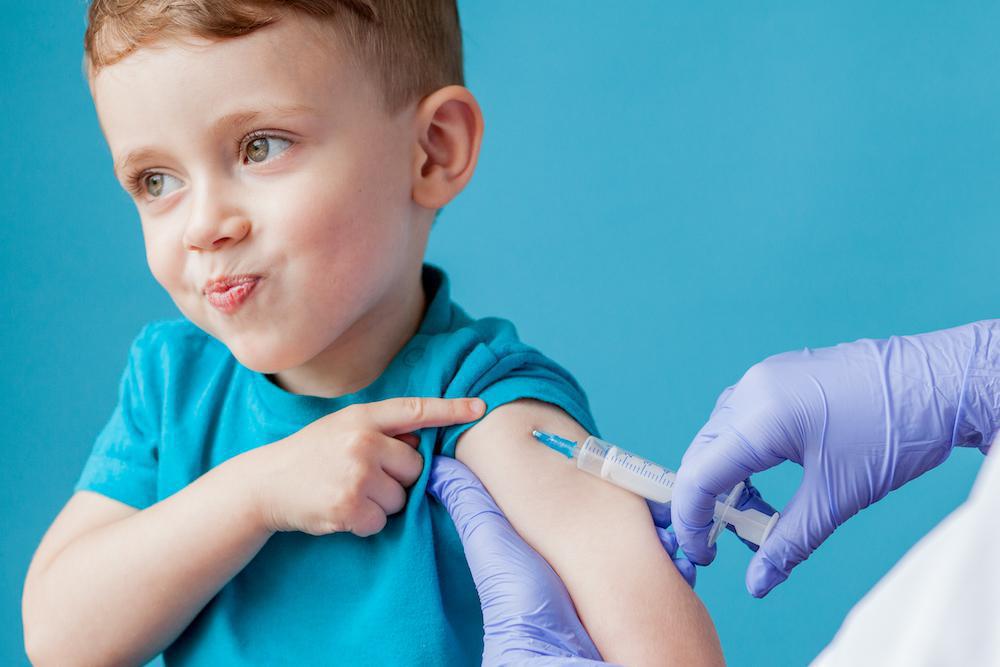
“On-time vaccination throughout childhood is essential because it helps provide immunity before children are exposed to potentially life-threatening diseases. Vaccines are tested to ensure that they are safe and effective for children to receive at the recommended ages.”

Center for Disease Control and Prevention CDC

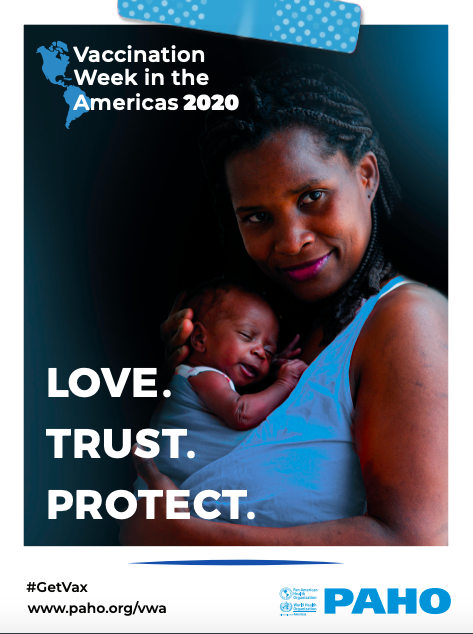
Immunization Week – Why are vaccines are vitally important?


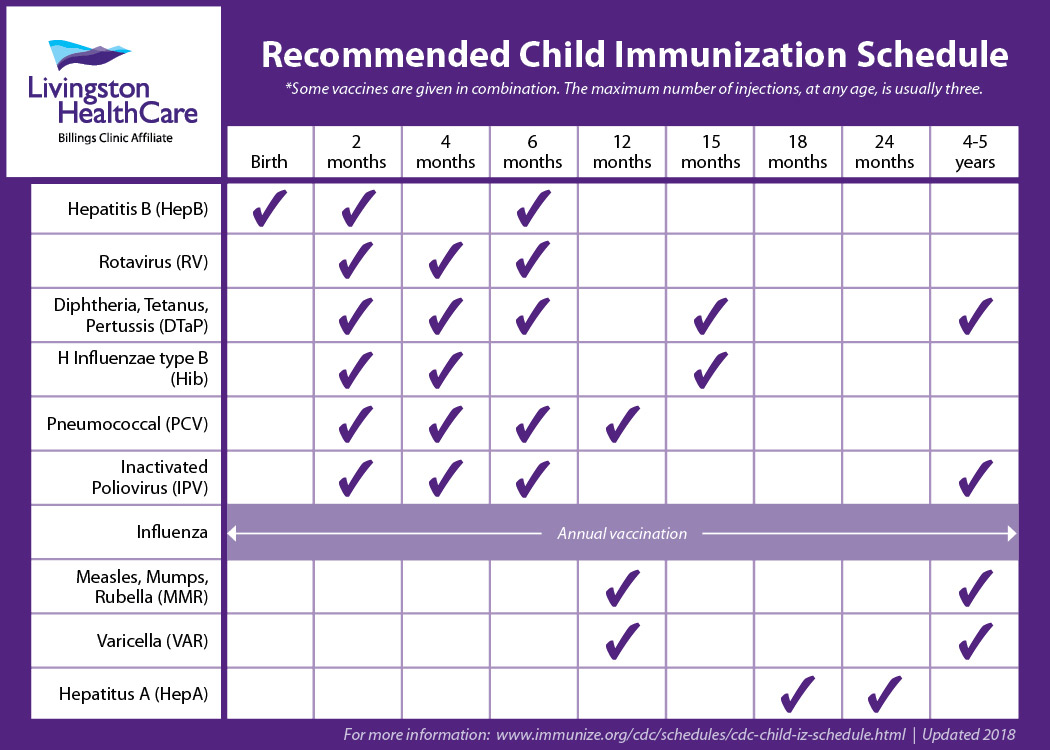
Most parents are familiar with the “childhood vaccination schedule” – a detailed plan for when children should get certain immunizations that help protect them from preventable diseases. But as the list of recommended vaccines has grown over the years, so too has the list of questions parents have about vaccinations and vaccination schedules.

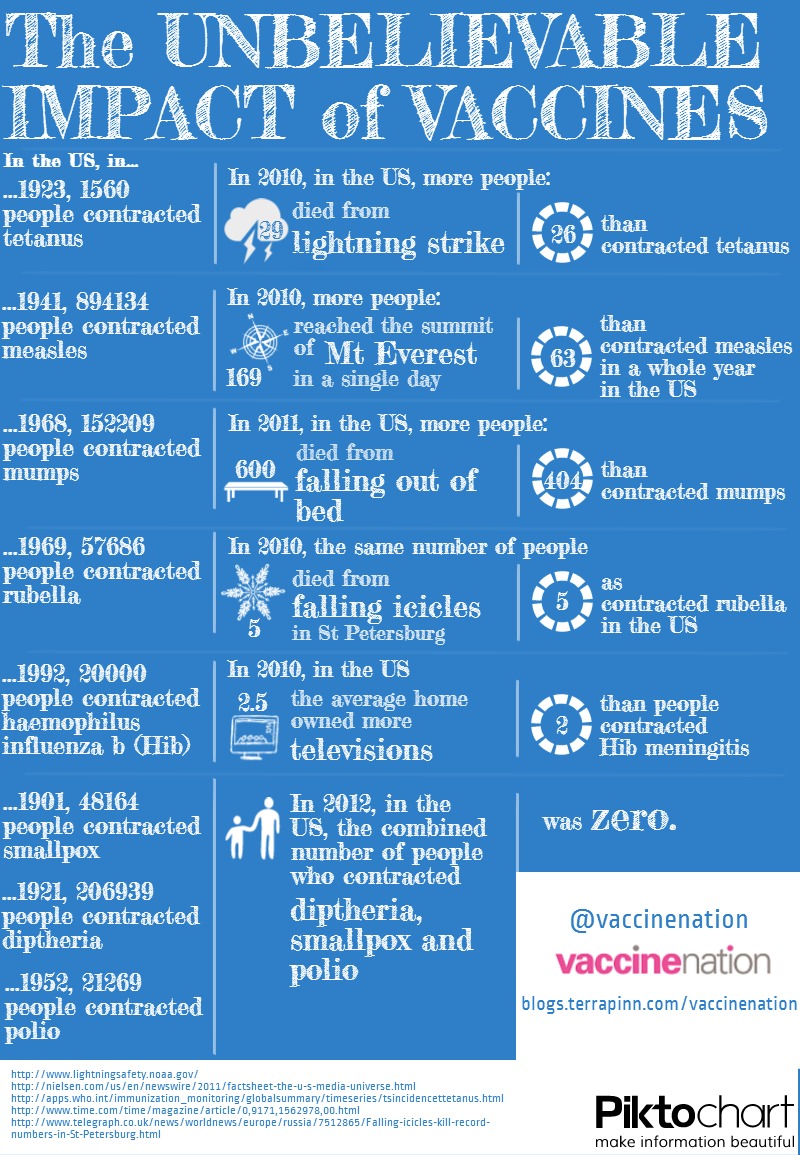
Those who wonder why vaccines are so vitally important is because they prevent so many diseases that in the past we couldn’t if you could save your child’s life you would well this is one way in doing it.

While some parents wonder if the number of vaccines and doses kids receive can ever be too much for their bodies to handle, the short answer is: No. Extensive research has been done to ensure the safety of vaccines for young immune systems. Kids are exposed to germs (or antigens) every day. The amount that they’re exposed to by getting a vaccine is just a tiny fraction of the antigens they encounter daily.

Know this to understand vaccines; a vaccine is a dead, or weakened version, or part of the germ that causes the disease in question. When children are exposed to a disease in vaccine form, their immune system, which is the body’s germ-fighting machine, is able to build up antibodies that protect them from contracting the disease if and when they are exposed to the actual disease.

Immunizing helps to protect the health of our community – especially those who can’t be immunized, like children who are too young or those who can’t for medical reasons.  Vaccine schedules recommended by agencies and organizations, such as the CDC, the American Academy of Pediatrics, and the American Academy of Family Physicians cover about 14 different diseases.

Oftentimes, day care centers, schools and sports teams require proof of immunizations in order for your child to participate. Keeping up with their shots can help make sure they don’t miss out. If you’re planning on taking your child in for a back-to-school physical exam, this can be a great time to get them caught up on their shots. Or you can schedule a separate immunization-only appointment.

Stanford Children’s Health states “Over the years, vaccines have generated some controversy over safety, but no convincing evidence of harm has been found. And although children can have a reaction to any vaccine, the important thing to know is that the benefits of vaccinations far outweigh the possible side effects.”.  So think over getting vaccinations for your child if you against them based on the proof of what they can do.  Always check with your physician if you have any questions.


QUOTE FOR FRIDAY:

“April 22, 2022 is National Donate Life Blue & Green Day, a day when anyone can wear blue and green or decorate their homes or dress up their pets in those colors to show support of organ and tissue donation. Blue & Green Day is one of several events scheduled throughout the month of April, which is designated as national Donate Life Month.”

Gift of Life Michigan.org /giftoflifemichigan.org


QUOTE FOR THURSDAY:

“Prevent Blindness has declared April as Women’s Eye Health and Safety Month in an effort to educate the public on the increased risk for women and vision health issues, as well as steps that can be taken to prevent vision loss.

Two out of every three people living with blindness or vision problems are women according to the National Eye Institute. Women are at greater risk of developing a number of eye conditions, including age-related macular degeneration (AMD), cataracts and glaucoma.

We know that women often manage their family’s health and take care of everyone else first. However, it is important that women make their own eye health a priority as early detection and consistent treatment can significantly reduce the risk of vision loss.”

Texas Retina Associates

QUOTE FOR WEDNESDAY:

“The liver is essential for digesting food and ridding your body of toxic substances.

Liver disease can be inherited (genetic). Liver problems can also be caused by a variety of factors that damage the liver, such as viruses, alcohol use and obesity.

Over time, conditions that damage the liver can lead to scarring (cirrhosis), which can lead to liver failure, a life-threatening condition. But early treatment may give the liver time to heal.”.

MAYO CLINIC

The causes, risk factors, complications and prevention tips of liver diseases!

Causes

Liver disease has many causes.

Infection

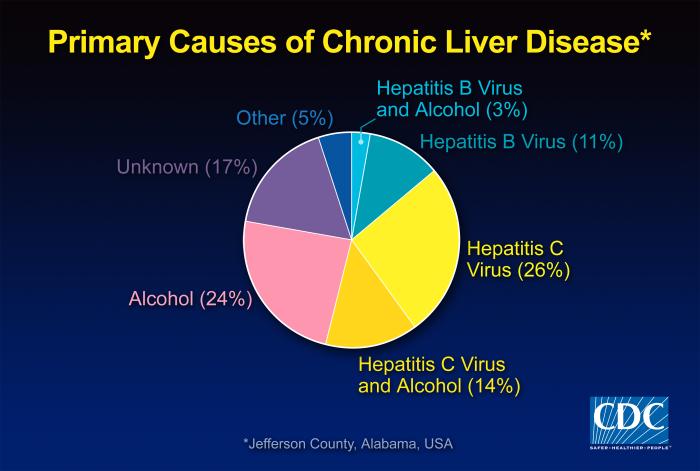
Parasites and viruses can infect the liver, causing inflammation that reduces liver function. The viruses that cause liver damage can be spread through blood or semen, contaminated food or water, or close contact with a person who is infected. The most common types of liver infection are hepatitis viruses, including:

  • Hepatitis A
  • Hepatitis B
  • Hepatitis C

Immune system abnormality

Diseases in which your immune system attacks certain parts of your body (autoimmune) can affect your liver. Examples of autoimmune liver diseases include:

  • Autoimmune hepatitis
  • Primary biliary cirrhosis
  • Primary sclerosing cholangitis

Genetics

An abnormal gene inherited from one or both of your parents can cause various substances to build up in your liver, resulting in liver damage. Genetic liver diseases include:

  • Hemochromatosis
  • Hyperoxaluria and oxalosis
  • Wilson’s disease
  • Alpha-1 antitrypsin deficiency

Cancer and other growths

Examples include:

  • Liver cancer
  • Bile duct cancer
  • Liver adenoma

Other

Additional, common causes of liver disease include:

  • Chronic alcohol abuse
  • Fat accumulating in the liver (nonalcoholic fatty liver disease)

Risk factors

Factors that may increase your risk of liver disease include:

  • Heavy alcohol use
  • Injecting drugs using shared needles
  • Tattoos or body piercings
  • Blood transfusion before 1992
  • Exposure to other people’s blood and body fluids
  • Unprotected sex
  • Exposure to certain chemicals or toxins
  • Diabetes
  • Obesity

Complications

Complications of liver disease vary, depending on the cause of your liver problems. Untreated liver disease may progress to liver failure, a life-threatening condition.

Prevention

To prevent liver disease:

  • Drink alcohol in moderation. For healthy adults, that means up to one drink a day for women and up to two drinks a day for men. Heavy or high-risk drinking is defined as more than eight drinks a week for women and more than 15 drinks a week for men.
  • Avoid risky behavior. Get help if you use illicit intravenous drugs, and don’t share needles used to inject drugs. Use a condom during sex. If you choose to have tattoos or body piercings, be picky about cleanliness and safety when selecting a shop.
  • Get vaccinated. If you’re at increased risk of contracting hepatitis or if you’ve already been infected with any form of the hepatitis virus, talk to your doctor about getting the hepatitis A and hepatitis B vaccines.
  • Use medications wisely. Take prescription and nonprescription drugs only when needed and only in recommended doses. Don’t mix medications and alcohol. Talk to your doctor before mixing herbal supplements or prescription or nonprescription drugs.
  • Avoid contact with other people’s blood and body fluids. Hepatitis viruses can be spread by accidental needle sticks or improper cleanup of blood or body fluids.
  • Take care with aerosol sprays. Make sure the room is ventilated, and wear a mask when spraying insecticides, fungicides, paint and other toxic chemicals. Always follow the manufacturer’s instructions.
  • Protect your skin. When using insecticides and other toxic chemicals, wear gloves, long sleeves, a hat and a mask.
  • Maintain a healthy weight. Obesity can cause nonalcoholic fatty liver disease.

QUOTE FOR TUESDAY:

“Contrary to what many people believe, false pregnancy is not only found in women but men as well. When a man suffers a false pregnancy, it is usually called Sympathetic Pregnancy.  This is more common when his significant other is pregnant and is dealing with the normal aches and pains that are associated with pregnancy. The medical term when men experience this is called Couvade.  Pseudocyesis is extremely rare in both men and women so doctors are still trying to piece together the root cause of the condition.”

American Pregnancy Association

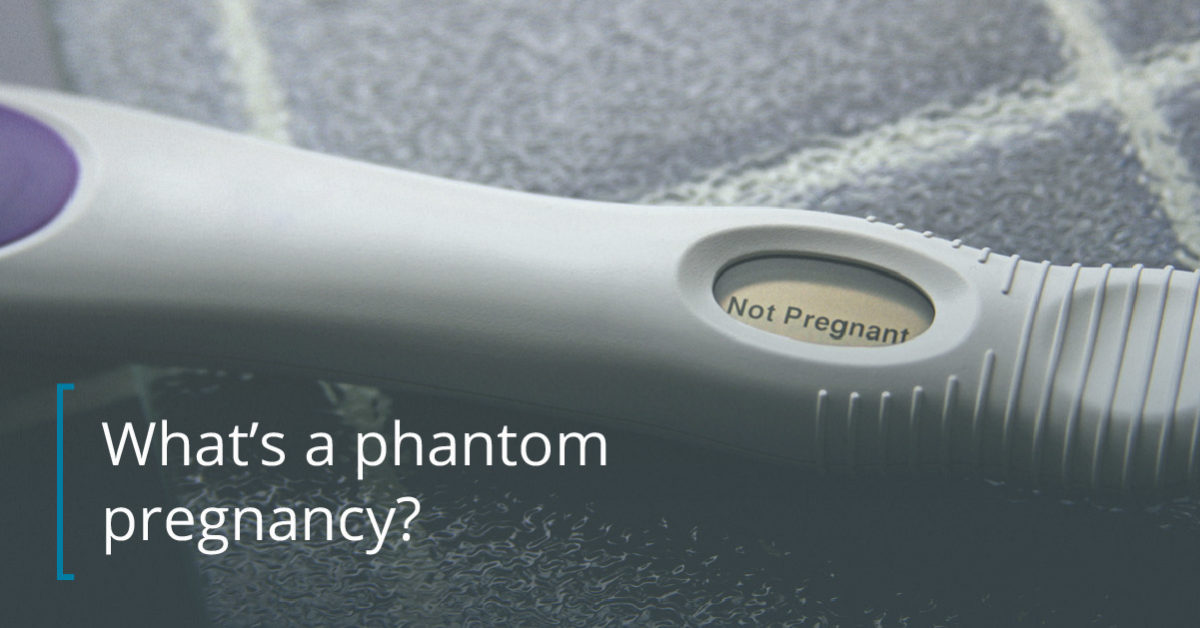
Part II What is pseudocyesis?


The risk of phantom pregnancy is higher in women who have depression or who have:

  • Lost a pregnancy
  • A history of infertility
  • A history of abuse or current abuse
  • Relationship instability

Phantom pregnancy symptoms

Phantom pregnancy symptoms are primarily the same as for pregnancy, including:

  • Menstrual changes (no period or irregular cycle)
  • Weight gain, swollen belly
  • Enlarged and tender breasts
  • Sensation of fetal movements
  • Gastrointestinal symptoms and abdominal pain
  • Nausea
  • Vomiting
  • Frequent urination
  • Food cravings

Phantom pregnancy treatments

If a woman has a phantom pregnancy, her caregiver will:

Provide evidence. This can be devastating to a woman who thought she was pregnant, but her caregiver will show her (with test results and/or an ultrasound if necessary) that she isn’t pregnant. The caregiver should strive to be empathetic. She might assure the patient that her belief that she was pregnant was understandable given the symptoms, for example.

Address other medical conditions. After determining that a woman has a phantom pregnancy, her caregiver will want to rule out – or address – other medical conditions that may be causing the pregnancy symptoms.

Reduce symptoms. If the woman isn’t having menstrual periods, for example, the caregiver may restore them with the use of hormonal intervention, if necessary. She might also help address symptoms such as nausea and fatigue.