
Archives

QUOTE FOR TUESDAY:

“Contrary to what many people believe, false pregnancy is not only found in women but men as well. When a man suffers a false pregnancy, it is usually called Sympathetic Pregnancy.  This is more common when his significant other is pregnant and is dealing with the normal aches and pains that are associated with pregnancy. The medical term when men experience this is called Couvade.  Pseudocyesis is extremely rare in both men and women so doctors are still trying to piece together the root cause of the condition.”

American Pregnancy Association

Part II What is pseudocyesis?


The risk of phantom pregnancy is higher in women who have depression or who have:

  • Lost a pregnancy
  • A history of infertility
  • A history of abuse or current abuse
  • Relationship instability

Phantom pregnancy symptoms

Phantom pregnancy symptoms are primarily the same as for pregnancy, including:

  • Menstrual changes (no period or irregular cycle)
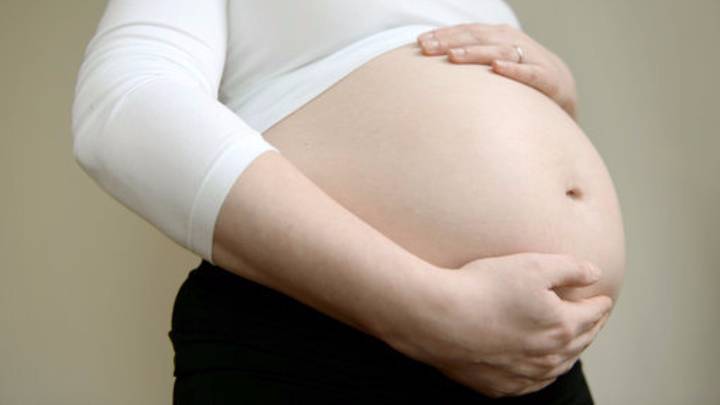
  • Weight gain, swollen belly
  • Enlarged and tender breasts
  • Sensation of fetal movements
  • Gastrointestinal symptoms and abdominal pain
  • Nausea
  • Vomiting
  • Frequent urination
  • Food cravings

Phantom pregnancy treatments

If a woman has a phantom pregnancy, her caregiver will:

Provide evidence. This can be devastating to a woman who thought she was pregnant, but her caregiver will show her (with test results and/or an ultrasound if necessary) that she isn’t pregnant. The caregiver should strive to be empathetic. She might assure the patient that her belief that she was pregnant was understandable given the symptoms, for example.

Address other medical conditions. After determining that a woman has a phantom pregnancy, her caregiver will want to rule out – or address – other medical conditions that may be causing the pregnancy symptoms.

Reduce symptoms. If the woman isn’t having menstrual periods, for example, the caregiver may restore them with the use of hormonal intervention, if necessary. She might also help address symptoms such as nausea and fatigue.


QUOTE FOR MONDAY:

“A woman’s intuition is a funny thing. Most women know they are pregnant before they are even far enough along to take a test; we know our bodies and when something is different we can just feel it. What about a phantom pregnancy? There are times when even a woman’s intuition is off and our body tells us we are pregnant when in fact, we are not. This is a phenomenon called Pseudocyesis or a false pregnancy.”.

American Pregnancy Association – https://americanpregnancy.org/getting-pregnant/false-pregnancy/

Part I What is pseudocyesis?


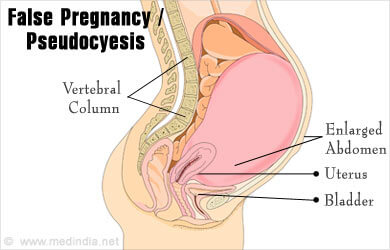
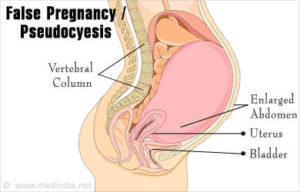
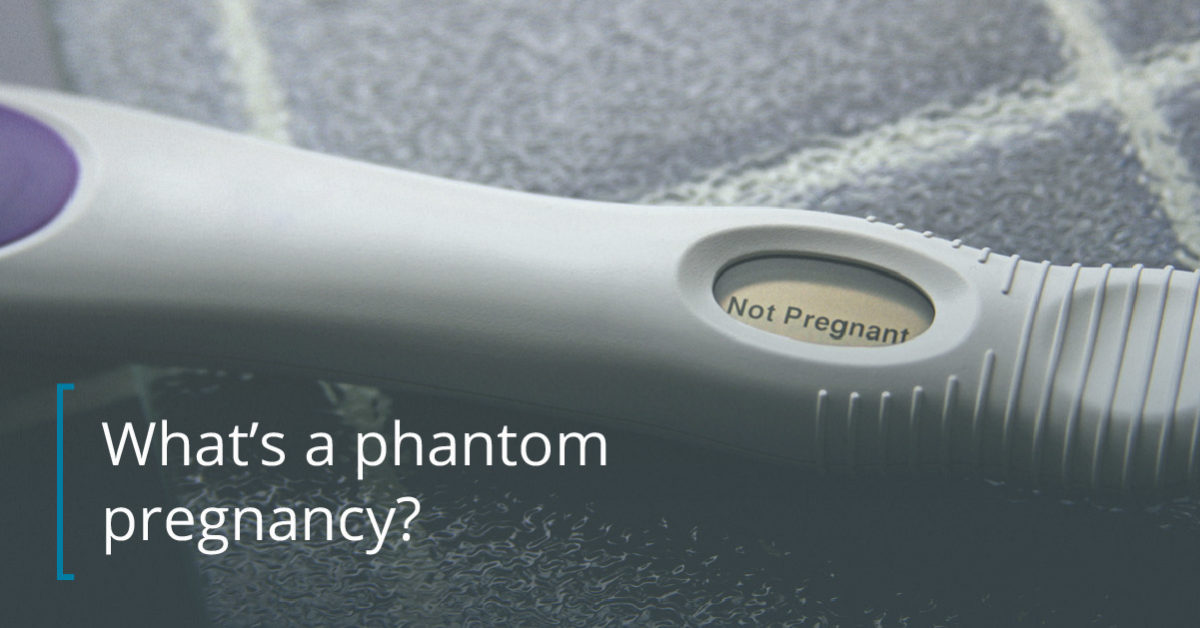
A phantom pregnancy happens when a woman believes she’s pregnant and has pregnancy symptoms, but isn’t pregnant. It’s also called a false pregnancy or pseudocyesis. (People once also referred to it as an hysterical pregnancy or fake pregnancy.)

A phantom pregnancy or false pregnancy happens when a woman has pregnancy symptoms but isn’t pregnant. Phantom pregnancy is rare, and experts don’t know exactly what causes it, but it’s probably a combination of psychological and hormonal factors. In a phantom pregnancy, the pregnancy test comes back negative and an ultrasound shows that there’s no baby. A woman who has a false pregnancy will need plenty of support from her caregiver to deal with symptoms, any medical condition causing the phantom pregnancy, and the psychological aftermath.

Phantom pregnancies are rare. Estimates vary but range from 1 to 6 cases per 22,000 births in the United States. False pregnancies were more common in the past, before the widespread use of ultrasounds. Interestingly, they’re more common in cultures where motherhood and fertility are emphasized. In Africa, for example, the rates of phantom pregnancy are estimated at about 1 in 160.

Eighty percent of women who experience a phantom pregnancy are married, and most are between the ages of 20 and 44. It can happen at any age, though, including childhood or in the senior years. A woman can have a phantom pregnancy more than once. It can even (very rarely) happen to men. This is called a sympathetic pregnancy or Couvade syndrome.

No, a false pregnancy and a delusion of pregnancy aren’t the same. With a delusion, women don’t experience symptoms. Women who have a delusion of pregnancy are mentally ill and believe that they’re pregnant, even though they have no symptoms. It’s important for doctors to distinguish between the two because a delusional pregnancy requires different psychiatric treatment than a phantom pregnancy.

We don’t know what causes phantom pregnancy, though experts suggest that both psychological and hormonal factors are at play. (Because it’s such a rare condition, there’s not much data, and studies are largely based on individual case reports.) Basically, the body is tricked into thinking it’s pregnant. An increase in hormones such as estrogen and prolactin lead to pregnancy symptoms.

What causes this diagnsosis?

A psychosomatic condition. Because of intense pressure or desire to be pregnant, a woman’s brain triggers hormonal changes that cause pregnancy symptoms. This may happen when a woman has struggled with infertility or had a miscarriage or loss of an infant, or another traumatic event. It also sometimes happens to women who have an intense fear of pregnancy.

Some experts theorize that abdominal growth, the sensation of feeling fetal movement, and the experience of labor pain may be due to increased activity in the sympathetic nervous system (the body’s “fight or flight” system).

Another medical condition. Sometimes a completely unrelated illness can cause elevated hormonal levels or other physical reactions that lead to pregnancy symptoms. These conditions include ovarian tumors, severe depression, cancer, obesity, and ectopic pregnancy. Even weight gain, constipation, or gas – when paired with psychological factors – can cause abdominal distention that a woman may interpret as pregnancy. In one recent study, more than 16 percent of cases of phantom pregnancy were linked to medical conditions.

Major depressive disorders. Women with severe depression or severe stress may have changes in reproductive hormones. In addition, antipsychotic medications can cause some pregnancy-like symptoms, such as weight gain, loss of menstruation, and breast tenderness.

QUOTE FOR THE WEEKEND:

Rabbits are the most common small mammal kept as pets in the US other than dogs and cats. Rabbits are typically sociable animals. Keep the rabbit in good health through proper management and veterinary care.  It is very important that rabbits are handled and held properly. A rabbit’s hind legs are so powerful that if the animal kicks when it is not properly supported, the force can actually break its back! Rabbits can be kept outdoors, but it is recommended that pet rabbits be kept indoors to protect them from attack and disease transmission from wildlife. Rabbits are extremely heat sensitive . Ventilation and temperature control of the rabbit’s environment are very important at all times.Rabbits are extremely heat sensitive . Ventilation and temperature control of the rabbit’s environment are very important at all time.”.

wormsandgermsblog.com

QUOTE FOR FRIDAY:

“There is no standard treatment for Parkinson’s disease (PD). Treatment for each person with Parkinson’s is based on his or her symptoms.

Treatments include medication and surgical therapy. Other treatments include lifestyle modifications, like getting more rest and exercise.”

Parkinson’s Foundation (https://www.parkinson.org/Understanding-Parkinsons/Treatment)

QUOTE FOR THURSDAY:

“Parkinson’s disease destroys neurons in the brain that are essential for controlling movement. As a result, people may have shaking, stiffness, and difficulty with walking, balance, and coordination. Symptoms usually begin gradually and get worse over time.”

National Institute of Health/NIH Research Matters (https://www.nih.gov)

QUOTE FOR WEDNESDAY:

“Parkinson’s disease is a progressive nervous system disorder that affects movement. Symptoms start gradually, sometimes starting with a barely noticeable tremor in just one hand. Tremors are common, but the disorder also commonly causes stiffness or slowing of movement.  Parkinson’s Disease has stages”.

MAYO CLINIC

QUOTE FOR TUESDAY:

“Irritable bowel syndrome (IBS) is a problem that affects the large intestine. It can cause abdominal cramping, bloating, and a change in bowel habits. Some people with the disorder have constipation. Some have diarrhea. Others go back and forth between the two. Although IBS can cause a great deal of discomfort, it does not harm the intestines.

IBS is common. It affects about twice as many women as men and is most often found in people younger than 45 years. No one knows the exact cause of IBS. There is no specific test for it. Your doctor may run tests to be sure you don’t have other diseases.”

NIH National Library of Medicine/Medline Plus (https://medlineplus.gov/irritablebowelsyndrome.html)

Part II Irritable Bowel Syndrome Awareness Month!


Treatments and drugs

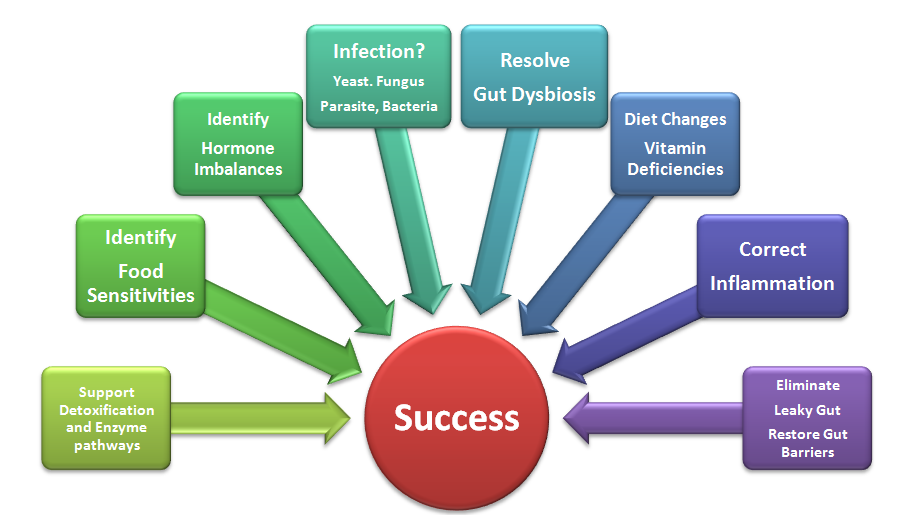
Because it’s not clear what causes irritable bowel syndrome, treatment focuses on the relief of symptoms so that you can live as normally as possible.

In most cases, you can successfully control mild signs and symptoms of irritable bowel syndrome by learning to manage stress and making changes in your diet and lifestyle. Try to avoid foods that trigger your symptoms. Also try to get enough exercise, drink plenty of fluids and get enough sleep.

If your problems are moderate or severe, you may need more than lifestyle changes. Your doctor may suggest medications.

Dietary changes:

  • Eliminating high-gas foods. If you have bothersome bloating or are passing considerable amounts of gas, your doctor may suggest that you cut out such items as carbonated beverages, vegetables — especially cabbage, broccoli and cauliflower — and raw fruits.
  • Eliminating gluten. Research shows that some people with IBS report improvement in diarrhea symptoms if they stop eating gluten (wheat, barley and rye). This recommendation remains controversial, and the evidence is not clear.
  • Eliminating FODMAPs. Some people are sensitive to types of carbohydrates such as fructose, fructans, lactose and others, called FODMAPs (fermentable oligo-, di-, and monosaccharides and polyols). FODMAPs are found in certain grains, vegetables, fruits and dairy products. However, often people are not bothered by every FODMAP food. You may be able to get relief from your IBS symptoms on a strict low FODMAP diet and then reintroduce foods one at time.

Medications:

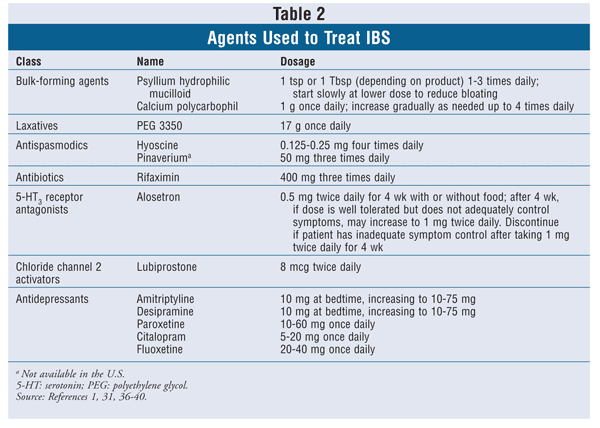
  • Fiber supplements. Taking fiber supplements, such as psyllium (Metamucil) or methylcellulose (Citrucel), with fluids may help control constipation. Fiber obtained from food may cause much more bloating compared with a fiber supplement. If fiber doesn’t help symptoms, your doctor may prescribe an osmotic laxative such as milk of magnesia or polyethylene glycol.
  • Anti-diarrheal medications. Over-the-counter medications, such as loperamide (Imodium), can help control diarrhea. Some people will benefit from medications called bile acid binders, such as cholestyramine (Prevalite), colestipol (Colestid) or colesevelam (Welchol), but these can lead to bloating.
  • Anticholinergic and antispasmodic medications. These medications, such as hyoscyamine (Levsin) and dicyclomine (Bentyl), can help relieve painful bowel spasms. They are sometimes used for people who have bouts of diarrhea, but they can worsen constipation and can lead to other symptoms, such as difficulty urinating. They should also be used with caution among people with glaucoma.
  • Antidepressant medications. If your symptoms include pain or depression, your doctor may recommend a tricyclic antidepressant or a selective serotonin reuptake inhibitor (SSRI). These medications help relieve depression as well as inhibit the activity of neurons that control the intestines.

If you have diarrhea and abdominal pain without depression, your doctor may suggest a lower than normal dose of tricyclic antidepressants, such as imipramine (Tofranil) or nortriptyline (Pamelor). Side effects of these drugs include drowsiness and constipation. SSRIs, such as fluoxetine (Prozac, Sarafem) or paroxetine (Paxil), may be helpful if you’re depressed and have pain and constipation.

  • Some people whose symptoms are due to an overgrowth of bacteria in their intestines may benefit from antibiotic treatment. Some people with symptoms of diarrhea have benefited from rifaximin (Xifaxan), but more research is needed.
  • You may benefit from counseling if you have depression or if stress tends to worsen your symptoms.

Medication specifically for IBS

Two medications are currently approved for specific cases of IBS:

  • Alosetron (Lotronex). Alosetron is designed to relax the colon and slow the movement of waste through the lower bowel. The Food and Drug Administration (FDA) removed it from the market for a time, but has since allowed alosetron to be sold again.

However, alosetron can be prescribed only by doctors enrolled in a special program and is intended for severe cases of diarrhea-predominant IBS in women who haven’t responded to other treatments. Alosetron is not approved for use by men. It has been linked to rare but important side effects, so it should only be considered when other treatments are not successful.

  • Lubiprostone (Amitiza). Lubiprostone works by increasing fluid secretion in your small intestine to help with the passage of stool. It is approved for women age 18 and older who have IBS with constipation. Its effectiveness in men is not proved, nor its long-term safety. Common side effects include nausea, diarrhea and abdominal pain. Lubiprostone is generally prescribed only for women with IBS and severe constipation for whom other treatments haven’t been successful.