


QUOTE FOR FRIDAY:

“Diabetes is a common condition that affects people of all ages. There are several forms of diabetes. Type 2 is the most common. A combination of treatment strategies can help you manage the condition to live a healthy life and prevent complications.

Diabetes is a condition that happens when your blood sugar (glucose) is too high. It develops when your pancreas doesn’t make enough insulin or any at all, or when your body isn’t responding to the effects of insulin properly that are being distributed in your blood stream. Diabetes affects people of all ages. Most forms of diabetes are chronic (lifelong), and all forms are manageable with medications and/or lifestyle changes.”

Cleveland Clinic (Diabetes: What It Is, Causes, Symptoms, Treatment & Types)

Part II Diabetes Awareness Month – What is Diabetes?

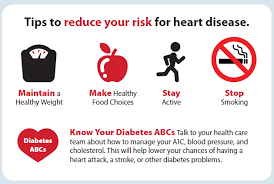
resolute%20integrity%20des_heart%20disease%20%20diabetes%20infographic    diabetes-insulin-glucose-problem


Diabetes Mellitus (DM) is a complex chronic disease involving disorders in carbohydrate, protein, and fat metabolism and the development of macro-vascular, micro-vascular, neurological complications that don’t occur over a few nights or weeks or months.  It is a metabolic disorder in where the pancreas organ ends up causing many disruptions in proper working of our body.  The pancreas is both an endocrine and exocrine gland.

The problem with diabetes is due to the endocrine part of the pancreas not working properly.  More than 1 million islet cells are located throughout this organ.  The three types of endocrine cells that the pancreas excretes into our blood stream are alpha, beta, and delta cells.  The alpha cells secrete glucagon (stored glucose), beta secrete insulin, and delta secrete gastrin and pancreatic somatostatin.

A person with DM has minimal or no beta cells secreted from the pancreas, which shows minimal or no insulin excreted in the person’s bloodstream.  Insulin is necessary for the transport of glucose, amino acids, potassium, and phosphate across the cell membrane getting these chemical elements into the cell.  When getting these elements into the cells it is like the cell eating a meal and the glucose, being one of the ingredients in the meal, is used for energy=fuel to our body; the glucose inside the cells gets carried to all our tissues in the body to allow the glucose to be utilized into all our tissues so they can do their functions (Ex. Getting glucose into the muscle tissue allows the muscles to have the energy to do the range of motion in letting us do our daily activities of living, like as simple as type or walk).  The problem with diabetes is the glucose doesn’t have the insulin being sent into the bloodstream by the pancreas to transfer the glucose across the cell membrane to be distributed as just discussed.  Instead what results is a high glucose levels in the blood stream outside the cells causing hyperglycemia.  Remember when a doctor has you go to the lab or even in his office getting blood drawn from your arm to check blood levels of electrolytes (like glucose, potassium, sodium) or even drug levels, its measuring only these elements outside the cell. We cannot measure the levels of these elements inside the cell or we would have to break the cell destroying it which makes no logic or help in diagnosing.

It should be apparent that when there is a deficit of insulin, as in DM, hyperglycemia with increased fat metabolism and decreased protein synthesis occur ( Our body being exposed to this type of environment over  years causes the development of many chronic conditions that would not have occurred if DM never took place in the body, all due to high glucose levels starting with not being properly displaced in the body as it should be normally since insulin loss didn’t allow the glucose to go into the cells but remained outside the cells.).

People with normal metabolism upon awaking and before breakfast are able to maintain blood glucose levels in the AM ranging from 60 to 110mg/dl.  After eating food the non-diabetic’s blood glucose may rise to 120-140 mg/dl after eating (postprandial), but these then rapidly return back to normal.  The reason for this happening is you eat food, it reaches the stomach, digestion takes place during digestion the stomach breakes down fats, carbohydrates, and sugars from compound sugars to simple sugars (fructose and glucose).  Than the sugars transfer from the stomach into the bloodstream causing an increase in sugar levels.  Now, your body uses the sugar it needs at that time throughout the entire body for energy and if still extra sugar left in the bloodstream that isn’t needed at that time to be utilized it now needs to go somewhere out of the bloodstream to allow the glucose blood level to get back between 60-110mg/dl.  That extra glucose first gets stored up in the liver 60-80%. How this happens is the extra glucose in the blood stream not needed now fills up the liver (like filling up your gas tank) but limits the amount it can take. When the glucose goes in the liver it goes from active sugar to inactive by getting converted from glucose to glycogen=inactive sugar now. Now when the liver can store no more then the extra glucose left in the bloodstream after all tissues utilized the digested sugar sent to the bloodstream after digestion and the next place for storage gets stored in our fat tissue=fat storage=weight increase. That is the logic behind eating small meals properly dispensed with protein/CHOs/sugars/fat every 6hrs. This limits the amount of food to digest down to prevent excess sugar in the bloodstream preventing hyperglycemia from occurring and most of your small meal if not all is utilized by our muscle tissues preventing both hyperglycemia and high fat distribution of the glucose to prevent weight increase, also.

Unfortunately this doesn’t take place with a diabetic since there is very little or no insulin being released by the pancreas and over time due to the high blood glucose blood levels (called hyperglycemia) problems arise in the body over years.   When diabetes occurs there is a resolution and you have the disease the rest of your life.  You need to control your glucose level through proper dieting for a diabetic with balancing exercise and rest. Exercise uses up your glucose also in the body. Increase activity the body needs energy the gas for the body is glucose, like gas in our auto vehicles in the tank.

TWO TYPES OF Diabetes Mellitus:

1.)Diabetes I

 2.) Diabetes ll

We have risk factors that can cause disease/illness; there are unmodified and modified risk factors.

With unmodified risk factors we have no control in them, which are 4 and these are:

1-Heredity 2-Sex 3-Age 4-Race.

Now modified risk factors which are factors we can control.  They are

1.)Weight 2.)Diet 3.)Health Habits (which play a big role in why many people get diabetes II)  5.)Physical Inactivity 6.)Hyperlipidemia and Hypertension

Stayed tune for part III tomorrow on more knowledge of this disease.

QUOTE FOR THURSDAY:

“Insulin and glucagon are hormones that help regulate the levels of blood glucose, or sugar, in your body.

Glucose comes from the food you eat and moves through your bloodstream to help fuel your body. Meanwhile, insulin is a hormone that helps regulate how sugar is used as energy or stored for later.

Both work together to balance blood sugar levels, keeping them in the range that your body requires. This natural process doesn’t work the same way in people with diabetes and glucose-related disorders, but the same concept applies even to those who must manually manage their blood sugar levels.”

Healthline (Insulin and Glucagon: How Do They Work?)

Part I Diabetes Awareness Month – Simply Understanding Insulin and how people can get Type I or II Diabetes!

=

Insulin is a hormone made by the pancreas that allows your body to use sugar (glucose) from carbohydrates in the food that you eat for energy or to store glucose for future use. Insulin helps keeps your blood sugar level from getting too high (hyperglycemia) or too low (hypoglycemia).  How it works; when the glucose gets in your body after digestion starting from eating or even if your not eating by mouth but through IV with Dextrose in it (a form of sugar) or just on a feeding tube via a nasogastric tube or gastric tube (PEG) with Dextrose or some form of sugar in it will put glucose in your blood.  When you eat or drink, much of your food is broken down into a simple sugar called “glucose.”   All 3 routes of getting nutrition can cause your glucose count in the bloodstream to go up, if some form of sugar is in the nutrition supply you get in your body for the cells in our bloodstream.  Now glucose is food to our cells but the food has to get into the cells.  For glucose to pass into our cells it needs a hormone to allow the glucose to pass in the cell to be the food for the cell.  This is where Insulin comes into play!  Insulin is released by the pancrease and put in our bloodstream to do one of its MAIN functions to allow glucose in the cell.  For without insulin what happens is the glucose just will pile up outside of the blood cells and in time cause what we call Diabetes.  Without glucose going into our cells through insulin allowing it to pass in the cells we would not have energy that helps us in doing our activities of daily living.

So in review, the amount of glucose in your bloodstream is tightly regulated by the hormone insulin. Insulin is always being released in small amounts by the pancreas but especially after eating and when digestion takes place releasing the broken down sugar to “glucose” being released into our blood. When the amount of glucose in your blood rises to a certain level, the pancreas will release more insulin to push more glucose into the cells.

Diabetes mellitus (sometimes called “sugar diabetes“) is a condition that occurs when the body can’t use glucose (a type of sugar) normally. Glucose is the main source of energy for the body’s cells. The levels of glucose in the blood are controlled by a hormone called insulin, which is made by the pancreas that it releases into the blood- stream when glucose level goes up allowing for it to be utilized by our body in allowing the glucose to transfer over the cell membranes into the cells as the main source of energy-a major form of nutrition for out cells to do its functions especially transfer oxygen throughout the body to keep our tissues healthy and alive.  Without oxygen we would have tissue and cell starvation.  Think in a diabetic when blood flow gets thick due to high glucose levels in the bloodstream making it difficult for the blood to move throughout our body to oxygenate our tissues the first place the body compensates to allow oxygenated blood by our cells to get to our vital organs like heart, lungs, brain and not areas far away from the body like feet.  That is why you commonly hear of amputations of lower legs with uncontrolled or badly controlled diabetics (arms amputated is very, very rare due to diabetes, more its due to trauma.

People with diabetes either don’t make insulin or their body’s cells are resistant to insulin, leading to high levels of sugar circulating in the blood, called simply high blood sugar. By definition, diabetes is having a blood glucose level of 126 milligrams per deciliter (mg/dL) or more after an overnight fast (not eating anything).

So ending line without Insulin no glucose, a energy nutrition for our cells. we would not get glucose inside the cells. This as a ending result would cause cellular starvation of energy resulting into death in time (much sooner than other people without this problem) unless they take their insulin!

Another function of insulin is after our body uses all the glucose it needs at that time it needs to be stored somewhere.  Insulin helps control blood glucose levels by signaling the liver and muscle and fat cells to take in glucose from the blood.  To get the glucose level in therapeutic range for the body in time.

The 2 major groups of Diabetes occurs if someone has a problem with this role function of insulin resulting in one of the following:

Type 1 Diabetes occurs because the insulin-producing cells of the pancreas (called beta cells) are destroyed by the immune system. People with type 1 diabetes produce no insulin and must use insulin injections to control their blood sugar.  This is most commonly seen in people under age 20 but may occur at any age.

Type 2 Diabetes is the most common form of diabetes, affecting almost 18 million Americans. While most of these cases can be prevented, it remains for adults the leading cause of diabetes-related complications such as blindness, non-traumatic amputations, and chronic kidney failure requiring dialysis. Type 2 diabetes usually occurs in people over age 40 who are overweight, but can occur in people who are not overweight as well.Sometimes referred to as “adult-onset diabetes,” type 2 diabetes has started to appear more often in children because of the rise in obesity in young people.

Sometimes referred to as “adult-onset diabetes,” type 2 diabetes has started to appear more often in children because of the rise in obesity in young people.

Some people can manage their type 2 diabetes by controlling their weight, watching their diet, and exercising regularly. Others may also need to take a pill that helps their body use insulin better, or take insulin injections.

Often, doctors are able to detect the likelihood of type 2 diabetes before the condition actually occurs. Commonly referred to as pre-diabetes, this condition occurs when a person’s blood sugar levels are higher than normal, but not high enough for a diagnosis of type 2 diabetes.

Know this diabetes can be hereditary as well.

Maybe you might want to get your glucose checked by your M.D. and make sure your insulin is functioning well for the side effects of uncontrolled diabetes are detrimental and could shorten your life!


QUOTE FOR WEDNESDAY:

“Alzheimer’s disease affects approximately 24 million people worldwide. One in 10 people older than 65 have it. Nearly 1 in 3 people older than 85 have AD.

Healthcare providers can suggest treatments to manage symptoms, but there’s no cure for Alzheimer’s disease. Talk to a provider if you’re worried you or a loved one have AD symptoms.”

Cleveland Clinic (Alzheimer’s Disease: Symptoms & Treatment)

What is the difference between Alzheimer’s and typical age-related changes?

Signs of Alzheimer’s and Dementia Typical Age-Related Changes
Poor judgment and decision-making Making a bad decision once in a while
Inability to manage a budget Missing a monthly payment
Losing track of the date or the season Forgetting which day it is and remembering it later
Difficulty having a conversation Sometimes forgetting which word to use
Misplacing things and being unable to retrace steps to find them Losing things from time to time

Know the difference!

Alzheimer’s Association (10 Early Signs and Symptoms of Alzheimer’s & Dementia | alz.org)

Part V Alzheimer’s Disease Awareness – Learn why Alzheimer’s is considered by some as Diabetes 3=Brain Diabetes.


Alzheimers-awareness                    alzheimer

Alzheimer’s Disease considered by some as Diabetes 3=Brain Diabetes.

At one time Alzheimer’s disease was a disease considered with unknown etiology (or cause). Today it is considered different in the eyes of many in the medical profession.  WELCOA =Wellness Council of America blog site considers this Month, June, Alzheimer’s and Brain Awareness Month!  It is national month in November as well.

While we know that certain diseases, like type 2 diabetes, are definitively connected to the foods you eat, Alzheimer’s is generally thought to strike without warning or reason.

That is, until recently.

Now, a growing body of research suggests there may be a powerful connection between the foods you eat and your risk of Alzheimer’s disease and dementia, via similar pathways that cause type 2 diabetes. Some have even re-named Alzheimer’s as “type 3 diabetes.”

Can You Eat Your Way to Alzheimer’s?

In a animal study, researchers from Brown University in Providence, Rhode Island were able to induce many of the characteristic brain changes seen with Alzheimer’s disease (disorientation, confusion, inability to learn and remember) by interfering with insulin signaling in their brains.

Know that faulty insulin (and leptin, another hormone) signaling is an underlying cause for insulin resistance, which, of course, typically leads to type 2 diabetes. However, while insulin is usually associated with its role in keeping your blood sugar levels in a healthy range, it also plays a role in brain signaling. When researchers disrupted the proper signaling of insulin in the brain, it resulted in dementia.

What does this have to do with your diet? Let us go back to one of my articles on diabetes and how it impacts your diet. It states “The foods we eat that contain starches, carbohydrates, calories are made up of sugar. When food reaches our stomach in time digestion starts to take place where these foods are broken down in the stomach into individual or complex sugar molecules ( glucose being one of the most common and important ones). The glucose then passes from our stomach into our bloodstream when it reaches the liver 60 to 80 % of the glucose gets stored in that organ turning glucose into inactive glucose that’s converted to glycogen. The purpose for glycogen is when our glucose is low and our body needing energy we have this extra stored sugar, glycogen, to rely on. This is done by the liver which allows the sugar to be stored and released back into the bloodstream if we need it=energy, since nothing is in our stomach at that time, in that case scenario). When glucose=an active sugar, it is our energy for our cells and tissues and is a sugar ready to be utilized by the body where it is needed, by many organs. Think of a car for one moment, and what makes it run? That would be gas/fuel for it to function. The same principle with glucose in your bloodstream=fuel for the human body so we can function, for without it we wouldn’t survive. That is the problem with a person that has diabetes. They eat, they break the food down, the glucose gets in the blood but the glucose fuel can’t be used due to lack of or NO insulin at all. Insulin allows glucose to pass into our cells and tissues to be used as energy/fuel for the body parts to work. Glucose is used as the principle source of energy (It is used by the brain for energy, the muscles for both energy and some storage, liver for more glucose storage=that is where glucose is converted to glycogen, and even stored in fat tissue using it for triglyceride production). Glucose does get sent to other organs for more storage, as well. Insulin plays that vital role in allowing glucose to be distributed throughout the body. Without insulin the glucose has nowhere to go.”

So how does this impact your brain thinking? “This new focus on the Alzheimer’s/Diabetes/Insulin connection follows a growing recognition of insulin’s role in the brain. Until recently, the hormone was typecast as a regulator of blood sugar, giving the cue for muscles, liver and fat cells to extract sugar from the blood and either use it for energy or store it as fat. We now know that it is also a master multitasker: it helps neurons, particularly in the hippocampus and frontal lobe, take up glucose for energy, and it also regulates neurotransmitters, like acetylcholine, which are crucial for memory and learning.” What is effected with Alzheimer’s disease? Your memory and learning, So your diet plays a big role in Alzheimer’s disease.”                                                                                        

Over-consumption of sugars and grains is what ultimately causes your body to be incapable of “hearing” the proper signals from insulin and leptin, leaving you insulin resistant in both body and brain. Alzheimer’s disease was tentatively dubbed “type 3 diabetes” in early 2005 when researchers learned that the pancreas is not the only organ that produces insulin. Your brain also produces insulin, and this brain insulin is necessary for the survival of your brain cells.  This theory has not changed as of today.

If You Have Diabetes, Your Risk of Alzheimer’s Increases Dramatically

Diabetes is linked to a 65 percent increased risk of developing Alzheimer’s, which may be due, in part, because insulin resistance and/or diabetes appear to accelerate the development of plaque in your brain, which is a hallmark of Alzheimer’s. Separate research has found that impaired insulin response was associated with a 30 percent higher risk of Alzheimer’s disease, and overall dementia and cognitive risks were associated with high fasting serum insulin, insulin resistance, impaired insulin secretion and glucose intolerance.

A drop in insulin production in your brain may contribute to the degeneration of your brain cells, mainly by depriving them of glucose, and studies have found that people with lower levels of insulin and insulin receptors in their brain often have Alzheimer’s disease (people with type 2 diabetes often wind up with low levels of insulin in their brains as well). As explained in New Scientist, which highlighted this latest research:

What’s more, it encourages the process through which neurons change shape, make new connections and strengthen others. And it is important for the function and growth of blood vessels, which supply the brain with oxygen and glucose.

As a result, reducing the level of insulin in the brain can immediately impair cognition. Spatial memory, in particular, seems to suffer when you block insulin uptake in the hippocampus… Conversely, a boost of insulin seems to improve its functioning.

When people frequently gorge on fatty, sugary food, their insulin spikes repeatedly until it sticks at a high level. Muscle, liver and fat cells then stop responding to the hormone, meaning they don’t mop up glucose and fat in the blood. As a result, the pancreas desperately works overtime to make more insulin to control the glucose – and levels of the two molecules skyrocket.

The pancreas can’t keep up with the demand indefinitely, however, and as time passes people with type 2 diabetes often end up with abnormally low levels of insulin.”

Alzheimer’s Might be “Brain Diabetes”

It’s becoming increasingly clear that the same pathological process that leads to insulin resistance and type 2 diabetes may also hold true for your brain. As you over-indulge on sugar and grains, your brain becomes overwhelmed by the consistently high levels of insulin and eventually shuts down its insulin signaling, leading to impairments in your thinking and memory abilities, and eventually causing permanent brain damage.

Regularly consuming more than 25 grams of fructose per day will dramatically increase your risk of dementia and Alzheimer’s disease. Consuming too much fructose will inevitably wreak havoc on your body’s ability to regulate proper insulin levels.

Although fructose is relatively “low glycemic” on the front end, it reduces the affinity for insulin for its receptor leading to chronic insulin resistance and elevated blood sugar on the back end. So, while you may not notice a steep increase in blood sugar immediately following fructose consumption, it is likely changing your entire endocrine system’s ability to function properly behind the scenes.

Additionally, fructose has other modes of neurotoxicity, including causing damage to the circulatory system upon which the health of your nervous system depends, as well as profoundly changing your brain’s craving mechanism, often resulting in excessive hunger and subsequent consumption of additional empty carbohydrate-based calories.

In one study from UCLA, researchers found that rats fed a fructose-rich and omega-3 fat deficient diet (similar to what is consumed by many Americans) developed both insulin resistance and impaired brain function in just six weeks.

Plus, when your liver is busy processing fructose (which your liver turns into fat), it severely hampers its ability to make cholesterol, an essential building block of your brain crucial to its health. This is yet another important facet that explains how and why excessive fructose consumption is so detrimental to your health. Decreasing fructose intake is one of the most important moves you can take in decreasing the risk of Alzheimer’s disease in your lifetime.

QUOTE FOR TUESDAY:

“Some of the diseases that can cause symptoms of dementia include alzheimer’s disease (AD).

They also lose their ability to solve problems and maintain emotional control, and they may experience personality changes and behavioral problems, such as agitation, delusions, and hallucinations. While memory loss is a common symptom of dementia, memory loss by itself does not mean that a person has dementia. Doctors diagnose dementia only if two or more brain functions – such as memory and language skills — are significantly impaired without loss of consciousness. 

Moreover, recent studies have found that newer brain scans may point to other causes of Dementia in approximately one-third of presumed AD cases, thereby helping avoid an Alzheimer’s disease misdiagnosis, which may lead to better treatment and care.**

A fundamental concept to grasp is that the symptoms of Dementia often go beyond memory loss. They can include significant shifts in mood, more falls, disturbed gait (how we walk), and more. In addition, hallucinations, delusions, and paranoia are not uncommon.”

Dementia Society of America (Dementia Society of America® | Definitions)

Part IV Alzheimer’s Disease – Tips for preventing Alzheimer’s Disease!


More Tips for Avoiding Alzheimer’s Disease:

The beauty of following a healthy diet is that it helps treat and prevent all chronic degenerative diseases, from the common ones like heart disease, cancer, diabetes, obesity and Alzheimer’s to the ones you have never heard of or can’t even pronounce.

The first step is to eat healthy, maintaining exercise balanced with rest and practice healthy habits in addressing Alzheimer’s disease, which is currently at epidemic proportions, with 5.4 million Americans – including one in eight people aged 65 and over – living with the disease.By 2050, this is expected to jump to 16 million, and in the next 20 years it is projected that Alzheimer’s will affect one in four Americans. People we need to live healthier if not to help ourselves our future young ones.

In spite of how common memory loss is among Westerners, it is NOT a “normal” part of aging. While even mild “senior moments” may be caused by the same brain lesions associated with Alzheimer’s disease and other forms of dementia, these cognitive changes are by no means inevitable! People who experience very little decline in their cognitive function up until their deaths have been found (post-mortem) to be free of brain lesions, showing that it’s entirely possible to prevent the damage from occurring in the first place and one of the best ways to do this is by leading a healthy lifestyle.

  • Fructose. As mentioned, most everyone will benefit from keeping their total fructose consumed to below 25 grams per day.

  • Improve Magnesium Levels. There is some exciting preliminary research strongly suggesting a decrease in Alzheimer symptoms with increased levels of magnesium in the brain. Unfortunately most magnesium supplements do not pass the blood brain levels, but a new one, magnesium threonate, appears to and holds some promise for the future for treating this condition.

  • Optimize your vitamin D levels with safe sun exposure. Strong links between low levels of vitamin D in Alzheimer’s patients and poor outcomes on cognitive tests have been revealed. Researchers believe that optimal vitamin D levels may enhance the amount of important chemicals in your brain and protect brain cells by increasing the effectiveness of the glial cells in nursing damaged neurons back to health.

  • Vitamin D may also exert some of its beneficial effects on Alzheimer’s through its anti-inflammatory and immune-boosting properties. Sufficient vitamin D is imperative for proper functioning of your immune system to combat inflammation that is also associated with Alzheimer’s.

  • Vitamin B12: According to a small Finnish study recently published in the journal Neurology, people who consume foods rich in B12 may reduce their risk of Alzheimer’s in their later years. For each unit increase in the marker of vitamin B12 (holotranscobalamin) the risk of developing Alzheimer’s was reduced by 2 percent. Very high doses of B vitamins have also been found to treat Alzheimer’s disease and reduce memory loss.

  • Eat a nutritious diet, rich in folate. Vegetables, without question, are your best form of folate, and we should all eat plenty of fresh raw veggies every day.

  • High-quality animal-based omega-3 fats, such as krill oil. (I recommend avoiding most fish because, although fish is naturally high in omega-3, most fish are now severely contaminated with mercury.) High intake of the omega-3 fats EPA and DHA help by preventing cell damage caused by Alzheimer’s disease, thereby slowing down its progression, and lowering your risk of developing the disorder.

  • Avoid and remove mercury from your body. Dental amalgam fillings, which are 50% mercury by weight, are one of the major sources of heavy metal toxicity, however you should be healthy prior to having them removed.

  • Avoid aluminum, such as antiperspirants, non-stick cookware, vaccine adjuvants, etc.

  • Exercise regularly. It’s been suggested that exercise can trigger a change in the way the amyloid precursor protein is metabolized,10 thus, slowing down the onset and progression of Alzheimer’s. Exercise also increases levels of the protein PGC-1alpha. Research has also shown that people with Alzheimer’s have less PGC-1alpha in their brains11 and cells that contain more of the protein produce less of the toxic amyloid protein associated with Alzheimer’s. I would strongly recommend reviewing the Peak Fitness Technique for my specific recommendations.

  • Avoid flu vaccinations as most contain both mercury and aluminum, well-known neurotoxic and immunotoxic agents.

  • Eat plenty of blueberries. Wild blueberries, which have high anthocyanin and antioxidant content, are known to guard against Alzheimer’s and other neurological diseases.

  • Challenge your mind daily. Mental stimulation, especially learning something new, such as learning to play an instrument or a new language, is associated with a decreased risk of Alzheimer’s. Researchers suspect that mental challenge helps to build up your brain, making it less susceptible to the lesions associated with Alzheimer’s disease.

  • Avoid anticholinergic and statin drugs. Drugs that block acetylcholine, a nervous system neurotransmitter, have been shown to increase your risk of dementia. These drugs include certain nighttime pain relievers, antihistamines, sleep aids, certain antidepressants, medications to control incontinence, and certain narcotic pain relievers.

  • Statin drugs are particularly problematic because they suppress the synthesis of cholesterol, deplete your brain of coenzyme Q10 and neurotransmitter precursors, and prevent adequate delivery of essential fatty acids and fat-soluble antioxidants to your brain by inhibiting the production of the indispensable carrier biomolecule known as low-density lipoprotein.

** Before making any changes check with your primary care doctor or neurologist first.**

QUOTE FOR MONDAY:

“Over 55 million people around the world live with dementia, and as the global population ages, that number is expected to nearly triple by 2050. Alzheimer’s disease, the most common form of dementia, accounting for an estimated 60 to 70% of cases, is a neurodegenerative disorder characterized by the accumulation of amyloid plaques and tau neurofibrillary tangles that leads to memory loss and a decline in cognitive abilities so significant, it interferes with daily life and ultimately results in death.

For more than three decades, Johnson & Johnson scientists have been working to better understand the complex biology of Alzheimer’s disease and pioneer new ways to treat it. Today, it’s recognized as a progressive continuum that begins silently with the accumulation of amyloid and tau in the brain, often years before symptoms appear. ”

Now, the company is closer than ever to reaching three significant goals in the fight against Alzheimer’s disease.”

*Both Plaques and Tangles are present in the brains of individuals without Alzheimer’s; however, they are found at much higher levels in the brains of Alzheimer’s patients.

It is theorized that the root causes of Alzheimer’s disease are the factors which control the amount of Amyloid and Tau in the brain. Factors like the ApoE gene.  These are 2 plaques damaging brain cells and cause the brain lesions characteristic of Alzheimer’s disease.*

Johnson and Johnson (How J&J is advancing the fight against Alzheimer’s disease )

Part III Alzheimer’s Disease – Learn some facts and causes of this diagnosis!!

People with this disease:

  • In 2014, as many as 5 million Americans were living with Alzheimer’s disease.
  • The symptoms of the disease can first appear after age 60 and the risk increases with age.
  • Younger people may get Alzheimer’s disease, but it is less common.
  • The number of people living with the disease doubles every 5 years beyond age 65.
  • This number is projected to nearly triple to 14 million people by 2060.

Scientists do not yet fully understand what causes Alzheimer’s disease. There probably is not one single cause, but several factors that affect each person differently.

  • Age is the best known risk factor for Alzheimer’s disease.
  • Family history—researchers believe that genetics may play a role in developing Alzheimer’s disease.
  • Changes in the brain can begin years before the first symptoms appear.
  • Researchers are studying whether education, diet, and environment play a role in developing Alzheimer’s disease.
  • Scientists are finding more evidence that some of the risk factors for heart disease and stroke, such as high blood pressure and high cholesterol may also increase the risk of Alzheimer’s disease.
  • There is growing evidence that physical, mental, and social activities may reduce the risk of Alzheimer’s disease.

Alzheimer’s disease is

  • One of the top 10 leading causes of death in the United States.
  • The 6th leading cause of death among US adults.
  • The 5th leading cause of death among adults aged 65 years or older.

In 2014, an estimated 5 million Americans aged 65 years or older had Alzheimer’s disease. This number is projected to nearly triple to 14 million people by 2060.

In 2010, the costs of treating Alzheimer’s disease were projected to fall between $159 and $215 billion.4 By 2040, these costs are projected to jump to between $379 and more than $500 billion annually.4

Death rates for Alzheimer’s disease are increasing, unlike heart disease and cancer death rates that are on the decline.5 Dementia, including Alzheimer’s disease, has been shown to be under-reported in death certificates and therefore the proportion of older people who die from Alzheimer’s may be considerably higher.

Various disorders and factors contribute to the development of dementia. Neuro-degenerative disorders result in a progressive and irreversible loss of neurons and brain functioning. Currently, there are no cures for these types of disorders. They include:

Other types of progressive brain disease include:

In addition, certain medical conditions can cause serious memory problems that resemble dementia. These problems should go away once the conditions are treated. These conditions include:

  • Side effects of certain medicines
  • Emotional problems, such as stress, anxiety, or depression
  • Certain vitamin deficiencies
  • Drinking too much alcohol
  • Blood clots, tumors, or infections in the brain
  • Delirium
  • Head injury, such as a concussion from a fall or accident
  • Thyroid, kidney, or liver problems

Doctors have identified many other conditions that can cause dementia or dementia-like symptoms. These conditions include:

  • Argyrophilic grain disease, a common, late-onset degenerative disease
  • Creutzfeldt-Jakob disease, a rare brain disorder
  • Huntington’s disease, an inherited, progressive brain disease
  • Chronic traumatic encephalopathy (CTE), caused by repeated traumatic brain injury
  • HIV-associated dementia (HAD)

The overlap in symptoms of various dementias can make it hard to get an accurate diagnosis. But a proper diagnosis is important to get the right treatment. Seek help from a neurologist—a doctor who specializes in disorders of the brain and nervous system—or other medical specialist who knows about dementia.