“Amyloidosis (am-uh-loi-DO-sis) is a rare disease that occurs when a substance called amyloid builds up in your organs.”
MAYO CLINIC
“Amyloidosis (am-uh-loi-DO-sis) is a rare disease that occurs when a substance called amyloid builds up in your organs.”
MAYO CLINIC
What is Amyloidosis? Amyloidosis (am-uh-loi-DO-sis) is a rare disease that occurs when a substance called amyloid builds up in your organs. Amyloid is an abnormal protein that is usually produced in your bone marrow and can be deposited in any tissue or organ.
The cause of primary amyloidosis is unknown. The condition is related to abnormal and excess production of antibodies by a type of immune cell called plasma cells. Clumps of abnormal proteins build up in certain organs. This reduces their ability to work correctly.
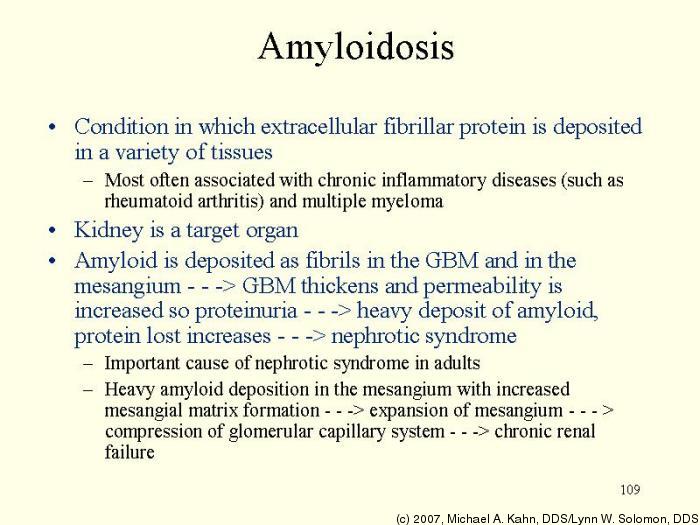
Symptoms depend on the organs affected. Amyloidosis frequently affects the heart, kidneys, liver, spleen, nervous system and digestive tract. Severe amyloidosis can lead to life-threatening organ failure. This disease can affect the tongue, intestines, skeletal and smooth muscles, nerves, skin, ligaments, heart, liver, spleen, and kidneys. Skin changes, such as thickening or easy bruising, and purplish patches around the eyes, difficulty swallowing,
Symptoms include: enlarged tongue, difficulty swallowing, feeling full quickly when eating, and significant weight loss, diarrhea possibly with blood or constipation, abnormal heart rhythm, fatigue, numbness of hands or feet, shortness of breath, hoarseness or changing voice, swelling of your ankles and legs and joint pain.
Amyloid is produced in your bone marrow and can be deposited in any tissue or organ affecting the tissue and organs like stated previously. The specific cause of this condition depends on the type of amyloidosis present.
Unfortunately, there are many different types of amyloidosis. Here are the types:
– Immunoglobulin light chain (AL) amyloidosis. This is the most common type, can affect your heart, kidneys, skin, nerves and liver. It was previously known as primary amyloidosis. It occurs when your bone marrow produces abnormal antibodies that can’t be broken down. The antibodies are deposited in your tissues as amyloid, interfering with normal function. Most people diagnosed with AL amyloidosis, the most common type, are age 50 or older, although earlier onset can occur. This is hard in preventing this disease from occurring. Nearly 70 percent of people with AL amyloidosis are men.
– AA amyloidosis, mostly affects your kidneys but occasionally your digestive tract, liver or heart. It was previously known as secondary amyloidosis. It occurs along with chronic infectious or inflammatory diseases, such as rheumatoid arthritis or inflammatory bowel disease. One way to prevent this is through good health to prevent chronic infections, possibly rheumatoid arthritis or inflammatory bowel disease.
– Hereditary (familial) amyloidosis, is an inherited disorder that often affects the liver, nerves, heart and kidneys. One type is caused by a certain amyloid (transthyretin amyloid) that can affect the nervous system or the heart. This is hereditary and unlikely to prevent but see your MD regularly to be checked for it every 6 months or yearly. See what your MD suggests if you know this is in your family. African-Americans have a greater risk of this type than do Caucasians. It is thought to be a significant cause of heart failure in African-American men.
– Dialysis-related amyloidosis, develops when proteins in blood are deposited in joints and tendons which end up causing pain, stiffness and fluid in the joints, as well as carpal tunnel syndrome. This type generally affects people on long-term dialysis. Dialysis can’t always remove large proteins from the blood. If you’re on dialysis, abnormal proteins can build up in your blood and eventually be deposited in tissue. The good news regarding this type of amyloidosis is this condition is less common with modern dialysis techniques.
IN THE END WHAT THIS CONDITION LEAVES AS AN END RESULT TO INTEFERE WITH NORMAL FUNCTION OF TISSUES/ORGANS IN THE HUMAN BODY:
1.) Amyloid can harm the kidneys’ filtering system=our toileting system of the human body which takes toxics out of the bloodstream dumping them into the urinary bladder that our body voids out of the body through urinating. If this organ, the kidneys are affected, this ends up causing protein to leak from your blood into your urine. The kidneys’ ability to remove waste products from your body is lowered, which may eventually lead to kidney failure (if 100% failure occurs now hemodialysis starts causing the amyloidosis to be at risk for just getting worse, see above dialysis-related amyloidosis).
2.) Amyloid can harm the nervous system, which affects our electrical system of the human body. You may experience pain, numbness or tingling of the fingers or numbness, lack of feeling or a burning sensation in your toes or the soles of your feet. If amyloid affects the nerves that control your bowel function, you may experience periods of alternating constipation and diarrhea. Sometimes amyloidosis affects nerves that control blood pressure, and you may experience dizziness or near fainting when standing too quickly, as a result of a drop in your blood pressure due to orthostatic hypotension occurring secondary to the nerves affecting the B/P.
3.) Amyloid if it affects the engine of the human body it will cause reduction of that organ’s function being the heart. It causes your heart’s ability to fill with blood between heartbeats. Less blood is filled up in each chamber of the heart at the normal level an this causes the heart to pump out less cardiac output with each beat, especially the left ventricle of the heart that pumps out oxygenated blood throughout the body. This causes less oxygenated blood to our tissues and like plumbing when the pipes (in this case the arteries with veins) cause back up in the running of blood which go back to the lungs first (does not take long) all the way down to the feet (this takes time). This in the end can make you experience shortness of breath due to fluid build up in the lungs. If amyloidosis affects your heart’s electrical system, your heart rhythm may be disturbed. This can put you into arrhythmias the longer you don’t take care of the situation the worse the rhythm will get.
You may go to your general practitioner first depending on your insurance coverage but if it is questionable or your GP thinks it amyloidosis you should be referred to a doctor who specializes in blood disorders (hematologist). Be prepared with questions already written out at home when you see your doctor so you don’t walk out of the office knocking your head saying “I forgot to ask him…”. That could be from signs and symptoms, causes, risk factors, tests, treatments/medications, etc…
There’s no cure unfortunately for amyloidosis. But treatments can help you manage your symptoms and limit the production of amyloid protein.
Diagnosis and Tests for Amyloidosis:
*1. First your doctor would do a thorough medical exam with blood/urine tests searching for clues of high protein where it shouldn’t belong or certain liver or thyroid abnormal findings. The MD will follow with further diagnostic tooling especially if these findings show up in blood/urine tests. Common blood exams used are BNP (basic natriuretic peptide). BNP is a substance secreted from the ventricles or lower chambers of the heart in response to stress and changes in pressure that occur when to heart failure develops and worsens. The level of BNP in the blood increases when heart failure symptoms worsen, and decreases when heart failure condition is stable. It is not so much elevated over the norm but more with this disease patients the MD will see where the BNP level was at last visit & compare.
Another blood test is troponin and this gets released into the bloodstream when your heart is affected by amyloids.
*2. Second your MD may want to further diagnose for this disease through getting a tissue biopsy where the MD’s intent is to check for signs indicating this is highly possible for amyloidosis. The biopsy could be taken from your abdominal fat, bone marrow, or an organ such as your liver or kidney. Tissue analysis can help determine the type of amyloid deposit.
*3. Imaging Tests. Images taken of the organs that are affected by amloidosis can help the MD establish the intensity or stage your disease is at. There are 2 most commonly imaging tests used and can diagnose the disease early. There is the echocardiogram test, sound wave imaging of the heart, that will be used to assess the size and functioning capability level of the heart. Another test is a MRI of the heart (magnetic residence imaging). Other imaging tests can evaluate the extent of amyloidosis in the liver or spleen.
When the heart chambers become filled with amyloids it thickens the walls of those chambers especially the lower chambers which can be picked up by the echocardiogram through the different angles of sound waves that go via the heart during this exam. Another thing that can be measured through the echocardiogram is your diagnostic function; that represents a measure of how stiff your heart is and how well is your heart actually functioning.
Another technique that can be used is strain imaging. This is also done through echocardiogram. This tells the doctor in more detail how much the muscle fibers in the heart are actually shortening and contracting. It measures certain parts of the heart in actually contracting and function. This is actually better in help diagnosing compared to just looking at ejection fraction, which is the amount of blood pumped out of the left ventricle chamber upon contraction of the heart (When he hear lub dub of the heart with a stethoscope that is the heart actually contracting. First the upper chamber on lub is contracting and on dub is the lower chambers contracting). This test is a specializing test and is not widely used but it is available in certain hospitals.
Ending line amyloidosis is a group of diseases in which one or more organ systems in the body accumulate abnormal proteins known as amyloid. The name amyloidosis was first used more than 150 years ago, but cases were described over 300 years ago. However, only in the past ¼ of a century have MD’s understood the specific make up and structure of amyloid proteins. Although amyloidosis is not a cancer but it is a serious condition. It is disabilitating and gets to life threatening. However, growing awareness of the condition seems to be leading to substantial new research and Rx alternatives.
Through “The Amyloidosis Foundation” they provide over the world medical facilities/hospitals that major in this disease.
Hope I have helped you in someway for yourself or family or friend in better understanding about the disease, knowing tests for it, and places majored with this unfortunate disease an expert can treat in a medical facility.
|
|
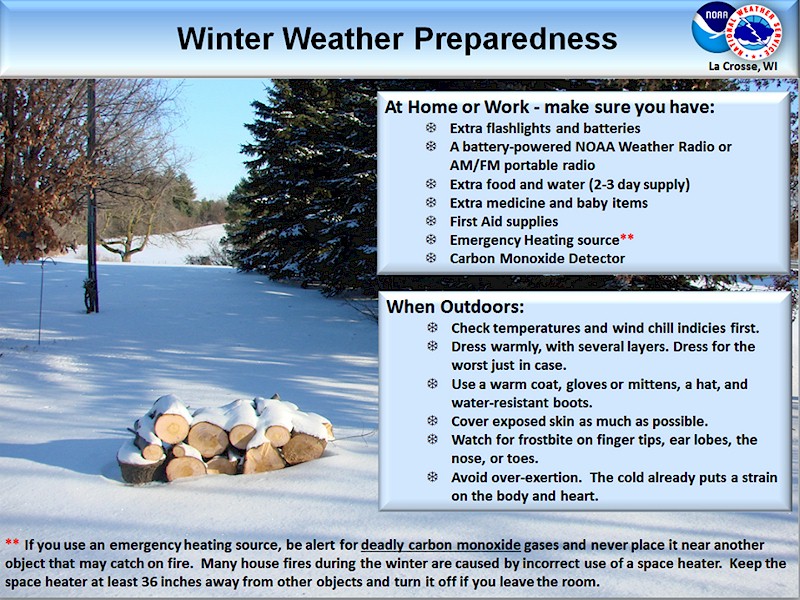
Although winter comes as no surprise, many of us are not ready for its arrival. If you are prepared for the hazards of winter, you will be more likely to stay safe and healthy when temperatures start to fall.
Striveforgoodhealth.com


Bring out the crock pot! Emphasis slow cooked, warm, moist meals this season. Soups are a perfect match for the cold, dry days.
20. Finally, make a Feel Good menu specifically for winter. Take a moment to brainstorm all the things you can do in winter that you enjoy, that feel indulgent, and that make you happy. Keep this list posted and draw from it to make your days more special and when you need a little extra pampering



Goldsmiths College released a study that showed more dogs will approach someone who’s crying or in distress than someone who is not. This shows that dogs are empathetic and are eager to help comfort humans in pain.
Their sense of smell can do even more than we think; dogs can also detect low blood sugar in their master. They will either alert the person that the sugar has dropped or, if a diabetic attack has already occurred, will bark and bark and bark in an attempt to alert somebody to come help, thus working to save the diabetic’s life.
Some dogs are also able to detect seizures in humans. Recent research has shown certain dogs are able to warn seizure patients that they’re going to experience an attack, sometimes hours before it happens. Nobody yet knows how they do it, or why only certain dogs can do it. They also can’t be trained to do it, so if you feel you need a seizure-sniffing dog, you need to make sure you have yourself a natural.
Due to their incredible sense of smell, dogs have shown anywhere from 70 to 99% accuracy (depending on the study) when tasked with detecting lung cancer in a nearby patient.
Fibromyalgia is a debilitating disease that can leave its victim in constant pain. Studies have shown that the Xolo dog’s body temperature can be used as a kind of therapeutic heating pad, due to it being a hairless species. Of course, unlike heating pads, a Xolo will bond with you, snuggle with you and keep you warm as long as you need, leading to both external comfort and internal happiness.
In a surprising twist, it might actually be beneficial to get a dog for your baby, even if they’re allergic. Studies have shown that children under the age of one who live with a dog are much less likely to develop the chronic, and annoying, skin condition called eczema.
Dogs can highly make humans more social. The British Medical Journal has concluded that dogs act as “social catalysts,” who help people get out more, approach others more easily, and overall reduce isolation. This is actually just as important as the basic companionship that dogs provide, as human social support is beneficial to human health and the dog.
Simply by being themselves, dogs have been shown to help reduce PTSD among soldiers. In addition to providing the usual doggie companionship, they have been shown to help sufferers come out of their shells, be less numb and angry, and improve their social life as well.
A dog kissing you obviously feels wonderful, but it might actually have physical benefits too. Studies have shown that saliva, both the human and doggie variety, can help stimulate nerves and muscles, and get oxygen moving again, which is the secret ingredient in helping wounds to heal. In short, “licking your wounds” is not just a cliché after all.
Almost certainly due to the positive vibes and good feelings that dogs bring out of their masters, even in the worst of times, studies have found that older people who own dogs average at least one less doctor appointment per year than those who do not.
Not that they are the cure but preliminary studies by the American Heart Association are revealing that dog owners have less risk of heart disease than those without dogs. The reasons given are the exercise that owners get when walking their dogs, plus the presence of the dog helps the owner deal with stress better. The evidence is mostly anecdotal right now, but dog owners know that it’s all true.
Day-to-day depression, or even more serious chronic depression, is easier to handle with the love of a dog, studies show. Simply by having them around, and knowing that even at our worst, somebody loves us unconditionally and is eager to see us happy again, we’re given a reason to get up and keep going.
Autistic children often find the world very stressful, in ways that the non-autistic can’t understand. Luckily, a dog can. Studies are showing that bringing a therapy dog into an autistic household helps to reduce the amount of cortisol (a stress hormone) in the autistic child’s body. This both calms the child down and shows him that he has a friend.
Bullying has been a huge problem for a long time, and people are finally doing something about it. Dogs, too. Experimental programs have been launched that bring dogs into schools to promote empathy, with the lesson that you shouldn’t treat people badly, because you wouldn’t do it to a dog. Thus far, kids have been able to make the connection, which will hopefully continue to be the case.
Dogs have shown that they can help keep dementia sufferers on schedule, reminding them when its time for medicine and when to see the doctor. In addition, when the owner experiences frustration over the state of their mind, the “dementia dog” is right there to support them, comfort them, and remind them that someone’s always there for them.
AREN’T DOGS AMAZING!!
Gail Devers (born November 19, 1966) is a retired three-time Olympic champion in track and field for the US Olympic Team.
Like all organs if your diet is not healthy you’ll effect their functioning, including your eyes. Take for example the ingredients you include in the foods & fluids you eat. Just like how some drink from one up to three thousand cc’s of water a day to help prevent dehydration in their tissues if they work out daily from a gym to running miles outside OR take someone who simply includes calcium in their diet for their bones. Well what is good for the eyes and what can you do to help both your eyes?
Get an annual comprehensive dilated eye exam, know your families eye history since many eye diseases are through heredity, eat an eye healthy & well-balanced diet rich in salmon, tuna, dark leafy greens, colored vegetables and fruits, wear sunglasses with UV protection and avoid smoking (which effects the body everywhere, including the eyes).
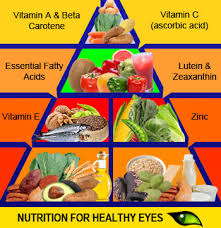
What ingredients do we need in our dieting that is so vital for the eyes to stay at their healthiest level? Well Lutein and Zeaxanthin (Pronounced loo’teen and Zee’-a-zan-thin)-Powerful antioxidants naturally present in the macula (the part of the retina that is responsible for central vision). Remember damage to the retina causes some degree of lack of vision to 100% blind. Lutein and Zeaxanthin are critical for helping to filter out harmful blue light, which can damage the macula. These vital antioxidants cannot be produced by our bodies on their own, so they must be obtained through diet and/or supplements (ex. Ocuvite Supplements in the store).
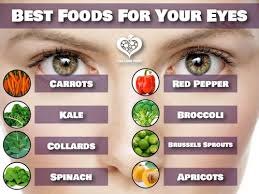
Another ingredient we need in our diet is Omega 3 Fatty Acids which is a family of fatty acids that help protect our eyes by keeping them healthy. Omega 3 is an important structural lipid in the retina and helps support proper function; and is vital for the health of your eyes as you age. Lastly it helps promote healthy tear production necessary for healthy and comfortable eyes. Other Nutrients Antioxidants Vitamins C and E, Zinc and beta carotene. They help protect eyes from oxidative stress (Oxidative stress reflects an imbalance between the systemic manifestation of reactive oxygen species and a biological system’s ability to readily detoxify the reactive intermediates or to repair the resulting damage and oxidative stress can cause disruptions in normal mechanisms of cellular signaling. It is thought to be involved in the development of many diseases.) Many dark leafy greens and brightly colored vegetables (including orange foods) are rich in Lutein and Zeaxanthin. We all heard about carrots (to get Beta-carotene)
Unfortunately, many of us do not consume enough of these eye-healthy foods in our daily diets. What should you have in your diet to eat per day to equal the amount of Lutein and Zeaxanthin you should have daily: 5 cups of broccoli, 6 cups of corn, 1 ounce of salmon or 4 ounces of tuna.
A lot of vegetables in cups but if you mix your foods in the 4 food groups that are healthy for the eye or just simply take supplements that your doctor recommends for eye health you won’t be eating cups and cups of vegetables if you don’t like the taste.
Many eye diseases can’t be avoided (like born blind) but there are many diseases that could have been avoided through prevention tactics in what you eat and in what you practice as your daily habits. For example some that could be prevented if not slowed down or suppressed in the intensity of the disease can be Age-Related Macular Degeneration, Cataracts, Dry Eye Syndrome and more.
Factors that also influence how our eyes turn out are: –
-If you do a lot of work daily on a computer or on any one thing, your eyes may forget to blink or get very fatigued, so attempt to do every 20 minutes looking away from the computer or one thing your focused on for hours (like at work) for 20 seconds. This helps your eyes in reducing eyestrain (it is an actually an exercise for the eye). –Clean your hands and your contact lenses properly. This is to avoid local infection in the eye. Always wash your hands before putting in and taking out the contact lenses. Follow your doctors and contact lenses website in keeping your eyes healthy and safe with using their service for your lenses. –Practice workplace eye safety as their organization policy and procedure states but also use common sense with wearing eye goggles when doing work around the house that puts you at risk for eye damage (like weed whacking, painting, using saws etc…)
How do you go about this if you need help in knowing what good foods of all the 4 food groups are, with knowing how to lose weight permanently without going on diets for 3 or 6 or 24 months than gaining it all back again including knowing how the body works with 3 meals a day as opposed to 6 small meals a day (one of them being a meat and vegetable meal that is lean in fat and green in vegetables with other colorful veggies added to it if you want) and understanding how the average American eats (especially with fast foods on a regular basis) with disease? Did you know you get a physician (Dr. Anderson) and a health coach (me a RN 25 years plus) for FREE?
“The estimated number of new HIV infections was greatest among MSM in the youngest age group. In 2010, the greatest number of new HIV infections (4,800) among MSM occurred in young black/African American MSM aged 13–24. Young black MSM accounted for 45% of new HIV infections among black MSM and 55% of new HIV infections among young MSM overall.”
The Center for Disease Control and Prevention
“The result is that the public remains in the dark about how exactly U.S. policy governing targeted killings is operating, under which legal authorities, and who exactly are its victims,” said a letter to Obama in December from nine rights groups.
CNN Politics Tom Cohen
Take Obama days before this assault in Paris, he stated it was contained, who can we trust. Now Obama still doesn’t want to do anything even after we are threatened by ISIS to be attacked next. Still feel safe with Obama in office?