
How the brain operates for many during the holiday season.

how our brain thinks during the holidays  how are brain operates during the holidays2


For some, the holidays are quite stressful.  I’ll introduce you to an important concept that has a dramatic affect on your life. In fact, this concept can literally make you smarter (or dumber) and even dictate job success.

You’ll learn why this occurs, and what you can do to reduce the problem. Plus, make connections for your kids in school. The concept is grounded scientifically and let us look at tangibility for the evidence. In fact, people joke about this concept all the time. They just don’t know that it’s actually REAL. The mind-blowing concept that can change your life (and raise student achievement) is…

The Research

The key term is called “cognitive load.”

Cognitive load is the amount of stuff you’re “juggling” mentally at any given time. Humans cycle thoughts and feelings through their head all day long. This concept was first proposed by John Sweller in 1988, while studying problem-solving. He says that the amount of information, the complexity and the interactions that must be processed simultaneously is our “cognitive load.”

New learning can be processed in real time or overwhelm the brain based on 1) your knowledge of related background information in long-term memory, 2) the emotional context and valence, and 3) the strength of your working memory.

How can this concept make you (or your students) feel stupid, or pretty smart? You guessed it. Unless your students are prepped with strategies, long-term and short-term memory skills, they will go into “cognitive overload” and freeze up … not good.

Here’s an example of “cognitive load issues” in the classroom. If you work with students from poverty, scarcity of resources in their lives consumes “mental space.” You know what that’s like; if you’re worried about making rent or a house payment, it constantly uses up part of your brain’s functioning power. Cognitive capacity can be stretched thin because of excessive cognitive load issues, said Harvard economist Dr. Mullainathan, part of the research team on a new study. The non-stop worry that comes with being poor demands constant cognitive juggling and mental energy. As a result, the poor have less brainpower to devote to school (unless you, the teacher, know how to change it).

In two countries (U.S. and India), with very different types of poverty, the researchers looked into the daily cognitive load. In both countries, the results were the same. The poor are more likely to make mistakes and make poor decisions that amplified and perpetuated their problems. The mental strain was typically costing poor people as much as 13 IQ points (Shah, Mullainathan & Shafir, 2012). In short, TOO MUCH on your mind hurts your thinking skills and intelligence.

Here are other examples of loss in brainpower. If you feel very guilty about something you have done, you can subtract 15% of your brainpower. If you’re going to a holiday function and you’re worried about what others will think of you (instead of thinking about how you can be interested in others), you can subtract 20%. If you’re trying to prepare a holiday dinner and at the same time, you’re worried about being caught because you’re having an extramarital affair, you can subtract 50% of your brainpower. If you’re in an abusive relationship at home or being beaten every day, you can subtract 40% of your brainpower. The more things “weigh” on your mind, the less capacity you have for vitality, health and joy.

If you’re thinking of what else you could be doing right now (besides reading this awesome newsletter), you just lost another 10% of brainpower. Fail to get a full night’s sleep and you can temporarily lose the amount of brainpower equal to 10 points of IQ (Wolfson & Carskadon, 2005; Killgore, Kahn-Greene, Lipizzi, Newman, Kamimori & Balkin, 2008).

In short, the more you have on your “mental plate”, or the more “plates you’re juggling in the air”, the worse your cognitive skills will be. Worry too much over the holidays (or anytime!) and you lose brainpower.  So try to enjoy the holidays and put less stress on your shoulders.
The infrastructure of the human body.

bones   bones1 bones2


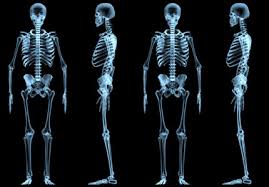
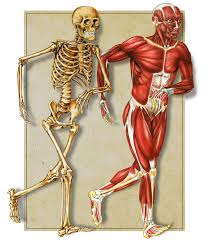
The infrastructure of the human body that allows us to perform our daily activities from standing, to sitting, to walking, or even climbing is our skeletal system. The major pillar or beam in the skeletal system is the vertebral column (spinal column). This bone structure allows us to bend, stand upright, twist, to dancing up a storm down the happy trail of life, if taken care of properly. If not, you may not be considering your life a happy tune, during that time of injury that can be a short or long haul before resolved, if ever. This infrastructure is so vital in our activities of our daily life. Many of us don’t realize that until the injury or damage sets in. There is one way you can bypass this disaster, don’t have it become a part of your life which is taking preventative measures; especially if you do heavy lifting in your life; like in my job as a nurse. One major ingredient to preventative measures is proper body mechanics but the trick here is never lift heavy items from below your waist level without bending your legs or even better without a second person helping you or some form of support but there is more to it than just that. There are more factors involved in helping you keep your back with all other bones strong. That would be healthy dieting, maintaining a good weight for your height (body mass index), and good exercise (not necessarily work out but if that is what you enjoy doing, it’s even better and don’t stop). All these ingredients to a better development and maintenance of your skeletal system=HEALTHY HABITS. A plus and benefit that many choose to do is going regularly to a chiropractor who can keep your spine in alignment (see one before injury starts).

The key is to be living a healthy life. This consists of diet, exercise, activity and healthy habits learned and practiced in your routine of daily living that will help prevent or assist you in treating bone and back injuries; even problems caused by the inactivity with doing heavy lifting (Ex. lack of any muscle tone or muscle knots), which can inflict bone or back injuries. The better we treat ourselves EVERYDAY regarding health the higher the odds we will live a longer life. One common problem in America that can occur if not living healthy and/or using improper body mechanics with heavy lifting, especially frequently, can increase the risk of sciatica nerve damage. The pain of sciatica is typically felt from the low back (lumbar area) to behind the thigh and radiating down below the knee. The sciatica nerve is the largest nerve in the body that begins from nerve roots in the lumbar spinal cord in the low back and extends through the buttock to send the nerve ending down the lower limb to the foot. Depending on the precise cause of the sciatica symptoms with the duration, the outlook for recovery from sciatica ranges from excellent to having long term chronic symptoms. This can be prevented to some extent by avoiding low back trauma injuries. Thinking before lifting is the one of the best ideas. Osteoporosis is a common bone problem that is a abnormal loss of bony tissue resulting in fragile porous bones attributable to a lack of calcium, most common in postmenopausal women. This progressive bone disease that’s characterized by a decrease in bone mass and density leads to an increased risk of a fracture. The causes of this disease that are modifiable (can be changed) would be: Vitamin D deficiency, menopause, excess alcohol, tobacco smoking, malnutrition (identified risk factors include low dietary calcium and/or phosphorus, magnesium, zinc, boron, iron, fluoride, copper, vitamins A,K,E, and C; also D where skin exposure to sunlight provides an inadequate supply. Excess sodium is a risk factor. High blood acidity may be diet related, and is a known antagonist to the bone. Some have identified low protein intake as associated with lower peak bone mass during adolescence and lower bone mineral density in elderly populations. Other risk factors are inactive, underweight, heavy leads-a strong association between cadmium and lead with bone disease has been established. Low-level exposure to cadmium is associated with an increased loss of bone mineral density readily in both genders. Some studies even show soft drinks can increase the risk of osteoporosis related to high phosphoric acid. Others suggest soft drinks may displace calcium containing drinks from the diet rather than causing osteoporosis.    Another bone disorder is osteomalacia that is a softening of the bones caused by defective bone mineralization secondary to inadequate amounts of available phosphorus and calcium. The most common cause of the disease is a deficiency in vitamin D, which is normally obtained from the diet and/or from sunlight exposure. We can help our bones in many ways. There is not just one food to eat or one type of exercise to do or one healthy habit to practice to keep you healthy with strong bones, there are choices.  Help yourself by learnimg what healthy habits &/or diet changes that you feel you need and want in your daily living for a healthier way of life.  Wouldn’t you want less risk of bone or back injury or disease for yourself and for others throughout the nation including the future generations?  Let’s build a stronger foundation regarding HEALTH in America.


QUOTE FOR THE WEEKEND:

While an all-day eating holiday like Thanksgiving can wreak havoc on otherwise good eating habits, one non-ideal meal (or day) does not lead to pounds of weight gain. The big issue for many is how to deal with the days following Thanksgiving when we have lots of temptations to keep the celebration going on.

Jason Machowsky, MS, RD, CSCS is a registered dietitian, certified personal trainer, author of Savor Fitness & Nutrition.

QUOTE FOR THE FRIDAY:

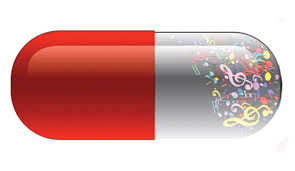
“I think the promise of music as medicine is that it’s natural and it’s cheap and it doesn’t have the unwanted side effects that many pharmaceutical products do.

Daniel Levitin – 2013 meta-analysis, authors Mona Lisa Chanda and Levitin  came to this conclusion that music effects our immunity.

Part III How music impacts the brain–regarding our health.

how music impacts the brain IIa                How music impacts the brain III

                           How music impacts the brain C

STRESS

Another factor in music’s ability to reduce pain likely stems from its competition for our attention. “If you’re thinking about something else, then you’re not thinking about your pain, and you feel less pain,” says psychologist David Bradshaw, who studies pain relief at the University of Utah’s Pain Research Center.  Bradshaw’s research shows that the more actively engaged a person is in music, the less pain they feel. For instance, a group of non-musicians asked to listen for errors in a musical passage reported less pain when receiving small electric shocks than those who passively listened to the music.

Other work out of Bradshaw’s lab suggests that certain personality factors, such as a propensity toward anxiety or the ability to become easily absorbed in activities, may lead individuals to experience greater relief from engaged music listening. These findings suggest that physicians should consider patients’ personalities when recommending pain treatment programs.

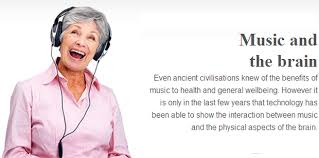
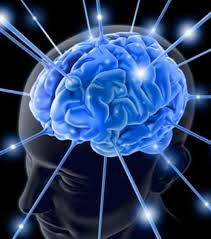
Listening to a song can have a real effect on various parts of the brain, with studies showing that areas responsible for aspects, such as memory and vision, can ‘light up’ in response to music.

‘There’s a very wide range of reactions in the body and mind to music, and brain imaging studies have shown that various parts of the brain may be activated by a piece of music,’ says Dr Victoria Williamson, lecturer in psychology at Goldsmith’s College, London.

Recommended

‘For example, a recent study in Canada showed that there’s a real causal relationship between music and the reward system, a core part of the brain that reacts to stimuli, which are good for us – food, light, sex for example – and reinforces these behaviors meaning that we do them more.’

Researchers at McGill University in Montreal showed that listening to pleasurable music of any description induced ‘musical chills’, which triggered the release of the feel-good chemical dopamine.

‘We all know from our own individual experiences that listening to music can affect mood,’ says Bridget O’Connell, head of information at the mental health charity Mind.

FOCUS

Music may even be able to help you concentrate.

A new ‘digital tonic’ called U brain, which can be downloaded onto smartphones, claims to be able to help people focus, energize, wake up as well as relax.

The process uses two different beats in each ear to create a third ‘perceived’ beat (a binaural beat), which can stimulate certain activity in the brain.

‘By helping the brain cortex to generate specific brain waves, we can induce different states of alertness, depending on what we aim to do,’ explains Paris-based clinical psychologist Brigitte Forgeot.

‘If we’re feeling anxious or stressed, we can encourage our cerebral cortex to produce slow alpha-frequency brain waves, while on the other end of the scale, if we help our cortex to produce faster beta waves, we will be better equipped to concentrate and focus our attention on a fairly lengthy task.

PREVENTION OF DISEASE by increasing the immunity through music—AMAZING!

Can listening to music actually help prevent disease? Some researchers think so.

Wilkes University researchers looked at how music affects levels of IgA — an important antibody for our immune system’s first line of defense against disease. Undergraduate students had their salivary IgA levels measured before and after 30 minutes of exposure to one of four conditions — listening to a tone click, a radio broadcast, a tape of soothing music or silence. Those students exposed to the soothing music had significantly greater increases in IgA than any of the other conditions, suggesting that exposure to music (and not other sounds) might improve innate immunity.

Another study from Massachusetts General Hospital found that listening to Mozart’s piano sonatas helped relax critically ill patients by lowering stress hormone levels, but the music also decreased blood levels of interleukin-6 — a protein that has been implicated in higher mortality rates, diabetes and heart problems.

FOR DISEASED PATIENTS

Music can actually have a significant positive impact on patients with long-term illnesses, such as heart disease, cancer and respiratory conditions (Home, in nursing homes, hospitals, the office, etc…)

Numerous trials have shown that music can help lower heart rate, blood pressure and help relieve pain, anxiety and improve patient quality of life.

‘Music can be incredibly useful for somebody who is in a situation where they have lost a lot of control from their external environment – say they are in hospital for a long period of time with a serious illness and less able to move around,’ says Dr Williamson.

‘It can give them a sense of control back, as well as creating a calm personal atmosphere and blocking out some of the disturbances around the patient.

According to sports researchers Peter Terry and Costas Karageorghis, “Music has the capacity to capture attention, lift spirits, generate emotion, change or regulate mood, evoke memories, increase work output, reduce inhibitions and encourage rhythmic movement — all of which have potential applications in sport and exercise.”

MUSIC IS AMAZING ON OUR HUMAN BODY REGARDING OUR HEALTH!!

WHAT A GREAT MEDICINE WITHOUT SIDE EFFECTS!!


QUOTE FOR WEDNESDAY:

“That music can prevent the transmission of pain signals from the spinal cord to the brain.”

Mathieu Roy (Psychologist of the University of Colorado, Boulder-who has done research studies on how music impacts pain).

Part II How Music Impacts the Brain — Even our health Part A

How music impacts the brain IIdHow music impacts the brain IIcHow music impacts the brain IIb


Pain relief with a pain relieving nature-MUSIC.

The improvement of physical wellbeing through music isn’t only about perceived pain relief. Studies show that playing music for patients before, during, and after medical procedures can help lower blood pressure, reduce anxiety and stress, ease muscle tension, and more.  At the Chronic Pain Care Center at the Rehabilitation Institute of Chicago, music therapy is part of the array of techniques that patients learn to help control their pain, according to osteopathic physician Steven Stanos, medical director of the center. As Stanos sees it, there is no reason not to take time to listen to music.  “What we’ve learned from our pain patients is that any intervention that can be distracting, relaxing, and enjoyable — whether it’s music or another therapy — can decrease the experience of pain,” Stanos says.

Listening to a song can have a real effect on various parts of the brain, with studies showing that areas responsible for aspects, such as memory and vision, can ‘light up’ in response to music.

‘There’s a very wide range of reactions in the body and mind to music, and brain imaging studies have shown that various parts of the brain may be activated by a piece of music,’ says Dr Victoria Williamson, lecturer in psychology at Goldsmith’s College, London.

Recommended

‘For example, a recent study in Canada showed that there’s a real causal relationship between music and the reward system, a core part of the brain that reacts to stimuli, which are good for us – food, light, sex for example – and reinforces these behaviors meaning that we do them more.’

Researchers at McGill University in Montreal showed that listening to pleasurable music of any description induced ‘musical chills’, which triggered the release of the feel-good chemical dopamine.

Music so impacting to our brain that music is even considered having a pain-relieving nature, scientists are exploring how the brain processes music during pain. Look at when we go to the doctor or better the dentist. More are less out to go to the dentist as opposed to the MD since a doctor’s visit doesn’t include the day of the visit or soon later a drill going in out mouth to take care of a cavity or worse Root Canal Surgery, you get the picture. Remember when you have or if you still do regularly go to the dentist there is always soft music in the background. This is because it calms the body through how the brain reacts to soft music as opposed to hard rough music.

When the body encounters something painful — you step on a tack or having a drill applied to a cavity with no novacaine if allergic or the patient just refuses the medication, for instance — electrochemical signals travel from the site of the injury to the spinal cord and on to the brain. There, several brain regions work together to process pain signals — ultimately resulting in the conscious experience of, “Ow, that hurts!” In contrast, brain scans reveal that listening to pleasing music increases activity in parts of the brain’s reward center.

“Pleasant music triggers the release of the brain chemical dopamine,” explains Robert Zatorre, of McGill University, who studies emotion and music. This change “is strongly associated with other rewarding and motivating stimuli, such as food, sex, and certain addictive drugs,” Zatorre adds. Scientists believe that music’s ability to make you feel good may be one way it helps to alleviate pain.

PLEASING TUNES = RELIEVING PAIN

Studies also suggest that how good a song makes you feel affects your perception of pain. Although musical taste is subjective, there are common features of music that evoke fairly universal responses. For instance, most people find musical consonance (harmonies or chords) to be pleasant and dissonance (clashing notes) to be unpleasant.

When scientists asked study volunteers to evaluate pain while they listened to different types of music, researchers found that people who listened to excerpts of music judged by most to be pleasant (such as the Romantic music piece “The Blue Danube Waltz”) reported less pain than those who listened to unpleasant music (such as Steve Reich’s modern classical piece “Pendulum Music”). The more pleasing the listeners found the music to be, the less pain they felt.

Other studies suggest that music can interfere with pain signals even before they reach the brain — at the level of the spinal cord. In these studies, scientists examine how different types of music change the withdrawal reflex: an involuntary organized entirely in the spinal cord.

In one study, scientists measured how forcefully volunteers withdrew their feet after being mildly electrically zapped on an ankle as they listened to music. Compared with pleasant music, unpleasant music resulted in stronger leg reflexes and greater reports of pain.

Psychologist Mathieu Roy, of the University of Colorado, Boulder, who conducted the study, says these results suggest that music can prevent the transmission of pain signals from the spinal cord to the brain.

QUOTE FOR TUESDAY:

“Cyclists pedaled faster while listening to music than they did in silence.”

Leonard Ayres-In 1911, an American researcher.

Learn more on today’s article “Part 1 How Music Impacts the Brain”