QUOTE FOR THURSDAY:

“Lupus is not like or related to cancer. Cancer is a condition of malignant, abnormal tissues that grow rapidly and spread into surrounding tissues. Lupus is an autoimmune disease. However, some treatments for lupus may include immunosuppressant drugs that are also used in chemotherapy.”

LUPUS FOUNDATION OF AMERICA.

QUOTE FOR MONDAY:

Excess dietary salt is most notorious for increasing blood pressure. Americans have a 90 percent lifetime probability of developing high blood pressure – so even if your blood pressure is normal now, if you continue to eat the typical American diet, you will be at risk.

Joel Fuhrman M.D. (born December 2, 1953), is an American board-certified family physician who specializes in nutrition-based treatments for obesity and chronic disease.


Part 3 What foods to buy for your diet when preventing or dealing with high blood pressure.

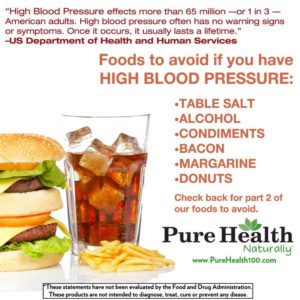
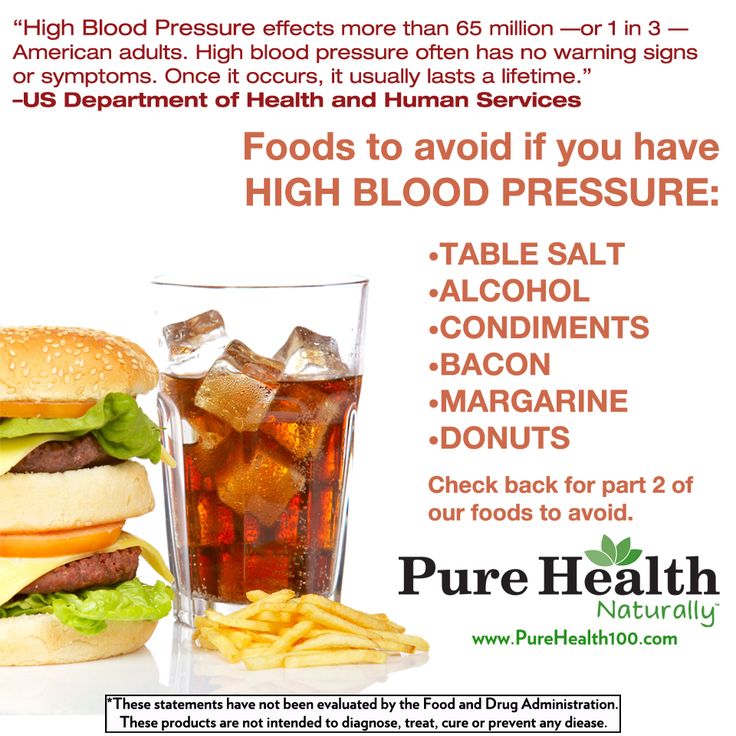
Part III blood pressure Foods not recommended  blood pressure3

The foods to buy are low sodium foods —-What to buy:

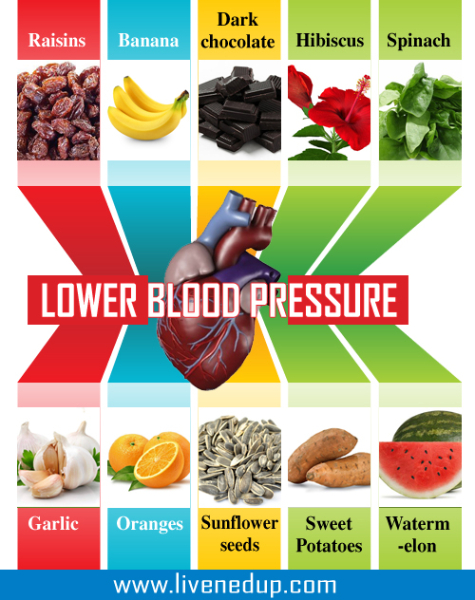
Fruits – Fresh, canned or frozen. I recommend with canned look at the ingredients to make sure you know how much sodium is in a serving. Remember for a person with high b/p you want to keep your sodium count less than 1800 to 2000mg a day. Sodium causes the vessels to vasoconstrict (or narrow) which increases blood pressure in a person.

-Vegetables – Fresh or frozen (no sauce or plastic pouches) Canned (UNSALTED, AGAIN check the canned label for the amount of sodium in each serving.).

Drinks – Fruits juices, fresh or frozen.

Canned low sodium or no salt added tomato & vegetable juice.

Instant breakfast* (all flavors but eggnog) —- limit to 1 cup /day

-Dairy choices – liguid or dry milk (1% or skim milk).

Homemade buttermilk (made from powdered milk) *limit these to 2-3 cups a day*

Cottage cheese, dry cured (low sodium)

Ricotta Cheese from low fat or skim milk

Farmer Cheese, part skim mozzarella neufchated *limit cheese to 1oz or 1/2 cup of one cheese/day.

-Fats, Oils – Canola, Olive, Corn, Cottonseed, Peanut, Safflower, Soybean &

Margarine (unsalted)

Meats, Poultry, Fish

Fish, fresh or frozen (NOT BREADED): Canned tuna and salmon (Unsalted or rinsed).

Chicken or Turkey

Lean cuts of: BEEF, VEAL, PORK, LAMB.

BEEF TONGUE if you must have.

-Meat Substitutes

Dried beans, peas, lentils (not canned)

Nuts or seeds (UNSALTED, DRY ROASTED), sunflower seeds, peanuts, almonds, walnuts.

Unsalted peanut butter

Tofu (soybean curd)

Breads, Cerals, Grains, Starches:

Loaf of bread and yeast rolls (limit to 3 slices a day)

Homemade breads with regular flour, not self rising.

Melba Toast

Matzo Crackers

Pita Bread

Taco Shell

Tortilla (corn)

Cooked cereals like corn grits, farina (regular), oatmeal, oat bran, cream of rice, cream of wheat (AVOID instant cereals).

Puffed Rice or wheat, shredded wheat (or any cereal with 100-150mg sodium–limit to 1 cup a day).

Wheat germ

Popcorn (no salt or fat added)

Starchy vegetables: corn, potato, green beans, etc… (not canned unless salt free).

Rice (enriched white or brown)

Pasta

– Cooking ingredients, seasonings

Corn starch, tapioca

Corn meal (not self rising)

Fresh or dried herbs, salt free herb seasonings.

Flour, regular white or whole wheat (not self rising)

Fresh fruits or vegetables (lemons, limes, onions, celery, etc.)

Fresh garlic or ginger

Louisiana – type hot sauce (limit to 1 tsp/day)

Low sodium baking powder

Onion or garlic powder

Tomato paste, unsalted tomatoes, unsalted tomato sauce.

Vinegar

Water chestnuts, yeast, butter substitute (such as Molly Mc Butter—limit to 1/2 tsp/day).

– Sweets

Carob powder, cocoa powder

Flavored gelatins

Fruits (fresh, canned, frozen)

Frozen juice bars, fruit ice, sorbet, sherbet

Sugar, honey, molasses, syrup (cane or maple)

Jelly, jams, preserves, apple butter

Graham and animal crackers, fig bars, ginger snaps


OTHER WAYS TO IMPROVE HEART FUNCTION:

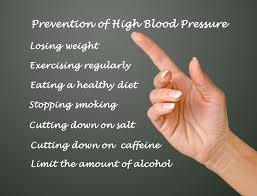
  1. Lose Weight, if you need to. The heart does not have to beat as hard to send blood to all parts of a slim body as opposed to a overweight or obese body.
  2. Don’t smoke-Smoking makes blood vessels constrict making it more difficult to move the blood throughout the body to all tissue parts and it also makes it more difficult in breathing.
  3. Avoid hard exercise and lifting heavy objects to prevent sudden pumping demands on your heart.
  4. Wear clothes that permit good bloodflow in the legs. Garters, hose with tight tops (like thigh-high or knee high hose) may slow blood flow to and from your legs causing clots.
  5. Avoid temperature extremes-The body works harder to keep a normal temperature when you’re too hot or cold.
  6. Try to stay away from people who have colds or the flu. Ask your doctor if you should have a flu shot every year and a pneumonia shot every 6-10 years.
  7. Talk with your doctor about how much alcohol (if any) is ok for you. Since alcohol weakens the heart, heart failure may improve if you stop drinking alcohol.
  8. Reduce high blood pressure or high cholesterol and control your diabetes (one major way is be compliant with your meds, diet, exercise program as your M.D. orders. This can also help keep heart failure symptoms from getting worse.
  9. Herbal supplements may interact with heart failure drugs. Ask your doctor before taking any herbal medicine.

**Recommended is to get clearance for any changes you decide to make with this advice on blood pressure since you may have other conditions that may not allow certain food, or activity changes. If you have high blood pressure get yourself a cardiologist if you don’t have one yet and is a specialist in knowing the best treatment for you.**
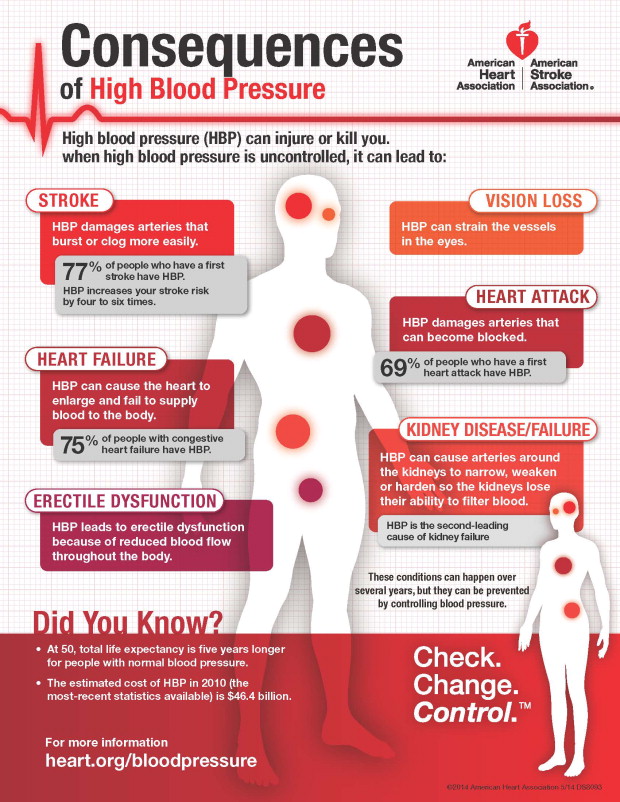


QUOTE FOR WEEKEND:

“Look at the average American diet: ice cream, butter, cheese, whole milk, all this fat. People don’t realize how much of this stuff you get by the end of the day. High blood pressure is from all this high-fat eating.”

Jack LaLanne


PART 2 Ways to reduce your high blood pressure

Part II blood pressure Reduction 2  Part II blood pressure Reduction3

Factors in helping to reduce or decrease high blood pressure, also noted as hypertension are:

-STRESS REDUCTION

Stress is defined as feeling tense on the inside due to pressures from the outside. Most of us have many of these pressures, and some handle them better than others. Since stress makes the heart work harder, try to find ways to relieve the pressure you felt when stressed.

One way of coping with stress is to deal with your feelings. You may feel depressed, angry or anxious because you have high blood pressure. These feelings are normal. It may help to talk about how you feel with your family and friends. When you accept that you have high B/P, you can put your efforts into living a more productive, good life with dealing with the hypertension.

Many people find yoga, meditation and prescribed exercise helpful. Always check with your doctor before starting an exercise program to make sure you get clearance of what is safe for you by your primary doctor or cardiologist.

-Eat less SODIUM

Sodium is an important substance. It helps your body balance the level of fluid inside and outside of the cells. To keep up this balance, the body needs about 2000mg of sodium a day or less. Yet most of us eat 3000 to 6000mg of sodium each day.

Most people with high b/p are asked to eat less sodium. Sodium attracts water and makes the body hold fluid. To pump the added fluid the heart works harder. Also sodium in the body causes the arteries to vasocontrict increasing pressure in the vessels causing the pressure to rise.

Most people with high b/p are asked to eat less sodium at 2000mg or less a day and this is to prevent water retention and vasoconstriction in which both actions increase the blood pressure. Follow your doctor’s advice about your sodium intake.

Many prepared foods and spices are high in sodium. But, the most common source of sodium is table salt. Table salt is 40% sodium and 60% chloride. One teaspoon of table salt contains 2000mg of sodium.

HINTS TO LOWER YOUR SODIUM IN YOUR DIET:

-Season foods with fresh or dried herbs, vegetables, fruits or no-salt seasonings.

-Do not cook with salt or add salt to foods after they are on the table.

-Make your own breads, rolls, sauces, salad dressings, vegetable dishes and desserts when you can.

-Stay away from fast foods. They are almost all high in salt.

-Eat fresh, frozen or canned, unsalted vegetables. These have less sodium than most processed foods. Read the labels and if they don’t have a label DON’T EAT IT. Read the labels and eat the portioned size it says to for 1 portion with keeping a diary of what you ate with adding the sodium and when it reached 2000mg no more food that day with salt in it unless the doctor prescribes less.

-Buy water packed tuna and salmon. Break it up into a bowl of cold water, and let stand for 3 minutes. Rinse, drain and squeeze out water.

-Don’t buy convenience foods such as prepared or skillet dinners, deli foods, cold cuts, hot dogs, frozen entrees or canned soups. These have lots of salt. Be picky on what you eat.

-Again, read all labels for salt, sodium or sodium products (such as sodium benzoate, MSG). Ingredients are listed in the order of amount used. A low sodium label means 140mg of less per serving. Try to buy products labeled low sodium/serving. Do not eat products that have more sodium than this per serving.

-When you eat out, order baked, broiled, steamed or pouched foods without breading or butter or sauces. Also ask that no salt be added. Go easy on the salad dressing. Most are high in salt.

What not to buy:

-Canned Vegetables, sauerkraut. Self rising flour and corn meal. Prepared mixes (waffle, pancake, muffin, cornbread, etc…)

-Dairy Products- like buttermilk (store-bought), canned milks unless diluted and used as regular milk).   Egg substitute limit to ½ cup/day. Eggnog (store bought) and salted butter or margarine do not buy.

-Soups: Boullon (all kinds), canned broth, dry soup mixes, canned soups.

-Meats and meat substitutes not to buy= Canned meats, canned fish, cured meats, all types of sausages, sandwich meats, peanut butter, salted nuts.

-Prepared mixes (pie, pudding, cake) or store bought pies, cakes, muffins.

-Cooking ingredients to use low sodium type or limit to 2 tbsp/day=

Catsup, chili sauce, barbeque sauce, mustard, salad dressing.

-Drinks to stay away from Athletic Drinks (such as Gatorade), canned tomato or vegetable juice (unless unsalted).

Stay tune for part 3 on What to buy when dealing with high b/p or hypertension plus more.


QUOTE FOR FRIDAY:

“People with high blood pressure, diabetes – those are conditions brought about by life style. If you change the life style, those conditions will leave.”

Dick Gregory (born October 12, 1932) is an American author, comedian, & a social activist.


QUOTE FOR THURSDAY:

“With Cushing disease, the pituitary gland releases too much ACTH. ACTH stimulates production and release of cortisol, a stress hormone. Too much ACTH causes the adrenal glands to make too much cortisol. It can be exogenous or endogenous.”

US library of medicine (Medline Line Plus – NIH.government).

Part II How is Cushing’s syndrome diagnosed and treated?

cushing's diagnosing  diagnosing and RX

Diagnosis is established on a survey of the patient’s medical history including somatic examination and laboratory tests.

Frequently x-ray exams of the adrenal or pituitary glands are beneficial for locating tumors. These tests assist to find out if excess levels of cortisol are exhibited and why.

-Radiologic imaging: direct visualization of the endocrine glands. Imaging tests reveal the size and shape of the pituitary and adrenal glands and help determine if a tumor is present.  The most common imaging tests are the computerized tomography (CT) scan and magnetic resonance imaging (MRI).  A CT scan produces a series of x-ray pictures giving a cross-sectional image of a body part.  MRI also produces images of internal organs but without exposing patients to ionizing radiation. Imaging procedures are used to find a tumor after a diagnosis has been made. Imaging is not used to make the diagnosis of Cushing’s syndrome because benign tumors are commonly found in the pituitary and adrenal glands.  These tumors, sometimes called incidentalomas, do not produce hormones in quantities that are harmful.  They are not removed unless blood tests show they are a cause of symptoms or they are unusually large.  Conversely, pituitary tumors may not be detectable by imaging in almost half of people who ultimately need pituitary surgery for Cushing’s syndrome.

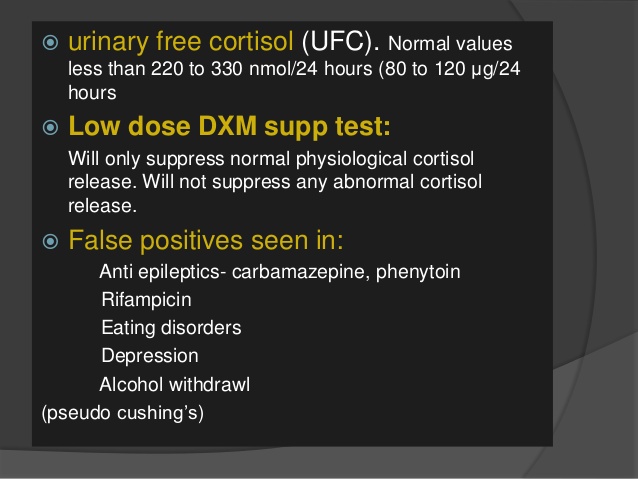
-24-hour urinary free cortisol level. In this test, a person’s urine is collected several times over a 24-hour period and tested for cortisol.  Levels higher than 50 to 100 micrograms a day for an adult suggest Cushing’s syndrome.  Low-dose dexamethasone suppression test (LDDST). In the LDDST, a person is given a low dose of dexamethasone, a synthetic glucocorticoid, by mouth every 6 hours for 2 days.  Urine is collected before dexamethasone is administered and several times on each day of the test.  A modified LDDST uses a onetime overnight dose.

The normal upper limit varies in different laboratories, depending on which measurement technique is used.

-Midnight plasma cortisol and late-night salivary cortisol measurements. The midnight plasma cortisol test measures cortisol concentrations in the blood.

-Dexamethasone-corticotropin-releasing hormone (CRH) test. Some people have high cortisol levels but do not develop the progressive effects of Cushing’s syndrome, such as muscle weakness, fractures, and thinning of the skin.  These people may have pseudo-Cushing’s syndrome, a condition sometimes found in people who have depression or anxiety disorders, drink excess alcohol, have poorly controlled diabetes, or are severely obese.  Pseudo-Cushing’s does not have the same long-term effects on health as Cushing’s syndrome and does not require treatment directed at the endocrine glands.

Treatment of Cushings Syndrome:

Treatment of cushings syndrome is by castigation of the under lying cause. Treatments for Cushing’s syndrome are contrived to pass your body’s cortisol production to normal. By indurate, or even distinctly lowering cortisol levels, you’ll feel evident improvements in your signs and symptoms. Left untreated, however, Cushing’s syndrome can finally induce to death. The treatment choice depend on the cause. For example:

*If a tumour in an adrenal gland is the reason, an operation to withdraw it will cure the condition.

*For adrenal hyperplasia, both adrenal glands may require to be withdraw. You will then require to take lifelong replacement therapy of several adrenal hormones.

*Other tumours in the body that produce ‘ectopic’ ACTH may be able to be removed, depending on the kind of tumour, where it is, etc.

*Medication to block the production or consequence of cortisol may be a choice.

Ending line treatments for Cushing syndrome are designed to lower the high level of cortisol in your body. The best treatment for you depends on the cause of the syndrome. Treatment options include:

  • Reducing corticosteroid use. If the cause of Cushing syndrome is long-term use of corticosteroid medications, your doctor may be able to keep your Cushing signs and symptoms under control by reducing the dosage of the drug over a period of time, while still adequately managing your asthma, arthritis or other condition. For many of these medical problems, your doctor can prescribe noncorticosteroid drugs, which will allow him or her to reduce the dosage or eliminate the use of corticosteroids altogether.

Don’t reduce the dose of corticosteroid drugs or stop taking them on your own. Do so only under your doctor’s supervision.

Abruptly discontinuing these medications could lead to deficient cortisol levels. Slowly tapering off corticosteroid drugs allows your body to resume normal cortisol production.

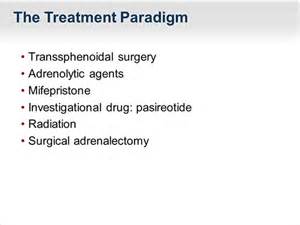
  • Surgery. If the cause of Cushing syndrome is a tumor, your doctor may recommend complete surgical removal. Pituitary tumors are typically removed by a neurosurgeon, who may perform the procedure through your nose. If a tumor is present in the adrenal glands, lungs or pancreas, the surgeon can remove it through a standard operation or in some cases by using minimally invasive surgical techniques, with smaller incisions.

After the operation, you’ll need to take cortisol replacement medications to provide your body with the correct amount of cortisol. In most cases, you’ll eventually experience a return of normal adrenal hormone production, and your doctor can taper off the replacement drugs.

However, this process can take up to a year or longer. In some instances, people with Cushing syndrome never experience a resumption of normal adrenal function; they then need lifelong replacement therapy.

  • Radiation therapy. If the surgeon can’t totally remove a pituitary tumor, he or she will usually prescribe radiation therapy to be used in conjunction with the operation. Additionally, radiation may be used for people who aren’t suitable candidates for surgery.

Radiation can be given in small doses over a six-week period, or with a technique called stereotactic radiosurgery (Gamma Knife surgery). In the latter procedure, administered as a single treatment, a large dose of radiation is delivered to the tumor, and the radiation exposure to surrounding tissues is minimized.

  • Medications. Medications can be used to control cortisol production when surgery and radiation don’t work. Medications may also be used before surgery in people who have become very sick with Cushing syndrome. Doctors may recommend drug therapy before surgery to improve signs and symptoms and minimize surgical risk.

Medications to control excessive production of cortisol at the adrenal gland include ketoconazole (Nizoral), mitotane (Lysodren) and metyrapone (Metopirone).

Mifepristone (Korlym) is approved for people with Cushing syndrome who have type 2 diabetes or glucose intolerance. Mifepristone does not decrease cortisol production, but it blocks the effect of cortisol on your tissues.

Side effects from these medications may include fatigue, nausea, vomiting, headaches, muscle aches, high blood pressure, low potassium and swelling. Some have more serious side effects, such as neurological side effects and liver toxicity.

The newest medication for Cushing’s is pasireotide (Signifor), and it works by decreasing ACTH production from a pituitary tumor. This medication is given as an injection twice daily. It’s recommended if pituitary surgery is unsuccessful or cannot be done.

Side effects are fairly common, and may include diarrhea, nausea, high blood sugar, headache, abdominal pain and fatigue.

In some cases, the tumor or its treatment will cause other hormones produced by the pituitary or adrenal gland to become deficient and your doctor will recommend hormone replacement medications.

If none of these treatment options are appropriate or effective, your doctor may recommend surgical removal of your adrenal glands (bilateral adrenalectomy). This procedure will cure excess production of cortisol, but will require lifelong replacement medications.

Complications are rare but include:

Bruising on your thigh

Ear pain during the procedure

Very rarely, neurological problems

QUOTE FOR WEDNESDAY:

“Symptoms include a round-shaped face, upper body weight gain, and skin that bruises easily. Women may also notice increased body hair and menstrual irregularities. Men may develop erectile and fertility problems. Children who have this condition are often obese and have a slowed rate of growth.”


Part II Cushing’s Syndrome – The Signs and Symptoms of the disease & complications.

                                           cushings

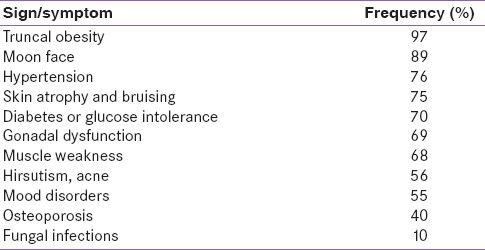
Symptoms of Cushings Syndrome

 Symptom of cushings syndrome include fat deposits close to the face neck and trunk; weariness; muscular weakness; salt and water retention; acne; leisurely bruising; menstlruall irregularities; and signs (in women) of virilisation, such as increase of the voice, commute in body, shape, loss of scalp hair, and extend in facial and body hair. Complications of cushings syndrome include advanced blood pressure, The symptoms and signs of cushings syndrome induced by a chronic redundant of corticosteroid hormones in the blood. The redundant may be acquired by a tumour of the outer part (cortex) of the adrenal gland, or may be referable to over inspiration of the adrenal glands by a tumour the pituitary gland.

Many children and teenagers with Cushing’s syndrome will exhibit various symptoms of the following:

-extreme weight gain

-growth retardation

-missed periods in teenage girls

-excess hair growth

-acne

-reddish-blue streaks on the skin

-high blood pressure

-tiredness and weakness

-either very early or late puberty

Adults with the disease may also have symptoms of intense weight gain, redundant hair growth, high blood pressure, and skin difficulties. In addition, they may show:

-muscle and bone weakness

-moodiness, irritability, or depression

-sleep disturbances

-high blood sugar

-menstrual disorders in women and diminished fertility in men

Complications include:

 -Diabetes (High or Low blood glucose levels)

-Enlargement of pituitary tumor and other complications from the tumor growth

-Fractures due to osteoporosis which are common in older people

-High blood pressure which could be life threatening

-Kidney stones from the increase in cortisol and other chemicals filtered through the kidneys

-Serious infections which could lead to further secondary infections

How is Cushing’s syndrome diagnosed?

 Diagnosis is established on a survey of the patient’s medical history including somatic examination and laboratory tests.

Frequently x-ray exams of the adrenal or pituitary glands are beneficial for locating tumors. These tests assist to find out if excess levels of cortisol are exhibited and why.

Radiologic imaging: direct visualization of the endocrine glands. Imaging tests reveal the size and shape of the pituitary and adrenal glands and help determine if a tumor is present.  The most common imaging tests are the computerized tomography (CT) scan and magnetic resonance imaging (MRI).  A CT scan produces a series of x-ray pictures giving a cross-sectional image of a body part.  MRI also produces images of internal organs but without exposing patients to ionizing radiation. Imaging procedures are used to find a tumor after a diagnosis has been made. Imaging is not used to make the diagnosis of Cushing’s syndrome because benign tumors are commonly found in the pituitary and adrenal glands.  These tumors, sometimes called incidentalomas, do not produce hormones in quantities that are harmful.  They are not removed unless blood tests show they are a cause of symptoms or they are unusually large.  Conversely, pituitary tumors may not be detectable by imaging in almost half of people who ultimately need pituitary surgery for Cushing’s syndrome.

24-hour urinary free cortisol level. In this test, a person’s urine is collected several times over a 24-hour period and tested for cortisol.  Levels higher than 50 to 100 micrograms a day for an adult suggest Cushing’s syndrome.  Low-dose dexamethasone suppression test (LDDST). In the LDDST, a person is given a low dose of dexamethasone, a synthetic glucocorticoid, by mouth every 6 hours for 2 days.  Urine is collected before dexamethasone is administered and several times on each day of the test.  A modified LDDST uses a onetime overnight dose.

The normal upper limit varies in different laboratories, depending on which measurement technique is used.

Midnight plasma cortisol and late-night salivary cortisol measurements. The midnight plasma cortisol test measures cortisol concentrations in the blood.

Dexamethasone-corticotropin-releasing hormone (CRH) test. Some people have high cortisol levels but do not develop the progressive effects of Cushing’s syndrome, such as muscle weakness, fractures, and thinning of the skin.  These people may have pseudo-Cushing’s syndrome, a condition sometimes found in people who have depression or anxiety disorders, drink excess alcohol, have poorly controlled diabetes, or are severely obese.  Pseudo-Cushing’s does not have the same long-term effects on health as Cushing’s syndrome and does not require treatment directed at the endocrine glands.

Stayed tune for Part III Thursday on treatments of Cushing’s Syndrome!