“When the heart doesn’t pump blood effectively, the lungs, brain and all other organs can’t work properly and may shut down or be damaged.”
American Heart Association
“When the heart doesn’t pump blood effectively, the lungs, brain and all other organs can’t work properly and may shut down or be damaged.”
American Heart Association
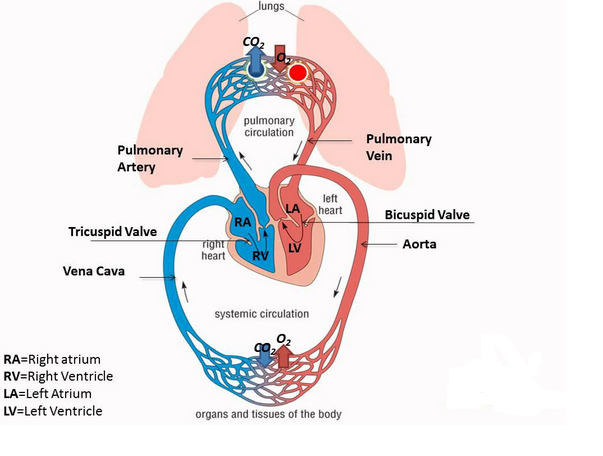

The heart works like a pump and beats 100,000 times a day. For the heart to do its function therapeutically it needs another organ to be involved called the lungs or the body could not live. If one of these organs gets damaged in time the other organ gets affected with no treatment the person will die sooner in life (Ex. Heart Failure in time affects the lungs to some degree, even to the severity of respiratory failure). A good metaphor for this is the car; if the engine gets damaged with no repair, in time the transmission will get affected; with no repair at all the car will die. The heart being the engine the oil being the blood and the lungs being the transmission.
One of the main functions of the red blood cells (RBCs) is to carry oxygen throughout the body to give all tissues our food to stay alive, that would be oxygen. For this to take place this is done through the heart beating nonstop which allows the flow of blood to be running continuous in our blood stream (circulatory system) and at the same time this allows our cells in the blood stream to get to the lungs for oxygen and carbon dioxide exchange. These 3 functions could not take place if the heart wasn’t pumping blood to and from the heart/lungs 24 hrs a day. Your pulse or heart rate does the pumping.
This is what takes place when the heart pumps our blood:
The red blood cells carry oxygen and remove the ending result of oxygen used by our tissues, called carbon dioxide=CO2. To get rid of the CO2 (a toxin) in our body the gas is carried from our body by carrying CO2 to the lungs through the RBCs. The high CO2 (carbon dioxide) with low oxygen (O2) concentration RBCs go to one side of the heart (being the right side) to get CO2 removed in exchange for more O2 in a red blood cell (RBC) this is done at the base of the lungs. This is done through breathing. Then these RBCs get highly oxygenated which then proceed to the left side of the heart. These RBCs get pumped throughout the body where the tissues utilize the oxygen in the RBCs by transferring O2 from the RBCs to the tissue as their food to stay alive. Without oxygen our tissues would starve and we would die. For the oxygen to be transported to the tissues of the body (as their food) it works like this: After the right side of the heart pumps blood to the lungs with high CO2 concentration RBCs, while we inhale to allow more oxygen in the cells at the bottom of the lungs an exchange of gas concentration in the RBCs takes place. The cells release CO2 which is released out of our body through exhaling but also when we inhale more 02 is transported into the RBCs to take another trip around the body releasing the high 02 levels to the tissues that need to utilize it; BUT to do this the blood now is sent to the left side of the heart. For all this to take place the heart pumps to transport the oxygen throughout the body giving nutrition to the tissues, without it=cellular starvation would take place=death, but at the same time sends high CO2 RBCs to the right side for a O2/CO2 exchange at the lungs by going through the right side of the heart.
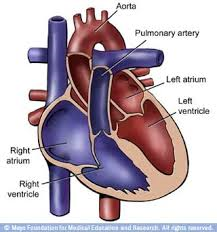
The heart has two sides, separated by an inner wall called the septum. The septum divides the right from the left side of the heart since the right and left chambers do different functions, as described above. These 2 sides work to different ways.
So lets review, remember the right side of the heart is sending RBCs with highier CO2 concentration and a low oxygen concentration. You have these RBCs coming from above the heart finally entering the Rt upper chamber (Right Atrium=RA) called the Superior Vena Cava with below the heart the Inferior Vena Cava the meet into each other dumping the high CO2 blood into the RA. Then the blood goes through a valve called the tricuspid valve dumping the blood into the Rt.lower chamber called Rt. Ventricle and through the pulmonary valve going via the pulmonary artery (one of the few arteries with high CO2 concentration, usually arteries high in 02 concentration) dumping the blood at the base of the lungs for 02 and CO2 exchange when we inhale and exhale. After the gas exchange takes place the red blood cells become higher oxygenated in levels and much lower in carbon dioxide levels. Inside a cell is never 100% 02 or CO2. Now this high oxygenated blood goes to the left side of the heart leaving the lungs via the pulmonary vein (one of the few veins high in O2). The blood dumps now in the Left side of the heart into the upper chamber=Lt. atrium down through the mitral valve to the left ventricle proceeding to the aorta where the high concentrated RBCs go throughout the body dispensing oxygen to our tissues where it is needed.
If you look the right side sends blood from the heart to lungs back to heart=short distance so the muscle on the right side is thin compared to the left side. The reason the left side has a bigger and stronger muscle is the left side of the heart receives the oxygen-rich blood from the lungs and pumps it to go throughout the body (The Lt. side of heart down to the feet, up to the brain to the ending place-back to the right side of the heart, and does this process all over again.). The left side of the heart has to dispense the high (O2) blood throughout the body so that side of the heart works out more in pumping; so the muscle on the left side is larger than the right side. The muscle of the heart is called myocardium (myo=muscle and cardium=the heart).
Let’s review the heart anatomy. It has 4 chambers in it. Two chambers are on the right side and another two on the left. The right side of the heart has only higher concentrated CO2-carbon dioxide in the blood going through that side to get to the lungs for more oxygen to be dumped into the left side. To do this the blood first is entered to the lungs from the right side of the heart. Here it removes the toxin CO2 from our body through us breathing to get more 02-oxygen into our RBCs (red blood cells). Then this blood enters to the left side of the heart where it has more high oxygenated blood entering that side to have our food, being O2, get dispensed throughout our tissues to stay alive. Without 02 we would go through cellular/tissue starvation. The heart moves the oxygen throughout the body via its pumping action whereas the lungs provide us the oxygen via inhaling with removing the toxin CO2 from the RBCs via exhaling.
How does the O2 and CO2 get moved throughout the bloodstream? That is where the heart comes into play with its heart rate (pumping). Without a pulse means no pumping to move the O2 & CO2 where they have to go.
Well he don’t fill the heart up with gas like a car but instead this organ has a conduction pathway that operates through electrical activity taking place by certain electrical cells with electrolytes. These electrical cells have several unique charateristics which are automaticity – the cell can generate an electrical impulse without being stimulated; excitability – the cell can change its internal electrical balance to reach its threshold; & conductivity – the cell can move an electrical impulse to the next cell. Also we have sodium, potassium and calcium channels inside the heart that are the major electrolytes in playing a role to allow or not allow conduction to take place based on the amount of their presence out or in the way of these cardiac cells which will impact the speed of conduction to take place.
We also have a natural pacemaker (the other main ingredient) of the heart to pump; and this is called the SA Node. It sits in the the upper Rt. chamber (atrium) of the heart. This natural pacemaker conducts impulses from the top to the bottom of the heart (from both sides) with these electrolytes (mentioned above) involved to let this conduction take place in allowing the heart to beat; allowing the heart to pump the blood throughout our system to give oxygen to all tissues and remove carbon dioxide from the body bringing it to the lungs where we expel it via breathing. To do dispense these gases to and from our RBCs the cells have to be moved in the blood via the heart pumping. Inspiration brings the 02 via the lungs to the bottom of them to gets released into our red blood cells at the same time the RBCs release CO2 into the lungs and during expiration removes the C02 from our body. Knowing the anatomy of the heart is so important especially to understand heart disease.
We know there is a right and left side of the heart and each side having 2 chambers (upper-atriums and lowers-ventricles) with completely different functions.
“The “Dietary Approaches to Stop Hypertension” eating plan features plenty of fruits, vegetables, whole grains, and other foods that are heart healthy and lower in salt/sodium.”
NIH National Heart, Lung and Blood Institute (DASH DIET Dietary Approach to stop hypertension)
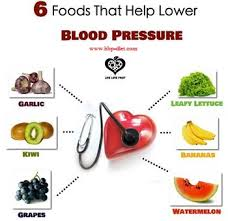
The foods to buy are low sodium foods —-What to buy:
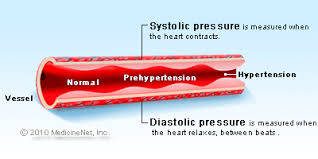
–Fruits – Fresh, canned or frozen. I recommend with canned look at the ingredients to make sure you know how much sodium is in a serving. Remember for a person with high b/p you want to keep your sodium count less than 1800 to 2000mg a day. Sodium causes the vessels to vasoconstrict (or narrow) which increases blood pressure in a person.
-Vegetables – Fresh or frozen (no sauce or plastic pouches) Canned (UNSALTED, AGAIN check the canned label for the amount of sodium in each serving.).
–Drinks – Fruits juices, fresh or frozen.
Canned low sodium or no salt added tomato & vegetable juice.
Instant breakfast* (all flavors but eggnog) —- limit to 1 cup /day
-Dairy choices – liguid or dry milk (1% or skim milk).
Homemade buttermilk (made from powdered milk) *limit these to 2-3 cups a day*
Cottage cheese, dry cured (low sodium)
Ricotta Cheese from low fat or skim milk
Farmer Cheese, part skim mozzarella neufchated *limit cheese to 1oz or 1/2 cup of one cheese/day.
-Fats, Oils – Canola, Olive, Corn, Cottonseed, Peanut, Safflower, Soybean &
Margarine (unsalted)
–Meats, Poultry, Fish
Fish, fresh or frozen (NOT BREADED): Canned tuna and salmon (Unsalted or rinsed).
Chicken or Turkey
Lean cuts of: BEEF, VEAL, PORK, LAMB.
BEEF TONGUE if you must have.
-Meat Substitutes
Dried beans, peas, lentils (not canned)
Nuts or seeds (UNSALTED, DRY ROASTED), sunflower seeds, peanuts, almonds, walnuts.
Unsalted peanut butter
Tofu (soybean curd)
–Breads, Cerals, Grains, Starches:
Loaf of bread and yeast rolls (limit to 3 slices a day)
Homemade breads with regular flour, not self rising.
Melba Toast
Matzo Crackers
Pita Bread
Taco Shell
Tortilla (corn)
Cooked cereals like corn grits, farina (regular), oatmeal, oat bran, cream of rice, cream of wheat (AVOID instant cereals).
Puffed Rice or wheat, shredded wheat (or any cereal with 100-150mg sodium–limit to 1 cup a day).
Wheat germ
Popcorn (no salt or fat added)
Starchy vegetables: corn, potato, green beans, etc… (not canned unless salt free).
Rice (enriched white or brown)
Pasta
– Cooking ingredients, seasonings
Corn starch, tapioca
Corn meal (not self rising)
Fresh or dried herbs, salt free herb seasonings.
Flour, regular white or whole wheat (not self rising)
Fresh fruits or vegetables (lemons, limes, onions, celery, etc.)
Fresh garlic or ginger
Louisiana – type hot sauce (limit to 1 tsp/day)
Low sodium baking powder
Onion or garlic powder
Tomato paste, unsalted tomatoes, unsalted tomato sauce.
Vinegar
Water chestnuts, yeast, butter substitute (such as Molly Mc Butter—limit to 1/2 tsp/day).
– Sweets
Carob powder, cocoa powder
Flavored gelatins
Fruits (fresh, canned, frozen)
Frozen juice bars, fruit ice, sorbet, sherbet
Sugar, honey, molasses, syrup (cane or maple)
Jelly, jams, preserves, apple butter
Graham and animal crackers, fig bars, ginger snaps
OTHER WAYS TO IMPROVE HEART FUNCTION:
6. Try to stay away from people who have colds or the flu. Ask your doctor if you should have a flu shot every year and a pneumonia shot every 6-10 years.
Look at the average American diet: ice cream, butter, cheese, whole milk, all this fat. People don’t realize how much of this stuff you get by the end of the day. High blood pressure is from all this high-fat eating.
Jack LaLanne

“The medical literature tells us that the most effective ways to reduce the risk of heart disease, cancer, stroke, diabetes, Alzheimer’s, and many more problems are through healthy diet and exercise. Our bodies have evolved to move, yet we now use the energy in oil instead of muscles to do our work.”
David Suzuki (born March 24, 1936 is a Canadian academic, science broadcaster and environmental activist.
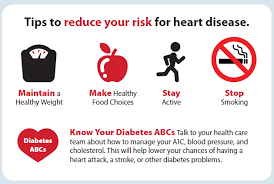
It is still the number one killer even greater than cancer in both men and women today. This disease should be rare do to a lot of cardiac disease is inflicted upon humans through being overweight through just bad healthy habits practiced. Obesity can cause diabetes II, heart disease, high blood pressure, and more. High blood pressure is called the “silent killer” because it often has no warning signs or symptoms, and many people don’t realize they have it. That’s why it’s important to get your blood pressure checked regularly. The good news is that you can take steps to prevent high blood pressure, or to treat it if it is already high.
What we can do is make some changes in our living. We westerners create an increase in diabetes, heart disease and some cancers. AMERICA WE NEED TO WAKE UP AND MAKE A CHANGE. TO THE MAIN CULPRITES we are talking about sugars and fat (OUR DIET). GLUCOSE and LIPIDS!. The typical American diet is consisted and loaded with sugar and fats. Lack of exercise and stress doesn’t help the situation. Get peace of mind through again making changes in your life if you are striving to become healthier. Let’s look at cholesterol = 2 types HDL and LDL. LDL is the bad cholesterol. Know if your LDL is type A or type B. If you have a high HDL level and a low LDL that is good but ask your doctor to see if you can get a blood test checking both type A and type B of your cholesterol that will give you the knowledge if you need to take an action. Go to CDC.org to see the different number ranges of both men and women on their levels and more. Just knowing your cholesterol level isn’t enough but does give the doctor some direction. Knowing if your type A or type B LDL helps even more with knowing your risk of heart disease.
Cholesterol only becomes a problem if the LDL gets too high with high pattern type B which is worse with stress and smoking and processed foods in high amounts eaten. Particles called lipoproteins carry cholesterol in the blood. There are two kinds of lipoproteins you need to know about: LDL and HDL. The plasma lipoprotein particles classified under high-density (HDL) and low-density (LDL) lipoproteins enable fats to be carried in the blood stream.
-Low-density lipoproteins (LDL) cholesterol make up the majority of the body’s cholesterol. LDL is known as “bad” cholesterol because having high levels can lead to a buildup in the arteries and result in heart disease.
-High-density lipoproteins (HDL) cholesterol absorb cholesterol and carry it back to the liver, which flushes it from the body. High levels of HDL, or “good” cholesterol, reduce the risk of heart disease and stroke.
Apolipoprotein A1 (apoA1) is the major protein of high-density lipoprotein (HDL), and apoB is among the major proteins of very low-, low- (LDL), and intermediate-density lipoproteins. Because of their associations with the respective lipoproteins, apoA1 is inversely and apoB is positively associated with cardiovascular risk (2). In fact, evidence suggests that apoA1 and apoB are better predictors of heart disease risk than are HDL and LDL cholesterol levels (3-5). Apolipoproteins may also offer advantages over lipoprotein cholesterol measurements because they are direct measurements, whereas LDL, for example, is calculated from other lipoproteins from a fasting blood sample.
You can take several steps to maintain a normal cholesterol level.
In the United States, the most common type of heart disease is coronary artery disease (CAD), which leads many to heart attacks. You can greatly reduce your risk for CAD through lifestyle changes and, in some cases, medication. CAD consists of cholesterol and placque build up, even tar if a smoker, that can be deadly in time with blocking the arteries called atherosclerosis. This in time left untreated can lead to a heart attack or even silent heart attack. CAD also is the brittling of the arteries causing narrowing of the arteries called arteriosclerosis. Here it is the ending result is the blood supply is affected in not getting enough oxygen throughout our body to our tissues.
Coronary artery disease can cause a heart attack. If you have a heart attack, you are more likely to survive if you know the signs and symptoms, call 9-1-1 immediately, and get to a hospital quickly. People who have had a heart attack can also reduce the risk of future heart attacks or strokes by making lifestyle changes and taking medication. Don’t put off the chest pain or discomfort in the chest or pain down the L arm for if your right you want to prevent the heart attack before it occurs and if you already had an attack the sooner treated the better. Reperfusion of blood to the heart is the KEY in treatment. Chest pain to the heart is lack of oxygen getting to the heart tissue=ischemia. We alone can’t treat it but we can prevent it before CAD even sets in through good health practices daily, healthy dieting daily and balancing rest with exercise daily.
How do we go about preventing CAD and getting healther. Well see if this makes sense to you, it did to me. First, genetic abnormalities contribute to the risk for certain types of heart disease, which in turn may lead to heart failure. However, in most instances, a specific genetic link to heart failure has not been identified. SO THE KEY TO PREVENTION OF CAD IS TO LIVE AS HEALTHY AS POSSIBLE IN YOUR ROUTINE HABITS, YOUR DIETING OF THE 4 FOOD GROUPS, MAINTAINING YOUR WEIGHT IN A THEREPEUTIC RANGE (look as calculating BMI online for free to find out what your weight range for your height is), and BALANCING REST WITH EXERCISE TO HELP DECREASE THE CHANCE OF GETTING HEART FAILURE. Go to healthyusa.tsfl.com to learn what Dr. Anderson through his book of “Dr. A.’s Healthy Habits” and me as your health coach could provide you within a reachable cost. You may just like what you see;)
“By 2030, experts anticipate that older adults will comprise 13 percent of the total population—one in eight people will be 65 or older”
ifsw.com (resource for social workers to share, discover and learn)