Why still be concerned for ticks in the FALL season? Know the type of bacteria the tic carries if infected, the common symptoms, facts to know & the best treatment!

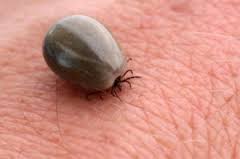
Ticks bite into the skin, then dig into it. Lastly, fills up the blood sac for food.lyme disease lyme disease
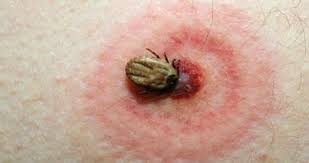
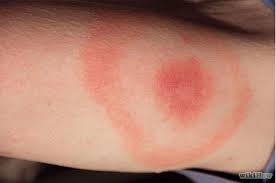
The mark the tick leaves behind on the arm it bit.
lyme disease b

lyme disease d

A tick typically feeds for several days until it becomes fully engorged with blood. As it fills, its body swells, changing from a flat, seed-like appearance to a plump, globular form. Once engorged, the tick naturally detaches from its host.

This detachment is usually passive; the tick simply releases its grip and falls off. After detaching, the tick seeks a secluded and protected environment. It retreats to areas like leaf litter, cracks, or crevices, where it is less vulnerable to predators or environmental extremes.


Next Stages in the Tick’s Life Cycle

The blood meal a tick consumes is fundamental for its development and reproduction. Different tick life stages have distinct outcomes following engorgement.

For larval and nymphal ticks, a blood meal is a prerequisite for molting into the next developmental stage. After feeding, a six-legged larva transforms into an eight-legged nymph, and a nymph molts into an adult. This transformation allows the tick to grow and progress, preparing it for its next blood meal.

For adult female ticks, the blood meal provides the energy and nutrients necessary for egg production. Once fully fed, a female tick detaches and seeks a sheltered location to lay her eggs. She can lay thousands of eggs, often ranging from 1,000 to 8,000, after which she typically dies.

Male ticks may take smaller, more frequent blood meals. Their primary purpose after feeding is to find a mate. The male tick feeds before mating as well, but he’s often a fraction of the size of the engorged female when mating takes place. Often, the male dies after mating, and the female dies after laying anywhere from 2,000 to 18,000 eggs. Soft ticks are an exception. Many species of soft tick eat several smaller blood meals and lay eggs several times. This is one reason soft ticks don’t consume as much blood in one sitting or swell to the extent that hard ticks do.

In 2013, there were more than 25,000 confirmed cases of Lyme disease reported across the country, according to the Center For Disease Control And Prevention.
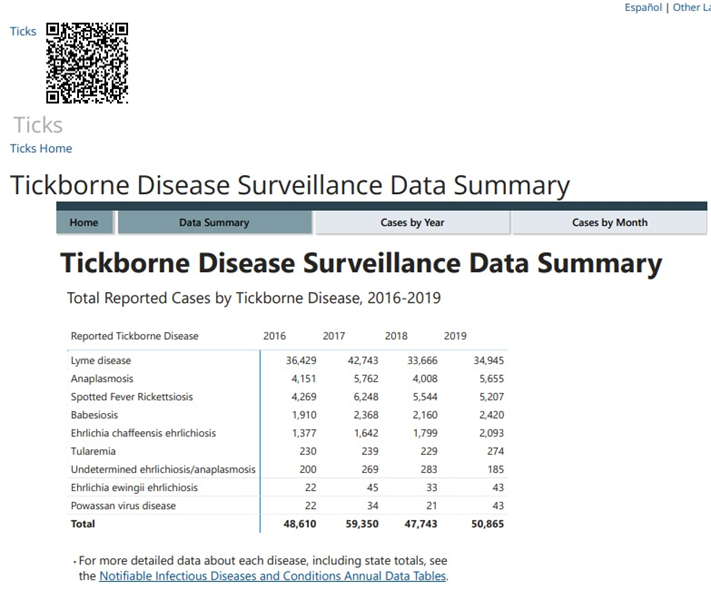
Lyme disease is of course a potentially debilitating infection spread by ticks. A special conference this weekend, now in it’s fourth year — is hoping to help raise awareness.

On Saturday, September 12, the Mt. Valley Lyme Disease Awareness Coalition will hold it’s 4th Annual Lyme Conference. This year’s day long event will be held at Telstar Regional High School in Bethel and is open to the public. Donations at that door to help in their researching.

We’re constantly hearing about the threat of Lyme disease when it comes to our pets. However, sometimes it takes star power in order to bring a dangerous condition into the “Lyme-light” for humans. This is exactly what Yolanda Foster, from the reality television show, Real Housewives of Beverly Hills, and wife of composer David Foster, did after suffering unexplainable symptoms—such as emotional outbursts, nervous system abnormalities, skin issues, and loss brain function. Her diagnoses: chronic Lyme disease.

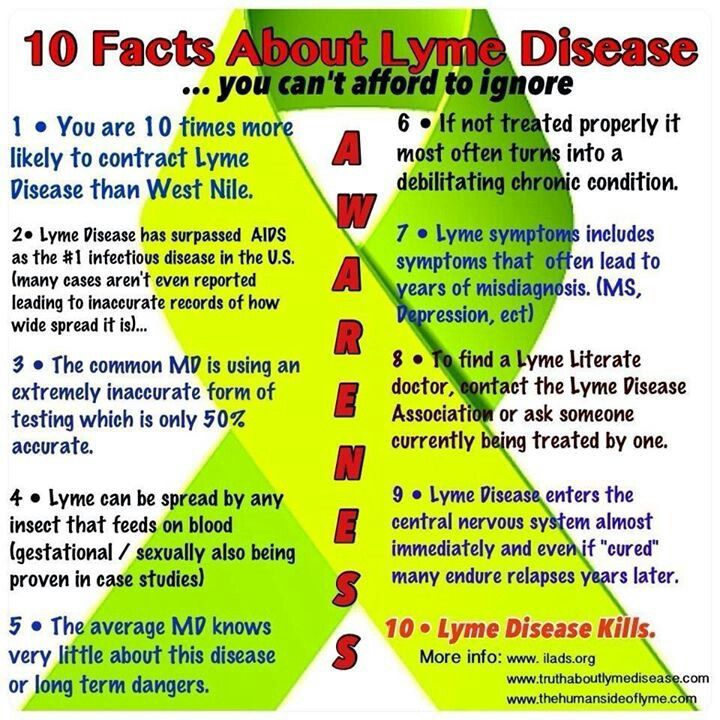
Lyme disease is a bacterial illness that is spread by the borrelia burgdorferi bacteria in tick insect bites. Once infected, the victim (human or animal) will suffer the consequences in multiple stages that stretch from the first bite to the spread of Lyme antibodies within the blood, and the symptoms.

The most common tick-borne illness in North America and Europe, Lyme disease is transmitted by the bite of an infected blacklegged tick.

The most common signs or symptoms indicating Lyme Disease:

You have flu-like symptoms

One of the common symptoms of Lyme disease is feeling like you have a flu. This means that you’ll begin suffering from a runny nose, fevers, chills, and shaking. All the symptoms you associate with the flu can also indicate that you are in the early stages of Lyme disease and it’s at this point that you should go and see a doctor.

Many people will simply brush off the conditions and take medication bought over the counter, but if you can catch the disease at this stage, it’s far simpler to treat.

You have a stiff neck

If your neck is sore and you have the above-mentioned flu-like symptoms, it’s possible that you have developed Lyme disease. A stiff neck is a really common indicator of having recently contracted the disease. The reason it begins is because of the infection traveling around the body and if you find yourself with this pain, it’s important to get checked right away. Not only that but the pain involved with it can also get worse, making it almost unbearable. At this stage you should definitely see a doctor.

Headaches

On top of the above two symptoms, headaches will usually begin when you are in the early stages of developing the condition. A checkup is essential at this stage, your doctor will be able to provide you with treatment that is more effective the sooner after you contract the disease.

Muscle numbness

Muscle numbness occurs even during the early stages of Lyme disease making it difficult to move and creating either a numbness or a tingling feeling in muscles all over the body. Another common complaint is that the individual has shooting pains that go from the top of the leg to the bottom.

These symptoms are worrisome whether you have Lyme disease or not, so be sure to speak to your doctor as soon as you start experiencing these kinds of serious symptoms.

Fatigue

One of the signature symptoms of Lyme disease that most people have heard about is fatigue. This symptom occurs later on in the disease and is actually known as ‘post-Lyme syndrome’. It is far more than just feeling tired – it makes the muscles completely incapable of moving.

Along with the fatigue, the individual will suffer great pain in their muscles, bones, and joints.

Swelling

This symptom is more common during the early stages of the disease and it includes the swelling of the muscles, joints, and anywhere else in the body. The effect occurs as the body tries to protect itself from the bacteria that has invaded. Swelling is a natural response to many conditions and, as time goes by, the individual will find that the swelling can get worse and worse.

Heart problems

If you have heart problems and your family doesn’t have a history of it, this could be an indicator that you have Lyme disease and simply haven’t realized it yet. This is far less common than other symptoms, but in some cases an irregular heartbeat can actually suggest that you have Lyme disease and left it untreated for a long period of time.

If you have an irregular heartbeat, there’s no need to assume that you have Lyme disease – but you should of course go ahead with all the tests that your doctors want you to go ahead with.

Muscle numbness

Muscle numbness occurs even during the early stages of Lyme disease making it difficult to move and creating either a numbness or a tingling feeling in muscles all over the body. Another common complaint is that the individual has shooting pains that go from the top of the leg to the bottom.

These symptoms are worrisome whether you have Lyme disease or not, so be sure to speak to your doctor as soon as you start experiencing these kinds of serious symptoms.

Bull’s eye rash

The bull’s eye rash is the first sign of Lyme disease, and it occurs around the region that the tick originally embedded itself into the skin. There are lots of ways that this rash might appear, with the first being the obvious bull’s eye shape, with a blistering lesion in the middle and surrounding circles of redness. Some lesions may have a uniform red color, others may be disseminated and others may appear blue-red. The thing to look out for is a large circular rash that appears dark red.

Facial drooping

This is one of the most serious symptoms of Lyme disease and is pretty uncommon, but it’s important to know about nonetheless. This symptom includes the dropping of the face, where muscles stop working and you find it difficult to speak. Some individuals have experienced this symptom, known as facial palsy, to the extent that it resembles a stroke. This is of course something very serious and something you should go straight to hospital about should you begin experiencing it.

Facts to know about lyme disease:

-Lyme disease is caused by bacteria called Borrelia burgdorferi that is only transmitted to humans when they are bitten by an infected tick.

-To infect its host, a tick typically must be attached to the skin for at least 36 hours.

-Most cases of Lyme disease occur in late spring and early summer.

– The most common symptoms of Lyme disease include a red, circular “bulls-eye” rash often accompanied by muscle and joint aches. About 70 to 80 percent of people infected develop the rash, which shows up several days to weeks after the tick bite.

-Lyme disease is diagnosed by medical history, physical exam, and sometimes a blood test. It may take four to six weeks for the human immune system to make antibodies against Borrelia burgdorferi and therefore show up in a positive blood test. That is why patients with the Lyme rash usually have a negative blood test and diagnosis is based on the characteristic appearance of the rash. Patients with other clinical manifestations such as Lyme arthritis will usually have a blood test.  Anyone who has symptoms for longer than six weeks and who has never been treated with antibiotics is unlikely to have Lyme disease if the blood test is negative.

Most cases of Lyme disease are successfully treated with a few weeks of antibiotics. Using antibiotics for a very long time (months or years) does not offer superior results and in fact can be dangerous, because it can cause potentially fatal complications.

-Approximately 95 percent of all cases of Lyme disease occur in the Northeast and the Upper Midwest.

-Researchers didn’t identify the cause of Lyme disease and connect it with ticks until 1981. The bacterium that causes the disease is named in honor of Willy Burgdorfer, the scientist who made the connection.

-There were nearly 30,000 confirmed cases of Lyme disease in 2009 and more than 8,500 probable cases. The number has risen steadily since 1995, when there were only 11,700 confirmed cases.

– The best treatment for Lyme disease is prevention: Be cautious when walking in the woods, avoiding bushy and grassy areas. Wear long pants and long-sleeved shirts and wear insect repellent containing DEET on exposed skin. After walking in wooded areas, thoroughly check the skin for ticks!  Today in 2022 CDC states “A new active ingredient, discovered and developed by the Centers for Disease Control and Prevention (CDC), has been registered by the Environmental Protection Agency (EPA) for use in insecticides and insect repellents.

The new ingredient, nootkatone, repels and kill ticks, mosquitoes, and a wide variety of other biting pests. Nootkatone is responsible for the characteristic smell and taste of grapefruit and is widely used in the fragrance industry to make perfumes and colognes. It is found in minute quantities in Alaska yellow cedar trees and grapefruit skin.

Nootkatone can now be used to develop new insect repellents and insecticides for protecting people and pets. CDC’s licensed partner, Evolva, is in advanced discussions with leading pest control companies for possible commercial partnerships. Companies interested in developing brand name consumer products will be required to submit a registration package to EPA for review, and products could be commercially available as early as 2022.

“CDC is proud to have led the research and development of nootkatone,” said Jay C. Butler, MD, Deputy Director for Infectious Diseases. “Providing new alternatives to existing bite-prevention methods paves the way to solving one of biggest challenges in preventing vector-borne diseases—preventing bites.”

The E.P.A. has approved nootkatone, which is found in cedars and grapefruit. It repels ticks, mosquitoes and other dangerous bugs for hours, but is safe enough to eat.

QUOTE FOR FRIDAY:

“These are words a parent never wants to hear: “Your child has cancer.”

While relatively rare, pediatric cancers are the leading cause of death from disease among children in the United States.

Over the past several decades, the five-year survival rate for pediatric cancer has improved, increasing from around 58-68% in the 1970s to 83-88% in recent years.

Despite those advances, approximately 1,600 children and adolescents in the United States die of cancer each year.

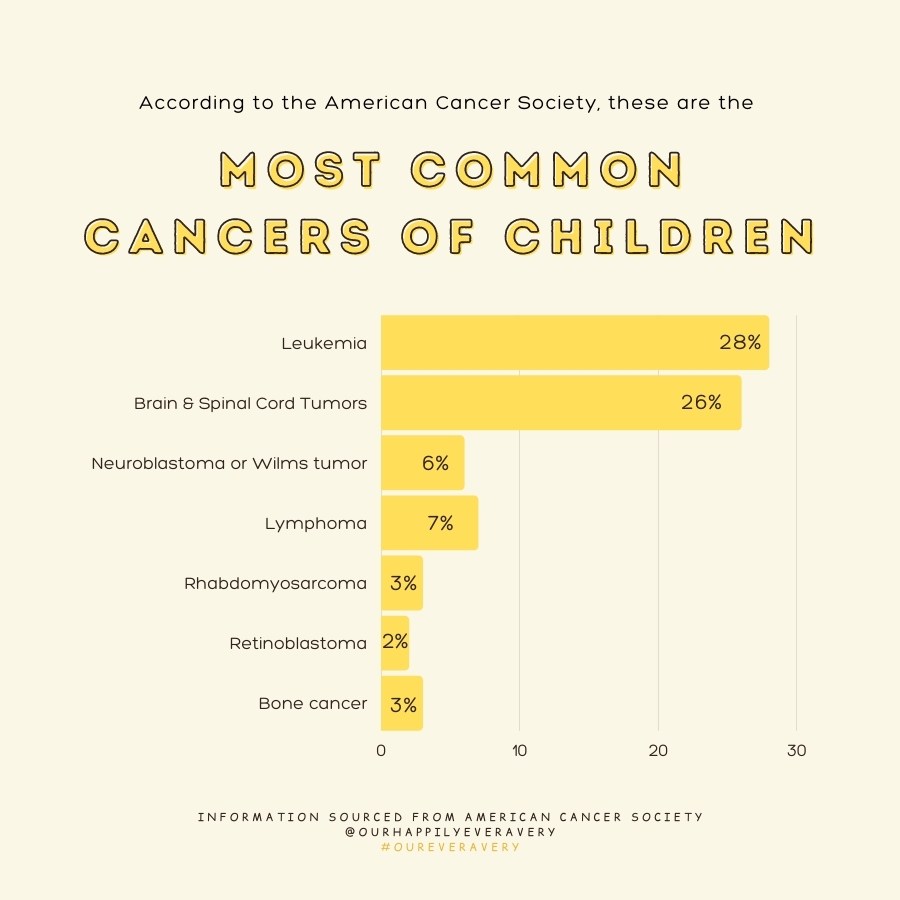
The most common types of cancers in children are acute lymphocytic leukemia (ALL), brain and other central nervous system (CNS) tumors, lymphoma, germ cell tumors and neoplasms, soft tissue sarcoma, and neuroblastoma.”

American Association for Cancer Research – AACR (Childhood Cancer Awareness Month | AACR)


Childhood Cancer Awareness Month: Leukemia-the life style risk factors, inherited syndromes that put a child at risk for leukemia, & the types of leukemia!


Leukemia is the most common cancer in children and teens, accounting for almost 1 out of 3 cancers. Most childhood leukemias are acute lymphocytic leukemia (ALL). Most of the remaining cases are acute myeloid leukemia (AML). Chronic leukemias are rare in children.

A risk factor is anything that affects a person’s chance of getting a disease such as cancer. Different cancers have different risk factors.

Lifestyle-related risk factors such as tobacco use, diet, body weight, and physical activity play a major role in many adult cancers. But these factors usually take many years to influence cancer risk, and they are not thought to play much of a role in childhood cancers, including leukemias.

There are a few known RISK FACTORS for childhood leukemia.

Inherited syndromes

-Some inherited disorders increase a child’s risk of developing leukemia:

  • Down syndrome (trisomy 21): Children with Down syndrome have an extra (third) copy of chromosome 21. They are many times more likely to develop either acute lymphocytic leukemia (ALL) or acute myeloid leukemia (AML) than are other children, with an overall risk of about 2% to 3%. Down syndrome has also been linked with transient leukemia (also known as transient myeloproliferative disorder) – a leukemia-like condition within the first month of life, which often resolves on its own without treatment.
  • Li-Fraumeni syndrome: This is a rare condition caused by a change in the TP53 tumor suppressor gene. People with this change have a higher risk of developing several kinds of cancer, including leukemia, bone or soft tissue sarcomas, breast cancer, adrenal gland cancer, and brain tumors.

Other genetic disorders (such as neurofibromatosis and Fanconi anemia) also carry an increased risk of leukemia, as well as some other types of cancers.

Siblings (brothers or sisters) with leukemia have a slightly increased chance (2 to 4 times normal) of developing leukemia, but the overall risk is still low. The risk is much higher among identical twins. If one twin develops childhood leukemia, the other twin has about a 1 in 5 chance of getting leukemia as well. This risk is much higher if the leukemia develops in the first year of life.

Having a parent who develops leukemia as an adult does not seem to raise a child’s risk of leukemia.

Exposure to high levels of radiation is a risk factor for childhood leukemia. Japanese atomic bomb survivors had a greatly increased risk of developing AML, usually within 6 to 8 years after exposure. If a fetus is exposed to radiation within the first months of development, there may also be an increased risk of childhood leukemia, but the extent of the risk is not clear.

The possible risks from fetal or childhood exposure to lower levels of radiation, such as from x-ray tests or CT scans, are not known for sure. Some studies have found a slight increase in risk, while others have found no increased risk. Any risk increase is likely to be small, but to be safe, most doctors recommend that pregnant women and children not get these tests unless they are absolutely needed.

What is Leukemia?  First their are types of leukemia, which are cancers of the bone marrow and blood and this is the most common childhood cancers unfortunately.  They account for about 30% of all cancers in children.  The most common types that are found in children they are 1.) acute lymphocytic leukemia (ALL) 2.) acute myelogenous leukemia (AML).

1.)-Acute lymphocytic leukemia (ALL) is a type of cancer of the blood and bone marrow — the spongy tissue inside bones where blood cells are made.

The word “acute” in acute lymphocytic leukemia comes from the fact that the disease progresses rapidly and creates immature blood cells, rather than mature ones. The “lymphocytic” in acute lymphocytic leukemia refers to the white blood cells called lymphocytes, which ALL affects. Acute lymphocytic leukemia is also known as acute lymphoblastic leukemia.

Acute lymphocytic leukemia is the most common type of cancer in children, and treatments result in a good chance for a cure. Acute lymphocytic leukemia can also occur in adults, though the chance of a cure is greatly reduced.

2.)-Acute myelogenous leukemia (AML) is a cancer of the blood and bone marrow — the spongy tissue inside bones where blood cells are made.

The word “acute” in acute myelogenous leukemia denotes the disease’s rapid progression. It’s called myelogenous (my-uh-LOHJ-uh-nus) leukemia because it affects a group of white blood cells called the myeloid cells, which normally develop into the various types of mature blood cells, such as red blood cells, white blood cells and platelets.

Acute myelogenous leukemia is also known as acute myeloid leukemia, acute myeloblastic leukemia, acute granulocytic leukemia and acute nonlymphocytic leukemia.

2.) Acute myelogenous leukemia (AML) is a cancer of the blood and bone marrow — the spongy tissue inside bones where blood cells are made.

The word “acute” in acute myelogenous leukemia denotes the disease’s rapid progression. It’s called myelogenous (my-uh-LOHJ-uh-nus) leukemia because it affects a group of white blood cells called the myeloid cells, which normally develop into the various types of mature blood cells, such as red blood cells, white blood cells and platelets.

Acute myelogenous leukemia is also known as acute myeloid leukemia, acute myeloblastic leukemia, acute granulocytic leukemia and acute nonlymphocytic leukemia.

Updated 09/07/2025


QUOTE FOR THURSDAY:

“In Lower Manhattan on 9/11/01 the plane crashes—which resulted in the collapse of the Twin Towers—created massive dust clouds that filled the air and left hundreds of highly populated city blocks covered with ash, debris, and harmful particles, including asbestos, silica, metals, concrete, and glass. Fires within the debris pile and the collapse of 7 WTC burned through the end of December 2001 with continued flare-ups in 2002, releasing carcinogenic combustion by-products. These contaminants remained in Lower Manhattan and parts of Brooklyn for an undetermined amount of time after 9/11. Responders, local workers, residents, students, and others had potential for acute exposures in the early days and continuing exposure from residual materials—indoors and outside—as well as exposure to toxic gases, smoke, vapors, and combustion by-products from continuing fires.

Officials declared the plane crash in Somerset County near Shanksville, Pennsylvania a crime scene; the crash created hazardous conditions—including fiery hot spots and smoke—for workers and volunteers. At the Pentagon in Arlington, Virginia, responders, cleanup crews, and construction workers were potentially exposed to smoke, jet fuel, heat from the fire, hazardous chemicals, and harmful debris.”

Center for Disease Control and Prevention-CDC / World Trade Health Center (Toxins and Health Impacts: Health Effects of 9/11 – WTC Health Program)


Health Effects from 9/11 Disaster.


HEALTH EFFECTS FROM SEPTEMBER 11 DISASTER

The world trade center (WTC) terrorist attact and its aftermath exposed hundreds of thousands of people to dust, debris, smoke and fumes.  I was one that went down that day as a volunteer RN to help out my country.  It was a sight I will never forget and thank God nothing like it has happened since including developing anything from being exposed to the environment of this disaster.  September 11, 2001, among rescue and clean up workers, office workers, building evacuees, and residents of lower Manhattan living down their have shown increased respiratory and other physical health problems, like developing cancers after this terrible terrorist tragedy.  Following is a outline of the most common conditions experienced by individuals exposed to the WTC attacks and their aftermath.  The types of conditions are:

Upper Airway Cough Syndrome:  Formerly named postnasal drip syndrome which is commonly caused by continuous irritation or infection of the sinuses and the nose either due to allergies or from environmental irritants.  The signs or symptoms that arise from this are cough, nasal congestion, postnasal drip and frequent need to clear the throat.

Asthma/Reactive Airways Dysfunction Syndrome:  Some people exposed to the WTC disaster area have developed asthma related to exposure to irritants (also called reactive airways dysfunction syndrome [RADS]).  Signs and symptoms include:  Shortness of Breath (SOB); chest tightness, wheezing, coughing, phlegm, possible triggering of symptoms by colds or seasonal allergies or exercise or fragrances or extremes of temperature or humidity, recurrent episodes of respiratory infections requiring antibiotic treatment.

GASTROESOPHAGEAL REFLUX DISEASE OR LARYNGOPHARYNGEAL REFLUX DISEASE:  Some people exposed to the WTC disaster developed this condition.  GERD results from the flow back or return (reflux) of stomach contents into the esophagus. LPRD results from the reflux of stomach contents into the voice box or throat.

Symptoms of GERD: Heartburn, acid regurgitation, upset stomach, cough made worse with meals or at night

Symptoms of LPRD: Hoarseness or other vocal changes, sore throat, cough, sensation of having a lump in the throat

Long-Term Physical Health Concerns:

There has been increased concern about sarcoidosis and cancer among individuals who were highly exposed during the WTC disaster. The NYC Department of Health and Mental Hygiene, in conjunction with other programs, is closely monitoring these conditions in order to detect any increases in these diseases.

At this time, there is no evidence of an increased rate of cancer among individuals highly exposed to the WTC disaster. Increased rates of sarcoidosis have been documented among fire department personnel ( Izbicki G, Chavko R, Banauch, GI, et al. World Trade Center “Sarcoid-Like” Granulomatous Pulmonary Disease in New York City Fire Department Workers. Chest. 2007;3:131;1414-1423). Rates of sarcoidosis among other groups are currently under investigation.

Sarcoidosis is difficult to verify because NYC providers are not required by law to report sarcoidosis cases to the Health Department.  Based on New York City death certificate records over the   past 10 years, there have been an average of 32 sarcoidosis deaths per year, with the annual number remaining the same since the WTC attacks. During the   same period, there have been between 362 and 439 sarcoidosis-related hospitalizations per year in NYC (five per 100,000 people), with the annual   rate remaining the same since the disaster.

* Breathing in beryllium, other metal dust or fumes or moldy materials can cause lung disease, which may resemble sarcoidosis.

.Sarcoidosis

Sarcoidosis* is an auto-immune disease that can attack any organ   of the body, although it often starts in the lungs or lymph nodes. It mainly   affects people between 20 and 40 years of age, with African-Americans three  times more likely to develop the condition than Caucasians and women twice as   likely to develop it as men. While most sarcoidosis patients recover without treatment, less than one-third develop chronic debilitating sarcoidosis and  fewer than 5% die from the disease. The exact cause of sarcoidosis is unknown.

Sarcoidosis and World Trade Center (WTC) Dust Exposure

While studies have not definitively linked dust exposure from   the WTC disaster to new-onset sarcoidosis among exposed workers, the data   does suggest elevated levels of sarcoidosis among firefighters.

There have been a few reported sarcoidosis cases among rescue   workers that may be related to Ground Zero dust exposure. In May 2007, the New York City Chief Medical Examiner determined that dust exposure from the disaster contributed to a sarcoidosis death, based on published epidemiologic findings among exposed firefighters.

Cancers

The collapse and burning of the WTC and neighboring buildings   released a complex mixture of irritant dust, smoke and gases. The dust cloud   also contained heavy metals, as well as asbestos and other carcinogens. In   addition, smoke released from the fires contained hazardous and potentially   cancer-causing substances.

Because of these exposures, there has been concern about the   possibility of increased cancer rates among WTC-exposed people. The NYC   Department of Health and Mental Hygiene, the Fire Department of New York and   other researchers are carefully monitoring cancer rates among highly exposed   people.

In 2007, the NYC Department of Health and Mental Hygiene brought together a panel of experts, including representatives from FDNY, the Mount Sinai School of Medicine, the New York State Department of Health and the National Institute for Occupational Safety and Health, to discuss the potential impact of the WTC disaster on cancer rates and mortality.

In 2010, after beginning the process of confirming cancer   diagnoses within their cohorts, the NYC Department of Health and Mental   Hygiene and FDNY co-chaired another conference of outside experts, including biostatisticians, environmental health scientists and cancer epidemiologists,   to help address the complex methodological questions associated with their   preliminary cancer investigations. The conference produced several   recommendations which are described in the 2010 WTC Medical Working group annual report.

Although cancer associated with specific exposures takes a long   time to develop, three early cancer studies based on verified diagnoses   within their cohorts through 2008 (the latest year for which data was   available when these analyses began) have been published:

  • FDNY found that nearly 9,000 firefighters with WTC exposure may be at greater risk for cancer than firefighters  who weren’t exposed.
  • The WTC Health Registry found small increases in rates of prostate cancer, thyroid cancer and multiple myeloma, a blood cancer, among nearly 34,000 WTC rescue and recovery workers in comparison to rates among New York State residents after adjusting for age, race/ethnicity and sex.
  • Prostate and thyroid cancer rates were higher than expected among nearly 21,000 rescue and recovery workers enrolled in the WTC Health Program in comparison to rates in New York, New Jersey, Connecticut and Pennsylvania where the majority  of workers lived.

Cancer analyses continue at FDNY, the WTC Health Registry and at   the Mount Sinai School of Medicine.

In 2012, the National Institute for Occupational Safety and Health  added many different types of cancers to the list of conditions that can be treated at the World Trade Center Health Program.

What the New York City  Health Department Is Doing:

Through the World Trade Center (WTC) Health Registry, the Health Department is conducting a cancer study that will help determine if cancer rates are higher among those exposed to the WTC disaster. Results of   the study will appear on this Web site and will be submitted to peer-reviewed scientific journals.

The Department is also conducting a broader public awareness campaign about cancer testing, and is working with its clinical partners to offer free cancer screenings. Identifying cancer early in the course of the disease reduces the risk of developing disability from cancer. Department efforts to reduce the rates of smoking among WTC disaster-exposed people also help reduce their risk for developing cancer and other diseases.

What You Can Do

Seek medical care.

If you were exposed to the WTC disaster and have developed symptoms or conditions you feel are related to this exposure, tell your doctor and bring the Clinical Guidelines for Physicians Treating Adults   Exposed to the WTC Disaster to   help your doctor diagnose and treat your symptoms. The Health Department also   released clinical guidelines  for   health care providers on how to treat children and adolescents exposed to the WTC disaster.

If you or your doctor believe that you require more specialized   care, you may be eligible for free treatment at a WTC   Center of Excellence or affiliated facility.

Practice preventive   health.

Whether or not you are currently experiencing symptoms, there   are things you can do to maintain your current health status, prevent   worsening of your health, and detect any new conditions. Suggested measures include:

    1. If you smoke, quit! Tobacco is known to cause   cancer and make existing respiratory conditions worse. If you currently   smoke, there are programs in place to help you quit.
    2. Lead a healthy lifestyle by drinking alcohol   in moderation and avoiding more than moderate sun exposure. Increase physical   activity, keep your weight down and eat a healthful and nutritious diet.
    3. Have a physical exam every year that includes a   complete blood count (CBC). Be sure your exam includes all tests appropriate   for your sex and age, including cancer screenings.
    4. Avoid risks at work and during leisure time. If you have any respiratory conditions  try to reduce your exposure to irritants such as dust, pollen, grass and smoke both at home and at work. Consider giving up activities that expose you to irritants, and if activities cannot be avoided, wear personal protective   equipment to minimize exposure.


QUOTE FOR WEDNESDAY:

“Ovarian cancer affects 1 in 70 women across their lifetime and is the second most common type of gynecologic cancer in the United States. The most common risk factor is age. About two-thirds of all ovarian cancers are diagnosed in women between ages 50-75. Only 5 percent of ovarian cancers diagnosed occur in women under the age of 30.

About 1 in 10 women who are diagnosed will have either a strong family history of ovarian cancer or a mutation in a gene that increases risk of the disease.

Ovarian cancer rarely has noticeable symptoms when it is in its earliest stages. As the cancer progresses, subtle signs begin to appear, but you might not notice them right away, or they may be blamed on other common conditions.”

Memorial Sloan Kettering Cancer Center (Ovarian Cancer | Memorial Sloan Kettering Cancer Center)

Part II Ovarian Cancer in treatments.

1-Local Treatments/Therapies:

Some treatments are local, meaning they treat the tumor without affecting the rest of the body.

Types of local therapy used for ovarian cancer include that include:

A-Surgery

That is the main treatment most ovarian cancers. How much surgery you have depends on how far your cancer has spread and on your general health.  For women of childbearing age who have certain kinds of tumors and whose cancer is in the earliest stage, it may be possible to treat the disease without removing both ovaries and the uterus.

B-Radiation

Radiation is another form of therapy that might be used.  Radiation therapy uses high energy x-rays or particles to kill cancer cells. These x-rays may be given in a procedure that is much like having a regular x-ray. Aggressive chemotherapy is usually more effective, so radiation therapy is rarely used in this country as the main treatment for ovarian cancer. However, it can be useful in treating areas where the cancer has spread, either near the main tumor or in a distant organ, like the brain or spinal cord.  External beam radiation – This is the most common type of radiation therapy for women with ovarian cancer. External radiation therapy is much like getting an x-ray, but the radiation is stronger.

2-Systemic Treatment/Therapies:

This includes Chemo therapy, Hormone Therapy and Targeted Therapy.

A. Chemo Therapy:

Chemotherapy (chemo) is the use of drugs to treat cancer. Most often, chemo is a systemic treatment, meaning the drugs enter the bloodstream and reach almost all areas of the body. Chemo can be useful to kill very small amounts of cancer cells that may still be around after surgery, for cancers that have metastasized (spread), or to shrink very large tumors to make surgery easier. Most of the time, chemo uses drugs that are injected into a vein (IV) or given by mouth. In some cases, chemotherapy may also be injected through a catheter (thin tube) directly into the abdominal cavity. This is called intraperitoneal (IP) chemotherapy.

Chemo for ovarian cancer usually involves getting two different types of drugs together. Getting a combination of drugs instead of just one drug alone seems to work better as a first treatment for ovarian cancer. Usually, the combination includes a type of chemo drug called a platinum compound (usually cisplatin or carboplatin), and another type of chemo drug called a taxane, such as paclitaxel (Taxol®) or docetaxel (Taxotere®). These drugs are usually given as an IV (put into a vein) every 3 to 4 weeks.

The typical course of chemo for epithelial ovarian cancer involves 3 to 6 cycles of treatment, depending on the stage and type of ovarian cancer. A cycle is a schedule of regular doses of a drug, followed by a rest period. Different drugs have varying cycles; your doctor will let you know what schedule is planned for your chemo.

Epithelial ovarian cancer often shrinks or even seems to go away with chemo, but the cancer cells may eventually begin to grow again. If the first chemo seemed to work well and the cancer stayed away for at least 6 to 12 months, it can be treated with the same chemotherapy used the first time. In some cases, different drugs may be used.

There are numerous other chemo drugs used that might be helpful in treating ovarian cancer.

B-Hormone Treatment/Therapies

It’s another treatment that may be used with the use of hormones or hormone-blocking drugs to fight cancer. This type of systemic therapy is rarely used to treat epithelial ovarian cancer, but is more often used to treat ovarian stromal tumors. 

Meds used in Hormone therapy is:

-Luteinizing Hormone Release Hormone Agonists

LHRH agonists (sometimes called GnRH agonists) can be used in systemic treatment also that will switch off estrogen production by the ovaries. These drugs are used to lower estrogen levels in women who are premenopausal. Examples of LHRH agonists include goserelin (Zoladex®) and leuprolide (Lupron®). These drugs are injected every 1 to 3 months. Side effects can include any of the symptoms of menopause, such as hot flashes and vaginal dryness. If they are taken for a long time (years), these drugs can weaken bones (sometimes leading to osteoporosis).

-Tamoxifen

Tamoxifen is a drug that is often used to treat breast cancer. It can also be used to treat ovarian stromal tumors and is rarely used to treat advanced epithelial ovarian cancer. Tamoxifen acts as an anti-estrogen in many tissues in the body, but as a weak estrogen in others. The goal of tamoxifen therapy is to keep any estrogens circulating in the woman’s body from stimulating cancer cell growth. The anti-estrogen activity of this drug can lead to side effects like hot flashes and vaginal dryness. Because tamoxifen acts like a weak estrogen in some areas of the body, it does not cause bone loss but can increase the risk of serious blood clots in the legs.

-Aromatase inhibitors

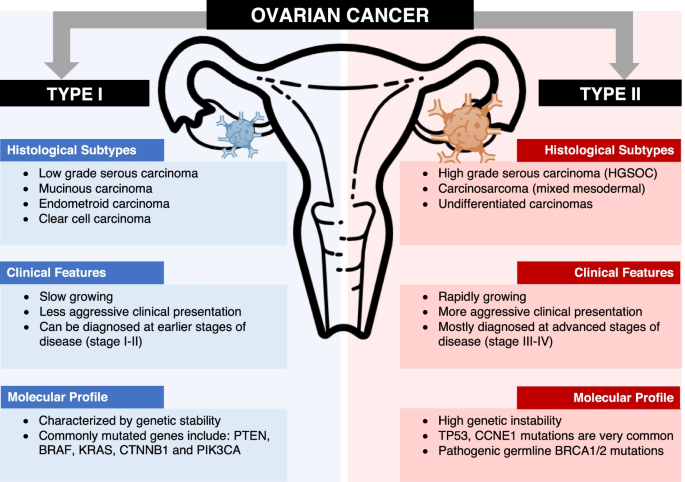
Aromatase inhibitors are drugs that block an enzyme (called aromatase) that turns other hormones into estrogen in post-menopausal women. They don’t stop the ovaries from making estrogen, so they are only helpful in lowering estrogen levels in women after menopause. These drugs are mainly used to treat breast cancer, but can also be used to treat some ovarian stromal tumors that have come back after treatment as well as low grade serous carcinomas. They include letrozole (Femara®), anastrozole (Arimidex®), and exemestane (Aromasin®). These drugs are taken as pills once a day.

Common side effects of aromatase inhibitors include hot flashes, joint and muscle pain, and bone thinning. The bone thinning can lead to osteoporosis and bones that break easily.

C-Targeted Drug Therapy:

Targeted therapy is a type of cancer treatment that uses drugs to identify and attack cancer cells while doing little damage to normal cells. These therapies attack the cancer cells’ inner workings − the programming that makes them different from normal, healthy cells. Each type of targeted therapy works differently, but they all change the way a cancer cell grows, divides, repairs itself, or interacts with other cells.

-Bevacizumab

Bevacizumab (Avastin) belongs to a class of drugs called angiogenesis inhibitors. For cancers to grow and spread, they need to make new blood vessels to nourish themselves (called angiogenesis). This drug attaches to a protein called VEGF (that signals new blood vessels to form) and slows or stops cancer growth.

Bevacizumab has been shown to shrink or slow the growth of advanced epithelial ovarian cancers. Bevacizumab appears to work even better when given along with chemotherapy having shown good results in terms of shrinking (or stopping the growth of) tumors. But it doesn’t seem to help women live longer.

Bevacizumab can also be given with olaparib (see below) as maintenance treatment in women whose cancers have the BRCA mutation or genomic instability (see below) and have shrunk quite a bit with chemotherapy containing carboplatin or cisplatin.

This drug is given as an infusion into the vein (IV) every 2 to 3 weeks.

Side effects of bevacizumab

Common side effects include high blood pressure, tiredness, bleeding, low white blood cell counts, headaches, mouth sores, loss of appetite, and diarrhea. Rare but possibly serious side effects include blood clots, severe bleeding, slow wound healing, holes forming in the colon (called perforations), and the formation of abnormal connections between the bowel and the skin or bladder (fistulas). If a perforation or fistula occurs it can lead to severe infection and may require surgery to correct.

PARP inhibitors

Olaparib (Lynparza), rucaparib (Rubraca), and niraparib (Zejula) are drugs known as a PARP (poly(ADP)-ribose polymerase) inhibitors. PARP enzymes are normally involved in one pathway to help repair damaged DNA inside cells. The BRCA genes (BRCA1 and BRCA2) are also normally involved in a different pathway of DNA repair, and mutations in those genes can block that pathway. By blocking the PARP pathway, these drugs make it very hard for tumor cells with an abnormal BRCA gene to repair damaged DNA, which often leads to the death of these cells.

If you are not known to have a BRCA mutation, your doctor might test your blood or saliva and your tumor to be sure you have one before starting treatment with one of these drugs.

All of these drugs are taken daily by mouth, as pills or capsules.

Olaparib (Lynparza) is used to treat advanced ovarian cancer, typically after chemotherapy has been tried. This drug can be used in patients with or without mutations in one of the BRCA genes.

In women with a BRCA mutation:

  • Olaparib can be used as maintenance treatment for advanced ovarian cancer that has gotten smaller in response to first treatment with chemotherapy containing cisplatin or carboplatin.
  • Olaparib can be used with bevacizumab (see above) as maintenance treatment in women whose cancers have shrunk quite a bit with chemotherapy containing carboplatin or cisplatin.

In women without a BRCA mutation:

  • If the tumor has a high genomic instability score (a test measuring the amount of abnormal genes in cancer cells), olaparib can be used with bevacizumab as maintenance treatment in women whose cancers have shrunk quite a bit with chemotherapy containing carboplatin or cisplatin.

In women with or without a BRCA mutation:

  • Olaparib can be used as maintenance treatment for advanced ovarian cancer that has come back after treatment, and then has shrunk in response to chemotherapy containing cisplatin or carboplatin.

Niraparib (Zejula) may be used in some situations to treat ovarian cancer.

In women with or without a BRCA gene mutation:

  • Niraparib might be used as maintenance treatment for advanced ovarian cancer, where the cancer has shrunk with firsrt-line chemotherapy containing cisplatin or carboplatin.
  • Niraparib might be used as maintenance treatment for advanced ovarian cancer that has come back after treatment, where the cancer has then shrunk with chemotherapy containing cisplatin or carboplatin.

Rucaparib (Rubraca) can be used in women with or without a BRCA mutation, as maintenance treatment for advanced ovarian cancer that has come back after treatment, and then has shrunk in response to chemotherapy containing cisplatin or carboplatin.

These drugs have been shown to help shrink or slow the growth of some advanced ovarian cancers for a time. So far, though, it’s not clear if they can help women live longer.

Side effects of PARP inhibitors

Side effects of these drugs can include nausea, vomiting, diarrhea, fatigue, loss of appetite, taste changes, low red blood cell counts (anemia), belly pain, and muscle and joint pain. Rarely, some patients treated with these drugs have developed a blood cancer, such as myelodysplastic syndrome or acute myeloid leukemia.

Drugs that target cells with NTRK gene changes

A very small number of ovarian cancers have changes in one of the NTRK genes. Cells with these gene changes can lead to abnormal cell growth and cancer. Larotrectinib (Vitrakvi) and entrectinib (Rozlytrek) are targeted drugs that stop the proteins made by the abnormal NTRK genes. These drugs can be used in people with advanced ovarian cancer whose tumor has an NTRK gene change and is still growing despite other treatments.

These drugs are taken as pills, once or twice a day.

Side effects of drugs that target NTRK gene changes

Common side effects include dizziness, fatigue, nausea, vomiting, constipation, weight gain, and diarrhea.

Less common but serious side effects can include abnormal liver tests, heart problems, and confusion.

Typically, any treatment plans for a patient with ovarian cancer are based on the type of ovarian cancer, its stage, and any special situations. Most women with ovarian cancer will have some type of surgery to remove the tumor. Depending on the type of ovarian cancer and how advanced it is, you might need other types of treatment as well, either before or after surgery, or sometimes both.

Those who to expect in treating ovarian cancer?

Based on your treatment options, you might have different types of doctors on your treatment team. These doctors could include:

  • A gynecologic oncologist: a gynecology doctor who is specially trained to use surgery to treat ovarian cancer; many times they are also the ones to give chemotherapy and other medicines to treat ovarian cancer
  • A radiation oncologist: a doctor who uses radiation to treat cancer
  • A medical oncologist: a doctor who uses chemotherapy and other medicines to treat cancer

Many other specialists might be part of your treatment team as well, including physician assistants, nurse practitioners, nurses, psychologists, sex counselors, social workers, nutritionists, genetic counselors, and other health professionals.

Your treatment plan will depend on many factors, including your overall health, personal preferences, and whether you plan to have children. Age alone isn’t a determining factor since several studies have shown that older women tolerate ovarian cancer treatments well.

It’s important to discuss all of your treatment options, including their goals and possible side effects, with your doctors to help make the decision that best fits your needs. It’s also very important to ask questions if there’s anything you’re not sure about.

If time permits, it is often a good idea to seek a second opinion. A second opinion can give you more information and help you feel more confident about the treatment plan you choose.

QUOTE FOR TUESDAY:

“Ovarian cancer is one of the leading causes of cancer deaths among women, but recent trends show some hopeful progress.

Survival rates can give you an idea of what percentage of people with the same type and stage of cancer are still alive a certain amount of time (usually 5 years) after they were diagnosed. They can’t tell you how long you will live, but they may help give you a better understanding of how likely it is that your treatment will be successful.

Keep in mind that survival rates are estimates and are often based on previous outcomes of large numbers of people who had a specific cancer, but they can’t predict what will happen in any person’s case. These statistics can be confusing and may lead you to have more questions. Ask your doctor how these numbers might apply to you.

relative survival rate compares people with the same type and stage of cancer to people in the overall population. For example, if the 5-year relative survival rate for a specific stage of ovarian cancer is 80%, it means that people who have that cancer are, on average, about 80% as likely as people who don’t have that cancer to live for at least 5 years after being diagnosed.

The American Cancer Society relies on information from the Surveillance, Epidemiology, and End Results (SEER) database, maintained by the National Cancer Institute (NCI), to provide survival statistics for different types of cancer.

The SEER database tracks 5-year relative survival rates for ovarian cancer in the United States, based on how far the cancer has spread. The SEER database, however, does not group cancers by AJCC or FIGO stages (stage 1, stage 2, stage 3, etc.). Instead, it groups cancers into localized, regional, and distant stages:

  • Localized: There is no sign that the cancer has spread outside of the ovaries.
  • Regional: The cancer has spread outside the ovaries to nearby structures or lymph nodes.
  • Distant: The cancer has spread to distant parts of the body, such as the liver or lungs.

These numbers are based on people diagnosed with cancers of the ovary (or fallopian tube) between 2015 and 2021, which is the most recent reporting period. These survival rates differ based on the type of ovarian cancer (invasive epithelial, stromal, or germ cell tumor).”

American Cancer Society (Ovarian Cancer Survival Rates | American Cancer Society)

Part I Ovarian Cancer

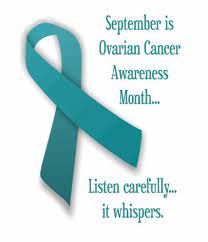
Most people are aware that October is Breast Cancer Awareness Month, but how many of you are also aware that September is Ovarian Cancer Awareness Month?

This cancer, Ovarian Cancer, is the more silent sister to breast cancer-which takes over the month of October with a worldwide pink party and numerous product promotions, some tasteful and some less so. Maybe people and product promoters are just drawn to pink versus the more reserved teal blue color for ovarian cancer. More likely it’s because breasts are visual and ovaries are invisible to the eye.

Remember ovarian cancer is very visible to those diagnosed with it and to their loved ones.  We need to make more noise about ovarian cancer awareness.  First you have to listen… to your body. Ovarian cancer can be sneaky.

Symptoms such as indigestion, bloating, painful intercourse, menstrual irregularities and back pain, can point to other less invasive conditions. While breast cancer has screening protocols like mammograms and breast self-examination, there is no reliable screening for ovarian cancer. Unfortunately for many women the disease is often detected at an advanced stage. Both breast and ovarian cancer are diagnosed in women of all ages and ethnic backgrounds.

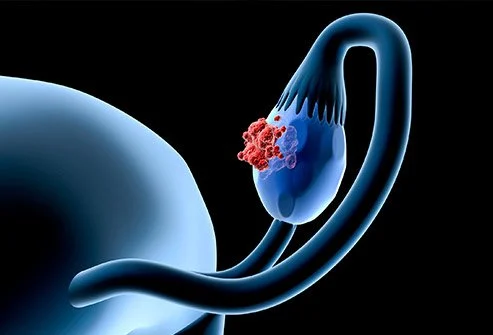
Ovarian cancer is a type of cancer that begins in the ovaries. Women have two ovaries, one on each side of the uterus. The ovaries — each about the size of an almond — produce eggs (ova) as well as the hormones estrogen and progesterone.

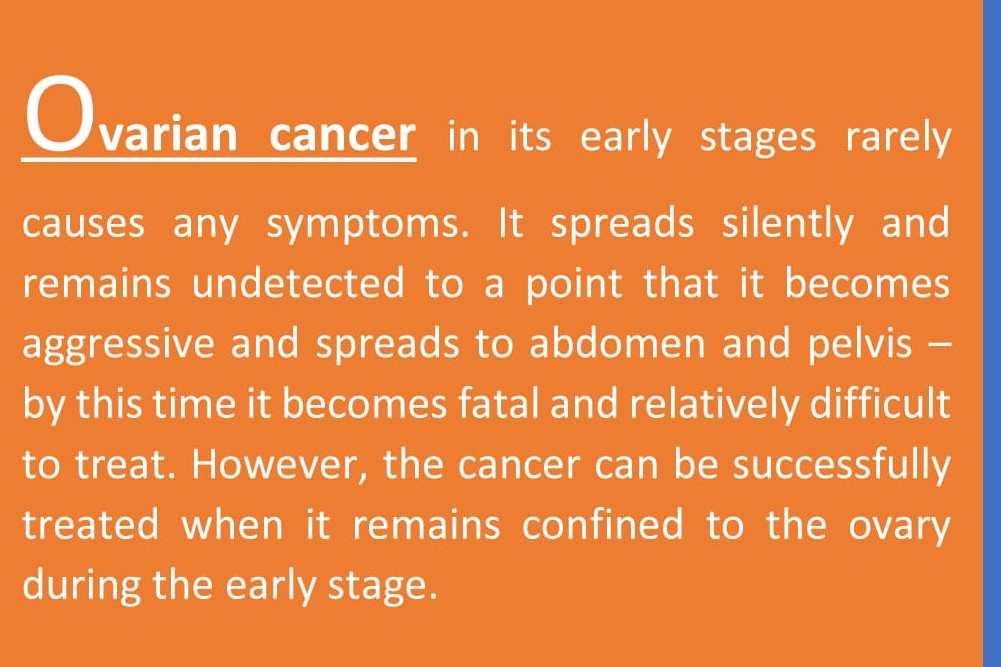
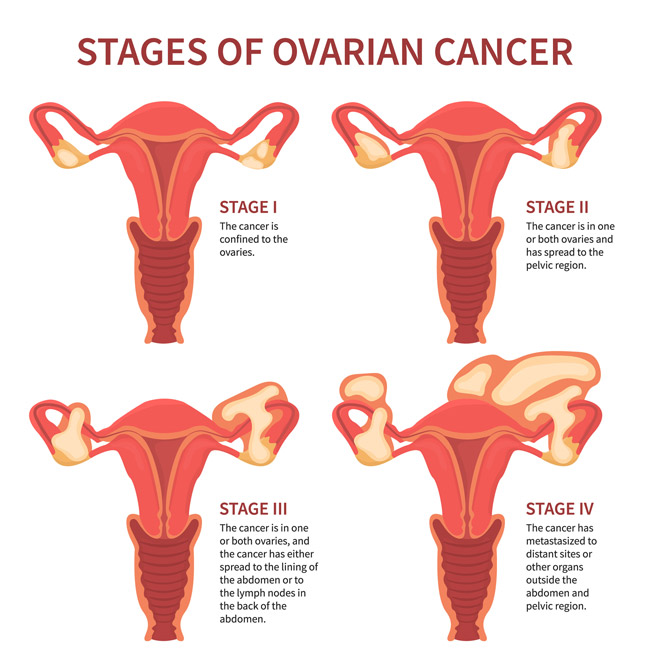
Ovarian cancer often goes undetected until it has spread within the pelvis and abdomen. At this late stage, ovarian cancer is more difficult to treat, just like most other cancers in late stages as well, and is unfortunately frequently fatal. Early-stage ovarian cancer, in which the disease is confined to the ovary, is more likely to be treated successfully.

Early-stage ovarian cancer rarely causes any symptoms. Advanced-stage ovarian cancer may cause few and nonspecific symptoms that are often mistaken for more common benign conditions, such as constipation or irritable bowel.

Signs and symptoms of ovarian cancer may include and don’t ever ignore them:

  • Abdominal bloating or swelling
  • Quickly feeling full when eating
  • Weight loss
  • Discomfort in the pelvis area
  • Changes in bowel habits, such as constipation or diarrhea
  • A frequent need to urinate (urgency including difficulty to void)
  • Increased Abdominal Size
  • Painful Sex
  • Heavy menstrual bleedingWhen to see a doctorIf you have a family history of ovarian cancer or breast cancer, talk to your doctor about your risk of ovarian cancer. Your doctor may refer you to a genetic counselor to discuss testing for certain gene mutations that increase your risk of breast and ovarian cancers. Only a small number of women are found to have genetic mutations that can lead to ovarian cancer.
  • Certain factors may increase your risk of ovarian cancer:
  • Make an appointment with your doctor if you have any signs or symptoms that worry you. 

Risk Factors:

  • Age. Ovarian cancer can occur at any age but is most common in women ages 50 to 60 years.
  • Inherited gene mutation. A small percentage of ovarian cancers are caused by an inherited gene mutation. The genes known to increase the risk of ovarian cancer are called breast cancer gene 1 (BRCA1) and breast cancer gene 2 (BRCA2). These genes were originally identified in families with multiple cases of breast cancer, which is how they got their names, but women with these mutations also have a significantly increased risk of ovarian cancer.
  • The gene mutations that cause Lynch syndrome, which is associated with colon cancer, also increase a woman’s risk of ovarian cancer.
  • Estrogen hormone replacement therapy, especially with long-term use and in large doses.
  • Age when menstruation started and ended. If you began menstruating before age 12 or underwent menopause after age 52, or both, your risk of ovarian cancer may be higher.
  • Never being pregnant.
  • Fertility treatment.
  • Smoking.
  • Use of an intrauterine device.
  • Polycystic ovary syndrome.  In years past ovarian cancer used to be call  the silent killer but it’s really not completely silent, at least in some patients.  You shouldn’t ignore your symptoms!


QUOTE FOR MONDAY:

“Influenza (flu) is a potentially serious disease that can lead to hospitalization and sometimes even death. Everyone 6 months and older in the United States, with rare exception, should get a flu vaccine every season. Flu vaccination has been shown to have many benefits including reducing the risk of flu illnesses, hospitalizations and even the risk of flu-related death. All flu vaccines in the United States will be trivalent (three component) vaccines beginning with the 2024-2025 season. For people 65 years and older, there are three flu vaccines that are preferentially recommended.

Influenza (flu) is a potentially serious disease that can lead to hospitalization and sometimes even death. Every flu season is different, and flu can affect people differently, but during typical flu seasons, millions of people get flu, hundreds of thousands of people are hospitalized and thousands to tens of thousands of people die from flu-related causes. Flu can mean a few days of feeling bad and missing work, school, or family events, or it can result in more serious illness.  The flu vaccine can prevent this from happening.”

Center for Disease Control and Prevention – CDC (Key Facts About Seasonal Flu Vaccine | Influenza (Flu) | CDC)