




National Blood Donor Month-Know the facts on Blood donating and why it is so vital to be done throughout world!

January is National Blood Donor Month, a time to celebrate generous volunteer donors and raise awareness for the need for blood donations.  The purpose is to raise awareness about the vital importance of blood donation. Every drop counts and every donor is a hero.

It began in 1970 when President Richard Nixon made an historic proclamation. During this special month, we encourage all those impacted by the lifesaving power of blood donation to come together to honor and celebrate the incredible generosity of America’s voluntary blood donors.

According to the American Red Cross, winter is “one of the most difficult times of year to collect enough blood products to meet patient needs.” That’s because of, among other things, busy holiday schedules and bad weather often resulting in canceled blood drives. Furthermore, seasonal illnesses such as the flu force potential donors to forgo their blood donations.

That’s just one of the reasons that National Blood Donor Month, which has taken place each January since 1970, is such an important observance. Donating blood saves many lives and improves health for many people. According to the World Health Organization, “blood is the most precious gift that anyone can give to another person — the gift of life. A decision to donate your blood can save a life.”

Did you know these facts? Seek below:

1. About 36,000 units of red blood cells and 7,000 units of platelets are needed every single day in the U.S.

2. A single-car accident victim may need up to 100 pints of blood to survive.

3. 38% of our population is eligible to donate, but less than 10% actually do.

4. A single donation from a single patient can help more than one person.

5. The most requested blood type by hospitals is type O. This kind of blood can be transfused to patients of all blood types, so it’s always in great demand and very short supply. Only 7% of people in the U.S. have type O.

6. About 6.8 million people donate blood every year in the U.S.

7. Donating blood is a simple, safe process. All you have to do is register, take a mini-medical history test, donate, and then accept free refreshments like water, Gatorade, granola bars, etc.

Ohio University states the following 2/19/25:

“The Ohio State Wexner Medical Center, a large academic health center that sees about 65,000 patient admissions each year, needs about 5,000 blood products each month, Scrape says.

“That’s about six to seven blood products every hour of every day.”

In the United States, about 29,000 units of red blood cells are needed each day, according to the American Red Cross.

Unfortunately, only about 3% of age-eligible Americans donate each year.

Give blood. Don’t wait for a disaster. Someone needs blood now! Contact the American Red Cross or your local blood bank for more information.


QUOTE FOR THURSDAY:

“We all know the feeling – you get the little twitch in your nose that won’t go away. You may wipe or itch your nose, but you don’t find relief until you let out a big ACHOO.

We all sneeze. It is just your body’s natural way of clearing out debris from the nose. While most people only sneeze a few times a day, there are other factors that could contribute to a change in your sneezing habits explains Frederick Yoo, M.D., an otolaryngologist and sinus surgery specialist at Henry Ford Health.

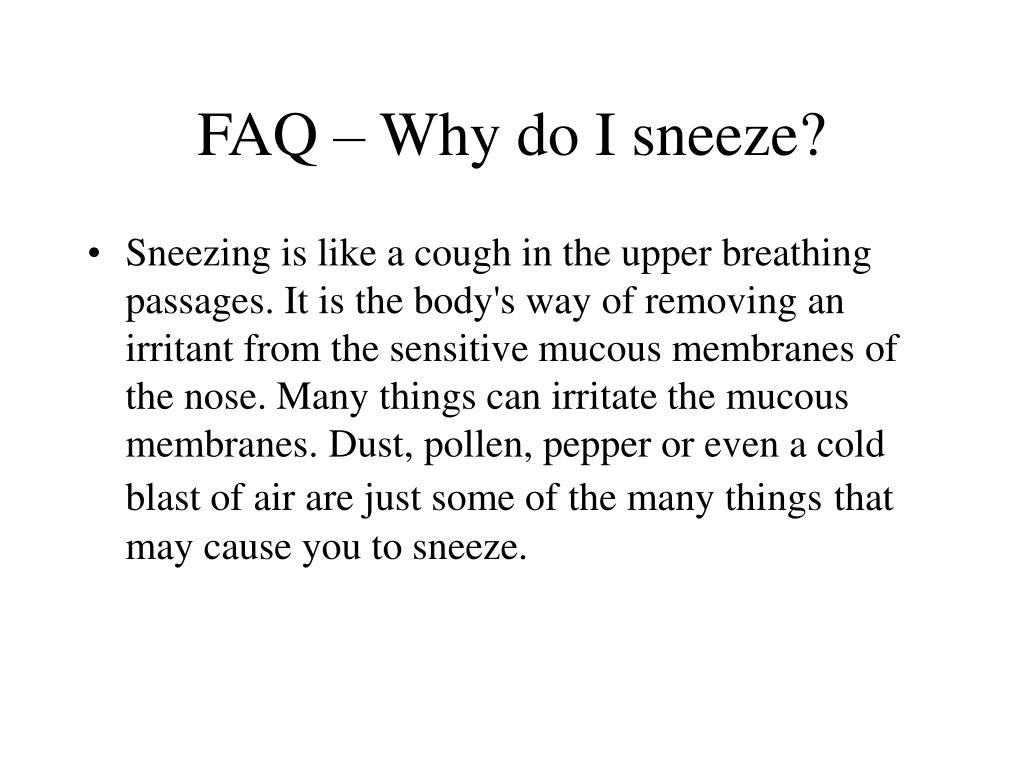
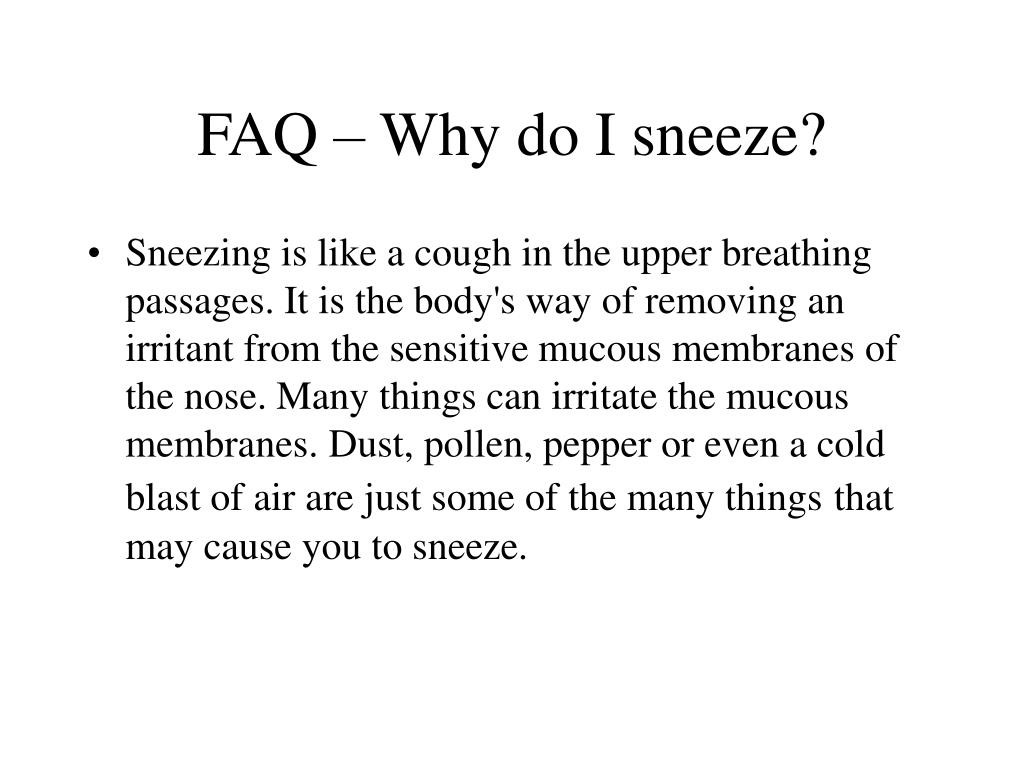
“Sneezing is often triggered by irritant to the nose,” says Dr. Yoo. “Your trigeminal nerve is a large nerve with branches to different parts of the face and irritation, from allergens, objects in the nose, boogers and mucus, of this nerve in the nose triggers the body to sneeze.”

Henry Ford Health (Why Do I Sneeze So Much? An ENT Expert Explains | Henry Ford Health – Detroit, MI)

Why the human sneezes multiple times including causes, common questions about sneezing and when to consult your M.D!

Understanding the sneeze reflex:

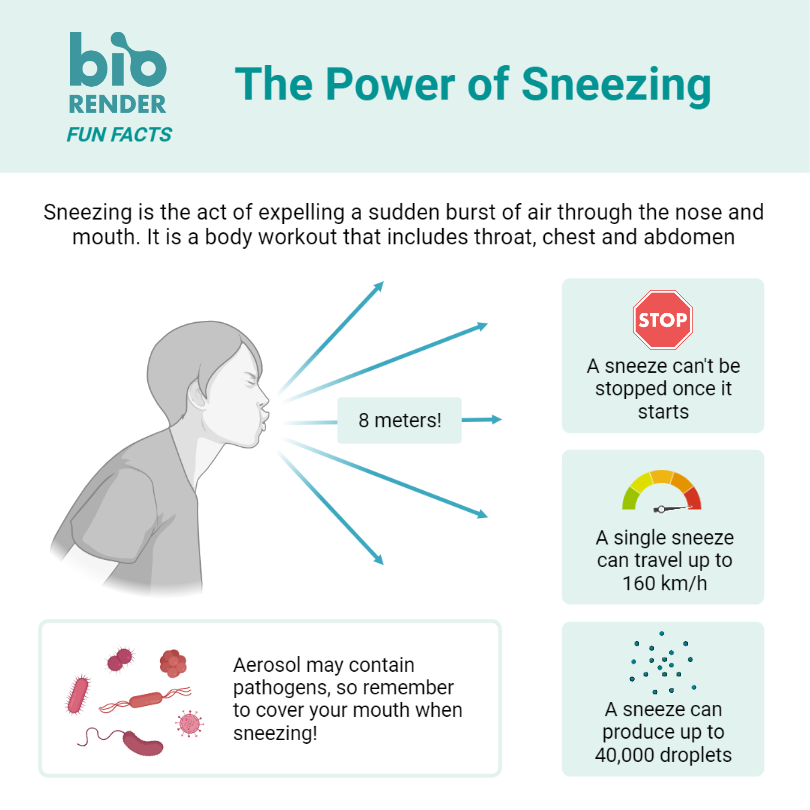
Sneezing is a natural, involuntary reflex that protects the body. While a single sneeze effectively clears irritants, many people experience multiple sneezes in a row. This article explores the reasons behind consecutive sneezes.

The sneeze reflex is a process that expels foreign particles from the nasal passages. It begins when irritants, such as dust, pollen, or strong odors, stimulate nerve endings in the nose. These nerve signals quickly travel to the brainstem.

Upon receiving these signals, the brainstem triggers a rapid, coordinated response involving various muscles. Air is forcefully expelled from the lungs, clearing the nasal passages of irritants through both the nose and mouth.

Why You Sneeze Multiple Times:

Experiencing several sneezes in a row indicates the body is thoroughly clearing its nasal passages. If the initial sneeze does not completely remove the irritant, the reflex will repeat until the nasal lining is free of the foreign particles. This persistent irritation can be caused by a cluster of dust particles or a stubborn allergen.

Allergies are a frequent cause of sequential sneezing, as the body reacts to allergens like pollen, pet dander, or dust mites. Allergic reactions lead to sustained inflammation and irritation within the nasal membranes. The repeated sneezes are the body’s continued attempt to expel these pervasive allergens, often resulting in prolonged sneezing episodes.

Common Causes of Sneezing:

  1. AllergiesAllergic reactions to substances such as pollen, dust mites, pet dander, and mold can cause your   immune system to overreact, leading to a sneeze reflex as defense mechanism. 

  2. InfectionsViral infections, such as the common cold and flu, which irritate the nasal lining, resulting in sneezing along with other symptoms like congestion and coughing. 

  3. Environmental IrritantsDust, smoke, strong odors, and lastly chemical fumes can irritate the nasal passages, prompting sneeze reflex to clear these irritants. 

  4. Temperature ChangesSudden changes in temperature, for example moving from warm environment to cold air, can stimulate what we call nasal nerves and trigger sneezing. 

  5. Photic Sneeze ReflexSome individuals experience sneezing when exposed to bright light, phenomenon known as photic sneeze reflex and it may be genetic. 

  6. Other TriggersSneezing can also be caused by strong emotions, spicyfoods, or even after eating large meal (a phenomenon that is known as “snatiation”)

Common questions about sneezing:

Not all sneezes happen when foreign substances enter our nostrils. Sometimes, we find ourselves bracing for a sneeze’s impact at unusual moments.

Why do we close our eyes when we sneeze?

Closing your eyes is a natural reflex your body has each time you sneeze. Despite common lore, leaving your eyes open while you sneeze will not cause your eyes to pop out of your head.

Why do we sneeze when we’re sick?

Just like our body tries to clear house when a foreign substance enters the body, it also tries to eliminate things when we’re sick. Allergies, the flu, a common cold — they can all cause a runny nose or sinus drainage. When these are present, you may experience more frequent sneezing as the body works to remove the fluids.

Why do we sneeze when we have allergies?

Dust stirred up while cleaning may make anyone sneeze. But if you are allergic to dust, you may find yourself sneezing more often when you clean because of how frequently you come into contact with dust.

The same is true for pollen, pollution, dander, mold, and other allergens. When these substances enter the body, the body responds by releasing histamine to attack the invading allergens. Histamine triggers an allergic reaction, and symptoms include sneezing, runny eyes, coughing, and runny nose.

Why do we sneeze when looking at the sun?

If you walk out into the day’s bright sun and find yourself close to a sneeze, you’re not alone. According to the National Institutes of Health Trusted Source, the tendency to sneeze when looking at a bright light affects up to one third of the population. This phenomenon is known as photic sneeze reflex or solar sneeze reflex.

Why do some people sneeze multiple times?

Researchers aren’t sure why some people sneeze multiple times. It may be a sign that your sneezes aren’t quite as strong as a person who only sneezes once. It could also be a sign that you have ongoing or chronic nasal stimulation or inflammation, possibly as a result of allergies.

Can orgasms cause sneezes?

Indeed, it’s possible. ResearchersTrusted Source have discovered that some people sneeze when they have sexual thoughts or when they orgasm. It’s not clear how the two things are connected.

When to consult your doctor:

While occasional multiple sneezes are normal, certain symptoms warrant medical attention. Consult a doctor if sneezing is accompanied by a high fever, difficulty breathing, or chest pain. Unusual nasal discharge also signals a need for evaluation.

Seeking medical advice is also appropriate if sneezing becomes severe enough to disrupt daily life, including sleep or work activities. A sudden onset of new, severe sneezing without clear environmental triggers should also be investigated. If repeated sneezing suggests undiagnosed or poorly managed allergies, a doctor can provide proper diagnosis and treatment options.

QUOTE FOR WEDNESDAY:

“Traumatic brain injury usually results from a violent blow or jolt to the head or body. An object that goes through brain tissue, such as a bullet or shattered piece of skull, also can cause traumatic brain injury.

Mild traumatic brain injury may affect your brain cells temporarily. More-serious traumatic brain injury can result in bruising, torn tissues, bleeding and other physical damage to the brain. These injuries can result in long-term complications or death”

MAYO Clinic (Traumatic brain injury – Symptoms and causes – Mayo Clinic)

Part II Total Brain Injury – National Winter Sports Month Awareness!

  xte head tackle CTE5

CTE 5cte hockey

CTE7 CTE 6

CTE6 CTE9


Part II reviews Concussion-The symptoms/grade levels/diagnostic tooling with treatment and  CTE=Chronic Traumatic Encephalopathy

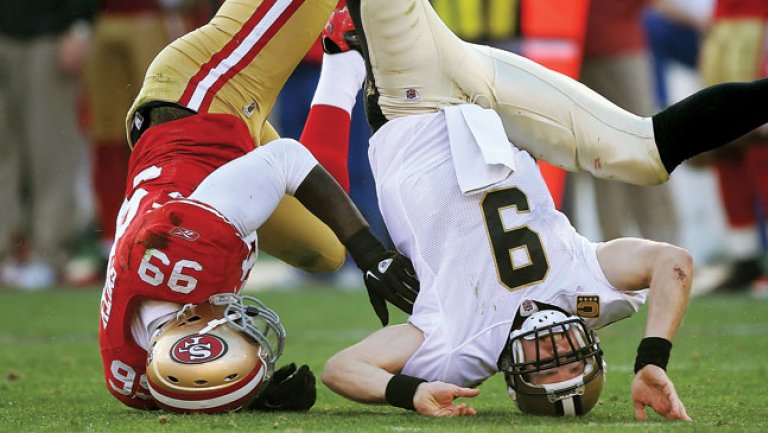
 The signs and symptoms you may see indicating a concussion aren’t immediately present where in other situations observed immediately; it depends on the impact of the hit to the brain and location. Concussions are fairly common. Some estimates say a mild brain trauma is sustained every 21 seconds in the U.S. But it’s important to recognize the signs of a concussion so you can take the proper steps to treat the injury.

There are some common physical, mental, and emotional symptoms a person may display following a concussion. Any of these could be a sign of traumatic brain injury: confusion or feeling dazed/clumsiness/slurred speech/nausea or vomiting /headache /balance problems or dizziness /blurred vision/sensitivity to light/sensitivity to noise/sluggishness/Tinnitis – ringing in the ears/behavior or personality changes/concentration difficulties/memory loss.

Concussions are graded as mild (grade 1), moderate (grade 2), or severe (grade 3), depending on such factors as loss of consciousness, amnesia, and loss of equilibrium.

-Grade 1 concussion symptoms last for less than 15 minutes. There is no loss of consciousness.

-Grade 2 concussion there is no loss of consciousness but symptoms last longer than 15 minutes.

-Grade 3 concussion the person loses consciousness, sometimes just for a few seconds.

The seriousness of a concussion dictates what kind of treatment you should get. Most people with concussions fully recover with appropriate treatment. But because a concussion can be serious, safeguarding the person who got the concussion is important.   Seek medical attention. A health care professional can decide how serious the concussion is and whether you require treatment or not.

If you have suffered a grade 1 or grade 2 concussion, wait until symptoms are gone before returning to normal activities. That could take several minutes, hours, days, or even a week but still see a MD to know the level for sure.

If you have sustained a grade 1,2, or 3 concussion, see a doctor immediately for observation and treatment since most people don’t know the different levels or what level they have had. A doctor will be able to tell all through diagnostic tooling.  The M.D. will need to know details about how the concussion even happened including the symptoms you or the patient is having.   The doctor asks simple common questions to evaluate memory and concentration skills (your name, the present year, where you are, etc…).

REGARDING DIAGNOSTIC TOOLING:

The doctor may test coordination and reflexes, which are both functions of the central nervous system. The doctor may also order a CT scan or an MRI to rule out bleeding or other serious brain injury especially if he feels it was a grade 3 concussion.

If hospitalization is not required, the doctor will provide instructions for recovery. Aspirin-free medications may be prescribed and you will be advised to take it easy. Experts recommend follow-up medical attention within 24 to 72 hours if symptoms worsen.

  • Take a break. If your concussion was sustained during athletic activity, stop play and sit it out. Your brain needs time to properly heal, so rest is key. Definitely do not resume play the same day. Athletes and children should be closely monitored by coaches upon resuming play. If you resume play too soon, you risk a greater chance of having a second concussion, which can compound the damage. The American Academy of Neurology has issued guidelines about resuming activities after a concussion.
  • Guard against repeat concussions. Repeat concussions cause cumulative effects on the brain. Successive concussions can have devastating consequences, including brain swelling, permanent brain damage, long-term disabilities, or even death. Don’t return to normal activities if you still have symptoms. Get a doctor’s clearance so you can return to work or play with confidence.

Can I Prevent a Concussion?

NO, since normally a concussion is unexpected, so it is tough to prevent. But there are several common-sense precautions you can take to lessen the possibility of traumatic brain injury.  What you can do is PREVENTION by wearing proper protective equipment in high contact sports from football to hockey to boxing and even soccer (all increase the chance of a concussion).  Bicycling, skateboarding, horseback riding to roller blading all can be a threat of a concussion due to a fall to the head.  Wear head gear, padded guards for knees/elbows and even mouth gear or eye guards especially in racquet ball.  Believe it or not a bike helmet can lower the risk of traumatic head injury by 85%. Ensure that the equipment is properly fitted, well maintained, and worn consistently.

For athletes and non athletes, always wear a seatbelt, obey posted speed limits, and don’t use drugs or alcohol, don’t be foolish texting or using the cell phone while driving because they can impair reaction time. Obviously, don’t fight to cause a blow to your head from occuring, and more males than females report traumatic head injuries.

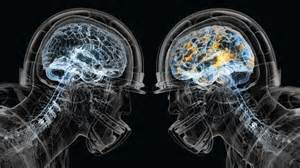
Look what can happen after repeated blows done to the head over a long time – Chronic traumatic encephalopathy (CTE) is a form of encephalopathy that is a progressive degenerative disease, which can currently only be definitively diagnosed postmortem.  Let us look at the meaning of the word actually in medical terminology=Chronic (meaning over a period of a long time) Traumatic (meaning the blows to the head) Encephalopathy (swelling of the brain definitely is a part of what happens but in all types of encephalopathy there is a brain malfunction.  Know there are over 150 different terms that modify or precede “encephalopathy” in the medical literature.

In March 2014, researchers announced the discovery of an exosome particle created by the brain which has been shown to contain trace proteins indicating the presence of the disease  Baseline testing has been created to assess potential cognitive impairment in athletes in contact sports, but a test to determine the presence of CTE while the person is alive and a conventional postmortem diagnosis is not yet available.

The disease was previously called dementia pugilistica (DP), i.e. “punch-drunk”, as it was initially found in those with a history of boxing. CTE has been most commonly found in professional athletes participating in American football, Association football, ice hockey, professional wrestling and other contact sports who have experienced repetitive brain trauma. It has also been found in soldiers exposed to a blast or a concussive injury, in both cases resulting in characteristic degeneration of brain tissue and the accumulation of tau protein. Individuals with CTE may show symptoms of dementia, such as memory loss, aggression, confusion and depression, which generally appear years or many decades after the trauma.

CTE is a progressive degenerative disease of the brain found in people with a history of repetitive brain trauma, including symptomatic concussions as well as sub-concussive hits to the head that do not cause symptoms. In the case of blast injury, a single exposure to a blast and the subsequent violent movement of the head in the blast wind can cause the condition.  Look at the perfect example of who this happened to that most of Americans know or heard about what the famous boxer Muhammed Ali.

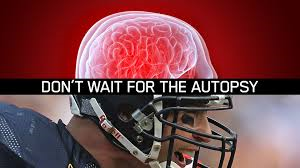
Unfortunately chronic traumatic encephalopathy (CTE) at this time can only be diagnosed 100% after death. Below is a list of confirmed cases of CTE and the breakdown by sport. It should be noted that this is a small list compared to doctors understanding of the problem of CTE and the many undiagnosed cases. Through the work of the Center of the Study of Traumatic Encephalopathy researchers have been successful in securing donations of professional athletes brains after death for further study so researchers can better understand CTE and how to better prevent it. Many on this list were identified this way.

Professional Football Players:

  • John Grimsley – Houston Oilers, Miami Dolphins – February 2008 (45) – Case Study
  • Chris Henry – Cincinnati Bengals – December 2009
  • Dave Duerson – Chicago Bears – Suicide – February 17th, 2011 (50)
  • Lew Carpenter – Detroit Lions, Clevelend Browns, Green Bay Packers – November 14th, 2010 (78)
  • Lou Creekmur – Detroit Lions (NFL Hall of Fame) – July 5th, 2009 (82) – Case Study
  • Shane Dronett – Denver Broncos, Detroit Lions, Atlanta Falcons – January 12, 1971 Floyd Patterson

Professional Boxers:

Bobby Chacon/Jerry Quarry/Mike Quarry/Wilfred Benitez/Emile Griffith/Willie Pep/Sugar Ray Robinson/Billy Conn/Joe Frazier/Muhammad Ali (suspected)

How many non professionals have been injured due to TBI’s  with not any better.  We know now and are taking action in awareness to the public to decrease the occurrences of these brain injuries from happening!  Help the community with awareness too!!

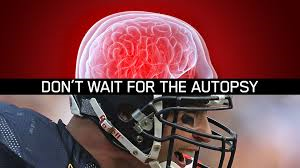
If you notice in most of my articles there is a key to prevention in getting a illness or disease.  Start taking the step towards prevention and not waiting till it happens especially CTE since the symptoms tell the M.D. the patient has high probability of the disease but can’t be actually 100% diagnosed till death in the morgue.

SO TAKE THE STEP IN MAKING A CONCUSSION NOT HAPPEN=PREVENTION, it is so simple.  Which decreases the chance of dementia, memory loss, depression from repeated blows to the head. PROTECT YOURSELF!
CTE 3

You may not be happy with the results especially if the cause of death was hemmorage in the brain!


QUOTE FOR TUESDAY:

“Alison Datoc

Concussion Care

“Winter Sports and Concussion: Protecting Your Brain This Season

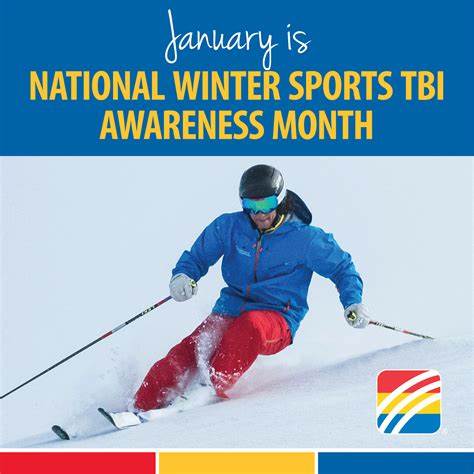
January is National Winter Sports Traumatic Brain Injury (TBI) Awareness Month, a timely reminder to think about brain safety while enjoying the slopes, trails, and ice. Winter sports like skiing, snowboarding, ice skating, hockey, and others offer physical and mental health benefits, but they also carry a risk of concussion.

How Common Are Concussions in Winter Sports?

Traumatic brain injuries are common serious injuries associated with winter sports. Research suggests that up to 47% of injuries sustained during skiing or snowboarding involve a TBI, most often a concussion.

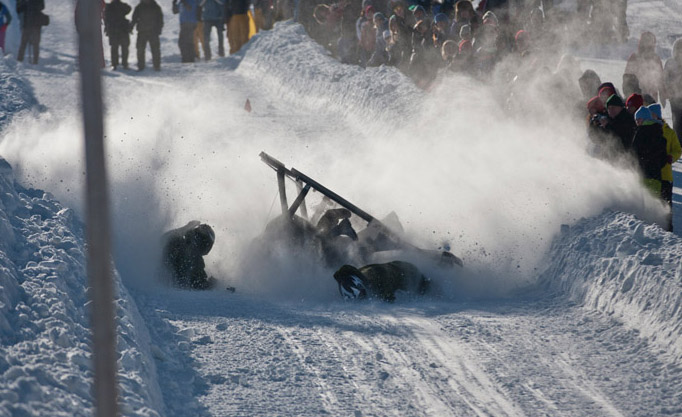
Falls are the most common mechanism of injury, though collisions with trees, fixed objects, or other people also frequently occur. Notably, concussions can occur even without loss of consciousness or without a direct hit to the head, making them easy to overlook.

Why Helmets Matter

Wearing a helmet is one of the most effective ways to reduce the risk of head injury. Studies show that helmets can significantly reduce the risk of head injury in skiing and snowboarding. While helmets cannot prevent all concussions, they significantly lower the risk of more severe brain injuries such as skull fractures or intracranial bleeding.

To be effective, helmets should be:

  • Certified for the appropriate sport/ activity
  • Properly fitted (snug, level, and secured)
  • Replaced after any significant impact or visible damage

Other Ways to Reduce Concussion Risk

Beyond helmets, simple habits can help reduce the risk of concussion:

  • Stay hydrated: Dehydration can worsen fatigue, dizziness, and reaction time (especially at altitude).
  • Know your limits: Fatigue increases fall risk, particularly late in the day.
  • Follow slope rules: Stay in bounds, obey posted signage, and remain aware of others around you.
  • Watch conditions: Icy or low-visibility conditions raise injury risk.

Horizon Neuropsychological Services (Winter Sports and Concussion: Protecting Your Brain This Season – Horizon Neuropsychological Services)

Part I Total Brain Injury – National Winter Sports Month Awareness!


National Winter Sports TBI Awareness Month, observed in January, is a time to increase awareness of winter sports TBIs, promote the need for a cure after a traumatic brain injury, and spur advocacy on behalf of those suffering with the emotional, financial and physical burden of TBI injuries.

National Winter Sports TBI Awareness Month calls attention to the fact that, although sports injuries contribute to fatalities infrequently, the leading cause of death from sports-related injuries is traumatic brain injury. Sports and recreational activities contribute to about 21 percent of all traumatic brain injuries among American children and adolescents.

National Winter Sports TBI Awareness Month is a public health and awareness campaign for highlighting the dangers of traumatic brain injury and the importance for taking precautionary measures when engaging in winter sports like skating, tobogganing and skiing. TBI stands for Traumatic Brain Injury which is a common result of injuries that involve the head. Every year, there are approximately 1.7 million head injuries in the United States according to the American Physical Therapy Association. More importantly, about 52,000 people die every year due to TBI. It is commonly caused by falling or crashing into another person or objects while skiing or skating. Many of these accidents lead to head injuries like concussions and traumatic brain injury.

The awareness campaign exists because TBI is usually misdiagnosed which often causes complications or the death of the patient. Thus, it is important to spread knowledge of the symptoms among medical professionals and the public. These symptoms may be experienced immediately after the accident or days/weeks thereafter.

Purpose of National Winter Sports TBI Awareness Month

The Johnny O Foundation and others like it try to raise awareness of the health risks (specifically concussions and traumatic brain injuries) ordinary individuals and athletes face when they participate in winter sports. It also highlights sports safety and preventive measures for avoiding concussions and TBIs. The main goal of the public awareness campaign is to reduce TBIs in the country.

Here are simple tips for preventing head injuries when participating in winter sports:

  • Wear approved, properly fitted and well-maintained safety equipment like helmets
  • Stipulate safety rules like no direct hits to the head or other dangerous play
  • Encourage safe playing techniques and encourage individuals to strictly follow rules of play during winter sports activities

It is also important to take immediate action in case of suspected concussion. Here are the steps that should be taken when a concussion is suspected during winter sports activities:

  • The first step is to remove the individual from play.
  • Make sure that he/she is evaluated by an experienced medical care professional in the evaluation of concussions.
  • Inform the family/friends of the individual regarding the possibility of a concussion and give them informative materials about concussions.
  • Keep the individual out of play until he/she has been thoroughly evaluated by an experienced medical care professional and given permission to return to play.

Conclusion

National Winter Sports TBI Awareness Month is a reminder of the dangers of winter sports and the possibility of TBIs and other injuries. For such reason, it is very important to keep safety in mind and take the necessary precautions to minimize the risk of TBIs and concussions. It is also very important to be aware of the symptoms of a concussion and closely supervise someone who is suspected of a concussion or TBI.

QUOTE FOR MONDAY :

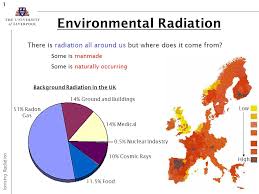
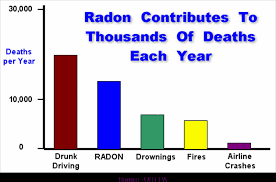
You can’t see, smell or taste radon, but it could be present at a dangerous level in your home. Radon is the leading cause of lung cancer deaths among nonsmokers in America and claims the lives of about 21,000 Americans each year. In fact, the EPA and the U.S. Surgeon General urge all Americans to protect their health by testing their homes, schools and other buildings for radon.

Exposure to radon is a preventable health risk and testing radon levels in your home can help prevent unnecessary exposure. If a high radon level is detected in your home, you can take steps to fix the problem to protect yourself and your family.

  1. Test your home – EPA and the U.S. Surgeon General recommend that all homes in the U.S. be tested for radon. Testing is easy and inexpensive.
    • Learn more about testing your home, including how to obtain an easy-to-use test kit.
  2. Attend a National Radon Action Month event in your area –
  3. Spread the word
  4. Spend time during National Radon Action Month encouraging others to learn about radon and test their homes.
  5. Buy a radon-resistant home”

United Stated Environmental Protection Services EPA (National Radon Action Month Information | US EPA)

Part II January National Radon Month

National Radon Month3  National Radon Month5

Four Things You Can Do During National Radon Action Month:

1-Test your home –

EPA and the U.S. Surgeon General recommend that all homes in the U.S. be tested for radon.  Testing is easy and inexpensive.

Learn more about testing your home, including how to obtain an easy-to-use test kit.

2-Attend a National Radon Action Month event in your area –

Look for radon events in your community.

3-Spread the word –

Spend time during National Radon Action Month encouraging others to learn about radon and test their homes.

Tell your family and friends about the health risk of radon.  Encourage them to test their homes.

Plan an activity in your community to help raise awareness.

Write an op-ed or letter to the editor using samples from the event planning resources.

Attract media attention by working with a local official to get a radon proclamation.

View or order EPA’s free radon publications.

4-Buy a radon-resistant home –

– If you are considering buying a new home, look for builders who use radon-resistant new construction. Read more about radon-resistant new construction, “Building Radon Out: A Step-by-Step Guide to Build Radon-Resistant Homes“.

Build Green: It’s Easy to Build New Homes Radon-Resistant …”The good news is you can build your customers a safer, healthier, radon-resistant home. The techniques to prevent radon from entering a home are practical and straightforward for any builder. It’s an inexpensive way to offer families a benefit that could reduce their risk of lung cancer. And it’s a smart way to build trust between you and your customer.”  Fuad Reveiz, Member of the National Association of Home Builders.

5 WAYS YOU CAN PARTICIPATE:

 Promote radon risk reduction during National Radon Action Month and throughout the year.

Set a bold goal for your community to reduce radon risk.  Whether you are conducting a single National Radon Action Month event, or developing an entire radon risk reduction program for your community, it is important to set goals to define what you will achieve.

Collaborate with local radon partners.  Coordinate with your state radon program and local radon professionals to hold events and measure results.

Plan a National Radon Action Month activity or event to kick off your campaign.  Conduct activities and events designed to raise awareness, recognize successful efforts and share best practices. Set goals and establish ways to measure results from your activities and events.

An excellent way to get your entire community involved is the National Radon Poster Contest. Students ages 9-14 are encouraged to create posters that raise radon awareness. Entries will be accepted from March through October from students in all U.S. states, tribal nations and U.S. territories.

Visit to Kansas State University National Radon Services for more information about this year’s contest and how you can get involved.

Promote your activity or event on EPA’s Web site and elsewhere. Use tools such as blogs and the Share Your Story feature on Radonleaders.org to promote your activities and share outreach ideas with the broader radon community.

Work with the media to spread your message.  Work with your local media outlets to run Public Service Announcements (PSAs) and generate media coverage of radon topics, events and activities in your community.

QUOTE FOR THE WEEKEND:

January is Radon Action Month, the perfect time to check if your home is safe from radon; a colorless, odorless radioactive gas that naturally occurs from the breakdown of uranium in soil, rock, and water. Radon is also one of the leading yet lesser-known causes of lung cancer. Unfortunately, radon can seep into homes and commercial buildings, exposing occupants to high levels of radon over time. This invisible threat can put your home and loved ones at risk.

Radon testing is the only way to determine if your home or business is exposed to elevated levels of this dangerous gas. According to the EPA, 1 in 15 U.S. homes have radon levels exceeding the recommended action level of 4.0 pCi/L. The EPA recommends considering mitigation for levels of 2.0 pCi/L or higher. In areas known for naturally high radon levels, such as Colorado, Pennsylvania, Iowa, and North Dakota, the risk is even higher.”

Radon.org (RADON ACTION MONTH – Radon.org)