Archive | November 2025

QUOTE FOR TUESDAY:

“Facts on Diabetes:

  • Total: 38.4 million people have diabetes (11.6% of the U.S. population)
  • Diagnosed: 29.7 million people, including 29.4 million adults
  • Undiagnosed: 8.7 million people (22.8% of adults with diabetes are undiagnosed)
  • 47.4% had an A1C value of 7.0% or higher. Specifically:
    • 22.9% had an A1C value of 7.0% to 7.9%.
    • 11.5% had an A1C value of 8.0% to 9.0%.
    • 13.0% had an A1C value higher than 9.0%.
  • 10.4% of adults aged 18–44 years had A1C levels of 10% or higher, compared to 9.4% of those aged 45–64 years and 2.6% of those aged 65 years or older.”

Center for Disease Control and Prevention (National Diabetes Statistics Report | Diabetes | CDC)

Part V Diabetes-DM Awareness Month: statistics, treatment, impact of cost & how to decrease DM in the US!


Diabetes is still common in the United States. From 1980 through 2011, the number of Americans with diagnosed diabetes has more than tripled as of 2011 (from 5.6 million to 20.9 million).

30.3 million – The number of people in the U.S. who had diabetes in 2022.  According to a the CDC’s most recent “National Diabetes Statistics Report” in 2023, an estimated 136 million adults in the United States are living with either diabetes or prediabetes.

Do you know how much it is costing in our country?  Its a combination of factors that has caused such and increase in the disease of Diabetes in the U.S.

Factors:

-Look how much our population has increased with fast food companies pushing the  unhealthy foods the sell in restaurants or food stores.

-Also people from other countries who permanently came into America becoming a citizen from 1980 to now and came in to the U.S. already eating poor OR picked up the bad habits of eating poor foods that the U.S. media pushes that is acceptable to enough by U.S. society (that just continues).  This factor is adding to the diabetic population whether they came in the U.S. with it or got it when coming to live in America.

-Than people born in the U.S. with family having a history of diabetes or worse parents who did not watch good eating habits when raising their children who got obese putting them at high risk for diabetes.

Ending line, these factors massively increased making the number of Diabetic Americans 3x higher since 1980.

-Than another factor is the illegals with diabetes also adds to the number of diabetic people in America; for they are not left out and are treated in hospitals with citizens of the U.S.  If they come to an ER in the U.S. we treat them.  Think of what the count is now with all these illegal people coming in the U.S. since the past 4 years with Former President Bidon and Harris in the office.

These factors all IMPACT an increase in the number of Diabetics in America!

Wake up America!  We need to get this disease under better control!  Diabetes increasing in the U.S. will not help disease overall in America!

Statistics:

That’s right. The metabolic condition is about as American as you can get, according to a the CDC’s most recent “National Diabetes Statistics Report” in 2023, an estimated 136 million adults in the United States are living with either diabetes or prediabetes, with the highest prevalence of diagnosed diabetes among American Indian/Alaskan Native adults, followed by non-Hispanic Black adults, Hispanic adults, non-Hispanic Asian adults, and then non-Hispanic White adults; the report also highlights disparities in diabetes prevalence based on socioeconomic factors like income and education level.

The report shows that nearly half of Americans have diabetes or prediabetes, which puts them at high risk for the condition. A good number of these folks haven’t been diagnosed and don’t even realize their predicament.

People with diabetes have too much sugar in their blood. If the disease isn’t controlled, they can wind up with heart disease, nerve damage, kidney problems, eye damage and other serious health problems.

That’s right. The metabolic condition is about as American as you can get, according to national report card on diabetes by the Centers for Disease Control and Prevention.

There are 2 types of Diabetes:

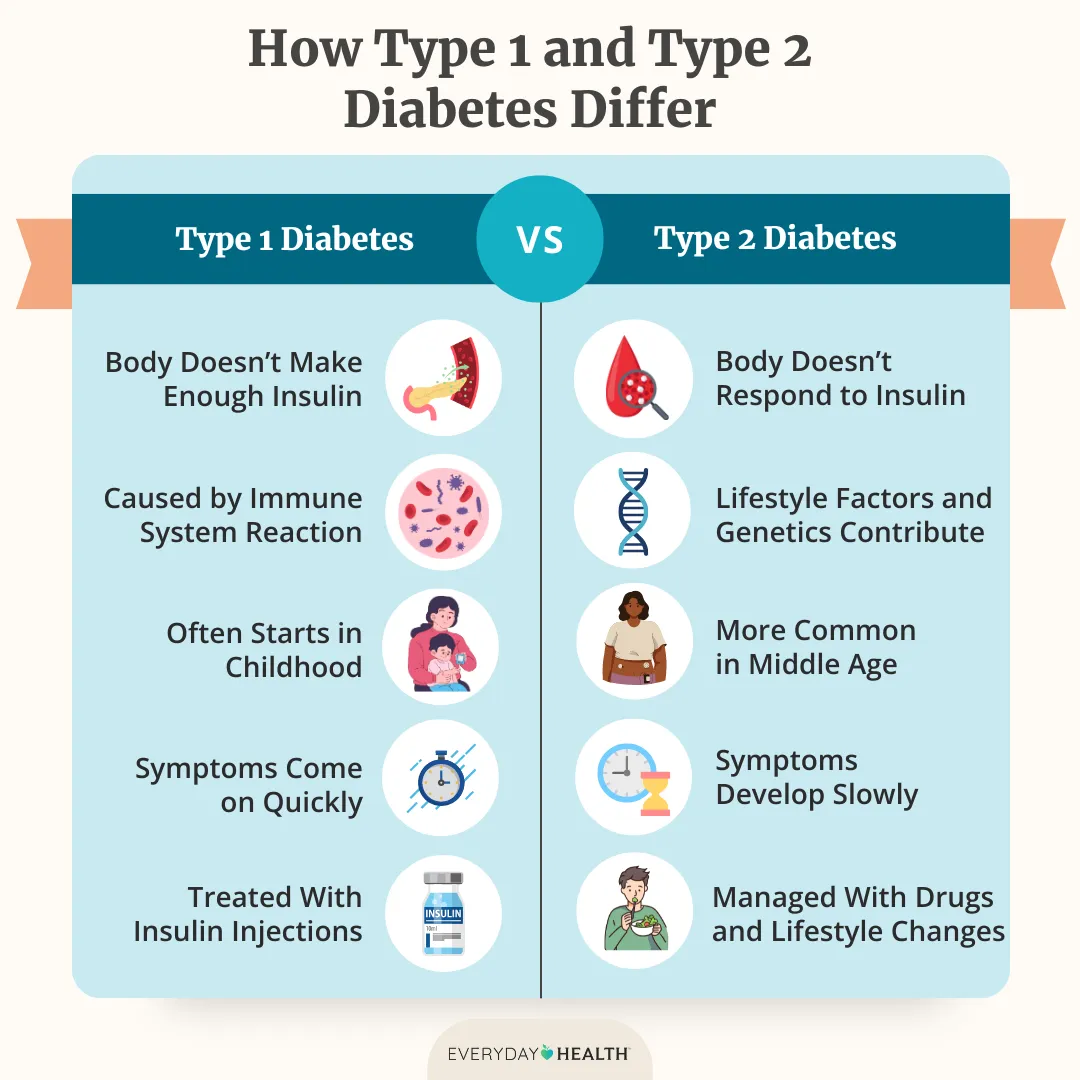
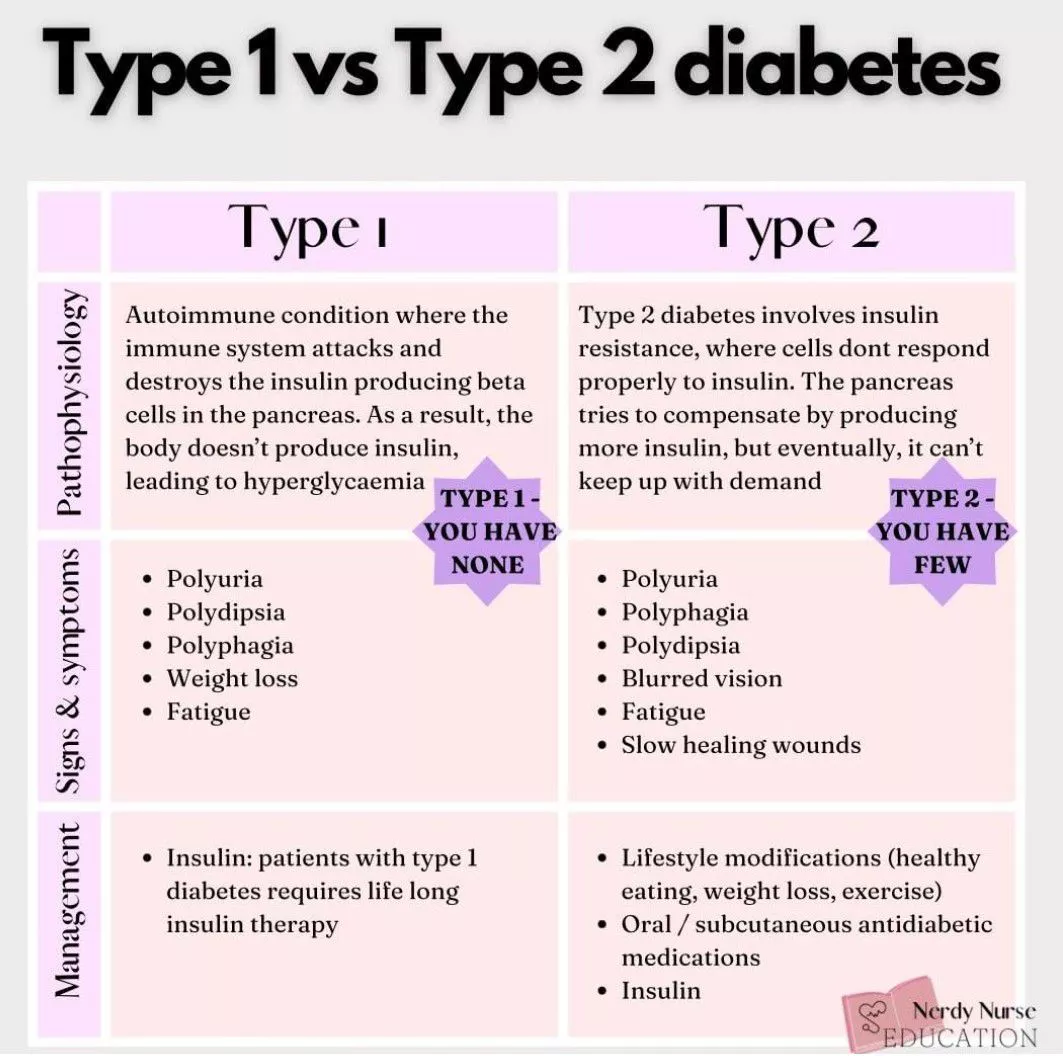
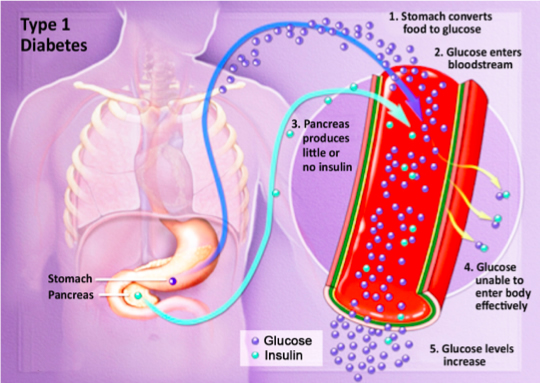
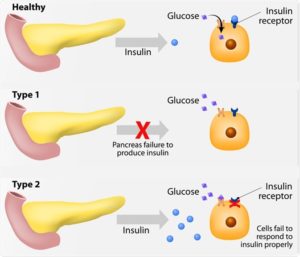
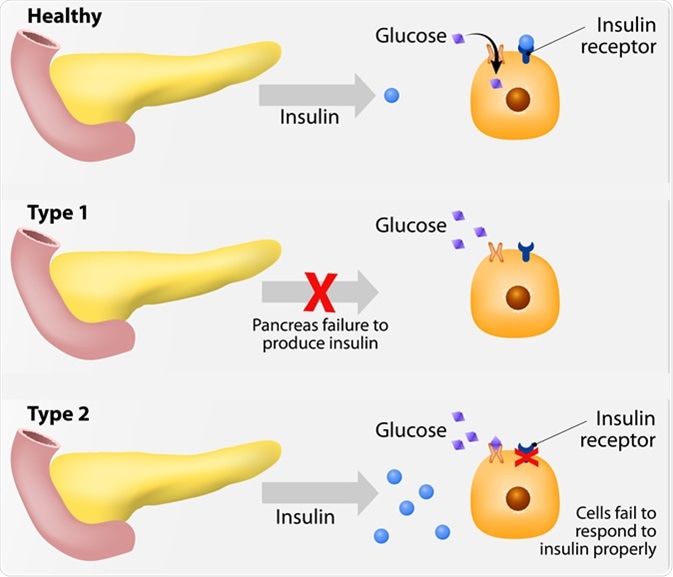
Type 1 diabetes was previously called insulin-dependent mellitus (IDDM) or juvenile-onset diabetes. This type of diabetes happens when the immune system ends up destroying beta cells in the body that come from our pancreas and they are the only cells in the human body that make the hormone INSULIN the regulates your glucose. Insulin allows glucose to transfer into the cells and tissues of our body to give them their energy to do their job in the body and nutrition to work properly=sugar-glucose. To live with this diabetes the person must have their insulin delivered by injection or a pump. This form of diabetes usually occurs in children or young adults but can occur at any age.

Type 2 diabetes was called non-insulin dependent diabetes mellitus (NIDDM) or adult-onset diabetes. In adults, type 2 diabetes accounts for about 90-95% of all diagnosed cases of diabetes. It usually begins as insulin resistance, a disease in which the cells do not use insulin properly due to the pancreas not making enough or the pancreas not secreting the correct form o of insulin to do its function. Ending line the insulin isn’t working properly. As the need for insulin rises, the pancreas gradually loses its ability to produce it.

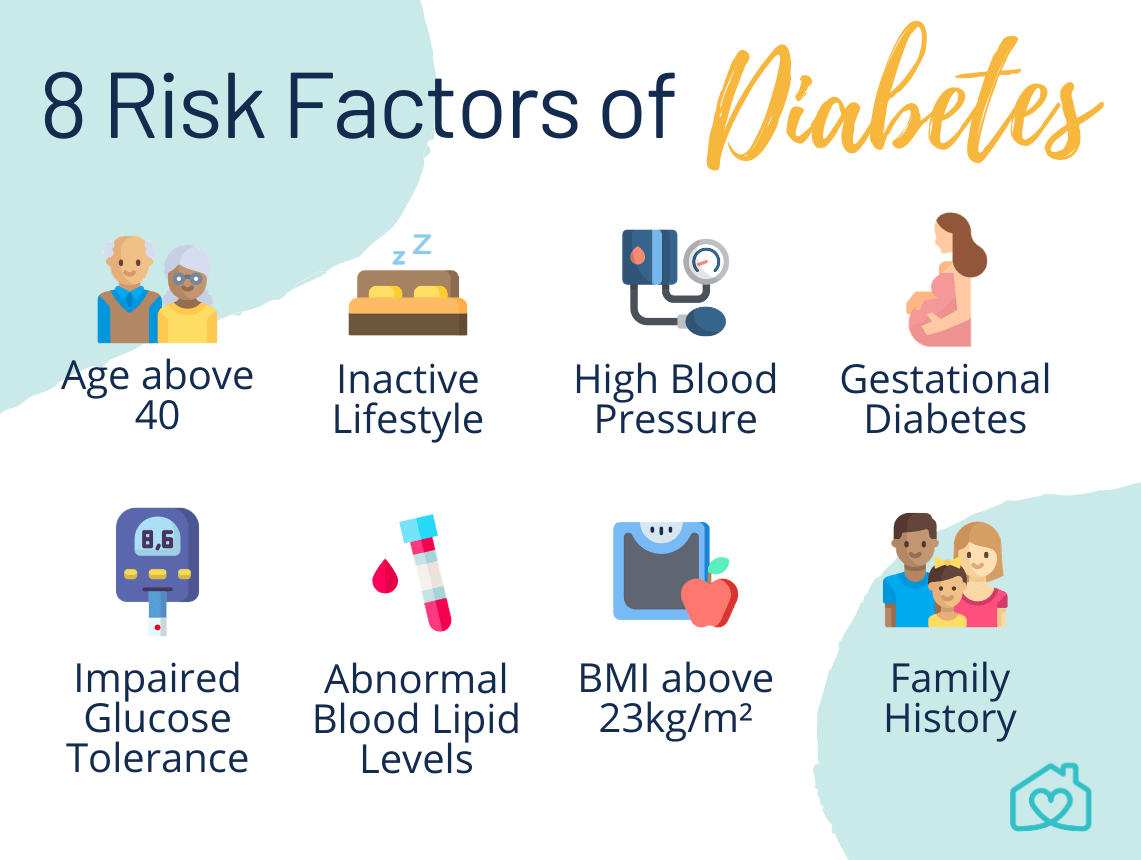
Type 2 diabetes is associated with older age, OBESITY, family history of diabetes, history of gestational diabetes, impaired glucose metabolism, physical inactivity and race/ethnicity.

Gestational diabetes is a form of glucose intolerance diagnosed during pregnancy. Gestational diabetes occurs more frequently among African Americans, Hispanic/Latino Americans, and American Indians. It is also more common among obese women and women with a family history of diabetes. During pregnancy, gestational diabetes requires treatment to optimize maternal blood glucose levels to lessen the risk of complications in the infant.

Other types of diabetes result from; specific genetic conditions (such as maturity-onset diabetes of youth), surgery, medications, infections, pancreatic disease, and other illnesses. Such types of diabetes account for 1% to 5% of all diagnosed cases.

Treatment for Diabetes:

Diet, insulin, and oral medication to lower blood glucose levels are the foundation of diabetes treatment and management. Patient education and self-care practices are also important aspects of disease management that help people with diabetes lead normal lives or as normal as possible.

To survive, people with type 1 diabetes must have insulin delivered by injection or a pump.

Many people with type 2 diabetes can control their blood glucose by following a healthy meal plan and exercise program, losing excess weight, and taking oral medication.

Medications for each individual with diabetes will often change during the course of the disease. Some people with type 2 diabetes may also need insulin to control their blood glucose.

Self-management education or training is a key step in improving health outcomes and quality of life. It focuses on self-care behaviors, such as healthy eating, being active, and monitoring blood sugar.

The medications used for diabetes would be that your endocrinologist doctor would decide:
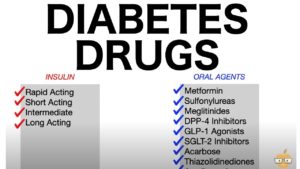
-Insulins-commonly in Type I DM but can be used if needed in Type II DM which the MD decides:

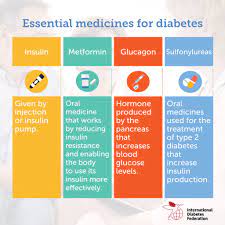
If you have type 1 diabetes, your body can’t make its own insulin. The goal of treatment is to replace the insulin that your pancreas can’t make.

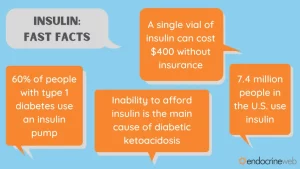
Insulin is the most common type of medication used in type 1 diabetes treatment. There are more than 20 types sold in the United States.

It’s given as an infusion under the skin (with the help of an insulin pump) or as an injection.

There are multiple types of insulin. They vary based on how quickly they start working, how long they work, and whether they have a peak level of action.

The type of insulin you need depends on your body’s sensitivity to insulin and the severity of your insulin deficiency.

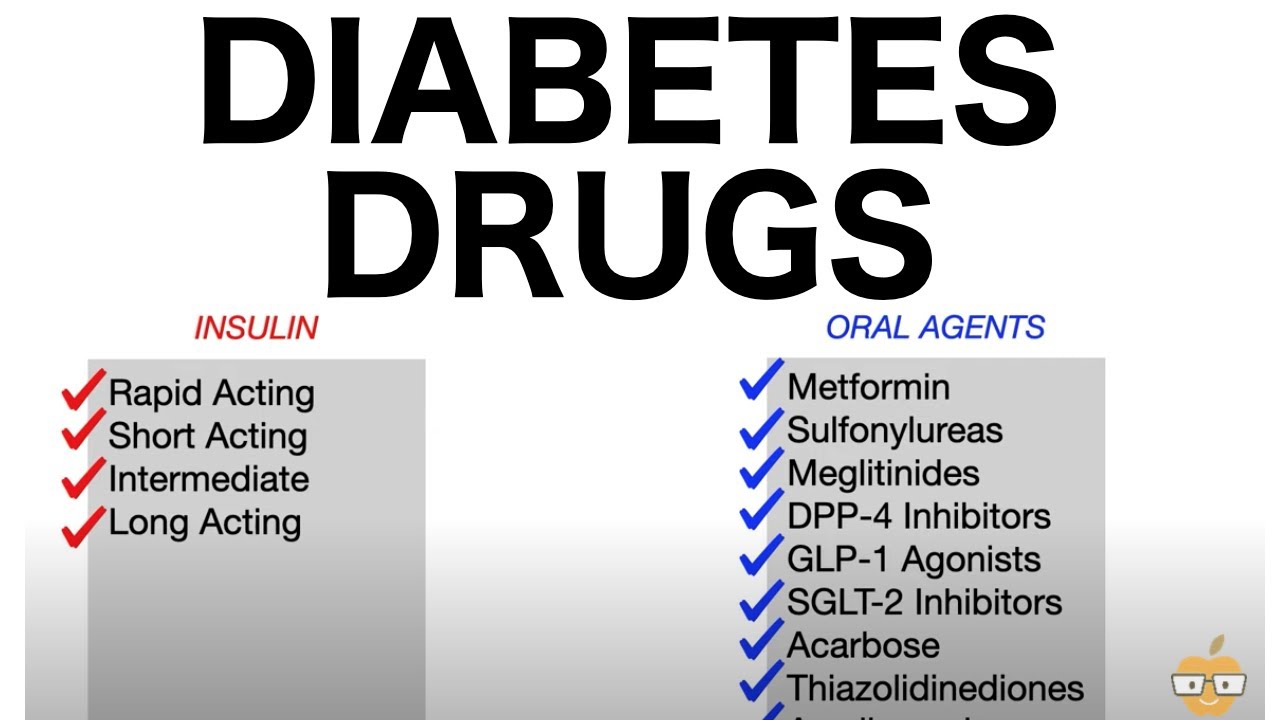
There are short acting, rapid acting, intermediate acting  long acting, and combination insulins.

Also there is amylinomimetic. It’s an injectable medication that’s used before meals.  It works by delaying the time your stomach takes to empty itself. It also reduces the secretion of the hormone glucagon after meals. These actions lower your blood sugar.  Specifics are another topic in itself.

-Oral medications commonly used in type II diabetics; again specifics are another topic in itself.
If not doing treatment the diabetic will end up with severe complications to possibly death sooner in life than a compliant diabetic.

Pretty simple isn’t it but you have to  the make a move quick if you haven’t yet!  Take action and make changes if you need to!

How the cost of diabetes impacts America:

Diabetes is not only common and serious; it is also VERY COSTLY!  This impacts medical insurance being so high since our population is so high in America. Let us take a look how:

The cost of treating diabetes is staggering. According to the American Diabetes Association, the annual cost of diabetes in medical expenses and lost productivity rose for $98 billion in 1997 to $132 billion in $2002 to $174 billion in 2007.

Two years ago in this post it stated one out of every 5 U.S. federal health care dollars is spent treating people with diabetes. The average yearly health care costs for a person without diabetes is 2,560 dollars; for a person with diabetes that figure soars to $11,744. Much of the human and financial costs can be avoided with proven diabetes prevention and management steps.

Now in 2022 the American Diabetes Association states “People with diagnosed diabetes incur average medical expenditures of $16,752 per year, of which about $9,601 is attributed to diabetes. On average, people with diagnosed diabetes have medical expenditures approximately 2.3 times higher than what expenditures would be in the absence of diabetes.”   https://diabetes.org/about-us/statistics/cost-diabetes

Diabetes.org states now that “The estimated total economic cost of diagnosed diabetes in 2017 is $327 billion, a 26% increase from our previous estimate of $245 billion (in 2012 dollars).

The CDC states the following:

“The High Cost of Diabetes

Diabetes is the most expensive chronic condition in our nation.

  • $1 out of every $4 in US health care costs is spent on caring for people with diabetes.
  • $237 billionis spent each year on direct medical costs and another $90 billion on reduced productivity.
  • The total economic cost of diabetes rose 60% from 2007 to 2017.
  • 61% of diabetes costs are for people 65 years or older, which is mainly paid by Medicare.
  • 48% to 64% of lifetime medical costs for a person with diabetes are for complications related to diabetes, such as heart disease and stroke.

So think if we decreased diabetes and many other diseases diabetes can cause how much we in America would decrease medical costs in America and help our economy drastically!!

If you agree be healthy and than those with diabetes (DM) being compliant will help you as an individual but compliant diabetics  in numerous quantity will also help the economy.  Even helping economy, more would be people without DM preventing DM from ever occuring.  Both compliant diabetics and people living a healthy to prevent diabetes would drastically help our economy with decreasing the medical costs for diabetes.
QUOTE FOR MONDAY:

“Misinformation often prevents people from seeking help. Here are some common myths about diabetes—and the truths behind them:

  • Myth: Herbs or home remedies can cure diabetes.
    Truth: Diabetes needs medical care and ongoing management.
  • Myth: Only older people get diabetes.
    Truth: It can affect anyone, including kids and young adults.
  • Myth: If you feel fine, you don’t need testing.
    Truth: Diabetes can be silent for years; fatigue may be the only sign.
  • Myth: Diabetes is a death sentence.
    Truth: With treatment and healthy habits, people can live full lives.
  • Myth: People with diabetes can’t donate blood.
    Truth: If well-managed, they can donate safely.”

American Red Cross (Diabetes Awareness Month: Breaking Myths and Saving Lives)

Part IV Diabetes Awareness Month- risk factors, complications and signs and symptoms.


Diabetes Mellitus (DM) is a complex chronic disease involving disorders in carbohydrate, protein, and fat metabolism and the development of macro-vascular, micro-vascular, neurological complications that don’t occur over a few nights or weeks or months.  It is a metabolic disorder in where the pancreas organ ends up causing many disruptions in proper working of our body.  The pancreas is both an endocrine and exocrine gland.   The problem with diabetes is due to the endocrine part of the pancreas not working properly.  More than 1 million islet cells are located throughout the organ.  The three types of endocrine cells that the pancreas excretes into our blood stream are alpha, beta, and delta cells.  The alpha cells secrete glucagon (stored glucose), beta secrete insulin, and delta secrete gastrin and pancreatic somatostatin.  A person with DM has minimal or no beta cells secreted from the pancreas, which shows minimal or no insulin excreted in the person’s bloodstream.  Insulin is necessary for the transport of glucose, amino acids, potassium, and phosphate across the cell membrane getting these chemical elements into the cell.   When getting these elements into the cells it is like the cell eating a meal and the glucose, being one of the ingredients in the meal, is used for energy=fuel to our body; the glucose inside the cells gets carried to all our tissues in the body to allow the glucose to be utilized into all our tissues so they can do their functions (Ex. Getting glucose into the muscle tissue allows the muscles to have the energy to do the range of motion in letting us do our daily activities of living, like as simple as type or walk).  The problem with diabetes is the glucose doesn’t have the insulin being sent into the bloodstream by the pancreas to transfer the glucose across the cell membrane to be distributed as just discussed.  Instead what results is a high glucose levels in the blood stream causing hyperglycemia.  It should be apparent that when there is a deficit of insulin, as in DM, hyperglycemia with increased fat metabolism and decreased protein synthesis occur ( Our body being exposed to this type of environment over years causes the development of many chronic conditions that would not have occurred if DM never took place in the body, all due to high glucose levels starting with not being properly displaced in the body as it should be normally.).

People with normal metabolism upon awaking and before breakfast are able to maintain blood glucose levels in the AM ranging from 60 to 110mg/dl.  After eating food the non-diabetic’s blood glucose may rise to 120-140 mg/dl after eating (postprandial), but these then rapidly return back to normal.  The reason for this happening is you eat food, it reaches the stomach, digestion takes place during digestion the stomach brakes down fats, carbohydrates, and sugars from compound sugars to simple sugars (fructose and glucose).  Than the sugars transfer from the stomach into the bloodstream causing an increase in sugar levels.  Now, your body uses the sugar it needs at that time throughout the entire body for energy and if still extra sugar left in the bloodstream that isn’t needed at that time to be utilized it now needs to go somewhere out of the bloodstream to allow the glucose blood level to get back between 60-110mg/dl.  That extra glucose first gets stored up in the liver 60-80% and then gets stored in our fat tissue=fat storage=weight increase.  Unfortunately this doesn’t take place with a diabetic since there is very little or no insulin being released by the pancreas and over time due to the high blood glucose blood levels (called hyperglycemia) problems arise in the body over years.  When diabetes occurs there is a resolution and you have the disease the rest of your life.  You need to control your glucose level.

Risk factors for Diabetes are either unmodified (factors we can’t control in out lives) OR modified=factors we can control in our lives (ex. diet, obese, habits (good or poor), and more.

2 TYPES OF DM: a.)Diabetes I & b.) Diabetes ll. We have risk factors that can cause disease/illness; there are unmodified and modified risk factors. With unmodified risk factors we have no control in them, which are 4 and these are: Heredity, Sex, Age, Race.  Now modified risk factors are factors we can control, 3 of them that you can control is your weight, diet and health habits (which play a big role in why many people get diabetes II). 

RISK FACTOR FOR TYPE DIABETES ONE:

Although the exact cause of type 1 diabetes is unknown, genetic factors can play a role. Your risk of developing type 1 diabetes increases if you have a parent or sibling who has type 1 diabetes. Based on research, we also know that genes account for less than half the risk of developing type1 disease. These findings suggest that there are other factors besides genes that influence the development of diabetes. We don’t know what these factors are, but a number of different theories exist.  Environmental factors, such as exposure to a viral illness, also likely play some role in type 1 diabetes. Other factors that may increase your risk include:

The presence of damaging immune system cells that make autoantibodies. Sometimes family members of people with type 1 diabetes are tested for the presence of diabetes autoantibodies. If you have these autoantibodies, you have an increased risk of developing type 1 diabetes. But, not everyone who has these autoantibodies develops type 1.

Dietary factors.

-A number of dietary factors have been linked to an increased risk of type 1 diabetes, such as low vitamin D consumption; early exposure to cow’s milk or cow’s milk formula; or exposure to cereals before 4 months of age.

-Race. Type 1 diabetes is more common in whites than in other races.

-Geography.

-Certain countries, such as Finland and Sweden, have higher rates of type 1 diabetes.

RISK FACTORS FOR DIABETES TYPE 2 AND PREDIABETES

1-Researchers don’t fully understand why some people develop prediabetes and type 2 diabetes and others don’t. It’s clear that certain factors increase the risk, however, including:

2-Weight.

The more fatty tissue you have, the more resistant your cells become to insulin.

3-Inactivity.

The less active you are, the greater your risk. Physical activity helps you control your weight, uses up glucose as energy and makes your cells more sensitive to insulin. Exercising less than three times a week may increase your risk of type 2 diabetes.

4-Family history.

Your risk increases if a parent or sibling has type 2 diabetes.

5-Race.

Although it’s unclear why, people of certain races — including blacks, Hispanics, American Indians and Asians — are at higher risk.

6-Age.

Your risk increases as you get older. This may be because you tend to exercise less, lose muscle mass and gain weight as you age. But type 2 diabetes is also increasing dramatically among children, adolescents and younger adults.

7-Gestational Diabetes

If you developed gestational diabetes when you were pregnant, your risk of developing prediabetes and type 2 diabetes later increases. If you gave birth to a baby weighing more than 9 pounds (4 kilograms), you’re also at risk of type 2 diabetes.

8-Polycystic ovary syndrome.

For women, having polycystic ovary syndrome — a common condition characterized by irregular menstrual periods, excess hair growth and obesity — increases the risk of diabetes.

9-High blood pressure.

Having blood pressure over 140/90mm Hg is linked to an increased risk of type 2 diabetes.

10-Abnormal cholesterol levels.

If you have low levels of high-density lipoprotein (HDL), or “good,” cholesterol, your risk of type 2 diabetes is higher. Low levels of HDL are defined as below 35 mg/dL.

High levelsn of triglycerides. Triglycerides are a fat carried in the blood. If your triglyceride levels are above 250 mg/dL, your risk of diabetes increases.

RISK FACTORS FOR GESTATIONAL DIABETES (DIABETES 2):

1-Age.

1-Women older than age 25 are at increased risk.

3-Family or personal history.

4-Your risk increases if you have prediabetes — a precursor to type 2 diabetes — or if a close family member, such as a parent or sibling, has type 2 diabetes. You’re also at greater risk if you had gestational diabetes during a previous pregnancy, if you delivered a very large baby or if you had an unexplained stillbirth.

5-Weight.

Being overweight before pregnancy increases your risk.

6-Race.

7-For reasons that aren’t clear, women who are black, Hispanic, American Indian or Asian are more likely to develop gestational diabetes.

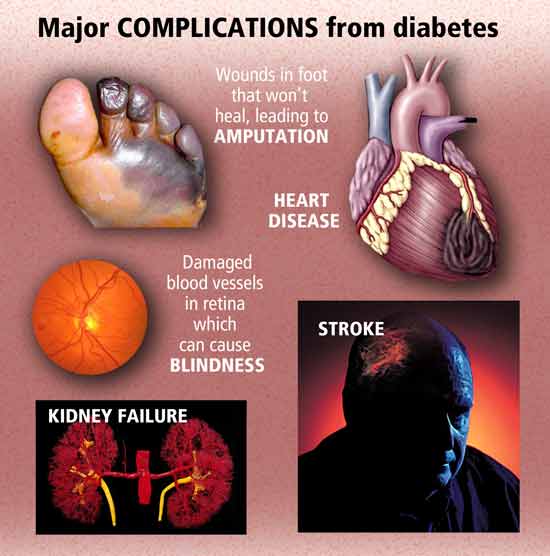
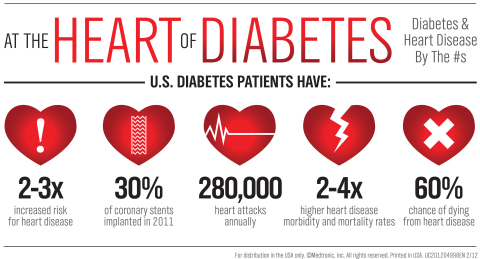
The key not to get diabetes is taking Prevention Measures (especially regarding type II) but even diagnosed with diabetes there are measures you can take in helping to control the glucose and decreasing the chances of increasing the side effects of what it can cause to the human body organs overtime especially cardiac disease, kidney disease, neuropathy, retinopathy to blind from having hyperglycemia frequently over years; in time it thickens the blood making circulation difficulty effecting tissues furthest from the heart= feet/lower extremities where skin ulcers occur for not getting enough oxygen to the tissues in the feet or lower extremities that can lead to necrosis causing amputation of toes to foot to below knee amputation to even above knee amputation.  It also increases chance of heart attack and stroke.

PREVENTION first and CONTROL second when diagnosed with DM, is so vitally important.

So help control your diabetes through your diet (eating a low glucose or sugar diet=1800 to 2000 calories a day or as your m.d. prescribes for you), controlling your weight (get in therapeutic weight range), and practice healthy habits.

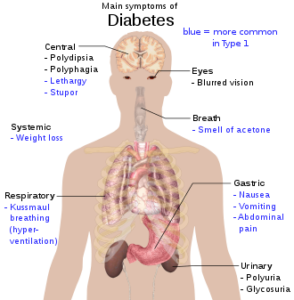
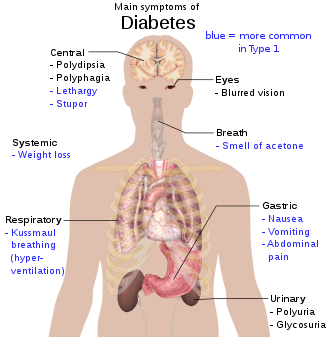
Signs and symptoms of Diabetes TYPE 1 and TYPE 2:


QUOTE FOR THE WEEKEND:

“Your brain is your body’s command center. To do all its work, your brain uses sugar in your blood for energy. In fact, the brain is the most energy-demanding organ. It needs half of all the sugar energy in the body to function properly.

If your blood sugar levels fall outside your normal range, it can throw your command center off balance. In the same way diabetes can damage nerves in other parts of your body, it can damage nerves in your brain.

Your brain is sensitive to the amount of glucose (sugar) it receives.

Both high and low blood sugar can damage blood vessels in the brain.

Help prevent problems by keeping your blood sugar close to target levels”

Centers for Disease Control and Prevention – CDC

Part III Diabetes Awareness Month – Learn how diabetes can impacts the brain!

It’s Diabetes, Alzheimer’s Disease and Dementia Care Education Month.

At one time Alzheimer’s disease was a disease considered with unknown etiology (or cause).  Today it is considered different in the eyes of many in the medical profession.  By a Dr. Mercola a physician who founded Mercola.com (Mercola.com is now the world’s top natural health resource site, with over 1.5 million subscribers.) feels this about Alzheimer’s disease:    “The cause of the debilitating, and fatal, brain disease Alzheimer’s is conventionally said to be a mystery.”

While we know that certain diseases, like type 2 diabetes, are definitively connected to the foods you eat, Alzheimer’s is generally thought to strike without warning or reason.

That is, until recently.

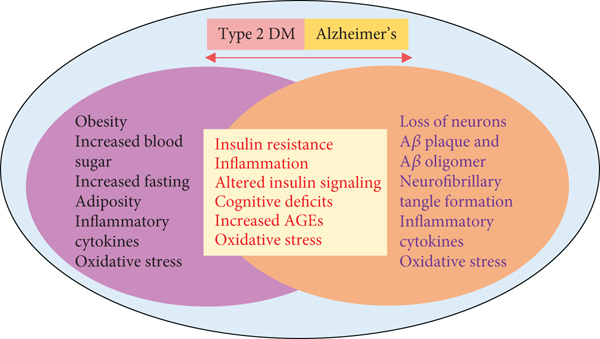
Now, a growing body of research suggests there may be a powerful connection between the foods you eat and your risk of Alzheimer’s disease and dementia, via similar pathways that cause type 2 diabetes.  Some have even re-named Alzheimer’s as “type 3 diabetes.””

Can You Eat Your Way to Alzheimer’s?

In a recent animal study, researchers from Brown University in Providence, Rhode Island were able to induce many of the characteristic brain changes seen with Alzheimer’s disease (disorientation, confusion, inability to learn and remember) by interfering with insulin signaling in their brains.

Know that faulty insulin (and leptin, another hormone) signaling is an underlying cause for insulin resistance, which, of course, typically leads to type 2 diabetes. However, while insulin is usually associated with its role in keeping your blood sugar levels in a healthy range, it also plays a role in brain signaling. When researchers disrupted the proper signaling of insulin in the brain, it resulted in dementia.

What does this have to do with your diet?  Let us go back to one of my articles on diabetes this week and how it impacts your diet.  It states “The foods we eat that contain starches, carbohydrates, calories are made up of sugar.  When food reaches our stomach in time digestion starts to take place where these foods are broken down in the stomach into individual or complex sugar molecules ( glucose being one of the most common and important ones).  The glucose then passes from our stomach into our bloodstream when it reaches the liver 60 to 80 % of the glucose gets stored in that organ turning glucose into inactive glucose that’s converted to glycogen.  The purpose for glycogen is when our glucose is low and our body needing energy we have this extra stored sugar, glycogen,  to rely on.  This is done by the liver which allows the sugar to be stored and released back into the bloodstream if we need it=energy,  since nothing is in our stomach at that time, in that case scenario).  When glucose=an active sugar, it is our energy for our cells and tissues and is a sugar ready to be utilized by the body where it is needed,  by many organs.  Think of a car for one moment, and what makes it run?  That would be gas/fuel for it to function.  The same principle with glucose in your bloodstream=fuel for the human body so we can function, for without it we wouldn’t survive.  That is the problem with a person that has diabetes.  They eat, they break the food down, the glucose gets in the blood but the glucose fuel can’t be used due to lack of or NO insulin at all.  Insulin allows glucose to pass into our cells and tissues to be used as energy/fuel for the body parts to work.  Glucose is used as the principle source of energy (It is used by the brain for energy, the muscles for both energy and some storage, liver for more glucose storage=that is where glucose is converted to glycogen, and even stored in fat tissue using it for triglyceride production).  Glucose does get sent to other organs for more storage, as well.  Insulin plays that vital role in allowing glucose to be distributed throughout the body.  Without insulin the glucose has nowhere to go.”

So how does this impact your brain thinking?

“This new focus on the Alzheimer’s/Diabetes/Insulin connection follows a growing recognition of insulin’s role in the brain. Until recently, the hormone was typecast as a regulator of blood sugar, giving the cue for muscles, liver and fat cells to extract sugar from the blood and either use it for energy or store it as fat. We now know that it is also a master multitasker: it helps neurons, particularly in the hippocampus and frontal lobe, take up glucose for energy, and it also regulates neurotransmitters, like acetylcholine, which are crucial for memory and learning.”  What is effected with Alzheimer’s disease? Your memory and learning,  So your diet plays a big role in Alzheimer’s disease.”                                                                                        

Over-consumption of sugars and grains is what ultimately causes your body to be incapable of “hearing” the proper signals from insulin and leptin, leaving you insulin resistant in both body and brain.  Alzheimer’s disease was tentatively dubbed “type 3 diabetes” in early 2005 when researchers learned that the pancreas is not the only organ that produces insulin. Your brain also produces insulin, and this brain insulin is necessary for the survival of your brain cells.

If You Have Diabetes, Your Risk of Alzheimer’s Increases Dramatically

Diabetes is linked to a 65 percent increased risk of developing Alzheimer’s, which may be due, in part, because insulin resistance and/or diabetes appear to accelerate the development of plaque in your brain, which is a hallmark of Alzheimer’s. Separate research has found that impaired insulin response was associated with a 30 percent higher risk of Alzheimer’s disease, and overall dementia and cognitive risks were associated with high fasting serum insulin, insulin resistance, impaired insulin secretion and glucose intolerance.

A drop in insulin production in your brain may contribute to the degeneration of your brain cells, mainly by depriving them of glucose, and studies have found that people with lower levels of insulin and insulin receptors in their brain often have Alzheimer’s disease (people with type 2 diabetes often wind up with low levels of insulin in their brains as well). As explained in New Scientist, which highlighted this latest research:

What’s more, it encourages the process through which neurons change shape, make new connections and strengthen others. And it is important for the function and growth of blood vessels, which supply the brain with oxygen and glucose.

As a result, reducing the level of insulin in the brain can immediately impair cognition. Spatial memory, in particular, seems to suffer when you block insulin uptake in the hippocampus… Conversely, a boost of insulin seems to improve its functioning.

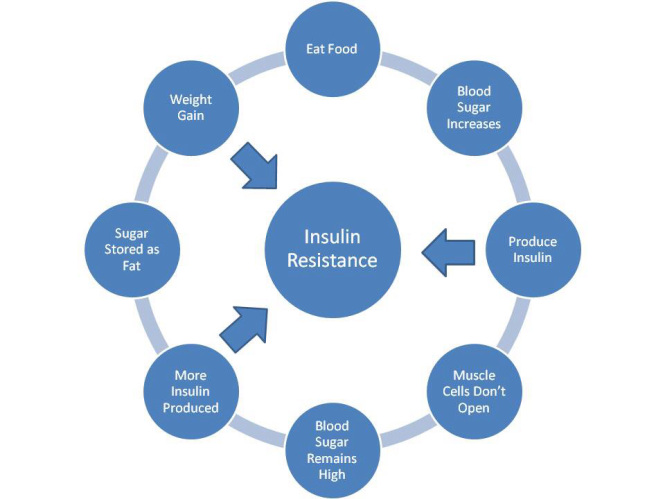
When people frequently gorge on fatty, sugary food, their insulin spikes repeatedly until it sticks at a high level. Muscle, liver and fat cells then stop responding to the hormone, meaning they don’t mop up glucose and fat in the blood. As a result, the pancreas desperately works overtime to make more insulin to control the glucose – and levels of the two molecules skyrocket.

The pancreas can’t keep up with the demand indefinitely, however, and as time passes people with type 2 diabetes often end up with abnormally low levels of insulin.”

QUOTE FOR FRIDAY:

“Diabetes is a common condition that affects people of all ages. There are several forms of diabetes. Type 2 is the most common. A combination of treatment strategies can help you manage the condition to live a healthy life and prevent complications.

Diabetes is a condition that happens when your blood sugar (glucose) is too high. It develops when your pancreas doesn’t make enough insulin or any at all, or when your body isn’t responding to the effects of insulin properly that are being distributed in your blood stream. Diabetes affects people of all ages. Most forms of diabetes are chronic (lifelong), and all forms are manageable with medications and/or lifestyle changes.”

Cleveland Clinic (Diabetes: What It Is, Causes, Symptoms, Treatment & Types)

Part II Diabetes Awareness Month – What is Diabetes?

resolute%20integrity%20des_heart%20disease%20%20diabetes%20infographic    diabetes-insulin-glucose-problem


Diabetes Mellitus (DM) is a complex chronic disease involving disorders in carbohydrate, protein, and fat metabolism and the development of macro-vascular, micro-vascular, neurological complications that don’t occur over a few nights or weeks or months.  It is a metabolic disorder in where the pancreas organ ends up causing many disruptions in proper working of our body.  The pancreas is both an endocrine and exocrine gland.

The problem with diabetes is due to the endocrine part of the pancreas not working properly.  More than 1 million islet cells are located throughout this organ.  The three types of endocrine cells that the pancreas excretes into our blood stream are alpha, beta, and delta cells.  The alpha cells secrete glucagon (stored glucose), beta secrete insulin, and delta secrete gastrin and pancreatic somatostatin.

A person with DM has minimal or no beta cells secreted from the pancreas, which shows minimal or no insulin excreted in the person’s bloodstream.  Insulin is necessary for the transport of glucose, amino acids, potassium, and phosphate across the cell membrane getting these chemical elements into the cell.  When getting these elements into the cells it is like the cell eating a meal and the glucose, being one of the ingredients in the meal, is used for energy=fuel to our body; the glucose inside the cells gets carried to all our tissues in the body to allow the glucose to be utilized into all our tissues so they can do their functions (Ex. Getting glucose into the muscle tissue allows the muscles to have the energy to do the range of motion in letting us do our daily activities of living, like as simple as type or walk).  The problem with diabetes is the glucose doesn’t have the insulin being sent into the bloodstream by the pancreas to transfer the glucose across the cell membrane to be distributed as just discussed.  Instead what results is a high glucose levels in the blood stream outside the cells causing hyperglycemia.  Remember when a doctor has you go to the lab or even in his office getting blood drawn from your arm to check blood levels of electrolytes (like glucose, potassium, sodium) or even drug levels, its measuring only these elements outside the cell. We cannot measure the levels of these elements inside the cell or we would have to break the cell destroying it which makes no logic or help in diagnosing.

It should be apparent that when there is a deficit of insulin, as in DM, hyperglycemia with increased fat metabolism and decreased protein synthesis occur ( Our body being exposed to this type of environment over  years causes the development of many chronic conditions that would not have occurred if DM never took place in the body, all due to high glucose levels starting with not being properly displaced in the body as it should be normally since insulin loss didn’t allow the glucose to go into the cells but remained outside the cells.).

People with normal metabolism upon awaking and before breakfast are able to maintain blood glucose levels in the AM ranging from 60 to 110mg/dl.  After eating food the non-diabetic’s blood glucose may rise to 120-140 mg/dl after eating (postprandial), but these then rapidly return back to normal.  The reason for this happening is you eat food, it reaches the stomach, digestion takes place during digestion the stomach breakes down fats, carbohydrates, and sugars from compound sugars to simple sugars (fructose and glucose).  Than the sugars transfer from the stomach into the bloodstream causing an increase in sugar levels.  Now, your body uses the sugar it needs at that time throughout the entire body for energy and if still extra sugar left in the bloodstream that isn’t needed at that time to be utilized it now needs to go somewhere out of the bloodstream to allow the glucose blood level to get back between 60-110mg/dl.  That extra glucose first gets stored up in the liver 60-80%. How this happens is the extra glucose in the blood stream not needed now fills up the liver (like filling up your gas tank) but limits the amount it can take. When the glucose goes in the liver it goes from active sugar to inactive by getting converted from glucose to glycogen=inactive sugar now. Now when the liver can store no more then the extra glucose left in the bloodstream after all tissues utilized the digested sugar sent to the bloodstream after digestion and the next place for storage gets stored in our fat tissue=fat storage=weight increase. That is the logic behind eating small meals properly dispensed with protein/CHOs/sugars/fat every 6hrs. This limits the amount of food to digest down to prevent excess sugar in the bloodstream preventing hyperglycemia from occurring and most of your small meal if not all is utilized by our muscle tissues preventing both hyperglycemia and high fat distribution of the glucose to prevent weight increase, also.

Unfortunately this doesn’t take place with a diabetic since there is very little or no insulin being released by the pancreas and over time due to the high blood glucose blood levels (called hyperglycemia) problems arise in the body over years.   When diabetes occurs there is a resolution and you have the disease the rest of your life.  You need to control your glucose level through proper dieting for a diabetic with balancing exercise and rest. Exercise uses up your glucose also in the body. Increase activity the body needs energy the gas for the body is glucose, like gas in our auto vehicles in the tank.

TWO TYPES OF Diabetes Mellitus:

1.)Diabetes I

 2.) Diabetes ll

We have risk factors that can cause disease/illness; there are unmodified and modified risk factors.

With unmodified risk factors we have no control in them, which are 4 and these are:

1-Heredity 2-Sex 3-Age 4-Race.

Now modified risk factors which are factors we can control.  They are

1.)Weight 2.)Diet 3.)Health Habits (which play a big role in why many people get diabetes II)  5.)Physical Inactivity 6.)Hyperlipidemia and Hypertension

Stayed tune for part III tomorrow on more knowledge of this disease.

QUOTE FOR THURSDAY:

“Insulin and glucagon are hormones that help regulate the levels of blood glucose, or sugar, in your body.

Glucose comes from the food you eat and moves through your bloodstream to help fuel your body. Meanwhile, insulin is a hormone that helps regulate how sugar is used as energy or stored for later.

Both work together to balance blood sugar levels, keeping them in the range that your body requires. This natural process doesn’t work the same way in people with diabetes and glucose-related disorders, but the same concept applies even to those who must manually manage their blood sugar levels.”

Healthline (Insulin and Glucagon: How Do They Work?)

Part I Diabetes Awareness Month – Simply Understanding Insulin and how people can get Type I or II Diabetes!

=

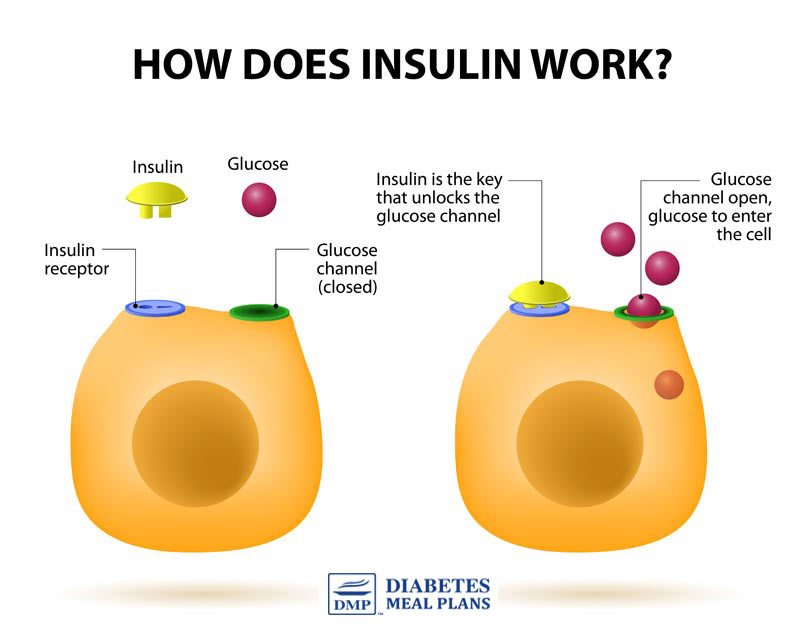
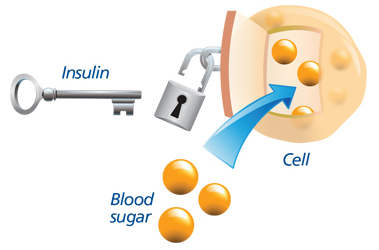
Insulin is a hormone made by the pancreas that allows your body to use sugar (glucose) from carbohydrates in the food that you eat for energy or to store glucose for future use. Insulin helps keeps your blood sugar level from getting too high (hyperglycemia) or too low (hypoglycemia).  How it works; when the glucose gets in your body after digestion starting from eating or even if your not eating by mouth but through IV with Dextrose in it (a form of sugar) or just on a feeding tube via a nasogastric tube or gastric tube (PEG) with Dextrose or some form of sugar in it will put glucose in your blood.  When you eat or drink, much of your food is broken down into a simple sugar called “glucose.”   All 3 routes of getting nutrition can cause your glucose count in the bloodstream to go up, if some form of sugar is in the nutrition supply you get in your body for the cells in our bloodstream.  Now glucose is food to our cells but the food has to get into the cells.  For glucose to pass into our cells it needs a hormone to allow the glucose to pass in the cell to be the food for the cell.  This is where Insulin comes into play!  Insulin is released by the pancrease and put in our bloodstream to do one of its MAIN functions to allow glucose in the cell.  For without insulin what happens is the glucose just will pile up outside of the blood cells and in time cause what we call Diabetes.  Without glucose going into our cells through insulin allowing it to pass in the cells we would not have energy that helps us in doing our activities of daily living.

So in review, the amount of glucose in your bloodstream is tightly regulated by the hormone insulin. Insulin is always being released in small amounts by the pancreas but especially after eating and when digestion takes place releasing the broken down sugar to “glucose” being released into our blood. When the amount of glucose in your blood rises to a certain level, the pancreas will release more insulin to push more glucose into the cells.

Diabetes mellitus (sometimes called “sugar diabetes“) is a condition that occurs when the body can’t use glucose (a type of sugar) normally. Glucose is the main source of energy for the body’s cells. The levels of glucose in the blood are controlled by a hormone called insulin, which is made by the pancreas that it releases into the blood- stream when glucose level goes up allowing for it to be utilized by our body in allowing the glucose to transfer over the cell membranes into the cells as the main source of energy-a major form of nutrition for out cells to do its functions especially transfer oxygen throughout the body to keep our tissues healthy and alive.  Without oxygen we would have tissue and cell starvation.  Think in a diabetic when blood flow gets thick due to high glucose levels in the bloodstream making it difficult for the blood to move throughout our body to oxygenate our tissues the first place the body compensates to allow oxygenated blood by our cells to get to our vital organs like heart, lungs, brain and not areas far away from the body like feet.  That is why you commonly hear of amputations of lower legs with uncontrolled or badly controlled diabetics (arms amputated is very, very rare due to diabetes, more its due to trauma.

People with diabetes either don’t make insulin or their body’s cells are resistant to insulin, leading to high levels of sugar circulating in the blood, called simply high blood sugar. By definition, diabetes is having a blood glucose level of 126 milligrams per deciliter (mg/dL) or more after an overnight fast (not eating anything).

So ending line without Insulin no glucose, a energy nutrition for our cells. we would not get glucose inside the cells. This as a ending result would cause cellular starvation of energy resulting into death in time (much sooner than other people without this problem) unless they take their insulin!

Another function of insulin is after our body uses all the glucose it needs at that time it needs to be stored somewhere.  Insulin helps control blood glucose levels by signaling the liver and muscle and fat cells to take in glucose from the blood.  To get the glucose level in therapeutic range for the body in time.

The 2 major groups of Diabetes occurs if someone has a problem with this role function of insulin resulting in one of the following:

Type 1 Diabetes occurs because the insulin-producing cells of the pancreas (called beta cells) are destroyed by the immune system. People with type 1 diabetes produce no insulin and must use insulin injections to control their blood sugar.  This is most commonly seen in people under age 20 but may occur at any age.

Type 2 Diabetes is the most common form of diabetes, affecting almost 18 million Americans. While most of these cases can be prevented, it remains for adults the leading cause of diabetes-related complications such as blindness, non-traumatic amputations, and chronic kidney failure requiring dialysis. Type 2 diabetes usually occurs in people over age 40 who are overweight, but can occur in people who are not overweight as well.Sometimes referred to as “adult-onset diabetes,” type 2 diabetes has started to appear more often in children because of the rise in obesity in young people.

Sometimes referred to as “adult-onset diabetes,” type 2 diabetes has started to appear more often in children because of the rise in obesity in young people.

Some people can manage their type 2 diabetes by controlling their weight, watching their diet, and exercising regularly. Others may also need to take a pill that helps their body use insulin better, or take insulin injections.

Often, doctors are able to detect the likelihood of type 2 diabetes before the condition actually occurs. Commonly referred to as pre-diabetes, this condition occurs when a person’s blood sugar levels are higher than normal, but not high enough for a diagnosis of type 2 diabetes.

Know this diabetes can be hereditary as well.

Maybe you might want to get your glucose checked by your M.D. and make sure your insulin is functioning well for the side effects of uncontrolled diabetes are detrimental and could shorten your life!