

Archive | August 2025

QUOTE FOR WEDNESDAY:

“Benign paroxysmal positional vertigo (BPPV) is a common inner ear disorder. BPPV isn’t a sign of a serious problem, and it usually disappears on its own within a few days of the first episode. (It could take several weeks for some people.) However, the symptoms of BPPV can be very frightening and may be dangerous, especially in adults over the age of 65. The unsteadiness of BPPV can lead to falls, which are a leading cause of fractures.

Benign paroxysmal positional vertigo is the most common inner ear disorder. In fact, approximately 20% of people who are evaluated for dizziness are diagnosed with BPPV.  BPPV usually goes away on its own. However, until it’s successfully treated, it can come back. In some cases, months — or even years — go by before another episode occurs.  BPPV is almost always triggered by a change in your head’s position. Some people may notice symptoms when lying down or sitting up in bed. Others might notice symptoms when they tilt their head back or to the side. These symptoms often worsen with age due to normal wear and tear of the inner ear structures.”

Cleveland Clinic (Benign Paroxysmal Positional Vertigo (BPPV): Treatment, Symptoms & Causes)


Part 2 BPPV-Benign Paroxsymal Posterior Vertigo: Causes, Complications , Know what to expect to ask your doctor on the intial visit for Vertigo and Treatment that is non-evasive (not surgery).

Know The ear’s role with BPPV

Inside your ear is a tiny organ called the vestibular labyrinth. It includes three loop-shaped structures (semicircular canals) that contain fluid and fine, hair-like sensors that monitor the rotation of your head.

Other structures (otolith organs) in your ear monitor movements of your head — up and down, right and left, back and forth — and your head’s position related to gravity. These otolith organs — the utricle and saccule — contain crystals that make you sensitive to gravity.

For a variety of reasons, these crystals can become dislodged. When they become dislodged, they can move into one of the semicircular canals — especially while you’re lying down. This causes the semicircular canal to become sensitive to head position changes it would normally not respond to. As a result, you feel dizzy. Depending what section of the semicircular canal the problem is in will be a factor with the actual result on the crystals or rocks flowing freely or become stuck together causing a blockage in one of the canals. The other factor that determines this is the etiology for it occuring (ex. Dehydration or blow to the head).

Causes of BPPV;

Timothy C. Hain MD of dizziness and balance.com states The most common cause of BPPV in people under age 50 is head injury . The head injury need not be that direct – -even whiplash injuries have a substantial incidence of BPPV (Dispenza et al, 2011). There is also a strong association with migraine (Ishiyama et al, 2000). BPPV becomes much more common with advancing age (Froeling et al, 1991) and in older people, the most common cause is degeneration of the vestibular system of the inner ear. Viruses affecting the ear such as those causing vestibular neuritis and Meniere’s disease are significant causes(Batatsouras et al, 2012).

Occasionally BPPV follows surgery, including dental work, where the cause is felt to be a combination of a prolonged period of supine positioning, or ear trauma when the surgery is to the inner ear (Atacan et al 2001). While gentamicin toxicity is rarely encountered, BPPV is common in persons who have been treated with ototoxic medications such as gentamicin (Black et al, 2004). In half of all cases, BPPV is called “idiopathic,” which means it occurs for no known reason. Other causes of positional symptoms are discussed here.

Web MD points out tiny calcium “stones” inside your inner ear canals help you keep your balance. Normally when you move a certain way, such as when you stand up or turn your head, these stones move around. But things like infection or inflammation can stop the stones from moving as they should. This unfortunately sends a false message to your brain and causes the vertigo. About half the time, doctors can’t find a specific cause for BPPV.

When a cause can be determined, BPPV is often associated with a minor to severe blow to your head. Less common causes of BPPV include disorders that damage your inner ear or, rarely, damage that occurs during ear surgery or during prolonged positioning on your back. BPPV also has been associated with migraines. In many cases the doctors can’t figure out the cause.

Complications of BPPV:

Benign paroxysmal positional vertigo occurs most often in people age 60 and older, but can occur at any age. Aside from aging, there are no definite factors that may increase your risk of benign paroxysmal positional vertigo. However, a head injury or any other disorder of the balance organs of your ear may make you more susceptible to BPPV.

Although benign paroxysmal positional vertigo (BPPV) is uncomfortable, it rarely causes complications. In rare cases, if severe, persistent BPPV causes you to vomit frequently, you may be at risk of dehydration. The dizziness of BPPV can put you at greater risk of falling. It is more of a headache in going through the time to resolve the vertigo possibly affecting people in doing their regular activities of living for a week to several weeks. For some it never comes back but for many it does after several months depending on what the cause is.

TREATMENT

In all cases the doctor first has the patient (pt.) in their office and either through them or through physical therapy ordered by the M.D. after evaluating the pt with diagnosing the pt. with BPPV in treating the pt. using exercises which help in high percentages resolving the vertigo but continuing them when the vertigo is gone will do very little help unfortunately including it commonly comes back several weeks to months later and the exercises help more than. These exercises used are:

OFFICE TREATMENT OF BPPV are :

The Epley and Semont Maneuvers

There are two treatments of BPPV that are usually performed in the doctor’s office. Both treatments are very effective, with roughly an 80% cure rate, ( Herdman et al, 1993; Helminski et al, 2010). If your doctor is unfamiliar with these treatments, you can find a list of clinicians who have indicated that they are familiar with the maneuver from the Vestibular Disorders Association (VEDA) .

The maneuvers, named after their inventors, are both intended to move debris or “ear rocks” out of the sensitive part of the ear (posterior canal) to a less sensitive location. Each maneuver takes about 15 minutes to complete. The Semont maneuver (also called the “liberatory” maneuver) involves a procedure whereby the patient is rapidly moved from lying on one side to lying on the other (Levrat et al, 2003). It is a brisk maneuver that is not currently favored in the United States, but it is 90% effective after 4 treatment sessions. In our opinion, it is equivalent to the Epley maneuver as the head orientation with respect to gravity is very similar, omitting only ‘C’ from the figure to the right.

The Epley maneuver is also called the particle repositioning or canalith repositioning procedure. It was invented by Dr. John Epley, and is illustrated in figure 2. Click here for a low bandwidth animation. It involves sequential movement of the head into four positions, staying in each position for roughly 30 seconds. The recurrence rate for BPPV after these maneuvers is about 30 percent at one year, and in some instances a second treatment may be necessary.

When performing the Epley maneuver, caution is advised should neurological symptoms (for example, weakness, numbness, visual changes other than vertigo) occur. Occasionally such symptoms are caused by compression of the vertebral arteries (Sakaguchi et al, 2003), and if one persists for a long time, a stroke could occur. If the exercises are being performed without medical supervision, we advise stopping the exercises and consulting a physician. If the exercises are being supervised, given that the diagnosis of BPPV is well established, in most cases we modify the maneuver so that the positions are attained with body movements rather than head movements.

After either of these maneuvers, you should be prepared to follow the instructions of your doctor or physical therapist who should give you written instructions on them to take home with you, which are aimed at reducing the chance that debris might fall back into the sensitive back part of the ear. Not always the case.

What to expect from your doctor on your visit with vertigo:

A doctor who sees you for symptoms common to BPPV may ask a number of questions, such as:

  • What are your symptoms, and when did you first notice them?
  • Do your symptoms come and go? How often?
  • How long do your symptoms last?
  • Is one or both of your ears affected?
  • Does anything in particular seem to trigger your symptoms, such as certain types of movement or activity?
  • Do your symptoms include vision problems?
  • Do your symptoms include nausea or vomiting?
  • Do your symptoms include headache?
  • Have you lost any hearing?
  • Have you had any weakness, numbness or tingling in your arms or your legs?
  • Have you had any difficulty talking or walking?
  • Have you had chest pain?
  • Are you being treated for any other medical conditions?
  • What medications are you currently taking, including over-the-counter and prescription drugs as well as vitamins and supplements?


QUOTE FOR TUESDAY:

“Benign paroxysmal positional vertigo (BPPV) is one of the most common causes of vertigo — the sudden sensation that you’re spinning or that the inside of your head is spinning.

BPPV causes brief episodes of mild to intense dizziness. It is usually triggered by specific changes in your head’s position. This might occur when you tip your head up or down, when you lie down, or when you turn over or sit up in bed.

Although BPPV can be bothersome, it’s rarely serious except when it increases the chance of falls. You can receive effective treatment for BPPV depending on the intensity!”

MAYO CLINIC (Benign paroxysmal positional vertigo (BPPV) – Symptoms and causes – Mayo Clinic)

Part 1 BPPV – Benign Paroxysmal Positional Vertigo. What it is and its symptoms.

If one day you start the day going to work than come home feeling like a sinus infection that appears to be spreading to the ears and after going to bed several hours upon wakening I sat up on my bed finding yourself pulling to one side that you think the cause is an ear infection but it could be something else.  When I was getting up and feeling dizzy but made it downstairs to eat a meal but due to the dizziness I vomited causing dizziness to increase terribly (like if sea sick or even like too much alcohol followed with vomiting and now everything’s spinning to the point you can’t get up from the ground) and got my self safely to the ground and couldn’t get up.   This all happened to me one year and when going to the MD that night I was sent to the ER for being ruled out initially of a stroke or transient ischemic attack.  I was aggravated and went.  I than was finding out in the ERmit wasn’t a stroke or TIA, which is what I thought would be the result, but their still was a reason for it.  What might this be?  I was diagnosed with BPPV for severe dehydration and it took me a week through exercises and taking meclizine, also known as antivert, that took my dizziness away.

This could be an ear infection with BPPV or just BPPV itself; this abbreviation stands for BPPV-Benign Paroxsymal Posterior Vertigo (highly probable if its feeling clogged, no draining from the ear canal, no wax build up after checked with an otoscope by an ENT or Neurologist and the symptoms listed above present that I mentioned= Vertigo, Nausea; Possibly vision disturbance with lethargy) including a nystagmus (described below). This is how you feel after a concussion (with or without a nystagmus) in varying intensities depending on the impact after a blow to the head. How do these symptoms arise with no infection in the ear?

This involves the inner ear causing the brain to pick up miscommunication signals in detecting or reading what is happening going on giving the ending result of vertigo =dizziness, causing your balance to be off, which again I reenforce is due to the condition that is going on in the middle ear. It is the sensitivity detection by ear sensitivity hairs picking up what shouldn’t be there, which in turn is causing the symptoms. This can be due to inner ear particles clumped together in the ear or particles in the inner ear floating freely depending where the are located in the inner ear. We will discuss this more in detail shortly, just know these particles are called “rocks”.

If your having these symptoms this should be checked for BPPV and (I do recommend you go to MD to be evaluated first):

Benign paroxysmal positional vertigo (BPPV) is probably the most common cause of vertigo in the United States. It has been estimated that at least 20% of patients who present to the physician with vertigo have BPPV. However, because BPPV is frequently misdiagnosed, this figure may not be completely accurate and is probably an underestimation. Since BPPV can occur concomitantly with other inner ear diseases (for example, one patient may have both Ménière disease and BPPV at once), statistical analysis may be skewed toward lower numbers.

BPPV was first described by Barany in 1921. The characteristic nystagmus and vertigo associated with positioning changes were attributed at that time to the otolithic organs. In 1952, Dix and Hallpike performed the provocative positional testing named in their honor, shown below. They further defined classic nystagmus and went on to localize the pathology to the proper ear during provocation.

It deals with the inner ear.

The patient is placed in a sitting position with the head turned 45° towards the affected side and then reclined past the supine position.

BPPV is defined as an abnormal sensation of motion that is elicited by certain critical provocative positions. The provocative positions usually trigger specific eye movements (ie, nystagmus). The character and direction of the nystagmus are specific to the part of the inner ear affected and the pathophysiology.

BPPV is a complex disorder to define; because an evolution has occurred in the understanding of its pathophysiology, an evolution has also occurred in its definition. As more interest is focused on BPPV, new variations of positional vertigo have been discovered. What was previously grouped as BPPV is now subclassified by the offending semicircular canal (SCC; ie, posterior superior SCC vs lateral SCC) and, although controversial, further divided into canalithiasis and cupulolithiasis (depending on its pathophysiology).

Although some controversy exists regarding the 2 pathophysiologic mechanisms, canalithiasis and cupulolithiasis, agreement is growing that the entities actually coexist and account for different subspecies of BPPV. Canalithiasis (literally, “canal rocks”) is defined as the condition of particles residing in the canal portion of the SCCs (in contradistinction to the ampullary portion). These densities are considered to be free floating and mobile, causing vertigo by exerting a force. Conversely, cupulolithiasis (literally, “cupula rocks”) refers to densities adhered to the cupula of the crista ampullaris. Cupulolith particles reside in the ampulla of the SCCs and are not free floating.

Classic BPPV is the most common variety of BPPV. It involves the posterior SCC and is characterized by the following symptoms:

  • Geotropic nystagmus with the problem ear down
  • Predominantly rotatory fast phase toward undermost ear
  • Latency (a few seconds)
  • Limited duration (< 20 s)
  • Reversal upon return to upright position
  • Response decline upon repetitive provocation. The purpose for this appears to be the brain acquires a response in getting used to this vertigo as normal by picking up wrong messages from that affected ear due to improper messaging by the pick up of how the rocks in the inner ear canal are situated (free floating or residing in a canal portion with how the ear hairs are picking up by sensitivity their presence giving wrong messages to the brain causing vertigo, nystagmus, with or without vomiting.
  • Because the type of BPPV is defined by the distinguishing type of nystagmus, defining and explaining the characterizing nystagmus are also important.
  • Nystagmus is defined as involuntary eye movements usually triggered by inner ear stimulation. It usually begins as a slow pursuit movement followed by a fast, rapid resetting phase. Nystagmus is named by the direction of the fast phase. Thus, nystagmus may be termed right beating, left beating, up-beating (collectively horizontal), down-beating (vertical), or direction changing.
  • If the movements are not purely horizontal or vertical, the nystagmus may be deemed rotational. In rotational nystagmus, the terminology becomes a bit more loose or unconventional. Terms such as clockwise and counterclockwise seem useful until discrepancies regarding point of view arise: clockwise to the patient is counterclockwise to the observer. Right versus left terminology is poorly descriptive because as the top half of the eye rotates right, the bottom half moves left.
  • Rotational nystagmus also can be described as geotropic and ageotropic. Geotropic means “toward earth” and refers to the upper half of the eye. Ageotropic refers to the opposite movement. If the head is turned to the right, and the eye rotation is clockwise from the patient’s point of view (top half turns to the right and toward the ground), then the nystagmus is geotropic. If the head is turned toward the left, then geotropic nystagmus is a counterclockwise rotation. This term is particularly useful in describing BPPV nystagmus because the word geotropic remains appropriate whether the right or the left side is involved.
  • These 2 terms are useful only when the head is turned. If the patient is supine and looking straight up, these terms cannot be used. Fortunately, the nystagmus associated with BPPV usually is provoked with the head turned to one side. The most accurate way to define nystagmus is by terming it clockwise or counterclockwise from the patient’s point of view.

The tympanic membrane where no doctor can open that and further the problem is in your semi-circular canal and if not resolving the problem it will damage the ear.

QUOTE FOR MONDAY:

“Many people enjoy living and working in cultivated greenspaces, and most like having beautiful plants around. But is there more to it? Here are seven benefits science says indoor plants may provide.

1. Indoor plants may help reduce stress levels

A studyTrusted Source published in the Journal of Physiological Anthropology found that plants in your home or office can make you feel more comfortable, soothed, and natural.

In the study, participants were given two different tasks: repotting a houseplant or completing a short computer-based task. After each task, researchers measured the biological factors associated with stress, including heart rate and blood pressure.

They found that the indoor gardening task lowered the stress response in participants. The computer task, on the other hand, caused a spike in heart rate and blood pressure, even though the study participants were young men well-accustomed to computerized work.

Researchers concluded that working with plants could reduce both physiological and psychological stress.

2. Real plants may sharpen your attention

Sorry, plastic plants won’t help you pass your exams. In a small study involving 23 participants, researchers put students in a classroom with either a fake plant, a real one, a photograph of a plant, or no plant at all.

Brain scans of the participants showed that the students who studied with real, live plants in the classroom were more attentive and better able to concentrate than students in the other groups.

3. Working with plants can be therapeutic

For people experiencing the symptoms of mental illness, indoor gardening can be helpful.

ResearchersTrusted Source have used horticultural therapy to increase feelings of well-being among people with depression, anxiety, dementia, and other conditions.

Although horticultural therapy has been around for centuries, it has found a modern expression: Medical clinics in Manchester, England are now “prescribing” potted plants to patients with depression or anxiety symptoms.

4. Plants may help you recover from illness faster

Being able to look at plants and flowers may speed your recovery from an illness, injury, or surgery.

A 2002 review of the research revealed that people recuperating from several kinds of surgery needed less pain medication and had shorter hospital stays than people who weren’t looking at greenery during their recovery periods.

It’s important to note that most research focuses on plants and natural scenery in hospital settings rather than at home.

5. Plants may boost your productivity

A bromeliad may turn out to be the best cubicle-mate you’ve ever had.

Multiple studies have found that plants in the workspace increase both productivity and creativity. One frequently cited study from 1996 found that students in a campus computer lab worked 12 percent faster and were less stressed when plants were placed nearby.

In a 2004 studyTrusted Source, researchers challenged people to make creative word associations. They performed better when a plant was in the room with them.

And a 2007 study showed that people with more plants in their workspace took fewer sick days and were more productive on the job.

6. Plants may improve your whole outlook on work

A view of the city park might improve anyone’s job satisfaction — but it might surprise you to learn that a potted plant could have a similar effect.

ResearchersTrusted Source interviewed over 440 Amazon employees in India and the United States. They found that those whose office environment included natural elements like indoor plants felt greater job satisfaction and more commitment to the organization than those who didn’t work around natural elements.

Researchers said the natural elements helped to buffer the effects of job stress and anxiety.

7. Plants may improve the quality of indoor air

Scientific support for phytoremediation — that’s the word for plants scrubbing contaminants from the air — usually begins with a NASA study conducted in the 1980s.

Researchers then were looking for ways to improve the air quality in a sealed spacecraft, and they concluded that the roots and soil of houseplants reduced airborne volatile organic compounds (VOCs) significantly.

Since those early studies, researchers have both confirmed those findings and called them into questionTrusted Source.

Recent findings suggest that you’d have to shelter a large number of plants to equal the air purifying efficiency of modern biofilters and other technologies.

If you do decide to purchase houseplants to freshen the air naturally, these are several of the species shownTrusted Source to be most effective:

  • areca, lady, dwarf date, and bamboo palms
  • Boston fern
  • rubber tree
  • spider plant
  • Ficus tree”

Healthline (7 Science-Backed Benefits of Indoor Plants)

Part II Learn types of Plants & how they can enhance our lives both physically and mentally!

plants enhance our lives (Arab.Thaliana) Part II  plants can enhance our lives (Arab.Thaliana Part II)

Part II

Look at medical proof, going back as far July 2011 by online publication of Nature, investigated why Arabidopsis does its major stem-growing in the dark—a pattern common to most plants. Biologist Steve Kay and colleagues at the University of California, San Diego, report that a specific trio of proteins regulates the rhythm in Arabidopsis stems. Arabidopsis thaliana helped scientists not very long ago too unearth new clues about the daily cycles of many organisms, including humans. This is the latest in a long line of research, much of it supported by the National Institutes of Health, that uses plants to solve puzzles in human health. While other model organisms may seem to have more in common with us, greens like Arabidopsis provide an important view into genetics, cell division and especially light sensing, which drives 24-hour behavioral cycles called circadian rhythms.

Some human cells, including cancer cells, divide with a 24-hour rhythm. One of the main human circadian rhythm genes, cryptochrome, has been associated with diabetes and depression. Both of these discoveries grew from work with plants.

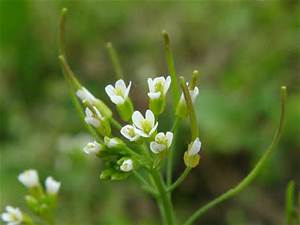
  plants enhance our lives.png1 (Arabidopsis Thaliana) Part II                                                                                                                                         The Arabidopsis Thaliana Plant

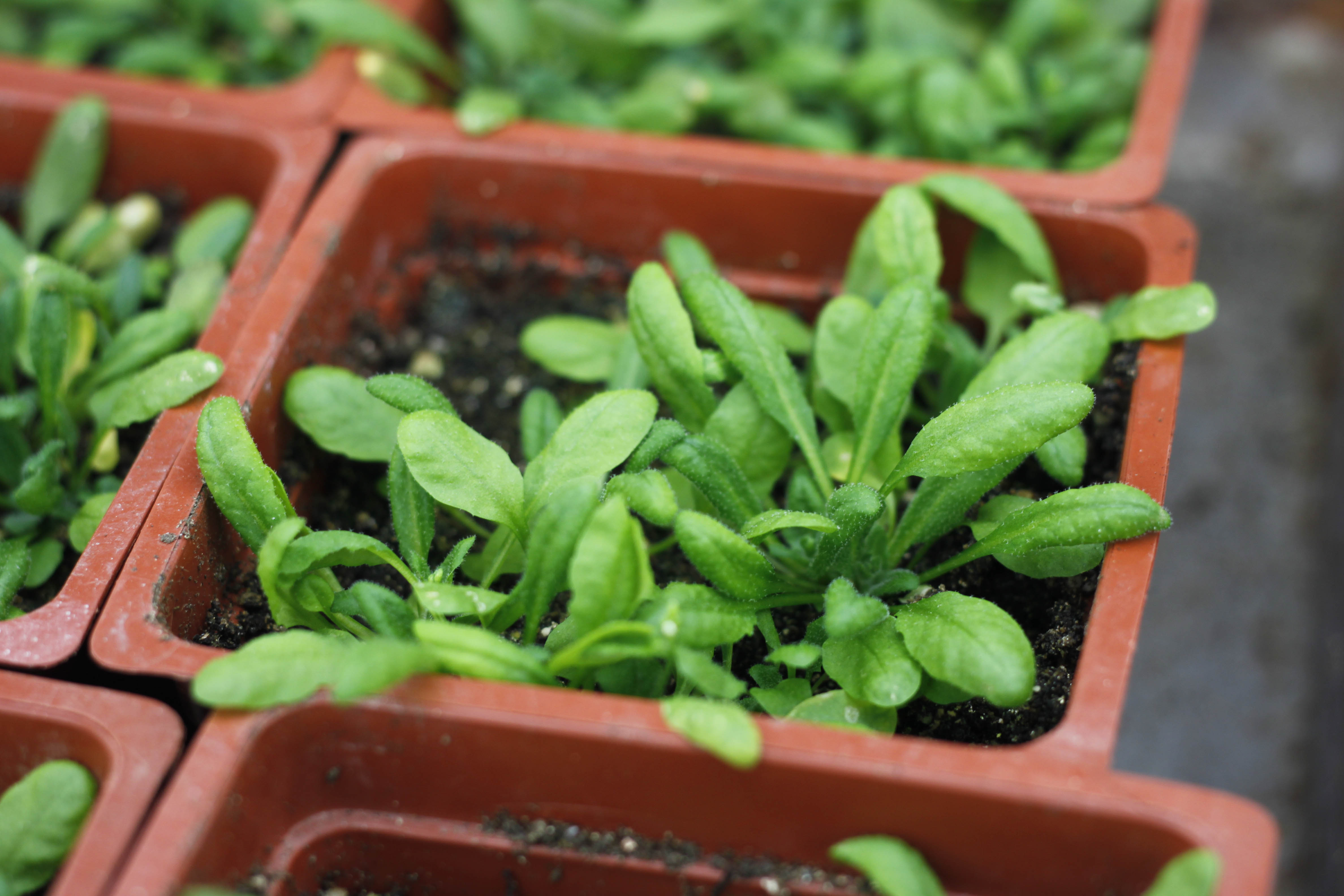
Arabidopsis (rockcress) is a genus in the family Brassicaceae. They are small flowering plants related to cabbage and mustard, and can be used similarly to other mustard greens, in salads or sautéed, but its use as an edible spring green is not widely noted. Arabidopsis thaliana is a small dicotyledonous species being a member of the Brassicaceae or mustard family. Although closely related to such economically important crop plants as turnip, cabbage, broccoli, and canola, Arabidopsis is not an economically important plant. Despite this, it has been the focus of intense genetic, biochemical and physiological study for over 40 years because of several traits that make it very desirable for laboratory study. As a photosynthetic organism, Arabidopsis requires only light, air, water and a few minerals to complete its life cycle. It has a fast life cycle, produces numerous self progeny, has very limited space requirements, and is easily grown in a greenhouse or indoor growth chamber. It possesses a relatively small, genetically tractable genome that can be manipulated through genetic engineering more easily and rapidly than any other plant genome.

T group of proteins, called the evening complex, interacts in the early evening to silence two genes that usually promote plant growth. When the evening complex’s activity trails off a few hours before dawn, proteins release the brakes on growth and plants enter their nightly phase of rapid stem elongation.

The plant has been mutated in the three genes that code for the evening complex, they noticed that this made the Arabidopsis biological clock run out of sync—stems grew unusually long and flowered early.

Scientists aren’t yet certain why night is the best time for stems to grow, it has to do with using resources efficiently. Plants pick up carbon and nitrogen during the day, then store these essential nutrients as starch and proteins. In the later night, they can release these resources in a coordinated fashion to provide the building blocks for stem growth it has been said.

Our understanding of human health and the role of clocks in health and disease can greatly benefit from studying how clocks work in plants.

Scientists are interested in answering basic biological questions, but others who work with plants have their eyes on future disease therapies. Plant-based molecules, for instance, are being used to target reservoirs of HIV that hide out in their hosts. At the University of California, Berkeley, chemist Jay Keasling has been looking over the years for simple ways to get microbes to produce greater quantities of these plant-based molecules at lower cost.

How plants like Arabidopsis suppress harmful genes may also help improve HIV therapies. A team of biologists that had been led by Craig Pikaard at Washington University in St. Louis is investigating RNA polymerases, chemicals important in determining which genes get switched on, to learn how plants silence harmful virus-derived genes. Similar silencing pathways could be harnessed for HIV therapies.

More generally, scientists are looking toward plants as a medicinal source. Chemist Sarah O’Connor at MIT has genetically engineered periwinkle plants, the natural source of the anticancer drug vinblastine, to produce variations of the drug with halogens attached. Halogens make some medicines last longer in the body, meaning that probing periwinkle’s capabilities could make cancer treatments more effective.

Plant compounds present in carrots and parsley may one day support more effective delivery of chemotherapy treatments, new research has found. Specific plant compounds are able to inhibit transport mechanisms in the body that select what compounds are absorbed into the body, and eventually into cells. These same transport mechanisms are known to interfere with cancer chemotherapy treatment.

Some further examples of good compounds coming from plants for human lives are:

Flavonoids are one class of secondary plant metabolites that are also known as Vitamin P or citrin. These metabolites are mostly used in plants to produce yellow and other pigments which play a big role in coloring the plants. In addition, Flavonoids are readily ingested by humans and they seem to display important anti-inflammatory, anti-allergic and anti-cancer activities. Flavonoids are also found to be powerful anti-oxidants and researchers are looking into their ability to prevent cancer and cardiovascular diseases. Flavonoids help prevent cancer by inducing certain mechanisms that may help to kill cancer cells, and researches believe that when the body processes extra flavonoid compounds, it triggers specific enzymes that fight carcinogens. Good dietary sources of Flavonoids are all citrus fruits, which contain the specific flavanoids hesperidins, quercitrin, rutin, berries, tea, dark chocolate and red wine that includes many of the health benefits attributed to these foods come from the Flavonoids they contain.

Phytic acid is the main method of phosphorus storage in plant seeds, but is not readily absorbed by many animals (only absorbed by ruminant animals). Not only is phytic acid a phosphorus storage unit, but it also is a source of energy and cations, a natural antioxidant for plants, and can be a source of mycoinositol which is one of the preliminary pieces for cell walls.

Phytic acid is also known to bond with many different minerals, and by doing so prevents those minerals from being absorbed; making phytic acid an anti-nutrient. There is a lot of concern with phytic acids in nuts and seeds because of its anti-nutrient characteristics. In preparing foods with high phytic acid concentrations, it is recommended they be soaked in after being ground to increase the surface area. Soaking allows the seed to undergo germination which increases the availability of vitamins and nutrient, while reducing phytic acid and protease inhibitors ultimately increasing the nutritional value. Cooking can also reduce the amount of phytic acid in food but soaking is much more effective.

Phytic acid is an antioxidant found in plant cells that most likely serves the purpose of preservation. This preservation is removed when soaked, reducing the phytic acid and allowing the germination and growth of the seed.

Atropine is a type of secondary metabolite called a tropane alkaloid.

Alkaloids contain nitrogens, frequently in a ring structure, and are derived from amino acids. Tropane is an organic compound containing nitrogen and it is from tropane that atropine is derived from. Atropine is synthesized by a reaction between tropine and tropate, catalyzed by atropinase. Within Atropa belladonna atropine synthesis has been found to take place primarily in the root of the plant. The concentration of synthetic sites within the plant is indicative of the nature of secondary metabolites.

Gossypol has a yellow pigment and is found in cotton plants. It occurs mainly in the root and/or seeds of different species of cotton plants.  Gossypol can have various chemical structures. It can exist in three forms: gossypol, gossypol acetic acid, and gossypol formic acid. All of these forms have very similar biological properties. Gossypol is a type of aldehyde, meaning that it has a formyl group. The formation of gossypol occurs through an isoprenoid pathway. Isoprenoid pathways are common among secondary metabolites.  3Gossypol’s main function in the cotton plant is to act as an enzyme inhibitor. An example of gossypol’s enzyme inhibition is its ability to inhibit nicotinamide adenine dinucleotide-linked enzymes of Trypanosoma cruzi. Trypanosoma cruzi is a parasite which causes Chaga’s disease.

For some time it was believed that gossypol was merely a waste product produced during the processing of cottonseed products. Extensive studies have shown that gossypol has other functions. Many of the more popular studies on gossypol discuss how it can act as a male contraceptive. Gossypol has also been linked to causing hypokalemic paralysis. Hypokalemic paralysis is a disease characterized by muscle weakness or paralysis with a matching fall in potassium levels in the blood. Hypokalemic paralysis associated with gossypol in-take usually occurs in March, when vegetables are in short supply, and in September, when people are sweating a lot. This side effect of gossypol in-take is very rare however. Gossypol induced hypokalemic paralysis is easily treatable with potassium repletion.

Believe or not, plants enhanced our lives.

QUOTE FOR THE WEEKEND:

“Specifically, the researchers found that people who surround themselves with plant life and other forms of natural beauty, indoors and out, experience emotional and mental health benefits that have a positive impact on their social, psychological, physical, cognitive, environmental, and spiritual well-being, These benefits include:

1. Stress reduction. Spending time in natural settings helps speed up recovery from mental fatigue, slow down heart rate, reduce high blood pressure, and lower anxiety.

2. Reduced symptoms of depression. Researchers repeatedly report increases in subjects’ mood, fewer incidents of depressive symptoms, as well as increased memory span and decreased symptoms of anxiety after a walk in nature, as compared to a walk through an urban environment. One Korean study of patients diagnosed with moderate to severe depression compared the effects of cognitive-behavioral therapy (CBT) performed in a hospital to CBT performed in an arboretum with a forest-like setting. Symptoms of depression were most significantly reduced in the arboretum group, who also experienced 20% to 30% higher rates of complete remission when compared to a typically medicated group.

3. Stronger memory retention. Compared to those who walked through a well-trafficked urban area, participants in several studies who walked through a green space or a natural environment, such as an arboretum, were better able to focus and concentrate on a test of their working memory.

4. Fewer symptoms of post-traumatic stress. Studies of both veterans and victims of natural disasters who participated in horticultural therapies or nature-based rehabilitation programs found that both groups were better able to control symptoms of PTSD and developed more positive states of mind.

5. Improved symptoms of attention-deficient disorders (ADD/ADHD). In one study, school children diagnosed with ADHD were better able to concentrate after a walk in a park than their peers who went for a walk in a downtown neighborhood. Similar studies found that even short nature breaks are restorative and can improve attention span, working memory and cognitive functioning in children with ADD/ADHD.”

Psychology Today (11 Ways Plants Enhance Your Mental and Emotional Health | Psychology Today)


Part I Learn types of Plants & how they can enhance our lives both physically and mentally!

plants 11  plants 8

Plants 7

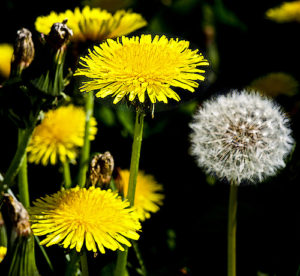
Plants (dandelion-Part III)Dandelion

Some people may ask if a vegetable or fruit is it considered a plant.  Through a very resourceful site “MAYO Clinic” the state the following:

“According to botanists (those who study plants) a fruit is the part of the plant that develops from a flower. It’s also the section of the plant that contains the seeds. The other parts of plants are considered vegetables. These include the stems, leaves and roots — and even the flower bud.

 The following are technically fruits: avocado, beans, peapods, corn kernels, cucumbers, grains, nuts, olives peppers, pumpkin, squash, sunflower seeds and tomatoes. Vegetables include celery (stem), lettuce (leaves), cauliflower and broccoli (buds), and beets, carrots and potatoes (roots).

From a culinary standpoint, vegetables are less sweet — or more savory — and served as part of the main dish. Fruits are more sweet and tart and are most often served as a dessert or snack. Both fruits and vegetables can be made into juice for a refreshing beverage. Some fruits are “grains” or “nuts” or “seeds” — and are served accordingly.

Nutritionally speaking, fruits and vegetables are similar. Compared with animal products, they’re generally lower in calories and fat, but higher in fiber. Fruits and vegetables also contain health-enhancing plant compounds such as antioxidants. And they’re loaded with vitamins and minerals.”

So yes part of a plant can be a fruit or vegetable.

How we get benefits from plants medically:

Ginger:

Ginger is one spice that I recommend keeping on hand in your kitchen at all times. Not only is it a wonderful addition to your cooking (especially paired with garlic) but it also has enough medical properties to fill several books.

Ginger is best known for its anti-nausea effects but also has broad-spectrum antibacterial, antiviral, antioxidant, and anti-parasitic properties, to name just several of its more than 40 scientifically confirmed pharmacological actions. It is anti-inflammatory, making it valuable for pain relief for joint pain, menstrual pain, headaches, and more.

The pain-relieving potential of ginger appears to be far-reaching. Along with help for muscle and joint pain, ginger has been found to reduce the severity of migraine headaches as well as the migraine medication Sumatriptan – with fewer side effects.

Ginger also shows promise for fighting cancer, diabetes, non-alcoholic fatty liver disease, asthma, bacterial and fungal infections, and it is one of the best natural remedies available for motion sickness or nausea (from pregnancy or chemotherapy, for example).

Taking one gram of ginger daily may help reduce nausea and vomiting in pregnant women, or those with migraines and ginger has been shown to work better than a placebo in relieving morning sickness.

Ginger is also a must-have if you struggle with indigestion, and it does more than simply relieve pain. Ginger contains powerful protein-digesting enzymes and helps to stimulate the emptying of your stomach without any negative effect, and it’s an antispasmodic agent, which may explain its beneficial effects on your intestinal tract.

Many people enjoy ginger tea on a regular basis, and this is one of the simplest ways to use it. Simply chop off a couple of inches of ginger root and let it steep in hot water for fresh ginger tea. I would advise against using it daily as it can lead to an allergy and is what happened to me about twenty years ago.

You can also peel the root using a paring knife and then slice it thinly (or grate it or mince it) to add to tea or cooked dishes. You can’t go wrong by adding ginger to stir fries or even your favorite homemade chicken soup. For serious issues, a natural health care provider can help you get the maximum therapeutic benefits of ginger.

Garlic:

Eating a clove or two of fresh garlic a day may indeed keep the doctor away, in part because it has immune-boosting, antibacterial, antiviral, and anti-fungal effects. Many of garlic’s therapeutic effects are derived from its sulfur-containing compounds, such as allicin, which are also what give it its characteristic smell. In general, garlic’s benefits fall into four main categories:

-Reducing inflammation (reduces the risk of osteoarthritis and other disease associated with inflammation).

-Boosting immune function (antibacterial, antifungal, antiviral, and antiparasitic properties).

-Improving cardiovascular health and circulation (protects against clotting, retards plaque, improves lipids, and reduces blood pressure).

-Toxic to at least 14 kinds of cancer cells (including brain, lung, breast, gastric, and pancreatic).

In addition, garlic may be effective against drug-resistant bacteria, and research has revealed that as allicin digests in your body, it produces sulfenic acid, a compound that reacts with dangerous free radicals faster than any other known compound. This is one of the reasons in my article garlic what listed as one of the top seven anti-aging foods you can consume.

In order to get the health benefits, the fresh clove must be crushed or chopped in order to stimulate the release of an enzyme called alliinase, which in turn catalyzes the formation of allicin.

Allicin, in turn, rapidly breaks down to form a number of different organosulfur compounds. So to “activate” garlic’s medicinal properties, compress a fresh clove with a spoon prior to swallowing it, or put it through your juicer to add to your vegetable juice.

A single medium-size clove or two is usually sufficient and is well-tolerated by most people. The active ingredient, allicin, is destroyed within one hour of smashing the garlic, so garlic pills are virtually worthless. Black garlic, which is basically fermented garlic, and sprouted garlic may contain even more antioxidants than regular garlic.

Peppermint:

Peppermint offers benefits to the respiratory system, including for coughs, colds, asthma, allergies, and tuberculosis. In terms of digestive health, peppermint oil capsules have been described as “the drug of first choice” in IBS patients and peppermint oil is an effective alternative to drugs like Buscopan for reducing colonic spasms.

It may also relax the muscles of your intestines, allowing gas to pass and easing abdominal pain. Try peppermint oil or leaves added to tea for gas relief. Inhaling the peppermint aroma may offer memory enhancement and stress relief, and peppermint oil acts as an expectorant and decongestant, and may help clear your respiratory tract.

Use peppermint essential oil as a cold rub on your chest or inhale it through a vaporizer to help clear nasal congestion and relieve cough and cold symptoms. Peppermint oil may also help relieve tension headache pain. For headache pain, try dabbing a few drops on your wrist or sprinkling a few drops on a cloth, then inhaling the aroma. You can also massage the oil directly onto your temples and forehead. Peppermint essential oil is ideal for muscle and chest rubs, headache pain, dental care, and aromatherapy. You can even add it to your homemade cleaning supplies for extra antimicrobial power and natural fragrance.

When selecting peppermint for your own use, the fresh leaves will impart a superior flavor to dried leaves (such as for use in tea). Look for fresh leaves that are green in color without any dark spots or yellowing. In addition to using fresh mint leaves in tea, you can add them to soups, fruit salad, or gazpacho. Additionally, it is really easy to grow peppermint yourself and the plant works as a highly effective deterrent to many insects that might invade your garden or your home.

Lavender:

Lavender oil is known for its calming and relaxing properties, and has been used aromatherapeutically for alleviating insomnia, anxiety, depression, restlessness, dental anxiety, and stress. It has also been proven effective for nearly all kinds of ailments, from pain to infections.

It is particularly fascinated by its oil potential in fighting antifungal-resistant skin and nail infections. Scientists from the University of Coimbra found that lavender oil is lethal to skin-pathogenic strains known as dermatophytes, as well as various Candida species. Lavender oil can also be used to:

Relieve pain. It can ease sore or tense muscles, joint pain and rheumatism, sprains, backache, and lumbago. Simply massage a small amount of lavender oil onto the affected area. Lavender oil may also help lessen pain following needle insertion.

Treat various skin disorders like acne, psoriasis, eczema, and wrinkles. It also helps form scar tissues, which may be essential in healing wounds, cuts, and burns. Lavender can also help soothe insect bites and itchy skin (lavender oil can help ward off mosquitoes and moths. It is actually used as an ingredient in some mosquito repellents).

Keep your hair healthy. It helps kill lice, lice eggs, and nits. The Natural Medicines Comprehensive Database (NMCB) says that lavender is possibly effective for treating alopecia areata (hair loss), boosting hair growth by up to 44 percent after just seven months of treatment.

Improve your digestion. This oil helps stimulate the mobility of your intestine and stimulates the production of bile and gastric juices, which may help treat stomach pain, indigestion, flatulence, colic, vomiting, and diarrhea.

Relieve respiratory disorders. Lavender oil can help alleviate respiratory problems like colds and flu, throat infections, cough, asthma, whooping cough, sinus congestion, bronchitis, tonsillitis, and laryngitis. It can be applied on your neck, chest, or back, or inhaled via steam inhalation or through a vaporizer.

Stimulate urine production, which helps restore hormonal balance, prevent cystitis (inflammation of the urinary bladder), and relieve cramps and other urinary disorders.

Improve your blood circulation. It helps lower elevated blood pressure levels and can be used for hypertension.

Thyme:

Thyme is a fragrant herb that makes a wonderful addition to your cooking, in part because it is rich in antioxidants. Thyme contains health-boosting flavonoids including apigenin, naringenin, luteolin, and thymonin, and has been shown to protect and increase the percentage of healthy fats found in cell membranes. As reported by the George Mateljan Foundation.  “In particular, the amount of DHA (docosahexaenoic acid, an omega-3 fatty acid) in brain, kidney, and heart cell membranes was increased after dietary supplementation with thyme.”

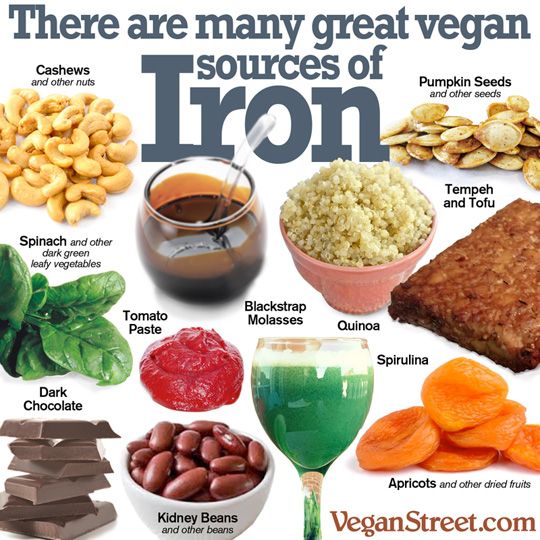
Thyme is also nutrient dense, containing vitamin C, vitamin A, iron, manganese, copper, and dietary fiber. When used in cooked dishes, thyme may also help inhibit glycation and the formation of dangerous advanced glycation (meaning glucose broken down) end products (AGEs) in your food, making thyme a potential preventer of heart disease and premature aging. Due to thyme oil’s antibacterial, antispasmodic, anti-rheumatic, expectorant, hypertensive, and calming properties, it also has a long list of topical uses, including:

Home remedy – Thyme oil is used to relieve and treat problems like gout, arthritis, wounds, bites, and sores, water retention, menstrual and menopausal problems, nausea and fatigue, respiratory problems (like colds), skin conditions (oily skin and scars), athlete’s foot, hangovers, and even depression.

Aromatherapy oil – The oil can be used to stimulate the mind, strengthen memory and concentration, and calm the nerves.

Hair product – It is said that thyme oil can prevent hair loss. It is used as a treatment for the scalp and is added to shampoos and other hair products.

Skin product – Thyme oil can help tone aged skin and prevent acne outbreaks.

Mouthwashes and herbal rinses – Like peppermint, wintergreen, and eucalyptus oils, thyme oil is used to improve oral health.

Insecticide/insect repellent – Thyme oil can keep insects and parasites like mosquitoes, fleas, lice, and moths away.

Chamomile:

Chamomile is most popular in tea form for use to calm upset stomach and help support restful sleep. Germany’s Commission E (a government organization) has even approved the use of chamomile for reducing swelling on your skin and fighting bacteria. Chamomile is a powerful anti-inflammatory that also has antibacterial, anti-spasmodic, anti-allergenic, muscle relaxant, and sedative properties. It is used to treat psoriasis, eczema, chickenpox, diaper rash, slow-healing wounds, abscesses, and gum inflammation, and according to Herb Wisdom may also be useful for the following conditions:

The oil serves many medicinal purposes, but one of the best-documented uses is for relaxation. The oil has a calming effect on people, and can be used to help induce sleep, ease frayed nerves, and promote a general sense of calmness and well being. It is great for those with nervousness or anxiety problems.

Aside from having mental calming properties, chamomile is also good at relaxing sore muscles and tight joints.

It can ease menstrual cramps and back aches, as well as relax the digestive system to ease upset stomach or indigestion issues.

When applied topically to the skin, it soothes redness and irritation. For this reason, it is a common ingredient in skincare. It also eliminates itchiness and is good for those with allergic reactions. Sometimes chamomile is used on rashes. Because of its anti-inflammatory properties, it can work to take down swelling caused by rashes or skin irritants.

Dandelion:

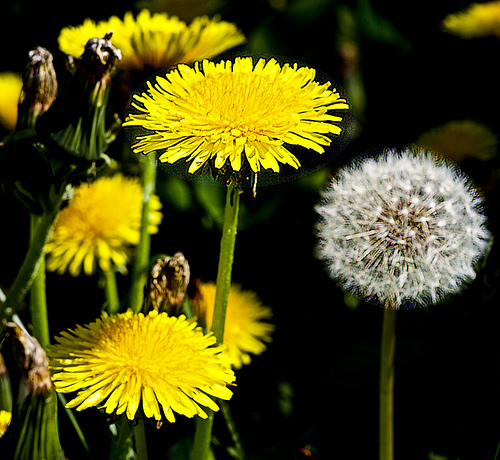
Dandelion, a plant, has traditionally been used as a liver tonic, useful for detoxification and improving liver function. Dandelion is known as a stimulant that is typically used for kidney and liver disorders. It is also traditionally used to reduce the side effects of prescription drugs, as well as to treat infections, gallbladder problems, water retention and swelling. Dandelion greens, which you can prepare simply by blanching them in boiling water for 20 seconds to help remove their bitter flavor (they can also be added to vegetable juice), contain many nutrients, including vitamin C, vitamin B6, thiamin, riboflavin, calcium, iron, potassium, and manganese. They are a particularly good source of vitamin A and may also have cancer fighting properties.

So believe it or not plants enhance our lives and with technology it will further expand in helping human lives.
QUOTE FOR FRIDAY:

“Spinal Muscular Atrophy – SMA has generally been believed to affect as many as 10,000 to 25,000 children and adults in the United States, and therefore it is one of the most common rare diseases. One in 6,000 to one in 10,000 children are born with the disease. One in 40 to one in 50 people (approximately 6 million Americans) are carriers of the SMA gene. SMA is an autosomal recessive genetic disease, meaning that a person must have two copies of a defective gene to have the disease. SMA carriers do not exhibit SMA symptoms, but do carry a defective copy of the SMN1 gene. If both parents are carriers of the SMA gene, then each of their children has a 1 in 4 chance of having the disease. SMA has multiple forms which vary in severity.”

SMA Foundation (SMA Foundation | About SMA)

Part II Awareness of Spinal Muscular Atrophy (SMA)-What are the symptoms and the what are the types of SMA!

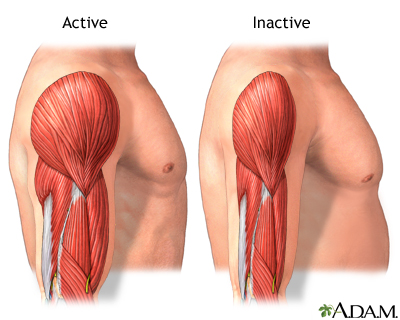
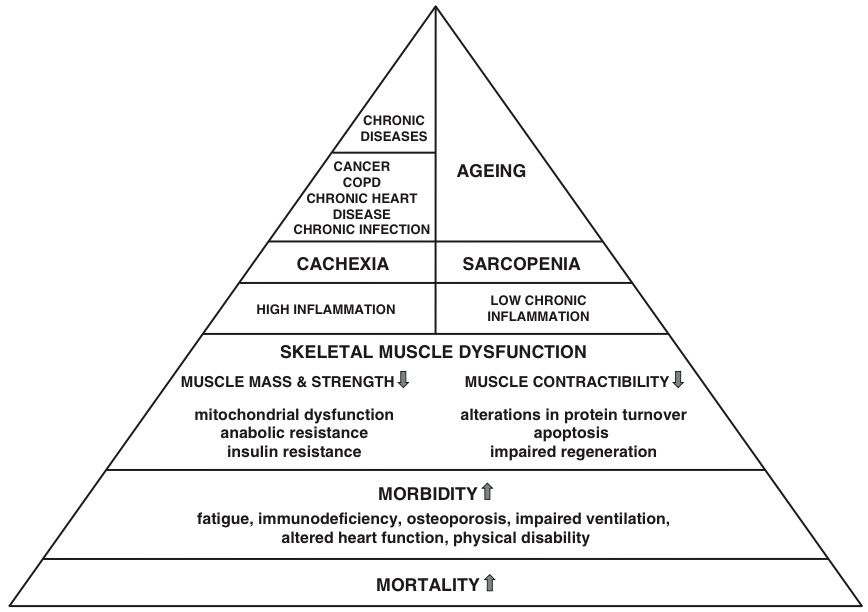
Symptoms of muscle atrophy

You may have muscle atrophy if:

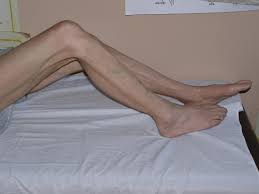
  • One of your arms or legs is noticeably smaller than the other.
  • You are experiencing marked weakness in one limb.
  • You have been physically inactive for a very long time.

Contact your doctor to have a complete medical examination if you believe you may have muscle atrophy or if you are unable to move normally. You may have an undiagnosed condition that requires treatment. Your doctor will be able to provide you with diet and exercise options.

S/S of Spinal Muscular Atrophy (SMA):

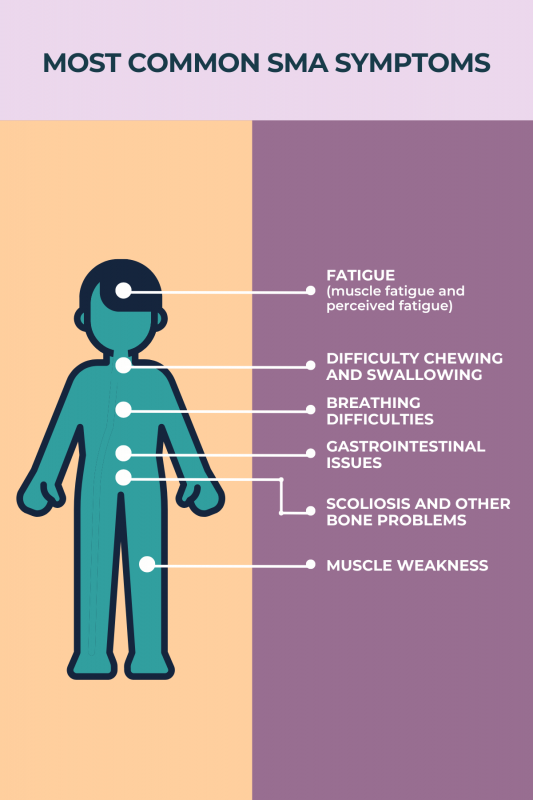
Symptoms of SMA may include:

  • muscle weakness and decreased muscle tone
  • limited mobility
  • breathing problems-Remember we say  the weakness tends to be more severe in the muscles that are close to the center of the body (proximal) compared to muscles away from the body’s center (distal).   So your respiratory muscles are close to the center.
  • problems eating and swallowing
  • delayed gross motor skills
  • spontaneous tongue movements
  • scoliosis (curvature of the spine)

At birth, infants may appear normal, but can develop some of these signs as they age 6 mths or 18mths and 3,4,6 (it all depends on what stage level they are in since the stages happen at different ages, discussed after the s/s:

  • Muscle weakness and hypotonia
  • Areflexia
  • Impaired head control
  • Reduced bulbar function, including impaired swallowing, feeding, and weak cry and cough
  • Tongue fasciculations
  • Paradoxical breathing, also known as “belly breathing,” and bell-shaped chest due to intercostal muscle weakness
  • Progressive respiratory failure requiring noninvasive ventilation (NIV)
  • Missed motor milestones

Spinal Muscular Atrophy (SMA)-WHEN S/S start?

All signs snd symptoms depends on the type of Spinal Muscular Atrophy you are diagnosed with.

TYPES OF SMA:

There are five subtypes of SMA. Healthcare providers classify them based on the age of onset, as well as the severity and life expectancy. The subtypes include:

  • SMA type 0 (congenital SMA): This is a rare subtype that affects a fetus before birth. Pre-birth, there are typically decreased fetal movements. At birth, infants with type 0 have severe muscle weakness and typically go into respiratory failure. Death usually happens at birth or within the first month of life.
  • SMA type 1 (severe SMA): About 60% of SMA cases are type 1 — also called Werdnig-Hoffman disease. Symptoms arise within the first six months of life and include limited head control and decreased muscle tone (hypotonia). Infants with type 1 SMA also have difficulty swallowing and breathing. Without breathing support, children with type 1 SMA die before their second birthday.
  • SMA type 2 (intermediate SMA): Symptoms of type 2 SMA (also called Dubowitz disease) appear between six months and 18 months of life. Symptoms include hypotonia and worsening muscle weakness, which tends to affect their legs more than their arms. Children with type 2 SMA may be able to sit up but can’t walk. Around 70% of people with type 2 will survive until 25, with some surviving into their 30s. Respiratory issues are the major cause of death.
  • SMA type 3 (mild): Symptoms of type 3 SMA (also called Kugelbert-Welander disease) appear after a child’s first 18 months of life. Type 3 symptoms include lower limb muscle weakness, leading to difficulty walking. People with type 3 MSA don’t tend to develop breathing issues, and it typically doesn’t affect life expectancy.
  • SMA type 4 (adult): This is the mildest form of SMA. It doesn’t typically appear until after the age of 21. Muscle weakness symptoms progress slowly, so most people with type 4 remain mobile. It typically doesn’t affect life expectancy.

Updated 8/06/2025