
Archive | August 2025

QUOTE FOR THURSDAY:

“Regarding SMA:

  • Spinal muscular atrophy (SMA) is a disorder affecting the motor neurons—nerve cells that control voluntary muscle movement. These cells are located in the spinal cord.
  • Because the muscles cannot respond to signals from the nerves, they atrophy — weaken and shrink — from inactivity.
  • One in every 6,000 babies is born with SMA. It is one of the most prevalent genetic disorders affecting young children and a major cause of death in infancy.
  • SMA can strike children at any age. SMA in infancy and early childhood is associated with worse outcomes, while patients who develop symptoms later in childhood or in adolescence usually have a more positive prognosis.
  • SMA does not affect sensory nerves or intellect, but it has been observed that many patients with SMA are highly intelligent.”

John Hopkins Medicine (Spinal Muscular Atrophy (SMA) | Johns Hopkins Medicine)


Part I Awareness of Spinal Muscular Atrophy (SMA)-What it is, the causes of it, and what is the progression of SMA!

Spinal muscular atrophy (SMA) is a genetic disease affecting the central nervous system, peripheral nervous system, and voluntary muscle movement (skeletal muscle).

Most of the nerve cells that control muscles are located in the spinal cord, which accounts for the word spinal in the name of the disease. SMA is muscular because its primary effect is on muscles, which don’t receive signals from these nerve cells. Atrophy is the medical term for getting smaller, which is what generally happens to muscles when they’re not stimulated by nerve cells.

SMA involves the loss of nerve cells called motor neurons in the spinal cord and is classified as a motor neuron disease.

Spinal muscular atrophy (SMA) is a disorder affecting the motor neurons—nerve cells that control voluntary muscle movement. These cells are located in the spinal cord. Because the muscles cannot respond to signals from the nerves, they atrophy — weaken and shrink — from inactivity.

Healthline through Dr. William Morrison Director, Musculoskeletal/General Diagnostic Muscle at Jefferson University Hospital, states atrophy is when muscles waste away. The main reason for muscle wasting is a lack of physical activity. This can happen when a disease or injury makes it difficult or impossible for you to move an arm or leg. A symptom of atrophied muscles is an arm that appears smaller, but not shorter, than the other arm.

You should schedule an appointment with your doctor if you think you are experiencing muscle atrophy. Your doctor will determine what treatment you need. In some cases, muscle wasting can be reversed with a proper diet, exercise, or physical therapy.

What causes SMA?

Chromosome 5-related SMA is caused by a deficiency of a motor neuron protein called SMN, for “survival of motor neuron.” This protein, as its name implies, seems to be necessary for normal motor neuron function. SMN plays a pivotal role in gene expression in motor neurons. Its deficiency is caused by genetic flaws (mutations) on chromosome 5 in a gene called SMN1. The most common mutation in the SMN1 gene within patients diagnosed with SMA is a deletion of a whole segment, called exon 7. Neighboring SMN2 genes can in part compensate for nonfunctional SMN1 genes as there is 99% identity between these two genes.

Other rare forms of SMA (non-chromosome 5) are caused by mutations in genes other than SMN1.

What is the progression of SMA?

In chromosome 5-related SMA, the later the symptoms begin and the more SMN protein there is, the milder the course of the disease is likely to be. While in the past, infants with SMA typically did not survive more than two years, with new therapies and earlier diagnosis, the typical progression of disease is changing. Today, most doctors consider SMN-related SMA to be a continuum and prefer not to make rigid predictions about life expectancy or weakness based strictly on age of onset.

SMA is the most common genetic cause of mortality in infants.

Tune it for Part II tomorrow and learn more about SMA regarding the symptoms and types!

Updated on 8/06/25

QUOTE FOR WEDNESDAY:

“On August 6, 2011, the USBC officially declared August as National Breastfeeding Month. Read the Proclamation.

​In recognition of National Breastfeeding Month (NBM), each August the U.S. Breastfeeding Committee hosts a social media advocacy and outreach campaign inviting member organizations, breastfeeding coalitions, partner organizations, and individuals to participate in online action and conversation about the policy and practice changes needed to build a landscape of support for babies and families. It’s a time where we Learn, Connect, and Act together to build momentum that sustains our movement through the coming year!”

U.S. Breastefeeding Commitee – USBC

National Breastfeeding Awareness Month

World Breastfeeding Week is celebrated every year from 1 to 7 August to encourage breastfeeding and improve the health of babies around the world.

It commemorates the Innocenti Declaration signed in August 1990 by government policymakers, WHO, UNICEF and other organizations to protect, promote and support breastfeeding.

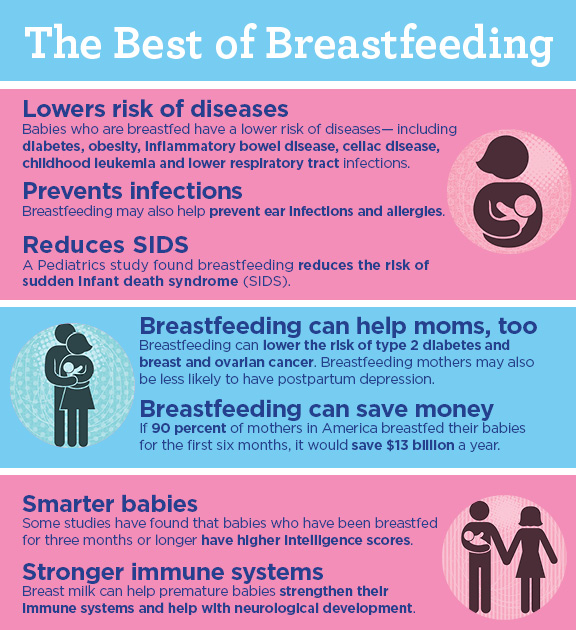
Breastfeeding is the best way to provide infants with the nutrients they need. WHO recommends exclusive breastfeeding starting within one hour after birth until a baby is 6 months old. Nutritious complementary foods should then be added while continuing to breastfeed for up to 2 years or beyond.

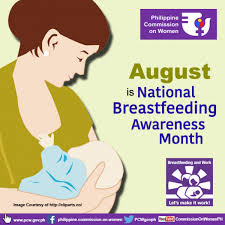
August is National Breastfeeding Awareness Month. The breastfeeding campaign, funded by the U.S. Department of Health and Human Services, hopes to empower women to commit to breastfeeding by highlighting new research showing that babies who are exclusively breastfed for six months are less likely to develop ear infections, diarrhea and respiratory illnesses, and may be less likely to develop childhood obesity.

WHO has worked with UNICEF and partners to promote the importance of helping mothers breastfeed their babies within that crucial first hour of life. Skin-to-skin contact along with suckling at the breast stimulate the production of breastmilk, including colostrum, also called the baby’s ‘first vaccine’, which is extremely rich in nutrients and antibodies.  Breastfeeding your baby can lower the risk of SIDS by as much as 50%, though experts aren’t sure why. Sudden infant death syndrome (SIDS) is the unexplained death, usually during sleep, of a seemingly healthy baby less than a year old. SIDS is sometimes known as crib death because the infants often die in their cribs.  Some think breast milk may protect babies from infections that raise their SIDS risk. Do not drink alcohol if you breastfeed, because that raises your baby’s risk of SIDS. In addition, the simple touch is helpful. Skin-to-skin contact is important for your baby’s development.

Breastfeeding: it’s one of the most natural and intimate of all human interactions. But, just because it’s natural doesn’t mean it’s easy—especially in those first few overwhelming weeks with your newborn.  Breastfeeding takes knowledge and practice.


QUOTE FOR TUESDAY:

“An accurate diagnosis is necessary to treating gastroparesis, since the treatment depends on the cause. If your doctor diagnosed an underlying disease or condition that is causing the gastroparesis, the treatment will focus on correcting or reversing that condition; if there is no underlying cause or if it is not possible to treat it, then the goal of treatment is to promote gastric emptying and relieve your symptoms.

The first step is to stop taking medications that inhibit or delay gastric emptying.”

John Hopkins Medicine (https://www.hopkinsmedicine.org/health/conditions-and-diseases/gastroparesis/gastroparesis-treatment)

Part II Gastroparesis August Awareness Month

How is Gastroparesis Treated?
The treatment for gastroparesis in an individual depends on the severity of symptoms. Treatments are aimed at managing symptoms over a long-term.

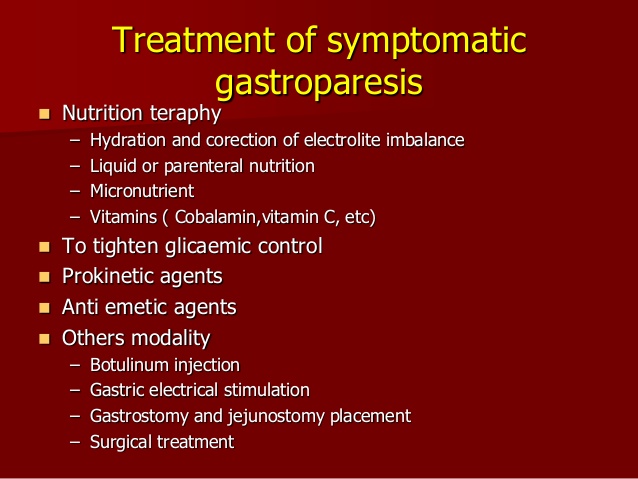
Treatment approaches may involve one or a combination of:

  • dietary and lifestyle measures,
  • medications, and/or
  • procedures that may include surgery, such as
  • enteral nutrition,
  • parenteral nutrition,
  • gastric electrical stimulation (Enterra), or
  • other surgical procedures

Some people with gastroparesis have mild symptoms that come and go, which can be managed with dietary and lifestyle measures.

Others have moderate to more severe symptoms that additionally may be treated with medications to stimulate motility and/or reduce nausea and vomiting.

Some people have severe symptoms that are difficult to treat or do not respond to initial treatment approaches. They may require additional procedures to maintain nutrition and/or reduce symptoms.

Goals of Treatment
The goals of treatment are to manage and reduce symptoms, maintain quality of daily living, and minimize related problems such as:

  • Severe dehydration due to persistent vomiting
  • Bezoars (solid collections of food, fiber, or other material), which can cause nausea, vomiting, obstruction, or interfere with absorption of some medications in pill form
  • Difficulty managing blood glucose levels in people with diabetes
  • Malnutrition due to poor absorption of nutrients or a low calorie intake

Manage Risk and Benefit
No single treatment helps all persons with gastroparesis. All drugs and procedures have inherent risks, some more than others. Some of the risks are unavoidable, while others can be avoided and managed. For patients and families it is important to talk to the doctor or health care team about both benefit and risk.

As a patient, in the context of your personal illness status, consider:

  • How severe is your own condition – what effect is it having on your life
  • What is the possible benefit from the treatment suggested or prescribed to you
  • What are the chances that you will receive benefit from the treatment
  • How much benefit should you reasonably expect
  • What possible side effects or complications might there be from the treatment
  • What are the chances that you will experience a side effect or serious adverse event from the treatment
  • What can you do to reduce the chances of side effects or complications
  • How will you know when a side effect occurs
  • Exactly what should you do if a side effect or complication occurs

How to live with Gastroparesis:

Gastroparesis is a long-term condition that can impair quality of life and well-being. Living with gastroparesis affects not only those who suffer but also many others, especially family members and friends. It also touches on relationships in the classroom, in the workplace, or in social interactions.

It takes skills and strengths to deal with a challenging digestive condition like gastroparesis. It means being a kind of active researcher, always looking for what does and does not help, hurt, and work best.

It is important to understand the condition and to advocate for better health. If you or a friend or loved one has gastroparesis, it is also important to understand that you are not alone with this diagnosis.

QUOTE FOR MONDAY:

“Gastroparesis is a condition that affects the normal spontaneous movement of the muscles (motility) in your stomach. Ordinarily, strong muscular contractions propel food through your digestive tract. But if you have gastroparesis, your stomach’s motility is slowed down or doesn’t work at all, preventing your stomach from emptying properly.”

MAYO CLINIC (https://www.mayoclinic.org/diseases-conditions/gastroparesis/symptoms-causes/)

Part I Gastroparesis August Awareness Month


Should focus attention on important health messages about gastroparesis diagnosis, treatment, and quality of life issues. The goals include improving understanding of gastroparesis to help patients and families manage the condition, and encouraging preventive strategies.

The number of people with gastroparesis appears to be rising. Yet gastroparesis is poorly understood. More community awareness is needed about the condition.

The more awareness for gastroparesis, the greater the ability to impact positive outcomes, such as additional research and improved patient care for the functional GI and motility disorders.

Gastroparesis is also called delayed gastric emptying. The term “gastric” refers to the stomach.

Normally, the stomach empties its contents in a controlled manner into the small intestines. In gastroparesis, the muscle contractions (motility) that move food along the digestive tract do not work properly and the stomach empties too slowly.

Gastroparesis is characterized by the presence of certain long-term symptoms together with delayed stomach emptying in the absence of any observable obstruction or blockage. The delayed stomach emptying is confirmed by a test.

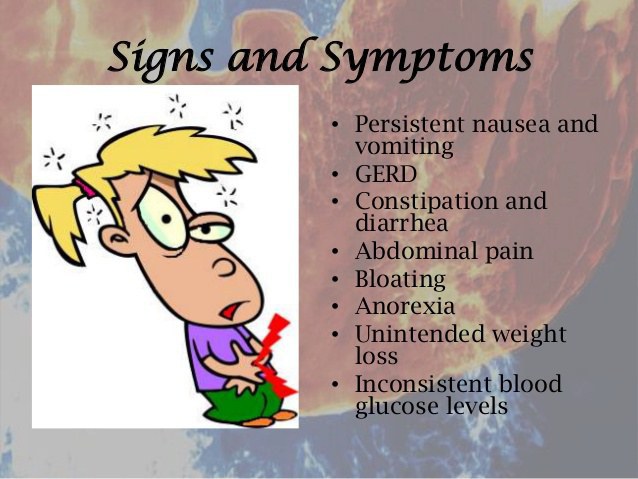
Signs and Symptoms:

The signs and symptoms of gastroparesis may differ among persons with the condition. Symptoms usually occur during and after eating a meal.

Symptoms that are characteristic of gastroparesis include:

  • Nausea and/or vomiting
  • Retching (dry heaves)
  • Stomach fullness after a normal sized meal
  • Early fullness (satiety) – the inability to finish a meal

Diagnosing Gastroparesis:

The symptoms of gastroparesis are similar to those that occur in a number of other illnesses. When symptoms persist over time or keep coming back, it’s time to see a doctor to diagnose the problem. An accurate diagnosis is the starting point for effective treatment.

Diagnosis of gastroparesis begins with a doctor asking about symptoms and past medical and health experiences (history), and then performing a physical exam. Any medications that are being taken need to be disclosed.

Tests will likely be performed as part of the examination. These help to identify or rule out other conditions that might be causing symptoms. Tests also check for anything that may be blocking or obstructing stomach emptying. Examples of these tests include:

  • a blood test,
  • an upper endoscopy, which uses a flexible scope to look into the stomach,
  • an upper GI series that looks at the stomach on an x-ray, or
  • an ultrasound, which uses sound waves that create images to look for disease in the pancreas or gallbladder that may be causing symptoms.

If – after review of the symptoms, history, and examination – the doctor suspects gastroparesis, a test to measure how fast the stomach empties is required to confirm the diagnosis.

Slow gastric emptying alone does not correlate directly with a diagnosis of gastroparesis.

There are several different ways to measure the time it takes for food to empty from the stomach into the small intestine. These include scintigraphy, wireless motility capsule, or breath test. Your doctor will provide details of the one chosen.

Gastric Emptying Study (Scintigraphy)
The diagnostic test of choice for gastroparesis is a gastric emptying study (scintigraphy). The test is done in a hospital or specialty center.

It involves eating a bland meal of solid food that contains a small amount of radioative material so that it can be tracked inside the body. The abdomen is scanned over the next few hours to see how quickly the meal passes out of the stomach. A radiologist will interpret the study at periodic intervals after the meal.

A diagnosis of gastroparesis is confirmed when 10% or more of the meal is still in the stomach after 4 hours.

Other methods for measuring gastric emptying include a wireless motility capsule and a breath test.

Wireless Motility Capsule
The ingestible wireless motility capsule (SmartPill) is swallowed and transmits data to a small receiver that the patient carries. The data collected is interpreted by a radiologist. While taking the test, people can go about their daily routine. After a day or two, the disposable capsule is excreted naturally from the body.

Breath Test
The breath test involves eating a meal that contains a nonradioactive component that can be tracked and measured in the breath over a period of hours. The results can then be calculated to determine how quickly the stomach empties.

Stay tune for Part II tomorrow!


QUOTE FOR THE WEEKEND:

“You might think your vision is fine or that your eyes are healthy, but visiting your eye care professional for a comprehensive dilated eye exam is the only
way to really be sure.  Talk to your family members about their eye health
history. It’s important to know if anyone has been diagnosed with a disease
or condition since many are hereditary.  You’ve heard carrots are good for your eyes. But eating a diet rich in fruits and vegetables, particularly dark leafy greens such as spinach, kale, or collard greens, is important for keeping your eyes healthy, too.”

National Eye Institute (Simple Tips for Healthy Eyes)

Healthy Eyes are vital! Learn how to keep them working EFFECTIVELY and factors that influence how your eyes turn out!

                                                       eyes

EYES and how our health is vital in keeping the eyes working EFFECTIVELY.

Like all organs if your diet is not healthy you’ll effect their functioning, including your eyes. Take for example the ingredients you include in the foods & fluids you eat. Just like how some drink from one up to three thousand cc’s of water a day to help prevent dehydration in their tissues if they work out daily from a gym to running miles outside OR take someone who simply includes calcium in their diet for their bones. Well what is good for the eyes and what can you do to help both your eyes?

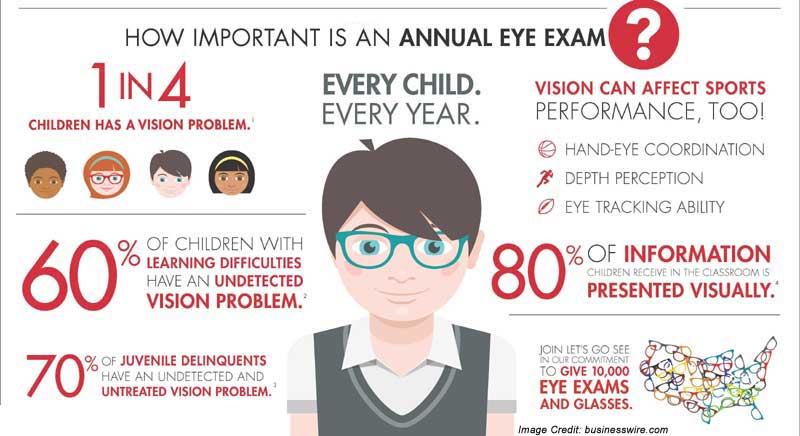
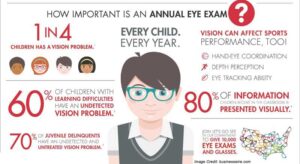
Get an annual comprehensive dilated eye exam. Why?  During a comprehensive dilated eye exam, your eye care professional places drops in your eyes to dilate, or widen, the pupil to allow more light to enter the eye the same way an open door lets more light into a dark room. This dilation enables
your eye care professional to get a good look at the back of the eyes and examine them for any signs of damage or disease. Your eye care professional is the only one who can determine if your eyes are healthy and if you are seeing your best.  That is why a yearly comprehensive eye exam is vital!

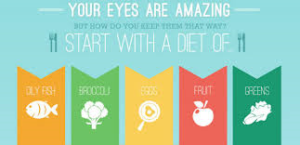
You should know your families eye history since many eye diseases are through heredity, eat an eye healthy & well-balanced diet rich in salmon, tuna, dark leafy greens, colored vegetables and fruits, wear sunglasses with UV protection and avoid smoking (which effects the body everywhere, including the eyes).

So talk to your family members about their eye health history. It’s important to know if anyone has been diagnosed with a disease or condition since many are hereditary. This information will help to determine if you are at higher risk for developing an eye disease or condition.

What ingredients do we need in our dieting that is so vital for the eyes to stay at their healthiest level?

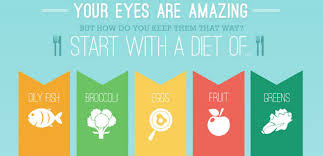
You’ve heard carrots are good for your eyes. But eating a diet rich in fruits and vegetables, particularly dark leafy greens such as spinach, kale, or collard greens, is important for keeping your eyes healthy, too. Research has also shown there are eye health benefits from eating fish high in omega-3 fatty acids, such as salmon, tuna, and halibut.

Well Lutein and Zeaxanthin (Pronounced loo’teen and Zee’-a-zan-thin)-Powerful antioxidants naturally present in the macula (the part of the retina that is responsible for central vision). Remember damage to the retina causes some degree of lack of vision to 100% blind. Lutein and Zeaxanthin are critical for helping to filter out harmful blue light, which can damage the macula. These vital antioxidants cannot be produced by our bodies on their own, so they must be obtained through diet and/or supplements (ex. Ocuvite Supplements in the store).

Another ingredient we need in our diet is Omega 3 Fatty Acids which is a family of fatty acids that help protect our eyes by keeping them healthy. Omega 3 is an important structural lipid in the retina and helps support proper function; and is vital for the health of your eyes as you age. Lastly it helps promote healthy tear production necessary for healthy and comfortable eyes.

Other Nutrients Antioxidants Vitamins C and E, Zinc and beta carotene. They help protect eyes from oxidative stress (Oxidative stress reflects an imbalance between the systemic manifestation of reactive oxygen species and a biological system’s ability to readily detoxify the reactive intermediates or to repair the resulting damage and oxidative stress can cause disruptions in normal mechanisms of cellular signaling. It is thought to be involved in the development of many diseases.)

What Your Diet or Daily Health Habits May Be Missing:

Many dark leafy greens and brightly colored vegetables (including orange foods) are rich in Lutein and Zeaxanthin. We all heard about carrots (to get Beta-carotene)

Oil-rich fish such as tuna and salmon along with nuts and fortified eggs are an excellent source of omega-3s. Omega-3s: A family of fatty acids that help protect the eye to keep it healthy, another important nutrient for your eyes

Unfortunately, many of us do not consume enough of these eye-healthy foods in our daily diets. What should you have in your diet to eat per day to equal the amount of Lutein and Zeaxanthin you should have daily:   5 cups of broccoli, 6 cups of corn, 1 ounce of salmon or 4 ounces of tuna. A lot of vegetables in cups but if you mix your foods in the 4 food groups that are healthy for the eye or just simply take supplements that your doctor recommends for eye health you won’t be eating cups and cups of vegetables if you don’t like the taste.

*Know other foods high in omega 3 are halibut, spinach, collard and kale.

VITAL NUTRIENTS FOR GETTING THE EYES HEALTHY.

Many eye diseases can’t be avoided (like born blind) but there are many diseases that could have been avoided through prevention tactics in what you eat and in what you practice as your daily habits. For example some that could be prevented if not slowed down or suppressed in the intensity of the disease can be Age-Related Macular Degeneration, Cataracts, Dry Eye Syndrome and more.                                                                                                                

Factors that also influence how our eyes turn out are:

Being overweight or obese is a factor that increases your risk of developing diabetes and other systemic conditions which can lead to vision loss, such as diabetic eye disease (macular degeneration) or even glaucoma. If you’re having trouble maintaining a healthy weight, talk to your doctor or go to my website with Dr. Anderson available to help you understand how the body works with calories/sugars, carbohydrates, starches, fats, and sugars; with understanding how portions of meals work with digestion and how it can put weight on the body.

If you do a lot of work daily on a computer or on any one thing, your eyes may forget to blink or get very fatigued, so attempt to do every 20 minutes looking away from the computer or one thing your focused on for hours (like at work) for 20 seconds. This helps your eyes in reducing eyestrain (it is an actually an exercise for the eye).

Clean your hands and your contact lenses properly. This is to avoid local infection in the eye. Always wash your hands before putting in and taking out the contact lenses. Follow your doctors and contact lenses website in keeping your eyes healthy and safe with using their service for your lenses.

Practice workplace eye safety as their organization policy and procedure states but also use common sense with wearing eye goggles when doing work around the house that puts you at risk for eye damage (like weed whacking, painting, using saws etc…) Wear protective eyewear when playing sports or doing activities around the home. Protective eyewear includes safety glasses and goggles, safety shields, and eye guards specially designed to provide the correct protection for a certain activity. Most protective eyewear lenses are made of polycarbonate, which is 10 times stronger than other plastics. Many eye care providers sell protective eyewear, as do some sporting goods stores.

Also know at home to be protective and wear protective eyewear when playing sports or doing activities around the home. Protective eyewear includes safety glasses and goggles, safety shields, and eye guards specially designed to provide the correct protection for a certain activity. Most protective eyewear lenses are made of polycarbonate, which is 10 times stronger than other plastics. Many eye care providers sell protective eyewear, as do some sporting goods stores.

Our health care system is in a disaster but gradually improving and lets add to improving it for us now and ten years from now and for future generations to decrease the amount of disease and illness in our country with giving our government a reason to decrease the price in our health care system (including insurances). Please if you have any diseases or illnesses on your mind with questions that you have let me know in my comment section and I will personally try to make it the next article if not sometime that week. Thank you for reading my post.

References: 1.)http://www.ocuvite.com

Updated on 7/27/25