Archive | November 2024

Part I What actually is Chronic Obstructive Pulmonary Disease (COPD)?

COPD2  COPD3 Usually due to smoking

This is Healthy Lung Month covering COPD.

What is Chronic Obstructive Pulmonary Disease (COPD)?

Chronic obstructive pulmonary disease (COPD) is a term that applies to patients with chronic bronchitis, bronchiectasis, emphysema and, to a certain extent, asthma. A brief review of normal functional anatomy will provide a background for the discussion of pathology.

The airway down to the bronchioles normally is lined with ciliated pseudo-stratified columnar cells and goblet cells. Mucus derives from mucus glands that are freely distributed in the walls of the trachea and bronchi. The cilia sweep mucus and minor debris toward the upper airway. Low humidity, anesthesia gases, cigarette smoking and other chemical irritants paralyze the action of these cilia. The mucociliary action starts again after a matter of time. This is why people awaken to “smokers cough.”

“Chronic obstructive pulmonary disease (COPD) is a term that applies to patients with chronic bronchitis, bronchiectasis, emphysema and, to a certain extent, asthma.”

Bronchi run in septal connective tissue, but bronchioles are suspended in lung parenchyma by alveolar elastic tissue. The elastic tissue extends throughout alveolar walls, air passages, and vessels, connecting them in a delicate web. Bronchiolar epithelium is ciliated, single-layered and columnar or cuboidal. Beyond the bronchioles the epithelium is flat and lined with a film of phospholipid (surfactant), which lowers surface tension and thereby helps to keep these air spaces from collapsing. Remember that the phospholipid develops during later gestation in utero. This is the reason why premature infant’s lungs cannot stay inflated without the addition of surfactant therapy. Macrophages are found in alveolar lining. Smooth muscles surround the walls of all bronchi, bronchioles, and alveolar ducts and when stimulated they shorten and narrow the passages. Cartilage lends rigidity and lies in regular horse-shaped rings in the tracheal wall. Cartilage is absent in bronchi less than 1 mm in diameter.

The terminal bronchiole is lined with columnar epithelium and is the last purely conducting airway. An acinus includes a terminal bronchiole and its distal structures. Five to ten acini together constitute a secondary lobule, which is generally 1 to 2 cm in diameter and is partly surrounded by grossly visible fibrous septa. Passages distal to the terminal bronchiole include an average of three but as many as nine generations of respiratory bronchioles lined with both columnar and alveolar epithelium. Each of the last respiratory bronchioles gives rise to about six alveolar ducts, each of these to one or two alveolar sacs, and finally each of the sacs to perhaps seventy-five alveoli. Alveolar pores (pores of Kohn) may connect alveoli in adjacent lobules.

Two different circulations supply the lungs. The pulmonary arteries and veins are involved in gas exchange. The pulmonary arteries branch with the bronchi, dividing into capillaries at the level of the respiratory bronchiole, and supplying these as well as the alveolar ducts and alveoli. In the periphery of the lung, the pulmonary veins lie in the interlobular septa rather than accompanying the arteries and airways. The bronchial arteries are small and arise mostly from the aorta. They accompany the bronchi to supply their walls. In some cases of COPD, like bronchiectasis, extensive anastomoses develop between the pulmonary and bronchial circulations. This can allow major shunting and recirculation of blood, therefore contributing to cardiac overload and failure. Lymphatics run chiefly in bronchial walls and as a fine network in the pleural membrane. The lumina of the capillaries in the alveolar walls are separated from the alveolar lining surfaces by the alveolar-capillary membrane, consisting of thin endothelial and epithelial cells and a minute but expansile interstitial space. This interface between air and blood, only 2 microns in thickness, is the only place where gases may be exchanged effectively.

Disease Specific Review

Chronic Bronchitis

Chronic bronchitis is a clinical disorder characterized by excessive mucus secretion in the bronchi. It was traditionally defined by chronic or recurrent productive cough lasting for a minimum of three months per year and for at least two consecutive years, in which all other causes for the cough have been eliminated. Today’s definition remains more simplistic to include a productive cough progressing over a period of time and lasting longer and longer. Sometimes, chronic bronchitis is broken down into three types: simple, mucopurulent or obstructive. The pathologic changes consist of inflammation, primarily mononuclear, infiltrate in the bronchial wall, hypertrophy and hyperplasia of the mucus-secreting bronchial glands and mucosal goblet cells, metaplasia of bronchial and bronchiolar epithelium, and loss of cilia. Eventually, there may be distortion and scarring of the bronchial wall.

Asthma

Asthma is a disease characterized by increased responsiveness of the trachea and bronchi to various stimuli (intrinsic or extrinsic), causing difficulty in breathing due to narrowing airways. The narrowing is dynamic and changes in degree. It occurs either spontaneously or because of therapy. The basic defect appears to be an altered state of the host, which periodically produces a hyperirritable contraction of smooth muscle and hypersecretion of bronchial mucus. This mucus is abnormally sticky and therefore obstructive. In some instances, the illness seems related to an altered immunologic state.

Histological changes of asthma include an increase in the size and number of the mucosal goblet cells and submucosal mucus glands. There is marked thickening of the bronchial basement membrane and hypertrophy of bronchial and bronchiolar smooth muscle tissue. A submucosal infiltration of mononuclear inflammatory cells, eosinophils and plugs of mucus blocks small airways. Patients who have had asthma for many years may develop cor pulmonale and emphysema.

Emphysema

Pulmonary emphysema is described in clinical, radiological and physiologic terms, but the condition is best defined morphologically. It is an enlargement of the air spaces distal to the terminal non-respiratory bronchiole, with destruction of alveolar walls.

Although the normal lung has about 35,000 terminal bronchioles and their total internal cross-sectional area is at least 40 times as great as that of the lobar bronchi, the bronchioles are more delicate and vulnerable. Bronchioles may be obstructed partially or completely, temporarily or permanently, by thickening of their walls, by collapse due to loss of elasticity of the surrounding parenchyma, or by influx of exudate. In advanced emphysema, the lungs are large, pale, and relatively bloodless. They do not readily collapse. They many contain many superficial blebs or bullae, which occasionally are huge. The right ventricle of the heart is often enlarged (cor pulmonale), reflecting pulmonary arterial hypertension. Right ventricular enlargement is found in about 40% of autopsies of patients with severe emphysema. The distal air spaces are distended and disrupted, thus excessively confluent and reduced in number. There may be marked decrease in the number and size of the smaller vascular channels. The decrease in alveolar-capillary membrane surface area may be critical. Death may result from infection that obliterates the small bronchi and bronchioles. There is often organized pneumonia or scarring of the lung parenchyma due to previous infections.

Classification of emphysema relies on descriptive morphology, requiring the study of inflated lungs. The two principal types are centrilobular and panlobular emphysema. The two types may coexist in the same lung or lobe.

Centrilobular emphysema (CLE) or centriacinar emphysema affects respiratory bronchioles selectively. Fenestrations develop in the walls, enlarge, become confluent, and tend to form a single space as the walls disintegrate. There is often bronchiolitis with narrowing of lumina. The more distal parenchyma (alveolar ducts and sacs and alveoli) is initially preserved, then similarly destroyed as fenestrations develop and progress.

The disease commonly affects the upper portions of the lung more severely, but it tends to be unevenly distributed. The walls of the emphysematous spaces may be deeply pigmented. This discoloration may represent failure of clearance mechanisms to remove dust particles, or perhaps the pigment plays an active role in lung destruction. CLE is much more prevalent in males than in females. It is usually associated with chronic bronchitis and is seldom found in nonsmokers.

Panlobular emphysema (PLE) or panacinar emphysema is a nearly uniform enlargement and destruction of the alveoli in the pulmonary acinus. As the disease progresses, there is gradual loss of all components of the acinus until only a few strands of tissue, which are usually blood vessels, remain. PLE is usually diffuse, but is more severe in the lower lung areas. It is often found to some degree in older people, who do not have chronic bronchitis or clinical impairment of lung function. The term senile emphysema was formerly applied to this condition. PLE occurs as commonly in women and men, but is less frequent than CLE. It is a characteristic finding in those with homozygous deficiency of serum alpha-1 antitrypsin. It has also been found that certain populations of IV Ritalin abusers show PLE.

Bullae are common in both CLE and PLE, but may exist in the absence of either. Air-filled spaces in the visceral pleura are commonly termed blebs, and those in the parenchyma greater than 1 cm in diameter are called bullae. A valve mechanism in the bronchial communication of a bulla permits air trapping and enlargement of the air space. This scenario may compress the surrounding normal lung. Blebs may rupture into the pleural cavity causing a pneumothorax, and through a valve mechanism in the bronchopleural fistula a tension pneumothorax may develop.

Paracicatricial emphysema occurring adjacent to pulmonary scars represents another type of localized emphysema. When the air spaces distal to terminal bronchioles are increased beyond the normal size but do not show destructive changes of the alveolar walls, the condition is called pulmonary overinflation. This condition may be obstructive, because of air trapping beyond an incomplete bronchial obstruction due to a foreign body or a neoplasm. Many lung lobules may be simultaneously affected as a result of many check-valve obstructions, as in bronchial asthma. Pulmonary overinflation may also be nonobstructive, less properly called “compensatory emphysema”, when associated with atelectasis or resection of other areas of the lung.

Bronchiectasis

Bronchiectasis means irreversible dilation and distortion of the bronchi and bronchioles. Saccular bronchiectasis is the classic advanced form characterized by irregular dilatations and narrowing. The term cystic is used when the dilatations are especially large and numerous. Cystic bronchiectasis can be further classified as fusiform or varicose.

Tubular bronchiectasis is simply the absence of normal bronchial tapering and is usually a manifestation of severe chronic bronchitis rather than of true bronchial wall destruction.

Repeated or prolonged episodes of pneumonitis, inhaled foreign objects or neoplasms have been known to cause bronchiectasis. When the bronchiectatic process involves most or all of the bronchial tree, whether in one or both lungs, it is believed to be genetic or developmental in origin.

Mucoviscidosis, Kartagener’s syndrome (bronchiectasis with dextrocardia and paranasal sinusitis), and agammaglobulinemia are all examples of inherited or developmental diseases associated with bronchiectasis. The term pseudobronchiectasis is applied to cylindrical bronchial widening, which may complicate a pneumonitis but which disappears after a few months. Bronchiectasis is true saccular bronchiectasis but without cough or expectoration. It is located especially in the upper lobes where good dependent drainage is available. A proximal form of bronchiectasis (with normal distal airways) complicates aspergillus mucus plugging.

Advanced bronchiectasis is often accompanied by anastomoses between the bronchial and pulmonary vessels. These cause right-to-left shunts, with resulting hypoxemia, pulmonary hypertension and cor pulmonale.

Keeping a healthy lung prevents emphysema.  So for starters don’t smoke and exercise; which includes don’t be exposed to smoke frequently!

QUOTE FOR FRIDAY:

Overall numbers the CDC reports in statistics up to 2021:

“OVERALL NUMBERS:

  • Prevalence: In 2021, 38.4 million Americans, or 11.6% of the population, had diabetes.
    • 2 million Americans have type 1 diabetes, including about 304,000 children and adolescents
  • Diagnosed and undiagnosed: Of the 38.4 million adults with diabetes, 29.7 million were diagnosed, and 8.7 million were undiagnosed.
  • Prevalence in seniors: The percentage of Americans age 65 and older remains high, at 29.2%, or 16.5 million seniors (diagnosed and undiagnosed).
  • New cases: 1.2 million Americans are diagnosed with diabetes every year.
  • Prediabetes: In 2021, 97.6 million Americans age 18 and older had prediabetes.”

“Diabetes was the eighth leading cause of death in the United States in 2021 based on the 103,294 death certificates in which diabetes was listed as the underlying cause of death. In 2021, diabetes was mentioned as a cause of death in a total of 399,401 certificates.

Cost of diabetes

Updated November 2, 2023

$412.9 billion: Total cost of diagnosed diabetes in the United States in 2022

$306.6 billion was for direct medical costs

$106.3 billion was in indirect costs

After adjusting for population age and sex differences, average medical expenditures among people with diagnosed diabetes were 2.6 times higher than what expenditures would be in the absence of diabetes.”

American Diabetes Association (https://diabetes.org/about-diabetes/statistics/about-diabetes)


QUOTE FOR THURSDAY:

“Natural insulin (i.e. insulin released from your pancreas) keeps your blood sugar in a very narrow range. Overnight and between meals, the normal, non-diabetic blood sugar ranges between 60-100mg/dl and 140 mg/dl or less after meals and snacks.  To keep the blood sugar controlled overnight, fasting and between meals, your body releases a low, background level of insulin. When you eat, there is a large burst of insulin. This surge of insulin is needed to dispose of all the carbohydrate or sugar that is getting absorbed from your meal. All of this happens automatically!  Insulin is continuously released from the pancreas into the blood stream. Although the insulin is quickly destroyed (5-6 minutes) the effect on cells may last 1-1/2 hours. When your body needs more insulin, the blood levels quickly rise, and, the converse – when you need less, the blood levels rapidly fall —The situation is different when you have diabetes and are getting insulin replacement therapy. Once you have injected a dose of insulin, it is going to get absorbed into your bloodstream whether you need it or not.

Insulin pump therapy is increasingly popular. Because insulin pumps more closely mimic what your body does naturally, you can improve your blood sugar control. With that control comes a more flexible lifestyle. Remember, though, that the pumps still require a lot of input from users.

Type 1 diabetes is caused by a loss or malfunction of the insulin producing cells, called pancreatic beta cells. Damage to beta cells results in an absence or insufficient production of insulin produced by the body.

You have Type 2 diabetes if your tissues are resistant to insulin, and if you lack enough insulin to overcome this resistance. Type 2 diabetes is the most common form of diabetes of diabetes worldwide and accounts for 90-95% of cases.”

University of California (https://dtc.ucsf.edu)

QUOTE FOR WEDNESDAY:

“Research shows that type 2 diabetes increases a person’s risk of developing dementia. Dementia risk also increases with the length of time someone has diabetes and how severe it is. However, it is important to note that diabetes is only a risk factor and does not mean that a person with diabetes will go on to develop dementia.

In people with type 1 diabetes. severe blood sugar highs and lows are also associated with increased risk of developing dementia.As you get older, you are more likely to develop certain health conditions, including diabetes.

To manage this, speak to your GP about going for a health check.

Eating a healthy, balanced diet may reduce your risk of type 2 diabetes. No single ingredient, nutrient or food can improve health by itself. Instead, eating a range of different foods in the right proportions is what makes a difference. This is known as a ‘balanced’ diet.

By eating a balanced diet you are more likely to get all the nutrients you need to stay healthy.”

Alzheimer’s Society (https://www.alzheimers.org.uk/about-dementia/managing-the-risk-of-dementia/reduce-your-risk-of-dementia/diabetes)


QUOTE FOR TUESDAY:

“Diabetes is a condition that happens when your blood sugar (glucose) is too high. It develops when your pancreas doesn’t make enough insulin or any at all, or when your body isn’t responding to the effects of insulin properly. Diabetes affects people of all ages. Most forms of diabetes are chronic (lifelong), and all forms are manageable with medications and/or lifestyle changes.”

Cleveland Clinic (https://my.clevelandclinic.org/health/diseases/7104-diabetes)

Part II Diabetes Awareness Month – Symptoms & Complications of Diabetes!


 ADA_STOP_LockUp_4C

Diabetes is becoming more common in the United States.  From 1980 through 2011, the number of Americans with diagnosed diabetes has than tripled (from 5.6 million to 20.9 million).

DIABETES: The Signs & Symptom and How to control the them:

The signs and symptoms of Diabetes 1 or 2 with hyperglycemia (HIGH GLUCOSE LEVELS):

THINK OF THE 3 P’s=

1.)Polyuria-When all of sudden you are voiding urine.  Poly ,meaning alot, uria, meaning urine,; so a lot of urinating due to your body trying to void out of the body excess glucose in your urine can be a symptom of diabetes. This is a common symptom that causes the next symptoms due to your voiding a lot of urine which causes your body to lose fluid, being water with alot of glucose in the urine, and in return you become very thirsty with hungry. This gives you:

2.)Polydipsia= very thirsty

3.)Polyphagia=very hungry

This should be a red light for a diabetic with these one or all 3 symptoms to finger stick or glucose test themselves.   See where your glucose level is at and if over 200 this is why you have one or all of the “P” symptoms (listed above).

Other s/s of Diabetes consist of:

– Tingling / Numbness in the hands and feet (diabetic neuropathy)

-Very tired and fatigued

-Weight Loss (more common to see in Diabetes 1; most of the time Type II DM is due to obesity and noncompliance of a diabetic )

-Blurred Vision.

-Sores or diabetic ulcers especially in the lower extremities that do not heal; and if not healed, this can cause in time a severe condition.

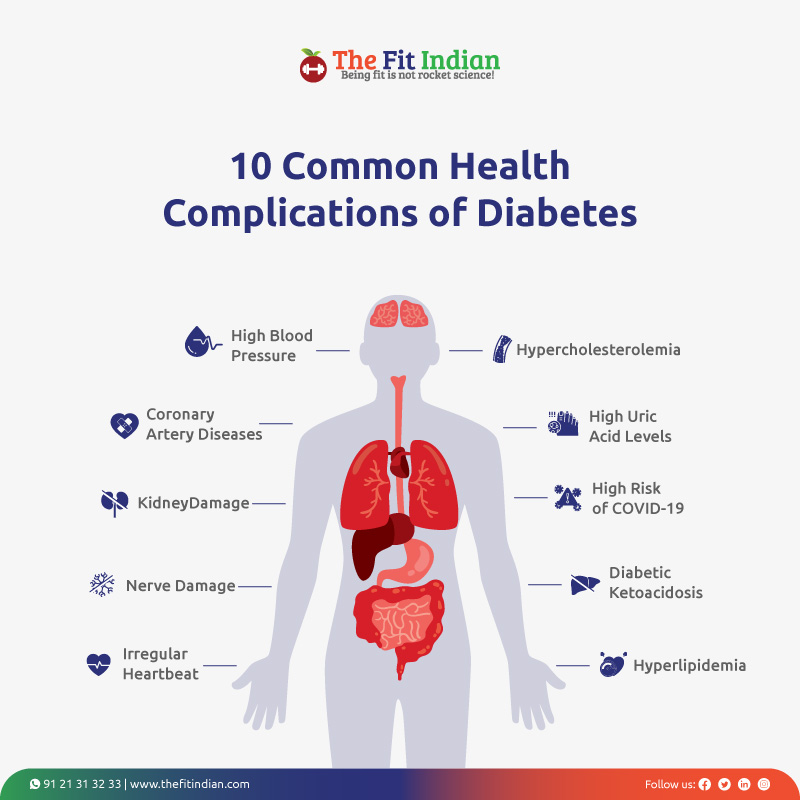
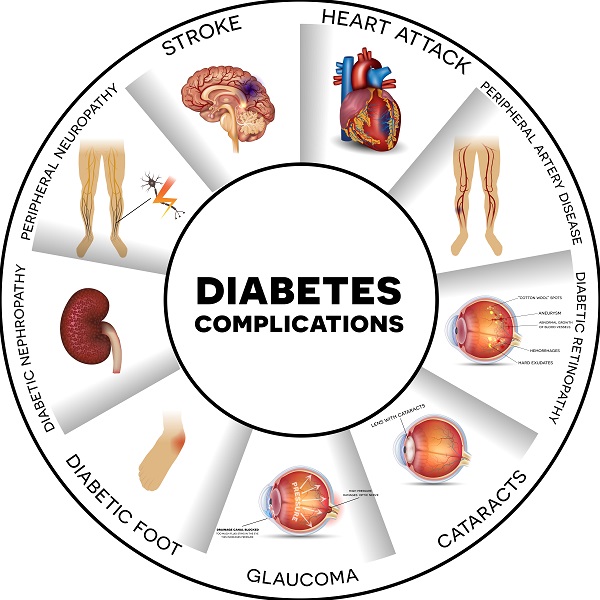
Complications that can come about due to DIABETES:

Dental Disease – Diabetes can lead to problems with teeth and gums, called gingivitis and periodontitis.

Heart Disease – People with diabetes have a higher risk for HTN, heart attack and stroke.

Eye Complications – People with diabetes have a higher risk of blindness and other vision problems.

Kidney Disease – Diabetes can damage the kidneys and may lead all the way up to kidney failure.

Nerve Damage (neuropathy) – Diabetes can cause damage to the nerves that run through the body.  Particularly neuropathy can occur leading to no feeling to other complications occuring (Example diabetic with neuropathy keeps stepping on sharp items not feeling them making a wound develop causing a sore not to heal that leads into a diabetic ulcer that doesn’t heel leading to a foot amputation or worse below or above knee amputation it leads to in time).

Foot Problems – Nerve damage, infections of the feet, and problems with blood flow to the feet can be caused by diabetes.

Skin Complications – Diabetes can cause skin problems, such as infections, sores, and itching. Skin problems are sometimes a first sign that someone has diabetes. Sores that cannot heal due to constant high glucose in the body can lead into a severe condition=AMPUTATION of the foot or leg.

**. (At least 15 % of all people with diabetes eventually have a foot ulcer, and 6 out of every 1000 people with Diabetes have an AMPUTATION. Possibly first surgery with bypassing the blood can resolve the problem 100% or like many only temporary. It is based on your other medical history with how brittle the diabetes and how compliant you are in taking care of yourself with diabetes.   This is why you see with some diabetics amputations of the lower extremities, hardly ever a upper amputation which is usually due to trauma or smoking.***

All these complications are effected by hyperglycemia and in playing a part in the blood circulation of our body. Ending line the person is getting bad oxygenated blood supply sent to the lower extremities when the glucose is poorly controlled over a long time. Based on the principle of gravity; what happens here is the heart pumps our blood throughout our body and when it gets difficult for the organ to do its job due to thick high glucose blood than it has to compensate at some point. Simply a narrowing to a blockage is occurring in that lower extremity and the reason for this is it’s the furthest area from the heart=FEET/LEGS.

This can be caused by just thick high glucose blood flowing throughout the body making it difficult for the heart to pump as effectively as opposed to someone that doesn’t have hyperglycemia which over time leads to further complications (listed above).

Diabetes with constant high glucose blood levels can leaded into poor circulation causes the feet and lower leg to first become cool to cold to changing colors of pale to cyanotic (purple) which takes over weeks to months to years, depending on the patient. Then the tissue gets necrotic (black=dead tissue) and an amputation has to be done to save the person or else this will get infected locally, at first, going into a systemic infection causing the person to go into septicemia and expire.


REFERENCES for Part 1, Part 2 & 3:

1.)  Center for Disease (CDC) – “National Diabetes Fact Sheet”

2.)  NYS Dept. of Health –Diabetes

3.)  Diabetic Neuropathy.org “All about diabetic neuropathy and nerve damage caused by Diabetes.”

4.)  NIDDK “National Institute of Diabetes and Digestive and Kidney Diseases.

5.)  National Diabetes Information Clearinghouse (NIDC) – U.S. Department of Health and Human Services.       “Preventing Diabetes Problems: What you need to know”


QUOTE FOR MONDAY:

“Among the U.S. population overall, crude estimates for 2021 were:

  • 38.4 million people of all ages—or 11.6% of the U.S. population—had diabetes.
  • 38.1 million adults aged 18 years or older—or 14.7% of all U.S. adults—had diabetes (Table 1a; Table 1b).
  • 8.7 million adults aged 18 years or older who met laboratory criteria for diabetes were not aware of or did not report having diabetes (undiagnosed diabetes, Table 1b). This number represents 3.4% of all U.S. adults (Table 1a) and 22.8% of all U.S. adults with diabetes.
  • The percentage of adults with diabetes increased with age, reaching 29.2% among those aged 65 years or older (Table 1a).”

Center for Disease Control and Prevention – CDC (https://www.cdc.gov/diabetes/php/data-research/index.html)

QUOTE FOR THE WEEKEND:

“There are two main types of seizures: generalized and focal seizures.

These types describe where a seizure starts in the brain and how it may affect a person.

Call 911 if a seizure (of any type) lasts more than 5 minutes or if the person does not wake up fully between seizures.”

Centers for Disease Control and Prevention (https://www.cdc.gov/epilepsy/about/types-of-seizures.html)


Part III National Epilepsy Awareness Month: Types of Seizures, and Types of Treatments for Epilepsy/Seizures!

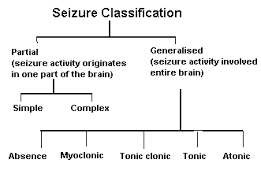
Old Lists Below on Seizure Classification:

Most Updated List on Classifications of Seizures by the Epilepsy Foundation:

Expanded Seizure Classifications


Types of seizures whether with a etiology or unknown:

I-Partial seizures (seizures beginning local)

1-simple partial seizures-(the person is conscious and not impaired).  With motor symptoms, autonomic symptoms and even psychic symptoms.

2.)-Complex partial seizures-(the person is with impairment of consciousness)

II-Generalized seizures-(bilaterally symmetrical and without local onset).

3.) Tonic clonic seizures – Grand Mal

See Above the most updated,being 2017, on classifications of seizures list by the Epilepsy Foundation.

Treatment:

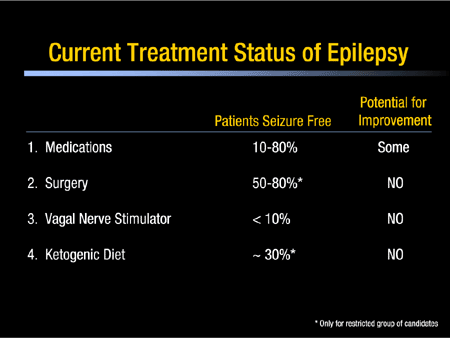
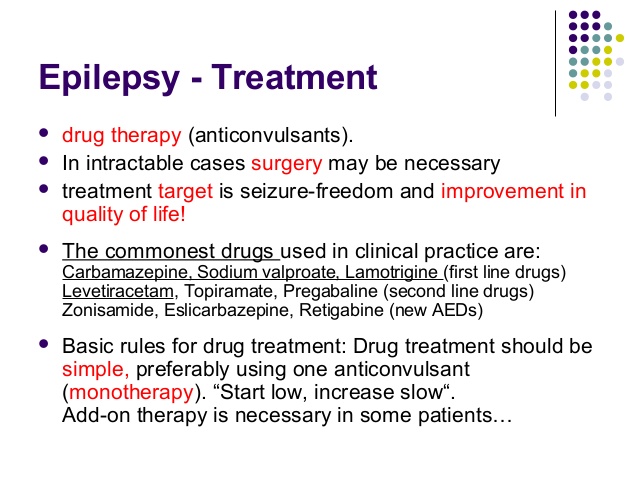
1-Epilepsy is sometimes referred to as a long-term condition, as people often live with it for many years, or for life. Although generally epilepsy cannot be ‘cured’, for most people, seizures can be ‘controlled’ (stopped) so that epilepsy has little or no impact on their lives. So treatment is often about managing seizures in the long-term.

Most people with epilepsy take anti-epileptic drugs (AEDs) to stop their seizures from happening. However, there are other treatment options for people whose seizures are not controlled by anti-epileptic drugs (AEDs).

2-The ketogenic diet is one treatment option for children with epilepsy whose seizures are not controlled with AEDs. The diet may help to reduce the number or severity of seizures and can often have positive effects on behaviour.

3-Vagus nerve stimulation therapy is a treatment for epilepsy that involves a stimulator (or ‘pulse generator’) which is connected, inside the body, to the left vagus nerve in the neck. The stimulator send regular, mild electrical stimulations through this nerve to help calm down the irregular electrical brain activity that leads to seizures.

There are several ways to treat epilepsy. How well each treatment works varies from one person to another. Vagus nerve stimulation therapy is a form of treatment for people with epilepsy whose seizures are not controlled with medication.

4-There are different kinds of epilepsy surgery. One kind of surgery involves removing a specific area of the brain which is thought to be causing the seizures. Another kind involves separating the part of the brain that is causing seizures from the rest of the brain.

Surgery may be possible for both adults and children, and might be considered if:

  • you have tried several AEDs and none of them have stopped or significantly reduced your seizures; and
  • a cause for your epilepsy can be found in a specific area of your brain, and this is an area where surgery is possible.

Whether you are suitable for surgery is something that you may like to talk about with your GP or neurologist. If you meet these criteria and are considered for surgery, you will need to have further tests before you can have the surgery.

If you are referred for surgery you will probably go to a specialist centre for tests. There are many different pre-surgical tests you might have before you can be given the go-ahead for surgery. This could include further MRI scans, an EEG (electroencephalogram) and video telemetry (an EEG while also being filmed). Other types of scans may also be done, which trace a chemical injected into the body. This can show detailed information about where seizures start in the brain.

Memory and psychological tests are also used to see how your memory and lifestyle might be affected after the surgery. These types of tests also help the doctors to see how you are likely to cope with the impact of having this type of surgery.

The tests will confirm whether:

  • the surgeons can reach the epileptogenic lesion during surgery and can remove it safely without causing new problems;
  • other parts of your brain could be affected by the surgery, for example the parts that control your speech, sight, movement or hearing;
  • you have a good chance of having your seizures stopped by the surgery; and
  • you have any other medical conditions that would stop you from having this kind of surgery.

The results from the pre-surgical tests will help you and your neurologist decide whether surgery is an option for you, and what the result of the surgery might be.

Your specialist will also talk with you about the possible risks and benefits of having surgery.

For many people the results show that surgery is not an option: the majority of people who are recommended for surgery, and have these tests carried out, are unable to have surgery.

Take the action and make your life one without seizures occurring putting your life on HOLD you need to TAKE CARE OF YOURSELF!    That is all up to you, the patient diagnosed with it or questioning if they have seizures.

QUOTE FOR FRIDAY:

“Seizures are unpredictable. When a person has a seizure, it is usually not in a doctor’s office or other medical setting where health care providers can observe what is happening, so diagnosing seizures is a challenge. Accurate diagnosis depends on taking a careful medical history and using brain imaging and other tests to assess abnormal patterns of electrical activity in the brain. Proper diagnosis of seizures and epilepsy is essential for effective treatment. Diagnostic tests can help determine if and where a lesion in the brain is causing seizures. . In the majority of cases, there may be no cause that can be discovered for epilepsy or in some cases there are actual causes.”

John Hopkins Medicine (https://www.hopkinsmedicine.org/health/conditions-and-diseases/epilepsy)