Archive | July 2024

QUOTE FOR WEDNESDAY:

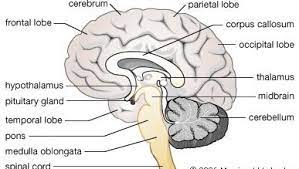
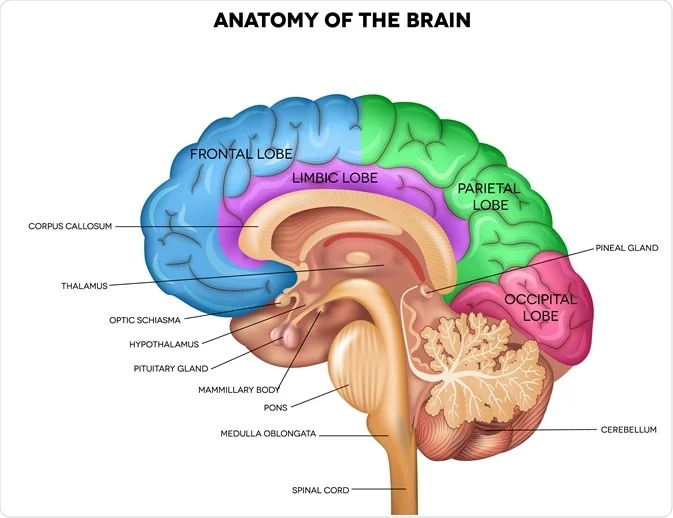
“The central nervous system is made up of the brain and spinal cord. The spinal cord comprises a bundle of nervous tissue and support cells that send messages from the brain to the rest of your body. But did you know that, on average, the spinal cord ceases growing at four years of age?

And while the brain may be done growing by your teenage years, it is not considered fully developed until your mid-to-late 20s. That’s because the prefrontal cortex, responsible for planning, prioritizing, and impulse control, is one of the final regions of the organ to mature. This helps explain why teens are more likely to make poor decisions and engage in potentially harmful behaviors without considering the short or long-term risks involved.

Additionally, once your brain is fully developed, it may become more difficult to accept new ideas and change behavior. Although the reasoning isn’t completely understood, research has shown that while adolescents see increases in social vitality and openness measures, these decrease with age.

It’s a myth that you only use 10% of your brain. Rather, neuroscience confirms that the brain is always active and firing even when you’re sleeping. Another common fallacy is that brain size determines how smart you are. Intelligence is determined by the number of synapses (or connections) between brain cells, not by brain girth.

Have you heard the myth is that the brain breaks down with age?  Well, know that some cognitive functions, such as memory, may decline as you get older, other mental skills, such as comprehension, vocabulary, conflict resolution, and emotional regulation, can improve. And research has shown that when the elderly keep their minds active by exercising their brains with crossword puzzles or games like Sudoku and bingo, their intelligence may also increase.”

Penn LPS (https://lpsonline.sas.upenn.edu/features/7-fascinating-facts-about-neuroscience-and-brain-how-well-do-you-know-your-brain)


11 Fun Facts About Your Brain through Northwestern Medicine

11 Fun Facts About Your Brain through Northwestern Medicine

(https://www.nm.org/healthbeat/healthy-tips/11-fun-facts-about-your-brain)

3 Pounds of Remarkable Matter

“Made up of billions of neurons (or nerve cells) that communicate in trillions of connections called synapses, your brain is one of the most complex and fascinating organs in your body. Keeping your brain healthy and active is vital. Discover just how powerful it is with these interesting facts.

  1. Sixty percent of the human brain is made of fat. Not only does that make it the fattiest organ in the human body, but these fatty acids are crucial for your brain’s performance. Make sure you’re fueling it appropriately with healthy, brain-boosting nutrients.
  2. Your brain isn’t fully formed until age 25. Brain development begins from the back of the brain and works its way to the front. Therefore, your frontal lobes, which control planning and reasoning, are the last to strengthen and structure connections.
  3. Your brain’s storage capacity is considered virtually unlimited. Research suggests the human brain consists of about 86 billion neurons. Each neuron forms connections to other neurons, which could add up to 1 quadrillion (1,000 trillion) connections. Over time, these neurons can combine, increasing storage capacity. However, in Alzheimer’s disease, for example, many neurons can become damaged and stop working, particularly affecting memory.
  4. Brain information travels up to an impressive 268 miles per hour. When a neuron is stimulated, it generates an electrical impulse that travels from cell to cell. A disruption in this regular processing can cause an epileptic seizure.
  5. On average, your spinal cord stops growing at 4 years old. Your spinal cord, which consists of a bundle of nervous tissue and support cells, is responsible for sending messages from your brain throughout your body.
  6. The spinal cord is the main source of communication between the body and the brain. ALS, or amyotrophic lateral sclerosis, causes the neurons in the brain and spinal cord to die, impacting controlled muscle movement. Another disease that affects both the brain and the spinal cord is multiple sclerosis (MS). In MS, the immune system attacks the protective layer that covers nerve fibers, causing communication problems between the brain and the body.
  7. It’s a myth that you only use 10 percent of your brain. You actually use all of it. (Yes, even when you are sleeping.) Neurologists confirm that your brain is always active.
  8. The human brain weighs 3 pounds. (That’s about as much as a half-gallon of milk.) However, size does not always imply intelligence. Men tend to have larger brains than women.
  9. A brain freeze is really a sphenopalatine ganglioneuralgia. This pain occurs when cold hits the receptors in the outer covering of the brain, called the meninges. The cold creates a dilation and contraction of arteries, causing a rapid-onset headache.
  10. A piece of brain tissue the size of a grain of sand contains 100,000 neurons and 1 billion synapses. However, damage to neurons can have great impact. During a stroke, for example, blood is not able to get oxygen to the brain. As a result, brain cells can die, and abilities in that particular area of the brain can be lost. Similarly, Parkinson’s diseaseoccurs when the cells of a part of your brain called the substantia nigra start to die.
  11. The human brain can generate about 23 watts of power (enough to power a lightbulb). All that power calls for some much-needed rest. Adequate sleep helps maintain the pathways in your brain. Additionally, sleep deprivation can increase the build-up of a protein in your brain that is linked to Alzheimer’s disease.”

QUOTE FOR TUESDAY:

“The American Cancer Society’s estimates for soft tissue sarcomas in the United States for 2024 are:

  • About 13,590 new soft tissue sarcomas will be diagnosed (7,700 in males and 5,890 in females).
  • About 5,200 people (2,760 males and 2,440 females) are expected to die of soft tissue sarcomas.

These statistics include both adults and children.

The most common types of sarcoma in adults are:

  • Undifferentiated pleomorphic sarcoma (previously called malignant fibrous histiocytoma)
  • Liposarcoma
  • Leiomyosarcoma”

American Cancer Society (https://www.cancer.org/cancer/types/soft-tissue-sarcoma/about/key-statistics.html)

QUOTE FOR MONDAY:

“Sarcomas are rare cancers that develop in the bones and soft tissues, including fat, muscles, blood vessels, nerves, deep skin tissues and fibrous tissues. According to the National Cancer Institute, about 12,000 cases of soft tissue sarcomas and 3,000 cases of bone sarcomas are diagnosed in the U.S. each year. Bone sarcomas are more common among children while soft tissue sarcomas are more common in adults.”

John Hopkins Medicine (https://www.hopkinsmedicine.org/health/conditions-and-diseases/sarcoma#:~:text=Sarcomas%20are%20rare%20cancers%20that,in%20the%20U.S.%20each%20year.)


QUOTE FOR THE WEEKEND:

“Cleft lip with or without cleft palate is among the most common of birth defects. The Centers for Disease Control and Prevention (CDC) estimates that in the United States:

  • About 1 in every 1,600 babies is born with cleft lip with cleft palate.
  • About 1 in every 2,800 babies is born with cleft lip without cleft palate.
  • About 1 in every 1,700 babies is born with cleft palate.”

National Institute of Dental and Craniofacial Research (https://www.nidcr.nih.gov/health-info/cleft-lip-palate)

QUOTE FOR FRIDAY:

“The causes of orofacial clefts among most infants are unknown. Cleft lip and cleft palate are thought to be caused by a combination of genes and other factors.

CDC research has found some factors that increase the risk of having a baby with an orofacial cleft:

  • Smoking during pregnancy
  • Having diabetes before pregnancy (type 1 or 2)
  • Use of certain epilepsy medications during pregnancy”

CDC Birth Defects (https://www.cdc.gov/birth-defects/about/cleft-lip-cleft-palate.html)

QUOTE FOR THURSDAY:

“Group B streptococcus (also called Group B strep or GBS) is a common type of bacteria (tiny organisms that live in and around your body) that can cause infection. Usually GBS is not serious for adults, but it can hurt newborns.

Many people carry Group B strep bacteria and don’t know it. It may never make you sick. GBS in adults usually doesn’t have any symptoms, but it can cause some minor infections, like a bladder or urinary tract infection (UTI).

While GBS may not be harmful to you, it can be very harmful to your baby. If you’re pregnant, you can pass it to your baby during labor and childbirth.

About 10 to 30 percent of pregnant women carry GBS bacteria. The best way to know if you have GBS is to get tested.”

March of Dimes (https://www.marchofdimes.org/find-support/topics/planning-baby/group-b-strep-infection)


What is Hemochromatosis and the symptoms?


This is a problem with the Liver and in a nutshell it is IRON OVERLOAD!

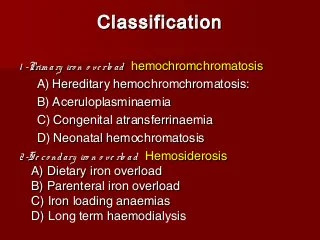
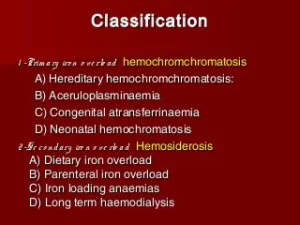
Hemochromatosis (Hemo meaning blood, Chroma meaning change in color and Osis meaning swelling)  is a condition where there is abnormal accumulation of iron in the organs resulting in organ toxicity. It is the most common autosomal recessive genetic condition along with being the most common cause of severe iron overload. 75 percent of patients who have hereditary hemochromatosis are asymptomatic. The diagnosis can be made based on the clinical symptoms of the disease. Since most patients are asymptomatic, they are diagnosed when their serum iron levels are noted to be elevated during a routine chemistry screening panel. Some of the tests performed on an individual suspected with hemochromatosis include genetic testing to test for HFE mutations, transferrin saturation levels, hepatic iron concentration, and serum ferritin studies. Imaging studies such as a chest radiography and echocardiography might be beneficial to help evaluate cardiac disease in patients with hemochromatosis.

Early diagnosis is important in hemochromatosis, like in most every other diagnosis.

The aim of therapy is to remove iron before it causes irreversible parenchymal damage. Once the diagnosis is confirmed, it is treated by phlebotomy to maintain normal iron stores and rid the body of excess iron. Chelation therapy uses agents such as deferoxamine, deferiprone, or deferasirox. Surgery may be required if there is end stage liver disease or severe arthropathy. In the United States, hereditary hemochromatosis is found in 1 of 200 to 500 individuals. Most of these cases are seen in individuals of northern European origin. It has the same prevalence in Australia, Europe, and other western countries. The highest prevalence is among individuals of Celtic origin and less among those of African descent.

Symptoms would be:

1.) Fatigue and 2 types of fatigue, that would be:

Physical fatigue occurs when there is transient inability to achieve peak physical performance.

Mental fatigue is the temporary inability to maintain optimal cognitive performance. It is a common and non-specific symptom that can be seen in stress, overwork, depression, boredom, anemia, inadequate sleep, malnutrition, pregnancy, infections, and more. It can manifest as somnolence in patients.

2.) Impotence in patients with hemochromatosis is due to a result of hypogonadism. Hypogonadism can occur in hemochromatosis patients due to pituitary or testicular iron deposition.

3.) Arthropathy that’s a disease of a joint. In arthropathy, there can be joint pain, stiffness, swelling, and decreased range of motion. Patients can see this occuring because of the accumulation of iron in the joint tissues. The most commonly affected joints are the knees, feet, wrists, neck, back, metacarpophalangeal joints, and proximal interphalangeal joints.

4.) It has been observed that 62 percent of patients with hemochromatosis experience partial loss of body hair. The most commonly affected area is the pubic area. Approximately 12 percent of patients experience total body hair loss. In some patients, the thinning and loss of hair may be reversed through therapy.

5.) Koilonychia refers to spoon nails where the nails are abnormally thin and have lost their convexity resulting in flat or concave nails. Causes of koilonychia include iron deficiency anemia and it can be seen in 25 to 50 percent of these patients.

6.) Skin Hyperpigmentation or Bronzing of the skin refers to darkening of the skin. It is due to the combination of melanin and iron deposition which is characteristic. It is one of the classic triad symptoms with the other two being cirrhosis and diabetes in the late stages of the disease. This usually occurs only when the total iron content in the body is more than 5 times the normal levels.

7.) Amenorrhea refers to the absence of menstruation in females who are in their reproductive age.

8.) In the heart it can cause the following: Atrial flutter is a problem with the way your heart beats. Such problems, whether in the rhythm or speed of the heartbeat, are known as arrhythmias. Heart Failure is the other.

In addition to these symptoms it can also cause problems with the spleen, adrenal glands, pituitary gland, gallbladder or thyroid.

For helping in possible PREVENTION of this diagnosis and most others stay as healthy as possible and get yearly check ups to pick up this or any other diagnosis EARLY!! In so many cases of diseases the early picked up or diagnosed the better the results turn out in most cases.  When a disease just start in your body is being treated compared to late in the disease higher the odds will resolve or you will last longer with a better quality of life, just like with so many other diseases!
QUOTE FOR MONDAY:

“Preeclampsia is a serious condition that can happen after the 20th week of pregnancy or after giving birth (called postpartum preeclampsia). Most people who have preeclampsia have dangerously high blood pressure and may have problems with their kidneys or liver. Blood pressure is the force of blood that pushes against the artery walls. An artery is a blood vessel that carries blood away from the heart to other parts of the body. High blood pressure (also called hypertension) can stress the heart and cause problems during pregnancy.”

March of Dimes (https://www.marchofdimes.org/find-support/topics/pregnancy/preeclampsia)

Pre-eclampsia : What it is, whose at risk for it, causes,symptoms, when to go to MD, complications and prevention!

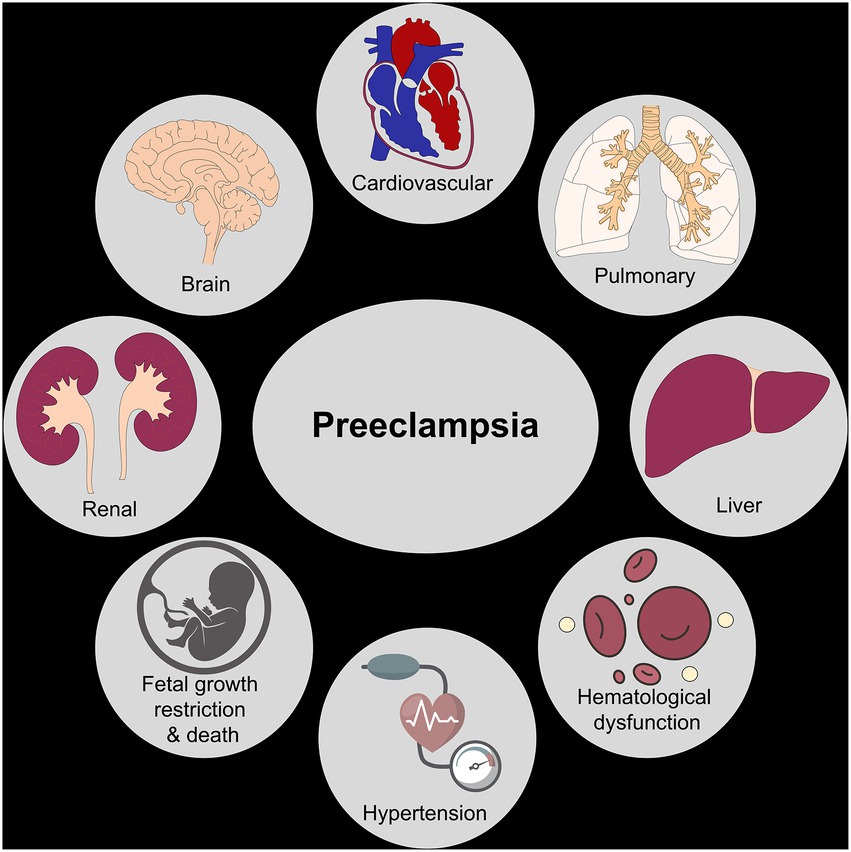
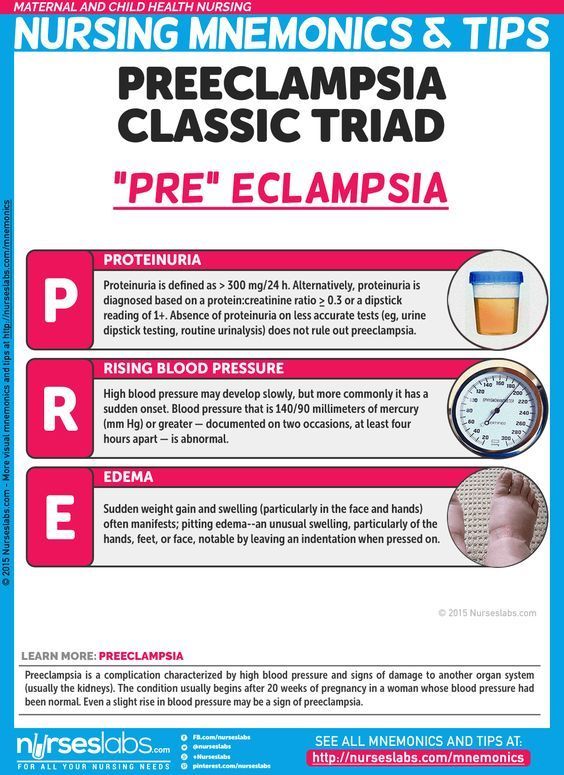
The Box below shows the organs Pre-eclampsia can effect:

What is Preeclampsia?

Preeclampsia is a condition that occurs only during pregnancy. Some symptoms may include high blood pressure and protein in the urine, occurring after week 20 of pregnancy. Preeclampsia is often precluded by gestational hypertension. While high blood pressure during pregnancy does not necessarily indicate preeclampsia, it may be a sign of another problem. The condition affects at least 5-8% of pregnancies.

Preeclampsia, formerly called toxemia, is when a pregnant woman has high blood pressure, protein in her urine, and swelling in her legs, feet, and hands. It can range from mild to severe. It usually happens late in pregnancy, though it can come earlier or just after delivery.

Preeclampsia can lead to eclampsia, a serious condition that can have health risks for mom and baby and, in rare cases, cause death. Women with preeclampsia who have seizures have eclampsia.

If you have a mild case and your baby has not reached full development, your doctor will probably recommend you do the following:

  • Rest, lying on your left side to take the weight of the baby off your major blood vessels.
  • Increase prenatal checkups.
  • Consume less salt
  • Drink at least 8 glasses of water a day
  • Change your diet to include more protein

If you have a severe case, your doctor may try to treat you with blood pressure medication until you are far enough along to deliver safely, along with possibly bed rest, dietary changes, and supplements.

The only cure for preeclampsia is to give birth. Even after delivery, symptoms of preeclampsia can last 1 to 6 weeks or more.

You can help protect yourself by learning the symptoms of preeclampsia and by seeing your doctor for regular prenatal care. Catching preeclampsia early may lower the chances of long-term problems for both mom and baby.

For many years preeclampsia has been considered to be a two-stage disease. The first stage comprises poor placentation. The second stage is the clinical expression of the disease namely new hypertension and new proteinuria in the patient.

Who is at risk for preeclampsia?

  • A first-time mom
  • Previous experience with gestational hypertension or preeclampsia
  • Women whose sisters and mothers who had preeclampsia (family history)
  • Women carrying multiple babies
  • Women younger than 20 years and older than age 35
  • Women who had high blood pressure or kidney disease prior to pregnancy
  • Women who are obese or have a BMI of 30 or greater
  • Complications in previous pregnancy.

Preeclampsia Causes

Many experts think preeclampsia and eclampsia happen when a woman’s placenta doesn’t work the way it should, but they don’t know exactly why. Some think poor nutrition or high body fat might contribute. A lack of blood flow to the uterus could play a role. Genes are also a factor.

How do I know if I have preeclampsia?

At each prenatal checkup, your healthcare provider will check your blood pressure, urine levels, and may order blood tests which may show if you have preeclampsia. Your physician may also perform other tests that include: checking kidney and blood-clotting functions; ultrasound scan to check your baby’s growth; and Doppler scan to measure the efficiency of blood flow to the placenta.

Symptoms:

Preeclampsia sometimes develops without any symptoms. High blood pressure may develop slowly, or it may have a sudden onset. Monitoring your blood pressure is an important part of prenatal care because the first sign of preeclampsia is commonly a rise in blood pressure. Blood pressure that exceeds 140/90 millimeters of mercury (mm Hg) or greater — documented on two occasions, at least four hours apart — is abnormal.

Other signs and symptoms of preeclampsia may include:

  • Excess protein in your urine (proteinuria) or additional signs of kidney problems
  • Severe headaches
  • Changes in vision, including temporary loss of vision, blurred vision or light sensitivity
  • Upper abdominal pain, usually under your ribs on the right side
  • Nausea or vomiting
  • Decreased urine output
  • Decreased levels of platelets in your blood (thrombocytopenia)
  • Impaired liver function
  • Shortness of breath, caused by fluid in your lungs

When to go to the doctor:

Make sure you attend your prenatal visits so that your health care provider can monitor your blood pressure. Contact your provider immediately or go to an emergency room if you have severe headaches, blurred vision or other visual disturbances, severe belly pain, or severe shortness of breath.

Because headaches, nausea, and aches and pains are common pregnancy complaints, it’s difficult to know when new symptoms are simply part of being pregnant and when they may indicate a serious problem — especially if it’s your first pregnancy. If you’re concerned about your symptoms, contact your doctor.

Complications may include:

  • Fetal growth restriction. Preeclampsia affects the arteries carrying blood to the placenta. If the placenta doesn’t get enough blood, the baby may receive inadequate blood and oxygen and fewer nutrients. This can lead to slow growth known as fetal growth restriction.
  • Preterm birth. Preeclampsia may lead to an unplanned preterm birth — delivery before 37 weeks. Also, planned preterm birth is a primary treatment for preeclampsia. A baby born prematurely has increased risk of breathing and feeding difficulties, vision or hearing problems, developmental delays, and cerebral palsy. Treatments before preterm delivery may decrease some risks.
  • Placental abruption. Preeclampsia increases your risk of placental abruption. With this condition, the placenta separates from the inner wall of the uterus before delivery. Severe abruption can cause heavy bleeding, which can be life-threatening for both the mother and baby.
  • hemolysis elevated liver enzymes and low platelet count (HELLP) syndrome. HELLP stands for hemolysis (the destruction of red blood cells), elevated liver enzymes and low platelet count. This severe form of preeclampsia affects several organ systems. HELLP syndrome is life-threatening to the mother and baby, and it may cause lifelong health problems for the mother.Signs and symptoms include nausea and vomiting, headache, upper right belly pain, and a general feeling of illness or being unwell. Sometimes, it develops suddenly, even before high blood pressure is detected. It also may develop without any symptoms.
  • Eclampsia. Eclampsia is the onset of seizures or coma with signs or symptoms of preeclampsia. It is very difficult to predict whether a patient with preeclampsia will develop eclampsia. Eclampsia can happen without any previously observed signs or symptoms of preeclampsia.Signs and symptoms that may appear before seizures include severe headaches, vision problems, mental confusion or altered behaviors. But, there are often no symptoms or warning signs. Eclampsia may occur before, during or after delivery.
  • Other organ damage. Preeclampsia may result in damage to the kidneys, liver, lung, heart, or eyes, and may cause a stroke or other brain injury. The amount of injury to other organs depends on how severe the preeclampsia is.
  • Cardiovascular disease. Having preeclampsia may increase your risk of future heart and blood vessel (cardiovascular) disease. The risk is even greater if you’ve had preeclampsia more than once or you’ve had a preterm delivery.

Prevention of preeclampsia:

Medication

The best clinical evidence for prevention of preeclampsia is the use of low-dose aspirin. Your primary care provider may recommend taking an 81-milligram aspirin tablet daily after 12 weeks of pregnancy if you have one high-risk factor for preeclampsia or more than one moderate-risk factor.

It’s important that you talk with your provider before taking any medications, vitamins or supplements to make sure it’s safe for you.

Lifestyle and healthy choices

Before you become pregnant, especially if you’ve had preeclampsia before, it’s a good idea to be as healthy as you can be. Talk to your provider about managing any conditions that increase the risk of preeclampsia.