Archive | July 2024

Part I How music impacts the brain and more!

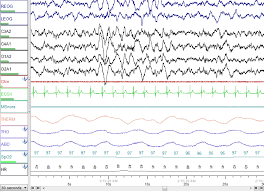
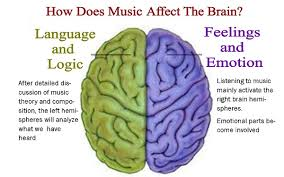
how music impacts the brain I     How music impacts the brain II3

                  how music impacts the brain II


We can usually pick if a piece of music is particularly happy or sad, but this isn’t just a subjective idea that comes from how it makes us feel. In fact, our brains actually respond differently to happy and sad music. Even short pieces of happy or sad music can affect us.

When we hear a form of music we actually match the tone of the music with our mood or reaction to it. This means that sometimes we can understand the emotions of a piece of music without actually feeling them, which explains why some of us find listening to sad music to enjoyable, rather than depressing or sad to others.

We all like to pump up the tunes when we’re powering through our to-do lists, right? But when it comes to creative work, loud music may not be the best option.

It turns out that a moderate level of noises is the sweet level for creativity. Even more than low noise levels, ambient noise apparently gets our creative juices flowing, and doesn’t put us off the way high levels of noise does.

The way this works is that moderate noise levels increase processing difficulty which promotes abstract processing, leading to higher creativity. In other words, when we struggle (just enough) to process things as we normally would, we resort to more creative approaches.

In high noise levels, however, our creative thinking is impaired because we’re overwhelmed and struggle to process information efficiently.

This is very similar to how temperature and lighting can affect our productivity, where paradoxically a slightly more crowded place can be beneficial.

Of course, generalizing based on some studies is very hard. However looking at the science of introverts and extroverts, there is some clear overlap showing the following:

To break it down, here is the connection they has been found about people (again remember this is generally speaking):

  • Blues fans have high self-esteem, are creative, outgoing, gentle and at ease
  • Jazz fans have high self-esteem, are creative, outgoing and at ease
  • Classical music fans have high self-esteem, are creative, introvert and at ease
  • Rap fans have high self-esteem and are outgoing
  • Opera fans have high self-esteem, are creative and gentle
  • Country and western fans are hardworking and outgoing
  • Reggae fans have high self-esteem, are creative, not hardworking, outgoing, gentle and at ease
  • Dance fans are creative and outgoing but not gentle
  • Indie fans have low self-esteem, are creative, not hard working, and not gentle
  • Bollywood fans are creative and outgoing
  • Rock/heavy metal fans have low self-esteem, are creative, not hard-working, not outgoing, gentle, and at ease
  • Chart pop fans have high self-esteem, are hardworking, outgoing and gentle, but are not creative and not at ease
  • Soul fans have high self-esteem, are creative, outgoing, gentle, and at ease.  Playing music expands our thinking. We generally assume that learning a musical instrument can be beneficial for kids, but it’s actually useful in more ways than we might expect.  Studies have shown that children who had three years or more musical instrument training performed better than those who didn’t learn an instrument in auditory discrimination abilities and fine motor skills.
  • Instrument playing is a form of exercise that is great for your health as opposed to sitting watching t.v. where no creativity or imagining or brain concentrating takes place.
  • It seems that unfamiliar, or uninteresting, music is best for safe driving. Reason: Less Distracted.

Research on the effects of music during exercise has been done for years. In 1911, an American researcher, Leonard Ayres, found that cyclists pedaled faster while listening to music than they did in silence.

This happens because listening to music can drown out our brain’s cries of fatigue. As our body realizes we’re tired and wants to stop exercising, it sends signals to the brain to stop for a break. Listening to music competes for our brain’s attention, and can help us to override those signals of fatigue, though this is mostly beneficial for low- and moderate-intensity exercise. During high-intensity exercise, music isn’t as powerful at pulling our brain’s attention away from the pain of the workout.

Not only can we push through the pain to exercise longer and harder when we listen to music, but it can actually help us to use our energy more efficiently. A 2012 study showed that cyclists who listened to music required 7% less oxygen to do the same work as those who cycled in silence.

Some recent research has shown that there’s a ceiling effect on music at around 145 bpm, where anything higher doesn’t seem to add much motivation, so keep that in mind when choosing your workout playlist.

We all have a genre; for those wondering what is that actually it is a category of artistic, musical, or literary composition characterized by a particular style, form, or content

“The kind of music one listens to determines one’s reaction to it. No genre is harmful, but there is a preferable choice in different situations. For instance, studies have found that percussion stimulates the left side of the brain, so if one were solving Mathematics problems, or having to reach a logical conclusion, that music would be beneficial. Similarly, for an artiste, instrumental music or Soul would work better,” explains Khurana.

According to Dr Shaan Manohar, ENT specialist, Nanavati Hospital, “Japan has done a study on applying music to water as it freezes and check the patterns of crystals formed. It was concluded that loud drumbeats and music with violent poetry tend to have a destructive effect on the crystals versus Classical music, soft love tracks or devotional lyrics had an enhancing effect on the crystal formation. Loud drumbeats are also known to interfere with the pace of the heart in the very young and the elderly. It is a known fact that listening to Classical music enhances the mathematical ability of a growing child. Also, chanting helps release endorphins in the body creating a calm person, full of positive energy.”
QUOTE FOR WEDNESDAY:

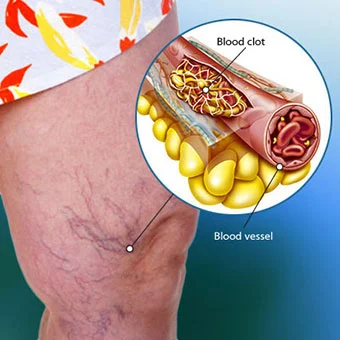
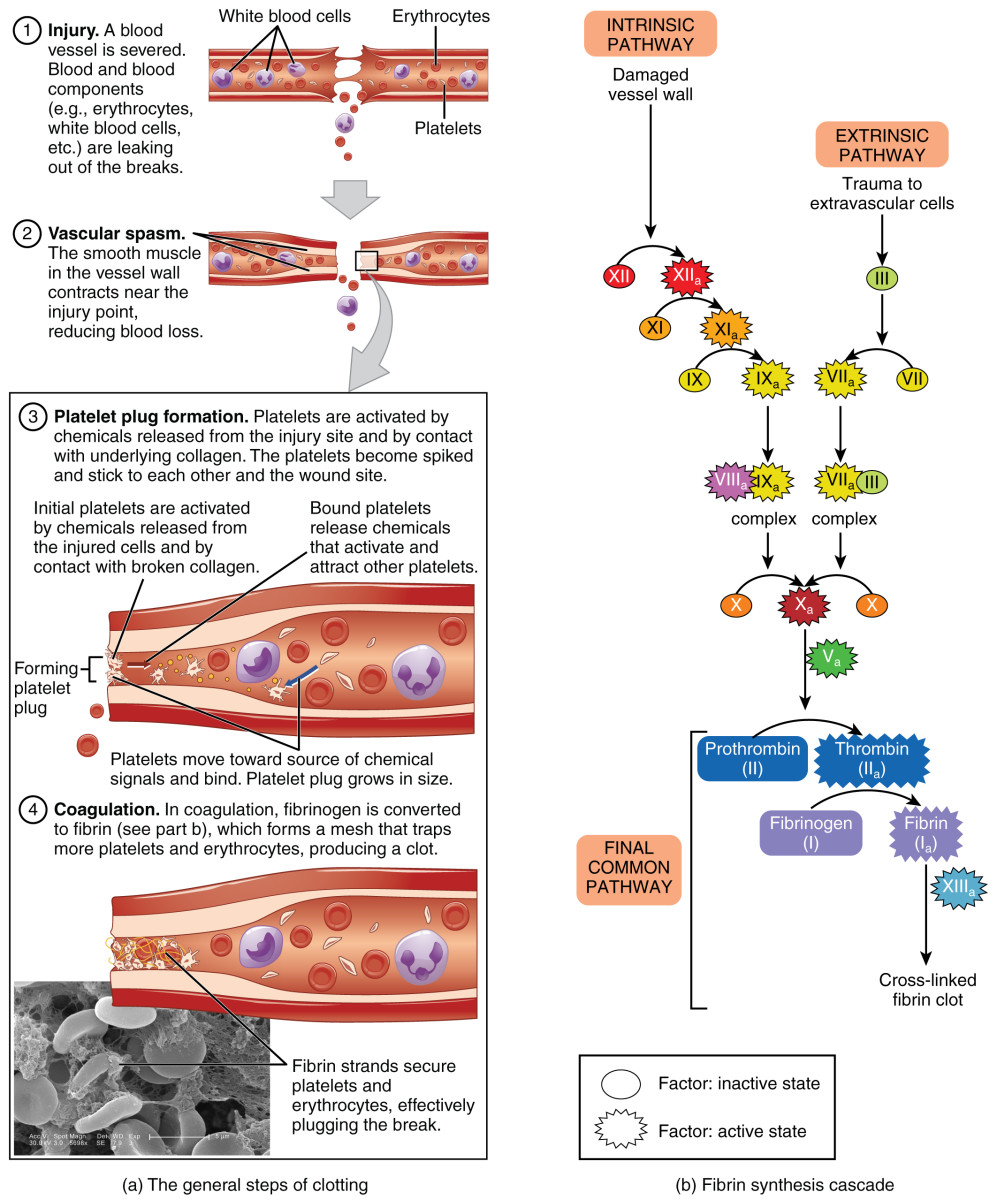
“Blood clotting, or coagulation, is an important process that prevents excessive bleeding when a blood vessel is injured. Platelets (a type of blood cell) and proteins in your plasma (the liquid part of blood) work together to stop the bleeding by forming a clot over the injury. Typically, your body will naturally dissolve the blood clot after the injury has healed. Sometimes, however, clots form on the inside of vessels without an obvious injury or do not dissolve naturally. These situations can be dangerous and require accurate diagnosis and appropriate treatment.

Clots can occur in veins or arteries, which are vessels that are part of the body’s circulatory system. While both types of vessels help transport blood throughout the body, they each function differently. Veins are low-pressure vessels that carry deoxygenated blood away from the body’s organs and back to the heart. An abnormal clot that forms in a vein may restrict the return of blood to the heart and can result in pain and swelling as the blood gathers behind the clot.”


American Society of Hematology (https://www.hematology.org/education/patients/blood-clots)


Why blood clotting is a vital important part of the bloodstream through platelets and how it works!

Why blood clotting is a vital important part of the bloodstream through platelets and how it works is what would we will review first to understand disseminated intra-vascular coagulopathy (DIC).  It is a vital important process of the platelets that make up part of our bloodstream cells that help prevent excessive bleeding or excessive hemorrhage.

In how clotting works is platelets, which is a type of blood cell, with plasma that is in our liguid part of blood work together to stop the bleeding by forming a clot over the injury (a bruise or cut in the skin) which stops the bleed.  Both veins and arteries transport our blood (both solids=cells) and the liguid (the plasma) that are read by out hematocrit and hemoglobin in a CBC=complete blood count which also tell the MD our reading of red/white blood cell counts with platelets.  Typically, your body will dissolve the clot after the injury has healed.  However, there are times clots form on the inside of our vessels (there are variables of why this would happen that are discussed later in this topic).  These situations can be dangerous and put the pt at risk for problems.  This needs to be diagnosed and given appropriate treatment by your doctor or MD specialist.

Clots can occur in our veins or arteries and can occur is various areas causing

1-DVT=Deep Vein Thrombosis

DVT commonly in our large veins that are commonly found in our lower extremities and less likely in our upper extremities or pelvic region or other areas where there are large veins. The problem (one the clot is wedged and stuck against the vessel) with this the clot blocks off circulation to the area below the clot to a percentage low to 100% blockage.  This is where in the skin there is pain to necrosis below the clot area (for this to happen it takes numerous hours-pain to days-changes in skin color or week or more-necrosis depending on the blockage).   The greater the blockage is the quicker the symptoms arise no matter where the clot is.  It is estimated that each year DVT affects as many as 900,000 people in the United States by the American Heart Association and kills up to 100,000 by the Centers for Control and Prevention (CDC).

-Paget-Schroetter Syndrome (PSS) – It’s a rare kind of DVT that typically happens to a young, healthy person who plays sports that use the upper arms a lot, like swimming and baseball. The vein can get squeezed by the muscles around it. This pressure, along with repeated movements, can cause a clot in your shoulder. Symptoms like swelling, chest pain, and a blue color to your skin may come on suddenly. PSS can be serious if it’s not treated right away.

2-Atrial Fibrillation

Another area where blood clotting can occur is in the heart.   We see commercials all the time about atrial fibrillation=irregular rhythm with the heart beat.  In the commercial its usual an add for a med called a anticoagulant that does the opposite of what platelets do=clotting to prevent this problem from happening in the heart which indirectly prevents clotting in all vessels as well.  The med thins the blood.   The major problem with this diagnosis, atrial fibrillation without being on a anticoagulant, is blood can pool in the heart causing a clot to form in the heart and at some point, especially when the rhythm is rapid and more irregular that usual=RVR-rapid ventricular rate over 100 beats per minute and usually over 130 to over 150, the clot can break off.

3-Heart Attack

Know this, more often than not, a broken piece of plaque within the arteries triggers the formation of a blood clot. This blood clot is the reason for a heart attack. As the blood clot potentially restricts the flow of blood and oxygen to the heart, depending on the severity, the heart attack can cause sudden death.

There are other areas where blood can form clots but not as common in what was mentioned above. Blood clots can arise anywhere in your body. They develop when blood thickens and clumps together. When a clot forms in a deep vein in the body, it’s called deep vein thrombosis. Deep vein blood clots typically occur in the lower leg or thigh.

The biggest consequence of any blood clot no matter where it is it can break off in time for many especially with a DVT.   Than there is  atrial fibrillation patients not on a anti-coagulant or anti-platelet like Coumadin, Eliquis, heparin, and lovenox to Plavix, Brilinta, Ticlid and Integrilin with other medications (listed commonly used in my nursing career) it puts them at risk for a clot to break off in the heart due to pooling blood causing a clot formation and when it breaks off it could go the the lungs causing pulmonary embolus or the brain a stroke.

For understanding the meaning lets review; Deep vein thrombosis (DVT) is a condition in which a blood clot develops in the deep veins, usually in the lower extremities. A pulmonary embolism (PE) occurs when a part of the DVT clot breaks off and travels to the lungs, which can be life-threatening. Venous thromboembolism (VTE) refers to DVT, PE, or both.

When a clot breaks off it floats now in the bloodstream and can in time make it back to the heart putting the pt at risk for a heart attack if it didn’t get stuck elsewhere, like going to the lungs putting the pt at risk for a pulmonary embolism or now in circulation making it to the brain putting the pt at risk for a stroke!  Clots are common in making the strokes in what we call ischemic stroke and another name “silent stroke”.   Silent strokes are much more common than strokes that cause classic symptoms such as face drooping, arm weakness and speech difficulty and affect nearly 800,000 Americans each year. According to the statement, one in four people over 80 have one or more silent strokes.


QUOTE FOR TUESDAY:

“The novel coronavirus SARS-CoV-2 (severe acute respiratory syndrome coronavirus 2), which causes COVID-19, is part of a large family of coronaviruses. These viruses are named for the “crown” of spikes on the virus particle’s spherical surface, which help the virus attach to cells and infect them.

Coronaviruses are found in humans and in other animal species, including bats, cats, and livestock. Some coronaviruses found in animals can evolve and infect people. Diseases that can be transmitted from animals to people, including diseases that are transmitted by viruses, are called zoonotic diseases.

Common coronaviruses can cause mild illness, but other coronaviruses—including MERS-CoV, which causes Middle East Respiratory Syndrome (MERS), SARS-CoV, which causes Severe Acute Respiratory Syndrome (SARS), and the novel coronavirus SARS-CoV-2 which causes COVID-19 and this can be fatal.”

American Museum of Natural History (https://www.amnh.org/explore/covid-19-science)

QUOTE FOR MONDAY:

“Severe acute respiratory syndrome (SARS) is a contagious and sometimes fatal respiratory illness. severe acute respiratory syndrome (SARS) first appeared in China in November 2002. Within a few months, SARS spread worldwide, carried by unsuspecting travelers.

SARS showed how quickly infection can spread in a highly mobile and interconnected world. On the other hand, a collaborative international effort allowed health experts to quickly contain the spread of the disease.

SARS is caused by a strain of coronavirus, the same family of viruses that causes the common cold.

Coronaviruses can, however, cause severe disease in animals, and that’s why scientists suspected that the SARS virus might have crossed from animals to humans. It now seems likely that that the virus evolved from one or more animal viruses into a new strain.”

MAYO Clinic (https://www.mayoclinic.org/diseases-conditions/sars/symptoms-causes/syc-20351765)

QUOTE FOR THE WEEKEND:

“Refreshing sleep is critically important for staying healthy. As with diet and exercise, sleep is crucial to physical, emotional, and mental health. A survey conducted by the Better Sleep Council found nearly 2 out of 3 respondents reported impaired sleep due to stress. One third of Americans experience poor sleep at least one night per week, and 16% are diagnosed with stress-induced insomnia. Respondents stated their productivity at home and in the workplace was impacted by sleep problems, as demonstrated in poor recall for details (30%), decreased accuracy and quality of work (30%), and impaired decision making (31%). The Better Sleep Council also estimated $150 billion in lost productivity and absenteeism results from poor sleep.

The consequences of inadequate sleep include reduced concentration, mood swings, irritability, stress, and a weakened immune system. The release of stress hormones can also make it harder to sleep, causing an unhealthy sleep cycle. Sleep deficits have been associated with high blood pressure, weight gain, diabetes, and a decreased tolerance of chronic pain. In severe cases, poor sleep may be linked to serious sleep disorders including narcolepsy, insomnia, restless leg syndrome, and sleep apnea.”

Medical West (https://www.medicalwesthospital.org/may-is-better-sleep-month.php)

Part II Narcolepsy – Risk Factors, Complications, Diagnosing, Treatment & more!

Risk factors”

There are only a few known risk factors for narcolepsy, including:

  • Age. Narcolepsy typically begins between ages 10 and 30.
  • Family history. Your risk of narcolepsy is 20 to 40 times higher if you have a close family member who has it.

Complications:

  • Public misconception of the condition. Narcolepsy can cause problems at work or in your personal life. Your performance may suffer at school or work. Others might see people with narcolepsy as lazy or lethargic.
  • Effects on intimate relationships. Intense feelings, such as anger or joy, can trigger cataplexy. This can cause people with narcolepsy to withdraw from emotional interactions.
  • Physical harm. Falling asleep suddenly may result in injury. You’re at increased risk of a car accident if you fall asleep while driving. Your risk of cuts and burns is greater if you fall asleep while cooking.
  • Obesity. People with narcolepsy are more likely to be overweight. Sometimes weight rapidly increases when sleepiness symptoms start.

How your MD comes to this Diagnosis:

Your health care provider may suspect narcolepsy based on your symptoms of excessive daytime sleepiness and sudden loss of muscle tone, known as cataplexy. Your provider will likely refer you to a sleep specialist. Formal diagnosis requires staying overnight at a sleep center for an in-depth sleep analysis.

A sleep specialist will likely diagnose narcolepsy and determine how severe it is based on:

  • Your sleep history. A detailed sleep history can help with a diagnosis. You’ll likely fill out the Epworth Sleepiness Scale. The scale uses short questions to measure your degree of sleepiness. You’ll answer how likely it is that you would fall asleep in certain times, such as sitting down after lunch.
  • Your sleep records. You may be asked to write down your sleep pattern for a week or two. This allows your provider to compare how your sleep pattern may relate to how alert you feel.Your health care provider also may ask you to wear an actigraph. This device is worn like a watch. It measures periods of activity and rest. It provides an indirect measure of how and when you sleep.
  • A sleep study, known as polysomnography. This test measures signals during sleep using flat metal discs called electrodes placed on your scalp. For this test, you must spend a night at a medical facility. The test measures your brain waves, heart rate and breathing. It also records your leg and eye movements.
  • Multiple sleep latency test. This test measures how long it takes you to fall asleep during the day. You’ll be asked to take four or five naps at a sleep center. Each nap needs to be two hours apart. Specialists will observe your sleep patterns. People who have narcolepsy fall asleep easily and enter into rapid eye movement (REM) sleep quickly.
  • Genetic tests and a lumbar puncture, known as a spinal tap. Occasionally, a genetic test may be performed to see if you’re at risk of type 1 narcolepsy. If so, your sleep specialist may recommend a lumbar puncture to check the level of hypocretin in your spinal fluid. This test is only done in specialized centers.

These tests also can help rule out other possible causes of your symptoms. Excessive daytime sleepiness could also be caused by sleep deprivation, the use of sedating medicines and sleep apnea.

Treatment:

There is no cure for narcolepsy, but medicines and lifestyle changes can help you manage the symptoms.

Medications

Medicines for narcolepsy include:

  • Stimulants. Drugs that stimulate the central nervous system are the primary treatment to help people with narcolepsy stay awake during the day. Your health care provider may recommend modafinil (Provigil) or armodafinil (Nuvigil). These medicines aren’t as habit-forming as older stimulants. They also don’t produce the highs and lows associated with older stimulants. Side effects are uncommon but may include headache, nausea or anxiety.Solriamfetol (Sunosi) and pitolisant (Wakix) are newer stimulants used for narcolepsy. Pitolisant also may be helpful for cataplexy.Some people need treatment with methylphenidate (Ritalin, Concerta, others) or amphetamines (Adderall XR 10, Dexedrine, others). These medicines are effective but can be habit-forming. They may cause side effects such as nervousness and a fast heartbeat.
  • Serotonin and norepinephrine reuptake inhibitors (SNRIs) or selective serotonin reuptake inhibitors (SSRIs). These medicines suppress REM sleep. Health care providers prescribe these medicines to help ease the symptoms of cataplexy, hallucinations and sleep paralysis.They include venlafaxine (Effexor XR), fluoxetine (Prozac) and sertraline (Zoloft). Side effects can include weight gain, insomnia and digestive problems.
  • Tricyclic antidepressants. These older antidepressants can treat cataplexy. But they can cause side effects such as dry mouth and lightheadedness. These medicines include protriptyline, imipramine (Tofranil) and clomipramine (Anafranil).
  • Sodium oxybate (Xyrem) and oxybate salts (Xywav). These medicines work well at relieving cataplexy. They help improve nighttime sleep, which is often poor in narcolepsy. They also may help control daytime sleepiness. It’s taken in two doses, one at bedtime and one up to four hours later.Xywav is a newer formulation with less sodium.These medicines can have side effects, such as nausea, bed-wetting and sleepwalking. Taking them together with other sleeping tablets, narcotic pain relievers or alcohol can lead to trouble breathing, coma and death.

If you take medicines for other health problems, ask your health care provider how they may interact with narcolepsy medicines.

Certain medicines that you can buy without a prescription can cause drowsiness. They include allergy and cold medicines. If you have narcolepsy, your doctor may recommend that you don’t take these medicines.

Researchers are studying other potential treatments for narcolepsy. Medicines being studied include those that target the hypocretin chemical system. Researchers also are studying immunotherapy. Further research is needed before these medicines become available.

Other recommendations with treatment seeing a doctor specializing are:

Lifestyle and home remedies (check with you MD):

Lifestyle changes are important in managing the symptoms of narcolepsy. You may benefit if you:

  • Stick to a schedule. Go to sleep and wake up at the same time every day, including weekends.
  • Take naps. Schedule short naps at regular intervals during the day. Naps of 20 minutes during the day may be refreshing. They also may reduce sleepiness for 1 to 3 hours. Some people may need longer naps.
  • Avoid nicotine and alcohol. Using these substances, especially at night, can worsen your symptoms.
  • Get regular exercise. Plan for moderate, regular exercise at least 4 to 5 hours before bedtime. It may help you sleep better at night and feel more awake during the day.

Coping and support

Dealing with narcolepsy can be a challenge. Consider these tips:

  • Talk about it. Tell your employer or teachers about your condition. Then work with them to find ways to adjust to your needs. This may include taking naps during the day. Or you might break up repetitive tasks. You might record meetings or classes to refer to later. You also might find it helps to stand during meetings or lectures, and to take brisk walks during the day.The Americans with Disabilities Act prohibits discrimination against workers with narcolepsy. Employers are required to provide reasonable accommodation to qualified employees.
  • Be safe while driving. If you must drive a long distance, work with your health care provider to find ways to make a safe trip. Create a medicine schedule that is most likely to keep you awake during your drive. Stop for naps and exercise breaks whenever you feel drowsy. Don’t drive if you feel too sleepy.   Better don’t drive at all. Check with your MD first recommended!

Support groups and counseling can help you and your loved ones cope with narcolepsy. Ask your health care provider to help you locate a group or qualified counselor in your area.

Check out doxins with narcolepsy on youtube or facebook!

QUOTE FOR FRIDAY:

“Narcolepsy is a chronic sleep disorder, or dyssomnia. The condition is characterized by excessive daytime sleepiness (EDS) in which a person experiences extreme fatigue and possibly falls asleep at inappropriate times, such as while at work or at school.

“In a recent systematic literature review and questionnaire study published in Sleep Medicine, findings showed that opioids, specifically oxycodone and codeine, were associated with improvements in self-reported narcolepsy symptoms such as disturbed nocturnal sleep and excessive daytime sleepiness. Overall, these findings suggest that opioid use could provide symptom relief in patients with narcolepsy type 1″;  stated by NeurologyLive (https://www.neurologylive.com)

THEIR REFERENCES WERE:
1. Gool JK, van Heese EM, Schinkelshoek MS, et al. The therapeutic potential of opioids in narcolepsy type 1: A systematic literature review and questionnaire study. Sleep Med. 2023;109:118-127. doi:10.1016/j.sleep.2023.06.008
2. Thannickal TC, John J, Shan L, et al. Opiates increase the number of hypocretin-producing cells in human and mouse brain and reverse cataplexy in a mouse model of narcolepsy. Sci Transl Med. 2018;10(447):eaao4953. doi:10.1126/scitranslmed.aao4953

UCLA health states;

“Researchers have found both humans addicted to heroin and mice addicted to morphine develop higher numbers of hypocretin producing neurons. Morphine causes hypocretin neurons to increase their anatomical connections to pleasure related brain regions.

The annual US rate of opioid overdose deaths now exceeds 80,000, greater than the annual rates of automobile or gun deaths,” said the study’s senior author, Dr. Jerome Siegel of UCLA Health’s Jane & Terry Semel Institute for Neuroscience and Human Behavior, the UCLA Brain Research Institute and U.S. Department of Veterans Affairs.

New research led by UCLA Health has found a drug that treats insomnia works to prevent the addictive effects of the narcotic addiction effect by Morphine and other opiods.  Hypocretin, also called orexin, is a peptide that is linked to mood, with hypocretin release in humans being maximal during pleasurable activities and minimal during pain or sadness. The loss of hypocretin neurons is the cause of narcolepsy, which is thought to be an autoimmune disease”

Source:

University of California – Los Angeles Health Sciences

Journal reference:

McGregor, R., et al. (2024). Opioid-induced neuroanatomical, microglial and behavioral changes are blocked by suvorexant without diminishing opioid analgesia. Nature Mental Health. doi.org/10.1038/s44220-024-00278-2.

Part 1 Narcolepsy – What it is, symptoms and the possible causes!

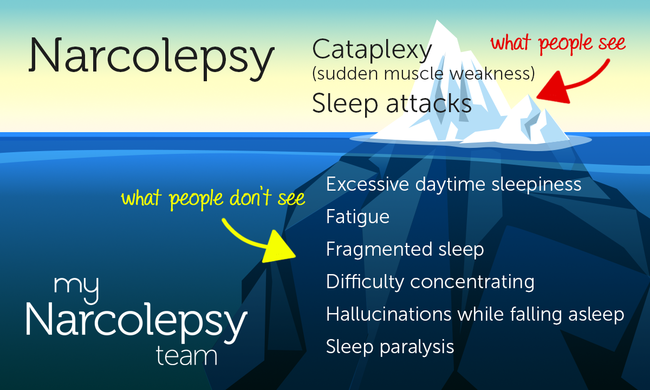
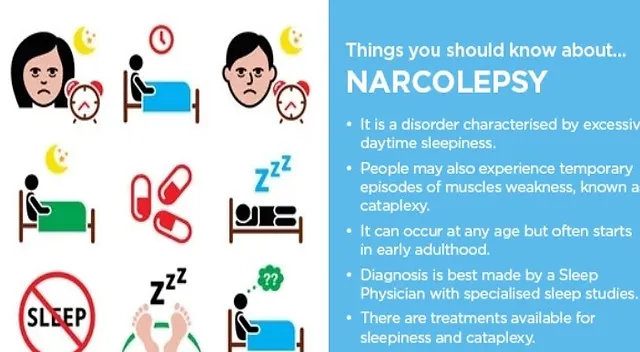
Narcolepsy is a sleep disorder that makes people very drowsy during the day. People with narcolepsy find it hard to stay awake for long periods of time. They fall asleep suddenly. This can cause serious problems in their daily routine.

Sometimes narcolepsy also causes a sudden loss of muscle tone, known as cataplexy (KAT-uh-plek-see). This can be triggered by strong emotion, especially laughter. Narcolepsy is divided into two types. Most people with type 1 narcolepsy have cataplexy. Most people who don’t have cataplexy have type 2 narcolepsy.

Narcolepsy is a life-long condition for which there’s no cure. However, medicines and lifestyle changes can help manage the symptoms. Support from others — family, friends, employers and teachers — can help people cope with the disorder.

Symptoms of this disorder:

The symptoms of narcolepsy may get worse during the first few years of the disorder. Then they continue for life. They include:

  • Excessive daytime sleepiness. People with narcolepsy fall asleep without warning. It can happen anywhere and at any time. It may happen when you’re bored or during a task. For example, you may be working or talking with friends and suddenly fall asleep. It can be especially dangerous if you fall asleep while driving. You might fall asleep for only a few minutes or up to a half-hour. After waking, you’ll often feel refreshed but you’ll get sleepy again.You also may experience a decrease in how alert and focused you feel during the day. Daytime sleepiness often is the first symptom to appear. Feeling sleepy makes it hard to focus and function.Some people with narcolepsy continue doing a task when they fall asleep briefly. For example, you may fall asleep while writing, typing or driving. You might continue to perform that task while asleep. When you awaken, you can’t remember what you did, and you probably didn’t do it well.
  • Sudden loss of muscle tone. This condition is called cataplexy. It can cause slurred speech or complete weakness of most muscles. Symptoms may last up to a few minutes.Cataplexy can’t be controlled. It’s triggered by intense emotions. Often the emotions that cause cataplexy are positive. Laughter or excitement may cause the symptoms. But sometimes fear, surprise or anger can cause the loss of muscle tone. For example, when you laugh, your head may drop without your control. Or your knees may suddenly lose strength, causing you to fall.Some people with narcolepsy experience only one or two episodes of cataplexy a year. Others have several episodes a day. Not everyone with narcolepsy has these symptoms.
  • Sleep paralysis. People with narcolepsy often experience sleep paralysis. During sleep paralysis, you can’t move or speak while falling asleep or upon waking. It’s usually brief — lasting a few seconds or minutes. But it can be scary. You may be aware of it happening and can recall it afterward.

    Not everyone with sleep paralysis has narcolepsy.

  • Hallucinations. Sometimes people see things that aren’t there during sleep paralysis. Hallucinations also may happen in bed without sleep paralysis. These are called hypnagogic hallucinations if they happen as you fall asleep. They’re called hypnopompic hallucinations if they happen upon waking. For example, you might feel as if there is a stranger in your bedroom. These hallucinations may be vivid and frightening because you may not be fully asleep when you begin dreaming.
  • Changes in rapid eye movement (REM) sleep. REM sleep is when most dreaming happens. Typically, people enter REM sleep 60 to 90 minutes after falling asleep. But people with narcolepsy often move more quickly to REM sleep. They tend to enter REM sleep within 15 minutes of falling asleep. REM sleep also can happen at any time of the day.

Other characteristics

People with narcolepsy may have other sleep disorders. They might have obstructive sleep apnea, in which breathing starts and stops during the night. Or they may act out their dreams, known as REM sleep behavior disorder. Or they may have trouble falling asleep or staying asleep, called insomnia.

The Possible Causes:

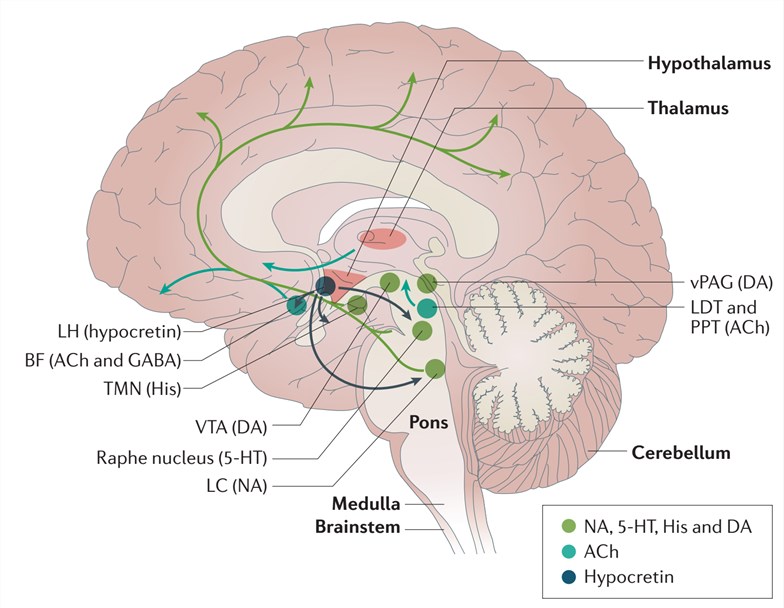
The exact cause of narcolepsy is unknown. People with type 1 narcolepsy have low levels of hypocretin (hi-poe-KREE-tin), also called orexin. Hypocretin is a chemical in the brain that helps control being awake and when you enter REM sleep.

Hypocretin levels are low in people who experience cataplexy. Exactly what causes the loss of hypocretin-producing cells in the brain isn’t known. But experts suspect it’s due to an autoimmune reaction. An autoimmune reaction is when the body’s immune system destroys its own cells.

It’s also likely that genetics plays a role in narcolepsy. But the risk of a parent passing this disorder to a child is very low — only about 1% to 2%.


QUOTE FOR THURSDAY:

“Hemophilia is a rare disorder in which the blood doesn’t clot in the typical way because it doesn’t have enough blood-clotting proteins (clotting factors). 

The main treatment for severe hemophilia involves replacing the clotting factor you need through a tube in a vein.

This replacement therapy can be given to treat a bleeding episode in progress. It can also be given on a regular schedule at home to help prevent bleeding episodes. Some people receive continuous replacement therapy.

Replacement clotting factor can be made from donated blood. Similar products, called recombinant clotting factors, are made in a laboratory, not from human blood.”

MAYO CLINIC (https://www.mayoclinic.org/diseases-conditions/hemophilia/diagnosis-treatment/drc-20373333)