Archives

QUOTE FOR TUESDAY:

Understand the numbers in your B/P!

“Hypertension Stage 1 is when blood pressure consistently ranges from 130 to 139 systolic or 80 to 89 mm Hg diastolic. At this stage of high blood pressure, health care professionals are likely to prescribe lifestyle changes and may consider adding blood pressure medication.

Hypertension Stage 2 is when blood pressure consistently is 140/90 mm Hg or higher. At this stage of high blood pressure, health care professionals are likely to prescribe a combination of blood pressure medications and lifestyle changes.

Hypertension Stage 3-This stage of high blood pressure requires medical attention. If your blood pressure readings suddenly exceed 180/120 mm Hg, wait five minutes and then test your blood pressure again. If your readings are still unusually high, contact your health care professional immediately. You could be experiencing a hypertensive crisis!

Experiencing new symptoms with your B/P this high than call 911!

American Heart Association (https://www.heart.org/en/health-topics/high-blood-pressure-understanding-blood -pressure-readings)

Know the numbers of concern and know yours to keep your health well and avoiding problems from High B/P. We will review S/S with more tomorrow continuing the topic hypertension (HTN).


Part I High Blood Pressure Education Month! What is high b/p exactly, what determines it, factors we can’t & can change that cause HTN with tips to reduce it!

  Systolic BP is heart at work, Diastolic BP is heart at rest!


High Blood Pressure – what is it?

High Blood Pressure or Hypertension affects 80 million Americans and nearly half of the people in the UK between the ages of 65 and 74, and a large percentage of those between the ages of 35 and 65. One of the problems associated with high blood pressure is that you will probably not even know you have it until you happen to have your blood pressure taken during a routine physical examination.  In our B/P you have 2 numbers one on the top that is called your systolic b/p that will always be higher that the bottom number b/p.  What do they mean? The top number systolic B/P will be the number representing your heart pressure at work whereas the bottom number called diastolic B/P will always be lower that the top number representing the B/P at rest.  Normal B/P for some is 90/50 for those who are a work out nut, in good shape, and at their normal weight level or body mass index (BMI).  For others normal B/P can go has high as 120/80 or less.  High B/P is over 120/80.  In earlier years 122/80 was considered the norm now its not.  Where do you really see problems for a high B/P?  Well looking at a B/P chart this should give you some direction:


Remember in the nursing and medical field a systolic B/P of 180 these professional get concerned for stroke or a vessel somewhere about to burst (Ex. like a abdominal aneurysm which many don’t feel since its in their abdomen making room for the pouch vessel to grow making the vessel wall weaker to pop and than for many when realized its too late, take the actor John Ritter!)  With a stroke it can be caused by a hemorrhagic stroke-this meaning a vessel ruptures (most commonly high B/P) or ischemic stroke a build up of a blockage or blockages of a vessel in the brain).

Upon diagnosis, you may wonder why you never saw it coming. Most people don’t. Only those with severe high blood pressure experience any warning signs at all.

These signs can include headaches, impaired vision, and black-outs.

What is blood pressure ?

It is the measurement of the force that blood applies to the walls of the arteries as it flows through them carrying oxygen and nutrients to the body’s vital organs and systems. Naturally, our blood is under pressure as it rushes through our arteries. Even those with blood pressure in the normal range will experience an increase in their blood pressure during rigorous physical activity or during times of stress. It only becomes a problem when the blood continues to run high. This condition of blood pressure is known as hypertension or high blood pressure and in 95% of the cases, the cause of it is never known. However, we do know the factors that set a person up to develop hypertension.

Factors influencing High Blood Pressure:

They are as follows:

NON-MODAFIABLE RISK FACTORS ARE 4:

1. HEREDITY-HIGH B/P RUNNING IN THE FAMILY

2. AGE-THE OLDER, THE HIGHER PROBABILITY YOU WILL END UP WITH B/P DEPENDING ON YOUR HEALTH AND HOW GOOD YOU TAKE CARE OF YOURSELF.

3. GENDER or SEX-MALES VS FEMALES.  THE GENDER THAT BEATS THE OTHER EASILY IS MEN!

4. RACE-HIGHIER IN AFRO-AMERICAN AS OPPOSED TO WHITE.

MODAFIABLE RISK FACTORS=FACTORS YOU CAN CONTROL IN YOUR LIFESPAN:

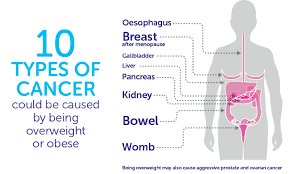
1-Obesity=Those with a body mass index of 30 or greater.

2-Drinking more than 2 to 4 alcoholic drinks a day.

3-Smoking

4-High cholesterol

5-Diabetes

6-Ongoing Stress/Anxiety

7-Continuous use of excessive salt consumption

Possible causes of High Blood Pressure

Sometimes the cause of a person’s high blood pressure is determined, but this happens in only 5% of the cases. When a cause is found, the person is diagnosed with secondary high blood pressure [hypertension]. In most of these cases, the cause can be linked to an underlying illness such as kidney disease, adrenal gland disease, or narrowing of the aorta. Contraceptive pills, steroids, and some medications can also cause secondary high blood pressure [hypertension], though instances of this are not all that common since in most cases these can be stopped or with medications changed if a med is still needed to resolve high blood pressure.


Reviewing High Blood Pressure and the important numbers

We hear the numbers, but do we really know what they mean? Since your blood pressure numbers can help you to understand your overall health status, it is important that you keep track of it. By knowing where your numbers are right now, you can head off such serious high blood pressure complications as angina, heart attacks, stroke, kidney damage, and many others that might surprise you – like eye problems and gangrene.

Hear is a review of understanding what blood pressure means and tells our medical professionals from RN’s who see the pt the most and see the vital signs with doctors being told who generally provide your blood pressure to you in terms of two numbers – a top one and a bottom one. For example, if your blood pressure is 120/80, they may say that you have a blood pressure of 120 over 80. Here is a definition again for these numbers:

The top number this is your systolic blood pressure. It measures the force of blood in the arteries as your heart beats. The top number means the pressure is reading your heart at work.  That is why this number is always highier.

The bottom number this is your diastolic blood pressure. It is the pressure of your blood when the heart is relaxed in between the times when it is pumping. Means the pressure is reading your heart at rest.  That is why the number is always lowest.

Your blood pressure requires monitoring when you have a systolic blood pressure of 140 or over and/or a diastolic blood pressure of 90 or over. Those with diabetes must maintain a lower blood pressure that those who don’t have the condition. Diabetics should maintain a blood pressure of less than 130/80.  It would be ideal at 120/80 and there are some that do.

Monitors for measuring High Blood Pressure

It is wise to monitor your blood pressure at home in addition to having it taken at your doctor’s office. This will allow you to provide your doctor with readings that have been taken over time, providing a more in depth look at your personal health condition. This will help him or her to prescribe the right hypertensive medication and treatment for your specific condition.

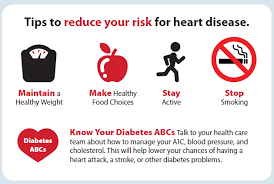
Tips to help reduce your B/P:

The best you could do over 50 or if already diagnosed with high blood pressure than monitor it at home with automatic B/P machines or get a manual one with a stethoscope for taking your B/P measurement with your pulse for some that you take from the upper arm at home each day when you first get up. Especially have a B/P monitor is recommended in taking your B/P meds to eval how good the med is working but if on lopressor or metoprolol (commonly used antihypertensives) or any selective beta blocker which can lower your B/P and pulse. Since with metoprolol or lopressor if the b/p is 90/60 or the pulse is lower than 60 you should call the M.D. first since readings that low could bottom out your B/P and pulse with making them too low putting the pt at problems with dizziness, feeling weak to bottoming out so bad you just sleeps or better falls.  So call your doctor immediately before taking the med.  Always take the B/P from the upper arm above the elbow unless your M.D tells you otherwise.  You’ll also want to make sure that the blood pressure monitor you are considering has been proven in clinical trials. Trusted name brands include those made by Omron, LifeSource, Mark of Fitness, Micro Life, and A and D Instruments. There are other brands available – the important thing is to do your research.

Always check with you cardiologist preferred or your general practitioner before making any changes in your lifestyle in anyway for safety.

Updated 5/07/24


QUOTE FOR MONDAY:

“Key facts

  • Globally, disability and death due to PD are rapidly increasing.
  • Clinical diagnosis of PD by trained non-specialized healthcare workers and simplified treatment guidelines offer better management in primary care settings.
  • Levodopa/carbidopa, the most effective medicine for improving symptoms, functioning and quality of life is not accessible, available or affordable everywhere, particularly in low- and middle-income countries.
  • Rehabilitation can help improve functioning and quality of life for people with PD.”

World Health Organization – WHO (https://www.who.int/news-room/fact-sheets/detail/parkinson-disease)

QUOTE FOR THE WEEKEND:

“Biomarker testing is the analysis of a person’s tissue, blood and other substances, known as biomarkers, that can provide information about a disease. While most current applications of biomarker testing are in oncology and autoimmune diseases, there is research underway to benefit other patients including those with neurological conditions like Parkinson’s.

While biomarker testing can provide people with critical information about their health, insurance coverage is failing to keep pace with innovation. We urge states to take legislative action to require health plans, including Medicaid, to cover biomarker testing so that more individuals have access to this important health care tool.

Legislative action on biomarker testing access coincided with the MJFF’s groundbreaking news, announced in April 2023, that researchers have discovered a new biomarker tool that can reveal a key pathology of the Parkinson’s: abnormal alpha-synuclein — known as the “Parkinson’s protein” — in brain and body cells.

Last year, twelve states passed legislation related to expanding insurance coverage for biomarker testing — Arizona, California, Georgia, Kentucky, Louisiana, Maryland, New Hampshire, Nevada, New Mexico, New York, Oklahoma and Texas. In 2024, MJFF is pursuing legislation in Colorado, Connecticut, Hawaii, Indiana, Iowa, Maine and Pennsylvania.”

Michael J. Fox Foundation for Parkinson’s Research

(https://www.michaeljfox.org/news/shaping-future-parkinsons-states-2024-policy-priorities)

Part II Parkinson’s Disease Awareness Month-The signs&how its diagnosed.

                      Part II Parkinson's Disease2

                         Part II Parkinson's Disease

What are the signs and symptoms (s/s) of this disease?

The early signs and symptoms of Parkinson’s disease that are often overlooked by both patients and doctors because the symptoms are subtle and the progression of the disease is typically slow. S/S of parkinson’s disease are:

Parkinson’s disease does not affect everyone the same way. In some people the disease progresses quickly, in others it does not. Although some people become severely disabled, others experience only minor motor disruptions. Tremor is the major symptom for some patients, while for others tremor is only a minor complaint and different symptoms are more troublesome.

  • The tremors associated with Parkinson’s disease has a characteristic appearance. Typically, the tremor takes the form of a rhythmic back-and-forth motion of the thumb and forefinger at three beats per second. This is sometimes called “pill rolling.” Tremor usually begins in a hand, although sometimes a foot or the jaw is affected first. It is most obvious when the hand is at rest or when a person is under stress. In three out of four patients, the tremor may affect only one part or side of the body, especially during the early stages of the disease. Later it may become more general. Tremor is rarely disabling and it usually disappears during sleep or improves with intentional movement.                                
  • Rigidity, or a resistance to movement, affects most parkinsonian patients. A major principle of body movement is that all muscles have an opposing muscle. Movement is possible not just because one muscle becomes more active, but because the opposing muscle relaxes. In Parkinson’s disease, rigidity comes about when, in response to signals from the brain, the delicate balance of opposing muscles is disturbed. The muscles remain constantly tensed and contracted so that the person aches or feels stiff or weak. The rigidity becomes obvious when another person tries to move the patient’s arm, which will move only in ratchet-like or short, jerky movements known as “cogwheel” rigidity.
  • Bradykinesia, or the slowing down and loss of spontaneous and automatic movement, is particularly frustrating because it is unpredictable. One moment the patient can move easily. The next moment he or she may need help. This may well be the most disabling and distressing symptom of the disease because the patient cannot rapidly perform routine movements. Activities once performed quickly and easily — such as washing or dressing — may take several hours.
  • Postural instability, or impaired balance and coordination, causes patients to develop a forward or backward lean and to fall easily. When bumped from the front or when starting to walk, patients with a backward lean have a tendency to step backwards, which is known as retropulsion. Postural instability can cause patients to have a stooped posture in which the head is bowed and the shoulders are drooped.

As the disease progresses, walking may be affected. Patients may halt in mid-stride and “freeze” in place, possibly even toppling over. Or patients may walk with a series of quick, small steps as if hurrying forward to keep balance. This is known as festination.

A detailed overview of the Unified Parkinson’s Disease Rating Scale that is used by doctors to follow the course of disease progression and evaluate the extent of impairment and disability.

Abstract

The Movement Disorder Society Task Force for Rating Scales for Parkinson’s Disease prepared a critique of the Unified Parkinson’s Disease Rating Scale (UPDRS). Strengths of the UPDRS include its wide utilization, its application across the clinical spectrum of PD, its nearly comprehensive coverage of motor symptoms, and its clinimetric properties, including reliability and validity. Weaknesses include several ambiguities in the written text, inadequate instructions for raters, some metric flaws, and the absence of screening questions on several important non-motor aspects of PD. The Task Force recommends that the MDS sponsor the development of a new version of the UPDRS and encourage efforts to establish its clinimetric properties, especially addressing the need to define a Minimal Clinically Relevant Difference and a Minimal Clinically Relevant Incremental Difference, as well as testing its correlation with the current UPDRS. If developed, the new scale should be culturally unbiased and be tested in different racial, gender, and age-groups. Future goals should include the definition of UPDRS scores with confidence intervals that correlate with clinically pertinent designations, “minimal,” “mild,” “moderate,” and “severe” PD. Whereas the presence of non-motor components of PD can be identified with screening questions, a new version of the UPDRS should include an official appendix that includes other, more detailed, and optionally used scales to determine severity of these impairments.

How Parkinson’s disease is diagnosed based on factors such as signs/symptoms, patient history, physical examination, and a thorough neurological evaluation.

Furthermore, making the diagnosis is even more difficult since there are currently no blood or lab tests available to diagnose the disease. Some tests, such as a CT Scan (computed tomography) or MRI (magnetic resonance imaging), may be used to rule out other disorders that cause similar symptoms. Given these circumstances, a doctor may need to observe the patient over time to recognize signs of tremor and rigidity, and pair them with other characteristic symptoms. The doctor will also compile a comprehensive history of the patient’s symptoms, activity, medications, other medical problems, and exposures to toxic chemicals. This will likely be followed up with a rigorous physical exam with concentration on the functions of the brain and nervous system. Tests are conducted on the patient’s reflexes, coordination, muscle strength, and mental function. Making a precise diagnosis is essential for prescribing the correct treatment regimen. The treatment decisions made early in the illness can have profound implications on the long-term success of treatment.

 Questions to Ask Your Doctor About Parkinson’s Disease

Since you’ve recently been diagnosed with Parkinson’s disease, ask your doctor these questions at your next visit.

1. What stage is my illness in now?

2. How quickly do you think my disease will progress?

3. How will Parkinson’s disease affect my work?

4. What physical changes can I expect? Will I be able to keep up the activities, hobbies, and sports I do now?

5. What treatments do you suggest now? Will that change as the disease progresses?

6. What are the side effects of medication?…

Because the diagnosis is based on the doctor’s exam of the patient, it is very important that the doctor be experienced in evaluating and diagnosing patients with Parkinson’s disease. If Parkinson’s disease is suspected, you should see a specialist, preferably a movement disorders trained neurologist.

A comprehensive overview of the major non-motor complications that are often associated with Parkinson’s disease, including:

-Cognitive impairment –Dementia –Psychosis       -Fatique–Depression -Sleep disturbances -Constipation -Sexual dysfunction -Vision disturbances.

QUOTE FOR TUESDAY:

“VA uses the term “military sexual trauma” (MST) to refer to sexual assault or threatening sexual harassment experienced during military service. MST includes any sexual activity during military service in which you are involved against your will or when unable to say no. People of all genders, ages, sexual orientations, racial and ethnic backgrounds, and branches of service have experienced MST. Like other types of trauma, being PTSD.  MST can negatively affect a person’s mental and physical health, even many years later. Examples include:

  • Being pressured or coerced into sexual activities, such as with threats of negative treatment if you refuse to cooperate or with promises of better treatment
  • Sexual contact or activities without your consent, including when you were asleep or intoxicated
  • Being overpowered or physically forced to have sex
  • Being touched or grabbed in a sexual way that made you uncomfortable, including during “hazing” experiences
  • Comments about your body or sexual activities that you found threatening
  • Unwanted sexual advances that you found threatening”

U.S. Dept of Veteran’s Affair (https://www.mentalhealth.va.gov/msthome/index.asp)

Part I What is Parkinson Disease (PD)?

Parkinson's Disease1 

Parkinson Disease (PD) is a chronic and progressive movement disorder, meaning that symptoms continue and worsen over time. Nearly one million people in the US are living with Parkinson’s disease. The cause is unknown, and although there is presently no cure, there are treatment options such as medication and surgery to manage its symptoms.

Parkinson’s involves the malfunction and death of vital nerve cells in the brain, called neurons. Parkinson’s primarily affects neurons in an area of the brain called the substantia nigra. Some of these dying neurons produce dopamine, a chemical that sends messages to the part of the brain that controls movement and coordination. As PD progresses, the amount of dopamine produced in the brain decreases, leaving a person unable to control movement normally.

There are three types of Parkinson’s disease and they are grouped by age of onset: 

1-Adult-Onset Parkinson’s Disease – This is the most common type of Parkinson’s disease. The average age of onset is approximately 60 years old. The incidence of adult onset PD rises noticeably as people advance in age into their 70’s and 80’s.

2-Young-Onset Parkinson’s Disease – The age of onset is between 21-40 years old. Though the incidence of Young-Onset Parkinson’s Disease is very high in Japan (approximately 40% of cases diagnosed with Parkinson’s disease), it is still relatively uncommon in the U.S., with estimates ranging from 5-10% of cases diagnosed.

3-Juvenile Parkinson’s Disease – The age of onset is before the age of 21. The incidence of Juvenile Parkinson’s Disease is very rare.

Impact of the disease:

Parkinson’s disease can significantly impair quality of life not only for the patients but for their families as well, and especially for the primary caregivers. It is therefore important for caregivers and family members to educate themselves and become familiar with the course of Parkinson’s disease and the progression of symptoms so that they can be actively involved in communication with health care providers and in understanding all decisions regarding treatment of the patient.


According to the American Parkinson’s Disease Association, there are approximately an estimated 1 million Americans living with Parkinson’s disease and more than 10 million people worldwide.  That number is expected to rise as the general population in the U.S. ages. Onset of Parkinson’s disease before the age of 40 is rare. All races and ethnic groups are affected.


Knowledge is Critical when Dealing with a Life-Altering Condition such as Parkinson’s Disease and being able to make the changes to last longer and at your optimal level of functioning! First step is accept you have it!

If you or a loved one has been diagnosed with Parkinson’s disease, it’s critical to learn everything you possibly can about this condition so that you can make informed decisions about your treatment. That’s why we created the Medifocus Guidebook on Parkinson’s Disease, a comprehensive 170 page patient Guidebook that contains vital information about Parkinson’s disease that you won’t find anywhere in a single source.

The Medifocus Guidebook on Parkinson’s Disease starts out with a detailed overview of the condition and quickly imparts fundamentally important information about Parkinson’s disease, including:

Possible factors that could impact someone in being diagnosed with this disorder:

1-Genetic Factors

In some patients, genetic factors could be the primary cause; but in others, there could be something in the environment that led to the disease. Scientists have noted that aging is a key risk factor. There is a 2-4% risk for developing the disease for people over 60. That is compared to 1-2% risk in the general population.

2-Environmental Factors

Some scientists believe that PD can result from overexposure to environmental toxins, or injury. Research by epidemiologists has identified several factors that may be linked to PD. Some of these include living in rural areas, drinking well water, pesticides and manganese.

Some studies have indicated that long term exposure to some chemicals could cause a higher risk of PD. These include the insecticides permethrin and beta-hexachlorocyclohexane (beta-HCH), the herbicides paraquat and 2,4-dichlorophenoxyacetic acid and the fungicide maneb. In 2009, the US Veterans Affairs Department stated that PD could be caused by exposure to Agent Orange.

We should remember that simple exposure to a single toxin in the environment is probably not enough to cause PD. Most people who are exposed to such toxins do not develop PD but could be a risk.

The Parkinson’s Disease Foundation notes that even after decades of intense study, the causes of Parkinson’s disease are not really understood. However,they agree in saying that many experts believe that the disease is caused by several genetic and environmental factors, which can vary in each person.

QUOTE FOR WEDNESDAY:

“Not everyone has a work schedule that resembles the traditional nine-to-five day. In fact, more than 22 million Americans work evening, rotating, or on-call shifts. You face many challenges when working non-traditional hours. It can be hard to keep up with family and friends. You may feel disconnected from the people you care about the most. You may have trouble organizing your time and activities. You may be frustrated to realize that most things are planned around the schedule of the typical day worker. It may seem like no one has your needs in mind.  Your physical health may also suffer from shift work. It can be very hard to get the sleep you need to stay well rested. This can make you more likely to get sick. It also makes you at potential that the job is hard for you to stay alert on the job.  Being tired increases the chance that you could suffer a work-related injury. Even driving home from work is a risk when you are sleepy.  Studies show that sleepiness can have a negative effect on any of the following:

1. Attention 2. Concentration 3. Reaction time 4. Memory  5. Mood.

A main challenge of shift work is that it forces you to sleep against the clock. You have an internal body clock in your brain that produces circadian rhythms.  If you work at night, you must fight your body’s natural rhythms to try and stay awake. Then you have to try to sleep during the day when your body expects to be alert.

It is a good idea to take a nap just before reporting for a night shift. This makes you more alert on the job. A nap of about 90 minutes seems to be best. Naps during work hours may also help you stay awake and alert. You may also want to take a nap during the night shift “lunch hour.” This can make you more productive and more satisfied”

UCLS Health (https://www.uclahealth.org/medical-services/sleep-disorders/patient-resources/patient-education/coping-with-shift-work)

QUOTE FOR TUESDAY:

“National Foot Health Awareness Month is observed in April to raise critical awareness regarding our foot health. Understanding the value of healthy feet is essential. Below, our experts share important tips, tricks and fascinating facts on one of the most important parts of our body–our feet!

Step Into April On A Good Foot With These Tips and Tricks 

  • Inspect your feet regularly and pay attention to changes in color, texture or appearance.
  • Maintain good foot hygiene, including washing and drying between the toes.
  • Hydrate the skin. Southern California weather and open shoes can cause rapid loss of moisture from the skin and may result in cracking or the formation of fissures. It is helpful to replace the moisture content by using lotions or creams on a regular basis.
  • Don’t ignore foot pain. Symptoms that increase or do not resolve within a reasonable period of time need to be evaluated by your podiatric physician.”

Feet First Foot Care Specialists LLC-conservative and surgical foot care – posted: Mar. 31, 2023-Dr. A. Mucinska

(https://www.feetfirst-footcare.com/staff)

QUOTE FOR MONDAY:

“A good laugh has great short-term effects. When you start to laugh, it doesn’t just lighten your load mentally, it actually induces physical changes in your body.

Laughter or humor in short term changes it does this to the body:

  • Stimulate many organs. Laughter enhances your intake of oxygen-rich air, stimulates your heart, lungs and muscles, and increases the endorphins that are released by your brain.
  • Activate and relieve your stress response. A rollicking laugh fires up and then cools down your stress response, and it can increase and then decrease your heart rate and blood pressure. The result? A good, relaxed feeling.
  • Soothe tension.Laughter can also stimulate circulation and aid muscle relaxation, both of which can help reduce some of the physical symptoms of stress.

Laughter or humor in Long Term Effects it does this to the body:

  • Improve your immune system. Negative thoughts manifest into chemical reactions that can affect your body by bringing more stress into your system and decreasing your immunity. By contrast, positive thoughts can actually release neuropeptides that help fight stress and potentially more-serious illnesses.
  • Relieve pain. Laughter may ease pain by causing the body to produce its own natural painkillers.
  • Increase personal satisfaction. Laughter can also make it easier to cope with difficult situations. It also helps you connect with other people.
  • Improve your mood. Many people experience depression, sometimes due to chronic illnesses. Laughter can help lessen your stress, depression and anxiety and may make you feel happier. It can also improve your self-esteem.”

MAYO CLINIC (https://www.mayoclinic.org/healthy-lifestyle/stress-management/in-depth/stress-relief/art-20044456)