Archives

QUOTE FOR WEDNESDAY:

“Arthritis includes approximately 100 conditions that affect the joints and surrounding tissues. It is a leading cause of activity limitations, disability, and chronic pain, and is associated with dispensed opioid prescriptions, substantially contributing to health care costs.

Combined 2019–2021 National Health Interview Survey data were analyzed to update national prevalence estimates of self-reported diagnosed arthritis. An estimated 21.2% (18.7% age-standardized) of U.S. adults aged ≥18 years (53.2 million) had diagnosed arthritis during this time frame. Age-standardized arthritis prevalences were higher among women (20.9%) than men (16.3%), among veterans (24.2%) than nonveterans (18.5%), and among non-Hispanic White (20.1%) than among Hispanic or Latino (14.7%) or non-Hispanic Asian adults (10.3%). Adults aged ≥45 years represent 88.3% of all U.S. adults with arthritis. Unadjusted arthritis prevalence was high among adults with chronic obstructive pulmonary disease (COPD) (57.6%), dementia (55.9%), a disability (54.8%), stroke (52.6%), heart disease (51.5%), diabetes (43.1%), or cancer (43.1%).

Approximately one half of adults aged ≥65 years with COPD, dementia, stroke, heart disease, diabetes, or cancer also had a diagnosis of arthritis. These prevalence estimates can be used to guide public health policies and activities to increase equitable access to physical activity opportunities within the built environment and other arthritis-appropriate, evidence-based interventions.”

National Library of Medicine (https://www.ncbi.nlm.nih.gov/pmc/articles/PMC10578950/)

Arthritis – what it is, the types of arthritis, signs/symptoms, how its diagnosed and the treatments!


Arthritis is a joint disease ((Medically Arthro means joint / itis means inflammation). The main symptoms of arthritis are joint pain and stiffness, which typically worsen with age. A joint exists where the ends of two or more bones meet. The knee joint, for example, is formed between the bones of the lower leg (tibia and fibula) and the thighbone (femur). The hip joint is located where the top of the thighbone (femoral head) meets the cup portion  of the pelvis (acetabulum).

Cartilage. A smooth layer of cartilage covers the ends of bones in a joint. Cartilage cushions the bone and allows the joint to move easily without the friction that would occur with bone-on-bone contact.

Synovium. A joint is enclosed by a fibrous capsule that is lined with a tissue called the synovium, which produces a fluid that also helps to reduce friction and wear in a joint.

Muscles, tendons, and ligaments. Ligaments connect the bones and keep the joint stable. Muscles and tendons power the joint and enable it to move.

Osteoarthritis causes cartilage — the hard, slippery tissue that covers the ends of bones where they form a joint — to break down. Rheumatoid arthritis is a disease in which the immune system attacks the joints, beginning with the lining of joints.

Uric acid crystals, which form when there’s too much uric acid in your blood, can cause gout. Infections or underlying disease, such as psoriasis or lupus, can cause other types of arthritis.

Treatments vary depending on many factors but first the type of arthritis. The main goals of arthritis treatments are to reduce symptoms and improve quality of life.

Types of Arthritis:

1-Rheumatoid Arthritis (RA) symptoms are joint inflammation that comes from pain, warmth, and swelling. The inflammation is typically symmetrical that is occurring on both sides of the body at the same time (such as hands, wrists, or knees). Other signs of Rheumatoid Arthritis include joint stiffness that is particularly in the AM upon awakening or after periods of inactivity; ongoing fatigue, and low-grade fever. Signs and symptoms come about gradually over years but can come on rapidly for some other people. RA is while is an autoimmune disorder.

2-Osteoarthritis is usually caused by normal wear and tear, while rheumatoid arthritis is an autoimmune disorder. Other types of arthritis can be caused by uric acid crystals, infections or even an underlying disease, such as psoriasis or lupus.

3-Autoimmune Inflammatory Arthritis

A healthy immune system is protective. It generates inflammation to clear infections and heal injuries. But in inflammatory arthritis, the immune system is overactive, attacking healthy tissue, including joints in the spine, hands and feet. In some people, inflammation becomes systemic, damaging the eyes, skin, heart and other organs. Many, but not all types of inflammatory arthritis are considered autoimmune diseases because the immune system loses the ability to distinguish self from not-self and attacks the body it’s supposed to protect.

Rheumatoid arthritis (RA) is the most common form of autoimmune inflammatory arthritis. Psoriatic arthritis (PsA) axial spondyloarthritis (axSpA), gout and juvenile arthritis are less common and can be more challenging to diagnose.

4-Infectious Arthritis

A bacterial, viral or fungal infection triggers infectious arthritis. It usually starts when an infection from another part of the body travels to a joint, usually the knee. Symptoms like swelling, pain and fever can be sudden and intense, but treatment with antibiotics or antifungals usually clears the infection pretty quickly. Most viral infections last a week or two and go away on their own. Some people with infectious arthritis may need to have their joint fluid drained to remove infected synovial fluid, reduce pain and inflammation and prevent joint damage.

5-Gout (Metabolic Arthritis)

Metabolic or gouty arthritis — commonly known as gout — results from a buildup in joints of painful uric acid crystals. These are a byproduct of the breakdown of purines — substances normally found in human cells and many foods, especially red meat, organ meats, some seafoods and alcohol. Normally the body gets rid of excess uric acid, but when it doesn’t, it can accumulate in joints, causing sudden and intense bouts of pain, especially the big toe.

However, most people with high uric acid levels never develop gout and many gout patients have normal uric acid. Some research suggests that certain factors in addition to uric acid might trigger gout. Possible culprits include damage from OA, disruptions in the microbiome and even white blood cells in the fluid inside joints.

Some people experience only one gout attack, or flare, and never have other symptoms. They don’t typically require medication. People who have more than one gout flare or severe symptoms are typically prescribed uric acid-lowering drugs. Those drugs can have serious side effects (and may not address the real problem), so in addition to taking medication, patients are advised to adopt a mostly plant-based, low-purine diet, rich in fruit, vegetables, whole grains, olive oil and low-purine fish.

6-Ankylosing spondylitis is a type of arthritis that causes inflammation in the joints and ligaments of the spine.

Regardless of whether arthritis is caused by injury, normal wear and tear, or systemic disease, the affected joint becomes inflamed, causing swelling, pain, and stiffness. Inflammation is one of the body’s normal reactions to injury or disease. In arthritic joints, however, inflammation may cause long-lasting or permanent disability when it destroys the joint’s cartilge.

The most common types of arthritis are osteoarthritis and rheumatoid arthritis.

The most common signs and symptoms of arthritis involve the joints:

  • Pain
  • Stiffness
  • Swelling
  • Redness
  • Decreased range of motion

How arthritis is diagnosed:

Laboratory tests

The analysis of different types of body fluids can help pinpoint the type of arthritis you may have. Fluids commonly analyzed include blood, urine and joint fluid. To obtain a sample of joint fluid, doctors cleanse and numb the area before inserting a needle in the joint space to withdraw some fluid.

Imaging

These types of tests can detect problems within the joint that may be causing your symptoms. Examples include:

  • X-rays. Using low levels of radiation to visualize bone, X-rays can show cartilage loss, bone damage and bone spurs. X-rays may not reveal early arthritic damage, but they are often used to track progression of the disease.
  • Computerized tomography (CT). CT scanners take X-rays from many different angles and combine the information to create cross-sectional views of internal structures. CTs can visualize both bone and the surrounding soft tissues.
  • Magnetic resonance imaging (MRI). Combining radio waves with a strong magnetic field, MRIs can produce more-detailed cross-sectional images of soft tissues such as cartilage, tendons and ligaments.
  • Ultrasound. This technology uses high-frequency sound waves to image soft tissues, cartilage and fluid-containing structures near the joints (bursae). Ultrasound is also used to guide needle placement for removing joint fluid or injecting medications into the joint.

Treatments for arthritis:

Arthritis treatment focuses on relieving symptoms and improving joint function. You may need to try several different treatments, or combinations of treatments, before you determine what works best for you.

Medications

The medications used to treat arthritis vary depending on the type of arthritis. Commonly used arthritis medications include:

  • NSAIDs. Nonsteroidal anti-inflammatory drugs (NSAIDs) can relieve pain and reduce inflammation. Examples include ibuprofen (Advil, Motrin IB, others) and naproxen sodium (Aleve). Stronger NSAIDs can cause stomach irritation and may increase your risk of heart attack or stroke. NSAIDs are also available as creams or gels, which can be rubbed on joints.
  • Counterirritants. Some varieties of creams and ointments contain menthol or capsaicin, the ingredient that makes hot peppers spicy. Rubbing these preparations on the skin over your aching joint may interfere with the transmission of pain signals from the joint itself.
  • Steroids. Corticosteroid medications, such as prednisone, reduce inflammation and pain and slow joint damage. Corticosteroids may be given as a pill or as an injection into the painful joint. Side effects may include thinning of bones, weight gain and diabetes.
  • Disease-modifying antirheumatic drugs (DMARDs). These drugs can slow the progression of rheumatoid arthritis and save the joints and other tissues from permanent damage. In addition to conventional DMARDs, there are also biologic agents and targeted synthetic DMARDs. Side effects vary but most DMARDs increase your risk of infections.

Therapy

Physical therapy can be helpful for some types of arthritis. Exercises can improve range of motion and strengthen the muscles surrounding joints. In some cases, splints or braces may be warranted.

Surgery

If conservative measures don’t help, doctors may suggest surgery, such as:

  • Joint repair. In some instances, joint surfaces can be smoothed or realigned to reduce pain and improve function. These types of procedures can often be performed arthroscopically — through small incisions over the joint.
  • Joint replacement. This procedure removes the damaged joint and replaces it with an artificial one. Joints most commonly replaced are hips and knees.
  • Joint fusion. This procedure is more often used for smaller joints, such as those in the wrist, ankle and fingers. It removes the ends of the two bones in the joint and then locks those ends together until they heal into one rigid unit.


QUOTE FOR TUESDAY

”More than 100 million people in the United States have asthma and/or allergies. Some people may have more than one of these conditions.

  • More than 27 million people in the U.S. have asthma (more than 22 million adults and 4.5 million children).1,2
  • About 20 million people in the U.S. have food allergies (16 million adults and 4 million children).3,4
  • About 81 million people in the U.S. have rhinitis due to nasal allergies, also called “hay fever” (67 million adults and 114 million children).3,4
  • There is no cure for asthma or allergies.”

Asthma and Allergy Foundation of America (https://aafa.org/get-involved/asthma-and-allergy-awareness-month/)

QUOTE FOR MONDAY:

“There is no treatment to reverse damage to motor neurons or cure ALS at this time. However, some treatments may slow progression of the disease, improve quality of life, and extend survival. New treatments have become available in the past several years, and researchers continue to explore diverse avenues to slow or stop progression of ALS.

Supportive health care is best provided by integrated, multi-disciplinary teams of professionals.  Doctors may use the medications approved by the U.S. Food and Drug Administration (FDA) to support a treatment plan for ALS.”

National Institute of Neurological Disorders and Stroke – NIH (https://www.ninds.nih.gov/health-information/disorders/amyotrophic-lateral-sclerosis-als)


QUOTE FOR THE WEEKEND:

“ALS is a disease that typically involves a gradual onset. The initial symptoms of ALS can be quite varied. One person may have trouble grasping a pen or lifting a coffee cup, while another may experience a change in vocal pitch when speaking.

The progression rate of ALS can be quite variable, as well. Although the mean survival time with ALS is two to five years after diagnosed with ALS, some people go longer for live five years, 10 years or even longer.  It varies from individual to individual after diagnosed with ALS.”

ALS Association (https://www.als.org/understanding-als/symptoms-diagnosis)

QUOTE FOR FRIDAY:

“The more you learn about ALS, the better prepared you’ll be. Remember, in addition to doing your own research, speaking regularly with your healthcare provider(s) will help you make the most informed decisions moving forward. Amyotrophic lateral sclerosis (ALS), also known as Lou Gehrig’s Disease, is a disease that affects parts of the nervous system that control voluntary muscle movements (the muscles that people move at will, like those of the arms and legs). ALS is referred to as a progressive disease, meaning the symptoms continue to get worse over time. People with ALS gradually lose strength in their muscles and become weaker, which can limit movement and the ability to live an independent life.

As ALS progresses, it will eventually affect muscles that control breathing, as well as chewing and swallowing food.”

ALS Pathways (https://www.alspathways.com/als-overview)

QUOTE FOR THURSDAY:

“There are two main types of high blood pressure.

1.) Primary hypertension, also called essential hypertension:
For most adults, there’s no identifiable cause of high blood pressure. This type of high blood pressure is called primary hypertension or essential hypertension. It tends to develop gradually over many years. Plaque buildup in the arteries, called atherosclerosis, increases the risk of high blood pressure.

2.) Secondary hypertension
This type of high blood pressure is caused by an underlying condition. It tends to appear suddenly and cause higher blood pressure than does primary hypertension. Conditions and medicines that can lead to secondary hypertension include:

-Adrenal gland tumors
-Blood vessel problems present at birth, also called congenital heart defects
-Cough and cold medicines, some pain relievers, birth control pills, and other prescription drugs
-Illegal drugs, such as cocaine and amphetamines
-Kidney disease
-Obstructive sleep apnea
-Thyroid problems

Sometimes just getting a health checkup causes blood pressure to increase. This is called white coat hypertension.”

MAYO CLINIC (https://www.mayoclinic.org/diseases-conditions/high-blood-pressure/symptoms-causes/syc-20373410)

Part III High Blood Pressure Education Month! How stress alone=another factor that can impact increasing your B/P as we get older=risking us for HTN & some tips on how to handle stress to reduce HTN!

The times and the era we live in are those of uncertainty. The state of flux caused by economic upheavals and pandemic-related restrictions have added to our health woes, with the crazy chaosis going on with our government to not protesting but RIOTING being allowed on college campuses like now aiding to having hypertension in your life that you didn’t have before. People have been facing stress on all fronts. Job losses, health issues starting, family issues or even losses, etc.  Our government is not thinking of family (the US citizens but illegals?  Really!)   Stress can cause short-term spikes in blood pressure. It is your body doing FIGHT OR FLIGHT and your rotten diet living on fast food places or going 3 times a week as finally starting to impact you at a later age or now with the stress induced on it. 

Being under stress can cause your blood pressure to spike briefly. But researchers aren’t sure whether stress can cause blood pressure to rise long-term.

Experts do know that exercising 3 to 5 times a week for 30 minutes can lower stress. For people with high blood pressure, doing activities that help manage stress and improve health can help lower blood pressure.

We do know furthermore the following facts in how reactions to stress can affect the blood pressure:

The body releases a surge of hormones when under stress. These hormones cause the heart to beat faster and the blood vessels to narrow. These actions increase blood pressure for a time.

There’s no proof that stress by itself causes long-term high blood pressure. But reacting to stress in unhealthy ways can raise blood pressure and increase the risk of heart attack and stroke.

Behaviors linked to higher blood pressure.  What we do know already is how diet can impact B/P due to bad diet behaviors in your choice in what to eat commonly which is the following:

  • Drinking too much alcohol or caffeine.
  • Eating unhealthy foods=Processed, restaurants/fast foods, bakery items, food delivery, pizzeria, deli meats.
  • Eating too much.  Too much salt in your diet or caffeine or unhealthy foods.
  • Not moving enough.

Heart disease also might be linked to certain health conditions related to stress, such as:

  • Anxiety.
  • Depression.
  • Being cut off from friends and family.

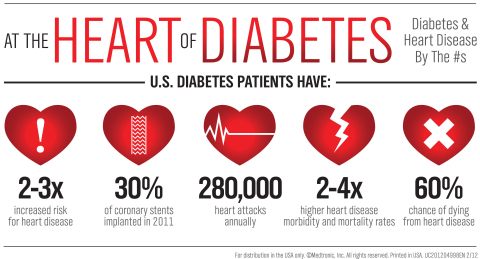
Diabetes alot of times goes with heart disease, renal disease and others.  The best thing too do eat healthy, stay in your body mass index (therapeutic weight), some exercise everyday 30 mins or more & routine M.D. check ups.

There’s no proof that these conditions are directly linked to high blood pressure but it can impact it. Remember again when we are under stress we go through flight and flight (meaning we either deal with it or we don’t at all). But the hormones the body makes when under emotional stress might damage arteries. The artery damage might lead to heart disease. And symptoms of depression and anxiety might cause some people to forget to take medicines to control high blood pressure or other heart conditions.

Stress can cause a steep rise in blood pressure. But when stress goes away, blood pressure returns to what it was before the stress. However, short spikes in blood pressure can cause heart attacks or strokes and may also damage blood vessels, the heart and the kidneys over time. The damage is like the damage from long-term high blood pressure.

SO THE BIG QUESTION IS CAN ANYTHING BE DONE IN CONTROLLING STRESS? THE ANSWER IS YES!!!

Here are some ways to manage stress:

One way is simply adjust your schedule. If you have too much to do, look at your calendar and to-do lists. Ask others to do some things. Schedule less time for activities that aren’t important to you. Say no to things you don’t want to do.

Harvard Health Publishing/Harvard Medical School states the following in helping to reduce stress:

  1. Get enough sleep. Inadequate or poor-quality sleep can negatively affect your mood, mental alertness, energy level, and physical health.
  2. Learn relaxation techniques. Meditation, progressive muscle relaxation, guided imagery, deep breathing exercises, and yoga are powerful relaxation techniques and stress-busters.
  3. Strengthen your social network. Connect with others by taking a class, joining an organization, or participating in a support group.
  4. Hone your time-management skills. The more efficiently you can juggle work and family demands, the lower your stress level.
  5. Try to resolve stressful situations if you can. Don’t let stressful situations fester. Hold family problem-solving sessions and use negotiation skills at home and at work.
  6. Nurture yourself. Treat yourself to a massage. Truly savor an experience: for example, eat slowly and really focus on the taste and sensations of each bite. Take a walk or a nap, or listen to your favorite music.
  7. Ask for help. Don’t be afraid to ask for help from your spouse, friends, and neighbors. If stress and anxiety persist, talk to your doctor.

Along with these ways to reduce stress, add in a healthy lifestyle — maintaining a healthy weight, not smoking, regular exercise, and a diet that includes fruits, vegetables, whole grains, lean protein, and healthful fats — and high blood pressure could be a thing of the past.

American Heart Association states the following in how to go about stress to lower it that decreases your B/P:

“1. You can’t control all the outside events in your life.

However, you can change how you handle them emotionally and psychologically. Try to learn to accept things you can’t change. You don’t have to solve all of life’s problems.

2. Think about problems under your control and make a plan to solve them.

You could talk to your boss about difficulties at work, talk with your neighbor if his dog bothers you or get help when you have too much to do.

3. Know your stress triggers.

Think ahead about what may upset you. Some things you can avoid. For example, spend less time with people who bother you or avoid driving in rush-hour traffic.

4. Reduce stress by taking care of your mood

Relaxing is important!  Even if you are busy, take 15 to 20 minutes a day to sit quietly, breathe deeply and think of a peaceful picture.

5. Spend time developing supportive and nurturing relationships.

We all need supportive and encouraging relationships. Invest yourself in developing relationships that build character and foster growth.

6. Give yourself the gift of a healthy lifestyle.

Engage in physical activity regularly. Do what you enjoy; walk, swim, ride a bike or jog to get your muscles going. Letting go of the tension in your body will help you feel better.

Limit alcohol, don’t overeat and don’t smoke.

Relaxing for short periods during your workday, at night and on weekends may help lower your blood pressure. Another great stress-buster is to get regular physical activity.

7. Reduce stress by practicing gratitude and joy

Change how you respond to difficult situations, focusing on the positive, not the negative. Expressing gratitude to others can also boost your level of feeling good about life and reduce stressful thoughts.

8. Know what brings you pleasure and find ways to enjoy the experience.

Perhaps you enjoy volunteer opportunities or cooking your favorite foods. By taking time not only to participate in these activities but to intentionally enjoy them, you can build a satisfying life rather than hurry through your “relaxing activities” at a stressful pace.

Reducing B/P by reducing bad foods in our diet the would cause vessel vasoconstriction or blockages in our vessels causing HTN, with reducing stress in out lives, practicing activities healthy in our lives like getting a 1/2 to 1 full hour of exercise a day, meditating a few times a week, loosing weight to therapeutic level will all help reduce your B/P or HTN.  It is all up to you in what moves you do to change your live to better your health and live a productive, happy and relaxing at frequency in your life!  Don’t be ill that stops you from doing things you enjoy and be healthy!

Revised 5/07/24

QUOTE FOR WEDNESDAY:

“Statistics on Hypertension by CDC:

  • Having hypertension puts you at risk for heart disease and stroke, which are leading causes of death in the United States.2
  • In 2021, hypertension was a primary or contributing cause of 691,095 deaths in the United States.2
  • Nearly half of adults have hypertension (48.1%, 119.9 million), defined as a systolic blood pressure greater than 130 mmHg or a diastolic blood pressure greater than 80 mmHg or are taking medication for hypertension.3
  • About 1 in 4 adults with hypertension have their hypertension under control (22.5%, 27.0 million).3
  • About half of adults (45%) with uncontrolled hypertension have a blood pressure of 140/90 mmHg or higher. This includes 37 million U.S. adults. 3
  • About 34 million adults who are recommended to take medication may need it to be prescribed and to start taking it. Almost two out of three of this group (19 million) have a blood pressure of 140/90 mmHg or higher.3″

Centers for Disease Control and Prevention (https://www.cdc.gov/bloodpressure/facts.htm)

Part II High Blood Pressure Education Month – Know the symptoms, the one major factor in helping blood pressure stay therapeutic is lowering SODIUM & CAFFEINE!

The signs and symptoms of high B/P=Hypertension could be:

  • severe headaches.
  • chest pain.
  • dizziness.
  • difficulty breathing.
  • nausea.
  • vomiting.
  • blurred vision or other vision changes.
  • anxiety.

Usually, high blood pressure causes no signs or symptoms. That’s why healthcare providers call it a “silent killer.” You could have high blood pressure for years and not know it. In fact, the World Health Organization estimates that 46% of adults with hypertension don’t know they have it.

When your blood pressure is 180/120 mmHg or higher, you may experience symptoms like headaches, heart palpitations or nosebleeds. Blood pressure this high is a hypertensive crisis that requires immediate medical care.

Remember this, for many High blood pressure is known as the “silent killer” and its given that nickname for a reason.  For those patients with high B/P they don’t feel ANY SIGNS OR SYMPTOMS OF HIGH B/P to go to the doctor!  So they let their B/P get so high, never going to the MD or regularly checking their B/P on their own and puff they die awake or in their sleep due to the high B/P that caused the death!

You may not feel that anything is wrong, but high blood pressure could be quietly causing damage that can threaten your health. The best prevention is knowing your numbers and making changes that matter in order to prevent and manage high blood pressure.

Why not just buy a blood pressure monitor from the pharmacy which will help you keep an eye on your B/P or even keeping your B/P therapeutic and have no HTN!

A BIG factor in helping to reduce or decrease high blood pressure for those with hypertension is DIET alone will impact greatly.  Less SODIUM=Salt in the diet will have an impact in lowering your B/P!


Your provider will diagnose you with one of two types of high blood pressure:

  • Primary hypertension. Causes of this more common type of high blood pressure (about 90% of all adult cases in the U.S.) include aging and lifestyle factors like not getting enough exercise.
  • Secondary hypertension. Causes of this type of high blood pressure include different medical conditions or a medication you’re taking.

Most people with high b/p are asked to eat less sodium. Sodium attracts water and makes the body hold fluid. To pump the added fluid the heart works harder. Also sodium in the body causes the arteries to vasoconstrict increasing pressure in the vessels causing the pressure to rise.

Most people with high b/p are asked to eat less sodium at 2000mg or less a day and this is to prevent water retention and vasoconstriction in which both actions increase the blood pressure. Follow your doctor’s advice about your sodium intake.

Many prepared foods and spices are high in sodium. But, the most common source of sodium is table salt. Table salt is 40% sodium and 60% chloride. One teaspoon of table salt contains 2000mg of sodium.  Get rid of your table salt period will help you in trying to lower your B/P or keeping your B/P therapeutic (in the norm).

HINTS IN HOW TO LOWER YOUR SODIUM IN YOUR DIET:

What is Sodium (NA+)?  One it’s an important substance in our body. It helps your body balance the level of fluid inside and outside of the cells; this prevents the cells from becoming dehydrated. To keep up this balance, the body needs about 2000mg of sodium a day or less. Yet most of us eat 3000 to 6000mg of sodium each day.  On average Americans eat 3400mg of sodium a day and now it is recommended to eat 1500 mg a day.  A major start is no salt shaker on the table and don’t add salt to your foods unless you know the amount in them already with not going over 1500 mg of salt a day or what your cardiologist recommends who is the expert!

Other tips could  be:

-Season foods with fresh or dried herbs, vegetables, fruits or no-salt seasonings.

-Do not cook with salt or add salt to foods after they are on the table.

-Make your own breads, rolls, sauces, salad dressings, vegetable dishes and desserts when you can.

-Stay away from fast foods. They are almost all high in salt.

-Eat fresh, not frozen or canned, and do eat unsalted vegetables. These have less sodium than most processed foods. Read the labels and if they don’t have a label DON’T EAT IT. Read the labels and eat the portioned size it says to for 1 portion with keeping a diary of what you ate with adding the sodium and when it reached 2000mg no more food that day with salt in it unless the doctor prescribes less.

Know this frozen meals are often high in sodium. In fact, it’s estimated that around 70% of the sodium people consume in the United States comes from prepackaged, processed, and restaurant foods = high in sodium.

-Buy water packed tuna and salmon. Break it up into a bowl of cold water, and let stand for 3 minutes. Rinse, drain and squeeze out water.

-Don’t buy convenience foods such as prepared or skillet dinners, deli foods, cold cuts, hot dogs-one of the worst foods to eat to begin, frozen entrees or canned soups. These have lots of salt. Be picky on what you eat.

-Again, read all labels for salt, sodium or sodium products (such as sodium benzoate, MSG). Ingredients are listed in the order of amount used. A low sodium label means 140mg of less per serving. Try to buy products labeled low sodium/serving. Do not eat products that have more sodium than this per serving.

-AHA states, “If you drink, limit your alcohol consumption to no more than two drinks per day for men and no more than one drink per day for women. A drink is one 12 oz. beer, 4 oz. of wine, 1.5 oz. of 80-proof spirits or 1 oz. of 100-proof spirits.

I’ve read that red wine is heart healthy — can I drink as much as I’d like?
Unfortunately, red wine as a miracle drink for heart heath is a myth. The linkage reported in many of these studies may be due to other lifestyle factors rather than alcohol. Like any other dietary or lifestyle choice, it’s a matter of moderation and disciplining yourself in almost anything especially junk food, processed foods, foods high in fat or fried should once in awhile in aiding yourself in controlling your blood pressure.  Don’t only do moderation when the B/P goes high instead make the moderate eating of bad foods a regular part of your life and high odds it will only aid in helping your B/P to stay normal or to get in a therapeutic range.  The other way is only a high potential to aid in getting hypertension or increasing your b/p.

If you need help–
If cutting back on alcohol is hard for you to do on your own, ask your healthcare provider about getting help.

The AHA says your lifestyle plays an important role in treating your high blood pressure. If you successfully control your blood pressure with a healthy lifestyle, you might avoid, delay or reduce the need for medication.

Foods to keep out of your diet or ever have on a regular basis and have maybe have once every 3 months or less

-Canned Vegetables, sauerkraut. Self rising flour and corn meal. Prepared mixes (waffle, pancake, muffin, cornbread, etc…)

-Dairy Products high in fat- like buttermilk (store-bought), canned milks unless diluted and used as regular milk).  I personally switched to skim milk and drink it every day and with other things taken in my life in moderation with trying to watch my weight still keeps my b/p under 120/80.   Egg substitute limit to ½ cup/day. Eggnog (store bought) and salted butter or margarine do not buy everyday but have eggnog around holiday time is what I do and that’s it.  I limit my butter intake where it is on bread and never add it to cooking or have extra on the table for like mashed potatoes.  Trust me processed foods have plenty in them and bakery goods without question.

-Soups: Boullon (all kinds), canned broth, dry soup mixes, canned soups are severely high in sodium especially the noodles you add water to.  Just have one of them and your already over 1000mg of salt.  Surprise, Dietary Guidelines for Americans recommends adults limit sodium intake to less than 2,300 mg per day—that’s equal to about 1 teaspoon of table salt! Salt is in the majority of foods so look on the back of the food and read the amount of fat,carbohydrates and salt is in a serving with seeing what the food’s size of a serving is.  It may make you fall in the chair.

-Meats and meat substitutes not to buy=Canned meats, canned fish, cured meats, all types of sausages, sandwich meats, peanut butter, salted nuts.  High in sodium again.

-Prepared mixes (pie, pudding, cake) or store bought pies, cakes, muffins.

-Cooking ingredients to use low sodium type or limit to 2 tbsp/day=ketchsup, chili sauce, barbecue   sauce, mustard, salad dressing.  Read the label!

-Drinks to stay away from Athletic Drinks (such as energy drinks-caffeine/Gatorade), canned tomato or vegetable juice (unless unsalted).  Caffeine is a commonly used neurostimulant that also produces cerebral vasoconstriction by antagonizing adenosine receptors. Chronic caffeine use results in an adaptation of the vascular adenosine receptor system presumably to compensate for the vasoconstrictive effects of caffeine=vasoconstriction of all blood vessels=this increases your b/p.

NIH=The National Library of Meidicine found this with caffeine (https://www.ncbi.nlm.nih.gov/books/NBK202224/):

“Caffeine Effects on the Cardiovascular System

Much of the concern about caffeinated food and beverages and their potential health effects in vulnerable populations stems from several recent sudden cardiac deaths in adolescents being attributed to consumption of caffeinated energy drinks. However, during the workshop, some experts questioned the causal nature of the relationship. Others warned that, at the very least, the deaths are an early safety signal that warrants further investigation. Some workshop participants who spoke urged that until such investigation demonstrates the safety of caffeinated energy drinks in children, adolescents, pregnant women, caffeine-sensitive individuals, and other vulnerable populations, it would be prudent to restrict their use. In the Day 1, Session 3, panel, moderated by Stephen R. Daniels, M.D., Ph.D., Department of Pediatrics, University of Colorado School of Medicine, Denver, panelists explored the current state of the science on the effects of caffeine on the cardiovascular system. Box 5-1 describes the key points made by each speaker.

Key Points Made by Individual Speakers. John Higgins discussed data showing that endothelial cell function mediates the vascular effects of caffeine exposure, with implications for cardiac health. Caffeine in an individual at rest appears to improve endothelial.

VASCULAR EFFECTS OF CAFFEINE

Presented by John P. Higgins, M.D., M.B.A., University of Texas Medical School

Endothelial cell function (ECF) serves an important role in mediating the vascular effects of caffeine exposure, according to John Higgins. He described normal and abnormal ECF and potential implications of abnormal ECF for cardiac health; explained how caffeine in individuals at rest appears to improve ECF but that caffeine in individuals during exercise appears to reduce ECF; and presented data suggesting that energy drinks in individuals at rest also reduce ECF.

Endothelial Cell Function

Endothelial cells form the inner lining of blood vessels and serve both basal and inducible metabolic and synthetic functions (). Among other multiple tasks, normal ECF serves an important role in regulating vascular tone (i.e., blood vessel tone), preventing thrombosis (i.e., the ability of blood to clot in the artery), and preventing arterial damage by acting as a barrier. Higgins described ECF as a “balancing act,” with normal ECF being associated with vasodilatation (i.e., larger arteries), thromboresistance (i.e., thinner blood, which prevents blood clots), and antiadhesion. With respect to antiadhesion, Higgins compared normal ECF to the Teflon coating on a frying pan: when it is working well, things do not stick. The molecules that appear to be important for normal ECF are nitric oxide, prostaglandin I2, endothelium-derived hyperpolarizing factor, and bradykinin.

Abnormal ECF, on the other hand, manifests as vasoconstriction (i.e., smaller arteries), procoagulant effects (i.e., blood clot), and proadhesion, said Higgins. Molecules that appear to play an important role in abnormal ECF include renin, angiotensin, endothelin 1, and others.

Abnormal ECF is important in both the short term and the long term. In the short term, during stress or certain exposures—for example, in cold temperatures or during exposure to cigarette smoke or cocaine—abnormal ECF impairs the ability of arteries to dilate normally and potentially could result in a supply-demand imbalance, that is, with the heart beating harder and needing more blood flow while at the same time not being able to open up the arteries to improve blood flow. This supply-demand imbalance could in the short term lead to ischemia and possibly cardiac arrhythmia. In the long term, abnormal ECF can lead to hypertension, atherosclerosis, cardiovascular disease, coronary disease, and peripheral artery disease.

The West Florida Vein Center states this about caffeine:

Caffeine is a drug found in coffee, soda and tea, doesn’t just wake you up. It sets your whole body into a different motion, stimulating the nervous system and constricting blood vessels. Caffeine is safe when ingested in moderation, but excessive consumption can lead to vascular complications like high blood pressure, poor circulation and narrow blood vessels.  I have 2 cups a day on average.  Being a night RN I have one in the morning to have one at night.  When off of work just one or two in the am.

Upon consumption, caffeine gives you your morning jolt of energy. It achieves this by attaching to your adenosine receptors, which ordinarily dilate your brain’s blood vessels. Instead, your blood vessels constrict, also known as vasoconstriction. When vasoconstriction of the brain occurs, the pituitary gland sounds an alarm and reacts as if in an emergency state. It then releases adrenaline, which leads to increased heart rate.

Know adrenaline is released in fight or flight and adrenaline causes peripheral vasoconstriction which further increases the B/P due to pressure build up in the vessels away from the core or center of the body.  That is what peripheral means.

The West Florida Vein Center further states:

“With vasoconstriction comes faster heart rate but slower blood flow. A study by “Human Brain Mapping” found heavy caffeine users experienced “reduced cerebral blood flow by an average of 27 percent.” What this means? Excessive caffeine intake leads to unnecessary stress on your venous system. Because your brain receives an inadequate amount of blood, your whole venous system operates under stress to compensate for the blood flow changes.

When stressed, veins are at greater risk of disease. Venous conditions like varicose veins and deep vein thrombosis can occur with vasoconstriction. Narrow blood vessels can prevent sufficient blood flow, causing clotting and inflammation.  To avoid stressing your venous system, limit coffee intake to 24 ounces per day.” OR we say less if you can!  Even better is decaffeinated coffee and no venous constriction will occur or if you need the caffeine have one glass or 12 ounces of caffeinated and the rest of the day decaffeinated coffee.

So yes, long term caffeine heavy users do get overall VASOCONSTRICTION that increases your blood pressure in the body, including in the brain.  While there’s no broad percentage of caffeine dependence in the US population, smaller studies have been conducted. According to a study conducted by the University of Florida, 28% fulfilled the criteria for caffeine dependence compared to 50% for alcohol and 80% for nicotine.  From this study 2 factors cause vasoconstriction Nicotine and Caffeine.  Remember one of the symptoms of high B/P is a headache! So change your diet if you need to in your life, based on this information and hope it is useful!

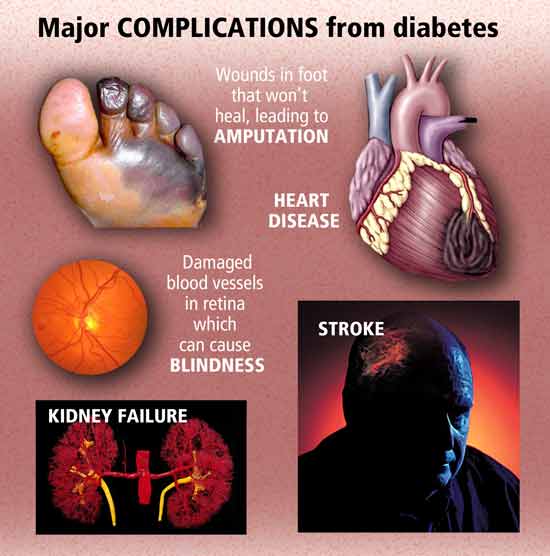
Remember Moderation to stopping completely out of your diet things that increase your blood pressure is the key to helping you reach normal blood pressure with other factors like obesity, and disease from Diabetes to Athero- sclerosis (which is partly or completely blocking an artery vessel) including arteriosclerosis which is brittle arteries and Renal Failure (acute or chronic).

(Updated 5/12/24)