Archives

Why the body has to have sodium, how it works in the body and why not to take it in excess.


what sodium does     sodium in excess of the body


First we’ll cover how water, electrolytes, proteins work in the body to understand how sodium (being a electrolyte) is so important with our health. Then we will cover how to use sodium therapeutically in our diet with knowing how it impacts how your future health and how it prevents with even help you in managing certain diseases or illnesses you already have.

Let us first understand the basics of the human body: a large percentage of body weight is composed of water that is containing dissolved particles of organic and inorganic substances vital to life. A young adult male is about 60% water whereas a female is 50%. Than the percentage of the body weight, that is WATER, declines with age. Since fat contains little water, the more obese a person gets the smaller the percentage of water weight is in that person.   Salt is what we call sodium (NA) + chloride (Cl)=Sodium chloride =NaCl, which are both an electrolytes. Water is distributed throughout the body, but in compartments that are inside our cells, outside of our cells (being plasma), and in our tissues. In these compartments with the water are electrolytes but in varying amounts. The largest percentage of water in our body is inside the cells. The body fluid in us is constantly being lost and replaced for normal body processes to occur.   If we eat daily food and fluids the body easily maintains the compartments in balancing the water and electrolytes in our body (remember the compartments are in the cells, outside of cells, and in the tissues).   We know the body receives water to these different compartments through our diet in what we eat (foods & liquids) and through the metabolism (break down) of the those foods & liquids=nutrition that we eat and through the body tissues. There are ending products from the metabolism (break down) of tissues in our body and our foods and fluids through digestion causing our body to have an ending result of toxins in the body but are body gets rid of them if functioning within normal limits. Two vital processes that do this which demand continual expenditure of water in removal of toxins is:

1.) removal of body heat by vaporization of water via the lungs and the skin(perspiration).      

2.)excretion of urea and other metabolic wastes by the kidneys dumping them in our urinary bladder; the stool also in our GI tract plays a role in this removal of metabolic wastes in evacuation.

Solid foods such as meats and vegetables contain 60 to 90% water . Note the normal daily replacement of water roughly equals the normal daily loss with an entire body functioning properly. The volume of water used in these processes varies greatly with external influences such as temperature and humidity.

All body fluids contain chemical compounds. Chemical compounds in solution may be classified as electrolytes or nonelectrolytes based on their ability to conduct an electric current in the solution. Electrolytes are either positive, which is a charged particle called an cation (electric current=Na+); or negative which is not a charged particle called an anion (no electric current=Cl-). This is why you’ll see an electrolyte banner or board up in the front of chemistry class or just in your chemistry book (a positive or negative sign after every abbreviation of each element). It’s letting you know if it is + or -. Proteins are special types of charged molecules. They both have a charge that is dependent on the pH of the body fluids. A normal pH in our plasma is 7.35 to 7.45 and at this level your proteins exist with a net negative charge. In our bodies compartments, when imbalances happen regarding fluids, electrolytes or proteins problems occur; acidity and alkalinity distribution in the body becomes effected.

What does this all mean?                                         

There are 3 main mechanisms for fluid and electrolyte movement in the body to help in maintenance of acid and base balances throughout the human body which are diffusion, osmosis, and filtration. Through these mechanisms transfer of water and electrolytes take place dispensing them in the body where they are needed.                                        

Electrolytes account for most of the osmotic pressure of the body fluids (this pressure is the concentration of solids in a compartment—example inside your cells is a compartment). Electrolytes are VITALLY important in the maintenance of acid and base (alkaline) balancing in all cells to all the plasma (outside the cell) to every tissue region of the body. These 3 mechanisms of delivery that balance the fluids and electrolytes in our body you need to have working correctly; but when the body ends up getting imbalances of electrolytes or fluids over a long period of time certain illnesses or diseases can arise. If a system fails in our body, this can put the electrolyte and fluid balance off causing health problems in our body; take for example. kidneys that play a major role in removing toxins from our bloodstream by pulling them out of the blood vessels that filter through the kidneys and allows the organ to dump the toxins into our urinary bladder where we excrete them.  When we void, the more yellow the urine means the higher the amount or concentration of toxins is in the urine and that was dumped in the urinary bladder by proper kidney function.   So if disease like renal (kidneys )failure occurs than this messes up the entire process of balancing the acid and base fluids in the body by allowing the toxics to stay in our body which causes them to be dumped elsewhere, like in our tissues=the body is trying to compensate. This will cause yellowing to the sclera, skin, etc… which we call jaundice and if not repaired you will die sooner in life.  

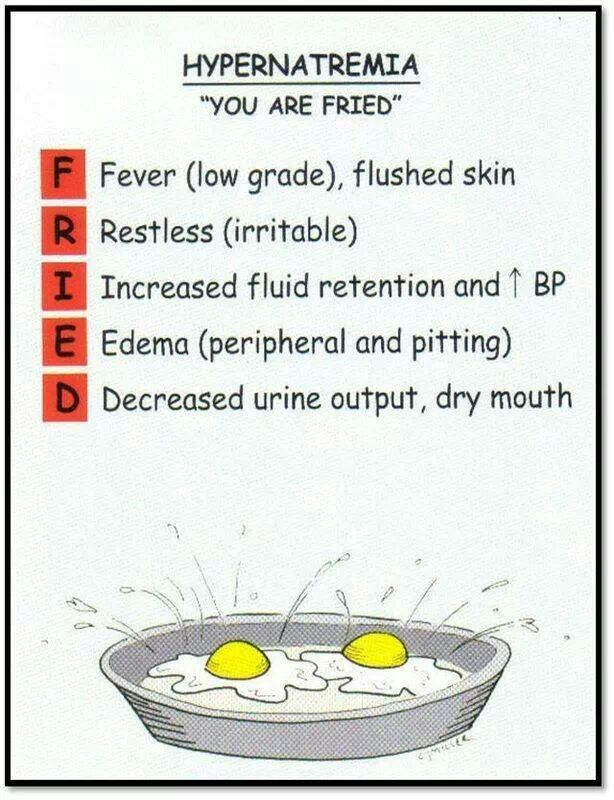
Now, let us get in the specifics of the electrolyte sodium chloride and health. Table salt is made up of the elements sodium and chloride – the technical name for salt is sodium chloride. Your body needs some sodium to work properly. Na in our body plays important roles and works with potassium. It helps with the function of nerves and muscles. It also helps to keep the right balance of fluids in your body. When Na gets high concentrated (in blood=hypernatremia) our body reacts by allowing more water in that compartment (ex. Plasma) to balance out the electrolyte and fluids in that compartment to prevent complications. Your kidneys control how much sodium is in your body. If you have too much and your kidneys can’t get rid of it, sodium builds up in your blood (hypernatremia). This can lead to health problems. In healthy individuals, the kidneys respond to excess sodium by flushing it out in the urine. Unfortunately, this also removes potassium. If potassium levels are low, the body tries to hoard it, which also means hanging onto sodium. Water follows sodium, leading to an increase in the amount of water in the body and the volume of blood in circulation. Excess sodium blunts the ability of blood vessels to relax and contract with ease causing your vessels to vasoconstrict which increases pressure in your vessels=high blood pressure (B/P)and may also overstimulate the growth of heart tissue. Blood pressure climbs, and the heart must work harder=stress to the heart. When we stress the heart out=overworked, lack of oxygen to the heart tissue happens=pain (we call it Angina that can be reversed) and if it continues can lead to a heart attack (scarring to the heart=damage done to the heart that’s not reversible). Also with constant high B/P with constriction of vessels in the brain this can cause the same stress=headache which if not resolved can lead to a stroke (scarring to the brain, again not reversible).   All of these responses are made worse by low potassium intake.

In some people, especially those already diagnosed with high blood pressure, heart failure, or impaired kidney functioning, the kidneys hang onto sodium no matter what, further complicating the disease they have and worsening their health.

One way to flush sodium out of the body is by getting more potassium. An interesting report from the Trials of Hypertension Prevention suggests that changing the balance between these two minerals can help the heart and arteries.

High blood pressure can lead to other health problems, especially uncontrolled.

Most people in the U.S. get more sodium in their diets than they need. A key to healthy eating is choosing foods low in salt and sodium. Doctors recommend you eat less than 2.4 grams per day. That equals about 1 teaspoon of table salt a day. Reading food labels can help you immensely in seeing accurately how much sodium is in prepared foods of your meals you eat.

Most of the focus on sodium and potassium centers on their effects on the kidneys, blood vessels, and heart.  But these minerals affect every part of the body, including the relentless breakdown and buildup of bone.  A diet high in sodium increases the amount of calcium excreted in the urine. This loss is especially prominent when calcium intake is low, as it is for so many Americans. Loss of calcium can contribute to osteoporosis, the age-related weakening of bones=easier fractures and brakes in bones.

One way to combat the problem is by taking in more calcium from food or supplements. Getting more potassium, in the range of the recommended 4,700 mg a day, can also help.

To be sure, there is more to bone health than sodium and potassium. Heredity, lack of exercise, hormone levels (low testosterone in men, low estrogen in women), and a dearth of vitamin D and vitamin K can also weaken bones. But it’s good to know that a positive change made for your heart is doing good things elsewhere in the body.

One way to prevent or fight high blood pressure and keep the heart healthy is to boost the amount of potassium you get while at the same time reducing your sodium intake. (Note: Check with your doctor before boosting your intake of potassium. Although it’s a good strategy for many, it can be harmful to people with kidney disease or heart failure, or those who are taking certain kinds of diuretics, or “water pills.”) Recommended if with any disease get clearance from your m.d. before making changes in your diet, activity, and any health habits (especially if a cardiac, renal, diabetes diagnosis)

The best way to get more potassium and less sodium is by eating more fresh fruits and vegetables, beans, fish, homemade foods, and low-salt versions of prepared foods. You can top the 4,700-milligram mark for potassium and stay under 800 mg of sodium by having regular oatmeal, orange juice, and coffee for breakfast; a peanut butter and jelly sandwich and milk for lunch; baked halibut, a baked potato with the skin, and a spinach salad with half an avocado for dinner; and some peanuts, raisins, a banana, and low-sodium V8 in between. The potassium-to-sodium ratio of this menu is 14 to 1. Best way to figure out the amount of sodium or potassium in your diet is count what the label of the food your eating states is in a serving and document it up in 24hrs and add it up. Add in some exercise and, though you aren’t living like people in the Stone Age, you might have arteries as healthy as they had.

To know what primary (prevention) or secondary management of diseases or illnesses caused by or effected by sodium blood levels in the body with learning how to control and take proper sodium intake as best as possible this can be accomplished by eating a healthy diet (low sodium), practice healthy habits, and even lose weight if necessary. Doing this will let you reach your optimal level of health. Having the knowledge in how to eat sodium healthy, how to lose weight by living healthy habits and eating healthy not just 3 mths or a year but for life with being able to treat yourself to treats and foods occasionally is the way to go but remember always consult your primary doctor especially those with high b/p or cardiac disease before making changes in activity or diet. 
QUOTE FOR MONDAY:

Low sodium occurs your body’s water levels rise & your cells begin to swell. This swelling can cause many health problems,from mild to life-threatening.
MAYO CLINIC
 

What is hyponatremia and how does it affect the human body?

Hyponatremia2Hyponatremia1

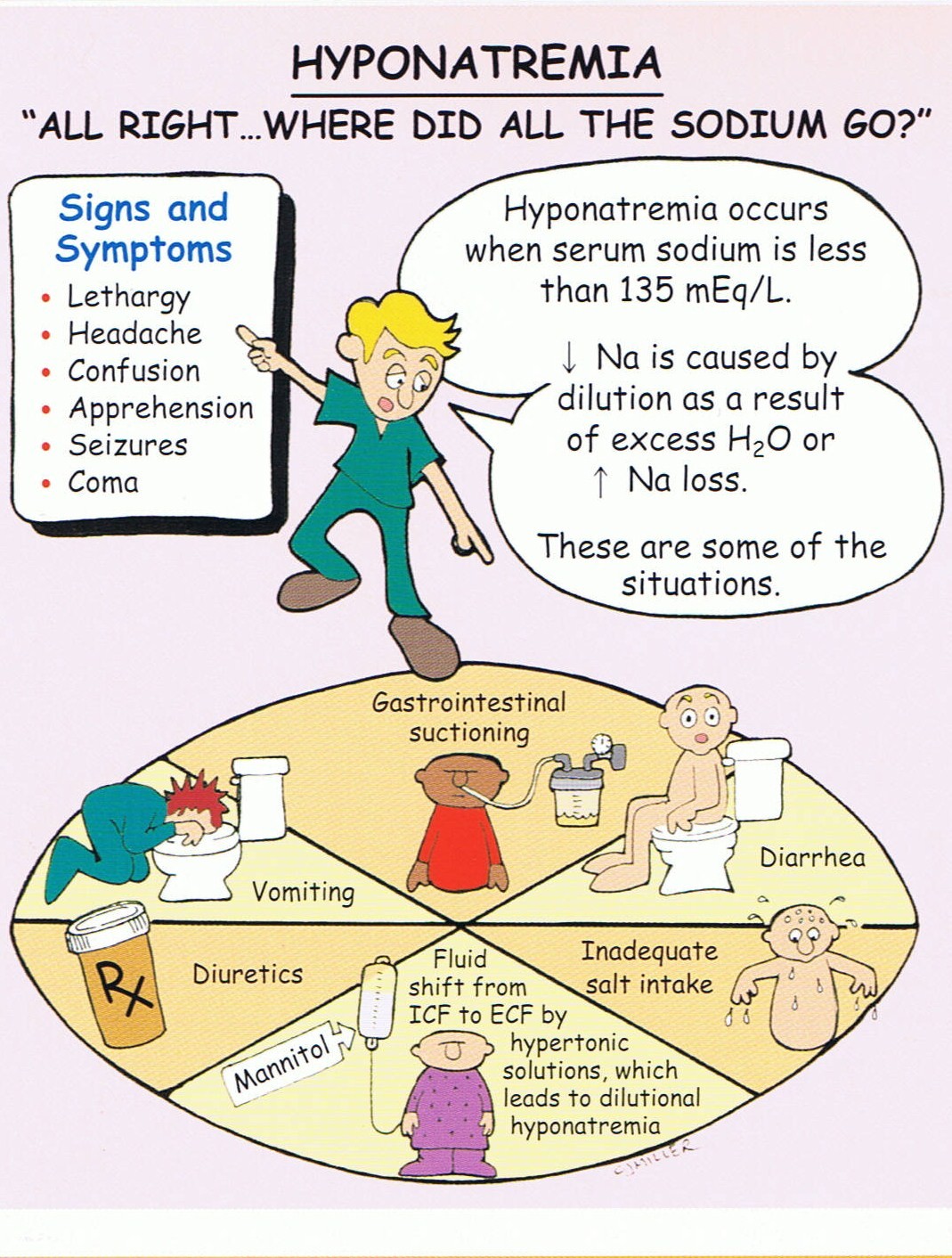
Hyponatremia is a condition that occurs when the level of sodium in your blood is abnormally low. Sodium is an electrolyte, and it helps regulate the amount of water that’s in and around your cells.

In hyponatremia, one or more factors — ranging from an underlying medical condition to drinking too much water during endurance sports causes the sodium in your body to become diluted. When this happens, your body’s water levels rise, and your cells begin to swell. This swelling can cause many health problems, from mild to life-threatening.

Hyponatremia treatment is aimed at resolving the underlying condition. Depending on the cause of hyponatremia, you may simply need to cut back on how much you drink. In other cases of hyponatremia, you may need intravenous fluids and medications.

Sodium we know what systems it effects from yesterday’s article on sodium in general of how it works in the human body.  If you don’t know and didn’t get a chance to read it yesterday stop this article going to yesterday’s to read over the general information of how sodium works and effects the human body.  This will help you understand the signs and symptoms easier.

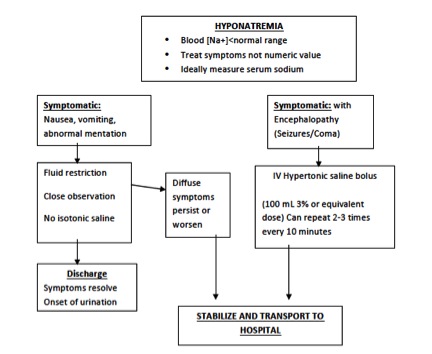
Hyponatremia signs and symptoms may include:

  • Nausea and vomiting
  • Headache
  • Confusion
  • Loss of energy and fatigue
  • Restlessness and irritability
  • Muscle weakness, spasms or cramps
  • Seizures
  • All the way to a ComaA normal sodium level is between 135 and 145 milliequivalents per liter (mEq/L) of sodium. Hyponatremia occurs when the sodium in your blood falls below 135 mEq/L.
  • Many possible conditions and lifestyle factors can lead to hyponatremia, including:
  • Sodium plays a key role in your body. It helps maintain normal blood pressure, supports the work of your nerves and muscles, and regulates your body’s fluid balance playing a particular role in acid and base balances inside our blood stream working with in particular potassium.
  • Certain medications. Some medications, such as some water pills (diuretics), antidepressants and pain medications, can cause you to urinate or perspire more than normal.  Medications that increase your risk of hyponatremia include thiazide diuretics as well as some antidepressants and pain medications. In addition to the recreational drug Ecstasy has been linked to fatal cases of hyponatremia.
  • Heart, kidney and liver problems. Congestive heart failure and certain diseases affecting the kidneys or liver can cause fluids to accumulate in your body, which dilutes the sodium in your body, lowering the overall level.
  • Syndrome of inappropriate anti-diuretic hormone (SIADH). In this condition, high levels of the anti-diuretic hormone (ADH) are produced, causing your body to retain water instead of excreting it normally in your urine.
  • Chronic, severe vomiting or diarrhea. This causes your body to lose fluids and electrolytes, such as sodium.
  • Drinking too much water. Because you lose sodium through sweat, drinking too much water during endurance activities, such as marathons and triathlons, can dilute the sodium content of your blood. Drinking too much water at other times can also cause low sodium.
  • Dehydration. Taking in too little fluid can also be a problem. If you get dehydrated, your body loses fluids and electrolytes.
  • Hormonal changes. Adrenal gland insufficiency (Addison’s disease) affects your adrenal glands’ ability to produce hormones that help maintain your body’s balance of sodium, potassium and water. Low levels of thyroid hormone also can cause a low blood-sodium level.
  • The recreational drug Ecstasy. This amphetamine increases the risk of severe and even fatal cases of hyponatremia. In acute hyponatremia, sodium levels drop rapidly — resulting in potentially dangerous effects, such as rapid brain swelling, which can result in coma and death.Seek emergency care for anyone who develops severe signs and symptoms of hyponatremia, such as nausea and vomiting, confusion, seizures, or lost consciousness.
  • Call your doctor if you know you are at risk of hyponatremia and are experiencing nausea, headache, cramping or weakness. Depending on the extent and duration of these signs and symptoms, your doctor may recommend seeking immediate medical care.
  • Premenopausal women appear to be at the greatest risk of hyponatremia-related brain damage. This may be related to the effect of women’s sex hormones on the body’s ability to balance sodium levels.
  • In chronic hyponatremia, sodium levels drop gradually over 48 hours or longer — and symptoms and complications are typically more moderate.
  • Also for older adults they may have more contributing factors for hyponatremia, including age-related changes, taking certain medications and a greater likelihood of developing a chronic disease that alters the body’s sodium balance.

Wake up America and get healthier to decrease disease and illness of all ages to make our country a better place for all citizens to live in.

healthier America  Get Healthier America2

Both internal and external environments play a part for the human body in how we, as people, turn out either healthy or unhealthy in the nation that we live in and even as a world. External environments are the images of what makes up the nation or the planet earth at home including the outer space (a single entity in which air, water, and continents interrelate for mankind and more; but the important question is this: is it overall effective or not to life). Let’s take a metaphor in understanding this, an effective external environment for life is country life (ex. life in Virginia) for home/produce/life and an area of weather that is suitable for the human body as opposed to living in the North Pole (freezing ice cold) much more difficult to obtain an healthy external environment for the human body. The internal environment is referring to our minds and bodies which are primarily up to us, the people, in what we decide to be acceptable in how we live out our daily. Society determines what is considered ok as a habit and what is not, ending line how we treat ourselves daily. Yes drugs are not legal, so there are limitations (law). Thank God or we could be worse off with disease and illness in the U.S. Though we can control other things for example what we simple drink daily that can range from 1 can to a six pack of regular soda daily for some people (which equals high sugar content in the body) or using nutraSweet regularly (which can cause cancer), or even better-diet soda (Phenylketourics-Phenylalanine). Why is this on the soda can and what does that mean? It is to prevent a law suit since it can cause cancer. I could go on with unhealthy foods and drinks; ending line is we need to know what is in our foods and fluids we ingest, making smarts decisions on what we ingest and in how big a proportion from daily intake down to every meal you eat that day. To become a healthier nation to spread out into the world with living healthier habits in our daily living with occasional eating of things unhealthy could make a 360 turn in how our diseases and illnesses could go down in number.   There are diseases/illnesses in the top rank in the U.S. due to many with Obesity (Ex. leading to Diabetes II and even cardiac disease that can further lead you to a heart attack or even a stroke). To get out of unhealthy eating/dieting, with a little exercise daily or every other day (not necessarily work out but my hat is off to those who do) and keeping your weight in your body mass index would make a turn for you and so many others overtime. We have to start somewhere, just like technology did but this is much easier since we have the knowledge; it just has to be utilized (first from the home, into schools, into fast food joints to restaurants, to our government (who should not be the one deciding our health care system and insurance) and stricter rules through FDA (higher standards in what we eat). Put this all together and we call it SOCIETY. Remember society gives direction on what’s allowed in the community (simply t.v. to radio, what’s allowed in local restaurants, who are president is, and to what’s allowed in the house (mom and dad). We need to start nurturing our society a lot better (we don’t now). What will this do for the present couples, especially with children? It will make both age groups healthier with a better life and the same results for the future grand kids coming down the road. What will it do for you people single or just couples without children, like myself? It will give you all healthier lives and for all a change for the better in the percentage in diseases/illnesses (going down drastically) to the point of impacting our insurance costs in time for the better with how our health care system works (this wouldn’t be over night). We have to start somewhere. Let’s get our overall health to a point where we don’t need so much health care or the government to get involved deciding how our health care system runs but pay more attention to what is going on in wall street, wars we have to keep an eye on or even take part in looking into or getting our troops out of, etc… No matter if you are in a high or mid or low income bracket there are affordable foods that you can have in your diet with gradually increasing to 30 minutes of exercise daily or every other day in your life, of course in time. It’s just like watching TV, you just have to fit it in your life and in time it will become a regular part of your activities of daily living with not making you feel as if this is a burden but routine. If you want to live a longer life with helping to decrease disease in our country then make the move whether young, mid-age or even older. It is like a wound that our society over generations allowed to happen, in time. The ending result is 2/3 of our country is obese, do we want to continue making this wound larger? We already have caused a large number of obesity but like all wounds, time heals all wounds (if not completely than to a degree and in America’s case it’s a large one). We are now in a technology that knows what foods are high in fat, high in sugar, high in carbohydrates, high in calories, with what it can cause when foods like this are taken on a daily basis in all yours meals over a long period of time, which is obesity. We also know the ending result of obesity in based upon the kinetics of what it can create in the body, again overtime.   We are a stronger nation in all colors, races, ages, and sexes with knowing the knowledge of what to do.   Do you want a better fit body, family, grandchildren and even country than take the action NOW. For your goal in playing a part is one you need to be healthy or get healthier and without question you will feel better. Also, for the next decade & generation to be healthier it will help Americans in their lives all around (including our health care showing a spread of disease in lower percentage that is originally due to poor diet and activity choices by our people=again society’s choices, who are so important in helping to decide where the health of the present and future of the US people lie. America please help me turn this around. Should we let our government make the move on our health rather than us? Finally after so many years Obama’s health care law had to get involved because of the money aspect regarding Americans health took, taking a toll on our economy. I know I would want the people making the last move regarding our health care system, when we still have choices. If you care about this you would want to take part in joining me (at almost 50 y/o) to get healthier. If you are than go to healthyusa.tsfl.com and be a part of making our home a healthy USA with learning the knowledge of how to prevent or better treat your body even diagnosed if already diagnosed with obesity, coronary heart disease, diabetes II, high blood pressure, stroke, transient attack ischemia, and more). It is recommended to get clearance first from your M.D. if you decide to take this diet plan. How do we reach and stay at a healthy state in making our lives a grand ride on a roller coaster without falling off the track; and if we do fall off the ride (Ex. Have a trauma, like a back injury) if you have been healthy most or all your life the better the odds you will turn out. To reach that level internally we now all need to see what it is we are NOT doing best to our bodies regarding the daily habits of prevention (most significant factor) or regarding the habits of secondary-treating of disease or illnesses people have today (do you follow your diet, or are you compliant with taking your meds prescribed, etc…).   Prevention Habits would be stay fit (not necessarily a body builder fit), be ideal in your weight (BMI), eat and drink healthy, know good foods from bad foods, and practice healthy habits of living. If your at this healthy state already great and if you do unhealthy habits occasionally that is great also (Examples like eating Burger King, having shell fish, drinking alcohol and parting till 2am or so). If you need to learn how to reach this state or even learn how to stay in this level of health because of getting older or whatever the reason is than Dr. Anderson and myself as your coach can help you. Dr. Anderson through his book of “Dr. A’s Habits of Heath” and me as your health coach with take shape for life will teach you all about this. We can provide the knowledge, the foods you eat for 3 to 6mths to a couple of years, depending on what you want to lose; but in time you can even stop take shape for life and just buy healthier foods in the store using all 4 food groups (which the book reviews also with what foods in each group is the lean, leaner to the leanest and in what proportions).

I always say do anything legal in America within moderation and you should do fine but when we don’t negative feedback begins to start, which is what has happened to our country & even others with cancer, obesity, cardiac disease, diabetes, and more due to living on a regular basis unhealthy habits, poor activities of daily living and unhealthy normally in the diet So America let’s turn around for the better and join me. Take a peek at healthyusa.tsfl.com and check us out with guaranteed no hacking, no fee, no donation, or any BS. I hope I did shed light on someone and hope to hear from you soon. Thank you for reading at my blog and don’t hesitate with giving me your comments, they matter.

For your knowledge the top health problems in the USA are:

1-Heart disease Heart disease was the #1 disease affecting Americans in 2010. The World Health Organization’s (WHO) statistics showed 31.5% of women and 26.8% of men die of heart disease.

To prevent heart disease, become physically active, eat a heart healthy diet, and quit smoking.

2-Obesity Two-thirds of Americans are now either overweight or obese. Obesity has become an epidemic in the U.S. and leads to other diseases such as high blood pressure, hypertension, and diabetes. The best way to prevent obesity is through a well-balanced diet and physical activity.

3-Cancer The 2008 World Cancer Report predicted that deaths caused by cancers will nearly double by the year 2030. This means 27 million people will suffer from cancer by 2030 resulting in 17 million deaths every year. Experts believe the main culprit will be poor lifestyle choices. There are many forms of cancer, but limiting the intake of red meat and animal fat, exposure to the sun, alcohol intake, and knowing your family’s history can limit the risk of developing cancer.

4-Infectious disease Disease-causing germs such as bacteria, viruses, parasites or fungi spread diseases directly or indirectly from one person to the other – sexually transmitted diseases (STDs), HIV, etc. Infectious diseases are now the world’s biggest killer of children and young adults; they lead to 16.2% of worldwide deaths.  Simple things like washing your hands and preparing foods properly could prevent the chances of spreading infectious diseases.

5-Tuberculosis Around 2 million people die of tuberculosis (TB) every year. Researchers have shown almost one-third of the world’s population is infected with Mycobacterium tuberculosis, the bacteria that cause tuberculosis. The bacteria are spread through coughing and sneezing. Be sure to cover your mouth and wash your hands.

6-HIV/AIDS Nearly 25 million people have been infected with HIV/AIDS from 1981 to the present. According to the latest data from the Joint United Nations Program on HIV/AIDS (UNAIDS), an estimated 2.7 million people became newly infected with HIV in 2008, and 2 million people died of AIDS-related causes in 2008. Practicing safe sex and monogamy can prevent the chances of spreading or contracting HIV or AIDS. Your partner may look safe, but the only way to know the current status of yourself or your partner is by getting tested.

7-Lower respiratory tract infections Diseases of the lungs, such as pneumonia, kill more than 4 million people each year. Lower respiratory tract infections also include tuberculosis and whooping cough. Washing hands, and following a healthy diet and exercise routine will help keep the immune system strong in order to fight off infections.

8-Chronic obstructive pulmonary disease (COPD) COPD includes lung diseases that make breathing difficult. It is estimated that by 2020 it will be the third biggest killer in the world. Smoking is the most recognized cause for COPD but occupational exposure to dust, air pollution and certain inherited diseases have been known to cause the disease as well. Exercises built around strengthening your lungs, such as cardio, are a good way to prevent COPD.

9-Influenza An estimated 36,000 people die annually due to complications from influenza. Influenza, which is more commonly known as the flu, is a highly infectious disease that is caused by the influenza virus. Transmission of the disease is made through both airborne and physical contact. Hand-washing, covering coughs and sneezes, and avoiding people with the flu are a few ways to combat interception of the virus.

10-Depression Clinical depression is one of the most common mental illnesses; affecting more than 19 million Americans each year. Developing healthy habits such as not overworking, taking breaks, meditation, and exercise can help prevent depression.

As simple as it seems, a healthy diet, physical activity, and a well-balanced lifestyle can help to further prevent the onset of many diseases. Take control in 2013 and begin to live your best life now. 

QUOTE FOR FRIDAY:

“In the U.S. 1 in 4 women dies from heart disease and is the #1 killer in both men and women. Know other types of heart disease, such as coronary microvascular disease (MVD) and broken heart syndrome, also pose a risk for women. These disorders mainly affect women, are not as well understood as CHD.”
NIH National Institute of Health

QUOTE FOR MONDAY:

In addition to relieving patient suffering, research is needed to help reduce the enormous economic and social burdens posed by chronic diseases such as osteoporosis, arthritis, diabetes, Parkinson’s and Alzheimer’s diseases, cancer, heart disease, and stroke.

Ike Skelton (born December 20, 1931) is an American politician who was the U.S. Representative for Missouri’s 4th congressional district from 1977 to 2011)