“Sometimes acute kidney failure causes no signs or symptoms and is detected through lab tests done for another reason.”
MAYO CLINIC
“Sometimes acute kidney failure causes no signs or symptoms and is detected through lab tests done for another reason.”
MAYO CLINIC
The kidneys are responsible for handling urine, so it makes sense that urine will start to change if the kidneys are failing. Some examples of urination changes include: • Urine comes out bubbly or foamy • Urine may have traces of blood • You may have the overwhelming urge to urinate during the night, waking up • Urination occurs more often and appears pale • Urination occurs less often and appears dark • You may have difficulty attempting to urinate
The kidneys are responsible for producing a specific hormone called erythropoietin (EPO). This hormone is responsible for instructing the body to produce red blood cells, which are meant to carry oxygen throughout the body. If the kidneys start to fail, they will make less EPO, which means fewer hormones are directing the body to produce the necessary amount of red blood cells. At the end of this cycle, you’re left feeling very tired and weakened throughout the day. Experiencing fatigue even when you seem to get enough sleep at night is one symptom that the kidneys are not producing enough hormones for your body.
Because of the way the kidneys interact with the body and handle the process of urination, they also are largely responsible for removing the extra fluid within your body. Kidneys that are starting to fail won’t get rid of that fluid as well as they should be. As a result, it stays inside the body — and while it’s in the body, it has to go somewhere; the fluid starts filling in pocketed areas. You may experience swelling in one or both ankles, the legs, the face, hands, as well as feet. While the swelling can be mild, it can also swell to difficult stages; for instance, it might be hard to wear a regular shoe. This is edema.
Healthy kidneys also take on the role of the body’s garbage men; that is, they’re responsible for getting rid of waste in the body. In the event of kidney problems or failure, waste won’t exit the body as efficiently as before, causing a buildup of excess waste in the bloodstream. This is known as uremia, and it can cause feelings of nausea or make you need to vomit. It should go without saying that your body doesn’t like being filled with waste, and it attempts to purge the waste by way of vomiting.
When kidneys begin to fail and cause uremia, or a buildup of waste in the body, the body may react by producing the taste of metal in your mouth or causing bad breath. Overall, you might taste a rather poor flavor in your mouth that causes you not to taste food in the same way as you did before. In particular, this may make you less interested in eating meats. In addition, you might start to notice some weight loss as a result of not eating. This could be due to the taste issue or you may simply not feel hungry enough to eat much.
Developing uremia as a result of kidney disease doesn’t stop with metallic taste or the need to vomit. The waste buildup in the bloodstream manifests further by causing patches of rashes on the skin and causing itchiness. In some cases, patches of skin can break out in what appears to be acne as well. These itchy rashes can be difficult to relieve; in more progressed instances, the itch can feel like it goes right down to the bone, making it difficult to feel relief by way of scratching.
As explained in a previous slide, the kidneys produce the hormone EPO to signal the body’s production of red blood cells. Failing this, there are fewer blood cells, which is anemia. Anemia comes with its own set of symptoms, the most prominent but overlooked being chills. If you feel cold, even inside of a warm room, you could be experiencing anemia.
One of the more characteristic symptoms of chronic kidney disease include feeling discomfort in the back or in the legs. In some cases, the feelings of discomfort could be painful. It is also possible to experience pain as far as the upper back. Problems that can cause pain include: • Kidney stones and infections, which cause severe spasms of pain • Bladder infections, which can produce a burning sensation during urination • Polcystic kidney disease, which produces painful cysts on the kidneys and liver.
If you have been experiencing shortness of breath lately, it could be connected to the kidneys in two different ways. The first possible connection is a result of the extra fluid buildup; sometimes, this extra fluid builds up in the lungs, making it more difficult to breathe. Otherwise, the shortness of breath can be a result of anemia; in this case, there are an insufficient number of red blood cells available to carry oxygen throughout the body. This leaves the brain and body starved and short of breath. If you experience shortness of breath, sit down for a moment and calmly attempt deep breaths. The experience is naturally frightening, but panicking can only lead to more difficulty breathing.
Anemia as a result of kidney disease has one more grasp on the body: It can make you dizzy and cause you to have trouble concentrating on things. When this happens, your brain is becoming starved of the oxygen it needs to be at full power. When your brain isn’t getting enough oxygen, it manifests beyond dizziness and concentration problems; you can also experience memory problems and other issues with cognitive functions. This symptom often goes hand in hand with fatigue due to the taxing effects on the brain.
“Kidney donors don’t have to be close relatives of recipients, but they do need to have the right blood type. And kidneys from living donors tend to last many years longer than kidneys from deceased donors.”
Virginia Postrel (born January 14, 1960 is an American political and a cultural writer). …

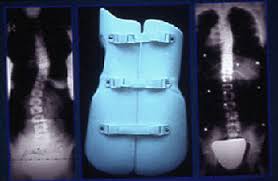
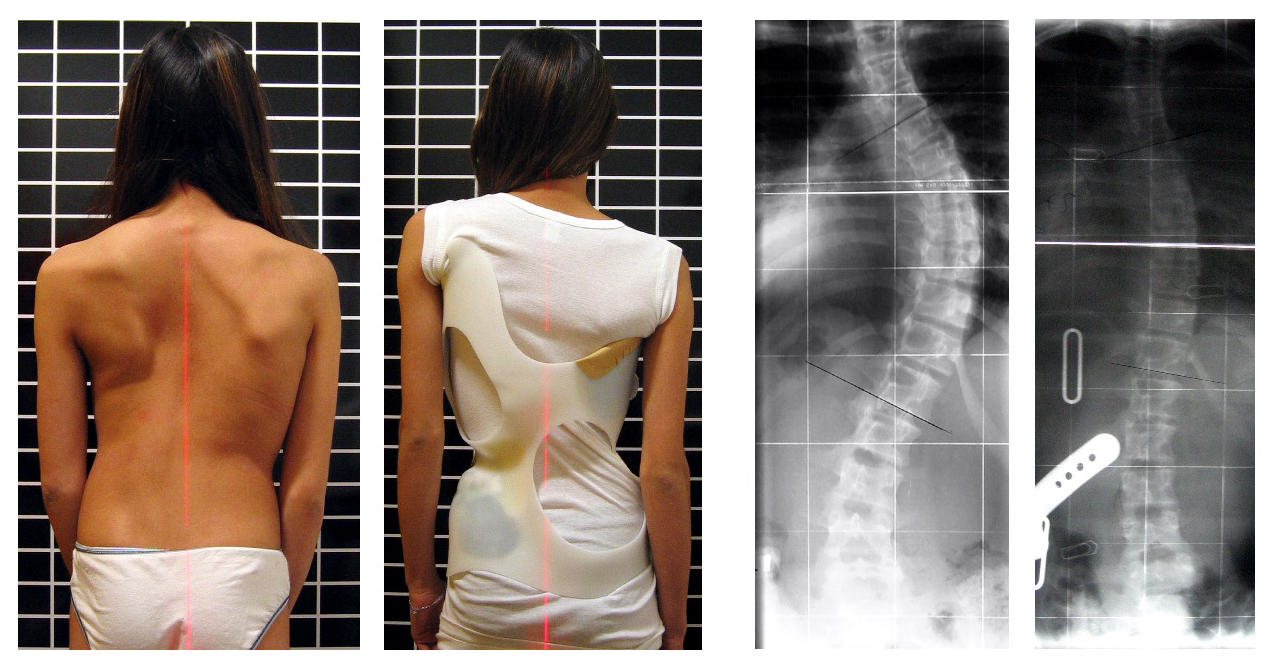
Scoliosis is a problem with the spine where the spine is curved instead of straight, with the upper back being rounded and the lower back having a “swayback,” or inner curved problem, reports WebMD.
According to the Scoliosis Research Society, 85 percent of all scoliosis causes are idiopathic, meaning the cause is unknown. The remaining causes of scoliosis include birth defects, such as vertebrae that form abnormally before birth, and certain disorders such as cerebral palsy, Marfan’s syndrome, muscular dystrophy and Down syndrome. Infections and spinal fractures can also cause scoliosis.curvature of the spine during surgical correction of this condition. Screws and rods are placed in order to stabilize and straighten the spine.
What You Should Know About Adult Scoliosis
Scoliosis is defined as a curve of the spine of 10 degrees. Adult scoliosis is broadly defined as a curve in your spine of 10 degrees or greater in a person 18 years of age or older. Adult scoliosis is separated into 2 common categories:
The treatment of adult scoliosis is very individualized and based on the specific symptoms and age of the patient. Many patients have scoliosis and have very minor symptoms and live with it without treatment. Patients with predominant symptoms of back pain would typically be treated with physical therapy. Patients with back pain and leg pain may receive some benefit from injection treatment to help relieve the leg pain. If lumbar stenosis (narrowing of the spinal canal) is present and is unresponsive to non-surgical treatment, then a decompression( removal of bone and ligaments pressing on the nerves) may be recommended. If the scoliosis is greater than 30 degrees, a fusion procedure will most likely be recommended along with the decompression. The fusion is recommended to prevent the curve from progressing when the spine is destabilized by the bone removal that is necessary to decompress the nerves. Fusions are usually accompanied with metal rod and screw placement into the spine to help correct and stabilize the scoliosis and help the bone heal or fuse together. The length of the fusion, or the number of spine levels included, depends on the type of scoliosis and the area of the spine involved. The goal of adult scoliosis surgery is to first remove pressure on the nerves, and second to keep the scoliosis from progressing further.
Severe scoliosis or left untreated can look like this:
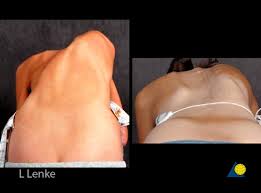
“Scoliosis is a problem with the spine where the spine is curved instead of straight, with the upper back being rounded and the lower back having a “swayback,” or inner curved problem, reports WebMD.”
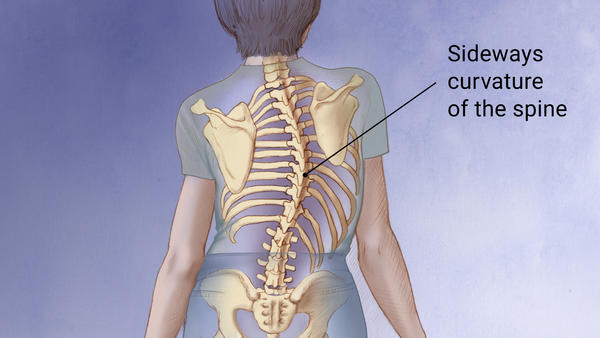
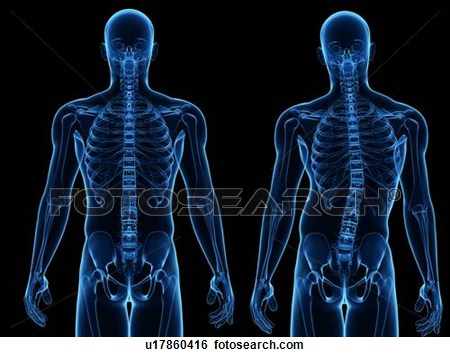
According to the Scoliosis Research Society, 85 percent of all scoliosis causes are idiopathic, meaning the cause is unknown. The remaining causes of scoliosis include birth defects, such as vertebrae that form abnormally before birth, and certain disorders such as cerebral palsy, Marfan’s syndrome, muscular dystrophy and Down syndrome. Infections and spinal fractures can also cause scoliosis.curvature of the spine during surgical correction of this condition. Screws and rods are placed in order to stabilize and straighten the spine.
What You Should Know About Adult Scoliosis
Scoliosis is defined as a curve of the spine of 10 degrees. Adult scoliosis is broadly defined as a curve in your spine of 10 degrees or greater in a person 18 years of age or older. Adult scoliosis is separated into 2 common categories:
“A ventricular rhythm is a heart pumping from their ventricles only since the impulse is originating in the ventricles not the normal place=intiating in the Rt. upper chamber.”
American Heart Association
“Heart block is an abnormal heart rhythm where the heart beats too slowly (bradycardia). In this condition, the electrical signals that tell the heart to contract are partially or totally blocked between the upper chambers (atria) and the lower chambers (ventricles).”
Columbia Presbyterian Cardiology Dept (Hospital in Manhattan a Cardiology Hospital).