Part 2 SIRS-Systemic Inflammatory Response Syndrome Cascade (how it spreads).

SIRSII3                 SIRS II

It is the body’s response to an infectious or noninfectious insult. Although the definition of Systemic Inflammatory Response Syndrome (SIRS) refers to it as an “inflammatory” response, it actually has pro- and anti-inflammatory components.  SIRS is a serious condition related to systemic inflammation, organ dysfunction, and organ failure. It is a subset of cytokine storm, in which there is abnormal regulation of various cytokines.   Cytokines are this, the term “cytokine” is derived from a combination of two Greek words – “cyto” meaning cell and “kinos” meaning movement. Cytokines are cell messaging or signaling molecules that aid cell to cell communication in immune responses and stimulate the movement of cells towards sites of inflammation, infection and trauma.

Cytokines exist in peptide, protein and glycoprotein (proteins with a sugar attached) forms. The cytokines are a large family of molecules that are classified in various different ways due to an absence of a unified classification system.  Protein is acidic as opposed to being alkalinic.

Examples of cytokines include the agents interleukin and the interferon which are involved in regulating the immune system’s response to inflammation and infection.

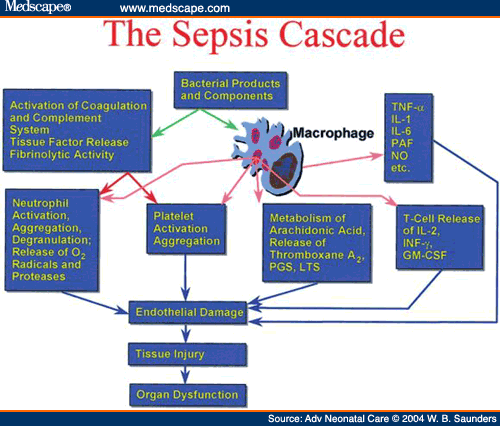
SIRS, independent of the etiology/cause, has the same pathophysiologic properties, with minor differences in inciting cascades. Many consider the syndrome a self-defense mechanism. Inflammation is the body’s response to nonspecific insults that arise from chemical, traumatic, or infectious stimuli. The inflammatory cascade is a complex process that involves humoral and cellular responses, complement, and cytokine cascades.  Best summarized in the relationship between these complex interactions and SIRS is it is in the following 3-stage process.  Here is a simple explanation in what occurs without taking pages in explaining the stages to you.

Stage I

Following an insult to the body, cytokines are produced at the site. Local cytokine production incites an inflammatory response, thereby promoting wound repair and recruitment of the reticular endothelial system. This process is essential for normal host defense homeostasis and if absent is not compatible with life. Local inflammation, such as in the skin and subcutaneous soft tissues occurs.

What occurs is rubor or redness at the site that reflects local vasodilation of vessels.  What is caused by release of local vasodilation of the vessels at the area of where the insult starts in the body is substances like nitric oxide (NO) and prostacyclin get released=Acidic.

Tumor or swelling occurs due to vascular endothelial (layer of the skin) tight junction disruption and the local extravasation of protein-rich fluid into the interstitium (layer of the skin), which also allows activated white blood cells to pass from the vascular space (blood stream) into the tissue space to help clear infection and promote repair.

Dolor is pain and represents the impact inflammatory mediators have on local somatosensory nerves. Presumably, this pain stops the host from trying to use this part of his or her body as it tries to repair itself.

The increased heat primarily due to increased blood flow occurs but also increased local metabolism as white blood cells become activated and localize to the injured tissue.

Finally, the loss of function, a hallmark of inflammation and a common clinical finding of organ dysfunction with the infection is isolated to a specific organ (ex. pneumonia—acute respiratory failure; kidney—acute kidney injury. pancreatitis–  inflammation of the pancreas).

Importantly, on a local level, this cytokine and chemokine release by attracting activated leukocytes to the region may cause local tissue destruction (ex. abscess) or cellular injury (ex. pus), which appear to be the necessary byproducts of an effective local inflammatory response.  Local infection signs & symptoms= puss, swelling. skin temperature  hot, pain and redness to the where the insult of the body is.

Ending line what happens is an insult occurs in the body, there is local cytokine production with the goal of inciting an inflammatory response thereby promoting wound repair and recruitment of the reticular endothelial system.  Your body is compensating in reacting normally to this insult.

Stage II

Small quantities of local cytokines are released into the circulation, improving the local response. This leads to growth factor stimulation and the recruitment of macrophages and platelets. This acute phase response is typically well controlled by a decrease in the pro-inflammatory mediators and by the release of endogenous antagonists; the goal is homeostasis. At this stage, some minimal malaise (general weakness)and low-grade fever may become show.

Putting it simple what occurs here is small quantities of local cytokines are released into circulation to improve the local response. This leads to growth factor stimulation and the recruitment of macrophages (cells eating up toxins to the body) and platelets (that are cells the coagulate-cause clotting). This acute phase response is typically well controlled by a decrease in the proinflammatory mediators and by the release of endogenous antagonists. The goal is homeostasis – the body still trying to compensate and react productively to this insult to the body.

Stage III

If homeostasis is not restored and if the inflammatory stimuli continue to seed into the systemic circulation, a significant systemic reaction occurs. The cytokine release (acidic) leads to destruction rather than protection. A consequence of this is the activation of numerous humoral cascades and the activation of the reticular endothelial system and subsequent loss of circulatory integrity.  The body at this stage is decompensating and not productively fighting off this insult to the body and this leads to end-organ dysfunction.

Tune in tomorrow to part 3 of SIRS the conclusion of this topic (extensive noninfectious and infectious causes with more on coagulation and multi cascading reactions in the body due to SIRS).



QUOTE FOR THURSDAY:

“Current theories about the onset and progression of sepsis and SIRS focus on dysregulation of the inflammatory response, including the possibility that a massive and uncontrolled release of proinflammatory mediators initiates a chain of events that lead to widespread tissue injury.”
Dr. Remi Neviere, MD/Professor/Author of Sepsis and the systemic inflammatory response syndrome http://www.uptodate.com.

Part1 Commonly seen in hospitals is SIRS=Systemic Inflammatory Response System

 sepsis on arm SIRS SEPSIS


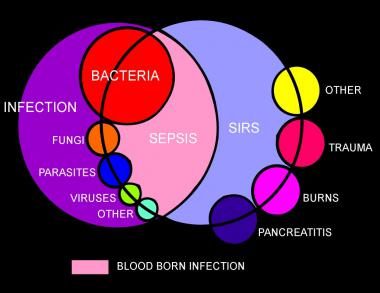
What is SIRS? SIRS was first described by Dr William R. Nelson, of the University of Toronto, in a presentation to the Nordic Micro Circulation meeting in Geilo, Norway-February 1983.  In 1992, the American College of Chest Physicians (ACCP) and the Society of Critical Care Medicine (SCCM) introduced definitions for systemic inflammatory response syndrome (SIRS), sepsis, severe sepsis, septic shock, and multiple organ dysfunction syndrome (MODS), they are interrelated with each other in SIRS.  The idea behind defining SIRS was to define a clinical response to a nonspecific insult of either infectious or noninfectious origin. SIRS is defined as 2 or more of the following variables:

  • Fever of more than 38°C (100.4°F) or less than 36°C (96.8°F)
  • Heart rate of more than 90 beats per minute
  • Respiratory rate of more than 20 breaths per minute or arterial carbon dioxide tension (PaCO 2) of less than 32 mm Hg, which is normally in our body at 35-45 mm Hg whereas the oxygen= PaO2 in our body greater than 80mm Hg for the norm.
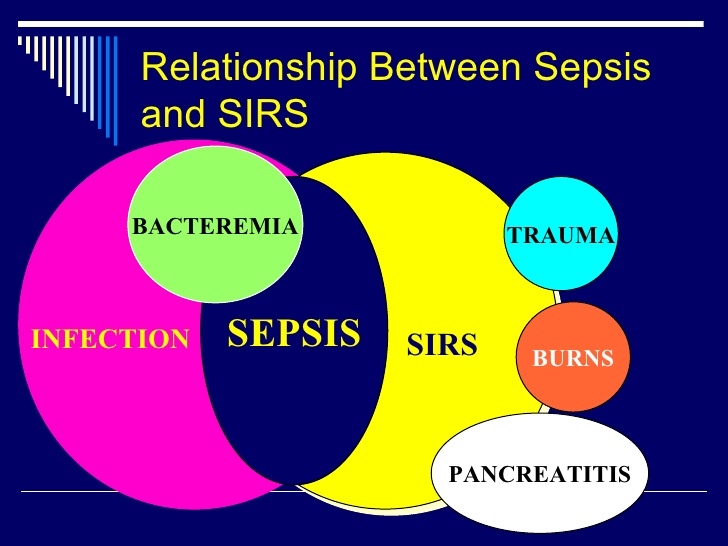
  • Abnormal white blood cell count (>12,000/µL or < 4,000/µL or >10% immature [band] forms)It is the body’s response to an infectious or noninfectious insult to it. Although the definition of SIRS refers to it as an “inflammatory” response, it actually has pro- and anti-inflammatory components.  SIRS describes the host response to a critical illness of infectious or noninfectious cause, such as burns, trauma, and pancreatitis. More specific definitions are as follows: Sepsis is SIRS resulting from a presumed or known site of infection. Severe sepsis is sepsis with an acute associated multiple organ failure.Bacterial infections are the most common cause of sepsis. Sepsis can also be caused by fungal, parasitic, or viral infections. The source of the infection can be any of a number of places throughout the body. Common sites and types of infection that can lead to sepsis include:
  • What causes sepsis?
  • SIRS is nonspecific and can be caused by ischemia, inflammation, trauma, infection, or several insults combined. Thus, SIRS is not always related to infection but can be.  SIRS is an inflammatory state affecting the whole body, frequently a response of the immune system to infection, but not necessarily so.  It is frequently related to sepsis, a condition in which individuals meet criteria for SIRS and have a known infection.
  • The abdomen—An inflammation of the appendix (appendicitis), bowel problems, infection of the abdominal cavity (peritonitis), and gallbladder or liver infections
  • The central nervous system—Inflammation or infections of the brain or the spinal cord
  • The lungs—Infections such as pneumonia
  • The skin—Bacteria can enter skin through wounds or skin inflammations, or through the openings made with intravenous (IV) catheters (tubes inserted into the body to administer or drain fluids). Conditions such as cellulitis (inflammation of the skin’s connective tissue) can cause sepsis.
  • The urinary tract (kidneys or bladder)—Urinary tract infections are especially likely if the patient has a urinary catheter to drain urineSepsis can strike anyone, but those at particular risk include:
  • Who is at risk for sepsis?
  • People with weakened immune systems
  • Patients who are in the hospital
  • People with pre-existing infections or medical conditions
  • People with severe injuries, such as large burns or bullet wounds
  • People with a genetic tendency for sepsis
  • The very old or very youngBecause of the many sites on the body from which sepsis can originate, there is a wide variety of symptoms. The most prominent are:
  • What are the symptoms of sepsis?
  • Decreased urine output
  • Fast heart rate
  • Fever
  • Or the opposite Hypothermia (very low body temperature)
  • Shaking
  • Chills
  • Warm skin or a skin rash
  • Confusion or delirium
  • Hyperventilation (rapid breathing)A person may have sepsis if he or she has:
  • How is sepsis diagnosed?
  • A high or low white blood cell count
  • A low platelet count
  • Acidosis (too much acid in the blood); in the hospital what is checked is lactic acid blood level.
  • A blood culture to confirm that there is a positive for bacteria
  • Abnormal kidney or liver functionThe most important intervention in sepsis is quick diagnosis and prompt treatment. Patients diagnosed with severe sepsis are usually placed in the intensive care unit (ICU) of the hospital for special treatment. The doctor will first try to identify the source and the type of infection, and then administer antibiotics to treat the infection. (Note: antibiotics are ineffective against infections caused by viruses; if anything what is used is antiviral medications.)

The doctor also administers IV fluids to prevent blood pressure from dropping too low. In some cases, vasopressor medications (which constrict blood vessels) are needed to achieve an adequate blood pressure. Some patients are given new drug therapies, such as activated protein C (APC). And finally, if organ failures occur, appropriate supportive care is provided (for example, dialysis for kidney failure, mechanical ventilation for respiratory failure, etc.).  Commonly what is used when initially sepsis is diagnosed is Vancomycin with other antibiotics like Imipenum, Cefepime, and others depending on what the blood culture shows as the microorganism if SIRS is caused by a bacterial infection (many times it is).

  • How is sepsis treated?

QUOTE FOR THURSDAY:

“Current theories about the onset and progression of sepsis and SIRS focus on dysregulation of the inflammatory response, including the possibility that a massive and uncontrolled release of proinflammatory mediators initiates a chain of events that lead to widespread tissue injury.”

Dr. Remi Neviere, MD/Professor/Author of Sepsis and the systemic inflammatory response syndrome:  MD Department of Physiology, Univ. Droit et Sante – Lille II

Go to striveforgoodhealth.com and learn about a vital occurrence happening in hospitals for years called SIRS=Systemic Inflammatory Response Syndrome.

QUOTE FOR THE WEEKEND

Excess dietary salt is most notorious for increasing blood pressure. Americans have a 90 percent lifetime probability of developing high blood pressure – so even if your blood pressure is normal now, if you continue to eat the typical American diet, you will be at risk.

Joel Fuhrman M.D. (born December 2, 1953), is an American board-certified family physician who specializes in nutrition-based treatments for obesity and chronic disease.

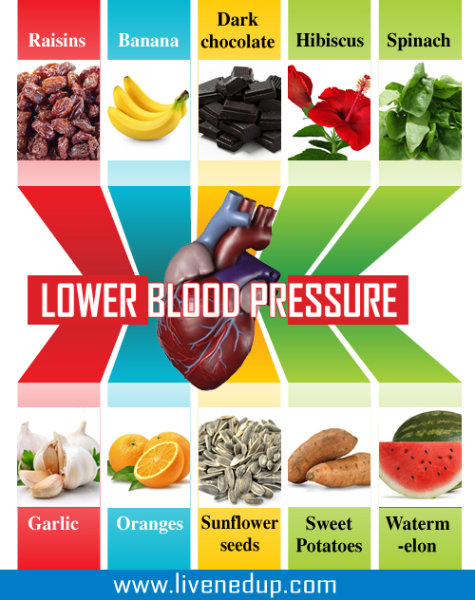
Part 3 What foods to buy for your diet when preventing or dealing with high blood pressure

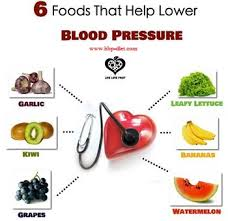
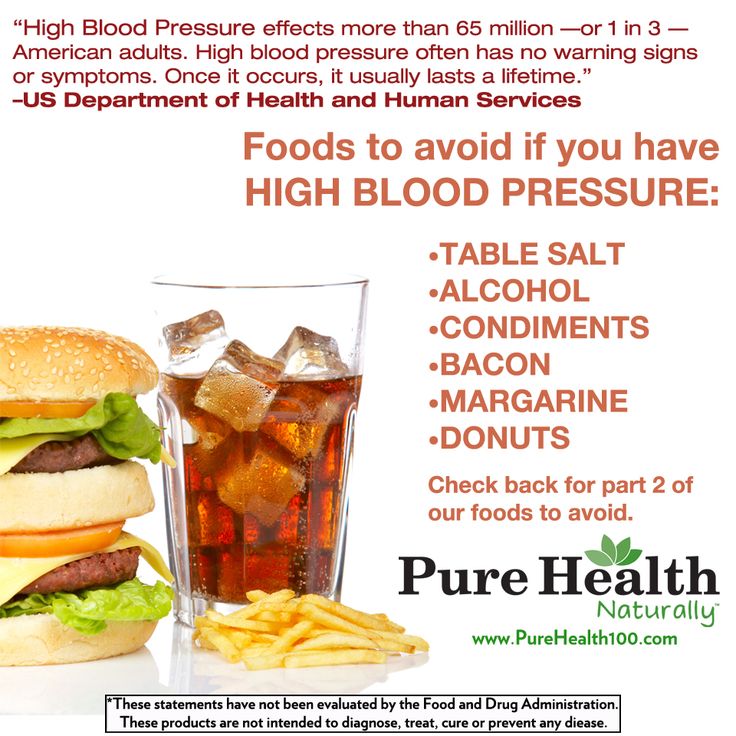
                                  Part III blood pressure Foods to eat Part III blood pressure Foods not recommended Part III blood pressure foods-to-avoid

The foods to buy are low sodium foods —-What to buy:

Fruits – Fresh, canned or frozen. I recommend with canned look at the ingredients to make sure you know how much sodium is in a serving. Remember for a person with high b/p you want to keep your sodium count less than 1800 to 2000mg a day. Sodium causes the vessels to vasoconstrict (or narrow) which increases blood pressure in a person.

-Vegetables – Fresh or frozen (no sauce or plastic pouches) Canned (UNSALTED, AGAIN check the canned label for the amount of sodium in each serving.).

Drinks – Fruits juices, fresh or frozen.

Canned low sodium or no salt added tomato & vegetable juice.

Instant breakfast* (all flavors but eggnog) —- limit to 1 cup /day

-Dairy choices – liguid or dry milk (1% or skim milk).

Homemade buttermilk (made from powdered milk) *limit these to 2-3 cups a day*

Cottage cheese, dry cured (low sodium)

Ricotta Cheese from low fat or skim milk

Farmer Cheese, part skim mozzarella neufchated *limit cheese to 1oz or 1/2 cup of one cheese/day.

-Fats, Oils – Canola, Olive, Corn, Cottonseed, Peanut, Safflower, Soybean &

Margarine (unsalted)

Meats, Poultry, Fish

Fish, fresh or frozen (NOT BREADED): Canned tuna and salmon (Unsalted or rinsed).

Chicken or Turkey

Lean cuts of: BEEF, VEAL, PORK, LAMB.

BEEF TONGUE if you must have.

-Meat Substitutes

Dried beans, peas, lentils (not canned)

Nuts or seeds (UNSALTED, DRY ROASTED), sunflower seeds, peanuts, almonds, walnuts.

Unsalted peanut butter

Tofu (soybean curd)

Breads, Cerals, Grains, Starches:

Loaf of bread and yeast rolls (limit to 3 slices a day)

Homemade breads with regular flour, not self rising.

Melba Toast

Matzo Crackers

Pita Bread

Taco Shell

Tortilla (corn)

Cooked cereals like corn grits, farina (regular), oatmeal, oat bran, cream of rice, cream of wheat (AVOID instant cereals).

Puffed Rice or wheat, shredded wheat (or any cereal with 100-150mg sodium–limit to 1 cup a day).

Wheat germ

Popcorn (no salt or fat added)

Starchy vegetables: corn, potato, green beans, etc… (not canned unless salt free).

Rice (enriched white or brown)

Pasta

– Cooking ingredients, seasonings

Corn starch, tapioca

Corn meal (not self rising)

Fresh or dried herbs, salt free herb seasonings.

Flour, regular white or whole wheat (not self rising)

Fresh fruits or vegetables (lemons, limes, onions, celery, etc.)

Fresh garlic or ginger

Louisiana – type hot sauce (limit to 1 tsp/day)

Low sodium baking powder

Onion or garlic powder

Tomato paste, unsalted tomatoes, unsalted tomato sauce.

Vinegar

Water chestnuts, yeast, butter substitute (such as Molly Mc Butter—limit to 1/2 tsp/day).

– Sweets

Carob powder, cocoa powder

Flavored gelatins

Fruits (fresh, canned, frozen)

Frozen juice bars, fruit ice, sorbet, sherbet

Sugar, honey, molasses, syrup (cane or maple)

Jelly, jams, preserves, apple butter

Graham and animal crackers, fig bars, ginger snaps


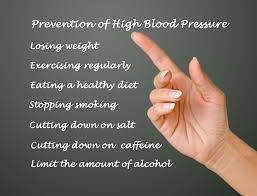
OTHER WAYS TO IMPROVE HEART FUNCTION:

  1. Lose Weight, if you need to. The heart does not have to beat as hard to send blood to all parts of a slim body as opposed to a overweight or obese body.
  2. Don’t smoke-Smoking makes blood vessels constrict making it more difficult to move the blood throughout the body to all tissue parts and it also makes it more difficult in breathing.
  3. Avoid hard exercise and lifting heavy objects to prevent sudden pumping demands on your heart.
  4. Wear clothes that permit good bloodflow in the legs. Garters, hose with tight tops (like thigh-high or knee high hose) may slow blood flow to and from your legs causing clots.
  5. Avoid temperature extremes-The body works harder to keep a normal temperature when you’re too hot or cold.
  6. Try to stay away from people who have colds or the flu. Ask your doctor if you should have a flu shot every year and a pneumonia shot every 6-10 years.
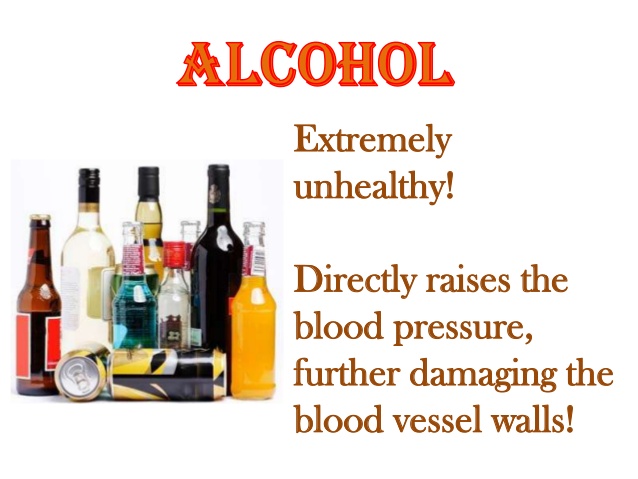
  7. Talk with your doctor about how much alcohol (if any) is ok for you. Since alcohol weakens the heart, heart failure may improve if you stop drinking alcohol.
  8. Reduce high blood pressure or high cholesterol and control your diabetes (one major way is be compliant with your meds, diet, exercise program as your M.D. orders. This can also help keep heart failure symptoms from getting worse.
  9. Herbal supplements may interact with heart failure drugs. Ask your doctor before taking any herbal medicine.

**Recommended is to get clearance for any changes you decide to make with this advice on blood pressure since you may have other conditions that may not allow certain food, or activity changes. If you have high blood pressure get yourself a cardiologist if you don’t have one yet and is a specialist in knowing the best treatment for you.**


QUOTE FOR FRIDAY:

“Look at the average American diet: ice cream, butter, cheese, whole milk, all this fat. People don’t realize how much of this stuff you get by the end of the day. High blood pressure is from all this high-fat eating.”

Jack LaLanne

Ways to reduce blood pressure.

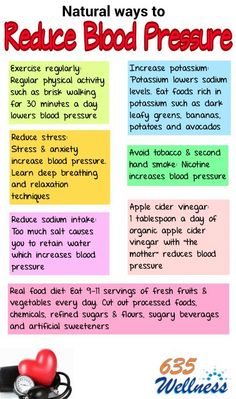
Part II blood pressure ReductionPart II blood pressure Reduction 2

                                     Part II blood pressure Reduction3

Factors in helping to reduce or decrease high blood pressure, also noted as hypertension are:

-STRESS REDUCTION

Stress is defined as feeling tense on the inside due to pressures from the outside. Most of us have many of these pressures, and some handle them better than others. Since stress makes the heart work harder, try to find ways to relieve the pressure you felt when stressed.

One way of coping with stress is to deal with your feelings. You may feel depressed, angry or anxious because you have high blood pressure. These feelings are normal. It may help to talk about how you feel with your family and friends. When you accept that you have high B/P, you can put your efforts into living a more productive, good life with dealing with the hypertension.

Many people find yoga, meditation and prescribed exercise helpful. Always check with your doctor before starting an exercise program to make sure you get clearance of what is safe for you by your primary doctor or cardiologist.

-Eat less SODIUM

Sodium is an important substance. It helps your body balance the level of fluid inside and outside of the cells. To keep up this balance, the body needs about 2000mg of sodium a day or less. Yet most of us eat 3000 to 6000mg of sodium each day.

Most people with high b/p are asked to eat less sodium. Sodium attracts water and makes the body hold fluid. To pump the added fluid the heart works harder. Also sodium in the body causes the arteries to vasocontrict increasing pressure in the vessels causing the pressure to rise.

Most people with high b/p are asked to eat less sodium at 2000mg or less a day and this is to prevent water retention and vasoconstriction in which both actions increase the blood pressure. Follow your doctor’s advice about your sodium intake.

Many prepared foods and spices are high in sodium. But, the most common source of sodium is table salt. Table salt is 40% sodium and 60% chloride. One teaspoon of table salt contains 2000mg of sodium.

HINTS TO LOWER YOUR SODIUM IN YOUR DIET:

-Season foods with fresh or dried herbs, vegetables, fruits or no-salt seasonings.

-Do not cook with salt or add salt to foods after they are on the table.

-Make your own breads, rolls, sauces, salad dressings, vegetable dishes and desserts when you can.

-Stay away from fast foods. They are almost all high in salt.

-Eat fresh, frozen or canned, unsalted vegetables. These have less sodium than most processed foods. Read the labels and if they don’t have a label DON’T EAT IT. Read the labels and eat the portioned size it says to for 1 portion with keeping a diary of what you ate with adding the sodium and when it reached 2000mg no more food that day with salt in it unless the doctor prescribes less.

-Buy water packed tuna and salmon. Break it up into a bowl of cold water, and let stand for 3 minutes. Rinse, drain and squeeze out water.

-Don’t buy convenience foods such as prepared or skillet dinners, deli foods, cold cuts, hot dogs, frozen entrees or canned soups. These have lots of salt. Be picky on what you eat.

-Again, read all labels for salt, sodium or sodium products (such as sodium benzoate, MSG). Ingredients are listed in the order of amount used. A low sodium label means 140mg of less per serving. Try to buy products labeled low sodium/serving. Do not eat products that have more sodium than this per serving.

-When you eat out, order baked, broiled, steamed or pouched foods without breading or butter or sauces. Also ask that no salt be added. Go easy on the salad dressing. Most are high in salt.

What not to buy:

-Canned Vegetables, sauerkraut. Self rising flour and corn meal. Prepared mixes (waffle, pancake, muffin, cornbread, etc…)

-Dairy Products- like buttermilk (store-bought), canned milks unless diluted and used as regular milk).   Egg substitute limit to ½ cup/day. Eggnog (store bought) and salted butter or margarine do not buy.

-Soups: Boullon (all kinds), canned broth, dry soup mixes, canned soups.

-Meats and meat substitutes not to buy= Canned meats, canned fish, cured meats, all types of sausages, sandwich meats, peanut butter, salted nuts.

-Prepared mixes (pie, pudding, cake) or store bought pies, cakes, muffins.

-Cooking ingredients to use low sodium type or limit to 2 tbsp/day=

Catsup, chili sauce, barbeque sauce, mustard, salad dressing.

-Drinks to stay away from Athletic Drinks (such as Gatorade), canned tomato or vegetable juice (unless unsalted).

Stay tune for part 3 on What to buy when dealing with high b/p or hypertension plus more.


QUOTE FOR THURSDAY:

“There are 2 numbers to our blood pressure or b/p (a top and bottom Ex. 120/80).  The top number measures your pressure when the heart is at work and the bottom represents your measure when the heart is at rest.”

Elizabeth Lynch RN (an RN – 30 years and specialty is cardiac)


High Blood Pressure – what is it and if not controlled what’s the consequences?

High Blood Pressure – what is it?

High Blood Pressure or Hypertension affects 80 million Americans and nearly half of the people in the UK between the ages of 65 and 74, and a large percentage of those between the ages of 35 and 65. One of the problems associated with high blood pressure is that you will probably not even know you have it until you happen to have your blood pressure taken during a routine physical examination.

Upon diagnosis, you may wonder why you never saw it coming. Most people don’t. Only those with severe high blood pressure experience any warning signs at all.

These signs can include headaches, impaired vision, and black-outs.

What is blood pressure ?

It is the measurement of the force that blood applies to the walls of the arteries as it flows through them carrying oxygen and nutrients to the body’s vital organs and systems. Naturally, our blood is under pressure as it rushes through our arteries. Even those with blood pressure in the normal range will experience an increase in their blood pressure during rigorous physical activity or during times of stress. It only becomes a problem when the blood continues to run high. This condition of blood pressure is known as hypertension or high blood pressure and in 95% of the cases, the cause of it is never known. However, we do know the factors that set a person up to develop hypertension.

Factors influencing High Blood Pressure

They are as follows:

NON-MODAFIABLE RISK FACTORS ARE 4:

1-HEREDITY-HIGH B/P RUNNING IN THE FAMILY
2-AGE-THE OLDER, THE HIGHER PROBABILITY YOU WILL END UP WITH B/P DEPENDING ON YOUR HEALTH AND HOW GOOD YOU TAKE CARE OF YOURSELF.
3-SEX-MALES VS FEMALES
4-RACE-HIGHIER IN AFROAMERICAN AS OPPOSED TO WHITE.

MODAFIABLE RISK FACTORS=FACTORS YOU CAN CONTROL IN YOUR LIFESPAN.

Obesity – those with a body mass index of 30 or more

Drinking more than 2 – 4 alcoholic drinks a day

Smoking

High cholesterol

Diabetes

Stress and anxiety

Excessive salt consumption

______________________________________________________

Possible causes of High Blood Pressure

Sometimes the cause of a person’s high blood pressure is determined, but this happens in only 5% of the cases. When a cause is found, the person is diagnosed with secondary high blood pressure [hypertension]. In most of these cases, the cause can be linked to an underlying illness such as kidney disease, adrenal gland disease, or narrowing of the aorta. Contraceptive pills, steroids, and some medications can also cause secondary high blood pressure [hypertension], though instances of this are not all that common.

High Blood Pressure and the important numbers

We hear the numbers, but do we really know what they mean? Since your blood pressure numbers can help you to understand your overall health status, it is important that you keep track of it. By knowing where your numbers are right now, you can head off such serious high blood pressure complications as angina, heart attacks, stroke, kidney damage, and many others that might surprise you – like eye problems and gangrene.

Medical professionals generally provide your blood pressure to you in terms of two numbers – a top one and a bottom one. For example, if your blood pressure is 120/80, they may say that you have a blood pressure of 120 over 80. Here is a definition for these numbers:

The top figure this is your systolic blood pressure. It measures the force of blood in the arteries as your heart beats. The top number means the pressure is reading your heart at work.

The bottom figure this is your diastolic blood pressure. It is the pressure of your blood when the heart is relaxed in between the times when it is pumping. Means the pressure is reading your heart at rest.

Your blood pressure requires monitoring when you have a systolic blood pressure of 140 or over and/or a diastolic blood pressure of 90 or over. Those with diabetes must maintain a lower blood pressure that those who don’t have the condition. Diabetics should maintain a blood pressure of less than 130/80.

Monitors for measuring High Blood Pressure

It is wise to monitor your blood pressure at home in addition to having it taken at your doctor’s office. This will allow you to provide your doctor with readings that have been taken over time, providing a more in depth look at your personal health condition. This will help him or her to prescribe the right hypertensive medication and treatment for your specific condition.

The best blood pressure monitors are those that take your measurement from the upper arm. Those that provide readings from the wrist or finger are not as reliable. You’ll also want to make sure that the blood pressure monitor you are considering has been proven in clinical trials. Trusted name brands include those made by Omron, LifeSource, Mark of Fitness, Micro Life, and A and D Instruments. There are other brands available – the important thing is to do your research.

Check in tomorrow and learn ways to reduce your blood pressure in Part 2.