“Scoliosis is a problem with the spine where the spine is curved instead of straight, with the upper back being rounded and the lower back having a “swayback,” or inner curved problem, reports WebMD.”
What is Scoliosis?
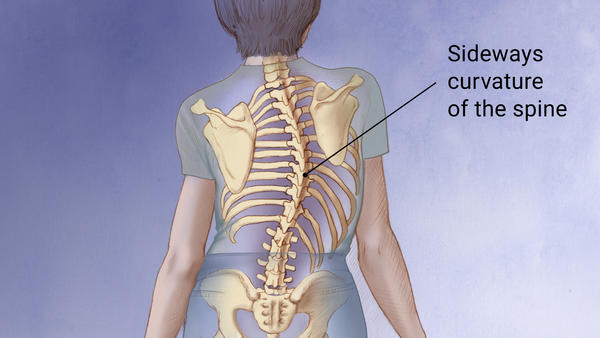
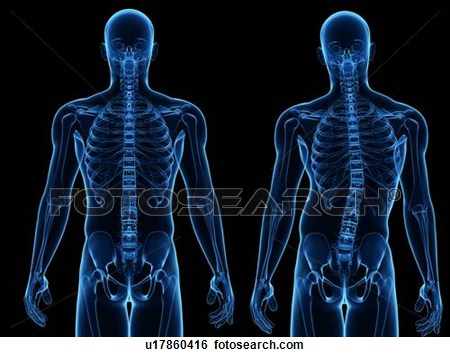
According to the Scoliosis Research Society, 85 percent of all scoliosis causes are idiopathic, meaning the cause is unknown. The remaining causes of scoliosis include birth defects, such as vertebrae that form abnormally before birth, and certain disorders such as cerebral palsy, Marfan’s syndrome, muscular dystrophy and Down syndrome. Infections and spinal fractures can also cause scoliosis.curvature of the spine during surgical correction of this condition. Screws and rods are placed in order to stabilize and straighten the spine.
What You Should Know About Adult Scoliosis
Scoliosis is defined as a curve of the spine of 10 degrees. Adult scoliosis is broadly defined as a curve in your spine of 10 degrees or greater in a person 18 years of age or older. Adult scoliosis is separated into 2 common categories:
- Adult Idiopathic Scoliosis patients have had scoliosis since childhood or as a teenager and have grown into adulthood. We do not yet know the cause of idiopathic scoliosis, but there is a lot of genetic work going on in an attempt to answer this question.
- Adult “De Novo” or Degenerative Scoliosis develops in adulthood. Degenerative scoliosis develops as a result of disc degeneration. As the disc degenerates, it loses height. If one side of the disc degenerates more rapidly than the other, the disc begins to tilt. As it tilts, more pressure is placed on one side of your spine and gravity tends to cause the spine to bend and curve. The more discs that degenerate, the more the spine begins to curve.Types of idiopathic scoliosis are categorized by both age at which the curve is detected and by the type and location of the curve.
- When grouped by age, scoliosis usually is categorized into three age groups:
- Scoliosis is more common in girls than in boys, and the diagnosis is usually made after a child reaches 10 years of age. A doctor performs a physical examination and may take X-rays to definitively diagnose the disease. An X-ray tells if there is any growth left in the growth plates of the femur or humerus, and scoliosis can become worse if the patient has more growing to do, states MedicineNet. Serial X-rays are performed to track the changes of the spinal curve, which helps determine the best course of treatment.
- Infantile scoliosis: from birth to 3 years old
- Juvenile scoliosis: from 3 to 9 years old
- Adolescent scoliosis: from 10 to 18 years oldTerms Used to Describe Spinal CurvatureTerms that describe the direction of the curve:
- Scoliosis curves are often described based on the direction and location of the curve. Physicians have several detailed systems to classify specific curves, but here are some common terms used to describe scoliosis:
- This last category of scoliosis, adolescent scoliosis, occurs in children age 10 to 18 years old, and comprises approximately 80% of all cases of idiopathic scoliosis. This age range is when rapid growth typically occurs, which is why the detection of a curve at this stage should be monitored closely for progression as the child’s skeleton develops.
- Dextroscoliosis describes a spinal curve to the right (“dextro” = right). Usually occurring in the thoracic spine, this is the most common type of curve. It can occur on its own (forming a “C” shape) or with another curve bending the opposite way in the lower spine (forming an “S”).Symptoms of scoliosis include an uneven waist, uneven shoulders, disjointed hip and a protruding shoulder blade, according to Mayo Clinic. The spine also curves or twists in acute cases, and the disease can cause one side of the ribs to protrude more than the other. Severe cases also induce labored breathing and back pain.Scoliosis can be recognized and diagnosed with a clinical exam, but xrays are necessary to fully evaluate the magnitude and type of scoliosis present. For a proper scoliosis evaluation, full length, whole spine xrays need to be performed. An MRI may also be recommended if there are symptoms of leg pain that may be associated with stenosis or if there is concern about possible spinal cord compression or abnormalities.The treatment of adult scoliosis is very individualized and based on the specific symptoms and age of the patient. Many patients have scoliosis and have very minor symptoms and live with it without treatment. Patients with predominant symptoms of back pain would typically be treated with physical therapy. Patients with back pain and leg pain may receive some benefit from injection treatment to help relieve the leg pain. If lumbar stenosis (narrowing of the spinal canal) is present and is unresponsive to non-surgical treatment, then a decompression( removal of bone and ligaments pressing on the nerves) may be recommended. If the scoliosis is greater than 30 degrees, a fusion procedure will most likely be recommended along with the decompression. The fusion is recommended to prevent the curve from progressing when the spine is destabilized by the bone removal that is necessary to decompress the nerves. Fusions are usually accompanied with metal rod and screw placement into the spine to help correct and stabilize the scoliosis and help the bone heal or fuse together. The length of the fusion, or the number of spine levels included, depends on the type of scoliosis and the area of the spine involved. The goal of adult scoliosis surgery is to first remove pressure on the nerves, and second to keep the scoliosis from progressing further.
- Treatment
- Diagnosis
- Severe scoliosis can lead to heart and lung problems if not treated, as the ribs press against the chest, making breathing more difficult, states Mayo Clinic. Adults who had scoliosis as a child may experience more back pain throughout their lives as compared to people without scoliosis.
QUOTE FOR FRIDAY:
“A ventricular rhythm is a heart pumping from their ventricles only since the impulse is originating in the ventricles not the normal place=intiating in the Rt. upper chamber.”
American Heart Association
QUOTE FOR THURSDAY:
“Heart block is an abnormal heart rhythm where the heart beats too slowly (bradycardia). In this condition, the electrical signals that tell the heart to contract are partially or totally blocked between the upper chambers (atria) and the lower chambers (ventricles).”
Columbia Presbyterian Cardiology Dept (Hospital in Manhattan a Cardiology Hospital).
QUOTE FOR WEDNESDAY:
“Sinus rhythms and Atrial rhythms derive from the atrium the upper chambers of the heart in particular it starts from the right side of the heart and spreads to the other upper chamber and works it’s way down the lower chambers.”
AHA American Heart Association
QUOTE FOR TUESDAY:
“In some people with nonalcoholic fatty liver disease, the fat that accumulates can cause inflammation and scarring in the liver. This more serious form of nonalcoholic fatty liver disease is sometimes called nonalcoholic steatohepatitis.”
MAYO CLINIC
QUOTE FOR MONDAY:
“Liver failure is a life-threatening condition that demands urgent medical care. Most often, liver failure occurs gradually and over many years.”
WEB MD
QUOTE FOR THE WEEKEND:
“SIRS can be incited by ischemia, inflammation, trauma, infection or a combination of several “insults”. SIRS is not always associated with infection. While not universally accepted, some have proposed the terms “severe SIRS” and “SIRS shock” to describe serious clinical syndromes that are not infectious in nature and thus cannot be labeled according to the various sepsis definitions”
Steven D. Burdette M.D. (Infectious Disease Medicine M.D.– Wright State Physicians in Dayton, Ohio – http://www.healthgrades.com/physician/dr-steven-burdette-yhfgy)
Part 3 Multi effect theory, the causes, the key to Rx. of SIRS-Systemic Inflammatory.
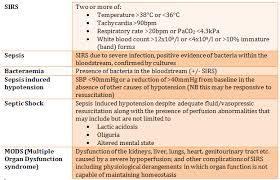
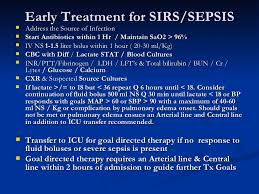
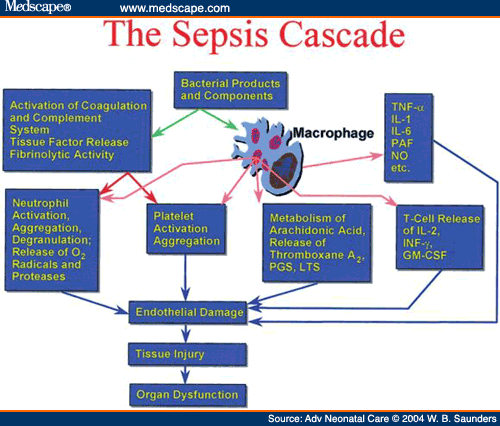

Part 3 talks to you about the multi-hit theory of SIRS with Inflammatory Cascade of SIRS and lastly the coagulation process in SIRS. It also tells you an extensive amount of infectious and non-infectious causes of SIRS. Lastly the key antidote to SIRS.
Multi-hit theory
A multi hit theory behind the progression of SIRS to organ dysfunction and possibly multiple organ dysfunction syndrome (MODS). In this theory, the event that initiates the SIRS cascade primes the pump. With each additional event, an altered or exaggerated response occurs, leading to progressive illness. The key to preventing the multiple hits is adequate identification of the ETIOLOGY or CAUSE of SIRS and appropriate resuscitation and therapy.
Inflammatory cascade
Trauma, inflammation, or infection leads to the activation of the inflammatory cascade. Initially, a pro-inflammatory activation occurs, but almost immediately thereafter a reactive suppressing anti-inflammatory response occurs. This SIRS usually manifests itself as increased systemic expression of both pro-inflammatory and anti-inflammatory species. When SIRS is mediated by an infectious insult, the inflammatory cascade is often initiated by endotoxin or exotoxin. Tissue macrophages, monocytes, mast cells, platelets, and endothelial cells are able to produce a multitude of cytokines. The cytokines tissue necrosis factor–alpha (TNF-α) and interleukin-1 (IL-1) are released first and initiate several cascades.
The release of certain factors without getting into medical specific terms they ending line induces the production of other pro-inflammatory cytokines, worsening the condition.
Some of these factors are the primary pro-inflammatory mediators. In research it suggests that glucocorticoids may function by inhibit-ing certain factors that have been shown to be released in large quantities within 1 hour of an insult and have both local and systemic effects. In studies they have shown that certain cytokines given individually produce no significant hemodynamic response but that they cause severe lung injury and hypotension. Others responsible for fever and the release of stress hormones (norepinephrine, vasopressin, activation of the renin-angiotensin-aldosterone system).
Other cytokines, stimulate the release of acute-phase reactants such as C-reactive protein (CRP) and pro-calcitonin.
The pro-inflammatory interleukins either function directly on tissue or work via secondary mediators to activate the coagulation cascade and the complement cascade and the release of nitric oxide, platelet-activating factor, prostaglandins, and leukotrienes.
High mobility group box 1 (HMGB1) is a protein present in the cytoplasm and nuclei in a majority of cell types. In response to infection or injury, as is seen with SIRS, HMGB1 is secreted by innate immune cells and/or released passively by damaged cells. Thus, elevated serum and tissue levels of HMGB1 would result from many of the causes of SIRS.
HMGB1 acts as a potent pro-inflammatory cytokine and is involved in delayed endotoxin lethality and sepsis.
Numerous pro-inflammatory polypeptides are found within the complement cascade. It is thought they are felt to contribute directly to the release of additional cytokines and to cause vasodilatation and increasing vascular permeability. Prostaglandins and leukotrienes incite endothelial damage, leading to multi-organ failure.
Polymorphonuclear cells (PMNs) from critically ill patients with SIRS have been shown to be more resistant to activation than PMNs from healthy donors, but, when stimulated, demonstrate an exaggerated micro-bicidal response (agents that kill microbes). This may represent an auto-protective mechanism in which the PMNs in the already inflamed host may avoid excessive inflammation, thus reducing the risk of further host cell injury and death.[4]
Coagulation
The correlation between inflammation and coagulation is critical to understanding the potential progression of SIRS. IL-1 and TNF-α directly affect endothelial surfaces, leading to the expression of tissue factor. Tissue factor initiates the production of thrombin, thereby promoting coagulation, and is a proinflammatory mediator itself. Fibrinolysis is impaired by IL-1 and TNF-α via production of plasminogen activator inhibitor-1. Pro-inflammatory cytokines also disrupt the naturally occurring anti-inflammatory mediators anti-thrombin and activated protein-C (APC).
If unchecked, this coagulation cascade leads to complications of micro-vascular thrombosis, including organ dysfunction. The complement system also plays a role in the coagulation cascade. Infection-related pro-coagulant activity is generally more severe than that produced by trauma.
What the causes of SIRS can be:
The etiology of systemic inflammatory response syndrome (SIRS) is broad and includes infectious and noninfectious conditions, surgical procedures, trauma, medications, and therapies.
The following is partial list of the infectious causes of SIRS:
- Bacterial sepsis
- Burn wound infections
- Candidiasis
- Cellulitis
- Cholecystitis
- Community-acquired pneumonia [5]
- Diabetic foot infection
- Erysipelas
- Infective endocarditis
- Influenza
- Intra-abdominal infections (eg, diverticulitis, appendicitis)
- Gas gangrene
- Meningitis
- Nosocomial pneumonia
- Pseudomembranous colitis
- Pyelonephritis
- Septic arthritis
- Toxic shock syndrome
- Urinary tract infections (male and female)
- The following is a partial list of the noninfectious causes of SIRS:
- Acute mesenteric ischemia
- Adrenal insufficiency
- Autoimmune disorders
- Burns
- Chemical aspiration
- Cirrhosis
- Cutaneous vasculitis
- Dehydration
- Drug reaction
- Electrical injuries
- Erythema multiforme
- Hemorrhagic shock
- Hematologic malignancy
- Intestinal perforation
- Medication side effect (eg, from theophylline)
- Myocardial infarction
- Pancreatitis [6]
- Seizure
- Substance abuse – Stimulants such as cocaine and amphetamines
- Surgical procedures
- Toxic epidermal necrolysis
- Transfusion reactions
- Upper gastrointestinal bleeding
- VasculitisThe treatment is don’t get it since it is hard to get rid of especially for people over 65 and in hospitals. There is no one Rx for it. If you’re unfortunate enough to be diagnosed with SIRS the sooner you get diagnosed with it including being in stage one as opposed to three the higher the odds the turn out will be for you. Again the key is prevention; don’t get it. There is no one antidote to this SIRS.**
*PREVENTION IS THE KEY ANTIDOTE! So stay healthy and out of hospitals!*
QUOTE FOR FRIDAY:
“Systemic inflammatory response syndrome (SIRS), independent of the etiology, has the same pathophysiologic properties, with minor differences in inciting cascades.”
Dr. Lewis J. Kaplan (an MD of Yale Surgical Specialty Traumas, a medical author-http://emedicine.medscape.com/article/168943-overview#a0104)