Believe or not, PLANTS do enhance our lives both mentally and physically!

Plants enhance our lives1  Plants enhance out lives2

Believe or not, PLANTS do enhance our lives both mentally and physically!

Plants by 20% can improve memory, attention span and concentration outside in wildlife. Studies have even shown that tasks performed while under the calming influence of nature are bettered performed (from sitting with our pets to being outdoors with mother nature in pleasant weather to that individual’s mind—from rain to a pleasant sunny day with birds chirping or even by a rain fall dropping near the person).

Keeping ornamental plants in the home and in the workplace increases memory retention and concentration. The calming influence of natural environments is conducive to positive work environments by increasing a person’s ability to concentrate on the task at hand. Work performed under the natural influence of ornamental plants is normally of higher quality and completed with a much higher accuracy rate than work done in environments devoid of nature. Going outside or being under the influence of plants can increase memory retention up to twenty percent, a recent University of Michigan study showed (Sewach). The effect of nature in the home and in the workplace serves to stimulate both the senses and the mind, improving mental cognition and performance. (Bisco Werner 1996; Brethour 2007; Frank 2003; Pohmer 2008; Serwach 2008; Shibata, 2001, 2004; Yannick 2009).

Even take parks or places like botanical gardens that both often play as a host to educational programs and special events, which do contribute to the awareness of culture and education of the community, especially children. The better the environment the better the effect. Example take a highly criminal area as opposed to a lesser one. Installing a park or botanical garden in a community has many direct benefits to residents, but an auxiliary benefit of having such a naturalized landmark in the community is the special events and cultural opportunities it brings to people who might not otherwise be exposed. Botanical gardens and zoos often create educational programs for children in order to teach them how the value of being environmentally-conscious and conserving the environment. They can also impact adults in the community as well, creating a cultural awareness of the importance of natural environments. Parks and gardens foster an appreciation for nature that often instills in residents a sense of responsibility for the caring of and protection of the environment. (Appleseed, Inc. 2009, Dubey 2007, Nadel 2005, Phipps Botanical Gardens and Conservatory 2010)

Parks and urban green spaces impact people’s health by providing them with an inexpensive (often free) and convenient recreational service. There is a positive correlation between the presence of a park in a neighborhood and the level of physical activity of the residents; people are much more likely to exercise when there is a no-cost, aesthetically pleasing area or facility for them to use. Many are more out to do simple (walking) or more intense (running) outside to even handball or basketball do just mental exercise (reading) all outdoors in nice parks as opposed to a high urban area of just warehouses and buildings with no park or in a work out place with all just nautilus and weights all over the public place that has high probability of picking up cold, flu, infections. Why? In high probability your exposed to much more germs and bacteria as opposed to a park or your own home in or outside.   Less host build up of germs and bacteria. Public places are high percentage in where you pick up germs and bacteria.

Believe it or not is helps in the healing process. Shrubs, trees, and flowers have a practical application in hospitals. Whether the the presence of plants are in the patients hospital rooms or viewed outside the room seeing beautiful parks via their window greatly reduces the time necessary to heal. The soothing effects of ornamental flowers and plants are so great that simply having daily views of flowers and other ornamental plants in landscaped areas outside patient recovery room significantly speed up recovery time; now if unfortunately the patient is terminal it’s a much greater atmosphere to be around than just four walls.

Ornamental plants affect the levels of compassion that people feel for others. Studies have shown that people who spend more time around plants are much more likely to try and help others, and often have more advanced social relationships. People who care for nature are more likely to care for others, reaching out to their peers and forming shared bonds resulting from their common interests.

Spending time in nature gives people an increased feeling of vitality, increasing their energy levels and making them feel more animated. Their performance levels are, in turn, increased by this improved state of mind. Natural environments induce a positive outlook on life, making people feel more alive and active. When people experience increased vigor, they put more of themselves and their energy into their work. People who spend more time outside in nature have a significantly more positive outlook on life than people who spend a great deal of time indoors, based on the majority.

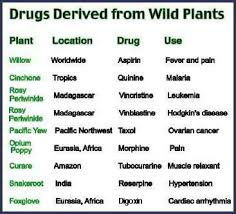
One of the more obvious benefits of plants and trees is that many of them have valuable medicinal properties. Cultivating plants helps humanity because it provides opportunities for additional scientific studies of the possible positive medicinal values of plants. Natural herbal remedies are simple and holistic methods for treating common illnesses and maladies.

Simply regarding STRESS, plants help people with dealing with it in a positive way. How you ask; by helping many people transform their stress into a more positive emotion, this can be done commonly done in America in a pent house, back yard to farming, gardening-it gives people an excellent coping mechanism for their daily frustrations. Plants to even nurturing them helps reduce stress levels and gives people a way to cope with their negative feelings, in letting them release rather than build up.   Gardening can have therapeutic effects on people who have undergone trauma, either mental or physical. The act of nurturing a plant can provide victims with a way to work through their issues and heal their wounds, whether they are on the surface of the skin or deeper. Cultivating plants also improves their mental states and helps to put them in a better place for recovering. Gardening is a therapeutic tool.

Beautifying traffic medians not only improves the aesthetics of the roadways, it also affects driver attitudes. Studies show that drivers are more at ease on roadways with natural landscaping, and are much more inclined to think positively about the community that they are driving through if the roadways are beautiful. Furthermore, adding trees to roadways creates a sort of natural obstruction which could reduce the likelihood of cars crossing medians into oncoming traffic lanes. This improves driver safety and makes the community a safer place for everyone to live in.

Believe it or not plants enhance our lives!


QUOTE FOR WEDNESDAY:

“High blood pressure is the biggest contributor to the risk of stroke in both men and women. Monitoring blood pressure and, if it is elevated, treating it, is probably the biggest difference women can make to their vascular health.”

Dr. Rost – Harvard Medical School

QUOTE FOR THE WEEKEND:

“In 2014, the 55 U.S. poison control centers provided telephone guidance for nearly 2.2 million human poison exposures.1 That’s about:

  • 6.7 poison exposures/1000 population,
  • 42.6 poison exposures in children younger than 6 years/1000 children,
  • 1 poison exposure reported to U.S. poison control centers every 15 seconds.”

Poison Control – National Capital Poison Center

QUOTE FOR FRIDAY:

“Acne is the most common skin condition in the United States. Although it’s common, accurate information about acne can be scarce.”

American Academy of Dermatology


ACNE

ACNE ACNE 3

 ACNE 4ACNE2

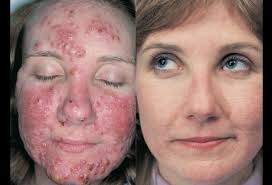
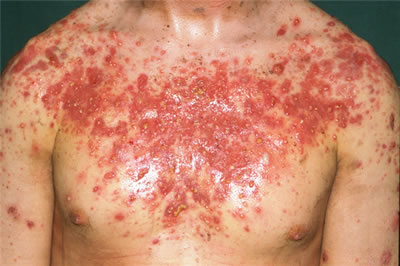
Acne is a skin condition that occurs when your hair follicles become plugged with oil and dead skin cells. Acne usually appears on your face, neck, chest, back and shoulders. Effective treatments are available, but acne can be persistent. The pimples and bumps heal slowly, and when one begins to go away, others seem to crop up.

Acne is most common among teenagers, with a reported prevalence of 70 to 87 percent. Increasingly, younger children are getting acne as well.

Depending on its severity, acne can cause emotional distress and scar the skin. The earlier you start treatment, the lower your risk of lasting physical and emotional damage.

Acne signs and symptoms vary depending on the severity of your condition:

  • Whiteheads (closed plugged pores)
  • Blackheads (open plugged pores — the oil turns brown when it is exposed to air)
  • Small red, tender bumps (papules)
  • Pimples (pustules), which are papules with pus at their tips
  • Large, solid, painful lumps beneath the surface of the skin (nodules)
  • Painful, pus-filled lumps beneath the surface of the skin (cystic lesions) If home care remedies don’t work to clear up your acne, see your primary care doctor. He or she can prescribe stronger medications. If acne persists or is severe, you may want to seek medical treatment from a doctor who specializes in the skin (dermatologist).     Seek emergency medical help if after using a nonprescription skin product you experience:
  • The Food and Drug Administration warns that some popular nonprescription acne lotions, cleansers and other skin products can cause a serious reaction. This type of reaction is quite rare, so don’t confuse it with the redness, irritation or itchiness where you’ve applied medications or products.

    When to see a doctor:

  • Faintness
  • Difficulty breathing
  • Swelling of the eyes, face, lips or tongue
  • Tightness of the throat

    Four main factors cause acne:

  • Oil production
  • Dead skin cells
  • Clogged pores
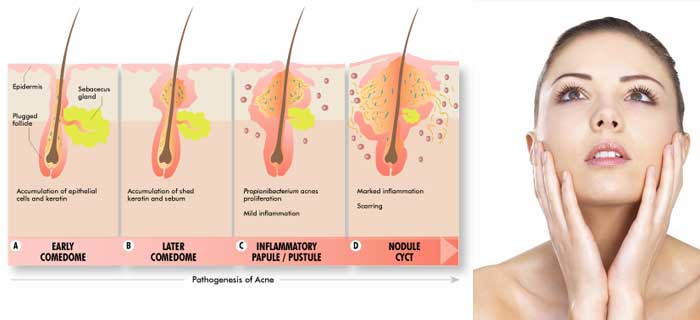
  • BacteriaHair follicles are connected to oil glands. These glands secrete an oily substance (sebum) to lubricate your hair and skin. Sebum normally travels along the hair shafts and through the openings of the hair follicles onto the surface of your skin.
  • Acne typically appears on your face, neck, chest, back and shoulders. These areas of skin have the most oil (sebaceous) glands. Acne occurs when hair follicles become plugged with oil and dead skin cells.

 When your body produces an excess amount of sebum and dead skin cells, the two can build up in the hair follicles. They form a soft plug, creating an environment where bacteria can thrive. If the clogged pore becomes infected with bacteria, inflammation results.

The plugged pore may cause the follicle wall to bulge and produce a whitehead. Or the plug may be open to the surface and may darken, causing a blackhead. A blackhead may look like dirt stuck in pores. But actually the pore is congested with bacteria and oil, which turns brown when it’s exposed to the air.

Pimples are raised red spots with a white center that develop when blocked hair follicles become inflamed or infected. Blockages and inflammation that develop deep inside hair follicles produce cyst-like lumps beneath the surface of your skin. Other pores in your skin, which are the openings of the sweat glands, aren’t usually involved in acne.

Factors that may worsen acne.

These factors can trigger or aggravate an existing case of acne:

  • Hormones. Androgens are hormones that increase in boys and girls during puberty and cause the sebaceous glands to enlarge and make more sebum. Hormonal changes related to pregnancy and the use of oral contraceptives also can affect sebum production. And low amounts of androgens circulate in the blood of women and can worsen acne.
  • Certain medications. Drugs containing corticosteroids, androgens or lithium can worsen acne.
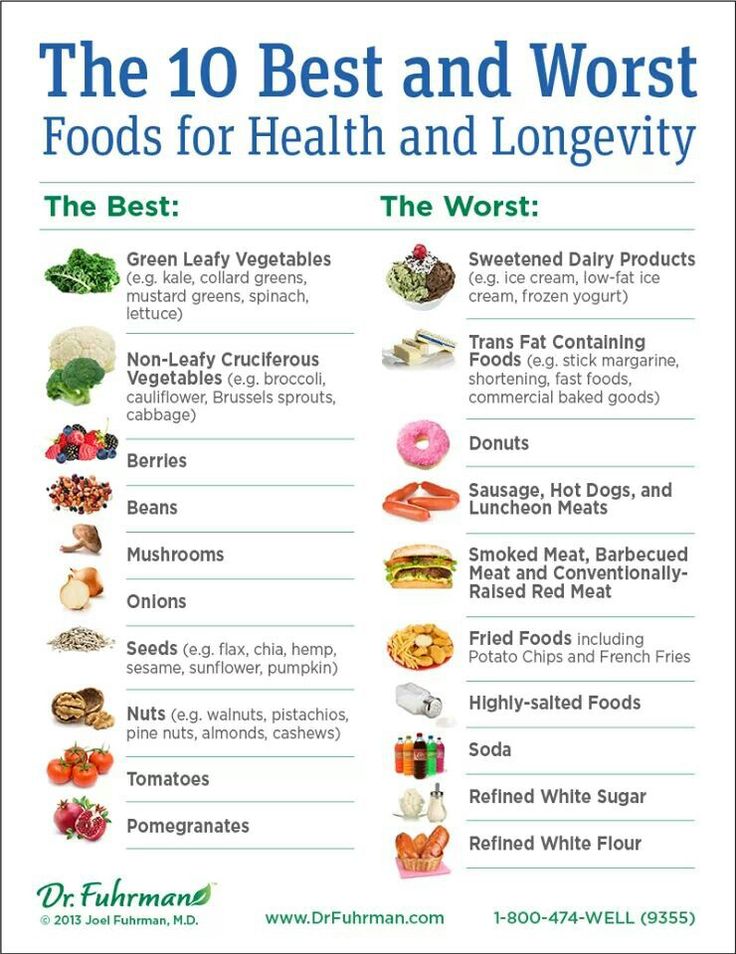
  • Diet. Studies indicate that certain dietary factors, including dairy products and carbohydrate-rich foods — such as bread, bagels and chips — may trigger acne. Chocolate has long been suspected of making acne worse. A recent study of 14 men with acne showed that eating chocolate was related to an increase in acne. Further study is needed to examine why this happens or whether acne patients need to follow specific dietary restrictions.
  • Stress. Stress can make acne worse.

Acne myths

These factors have little effect on acne:

  • Greasy foods. Eating greasy food has little to no effect on acne. Though working in a greasy area, such as a kitchen with fry vats, does because the oil can stick to the skin and block the hair follicles. This further irritates the skin or promotes acne.
  • Dirty skin. Acne isn’t caused by dirt. In fact, scrubbing the skin too hard or cleansing with harsh soaps or chemicals irritates the skin and can make acne worse. Though it does help to gently remove oil, dead skin and other substances.
  • Cosmetics. Cosmetics don’t necessarily worsen acne, especially if you use oil-free makeup that doesn’t clog pores (non-comedogenics) and remove makeup regularly. Non-oily cosmetics don’t interfere with the effectiveness of acne drugs.

Risk factors for acne include:

  • Hormonal changes. Such changes are common in teenagers, women and girls, and people using certain medications, including those containing corticosteroids, androgens or lithium.
  • Family history. Genetics plays a role in acne. If both parents had acne, you’re likely to develop it, too.
  • Greasy or oily substances. You may develop acne where your skin comes into contact with oily lotions and creams or with grease in a work area, such as a kitchen with fry vats.
  • Friction or pressure on your skin. This can be caused by items such as telephones, cellphones, helmets, tight collars and backpacks.
  • Stress. This doesn’t cause acne, but if you have acne already, stress may make it worse.  Acne is the most common skin condition in the United States.
  • Although it’s common, accurate information about acne can be scarce.

QUOTE FOR THURSDAY:

“Bees, wasps, and hornets can quickly take the fun out of summer activities, especially if an allergy makes an insect encounter a potentially life-threatening event. It’s best to “bee” prepared for whatever buzzes your way.”

Insect allergy expert David B.K. Golden, MD,Guest on MedicineNet.com (when the doctor bring the knowledge to you).

Go to striveforgoodhealth.com and learn in Part 3 about our spring and summer friends who sting especially regarding how to treat it.

QUOTE FOR WEDNESDAY:

“Bees, wasps, and hornets can quickly take the fun out of summer activities, especially if an allergy makes an insect encounter a potentially life-threatening event. It’s best to “bee” prepared for whatever buzzes your way.”

Insect allergy expert David B.K. Golden, MD,Guest on MedicineNet.com (when the doctor bring the knowledge to you).