Part II Breast Cancer

breast-cancer-9  breast-cancer-8


Is there a link between birth control pills and breast cancer?

A number of older studies suggested that birth control pills slightly increased the risk of breast cancer, especially among younger women. In these studies, however, 10 years after discontinuing birth control pills women’s risk of breast cancer returned to the same level as that of women who never used oral contraceptives. Current evidence does not support an increase in breast cancer with birth control pills.

Be vigilant about breast cancer detection. If you notice any changes in your breasts, such as a new lump or skin changes, consult your doctor. Also, ask your doctor when to begin mammograms and other screenings.

Once you’ve been diagnosed with breast cancer, your doctor works to find out the specifics of your tumor. Using a tissue sample from your breast biopsy or using your tumor if you’ve already undergone surgery, your medical team determines your breast cancer type. This information helps your doctor decide which treatment options are most appropriate for you.

Here’s what’s used to determine your breast cancer type.

Is your cancer invasive or noninvasive?

Whether your cancer is invasive or noninvasive helps your doctor determine whether your cancer may have spread beyond your breast, which treatments are more appropriate for you, and your risk of developing cancer in the same breast or your other breast.

  • Noninvasive (in situ) breast cancer. In situ breast cancer refers to cancer in which the cells have remained within their place of origin — they haven’t spread to breast tissue around the duct or lobule. One type of noninvasive cancer called ductal carcinoma in situ (DCIS) is considered a precancerous lesion. This means that if it were left in the body, DCIS could eventually develop into an invasive cancer. Another type of noninvasive cancer called lobular carcinoma in situ (LCIS) isn’t considered precancerous because it won’t eventually evolve into invasive cancer. LCIS does, however, increase the risk of cancer in both breasts.
  • Invasive breast cancer. Invasive (infiltrating) breast cancers spread outside the membrane that lines a duct or lobule, invading the surrounding tissues. The cancer cells can then travel to other parts of your body, such as the lymph nodes. If your breast cancer is stage I, II, III or IV, you have invasive breast cancer.

In what part of the breast did your cancer begin?

The type of tissue where your breast cancer arises determines how the cancer behaves and what treatments are most effective. Parts of the breast where cancer begins include:

  • Milk ducts. Ductal carcinoma is the most common type of breast cancer. This type of cancer forms in the lining of a milk duct within your breast. The ducts carry breast milk from the lobules, where it’s made, to the nipple.
  • Milk-producing lobules. Lobular carcinoma starts in the lobules of the breast, where breast milk is produced. The lobules are connected to the ducts, which carry breast milk to the nipple.
  • Connective tissues. Rarely breast cancer can begin in the connective tissue that’s made up of muscles, fat and blood vessels. Cancer that begins in the connective tissue is called sarcoma. Examples of sarcomas that can occur in the breast include phyllodes tumor and angiosarcoma.
  •  FYI a complication that can occur with advanced cancer that many of you may be unaware of. Bone metastasis occurs when cancer cells spread from their original site to a location in the bone. The most common types of cancer more likely to spread to bone include breast, prostate and lung cancers.Signs and symptoms of bone metastasis may include the following:
  • Bone metastasis can occur in any bone, but more commonly occurs in the pelvis and spine. Bone metastasis may be the first sign that you have cancer, or it may occur years after your cancer treatment is completed, ex. Hodgkins Disease.
  •  Bone pain (back and pelvic pain are most common)
  • Unexplained broken bones
  • Loss of urine and/or bowel function
  • Weakness in the legs
  • High levels of calcium in the blood (hypercalcemia), which can cause nausea, vomiting and confusion
  • The most common problem with metastatic bone cancer is pain and fractures. Metastatic bone cancer usually can’t be cured, but instead the goal is to provide pain relief and control further spread.
  • Treatment can make a big difference and may include the following:

    • Medications to repair and build new bone — These medications are similar to those used by people with osteoporosis and can help in building and strengthening your bone.
    • Chemotherapy — Given as a pill or through a vein, used to control and treat cancer that has spread to the bone.
    • Traditional radiation therapy — Radiation is given as external beam therapy to treat the cancer in the bone.
    • Hormone therapy — Medications are used to block hormones (for breast and prostate cancers) that help control the spread of cancer to the bone.
    • Surgery — Used to fix a fracture and stabilize a break from the cancer in the bone.
    • Cryoablation — A special technique that freezes the cancer cells.
    • Radiofrequency ablation — A special technique that heats the cancer cells.
    • Chemoradiation — A form of internal radiation that is given through the vein and travels to the site of bone metastasis and targets the cancer cells.
    • Pain medications — Medications provided with the goal of relieving and controlling pain from bone metastasis.
    • Physical therapy — Exercises may be prescribed to assist in strengthening muscles and providing any assistive devices that may help you (cane, walker, crutches, etc.).If you’re living with metastatic bone cancer, you may find help and resources from a website called Bone Health in Focus. It was established with partners including BreastCancer.org, the National Lung Cancer Partnership and Us TOO International Prostate Cancer Education & Support Network to offer resources that help patients and caregivers understand more about cancer that has spread to the bone (find the site at www.bonehealthinfocus.com). Are you living with cancer that has spread to the bone?
    • Make the changes in your lifestyles including diet if you want to prevent cancer, live long and have a productive life.
    • Go to striveforgoodhealth.com.  and feel free to share your experiences with each other on this blog.
QUOTE FOR THURSDAY:

“You can reduce your risk of cancer by making healthy choices like eating right, staying active and not smoking. It’s also important to follow recommended screening guidelines, which can help detect certain cancers early.”

American Cancer Society

Part I Breast Cancer

breast-cancer-10  breast-cancer-5

Breast cancer is cancer that forms in the cells of the breasts.

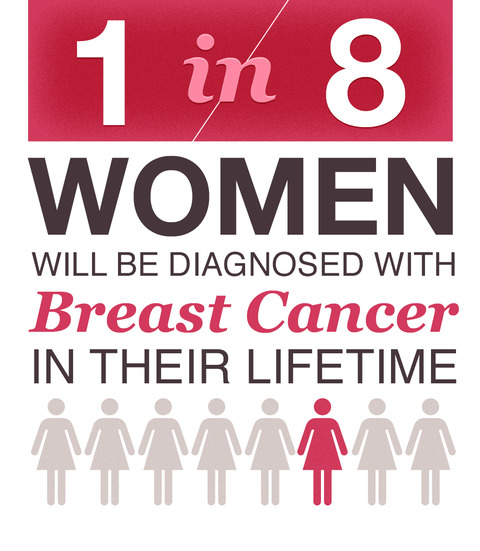
After skin cancer, breast cancer is the most common cancer diagnosed in women in the United States. Breast cancer can occur in both men and women, but it’s far more common in women.

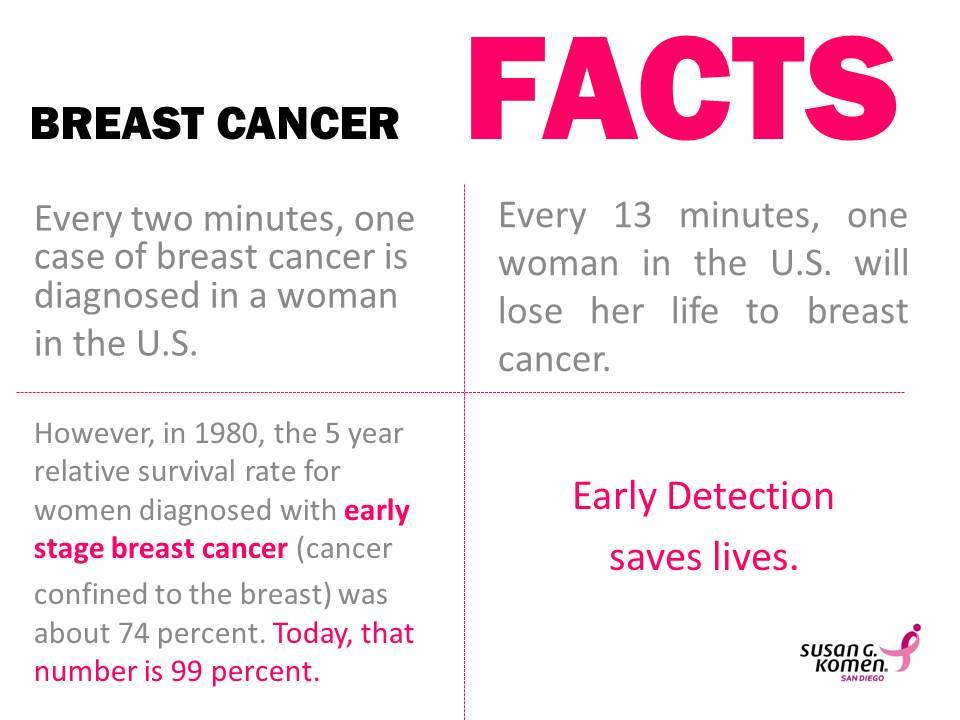
Public support for breast cancer awareness and research funding has helped improve the diagnosis and treatment of breast cancer. Breast cancer survival rates have increased, and the number of deaths has been declining, thanks to a number of factors such as earlier detection, new treatments and a better understanding of the disease.

Breast Cancer affects everyone.  Every year, over 200,000 women are diagnosed with new cases of Breast Cancer in the United States, and over 39,000 women will lose their fight with this terrible disease.  Having experienced the effects that cancer has on both the victim and their loved ones support is so important by family and significant ones in our lives.

The Breast Cancer Awareness Month, marked in countries across the world every October, helps to increase attention and support for the awareness, early detection and treatment as well as palliative care of this disease.

There are about 1.38 million new cases and 458 000 deaths from breast cancer each year (IARC Globocan, 2008). Breast cancer is by far the most common cancer in women worldwide, both in the developed and developing countries. In low- and middle-income countries the incidence has been rising up steadily in the last years due to increase in life expectancy, increase urbanization and adoption of western lifestyles.

Currently there is not sufficient knowledge on the causes of breast cancer, therefore, early detection of the disease remains the cornerstone of breast cancer control. When breast cancer is detected early, and if adequate diagnosis and treatment are available, there is a good chance that breast cancer can be cured. If detected late, however, curative treatment is often no longer an option. In such cases, palliative care to relief the suffering of patients and their families is needed.

The majority of deaths (269 000) occur in low- and middle-income countries, where most women with breast cancer are diagnosed in late stages due mainly to lack of awareness on early detection and barriers to health services.

Here is another thing to help breast cancer patients National Breast Cancer Awareness Month is a chance to raise awareness about the importance of early detection of breast cancer. Make a difference! Spread the word about mammograms and encourage communities, organizations, families, and individuals to get involved.

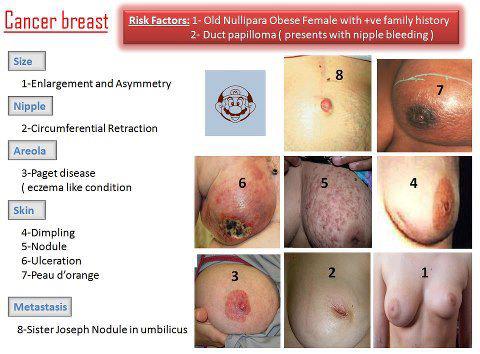
In the first phases, the breast cancer has no evident signs and symptoms and it differ in folks from lumps to swelling and alterations in the pores and skin. A lump also modest which is felt does not cause any strange changes and it is unnoticed. Nevertheless, in a lot of circumstances visual appeal of new lump or a mass is the 1st indicator discovered. The lump may possibly be difficult to contact with uneven edges and they are painless. But there are cases the lump is really tender, spherical edged and soft. More lumps are painless.

Breast cancers common signs and symptoms are: Swelling of element of the breast or all areas Pores and skin irritation in the breast. Nipple pain, Nipple begins to switch inward (inverted) slowly and gradually Breast pain.

Breast cancer prevention starts with healthy habits — such as limiting alcohol and staying physically active. Understand what you can do to reduce your breast cancer risk.

If you’re concerned about breast cancer, you may be wondering if there are steps you can take toward breast cancer prevention. Some risk factors, such as family history, can’t be changed. However, there are lifestyle changes you can make to lower your risk.

What can I do to reduce my risk of breast cancer?

Lifestyle changes have been shown in studies to decrease breast cancer risk even in high-risk women.  The following are steps you can take to lower your risk:

  • Limit alcohol. The more alcohol you drink, the greater your risk of developing breast cancer. If you choose to drink alcohol — including beer, wine or liquor — limit yourself to no more than one drink a day.
  • Don’t smoke. Accumulating evidence suggests a link between smoking and breast cancer risk, particularly in premenopausal women. In addition, not smoking is one of the best things you can do for your overall health.
  • Control your weight. Being overweight or obese increases the risk of breast cancer. This is especially true if obesity occurs later in life, particularly after menopause.
  • Be physically active. Physical activity can help you maintain a healthy weight, which, in turn, helps prevent breast cancer. For most healthy adults, the Department of Health and Human Services recommends at least 150 minutes a week of moderate aerobic activity or 75 minutes of vigorous aerobic activity weekly, plus strength training at least twice a week.
  • Breast-feed. Breast-feeding may play a role in breast cancer prevention. The longer you breast-feed, the greater the protective effect.
  • Limit dose and duration of hormone therapy. Combination hormone therapy for more than three to five years increases the risk of breast cancer. If you’re taking hormone therapy for menopausal symptoms, ask your doctor about other options. You may be able to manage your symptoms with nonhormonal therapies, such as physical activity. If you decide that the benefits of short-term hormone therapy outweigh the risks, use the lowest dose that works for you.
  • Avoid exposure to radiation and environmental pollution. Medical-imaging methods, such as computerized tomography, use high doses of radiation, which have been linked with breast cancer risk. Reduce your exposure by having such tests only when absolutely necessary. While more studies are needed, some research suggests a link between breast cancer and exposure to the chemicals found in some workplaces, gasoline fumes and vehicle exhaust. Eating a diet rich in fruits and vegetables hasn’t been consistently shown to offer protection from breast cancer. In addition, a low-fat diet appears to offer only a slight reduction in the risk of breast cancer.
  • Can a healthy deit prevent breast cancer?
  • However, eating a healthy diet may decrease your risk of other types of cancer, as well as diabetes, heart disease and stroke. A healthy diet can also help you maintain a healthy weight — a key factor in breast cancer prevention.

QUOTE FOR WEDNESDAY:

“There is no cure for fibromyalgia. However, symptoms can be treated with both non-drug and medication based treatments. Many times the best outcomes are achieved by using multiple types of treatments.”

American College of Rheumatology


Part III Fibromyalgia

How is Fibromyalgia treated?

There is no cure for fibromyalgia. However, symptoms can be treated with both non-drug and medication based treatments. Many times the best outcomes are achieved by using multiple types of treatments.

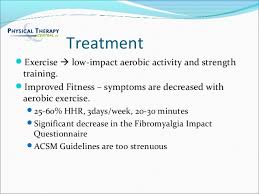
Non-Drug Therapies: People with fibromyalgia should use non-drug treatments as well as any medicines their doctors suggest. Research shows that the most effective treatment for fibromyalgia is physical exercise. Physical exercise should be used in addition to any drug treatment. Patients benefit most from regular aerobic exercises. Other body-based therapies, including Tai Chi and yoga, can ease fibromyalgia symptoms. Although you may be in pain, low impact physical exercise will not be harmful.

Cognitive behavioral therapy is a type of therapy focused on understanding how thoughts and behaviors affect pain and other symptoms. CBT and related treatments, such as mindfulness, can help patients learn symptom reduction skills that lessen pain. Mindfulness is a non-spiritual meditation practice that cultivates present moment awareness. Mindfulness based stress reduction has been shown to significantly improve symptoms of fibromyalgia.

You can also try other complementary therapies such as:

  • Massage therapy.
  • Movement therapy.
  • Chiropractic therapy.
  • Acupuncture.
  • Diet supplements.

Other complementary and alternative therapies (sometimes called CAM or integrative medicine), such as acupuncture, chiropractic and massage therapy, can be useful to manage fibromyalgia symptoms. Many of these treatments, though, have not been well tested in patients with fibromyalgia.

It is important to address risk factors and triggers for fibromyalgia including sleep disorders, such as sleep apnea, and mood problems such as stress, anxiety, panic disorder, and depression. This may require involvement of other specialists such as a Sleep Medicine doctor, Psychiatrist, and therapist.

Medications: The U.S. Food and Drug Administration has approved three drugs for the treatment of fibromyalgia. They include two drugs that change some of the brain chemicals (serotonin and norepinephrine) that help control pain levels: duloxetine (Cymbalta) and milnacipran (Savella). Older drugs that affect these same brain chemicals also may be used to treat fibromyalgia. These include amitriptyline (Elavil) and cyclobenzaprine (Flexeril). Other antidepressant drugs can be helpful in some patients. Side effects vary by the drug. Ask your doctor about the risks and benefits of your medicine.

The other drug approved for fibromyalgia is pregabalin (Lyrica). Pregabalin and another drug, gabapentin (Neurontin), work by blocking the over activity of nerve cells involved in pain transmission. These medicines may cause dizziness, sleepiness, swelling and weight gain.

It is strongly recommended to avoid opioid narcotic medications for treating fibromyalgia. The reason for this is that research evidence shows these drugs are not of helpful to most people with fibromyalgia, and will cause greater pain sensitivity or make pain persist. Tramadol (Ultram) may be used to treat fibromyalgia pain if short-term use of an opioid narcotic is needed. Over-the-counter medicines such as acetaminophen (Tylenol) or nonsteroidal anti-inflammatory drugs (commonly called NSAIDs) like ibuprofen (Advil, Motrin) or naproxen (Aleve, Anaprox) are not effective for fibromyalgia pain. Yet, these drugs may be useful to treat the pain triggers of fibromyalgia. Thus, they are most useful in people who have other causes for pain such as arthritis in addition to fibromyalgia.

For sleep problems, some of the medicines that treat pain also improve sleep. These include cyclobenzaprine (Flexeril), amitriptyline (Elavil), gabapentin (Neurontin) or pregabalin (Lyrica). It is not recommended that patients with fibromyalgia take sleeping medicines like zolpidem (Ambien) or benzodiazepine medications.

Always confirm with your doctor which RX is best and not contraindicated for you, for your safety!

QUOTE FOR TUESDAY:

“Fibromyalgia patients often have often have difficulty remaining productively employed on account increased pain  on activity, severe fatique, and problems with memory and concentration.”

National Fibromyalgia and Chronic Pain Association


Part II Fibromyalgia


Signs and Symptoms of Fibromyalgia:

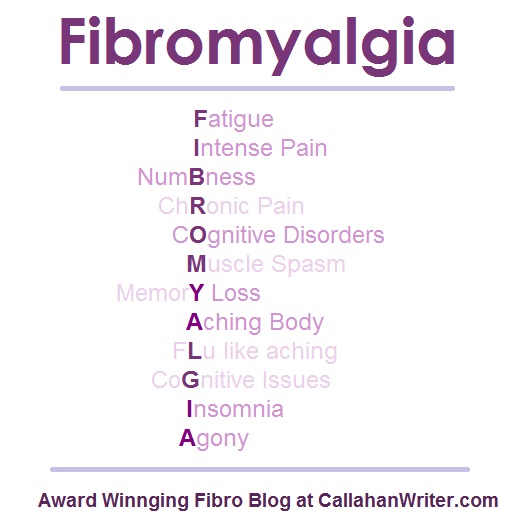
Fibromyalgia is a physical disorder, not a psychological condition. The most common constellation of Fibromyalgia symptoms (widespread chronic muscle pain, sleeplessness, relentless fatigue, cognitive dysfunction, and a host of other overlapping conditions like TMJD, IBS, migraine, interstitial cystitis, metabolic syndrome, endometriosis, and vulvodynia) can wax and wane over time.

Symptoms include:

  • Tenderness to touch or pressure affecting muscles and sometimes joints or even the skin
  • Severe fatigue
  • Sleep problems (waking up unrefreshed)
  • Problems with memory or thinking clearly

Some patients also may have:

  • Depression or anxiety
  • Migraine or tension headaches
  • Digestive problems: irritable bowel syndrome (commonly called IBS) or gastroesophageal reflux disease (often referred to as GERD)
  • Irritable or overactive bladder
  • Pelvic pain
  • Temporomandibular disorder – often called TMJ (a set of symptoms including face or jaw pain, jaw clicking, and ringing in the ears)

How Fibromyalgia is diagnosed:

A doctor will suspect fibromyalgia based on your symptoms. Doctors may require that you have tenderness to pressure or tender points at a specific number of certain spots before saying you have fibromyalgia, but they are not required to make the diagnosis (see the Box). A physical exam can be helpful to detect tenderness and to exclude other causes of muscle pain. There are no diagnostic tests (such as X-rays or blood tests) for this problem. Yet, you may need tests to rule out another health problem that can be confused with fibromyalgia.

Because widespread body pain is the main feature of fibromyalgia, health care providers will ask you to describe your pain. This may help tell the difference between fibromyalgia and other diseases with similar symptoms. Other conditions such as hypothyroidism (underactive thyroid gland) and polymyalgia rheumatica sometimes mimic fibromyalgia. Blood tests can tell if you have either of these problems. Sometimes, fibromyalgia is confused with rheumatoid arthritis or lupus. But, again, there is a difference in the symptoms, physical findings and blood tests that will help your health care provider detect these health problems. Unlike fibromyalgia, these rheumatic diseases cause inflammation in the joints and tissues.


QUOTE FOR MONDAY:

“Fibromyalgia is a long-lasting or chronic disorder that causes muscle pain and fatigue (feeling tired).   Sometime you may have 2 or more chronic pain symptoms.”

National Institute of Arthritis and  Musculoskeletal and Skin Diseases


QUOTE FOR THE WEEKEND:

“It can cause your fingers to become stuck in place. It most commonly affects the ring & little fingers; can affect the proximal & middle joints,which are those closest to your palm, to become bent and difficult to straighten.
Healthline.com (Medically Reviewed by William A Morrison, MD on February 4, 2016 — Written by Cindie Slightham)

QUOTE FOR THURSDAY:

“About 3 out of 10 people have a change in the structure of their brains that causes the electrical storms of seizures. Idiopathic seizures are those whose cause is unknown. Unfortunately, about 6 out of 10 seizures are idiopathic.
In the case of focal seizures, we presume that there is an irritation to or scar on some part of the brain, but the scar is invisible to MRI. With generalized seizures, the genetic or metabolic abnormality is unidentified.”
Epilepsy Foundation (epilepsy.com)