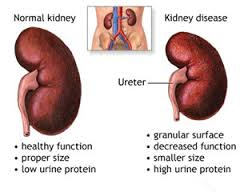
“The kidneys are important because they keep the composition, or makeup, of the blood stable, which lets the body function. The kidneys filter our blood.”
National Institute of Diabetes and Digestive and Kidney Diseases (nih.gov).
“The kidneys are important because they keep the composition, or makeup, of the blood stable, which lets the body function. The kidneys filter our blood.”
National Institute of Diabetes and Digestive and Kidney Diseases (nih.gov).
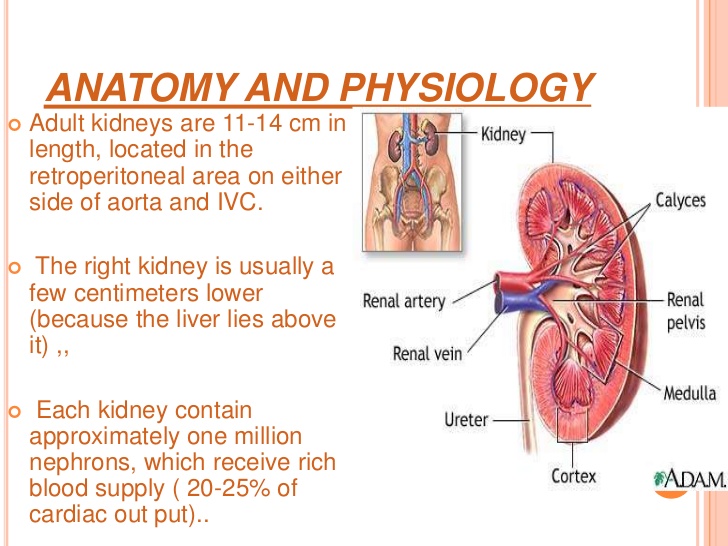
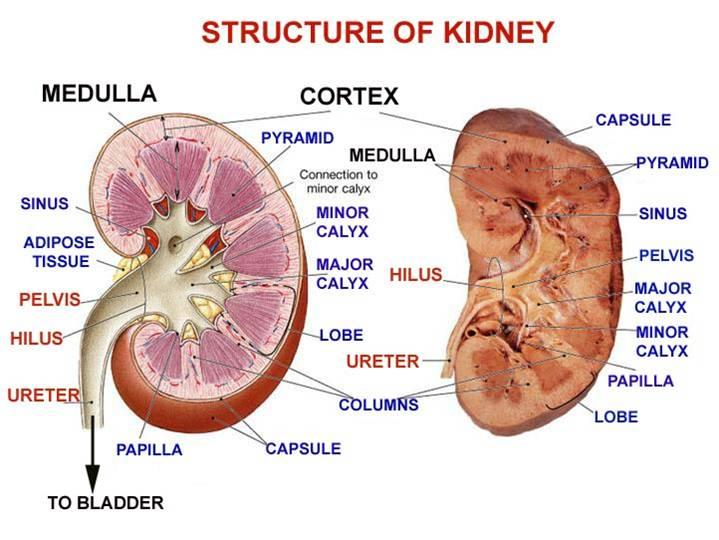
The kidneys are important organs with many functions in the body, including producing hormones, absorbing minerals, and filtering blood and producing urine. While they are important and kidney failure can be fatal, a human only needs one healthy kidney to survive.
The kidneys are two bean-shaped organs that extract waste from blood, balance body fluids, form urine, and aid in other important functions of the body.
They reside against the back muscles in the upper abdominal cavity. They sit opposite each other on either side of the spine. The right kidney sits a little bit lower than the left to accommodate the liver.
When it comes to components of the urinary system, the kidneys are multi-functional powerhouses of activity, for if the kidneys aren’t working, meaning they don’t filter toxic wastes out of our blood stream (with other functions it does) than the waste products don’t get dumped into the urinary bladder from the renal tubes, called right and left ureters. In human anatomy, the ureters are tubes made of smooth muscle fibers that propel urine from the kidneys to the urinary bladder. If the kidneys are not working they are not filtering our blood (same principle as filtering beer to make it to perfection, the kidneys do it for our blood to be able to have the cells do their function to the optimal levels with keeping toxins out of the body in preventing many blood problems with more due to acidosis (toxin build up). In the adult, the ureters are usually 25–30 cm (10–12 in) long and ~3–4 mm in diameter.
The kidneys have multiple functions.
Some of the core actions of a healthy kidney or kidneys of a human body include:
“When beginning a weight loss diet, it is tempting to try to lose weight as quickly as you can. However, not only are crash or fad diets highly likely to fail, they can also have a significant negative impact on your health. A low-carb diet is generally used for losing weight. Some low-carb diets may have health benefits beyond weight loss, such as reducing risk factors associated with type 2 diabetes and metabolic syndrome. ”
www.healthline.com
Carb count: 0 grams per 3 ounces
More flavorful than tilapia, farmed catfish is an inexpensive way to load up your muscles with pure, high-quality protein. American-farmed catfish is also considered a sustainable option from the fish counter. Fillets are great steamed, grilled, oven-roasted, or pan-seared. This swimmer is a good source of vitamin B-12, which your nervous system needs in order to function properly.
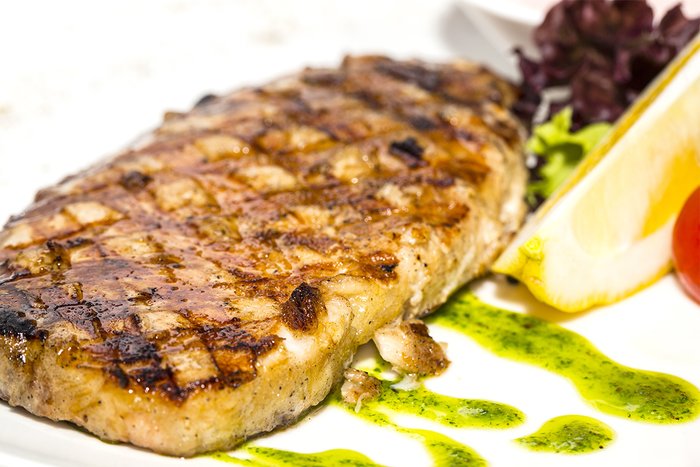
Carb count: 0 grams per 1/2 can
Branch out from tuna and try this healthy canned fish option. Pink salmon is affordable and tends to be lower in mercury than tuna. Canned salmon is also a good way to reel in plenty of the omega-3 fats that have been shown to reduce exercise-induced muscle soreness and stimulate muscle protein synthesis.[5]
Carb count: 0 grams per 3 ounces
While go-to chicken breasts can be as exciting as C-SPAN, budget-friendly drumsticks have richer flavor and their juicy meat is less prone to drying out during cooking. Beyond being a protein payload (24 grams in each 3-ounce serving), drumsticks supply selenium, an antioxidant that may help ease exercise-induced oxidative stress.[6]
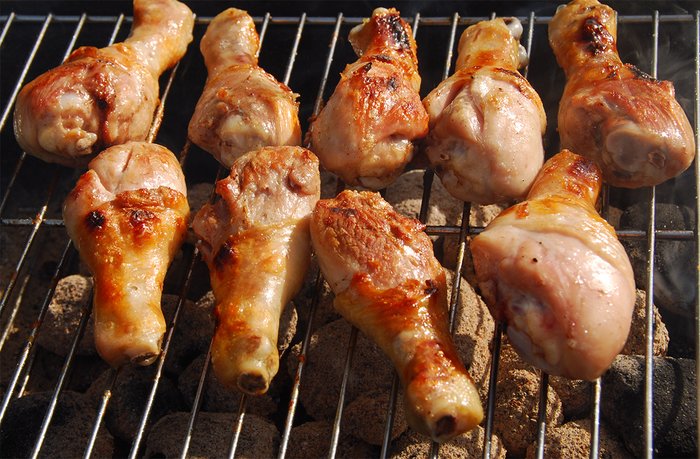
Carb count: 0 grams per 3 ounces
Inexpensive ground turkey is an easy way to infuse your meals with carb-free protein. Use it for burgers and meat sauces, or brown it in a pan and stir in low-carb vegetables. To trim fat calories, look for packages made with ground white meat.
Nutrition Bonus: As with other poultry, turkey contains a full arsenal of the essential amino acids that can pump up your muscles.
Carb count: 0 grams per 3 ounces
When not overcooked, the “other white meat” has good juicy flavor and a much less painful price tag than its beef counterpart. It also provides a stellar 6:1 protein-to-fat ratio. Look for unseasoned pork tenderloin to avoid excess salt and other questionable ingredients. On top of all the protein, pork tenderloin is a good source of thiamine (vitamin B-1), needed to make the energy you use to lift heavy stuff.
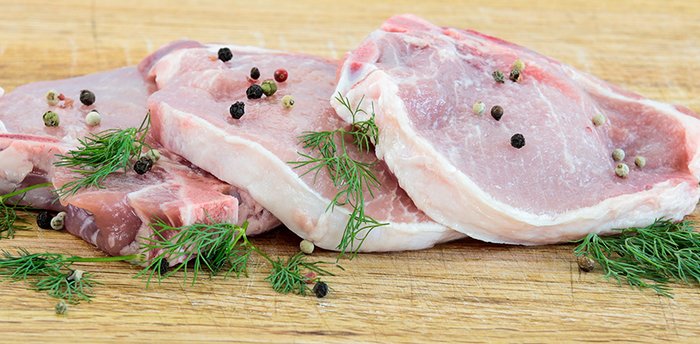
Carb count: 0 grams per 3 ounces
This cut of beef is one of the leaner options at the supermarket, making it a smart way to get your fill of protein with zero carbohydrate cost. It takes particularly well to marinades, which serve to tenderize the meat further. Red meat like sirloin beef is a natural source of creatine, which can help you throw down at the gym. You can up the nutritional ante by splurging for steak sourced from grass-fed cattle.
Carb count: 0 grams per 2 ounces
For the most part, deli-style roast beef is spared the sugars that can be added to turkey and other lunchmeats. Surprisingly, it’s also one of the leaner options at the deli counter. The highly absorbable form of iron in beef can help during those suffer fests in the squat rack.
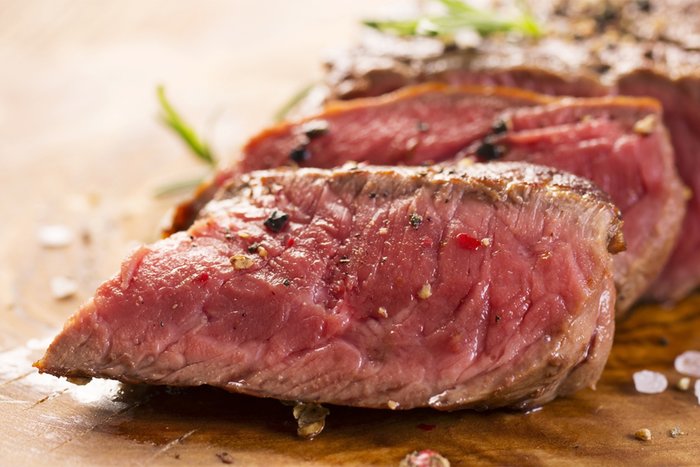
Carb count: 0 grams per 3 ounces
When it comes to grilled steak or burgers, consider your options beyond beef. Game meats like bison and elk are becoming easier to find at the butcher counter, and research shows that when bison is raised on the range, its meat is richer in omega-3 fats than traditionally-raised cattle.[7]
Other Low-Carb Meats And Fish
Carb count: 0 grams per ounce
Forget the mundane mass-produced cheese slices—this hard cheese from Switzerland has a great nutty flavor that’ll win you over. It also melts beautifully, making it a perfect way to add excitement to everything from steamed broccoli to low-carb pizza. This cured cheese is a top-notch source of calcium, a mineral involved in bone-building.
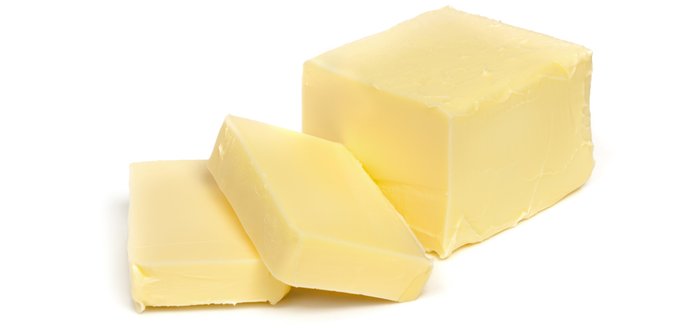
Carb count: 0 grams per tablespoon
Since butter has been found to not actually be that bad for you, it has once again found a place in frying pans and home baking.[8] For a rich-tasting riff on mashed potatoes, try blending steamed cauliflower with butter, fresh thyme, and a couple pinches of salt.
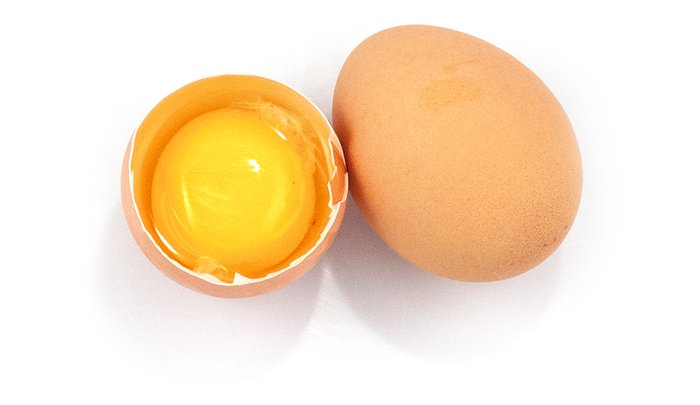
Carb count: 1 gram per 2 large eggs
Which came first, the chicken or the egg? Who cares, since both supply plenty of protein power with little to no carbs. Plus, Canadian scientists recently discovered that eggs are a surprisingly good source of antioxidants to help mop up those cell-damaging free radicals.[9]
Carb count: 6 grams per cup
Old-school bodybuilders popularized cottage cheese for a reason: It’s jam-packed with slow-digesting casein protein (28 grams per cup), which slays hunger and builds muscle over a longer period than whey protein. Sodium levels can vary greatly, so compare brands carefully.
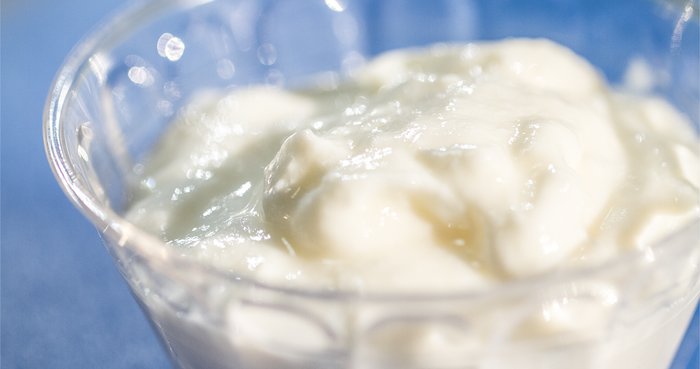
Carb count: 9 grams per cup
In recent years, Greek yogurt has gone from an obscure item in the dairy aisle to a cultured rock star, thanks to the 23 grams of muscle-boosting protein per cup. Of course, if you want to keep the carb count low, you’ll have to opt for plain versions that are not pumped full of sugar.
Carb count: 11 grams per cup
This up-and-coming milk contains less carbs than cow’s milk, is easier to digest, and according to recent research is richer in a number of nutrients such as omega fatty acids and conjugated linoleic acid (CLA), a fatty acid that may help torch body fat.[10]
Other Low-Carb Dairy Products
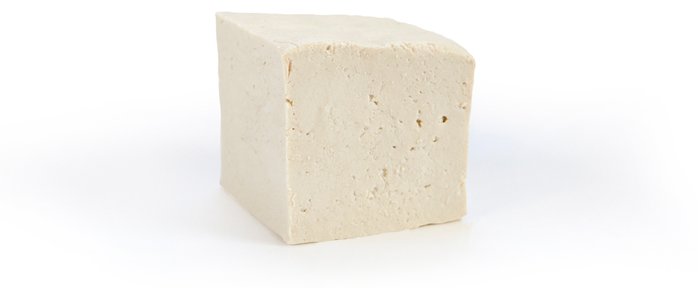
Carb count: 3 grams per 3 ounces
Tofu isn’t only for vegetarians! It also offers an inexpensive low-carb protein option for carnivores who want a night off from meat. When you add tofu to sauces or other foods, it soaks up flavors brilliantly. Try it as a cheap protein in stir-fry, or marinate it like you would steak and slap it on the grill.
Carb count: 9 grams per 3 ounces
Tempeh is a meaty patty that’s made from a base of fermented soybeans, making it a respectable protein source. As a fermented product like yogurt or sauerkraut, it’s believed that tempeh contains a healthy population of ultra-healthy probiotics. Its flavor can be described as smoky, nutty, and earthy in a mushroomy kind of way. Try crumbling it up and adding it to chili, stir-fry, tacos, soups, casseroles, and pasta sauce.
Carb count: 18 grams per 1/2 cup
Among canned beans, pinto beans contain some of the lowest carbohydrate numbers, but still boast significant amounts of plant-based protein—12 grams in each serving. You can use them to add a quick protein hit to salads and scrambled eggs. Their wallop of fiber can help reduce a spike in blood sugar caused by carbohydrates in a meal.
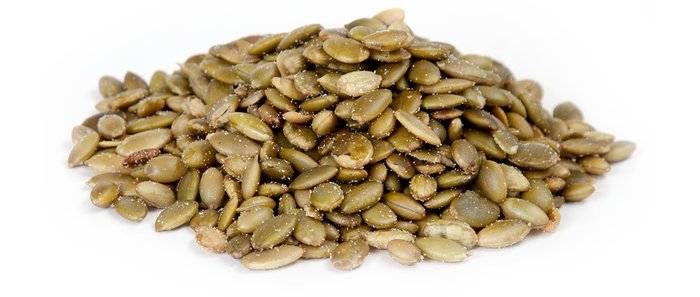
Carb count: 5 grams per ounce
This seed boasts 7 grams of protein and a whole lot of crunch in each serving. The carbs here are all slow-digesting, so they’ll give you sustained energy. Seeds from other gourds, like acorn squash, have similar properties. Toss them in oil and toast in the oven.
Other Low-Carb Plant Proteins
Carb count: 0 grams per 3 ounce
Good for kids and adults alike, prepackaged string cheese is one of the most convenient and tasty low-carb snacks around. Your growing muscles will also benefit from the extra shot of high-quality dairy protein. As with regular cheese, the stringy version offers up plenty of bone-strengthening calcium.
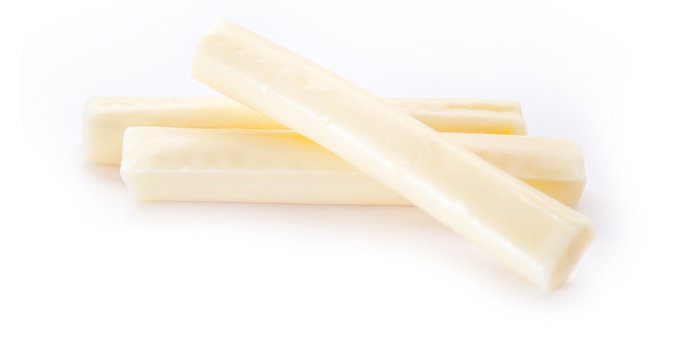
Carb count: 3 grams per ounce
It can be a challenge to find packaged snacks that deliver respectable amounts of protein without an overload of the refined carbohydrates that can blow up your physique. One great exception: jerky. Still, be careful to select options where the chewy meat such as beef or turkey is not bathed in sweeteners.
Carb count: 4 grams per ounce
Not only can walnuts help you snack your way through a low-carb diet, but their lofty level of mega-healthy omega-3 fatty acids is another good reason to go nuts for them. When purchasing nuts, opt for salt-free to keep your sodium intake in check.Walnuts also supply copper, a mineral required for proper energy production in the body.
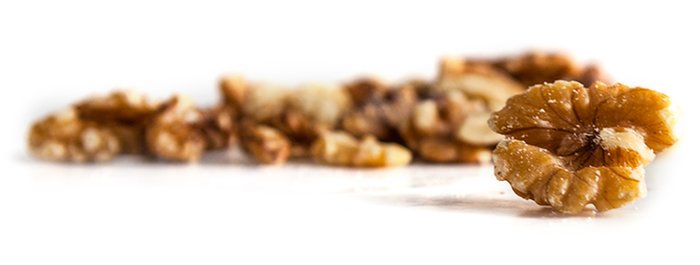
Carb count: 8-12 grams per ounce
Kale transforms into an addictively crunchy snack when crisped in the oven, and still gives you tons of vitamins C, K, and A. You can make them yourself, or find them premade in health food
Other Low-Carb Snacks
Carb count: 6 grams per 1/4 cup
Made from finely ground almonds, paleo-approved almond flour can help turn your pancakes or other baked goods into much more suitable fare for your six-pack. Beyond helping you slash the carbs, almond flour also has higher amounts of protein, heart-friendly monounsaturated fat, and the supercharged antioxidant vitamin E than grain-based flours do.
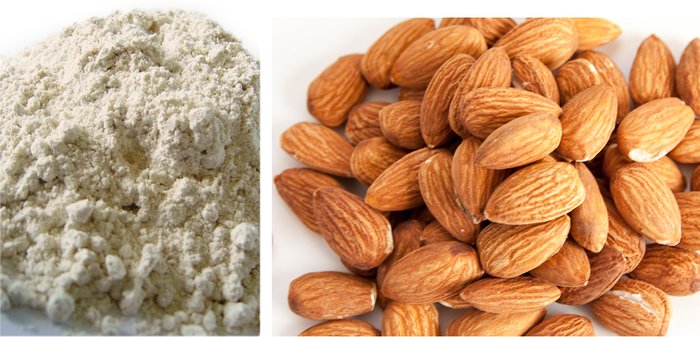
Carb count: 0 grams per 3 ounce
These translucent noodles are made from the powdered root of the Asian konjac yam plant and consist mostly of an indigestible fiber called glucomannan, giving each bowlful a zero net carb cost. Shirataki noodles have a mild taste on their own, but they soak up the flavors of accompanying sauces and spices very well. To use, drain and rinse well, then give the noodles a quick boil.
Carb count: 23 grams per 1/2 cup
Grains are never going to be the lowest-carbohydrate option at the grocer, but South American amaranth contains less than others. Like quinoa, amaranth is a source of essential amino acids. Amaranth becomes viscous once cooked in water, as it releases its starch. Swap it for oats for breakfast. This gluten-free grain supplies significant amounts of manganese, a mineral required for proper metabolism.
Other Low-Carb Grains/flour
Carb count: 0 grams per cup
While sweetened bottled tea is a sugar bomb, straight-up tea is a thirst-quencher that won’t cause you to lose the battle of the bulge. If you choose green tea, you’ll take in the antioxidants that researchers at Pennsylvania State University found can rev up your fat-burning metabolism when paired with an exercise program.[11]

Carb count: 2 grams per cup
If you’re looking for a moo-free option to add to your protein shakes or cereal, this nut-based drink is a good choice that won’t come close to breaking the carb bank. Just be sure to select cartons labelled “unsweetened” to sidestep the added sugars pumped into many non-dairy beverages.
Carb count: 3 grams per cup
Think of maple water—the clear liquid from the maple tree before it’s boiled down into syrup—as the North American answer to coconut water, but with half the amount of sugar. Each sip has a subtle taste of the same flavor that you pour on your almond flour flapjacks. Maple water is naturally rich in manganese to help promote better bone health.
Carb count: 10 grams per cup
The first rule of low carb is you do not drink fruit juice. But tomato juice is way lower in carbs and sugar than other juices, and high in nutrients: In a study published in Nutrition Journal, athletes who sipped antioxidant-rich tomato juice had less post-exercise inflammation than those who didn’t, which could speed-up recovery.[12] Look for low sodium versions to beat the bloat.
Other Low-Carb Drinks
Always check with your doctor on diet changes who should know your medical history better than anyone if you tell them all about you medical problems and if they are treating them!
“The idea behind the low-carb diet is that decreasing carbs lowers insulin levels, which causes the body to burn stored fat for energy and ultimately leads to weight loss.”
MAYO CLINIC
You should base your diet on these real, unprocessed, low-carb foods.
If you need to lose weight, be careful with the cheese and nuts because they’re easy to overeat on. Don’t eat more than one piece of fruit per day.
The only drawback of low-carb is that it means rethinking the whole way you eat. No more (or not much) oatmeal, sub sandwiches, or taco Tuesdays. Luckily, there are all kinds of flavor-packed, low-carb foods out there. Even if you don’t want to count macros, sticking primarily to foods from these lists will automatically keep your carb count low.
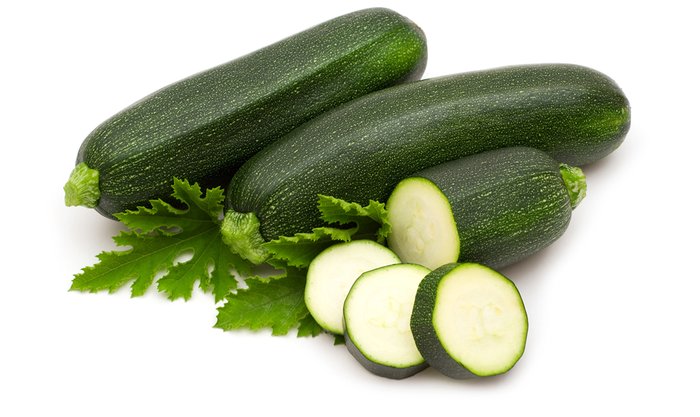
Carb count: 7 grams per 1 medium squash
Juicy zucchini can stand in for a number of high-carb foods. Sub zucchini noodles for pasta, grate it to use as hash browns, or just chop it and sauté it for a quick side.
Carb count: 5 grams per cup
Dubbed the “skinny starch” thanks to its unique texture, cauliflower can be used as a lower-carb alternative for mashed potatoes, mac and cheese, creamy soups, and even pizza crust. Or pulverize a whole raw head in a food processor and use as a substitute for couscous or rice.
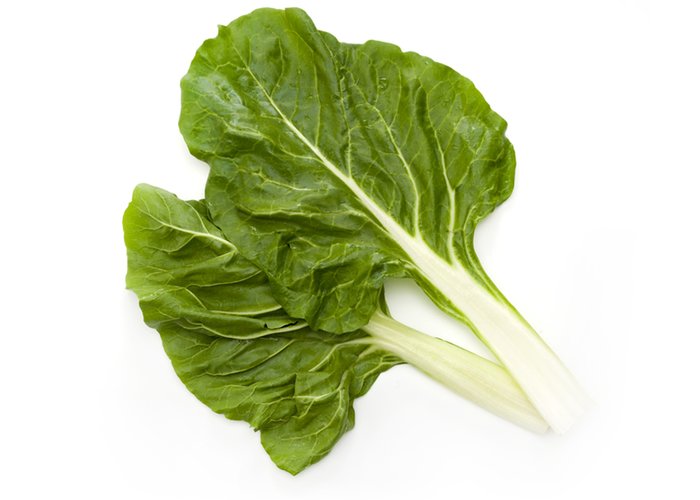
Carb count: 1 gram per cup
Nutrient-dense dark, leafy greens should always be a low-carb addition to your grocery cart, and Swiss chard is no exception. You can steam or sauté the leaves, or use whole, uncooked leaves as an alternative to tortillas when making tacos and wraps.
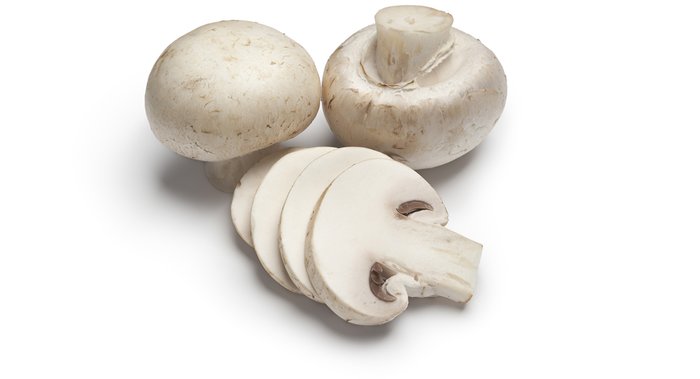
Carb count: 2 grams per cup
From white to cremini to more exotic varieties, these edible fungi are low in carbs but rich in great umami flavor. Large and meaty Portobello mushroom caps can be used as an alternative to hamburger buns, or as a replacement for gut-busting pizza crust when layered with all your favorite toppings.
Carb count: 1 gram per stalk
Satisfy your craving for crunch with celery, which has next to no carbs or calories since it’s about 95 percent water. Slather it with almond butter for a shot of healthy fat and fiber.
Nutrition Bonus: Like chard, celery is high in vitamin K.
Carb count: 6 grams per cup
With better flavor than the bland larger tomatoes sold at the supermarket, cherry tomatoes are a convenient way to bolster the nutritional firepower of your diet without any serious carbohydrate backlash. (And yes, tomatoes are technically a fruit, but since they go great in a salad, we give them a pass.)
Pop them in your mouth for a sweet snack, or toss with oil and roast at 400 degrees until they become tender little flavor bombs.
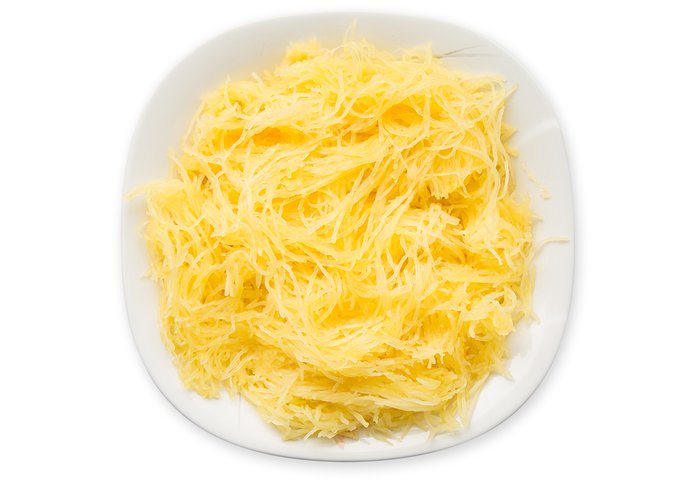
Carb count: 7 grams per cup
Spaghetti squash earns its name. Once cooked, the flesh of the squash pulls apart into slightly nutty-tasting, noodle-like strands, minus the carbohydrate deluge. Top with your favorite protein-rich meat sauce. Unlike spaghetti, this gourd delivers notable amounts of vitamin C, a nutrient shown to help reduce muscle soreness and oxidative damage following intense exercise.[2]
Other Low-Carb Veggies
Carb count: 8 grams per 2 fruits
While fruits do contain some natural sugars, many are still relatively low in carbs, especially compared to starchy packaged snacks. Apricots only have 4 grams of carbs apiece, and are great as a snack or added to yogurt, salad, or meats like pork and chicken. Plus, orange fruits like apricots are high in beta-carotene, which is good for your brain. [3]
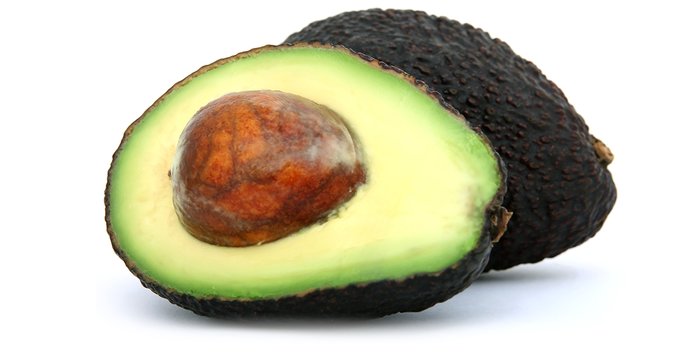
Carb count: 8 grams per 1/2 avocado
Unlike most of its counterparts in the fruit world—yes, it’s a fruit—avocado is virtually free of sugar. In fact, 75 percent of its carbs come from nondigestible fiber. Avocados are also full of heart-healthy monounsaturated fat.
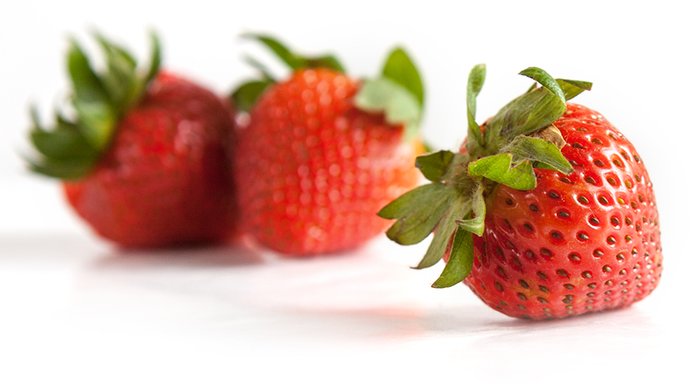
Carb count: 11 grams per cup
Among berries, strawberries contain the least sugar, making them a great option to satisfy a sweet tooth. If you’re concerned about possible pesticide exposure, opt for strawberries labelled “organic.” Strawberries are a stellar source of vitamin C, which may help regular gym-goers avoid coming down with the sniffles.[4]
Carb count: 9 grams per 1/2 fruit
Time to pucker up to this lower-carbohydrate fruit option, which supplies about 20 percent less sugar than that found in an orange. Just don’t try to tame its sour power by coating it in sugar. You can count on grapefruit for a dose of immune-boosting vitamin C.
Other Low-Carb Fruits
“This year alone, more than 252,700 new cases of breast cancer will be diagnosed in the U.S. Breast cancer is the second leading cause of cancer death among women. Although breast cancer in men is rare, an estimated 2,470 men will be diagnosed with breast cancer and approximately 460 will die each year.”
National Breast Cancer Foundation Inc
“The type of tissue where your breast cancer arises determines how the cancer behaves and what treatments are most effective.”
The American Cancer Society
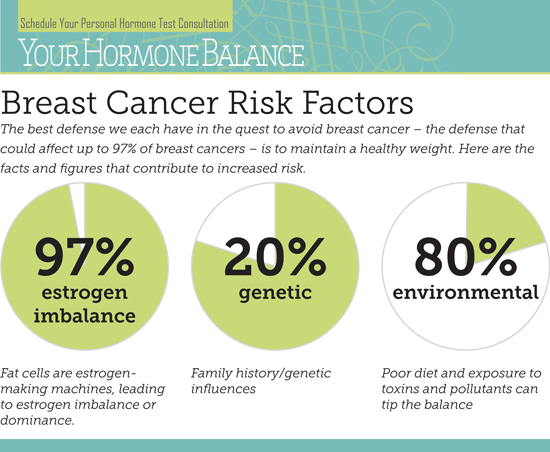
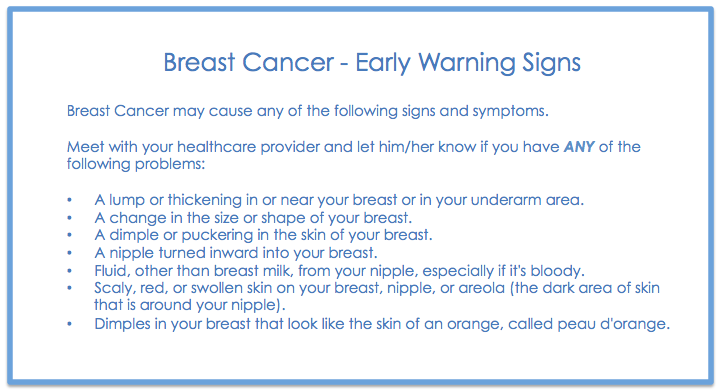
Breast Cancer “The seven warning signs of cancer”, risk factors regarding cancer, why the USA is the highest in breast cancer and how to decrease breast cancer in and out of America.
Cancer seems like a thunder bolt that it all of a sudden hits us from nowhere, like what happened to my Dad that was in 1999. Than the hit from nowhere makes the patient and significant others suddenly crippled and not prepared for this diagnosis (facing it with little knowledge). No wonder why cancer fears society. To top that alone it is costly, debilitating, depressing, and even fatal, like in my father’s case.
Early detection can vastly improve survival figures, that is not just pertaining to breast cancers but to most diseases period. Delaying to seek advice when changes are recognized is a big NO NO.
Let’s include in this article the seven warning signs of cancer:
*A sore that does not heal ———————————————————————————————-
*Unusual bleeding or discharge—————————————————————————————
*Obvious change in a wart or mole———————————————————————————–
*Change in bowel or bladder habits———————————————————————————-
*Persistent cough or hoarseness————————————————————————————–
*Thickening or lump in the breast or anywhere else in the body———————————————–
*Persistent indigestion or difficulty swallowing——————————————————————-
Instead of getting it wouldn’t you rather PREVENT it period. Remember our disease killers in the USA. Our #1 killer is cardiovascular our #2 killer is cancer in America!
**Here are some general risk factors for cancer & try to prevent having them in your lives or abusing them (moderation – the key to many things that are not used that way in US). Abuse of anything results in disaster.
1.) Smoking (stop period) including chewing tobacco and dipping snuff.
2.) Diets high in fat or low in fiber. Obesity as well is a risk factor for cancer, odds are high that the diet was high in fat even causing the obesity in the first place.
3.) Age is over 50 or too much unresolved stress in your life.
4.) Abuse of alcoholism or inadequate amount of vitamins or minerals in your diet. Exposure to environmental or occupational cancer causing substances (air, water, radiation, disaster like 9/11, or even food).
5.) Too much radiation from various sources (ex. Sun bathing to close to radiation treatments someone is receiving on a oncology unit, simply Sun overexposure).
6.) Fair complexion (pale) or even family history of cancers in the family (highest risk is within the nuclear family having a mother or father or sibling with cancer).
**Most cancers with heredity in the nuclear family including a bad life style puts that individual at higher probability of inheriting or getting that cancer.**
The American Cancer Society had presented shocking facts that 83% of lung cancer patients in America are caused by smoking (a complete preventable measure). Furthermore they present 30% of cancer deaths in America are due to smoking.
We the people of America can control many factors in our diet and exercise to control diseases period we have want to make the move and if we did disease decrease in time would be outstanding. In the end it would make our economy better with our insurance overall. Ending line. this means less disease, less expense, and meaning better coverage (less out of our pockets financially). For this to even get started we the people in the USA have to be willing to alter diets and exercise to a healthy pattern not a junk food frequently diet or sedentary lifestyle. Help make America a better country for all citizens of all ages. Our government surely hasn’t helped us in prevention tactics to lower statistics in showing less breast cancer significantly.
Looking over the past 35 years data shows very little evidence even with intense efforts and billions of dollars made by our government trying to aim at attempting to improve the treatment of cancer yet has had much overall effect on the most fundamental measure of clinical outcome…death. Cancer as a whole overall has slowly but surely lost ground in the battles and we don’t want to lose the war. This is shown by the rise in age-adjusted mortality rates in the entire population.
We do have many improvements with cancer treatment going from diagnostic tooling advancement with even drugs and drugs combined, a multitude of radiation methods and advanced surgical techniques. However, with all this due to increased cancer research, the government has yet to push the most important ingredient for cancer prevention. For every 3 dollars spent on cancer research, only one dollar goes spent in the area of prevention. When your government representa- tive speaks of further cancer research you may want to find out is it for prevention or treatment. My vote is prevention before getting diagnosed with it. That is like the government waiting for a bomb to land on the USA before taking measures to prevent it. Why wait for the disaster when it can be prevented completely and no mess to deal with. Makes sense? Sure does to me and many.
Take a completely different country in eating alone. Let us look at Japan and their women. They eat a completely different diet than women in the USA. Japanese women have ¼ the amount of breast cancer than American women; is this mainly genetics? When Japanese women move to the great USA they assume our diets and get the same death rates from breast cancer that American women get when diagnosed with it. My eyes see diet in America (fast food=JUNK). Moderation if not completely banded out of your diet = fast food. Americans who eat junk food on a regular basis are looking at abusing fast food as oppose to a treating themselves to junk food now and than (this is what we call moderation).
Moderation with anything legal and not abusive to your body (ex. Alcohol or prescribed drugs) is someone with will power. That is what is takes to prevent breast cancer and many other diseases which includes a healthy diet, some regular exercising, keeping your weight ideal to your body mass index, and having the yearly physicals or addressing new symptoms by going to your doctor to have him or she evaluate what it is with the treatment for it. Obese and can’t lose the weight on your own get a MD consult to see what surgery or other options you have to decrease weight.
FIGHT BREAST CANCER AND EVEN DISEASE OVERALL BY PREVENTION!!!!
“You can reduce your risk of cancer by making healthy choices like eating right, staying active and not smoking. It’s also important to follow recommended screening guidelines, which can help detect certain cancers early.”
American Cancer Society