QUOTE FOR THURSDAY:

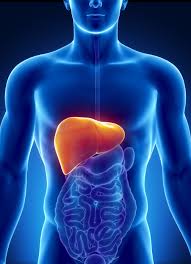
“Your liver performs more than 500 important functions, from filtering blood and processing nutrients to fighting infections. It creates bile and important proteins your body needs. You can’t live without a liver: If your liver fails, you’ll need an organ transplant to survive.

Your liver is the largest internal organ in your body and one of the only organs that can regenerate itself. The liver plays a crucial role in filtering blood, storing energy and producing bile for digestion.

Unfortunately, hundreds of diseases and conditions can damage your liver so it can’t work. Some of these can be life-threatening. Hepatologists, medical specialists who diagnose and treat liver disease, can treat and sometimes cure these diseases. And there are many things that you can do to keep your liver well and working as it should.

Your liver’s biggest job is filtering harmful substances and waste from your blood. Every day, your liver filters more than 250 gallons of blood. If that wasn’t enough, and among many other duties, your liver also:

  • Makes cholesterol that your body uses in different ways
  • Helps produce certain hormones, protects your cells and is a key ingredient in bile production
  • Makes proteins — like clotting factors that manage bleeding and albumin, which manages fluid pressure in your bloodstream
  • Helps keep your blood glucose levels steady by storing glycogen (glucose) and releasing it into your bloodstream to keep your blood sugar levels on an even keel
  • Breaks down toxins and germs so they safely leave your body in your pee and poop
  • Works by breaking down fats in your blood to produce energy, and if there are too many, they may get stored as extra fat.”

Cleveland Clinic (Liver: Where It’s Located, Function & Anatomy)

Understanding the Liver’s Function with the impact of liver diseases to this organ!

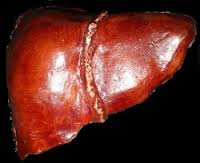
Liver Disease 2healthy liver 2  healthy liver

Liver disease is also referred to Hepatic Disease. Liver Disease is a term that is used when there is any disturbance of the liver function that causes illness. It is a broad term to describe when more than 75% or three quarters of liver tissue needed is affected and decreased function in the liver occurs. The number one cause of liver disease is alcohol abuse in North America. They can cause liver inflammation, referred to as alcoholic hepatitis. Other causes include Cirrhosis, Cholestasis, Steatosis, Hepatitis, Viruses, Non-Alcoholic Fatty Liver, Hemachromatosis, Wilson’s Disease and Gilbert’s Disease.

Causes: Cirrhosis

Cirrhosis is when the liver cells are replaced by permanent scar tissue as a result of chronic liver disease. It is considered the late-stage of liver disease. Cirrhosis is common among chronic alcohol abuse users where the fat accumulation occurs in the liver cells and causes scar tissue. Cholestasis is when the bile flow is obstructed from the gallbladder or duodenum. Steatosis is the term used when cholesterol and triglycerides accumulate in the liver.

Causes: Hepatitis

Hepatitis is a term used to describe the inflammation on liver cells. They can become inflamed due to infection.

There are many forms of Hepatitis:

Hepatitis A (Hep A) is a viral infection primarily spread through the fecal-oral route when small amounts of infected fecal matter are ingested. An acute inflammation of the liver occurs but there is a way to prevent this type of infection. There is a vaccine available and the best way to help prevent it is by a good hand washing.

Hepatitis B (Hep B) is spread by exposure to body fluids and can cause an acute infection. If left untreated, it can progress into a chronic inflammation and on into cirrhosis. There is also a vaccine for this form of hepatitis. Typically, the vaccine contains both Hep A and B in a combination series of doses.

Hepatitis C (Hep C) is caused by a virus different from Hep A or Hep B. It can either be “acute” or “chronic” and is primarily spread through contact with the blood of an infected person. The most common way is by sharing needles or other equipment to inject drugs. Before 1992, Hepatitis C was also commonly spread through blood transfusions and organ transplants which led to the start of a widespread screening of blood supplies. Another way it can be transmitted is through being born to a mother who has it. There are less common ways to contract Hepatitis C, and that’s through sharing personal care items that may have come into contact with another person’s blood (razors, toothbrushes), or having unprotected sex with a infected person. Some people are at an increased risk for Hepatitis C. Those individuals include: Children born to mothers infected with this Hep C; current injection drug users (most common way Hepatitis C is spread in the US), past injection drug users, recipients of donated blood (blood products and organs), hemodialysis patients who spent many years on dialysis for kidney failure, people who received body piercings or tattoos done with non-sterile instruments, & people with known exposure to Hepatitis C like Health care workers or recipients of blood or organs from a donor who tested positive.

Hepatitis D (Hep D) is known as “delta hepatitis” can also be “acute” or “chronic” but is uncommon in the United States. It requires the Hepatitis B virus to survive. It is transmitted through sexual contact with infected blood or blood products. There is also no vaccine available for this virus. Hepatitis E (Hep E) is caused by Ribonucleic Acid (RNA) virus. It is transmitted mainly through the fecal-oral route due to fecal contaminated drinking water.

Causes: NAFLD

Non-alcoholic fatty liver disease (NAFLD) is the build up of extra fat in liver cells that is not caused by alcohol. It is normal for the liver to contain some fat. liver’s weight is fat, then it NAFLD tends to develop in people who are overweight or obese or have diabetes, high cholesterol or high triglycerides. Rapid weight loss and poor eating habits also may lead to NAFLD. However, some people develop NAFLD even if they do not have any risk factors. NAFLD affects up to 25% of people in the United States. However, if more than 5% up to 10% of the liver’s weight is fat then the liver is called a fatty liver called steatosis.  Non-Alcoholic Fatty Liver (NAFL) describes the accumulation of fat within the liver that can cause an inflammation and a gradual decrease in function.

 Those at risk for NAFLD? NAFLD tends to develop in people who are overweight or obese or have diabetes, high cholesterol or high triglycerides. Rapid weight loss and poor eating habits also may lead to NAFLD. However, some people develop NAFLD even if they do not have any risk factors. NAFLD affects up to 25% of people in the United States.

RISKS NAFLD may cause the liver to swell (steatohepatitis). A swollen liver may cause scarring (cirrhosis) over time and may even lead to liver cancer or liver failure.

SYMPTOMS NAFLD often has no symptoms. When symptoms occur, they may include fatigue, weakness, weight loss, loss of appetite, nausea, abdominal pain, spider-like blood vessels, yellowing of the skin and eyes (jaundice), itching, fluid build up and swelling of the legs (edema) and abdomen (ascites), and mental confusion.

DIAGNOSIS NAFLD is initially suspected if blood tests show high levels of liver enzymes. However, other liver diseases are first ruled out through additional tests. Often, an ultrasound is used to confirm the NAFLD diagnosis.

QUOTE FOR WEDNESDAY:

“The liver is an organ that sits just under the rib cage on the right side of the abdomen. It can weigh up to 4 pounds (1.8 kilograms). The liver is needed to help digest food, rid the body of waste products and make substances, called clotting factors, that keep the blood flowing well, among other tasks.

Liver disease can be passed through families, called inherited. Anything that damages the liver also can cause liver problems, including viruses, alcohol use and obesity.

Over time, conditions that damage the liver can lead to scarring, called cirrhosis. Cirrhosis can lead to liver failure, a life-threatening condition. But early treatment may give the liver time to heal.”

MAYO CLINIC (Liver problems – Symptoms and causes – Mayo Clinic)

Why the liver is so vital to our human body!

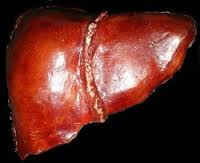
healthy liver

The liver is like our transmission to the human body—it cleans out end products of what enters our body keeping the essentials we need inside. This is what this organ does for us:

Your liver is your very own chemical processing plant. It receives 30% of the blood circulating in your system every minute – performing chemical reactions to remove harmful toxins and distribute and store essential nutrients. This vital process is called ‘metabolism’ and cells in the liver, known as hepatocytes, are put to work to keep your body working at its best. Essentially, your liver loves and cares for you.

Once carbs have been broken down into glucose in your gastrointestinal tract, the glucose enters the blood stream and is taken straight to your liver to regulate and maintain healthy levels. Your liver also stores excess glucose in the form of glycogen (inactive glucose) and the liver will fill up with this glycogenl (like a gas tank). When the tank of the liver gets full the excess of the sugar floating in your bloodstream is used by our tissues that need it right than.  The sugar that couldn’t go in the liver is extra glucose that now needs a place to store (if the liver is full) than it gets dumped in our fat tissue next. This is how we get obese. This is the logic of eating small meals not 3 large meals a day. The small meals are utilized mostly where there is no extra floating glucose that needs to be stored anywhere like in our case the fatty tissue. The average American doesn’t realize this with knowing that glycogen (inactive glucose) when needed by our body is ready for converting back into glucose when levels drop between meals which usually occurs during exercise or when you’re fasting; which most of us in America don’t do by overall population. For our liver to do these processes of breakdown of our foods (including medications), to convert active glucose to inactive glucose (glycogen), store glycogen in the liver and to do much more the liver has to be working meaning healthy.

And here’s the really clever thing. Your liver can also convert non-sugars, such as amino acids, into glucose to keep levels healthy. It does some pretty impressive things with fats too.

Every time you eat either through food or protein fluid drinks in place of your food, your liver feeds you. Once food is digested, nutrients enters the blood from the stomach after digestion in that organ takes place including the small intestines, which are taken straight to your liver for processing. Depending on how low or plentiful these nutrients are in your body, the liver cells will either release the goodness of these processed broken down nutrient end products to where it’s needed (regarding our tissues of the body) or store they will be stored away for when your body tissues needs a boost later.

And here’s the really clever thing. Your liver can also convert non-sugars, such as amino acids, into glucose to keep levels healthy. It does some pretty impressive things with fats too.

Your liver is your fat processing factory – it breaks down fat and compounds such as lipoproteins, cholesterol and phospholipids. If fat is in excess, the liver combines fatty acids and glycerol to form a storage molecule and transports it to your body’s storage depots, such as the subcutaneous tissue (tissue just under the skin). Then, at times when energy levels are low, between meals and during exercise, this stored fat is converted back into glycerol and the liver turns the remaining fatty acids into an alternative energy supply. To aid absorption of fat and fat-soluble vitamins and flush out unwanted substances from your body, your liver produces bile. It stores the bile in your gall bladder, where it can be emptied into your intestines when needed.

Proteins are also vital for a healthy body, and your liver takes charge of these too. Once proteins are broken down into amino acids in your intestines, they enter the blood stream and flow direct to the liver. Here, the liver cells (hepatocytes) go to work on removing nitrogen from the proteins which rapidly changes into ammonia – a highly toxic substance. Your liver then acts fast to convert this into urea to be excreted into the urine and eliminated from your body. With excess amino acids, your liver converts them into fat for storage or, if your body needs an energy boost, it will use them to create glucose.

Ending line the liver breaks down our Calories & CHOs, Fats, and Proteins that enter our body.

Our liver watches out for us. When harmful toxins and substances enter your blood stream, your liver acts fast to detoxify and destroy them. Some may simply be a by-product of a normal metabolism, others may be ingested or inhaled substances such as drugs and alcohol. Filtering the blood, your liver removes dead cells and invading bacteria, processes nitrogen and cholesterol and neutralises harmful hormones.

The problem comes when the body liver can’t do this function anymore, meaning it can’t break down or do the processing of out nutrients we eat causing toxins to build up in our body. Soon this break down of the liver with no reversal or without treatment will go into liver failure. Liver failure can put a big hold up in your life but if you can reverse it your smart since you addressed the problem in getting cared for by a doctor. You can even be better than this in being healthy to your body which is you taking PREVENTION in allowing yourself never to deal with this headache.

Liver failure or hepatic insufficiency is the inability of the liver to perform its normal synthetic and metabolic function as part of normal physiology. Two forms are recognized, acute and chronic.

Acute liver failure defined as “the rapid development of hepatocellular dysfunction, specifically coagulopathy and mental status changes (encephalopathy) in a patient without known prior liver disease.”.

Chronic liver failure usually occurs in the context of cirrhosis, itself potentially the result of many possible causes, such as excessive alcohol intake, hepatitis B or C, autoimmune, hereditary and metabolic causes (such as iron or copper overload, Steatohepatitis or non-alcoholic fatty liver disease).

CHRONIC can be prevented. How important is your health?

QUOTE FOR TUESDAY:

“Dialysis is a procedure that can help patients with end stage renal disease to increase quantity and quality of life. However, there are several inherent risks associated with dialysis, which are more profound in patients at risk of complications, such as the elderly or those with other concurrent health conditions.

Typically, the kidneys are responsible for the removal of surplus fluid and for turning excess products into urine, which is then excreted. However, in those with impairments in kidney function, dialysis is often required. Dialysis is a medical procedure that assists in the functions usually carried out by the kidneys in those with poorly functioning kidneys, such as people with renal disease.

Without dialysis, those with kidney issues may experience a toxic build-up of fluid and waste bi-products that can have serious health implications, including death.  Therefore, dialysis enables such individuals to have an improved quality of life.”

News Medical Life Sciences (Benefits and Disadvantages of Dialysis)

Pros and Cons to Hemodialysis and Peritoneal Dialysis.


PERITONEAL DIALYSIS    VS      HEMODIALYSIS

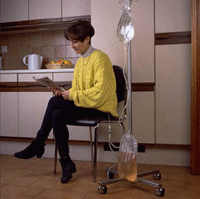
There is not always a simple easy answer for a patient that has chronic renal disease regarding which choice or option of dialysis that is best for him or her ; so let’s investigate the options & know you can always change the choice of dialysis you initially go on.  But remember you are going from a tube placed in your circulatory system to a tube now in your abdomen or visa versa (depending on what your first choice of dialysis was) and that both tubes take time to be ideally ready and final for dialysis after inserted.  So definitely take consideration in your choice both for your body and time it takes to allow the tube (especially in hemodialysis) in getting at its optimal level or state in being used:

  Advantages Limitations
Peritoneal Dialysis ·Flexible lifestyle and independence.

-Time commitment: usually less than 10 hrs per week

-Time allotment: as per patient convenience

-No needles

-Simple techniques: easy learning

-Continuous therapy: minimal fluctuation of symptoms

-Once a month clinic, so no need to travel repeatedly

-Easy personal travel, pack bags and go

-Can use APD: connect at night and go to sleep

Limitations are you need to weave this into lifestyle

-Abdominal catheter

-Does have passive sugar intake, so need to watch for weight gain

-Needs storage space of around half a closet (supplies)

Home Hemodialysis -Flexible lifestyle and independence

-Time commitment: based on therapy ~ 22 hours a week

-Time allotment: at patient convenience

-5-6 times a week so less symptomatic fluctuations

-Much higher freedom in dietary and fluid intake

-May eliminate the need for BP and some of the other medications

-Easy to travel with, pack and go..

-Needs a caregiver at least for the duration of dialysis 5-6 times a week

-Higher commitment compared to hemodialysis

-Need to weave into lifestyle

-Needs storage space of around half a closet

-Does need AVF creation and needle access

In Center Hemodialysis -Dialysis done at clinic by dialysis technicians and nurses  

-Rigid schedule, limited flexibility

-Time commitment: ~20 hours a week

-Time allotment: no flexibility, as per dialysis unit

-Need prior authorization and arrangement for travel

-Cannot travel to region not having dialysis clinic

-Significant fluctuation of symptoms

-Does need AVF creation and needle access

-Need transportation arrangements


More than 1/2 a million patients in USA suffer from stage V CKD commonly referred to as Renal Failure (or End Stage Renal Disease (ESRD)) with nearly similar number of patients suffering with the pre-dialysis, stage IV CKD. The management of ESRD involves either replacement of the lost kidney function through the kidney transplantation, or clearing body of the accumulating toxins through maintenance dialysis. Unfortunately, kidney transplantation is not a viable option for a majority of ESRD patients due to a limited availability of donor organs, further compounded by the fact that many of the dialysis patients are medically unsuitable for transplantation. Thus, maintenance dialysis forms mainstay of the treatment for this large majority of the ESRD patients.

  1.  Peritoneal Dialysis (PD): This has been argued as one of the simplest form of dialysis with limited life style interruptions and high degree of freedom. In this form of dialysis a synthetic tube is placed in the abdominal cavity which then allows dialysis by exchange of dialysis fluid at regular intervals. It can be tailored to individual needs so that the patient can perform this at night while asleep with the help of a small machine called “Cycler” or during daytime by performing around four manual exchanges, each lasting around 15-30 minutes. Because of its simplicity, PD is many times a chosen modality for persons with busy lifestyle, active family responsibilities and significant time constraints.
  2. Home Hemodialysis (HHD): Advances in dialysis technologies in recent times has highly simplified the above-mentioned form of hemodialysis allowing it to be performed in the comforts of patients’ home. Development of smaller dialysis machine that can be placed on a nightstand; and simpler blood tubing and dialyzer connections, has resulted in increasing number of patients choosing this modality of dialysis to preserve their independence and high functional status. Though the typical duration for individual patient varies, these form of dialysis can be tailored for an individual’s needs with 5-6 times a week frequency for dialysis with each individual session duration ranging from 3-6 hours. The shorter versions called short daily hemodialysis (SDHD) whereas the longer versions are typically performed at night and thus called nocturnal hemodialysis (NHD). The typical home hemodialysis allows a much higher clearance compared to other forms of dialysis and thus gives greater freedom in terms of dietary restriction and life style choice.
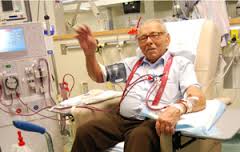
  3. In Center Hemodialysis (HD): Where blood is taken out of the body through a complex set of tubes, run through a filter called dialyzer, cleaned off various impurities, and returned back to the patient. During its passage through the filter, the blood comes in contact with dialysate, which mirrors the body fluid except for the presence of impurities.  This is conventionally performed in dialysis centers across various medical and commercial facilities and typically involves patients receiving dialysis three times a week (either on Monday, Wednesday and Friday OR Tuesday, Thursday and Saturday) with four hour session each time. This is a relatively complex form of dialysis with rigid treatment structure and limited flexibility in terms of patients’ time, mobility and transportation. Additionally, this involves creation and maintenance of vascular access such as dialysis catheter or creation of AV fistula or graft, in either arm or groin to access high flows of blood needed to perform dialysis.

It is uniformly agreed that no single type of dialysis (home Vs In-center dialysis, or Hemo Vs peritoneal dialysis) is superior to others in terms of hard clinical endpoints e.g. mortality or cardiovascular deaths.  However, home dialysis modalities (both PD and HHD) provide significant advantages in multiple outcome parameters important to the management of patients with ESRD namely quality of life, freedom of travel, greater liberty from dietary restrictions, preservation of residual kidney function etc.

Historically, analyses of various patient cohorts in US have consistently revealed that; a privileged patient cohort more frequently chooses a home dialysis. This in many circumstances have been reflected by higher use of peritoneal dialysis in patients that are Caucasians, patients with higher education, patient under the care of nephrologists during the pre-ESRD period, patients receiving pre-dialysis education etc. In fact, nearly half of the patients when provided with a comprehensive pre-dialysis education (CPE) opt for home dialysis. Additionally both individual kidney physician surveys and recommendations of various professional medical societies now recommend a higher utilization of home dialysis. Despite these, only a minority of ESRD patients in US are on Home dialysis modalities. Lack of patient awareness due to lack of pre-dialysis education and scarcity of medical experts performing the home dialysis therapies are the two principle reasons for this underutilization of Home dialysis therapies.

Considering these facts, University of Florida and DCI have established a specialized clinic and education set up where a comprehensive pre-dialysis education (CPE) will be provided to the patients with stage IV (pre-dialysis) CKD along with their multispecialty care for various ailments of CKD. This clinic will put a special emphasis on the comprehensive care of CKD patients with special attention towards their dietary needs, their social and pharmacological concerns and their awareness and needs for decision making for their eventual dialysis or transplant therapies.

In conclusion of renal failure and if you are chronic, it’s not always easy to decide which type of treatment is best for you. Your decision depends on your medical condition, lifestyle, and personal likes and dislikes.

**Discuss the pros and cons of each with your health care team. If you start one form of treatment and decide you’d like to try another, talk it over with your doctor. The key is to learn as much as you can about your choices. With that knowledge, you and your doctor will choose a treatment that suits you best.**

I hope this article help you in some small way or more in dealing with your chronic renal failure.  Know your not alone and have many sites and places in giving you direction and support!

  Always do a Comparison of dialysis methods :  Hemodialysis and Peritoneal dialysis:    
What is usually involved            HEMODIALYSIS

  • Before hemodialysis treatments can begin, your doctor will need to create a site where blood can flow in and out of your body.
  • Hemodialysis uses a man-made membrane called a dialyzer to clean your blood. You are connected to the dialyzer by tubes attached to your blood vessels.
  • You will probably go to a hospital or dialysis center on a fairly set schedule. Hemodialysis usually is done 3 days a week and takes 3 to 5 hours a day.
  • You may be able to do dialysis at home. Home hemodialysis requires training for you and at least one other person. Your home may need some changes so that the equipment will work. You may have choices in how often and how long you can have dialysis, such as every day for shorter periods, long nighttime dialysis, or several times a week for 3 to 5 hours a day.
         PERITONEAL DIALYSIS

  • Your will have a catheter placed in your belly (dialysis access) before you begin dialysis.
  • Peritoneal dialysis uses the lining of your belly, which is called the peritoneal membrane, to filter your blood.
  • The process of doing peritoneal dialysis is called an exchange. You will usually complete 4 to 6 exchanges every day.
  • You will be taught how to do your treatment at home, on your own schedule.
Advantages
  • It is most often done by trained health professionals who can watch for any problems.
  • It allows you to be in contact with other people having dialysis, which may give you emotional support.
  • You don’t have to do it yourself, as you do with peritoneal dialysis.
  • You do it for a shorter amount of time and on fewer days each week than peritoneal dialysis.
  • Home hemodialysis can give you more flexibility in when, where, and how long you have dialysis.
  • It gives you more freedom than hemodialysis. It can be done at home or in any clean place. You can do it when you travel. You may be able to do it while you sleep. You can do it by yourself.
  • It doesn’t require as many food and fluid restrictions as hemodialysis.
  • It doesn’t use needles.
Disadvantages
  • It causes you to feel tired on the day of the treatments.
  • It can cause problems such as low blood pressure and blood clots in the dialysis access.
  • It increases your risk of bloodstream infections.
  • Home hemodialysis may require changes to your home. You and a friend will need to complete training.
  • The procedure may be hard for some people to do.
  • It increases your risk for an infection of the lining of the belly, called peritonitis

QUOTE FOR MONDAY:

Breast cancer is the most common cancer among women. So, you may be wondering how to avoid breast cancer.

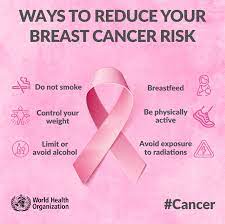
While there is no guaranteed way to prevent breast cancer, there are ways to reduce your risk.

As a breast medical oncologist, my top advice is to practice breast awareness, follow screening guidelines and tell your doctor if you have a family history of cancer.

Unmodified Risk Factors (factors we can’t control):

Sex Male or Female – Breast cancer is more common in women, although men can also get breast cancer.  At the time of diagnosis, the average age for a male breast cancer patient is 67, versus age 62 for females. The five-year survival rate for male breast cancer is slightly lower than for female breast cancer. In addition, male breast cancer is typically more advanced when it is diagnosed.

Age – Breast cancer usually develops after menopause for women.

Family History – On average, men are usually diagnosed with breast cancer between ages 60 and 70, according to the National Cancer Institute.

Breast cancer runs in families. You may be at a higher risk of breast cancer if you have a first- or second-degree blood relative who has or had breast cancer. A first-degree relative is a parent, sibling or child. A second-degree relative is a grandparent, aunt, uncle, niece, nephew or half-sibling.

Men with a parent, sibling or child with breast cancer have double the risk of breast cancer.

Gene Mutations are abnormal changes in genes. These mutations can be hereditary, which means they are passed down in families.

Race – White women are slightly more likely to develop breast cancer than Black, Hispanic, and Asian women. But Black women are more likely to develop more aggressive, more advanced-stage breast cancer that is diagnosed at a young age.

Breast cancer screening methods depend on your age and risk for breast cancer.  Women at average risk for breast cancer should receive a clinical breast exam every one to three years between ages 25 and 39.  Starting at age 40, women should receive an annual mammogram in addition to their yearly clinical breast exam.”

The University of Texas / MD Anderson Cancer Center

(How to reduce your breast cancer risk | MD Anderson Cancer Center)


Part IV Breast Cancer Ways to reduce breast cancer that you can PREVENT IT & how ethnic groups impact cancer!.


Cancer seems like a thunder bolt that it all of a sudden hits us from nowhere, like what happened to my Dad that was in 1999 when he was diagnosed with pancreatic cancer with passing on in about 6 months after diagnosed. Than the hit from nowhere makes the patient and significant others suddenly crippled and not prepared for this diagnosis (facing it with little knowledge or in some cases nothing you can do for the patient since its fatal other than support). No wonder why cancer fears society. To top that alone it is costly, debilitating, depressing, and even fatal, like in my father’s case.

Early detection can vastly improve survival figures, that is not just pertaining to breast cancers but to most diseases period. Delaying to seek advice when changes are recognized is a big mistake.

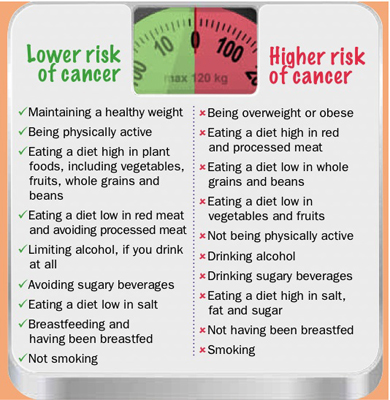
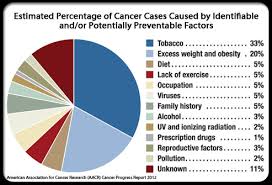
**Here are some general risk factors for cancer & try to prevent having them in your lives or abusing them (moderation – the key to many things that are not used that way in US). Abuse of anything results in disaster.

1.) Smoking (stop period) including chewing tobacco and dipping snuff. Best to stop these period.

The CDC states in 2020, an estimated 12.5% (30.8 million) of U.S. adults currently smoked cigarettes. Current cigarette smoking was defined as smoking ≥100 cigarettes during a lifetime and now smoking cigarettes either every day or some days.5

Lung cancer mainly occurs in older people. Most people diagnosed with lung cancer are 65 or older; a very small number of people diagnosed are younger than 45. The average age of people when diagnosed is about 70.

Lung cancer is by far the leading cause of cancer death , making up almost 25% of all cancer deaths. Each year, more people die of lung cancer than of colon, breast, and prostate cancers combined.

2.) Diets high in fat or low in fiber. Obesity as well is a risk factor for cancer, odds are high that the diet was high in fat even causing the obesity in the first place.                     

3.) Age is over 50 or too much unresolved stress in your life.

4.) Abuse of alcoholism or inadequate amount of vitamins or minerals in your diet.      Exposure to environmental or occupational cancer causing substances (air, water, radiation, disaster like 9/11, or even food).

5.) Too much radiation from various sources (ex. Sun bathing to close to radiation treatments someone is receiving on a oncology unit, simply Sun overexposure).

6.) Fair complexion (pale) or even family history of cancers in the family (highest risk is within the nuclear family having a mother or father or sibling with cancer).

**Most cancers with heredity in the nuclear family including a bad life style puts that individual at higher probability of inheriting or getting that cancer.**

How ethnic groups play a part in breast cancer or any cancer:

Look at ethnicity; take a completely different country in eating alone. Let us look at Japan and their women. They eat a completely different diet than women in the USA. Japanese women have ¼ the amount of breast cancer than American women; is this mainly genetics? When Japanese women move to the great USA they assume our diets and get the same death rates from breast cancer that American women get when diagnosed with it. My eyes see diet in America (fast food=JUNK). Moderation if not completely banded out of your diet = fast food. Americans who eat junk food on a regular basis are looking at abusing fast food as oppose to a treating themselves to junk food now and than (this is what we call moderation).

Breastcancer.org states:

“Among younger women, Black and non-Hispanic Black women have higher rates of breast cancer compared to white and non-Hispanic white women. Among older women, white and non-Hispanic white women have higher rates of breast cancer compared to Black and non-Hispanic Black women.

White women are slightly more likely to develop breast cancer than Black, Hispanic, and Asian women. But Black women are more likely to develop more aggressive, more advanced-stage breast cancer that is diagnosed at a young age.

White women are slightly more likely to develop breast cancer than Black, Hispanic, and Asian women. But Black women are more likely to develop more aggressive, more advanced-stage breast cancer that is diagnosed at a young age. Black women are also more likely to die from breast cancer. Some of these differences in outcomes may be due to less access to mammography and lower quality medical care, as well as various lifestyle patterns (eating habits and weight issues for example) that are more common in some ethnic groups than in others. These factors can be changed and improved.

Still, triple-negative breast cancer, which is more aggressive than other types, is more common in Black women. Triple-negative breast cancer is estrogen-receptor-negative, progesterone-receptor-negative, and HER2-negative. New treatments for triple-negative breast cancer are being studied in clinical trials.”

The CDC states:

What is already known about this topic?  Breast cancer accounts for 30% of all cancers diagnosed in women.

What is added by this report? During 1999–2018, breast cancer incidence among women aged ≥20 years decreased an average of 0.3% per year, decreasing 2.1% per year during 1999–2004 and increasing 0.3% per year during 2004–2018. Incidence increased among start highlightnon-Hispanic Asian or Pacific end highlightIslander women and women aged 20–39 years but decreased among non-Hispanic White women and women aged 50–64 and ≥75 years.

What are the implications for public health practice?  The U.S. Preventive Services Task Force currently recommends biennial mammography screening for women aged 50–74 years. Women aged 20–49 years might benefit from discussing potential breast cancer risk and ways to reduce risk with their health care providers.”

So what do we do at this point America or anywhere else?

We the people of America or anywhere can make the change in controlling many factors in our diet and exercise to control diseases period we have want to make the move and if we did disease decrease in time would be outstanding. In the end it would make our economy better with our insurance overall.

Ending line, this means less disease, less expense, and meaning better coverage (less out of our pockets financially). For this to even get started we the people in the USA have to be willing to alter diets and exercise to a healthy pattern not a junk food frequently diet or sedentary lifestyle. Help make America a better country for all citizens of all ages. Our government surely hasn’t helped us in prevention tactics to lower statistics in showing less breast cancer significantly.

We do have many improvements with cancer treatment going from diagnostic tooling advancement with even drugs and drugs combined, a multitude of radiation methods and advanced surgical techniques. However, with all this due to increased cancer research, the government has yet to push the most important ingredient for cancer prevention. For every 3 dollars spent on cancer research, only one dollar goes spent in the area of prevention. When your government representative speaks of further cancer research you may want to find out is it for prevention or treatment. My vote is prevention before getting diagnosed with it. That is like the government waiting for a bomb to land on the USA before taking measures to prevent it. Why wait for the disaster when it can be prevented completely and no mess to deal with. Makes sense? Sure does to me and many.

Moderation with anything legal and not being abusive to your body, for ex. Alcohol or prescribed drugs, with the other modifiable factors you can change discussed yesterday, it simply takes someone with will power to make the change or one who already is doing the right activities with diet in their life had will power in doing this lifestyle. That is what it takes to prevent breast cancer and many other diseases simple means making changes in your life=willpower which includes a healthy diet, some regular exercising, keeping your weight ideal to your body mass index, and having the yearly physicals or addressing new symptoms by going to your doctor to have him or she evaluate what it is with the treatment for it. Obese? and can’t lose the weight on your own get a MD consult to see what surgery or other options you have to decrease weight.  All it take is WILL POWER of that individual to do the right moves in life not to get cancer!

Instead of getting it wouldn’t you rather PREVENT it. Remember our disease killers in the USA.   Our #1 killer is cardiovascular our #2 killer is cancer in America!

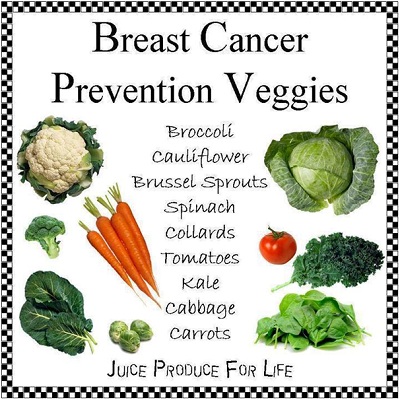
Ways to prevent breast cancer:


020414SMcC2244

The BEST way to go is not to ever get the cancer!!! 

FIGHT BREAST CANCER AND EVEN DISEASE OVERALL BY PREVENTION; that is the KEY!!!! 


Part VII Pancreatic Cancer: What are the significant risks for getting this disease?

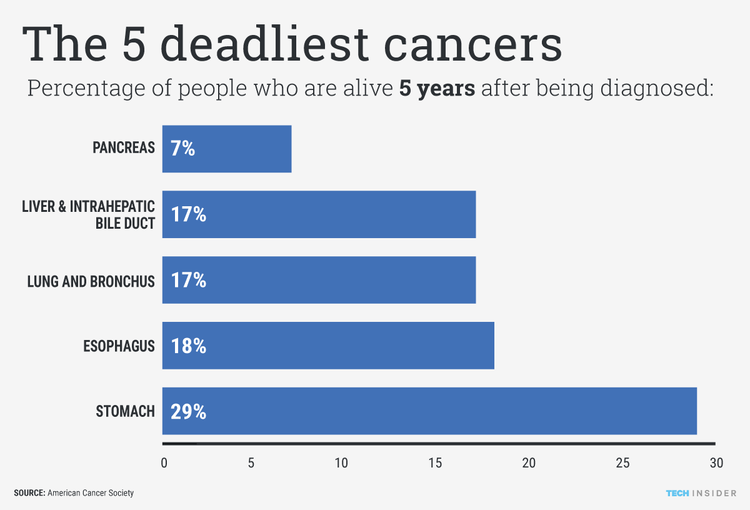
Pancreatic cancer is one of the few types of cancer that haven’t improved in terms of survival rates over the years, according to the Hirshberg Foundation for Pancreatic Cancer Research. In fact, the foundation said the mortality rate is 93-percent within 5-years of diagnosis. And 71-percent will die in first year.  Usually people diagnosed with this disease are told they have 6 months to 1 year survival rate.  There are the few for the many that live longer but know this the major depending factor is also the stage level of cancer your in (I, II, III & IV).  The higher the worse the metastasis.

These stats point to why it’s important to raise awareness about this killer cancer, and to outline some facts and figures. In honor of Pancreatic Cancer Awareness Month in November, here are six things to know, thanks to Jeff Hayward on November 1 informed the world of this information on his blog with facts…

1. Their are Risk Factors

The American Cancer Society says that the average lifetime risk of developing cancer of the pancreas in both men and women is 1 in 65. However, there are certain factors that might make you more likely to face the disease.

Cancer Treatment Centers of America notes that these risk factors include age (most pancreatic cancers form at age-55 or older), gender (males are slightly more likely to develop it), obesity, diabetes, smoking, and more.

2. Heredity

Cancer Treatment Centers of America also notes that about 10-percent of pancreatic cancer cases are thought to be genetic, or passed down from a parent.

These genetic mutations include hereditary breast and ovarian cancer syndrome (BRCA2), familial melanoma (p16), familial pancreatitis (PRSS1), and neurofibromatosis type-1 (NF1), adds the source. Other “inherited syndromes” can raise risks including Lynch syndrome (hereditary nonpolyposis colorectal cancer), Peutz-Jeghers Syndrome, and Von Hippel-Lindau Syndrome.

3. There Were 50,000 Cases 2016 and NOW:

The American Cancer Society estimated in 2023 there were 53,070 new diagnoses of pancreatic cancer this year in the U.S., and sadly it adds that it expected more than 41,000 of those patients to die from it.

According to the Pancreatic Cancer Action Network report, an estimated 66,440 Americans will be diagnosed with pancreatic cancer in 2024, and 51,750 are predicted to die from the disease this year. Pancreatic cancer continues to be the third-leading cause of cancer-related death in men and women combined in the United States and is on track to become the second-leading cause before 2030.

Of those numbers, there were an estimated 27,670 men diagnosed in 2016, compared to an estimated 25,400 diagnoses for women. The death rates are proportionate for both, according to additional statistics from the cancer society.

The American Cancer Society’s estimates for pancreatic cancer in the United States for 2023 are:

  • About 64,050 people (33,130 men and 30,920 women) will be diagnosed with pancreatic cancer.
  • About 50,550 people (26,620 men and 23,930 women) will die of pancreatic cancer.

Pancreatic cancer accounts for about 3% of all cancers in the US and about 7% of all cancer deaths.

It is slightly more common in men than in women.

4. One of Most Prevalent Cancers in the World

The World Cancer Research Fund International notes that pancreatic cancer shares 10th-place in global prevalence with kidney cancer. Worldwide, there were 338,000 cases of pancreatic cancers diagnosed in 2012 alone, notes the source.

Looking at a breakdown of the disease’s age-standardized rates by country, the U.S. comes in 20th at 7.5-cases per 100,000. The top two countries in the world for cancer of the pancreas are Czech Republic (9.7-per 100,000) and Slovakia (9.4-per 100,000).

5. It Often Causes Symptoms When it’s Too Late

Scientific American talks about why this type of cancer is so deadly in a 2011 article making reference to Apple founder Steve Jobs, who died from the cancer.

It notes that patients sometimes don’t seek treatment right away, because symptoms including weight loss, jaundice and abdominal pain don’t begin until the later stages. “They usually start after the tumor is a significant size. By then, chances are, it has metastasized (that is, spread to other parts of the body),” explains the article.

6. There’s More than One Type

The American Cancer Society explains the overwhelmingly common form of this cancer is pancreatic adenocarcinoma, which makes up 95-percent of all cases. These begin in the ducts of the pancreas and sometimes develop from the cells that form pancreatic enzymes, according to the source.

The “other” type of cancer of the pancreas is pancreatic endocrine tumors, otherwise known as neuroendocrine tumors, explains the cancer society. These tumors can be cancerous or benign, and are subdivided into other categories including “functioning NETs” (including gastrinomas, insulinomas and glucagonomas), and “non-functioning NETs” which are actually more likely to cause cancer because they can grow larger before they’re discovered.

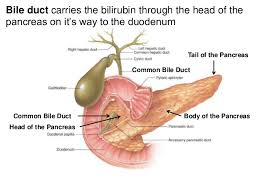
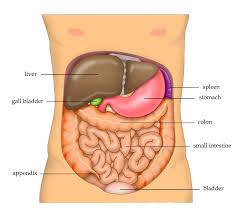
Know how it works you have a pancreas medically noted in Anatomy and Physiology as having a head, neck, body and tail.  The location of the cancer can play a major role especially if diagnosed earlier, depending on the location for some.

The head is the widest part of the pancreas. The head of the pancreas is found in the right side of abdomen, nestled in the curve of the duodenum body and tail.  Worse place for pancreas since this allows metastasis faster than other areas of the pancreas.  The head of the pancreas is connected to other body organs and near lymph nodes making it the ideal place for metastasis (spreading) to occur.   Know this in some cases caught early can make a major change in a longer life for some.

The neck is the thin section of the gland between the head and the body of the pancreas.

The body is the middle part of the pancreas between the neck and the tail. The superior mesenteric artery and vein run behind this part of the pancreas.  This is not connected like the head and if caught early results can be better.

The tail is the thin tip of the pancreas in the left side of the abdomen, in close proximity with the spleen. This is the end of the pancreas connected to nothing, no ducts or other tissues or other body glands of the body that put it near by lymph nodes or connected to and best place for area of the cancer especially if it is only in the tail, in most cases, since less chance of spreading the cancer.  Also if only in the tail of pancreas, surgery will entail removal of that part of the organ with chemo a few months and resolved in most cases.  Just follow up visits to your chemo doctor for however long the M.D. directs you.
QUOTE FOR THE WEEKEND:

“Key Statistics & Facts About Breast Cancer In The United States:

  • Breast cancer is the most common cancer in American women, except for skin cancers.1
  • It is estimated that in 2024, approximately 30% of all new female cancer diagnoses will be breast cancer.1
  • On average, every 2 minutes a woman is diagnosed with breast cancer in the United States.1
  • Approximately 66% of breast cancer cases are diagnosed at a localized stage, before cancer has spread outside of the breast, when it is easiest to treat.3
  • The 5-year relative survival rate for cancer diagnosed at the localized stage is 99%.1
  • Approximately 15% of women diagnosed have a family history of breast cancer. Those with a first-degree relative (mother, sister, daughter) with breast cancer are nearly twice as likely to develop breast cancer themselves.4

National Breast Cancer Foundation Inc. (Breast Cancer Facts & Stats 2025 – Incidence, Age, Survival, & More)