Part IV Thyroid Disease Awareness Month-Diagnostic Tooling and Rx for it.

thyroid9

thyroid7

Diagnostic Tools for Hypothyroidism:

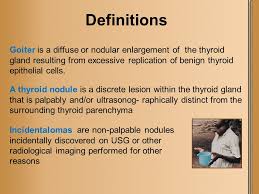
History: The doctor will take a detailed history, evaluating both past and present medical problems. If the patient is younger than 20 or older than 70 years, there is increased likelihood that a nodule is cancerous. Similarly, the nodule is more likely to be cancerous if there is any history of radiation exposure, difficulty swallowing, or a change in the voice. It was actually customary to apply radiation to the head and neck in the 1950s to treat acne! Significant radiation exposures include the Chernobyl and Fukushima disasters. Although women tend to have more thyroid nodules than men, the nodules found in men are more likely to be cancerous. Despite its value, the history cannot differentiate benign from malignant nodules. Thus, many patients with risk factors uncovered in the history will have benign lesions. Others without risk factors for malignant nodules may still have thyroid cancer.

Physical examination: The physician should determine if there is one nodule or many nodules, and what the remainder of the gland feels like. The probability of cancer is higher if the nodule is fixed to the surrounding tissue (unmovable). In addition, the physical exam should search for any abnormal lymph nodes nearby that may suggest the spread of cancer. In addition to evaluating the thyroid, the physician should identify any signs of gland malfunction, such as thyroid hormone overproduction (hyperthyroidism) or underproduction (hypothyroidism).

Blood tests: Initially, blood tests should be done to assess thyroid function. These tests include:

  • The free T4 and thyroid stimulating hormone (TSH) levels. Elevated levels of the thyroid hormones T4 or T3 in the context of suppressed TSH suggests hyperthyroidism
  • Reduced T4 or T3 in the context of high TSH suggests hypothyroidism
  • Antibody titers to thyroperoxidase or thyroglobulin may be useful to diagnose autoimmune thyroiditis
  • (for example, Hashimoto’s thyroiditis).
  • If surgery is likely to be considered for treatment, it is strongly recommended that the physician als determine the level of thyroglobin. Produced only in the thyroid hormone in the blood. Thyroglobulin carries thyroid hormone in the blood. Thyroglobulin levels should fall quickly within 48 hours in the thyroid gland is completely remobed. If thyroglobulin levels start to climb.

Ultrasonography: A physician may order an ultrasound examination of the thyroid to:

  • Detect nodules that are not easily felt
  • Determine the number of nodules and their sizes
  • Determine if a nodule is solid or cystic
  • Assist obtaining tissue for diagnosis from the thyroid with a fine needle aspirate (FNA)

Despite its value, the ultrasound cannot determine whether a nodule is benign or cancerous.

Radionuclide scanning: Radionuclide scanning with radioactive chemicals is another imaging technique a physician may use to evaluate a thyroid nodule. The normal thyroid gland accumulates iodine from the blood and uses it to make thyroid hormones. Thus, when radioactive iodine (123-iodine) is administered orally or intravenously to an individual, it accumulates in the thyroid and causes the gland to “light up” when imaged by a nuclear camera (a type of Geiger counter). The rate of accumulation gives an indication of how the thyroid gland and any nodules are functioning. A “hot spot” appears if a part of the gland or a nodule is producing too much hormone. Non-functioning or hypo-functioning nodules appear as “cold spots” on scanning. A cold or non-functioning nodule carries a higher risk of cancer than a normal or hyper-functioning nodule. Cancerous nodules are more likely to be cold, because cancer cells are immature and don’t accumulate the iodine as well as normal thyroid tissue. However, cold spots can also be caused by cysts. This makes the ultrasound a much better tool for determining the need to do an FNA.

Fine needle aspiration: Fine needle aspiration (FNA) of a nodule is a type of biopsy and the most common, direct way to determine what types of cells are present. The needle used is very thin. The procedure is simple and can be done in an outpatient office, and anesthetic is injected into tissues traversed by the needle. FNA is possible if the nodule is easily felt. If the nodule is more difficult to feel, fine needle aspiration can be performed with ultrasound guidance. The needle is inserted into the thyroid or nodule to withdraw cells. Usually, several samples are taken to maximize the chance of detecting abnormal cells. These cells are examined microscopically by a pathologist to determine if cancer cells are present. The value of FNA depends upon the experience of the physician performing the FNA and the pathologist reading the specimen. Diagnoses that can be made from FNA include:

  • Benign thyroid tissue (non-cancerous) can be consistent with Hashimoto’s thyroiditis, a colloid nodule, or a thyroid cyst. This result is reported from approximately 60% of biopsies.
  • Cancerous tissue (malignant) can be consistent with diagnosis of papillary, follicular, or medullary cancer. This result is reported from approximately 5% of biopsies. The majority of these are papillary cancers.
  • Suspicious biopsy can show a follicular adenoma. Though usually benign, up to 20% of these nodules are found ultimately to be cancerous.
  • Non-diagnostic results usually arise because insufficient cells were obtained. Upon repeat biopsy, up to 50% of these cases can be distinguished as benign, cancerous, or suspicious.

One of the most difficult problems for the pathologist is to be confident that a follicular adenoma – usually a benign nodule – is not a follicular cell carcinoma or cancer. In these cases, it is up to the physician and the patient to weigh the option of surgery on a case-by-case basis, with less reliance on the pathologist’s interpretation of the biopsy. It is also important to remember that there is a small risk (3%) that a benign nodule diagnosed by FNA may still be cancerous. Thus, even benign nodules should be followed closely by the patient and physician. Another biopsy may be necessary, especially if the nodule is growing. Most thyroid cancers are not very aggressive; that is, they do not spread rapidly. The exception is poorly differentiated (anaplastic) carcinoma, which spreads rapidly and is difficult to treat.

Treatment  for Hypothyroidism:

Hypothyroidism happens when the thyroid gland doesn’t make enough hormones. Conditions or problems that can lead to hypothyroidism include:

  • Autoimmune disease. The most common cause of hypothyroidism is an autoimmune disease called Hashimoto’s disease. Autoimmune diseases happen when the immune system makes antibodies that attack healthy tissues. Sometimes that process involves the thyroid gland and affects its ability to make hormones.
  • Thyroid surgery. Surgery to remove all or part of the thyroid gland can lower the gland’s ability to make thyroid hormones or stop it completely.
  • Radiation therapy. Radiation used to treat cancers of the head and neck can affect the thyroid gland and lead to hypothyroidism.
  • Thyroiditis. Thyroiditis happens when the thyroid gland becomes inflamed. This may be due to an infection. Or it can result from an autoimmune disorder or another medical condition affecting the thyroid. Thyroiditis can trigger the thyroid to release all of its stored thyroid hormone at once. That causes a spike in thyroid activity, a condition called hyperthyroidism. Afterward, the thyroid becomes underactive.
  • Medicine. A number of medicines may lead to hypothyroidism. One such medicine is lithium, which is used to treat some psychiatric disorders. If you’re taking medicine, ask your heath care provider about its effect on the thyroid gland.

Less often, hypothyroidism may be caused by:

  • Problems present at birth. Some babies are born with a thyroid gland that doesn’t work correctly. Others are born with no thyroid gland. In most cases, the reason the thyroid gland didn’t develop properly is not clear. But some children have an inherited form of a thyroid disorder. Often, infants born with hypothyroidism don’t have noticeable symptoms at first. That’s one reason why most states require newborn thyroid screening.
  • Pituitary disorder. A relatively rare cause of hypothyroidism is the failure of the pituitary gland to make enough thyroid-stimulating hormone (TSH). This is usually because of a noncancerous tumor of the pituitary gland.
  • Pregnancy. Some people develop hypothyroidism during or after pregnancy. If hypothyroidism happens during pregnancy and isn’t treated, it raises the risk of pregnancy loss, premature delivery and preeclampsia. Preeclampsia causes a significant rise in blood pressure during the last three months of pregnancy. Hypothyroidism also can seriously affect the developing fetus.
  • Not enough iodine. The thyroid gland needs the mineral iodine to make thyroid hormones. Iodine is found mainly in seafood, seaweed, plants grown in iodine-rich soil and iodized salt. Too little iodine can lead to hypothyroidism. Too much iodine can make hypothyroidism worse in people who already have the condition. In some parts of the world, it’s common for people not to get enough iodine in their diets. The addition of iodine to table salt has almost eliminated this problem in the United States.
  • If you have had radiation therapy and have hypothyroidism, or if your thyroid gland has been removed, you will most likely need treatment from now on. If your hypothyroidism is caused by Hashimoto’s thyroiditis, you might also need treatment from now on. Sometimes, thyroid gland function returns on its own in Hashimoto’s thyroiditis.
  • If a serious illness or infection triggered your hypothyroidism, your thyroid function most likely will return to normal when you recover.
  • Some medicines may cause hypothyroidism. Your thyroid function may return to normal when you stop the medicines.
  • If you have mild (subclinical) hypothyroidism, you may not need treatment but should be watched for signs of hypothyroidism getting worse. You and your doctor will talk about the pros and cons of taking medicine to treat your mild hypothyroidism. The dose of thyroid medicine must be watched carefully in people who also have heart disease, because too much medicine increases the risk of chest pain (angina) and irregular heartbeats (atrial fibrillation).

*****1.)If you have severe hypothyroidism by the time you are diagnosed, you will need immediate treatment. Severe, untreated hypothyroidism can cause myxedema coma, a rare, life-threatening condition.

            2.)Treatment during pregnancy is especially important, because hypothyroidism can harm the developing fetus.

  • If you develop hypothyroidism during pregnancy, treatment should be started immediately. If you have hypothyroidism before you become pregnant, your thyroid hormone levels need to be checked to make sure that you have the right dose of thyroid medicine. During pregnancy, your dose of medicine may need to be increased by 25% to 50%.
  • You are likely to need treatment for hypothyroidism from now on. As a result, you need to take your medicine as directed. For some people, hypothyroidism gets worse as they age and the dosage of thyroid medicine may have to be increased gradually as the thyroid continues to slow down.
  • Most people treated with thyroid hormone develop symptoms again if their medicine is stopped. If this occurs, medicine needs to be restarted.

Treatment for Hyperthyroidism:

If your symptoms bother you, your doctor may give you pills called beta-blockers. These can help you feel better while you and your doctor decide what your treatment should be. Hyperthyroidism can lead to more serious problems. So even if your symptoms do not bother you, you still need treatment.

The diagnostic workup for hyperthyroidism includes measuring thyroid-stimulating hormone, free thyroxine (T4), and total triiodothyronine (T3) levels to determine the presence and severity of the condition, as well as radioactive iodine uptake and scan of the thyroid gland to determine the cause.

There are several treatments available for hyperthyroidism. The best approach for you depends on your age and health. The underlying cause of hyperthyroidism and how severe it is make a difference too. Your personal preference also should be considered as you and your health care provider decide on a treatment plan. Treatment may include:

  • Anti-thyroid medicine. These medications slowly ease symptoms of hyperthyroidism by preventing the thyroid gland from making too many hormones. Anti-thyroid medications include methimazole and propylthiouracil. Symptoms usually begin to improve within several weeks to months.Treatment with anti-thyroid medicine typically lasts 12 to 18 months. After that, the dose may be slowly decreased or stopped if symptoms go away and if blood test results show that thyroid hormone levels have returned to the standard range. For some people, anti-thyroid medicine puts hyperthyroidism into long-term remission. But other people may find that hyperthyroidism comes back after this treatment.Although rare, serious liver damage can happen with both anti-thyroid medications. But because propylthiouracil has caused many more cases of liver damage, it’s generally used only when people can’t take methimazole. A small number of people who are allergic to these medicines may develop skin rashes, hives, fever or joint pain. They also can raise the risk of infection.
  • Beta blockers. These medicines don’t affect thyroid hormone levels. But they can lessen symptoms of hyperthyroidism, such as a tremor, rapid heart rate and heart palpitations. Sometimes, health care providers prescribe them to ease symptoms until thyroid hormones are closer to a standard level. These medicines generally aren’t recommended for people who have asthma. Side effects may include fatigue and sexual problems.Regardless of the cause of hyperthyroidism, the adrenergic symptoms are controlled by beta blockers Propranolol has the theoretical advantage of also inhibiting 5′-monodeiodinase, thus blocking peripheral conversion of T4 to T3.
  • Radioiodine therapy. The thyroid gland takes up radioiodine. This treatment causes the gland to shrink. This medicine is taken by mouth. With this treatment, symptoms typically lessen within several months. This treatment usually causes thyroid activity to slow enough to make the thyroid gland underactive. That condition is hypothyroidism. Because of that, over time, you may need to take medicine to replace thyroid hormones.
  • Radioactive iodine and antithyroid medicine are the treatments doctors use most often. The best treatment for you will depend on a number of things, including your age. Some people need more than one kind of treatment.
  • Thyroidectomy. This is surgery to remove part of or all of the thyroid gland. It is not used often to treat hyperthyroidism. But it may be an option for people who are pregnant. It also may be a choice for those who can’t take anti-thyroid medicine and don’t want to or can’t take radioiodine therapy.Risks of this surgery include damage to the vocal cords and parathyroid glands. The parathyroid glands are four tiny glands on the back of the thyroid. They help control the level of calcium in the blood.People who have a thyroidectomy or radioiodine therapy need lifelong treatment with the medicine levothyroxine (Levoxyl, Synthroid, others). It supplies the body with thyroid hormones. If the parathyroid glands are removed during surgery, medicine also is needed to keep blood calcium in a healthy range.

Thyroid eye disease

If you have thyroid eye disease, you may be able to manage mild symptoms with self-care steps, such as artificial tear drops and lubricating eye gels. Avoiding wind and bright lights can help too.

More-severe symptoms may need treatment with medicine called corticosteroids, such as methylprednisolone or prednisone. They can lessen swelling behind the eyeballs. The medicine teprotumumab (Tepezza) also may be used to control moderate to severe symptoms. If those medicines don’t ease symptoms, other medicines are sometimes used to treat thyroid eye disease. They include, tocilizumab (Actemra), rituximab (Rituxan) and mycophenolate mofetil (Cellcept).

In some cases, surgery may be needed to treat thyroid eye disease, including:

  • Orbital decompression surgery. In this surgery, the bone between the eye socket and the sinuses is removed. This surgery can improve vision. It also gives the eyes more room, so they can go back to their usual position. There is a risk of complications with this surgery. If you have double vision before the surgery, it may not go away afterward. Some people develop double vision after the surgery.
  • Eye muscle surgery. Sometimes scar tissue from thyroid eye disease can cause one or more eye muscles to be too short. This pulls the eyes out of alignment, causing double vision. Eye muscle surgery may correct double vision by cutting the muscle from the eyeball and attaching it again farther back.

The choice of treatment modality for hyperthyroidism caused by overproduction of thyroid hormones depends on the patient’s age, symptoms, comorbidities, and preference but also including what is the CAUSE of the hyperthyroidism determined by diagnostic tooling tests.
 

QUOTE FOR THE WEEKEND:

“Hyperthyroidism means that your thyroid gland is making too much thyroid hormone. You may also hear the term thyrotoxicosis. This also means there is too much thyroid hormone in your body.

Everyone is different and you may not have all the symptoms. Symptoms can start suddenly or come on slowly over time.

Hyperthyroidism can be caused by an autoimmune condition (Graves’ disease), inflammation of the thyroid (thyroiditis), or due to thyroid nodules making too much thyroid hormone (hot nodule or toxic multinodular goiter).”

American Thyroid Association (Hyperthyroidism | American Thyroid Association)

Part III Thyroid Disease Awareness Month-Hyperthyroidism


Hyperthyroidism, also called overactive thyroid, is when the thyroid gland makes more thyroid hormones than your body needs. The thyroid is a small, butterfly-shaped gland in the front of your neck. Thyroid hormones control the way the body uses energy, so they affect nearly every organ in your body, even the way your heart beats.

Several treatment options are available if you have hyperthyroidism. Doctors use anti-thyroid medications and radioactive iodine to slow the production of thyroid hormones. Sometimes, treatment of hyperthyroidism involves surgery to remove all or part of your thyroid gland. Although hyperthyroidism can be serious if you ignore it, most people respond well once hyperthyroidism is diagnosed and treated. Hyperthyroidism can mimic other health problems, which may make it difficult for your doctor to diagnose. It can also cause a wide variety of signs and symptoms, including:

What Hyperthyroidism is:

It’s a condition in which your thyroid gland produces too much of the hormone thyroxine, over active thyroid. Hyperthyroidism can accelerate your body’s metabolism significantly, causing sudden weight loss, a rapid or irregular heartbeat, sweating, and nervousness or irritability.

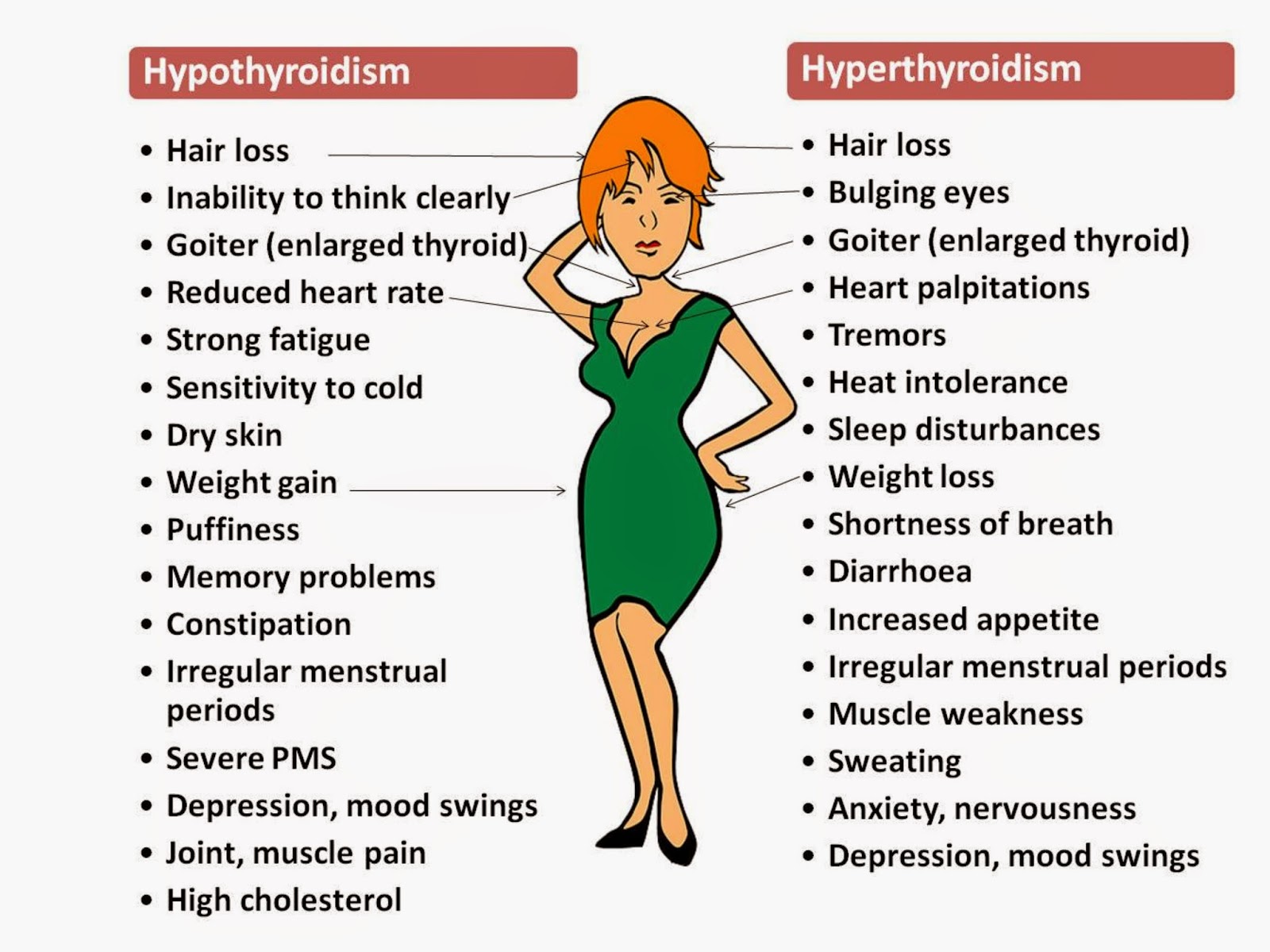
  • Any of these symptoms can be suggestive of an underactive thyroid. The more of these symptoms you have, the higher the likelihood that you have hypothyroidism. Furthermore, if you have someone in your family with any of these conditions, your risks of thyroid problems become higher.
  • Sudden weight loss, even when your appetite and the amount and type of food you eat remain the same or even increase
  • Rapid heartbeat (tachycardia) — commonly more than 100 beats a minute — irregular heartbeat (arrhythmia) or pounding of your heart (palpitations)
  • Increased appetite
  • Nervousness, anxiety and irritability
  • Tremor — usually a fine trembling in your hands and fingers
  • Sweating
  • Changes in menstrual patterns
  • Increased sensitivity to heat
  • Changes in bowel patterns, especially more frequent bowel movements
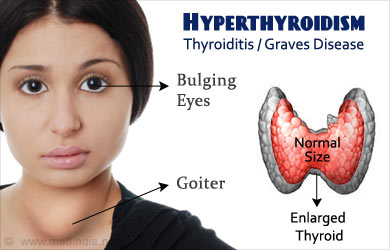
  • An enlarged thyroid gland (goiter), which may appear as a swelling at the base of your neck
  • Fatigue, muscle weakness
  • Difficulty sleeping
  • Skin thinning
  • Fine, brittle hair

     Graves Ophthalmopathy-The symptoms:

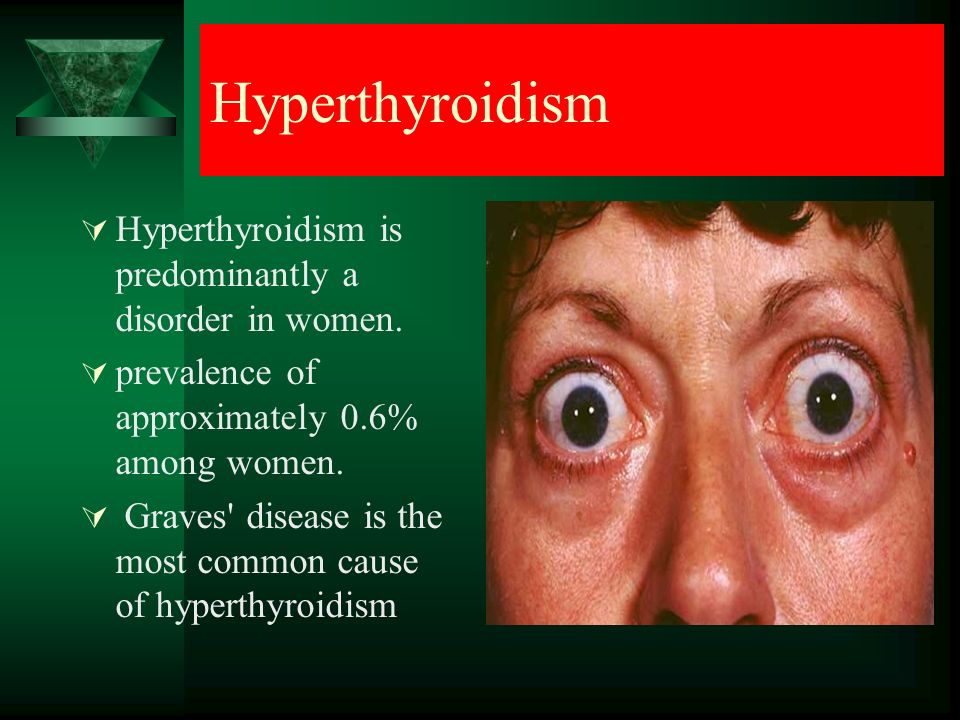
  • Sometimes an uncommon problem called Graves’ ophthalmopathy may affect your eyes, especially if you smoke. In this disorder, your eyeballs protrude beyond their normal protective orbits when the tissues and muscles behind your eyes swell. This pushes the eyeballs forward so far that they actually bulge out of their orbits. This can cause the front surface of your eyeballs to become very dry. Eye problems often improve without treatment.
  • Older adults are more likely to have either no signs or symptoms or subtle ones, such as an increased heart rate, heat intolerance and a tendency to become tired during ordinary activities. Medications called beta blockers, which are used to treat high blood pressure and other conditions, can mask many of the signs of hyperthyroidism.
  • Protruding eyeballs
  • Red or swollen eyes
  • Excessive tearing or discomfort in one or both eyes
  • Light sensitivity, blurry or double vision, inflammation, or reduced eye movementIf you experience unexplained weight loss, a rapid heartbeat, unusual sweating, swelling at the base of your neck or other symptoms associated with hyperthyroidism, see your doctor. It’s important to completely describe the changes you’ve observed, because many signs and symptoms of hyperthyroidism may be associated with a number of other conditions.Causes:  A number of conditions, including Graves’ disease, toxic adenoma, Plummer’s disease (toxic multi-nodular goiter) and thyroiditis, can cause hyperthyroidism.
  • If you’ve been treated for hyperthyroidism or currently are being treated, see your doctor regularly as advised so that he or she can monitor your condition.

Talk to your doctor:

Risk factors-Hyperthyroidism, particularly Graves’ disease, tends to run in families and is more common in women than in men. If another member of your family has a thyroid condition, talk with your doctor about what this may mean for your health with what you need to do.

Possible Causes of Hyperthyroidism:

Hyperthyroidism has several causes, including Graves’ disease, thyroid nodules, and thyroiditis—inflammation of the thyroid. Rarely, hyperthyroidism is caused by a noncancerous tumor of the pituitary gland located at the base of the brain. Consuming too much iodine or taking too much thyroid hormone medicine also may raise your thyroid hormone levels.

-Graves’ disease

Graves’ disease is the most common cause of hyperthyroidism. Graves’ disease is an autoimmune disorder. With this disease, your immune system attacks the thyroid and causes it to make too much thyroid hormone.

-Overactive thyroid nodules

Thyroid nodules are lumps in your thyroid. Thyroid nodules are common and usually benign, meaning they are not cancerous. However, one or more nodules may become overactive and produce too much thyroid hormone. The presence of many overactive nodules occurs most often in older adults.

-Thyroiditis

Thyroiditis is inflammation of your thyroid that causes stored thyroid hormone to leak out of your thyroid gland. The hyperthyroidism may last for up to 3 months, after which your thyroid may become underactive, a condition called hypothyroidism. The hypothyroidism usually lasts 12 to 18 months, but sometimes is permanent.

Several types of thyroiditis can cause hyperthyroidism and then cause hypothyroidism:

  • Subacute thyroiditis. This condition involves a painfully inflamed and enlarged thyroid. Experts are not sure what causes subacute thyroiditis, but it may be related to an infection caused by a virus or bacteria.
  • Postpartum thyroiditis. This type of thyroiditis develops after a woman gives birth.
  • Silent thyroiditis. This type of thyroiditis is called “silent” because it is painless, even though your thyroid may be enlarged. Experts think silent thyroiditis is probably an autoimmune condition.

-Too much iodine

Your thyroid uses iodine to make thyroid hormone. The amount of iodine you consume affects the amount of thyroid hormone your thyroid makes. In some people, consuming large amounts of iodine may cause the thyroid to make too much thyroid hormone.

Some medicines and cough syrups may contain a lot of iodine. One example is the heart medicine amiodarone. Seaweed and seaweed-based supplements also contain a lot of iodine.

-Too much thyroid hormone medicine:

Some people who take thyroid hormone medicine for hypothyroidism may take too much. If you take thyroid hormone medicine, you should see your doctor at least once a year to have your thyroid hormone levels checked. You may need to adjust your dose if your thyroid hormone level is too high.

Some other medicines may also interact with thyroid hormone medicine to raise hormone levels. If you take thyroid hormone medicine, ask your doctor about interactions when starting new medicines

– A noncancerous tumor of the pituitary gland causing too much release of the hormone for the thyroid to release T3 and T4.

This is done by the tumor causing the pituitary gland over release thyroid stimulating hormone-TSH.   Thyrotropinomas are pituitary adenomas that occur in the thyrotropic cells of the pituitary gland and secrete thyroid-stimulating hormone, or TSH. TSH, in turn, triggers the thyroid gland to become overly active and produce too much thyroid hormone, a condition known as hyperthyroidism.

It can also cause a wide variety of signs and symptoms:

  • Hyperthyroidism (overactive thyroid) is a condition in which your thyroid gland produces too much of the hormone thyroxine. Hyperthyroidism can accelerate your body’s metabolism significantly, causing sudden weight loss, a rapid or irregular heartbeat, sweating, and nervousness or irritability.
  • Sudden weight loss, even when your appetite and the amount and type of food you eat remain the same or even increase
  • Rapid heartbeat (tachycardia) — commonly more than 100 beats a minute — irregular heartbeat (arrhythmia) or pounding of your heart (palpitations)
  • Increased appetite
  • Nervousness, anxiety and irritability
  • Tremor — usually a fine trembling in your hands and fingers
  • Sweating
  • Changes in menstrual patterns
  • Increased sensitivity to heat
  • Changes in bowel patterns, especially more frequent bowel movements
  • An enlarged thyroid gland (goiter), which may appear as a swelling at the base of your neck
  • Fatigue, muscle weakness
  • Difficulty sleeping
  • Skin thinning
  • Fine, brittle hair
  • Graves’ ophthalmopathy=An autoimmune disease that is frequently associated with hyperthyroidism.
  • Sometimes an uncommon problem called Graves’ ophthalmopathy may affect your eyes, especially if you smoke. In this disorder, your eyeballs protrude beyond their normal protective orbits when the tissues and muscles behind your eyes swell. This pushes the eyeballs forward so far that they actually bulge out of their orbits. This can cause the front surface of your eyeballs to become very dry. Eye problems often improve without treatment.Older adults are more likely to have either no signs or symptoms or subtle ones, such as an increased heart rate, heat intolerance and a tendency to become tired during ordinary activities. Medications called beta blockers, which are used to treat high blood pressure and other conditions, can mask many of the signs of hyperthyroidism.
  • Protruding eyeballs
  • Red or swollen eyes
  • Excessive tearing or discomfort in one or both eyes
  • Light sensitivity, blurry or double vision, inflammation, or reduced eye movementIf you experience unexplained weight loss, a rapid heartbeat, unusual sweating, swelling at the base of your neck or other symptoms associated with hyperthyroidism, see your doctor. It’s important to completely describe the changes you’ve observed, because many signs and symptoms of hyperthyroidism may be associated with a number of other conditions.Causes:  A number of conditions, including Graves’ disease, toxic adenoma, Plummer’s disease (toxic multi-nodular goiter) and thyroiditis, can cause hyperthyroidism.

When to be checked by the doctor:

Any of these signs or symptoms listed above you have that where never checked out by the doctor or if the new symptom (s) just recently started and where never diagnosed by the MD.  If you’ve been treated for hyperthyroidism or currently are being treated, see your doctor regularly as advised so that he or she can monitor your condition.  Also, if you are at a age that makes you in a age group that is more common to have this disease than have your MD check you out to see if you have the disease.

If hyperthyroidism isn’t treated, it can cause some serious health problems, including:

-an irregular heartbeat that can lead to blood clots, stroke, heart failure, and other heart-related problems

-an eye disease called Graves’ ophthalmopathy that can cause double vision, light sensitivity, and eye pain, and rarely can lead to vision loss

-thinning bones and osteoporosis

Risk factors:

Hyperthyroidism, particularly Graves’ disease, tends to run in families and is more common in women than in men. If another member of your family has a thyroid condition, talk with your doctor about what this may mean for your health with what you need to do.

Hyperthyroidism can be serious don’t ignore it, most people respond well once hyperthyroidism is diagnosed and treated. Hyperthyroidism can mimic other health problems, which may make it difficult for your doctor to diagnose.

Complications:

Untreated, hyperthyroidism can cause serious health problems, including

  • an irregular heartbeat that can lead to blood clots, stroke, heart failure, and other heart-related problems
  • an eye disease called Graves’ ophthalmopathy
  • thinning bones, osteoporosis NIH external link, and muscle problems
  • menstrual cycle and fertility issues


QUOTE FOR FRIDAY:

“Hypothyroidism happens when the thyroid gland doesn’t make enough thyroid hormone. This condition also is called underactive thyroid. Hypothyroidism may not cause noticeable symptoms in its early stages. Over time, hypothyroidism that isn’t treated can lead to other health problems, such as high cholesterol and heart problems.”

MAYO CLINIC (Hypothyroidism (underactive thyroid) – Symptoms and causes – Mayo Clinic)

Hypothyroidism Statistics Today:

  • PrevalenceHypothyroidism affects over 30 million Americans, with prevalence of 11.7% in 2019.
  • DemographicsWomen are to times more likely than men to have hypothyroidism. 

  • Undiagnosed CasesUp to 60% of hypothyroidism cases in the U.S. go undiagnosed. 

Dr. CHILDS (50 Hypothyroidism Statistics: The State of Thyroid Patients [2024])

Part II Thyroid Awareness Month-Hypothyroidism!

thyroid part ii 2

Thyroid Part II 1

Part II Thyroid Awareness Month – Hypo and Hyper thyroidism.

Hypothyroidism:

This occurs when your thyroid produces too little thyroid hormone, a condition that is often linked to iodine deficiency.

Dr. David Brownstein, a board-certified holistic practitioner who has been working with iodine for the last two decades, claims that over 95 percent of the patients in his clinic are iodine-deficient.

In addition, 10 percent of the general population in the United States, and 20 percent of women over age 60, have subclinical hypothyroidism,2 a condition where you have no obvious symptoms and only slightly abnormal lab tests.

However, only a marginal percentage of these people are being treated. The reason behind this is the misinterpretation and misunderstanding of lab tests, particularly TSH (thyroid stimulating hormone). Most physicians believe that if your TSH value is within the “normal” range, your thyroid is fine. But as I always say, the devil is in the details. More and more physicians are now discovering that the TSH value is grossly unreliable for diagnosing hypothyroidism.

How to Know If You Have Hypothyroidism

Identifying hypothyroidism and its cause is tricky business. Many of the symptoms of hypothyroidism are vague and overlap with other disorders. Physicians often miss a thyroid problem since they rely on just a few traditional tests, leaving other clues undetected.

The most sensitive way to find out is to listen to your body. People with a sluggish thyroid usually experience:

Lethargy – Fatigue and lack of energy are typical signs of thyroid dysfunction. Depression has also been linked to the condition. If you’ve been diagnosed with depression, make it a point that your physician checks your thyroid levels.Some of the obvious signs of thyroid fatigue include:

    • It’s essential to note that not all tiredness or lack of energy can be blamed on a dysfunctional thyroid gland. Thyroid-related fatigue begins to appear when you cannot sustain energy long enough, especially when compared to a past level of fitness or ability. If your thyroid foundation is weak, sustaining energy output is going to be a challenge. You will notice you just don’t seem to have the energy to do the things like you used to.
    • Feeling like you don’t have the energy to exercise, and typically not exercising on a consistent basis
    • A heavy or tired head, especially in the afternoon; your head is a very sensitive indicator of thyroid hormone status
    • Falling asleep as soon as you sit down when you don’t have anything to do
  • Weight gain– Easy weight gain or difficulty losing weight, despite an aggressive exercise program and watchful eating, is another indicator.
  • Rough and scaly skin and/or dry, coarse, and tangled hair– If you have perpetually dry skin that doesn’t respond well to moisturizing lotions or creams, consider hypothyroidism as a factor.
  • Hair loss– Women especially would want to pay attention to their thyroid when unexplained hair loss occurs. Fortunately, if your hair loss is due to low thyroid function, your hair will come back quickly with proper thyroid treatment.
  • Sensitivity to cold– Feeling cold all the time is also a sign of low thyroid function. Hypothyroid people are slow to warm up, even in a sauna, and don’t sweat with mild exercise.
  • Low basal temperature – Another telltale sign of hypothyroidism is a low basal body temperature (BBT), less than 97.6 degrees Fahrenheit averaged over a minimum of three days. It is best to get a BBT thermometer to assess this.                                                                              

QUOTE FOR THURSDAY:

The thyroid gland is small, butterfly shaped organ located in the base of the neck, just below the Adam’s apple. It plays crucial role in regulating the body’s metabolism, heart rate, and temperature. The thyroid produces two main hormones, triiodothyronine (T3) and thyroxine (T4), which are essential for various bodily functions. These hormones are produced in the thyroid follicles, which are filled with colloid, sticky fluid that contains iodine. The thyroid gland’s health is vital for the overall well-being of the body, influencing the function of many organs, including the heart, brain, liver, kidneys, and skin.

Cleveland Clinic (Thyroid Disease: What It Is, Causes, Symptoms & Treatment)

Part I Thyroid Awareness Month-Learn the A&P of the Thyroid Gland and Understand how the organ works.

thyroid-awareness-month1 thyroid-awareness-month-goiter6

There is an alarming number of people in America that have issues with their thyroid, in fact it’s a huge number, around 59 million people suffer from a thyroid problem. A thyroid handles your metabolism and is a gland located in the neck area. It can have huge negative affects on your health if it is not treated properly. Many people aren’t even aware that they have any symptoms that are connected with a thyroid; but before going into the problems lets first talk about what the thyroid is.

The Anatomy & Physiology of the Thyroid Gland:

The thyroid is a small gland, measuring about 2 inches (5 centimeters) across, that lies just under the skin below the Adam’s apple in the neck. The two halves (lobes) of the gland are connected in the middle (called the isthmus), giving the thyroid gland the butterfly shapes organ, sort of looking like a bow tie. Normally, the thyroid gland cannot be seen and can barely be felt. If it becomes enlarged, doctors can feel it easily, and a prominent bulge (goiter) may appear below or to the sides of the Adam’s apple.

How the Thyroid Gland Works:

  • The thyroid is part of the endocrine system, which is made up of glands that produce, store, and release hormones into the bloodstream so the hormones can reach the body’s cells. The thyroid gland uses iodine from the foods you eat to make two main hormones:
  • Triiodothyronine (T3)
  • Thyroxine (T4)

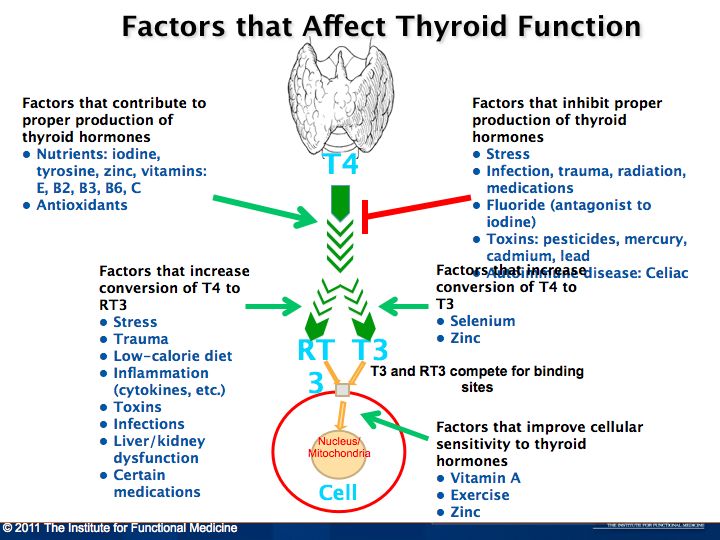
T4, the major hormone produced by the thyroid gland, has only a slight effect, if any, on speeding up the body’s metabolic rate. When this occurs instead, T4 is converted into T3, the more active hormone. The conversion of T4 to T3 occurs in the liver and other tissues. Now yes T3 is made by the thyroid but if too much in the body it is converted to T4, more inactivating or decreasing your T3 levels to prevent metabolism too high in the body causing metabolic problems.  Many factors control the conversion of T4 to T3, including the body’s needs from moment to moment and the presence or absence of illnesses.

The thyroid gland secretes thyroid hormones, which control the speed at which the body’s chemical functions proceed (metabolic rate).  This is the vital function of this gland.

Thyroid hormones influence the metabolic rate in two ways:

1. By stimulating almost every tissue in the body to produce proteins

2. The stimulating other areas of the body.  This depends on all how much hormone the thyroid is releasing in the blood stream.  This in turn will decrease or increase the amount of oxygen that cells use.  Which all depends upon how much of the 2 major hormones the thyroid secretes as the factor.  If the thyroid is doing low hormone release this will decrease metabolism in the body or if the organ is in high hormone release it will increase metabolism in the body.

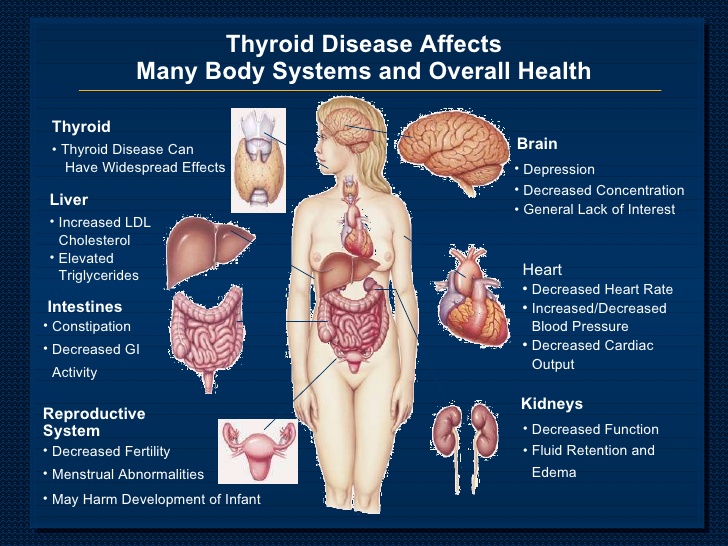
Thyroid hormones affect many vital body functions through either increasing or decreasing metabolism.  This would all be effected on the rate of thyroid hormone releasing from the pituitary and how much T3 or T4 is being released from the thyroid, Did you know in turn this will effect the following areas of the body:

A. the heart rate  B. the rate at which calories are burned  C. skin maintenance  D. growth  E. heat production

F. fertility  E. digestion  G. breathing H. CNS and Peripheral Nervous System I. Body Wt. & Temp J. Cholesterol and much more!

If metabolism is increased so will all these functions listed above regarding its activity; or metabolism that is decreased so will all these functions listed above.

In a nut shell the thyroid gland is the gland that releases hormones that plays an impact on metaboloism = the way your body uses energy. The thyroid’s hormones regulate vital body functions.

Two Thyroid Hormones made and released by this organ that impact your metabolism=Triiodothyronine-also known as T3 and T4-also known as thyroxine.

It is important that T3 and T4 levels are neither too high nor too low but within normal range of therapeutic levels. Two glands in the brain—the hypothalamus and the pituitary communicate to maintain T3 and T4 balance.

The Hypothalamus:

A structure deep in your brain, acts as your body’s smart control coordinating center. Its main function is to keep your body in a stable state called homeostasis. It does its job by directly influencing your autonomic nervous system or by managing hormones. and one of the organs it affects is the THYROID.

The pituitary gland:

This organ sometimes called the “master” gland of the endocrine system because it controls the functions of many of the other endocrine glands. The pituitary gland is no larger than a pea, and is located at the base of the brain. The gland is attached to the hypothalamus by nerve fibers and blood vessels (a part of the brain that affects the pituitary gland). The pituitary gland itself consists of 2 major structures:

  • Anterior lobe – this is where TSH is produced and released.
  • Posterior lobe

This is how the hypothalamus and the pituitary gland work:

The Hypothalamus produces and releases Thyroid Releasing Hormone when T3 & T4 are low in the blood.             The Pituitary produces and releases Thyroid Stimulating Hormone TSH to  tell your thyroid how much thyroid hormone it needs to make.

The hypothalamus senses low circulating levels of thyroid hormones (T3 & T4) and responds by releasing thyrotropin-releasing hormone (TRH). The TRH stimulates the pituitary telling it to produce thyroid-stimulating hormone (TSH) and causing the following effect in the body:

  • When T3 and T4 levels are low in the blood, the pituitary gland releases more of TSH to tell the thyroid gland to produce more thyroid hormones.
  • If T3 and T4 levels are high, the pituitary gland releases less TSH to the thyroid gland to slow production of these hormones.  The inhibiting release of TRH and TSH through a negative feedback loop.

T3 and T4 travel in your bloodstream to reach almost every cell in the body. The hormones regulate the speed with which the cells/metabolism work. For example, T3 and T4 regulate your heart rate and how fast your intestines process food. So if T3 and T4 levels are low, your heart rate may be slower than normal, and you may have constipation/weight gain. If T3 and T4 levels are high, you may have a rapid heart rate and diarrhea/weight loss.

Did you know the third hormone produced by the thyroid gland is called calcitonin. Calcitonin is made by C-cells. It is involved in and metabolism of the bone only.


QUOTE FOR WEDNESDAY:

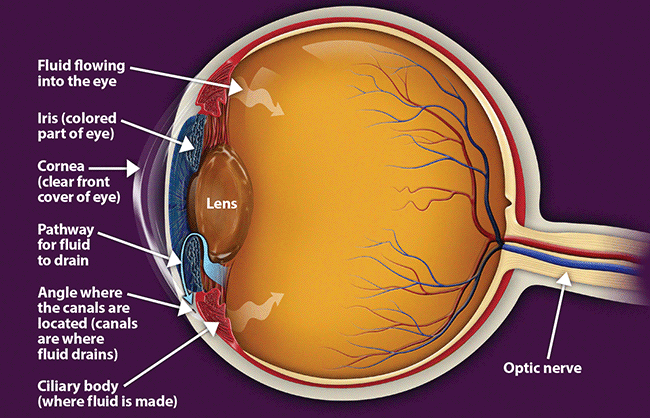
“Why the urgency? Glaucoma, often called the silent thief of sight, is a leading cause of irreversible blindness in the United States, yet as many as half of the people who have it don’t know they are affected.

Glaucoma is not just one disease. It is a group of eye conditions that damage the optic nerve, the cable that sends visual information from your eye to your brain. Most types of glaucoma are linked to high intraocular pressure, although some people develop glaucoma without it.

A 2024 meta-analysis estimated that about 4.22 million adults in the United States have glaucoma, and more than 1.4 million already have vision loss from the disease. Globally, glaucoma affects an estimated 80 million people, a number expected to rise as populations age.”

Glaucoma Research Foundation (Don’t Let The Silent Thief Steal Your Sight: January Is Glaucoma Awareness Month – Glaucoma Research Foundation)


Part III National Glaucoma Awareness: The types of treatments of Glaucoma!

If you are diagnosed with glaucoma, it is important to set a regular schedule of examinations with your eye doctor to monitor your condition and make sure that your prescribed treatment is effectively maintaining a safe eye pressure.

Treatments

The Treatment of Glaucoma: The damage caused by glaucoma can’t be reversed. But treatment and regular checkups can help slow or prevent vision loss, especially in you catch the disease in its early stage. The goal of glaucoma treatment is to lower pressure in your eye (intraocular pressure). Depending on your situation, your options may include eyedrops, laser treatment or surgery. 

Remember The damage caused by glaucoma can’t be reversed. But treatment and regular checkups can help slow or prevent vision loss, especially in you catch the disease in its early stage. The goal of glaucoma treatment is to lower pressure in your eye (intraocular pressure). Depending on your situation, your options may include eyedrops, laser treatment or surgery.

Eyedrops

Glaucoma treatment often starts with prescription eyedrops. These can help decrease eye pressure by improving how fluid drains from your eye or by decreasing the amount of fluid your eye makes. Depending on how low your eye pressure needs to be, more than one of the eyedrops below may need to be prescribed.

Prescription eyedrop medications include:

  • Prostaglandins. These increase the outflow of the fluid in your eye (aqueous humor), thereby reducing your eye pressure. Medicines in this category include latanoprost (Xalatan), travoprost (Travatan Z), tafluprost (Zioptan), bimatoprost (Lumigan) and latanoprostene bunod (Vyzulta). Possible side effects include mild reddening and stinging of the eyes, darkening of the iris, darkening of the pigment of the eyelashes or eyelid skin, and blurred vision. This class of drug is prescribed for once-a-day use.
  • Beta blockers. These reduce the production of fluid in your eye, thereby lowering the pressure in your eye (intraocular pressure). Examples include timolol (Betimol, Istalol, Timoptic) and betaxolol (Betoptic). Possible side effects include difficulty breathing, slowed heart rate, lower blood pressure, impotence and fatigue. This class of drug can be prescribed for once- or twice-daily use depending on your condition.
  • Alpha-adrenergic agonists. These reduce the production of aqueous humor and increase outflow of the fluid in your eye. Examples include apraclonidine (Iopidine) and brimonidine (Alphagan P, Qoliana). Possible side effects include an irregular heart rate, high blood pressure, fatigue, red, itchy or swollen eyes, and dry mouth. This class of drug is usually prescribed for twice-daily use but sometimes can be prescribed for use three times a day.
  • Carbonic anhydrase inhibitors. These medicines reduce the production of fluid in your eye. Examples include dorzolamide (Trusopt) and brinzolamide (Azopt). Possible side effects include a metallic taste, frequent urination, and tingling in the fingers and toes. This class of drug is usually prescribed for twice-daily use but sometimes can be prescribed for use three times a day.
  • Rho kinase inhibitor. This medicine lowers eye pressure by suppressing the rho kinase enzymes responsible for fluid increase. It is available as netarsudil (Rhopressa) and is prescribed for once-a-day use. Possible side effects include eye redness, eye discomfort and deposits forming on the cornea.
  • Miotic or cholinergic agents. These increase the outflow of fluid from your eye. An example is pilocarpine (Isopto Carpine). Side effects include headache, eye ache, smaller pupils, possible blurred or dim vision, and nearsightedness. This class of medicine is usually prescribed to be used up to four times a day. Because of potential side effects and the need for frequent daily use, these medications are not prescribed very often anymore.

Because some of the eyedrop medicine is absorbed into your bloodstream, you may experience some side effects unrelated to your eyes. To minimize this absorption, close your eyes for one to two minutes after putting the drops in. You may also press lightly at the corner of your eyes near your nose to close the tear duct for one or two minutes. Wipe off any unused drops from your eyelid.

If you have been prescribed multiple eyedrops or you need to use artificial tears, space them out so that you are waiting at least five minutes in between types of drops.

Oral medications

If eyedrops alone don’t bring your eye pressure down to the desired level, your doctor may also prescribe an oral medication, usually a carbonic anhydrase inhibitor. Possible side effects include frequent urination, tingling in the fingers and toes, depression, stomach upset, and kidney stones.

Surgery and other therapies

Other treatment options include laser therapy and various surgical procedures. The following techniques are intended to improve the drainage of fluid within the eye, thereby lowering pressure:

  • Laser therapy. Laser trabeculoplasty (truh-BEK-u-low-plas-tee) is an option if you have open-angle glaucoma. It’s done in your doctor’s office. Your doctor uses a small laser beam to open clogged channels in the trabecular meshwork. It may take a few weeks before the full effect of this procedure becomes apparent.
  • Filtering surgery. With a surgical procedure called a trabeculectomy (truh-bek-u-LEK-tuh-me), your surgeon creates an opening in the white of the eye (sclera) and removes part of the trabecular meshwork.
  • Drainage tubes. In this procedure, your eye surgeon inserts a small tube shunt in your eye to drain away excess fluid to lower your eye pressure.
  • Minimally invasive glaucoma surgery (MIGS). Your doctor may suggest a MIGS procedure to lower your eye pressure. These procedures generally require less immediate postoperative care and have less risk than trabeculectomy or installing a drainage device. They are often combined with cataract surgery. There are a number of MIGS techniques available, and your doctor will discuss which procedure may be right for you.

After your procedure, you’ll need to see your doctor for follow-up exams. And you may eventually need to undergo additional procedures if your eye pressure begins to rise again or other changes occur in your eye.


QUOTE FOR TUESDAY:

“The Vision and Eye Health Surveillance System (VEHSS) modeled estimates of Glaucoma are CDC’s primary estimates of the prevalence of glaucoma in the United States.

“VEHSS used a statistical model to combine multiple sources of data available in VEHSS to produce these estimates.

In 2022, an estimated 4.2 million Americans of all ages were living with glaucoma, including 1.5 million people with vision-affecting glaucoma. Non-Hispanic Black people had the highest crude prevalence rate of glaucoma (1.97%) and vision-affecting glaucoma (0.74%). Females had higher prevalence rates than males for glaucoma (1.36% vs. 1.17%) and vision-affecting glaucoma (0.48% vs. 0.41%).”

Center for Disease Control and Prevention – CDC (VEHSS Modeled Estimates: Prevalence of Glaucoma | Vision and Eye Health Surveillance System (VEHSS) | CDC)