QUOTE FOR TUESDAY:

Acute kidney injury (AKI) is where your kidneys suddenly stop working properly. It can range from minor loss of kidney function to complete kidney failure.

AKI normally happens as a complication of another serious illness. It’s not the result of a physical blow to the kidneys, as the name might suggest.

This type of kidney damage is usually seen in older people who are unwell with other conditions and the kidneys are also affected.

It’s essential that AKI is detected early and treated promptly.

National Health Services-NHS (https://www.nhs.uk/conditions/acute-kidney-injury/)

QUOTE FOR MONDAY:

“The body takes nutrients from food and converts them to energy. After the body has taken the food components that it needs, waste products are left behind in the bowel and in the blood.

The kidney and urinary systems help the body to eliminate liquid waste called urea, and to keep chemicals, such as potassium and sodium, and water in balance. Urea is produced when foods containing protein, such as meat, poultry, and certain vegetables, are broken down in the body. Urea is carried in the bloodstream to the kidneys, where it is removed along with water and other wastes in the form of urine.”

John Hopkins Medicine (https://www.hopkinsmedicine.org/health/wellness-and-prevention/anatomy-of-the-urinary-system)

QUOTE FOR THE WEEKEND:

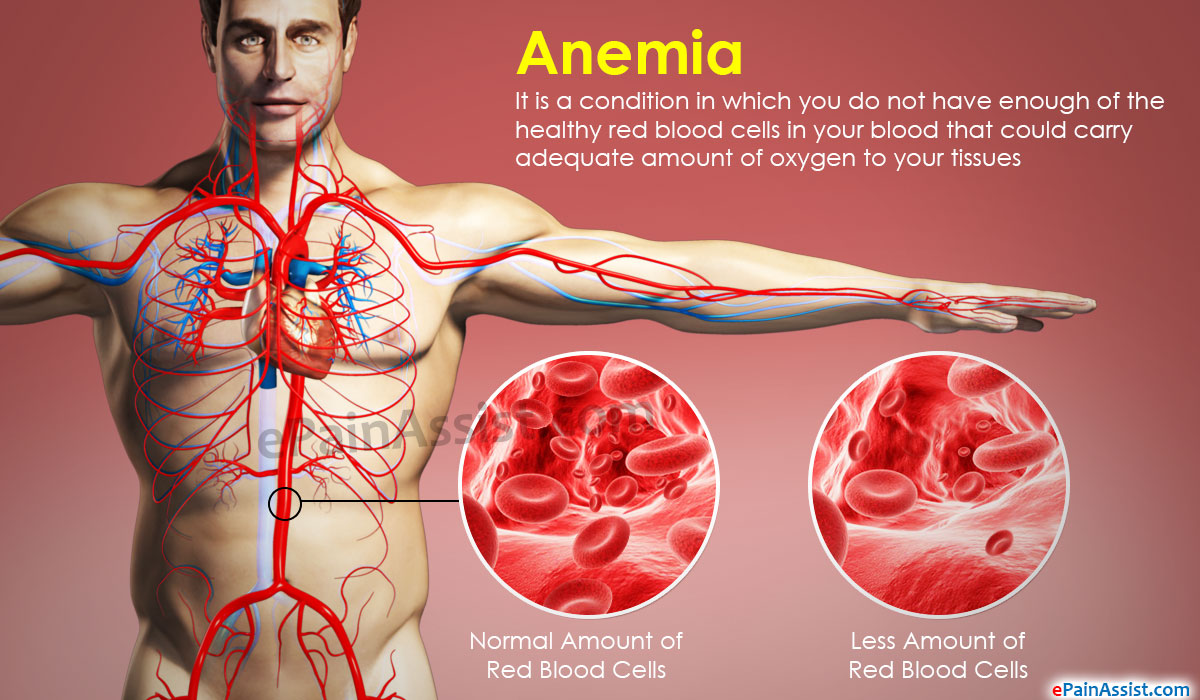
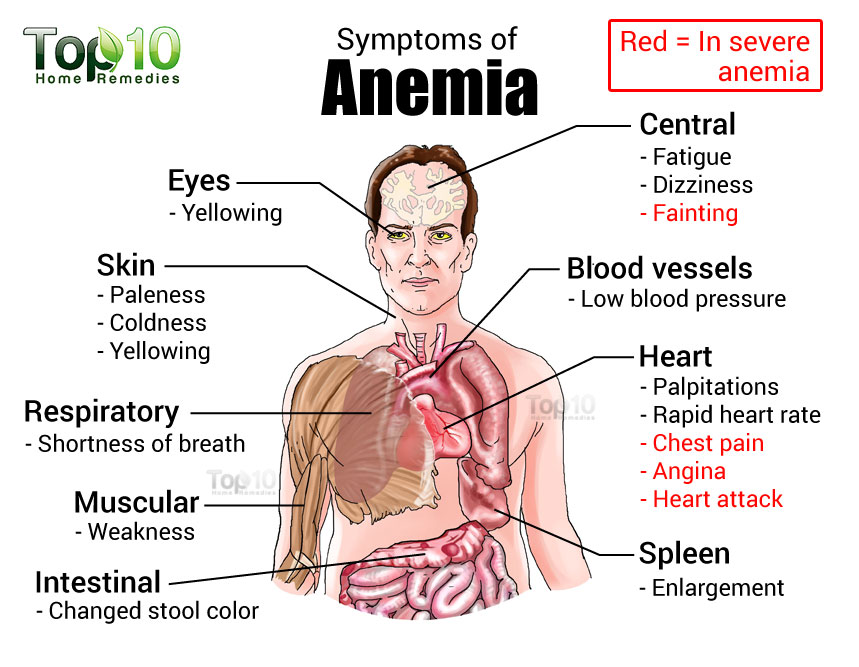
“Anemia is a problem of not having enough healthy red blood cells or hemoglobin to carry oxygen to the body’s tissues. Hemoglobin is a protein found in red cells that carries oxygen from the lungs to all other organs in the body. Having anemia can cause tiredness, weakness and shortness of breath.

There are many forms of anemia. Each has its own cause. Anemia can be short term or long term. It can range from mild to severe. Anemia can be a warning sign of serious illness.”

MAYO Clinic (https://www.mayoclinic.org/diseases-conditions/anemia/symptoms-causes/syc-20351360)

Anemia

anemia2anemia                                anemia


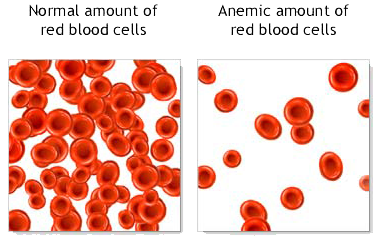
Anemia develops when you don’t have enough robust, healthy red blood cells to carry oxygen throughout your body. The blood cells may lack enough hemoglobin, the protein that gives blood its red color. Anemia affects one in 10 teen girls and women. It also develops in men and children and is linked to some illnesses.  Anemia is a condition that develops when your blood lacks enough healthy red blood cells or hemoglobin. Hemoglobin is a main part of red blood cells and binds oxygen. If you have too few or abnormal red blood cells, or your hemoglobin is abnormal or low, the cells in your body will not get enough oxygen. Symptoms of anemia — like fatigue — occur because organs aren’t getting what they need to function properly.

Anemia is the most common blood condition in the U.S. It affects about 3.5 million Americans. Women, young children, and people with chronic diseases are at increased risk of anemia.

There types of different anemia’s but today’s we’ll look more into is Iron Deficiency Anemia.

 Iron deficiency anemia is a common type of anemia — a condition in which blood lacks adequate healthy red blood cells. Red blood cells carry oxygen to the body’s tissues.

As the name implies, iron deficiency anemia is due to insufficient iron. Without enough iron, your body can’t produce enough of a substance in red blood cells that enables them to carry oxygen (hemoglobin). As a result, iron deficiency anemia may leave you tired and short of breath.

You can usually correct iron deficiency anemia with iron supplementation. Sometimes additional tests or treatments for iron deficiency anemia are necessary, especially if your doctor suspects that you’re bleeding internally.

Initially, iron deficiency anemia can be so mild that it goes unnoticed. But as the body becomes more deficient in iron and anemia worsens, the signs and symptoms intensify.

Iron deficiency anemia symptoms may include:

  • Extreme fatigue, Pale skin, Weakness, Shortness of breath, Chest pain, Frequent infections
  • Headache, Dizziness or lightheadedness, Cold hands and feet, Inflammation or soreness of your tongue, Brittle nails, and Fast heartbeat.
  • Unusual cravings for non-nutritive substances, such as ice, dirt or starch.
  • Poor appetite, especially in infants and children with iron deficiency anemia.
  • An uncomfortable tingling or crawling feeling in your legs (restless legs syndrome).

Causes of iron deficiency anemia include:

  • Blood loss. Blood contains iron within red blood cells. So if you lose blood, you lose some iron. Women with heavy periods are at risk of iron deficiency anemia because they lose blood during menstruation. Slow, chronic blood loss within the body — such as from a peptic ulcer, a hiatal hernia, a colon polyp or colorectal cancer — can cause iron deficiency anemia. Gastrointestinal bleeding can result from regular use of some over-the-counter pain relievers, especially aspirin.
  • A lack of iron in your diet. Your body regularly gets iron from the foods you eat. If you consume too little iron, over time your body can become iron deficient. Examples of iron-rich foods include meat, eggs, leafy green vegetables and iron-fortified foods. For proper growth and development, infants and children need iron from their diet, too.
  • An inability to absorb iron. Iron from food is absorbed into your bloodstream in your small intestine. An intestinal disorder, such as celiac disease, which affects your intestine’s ability to absorb nutrients from digested food, can lead to iron deficiency anemia. If part of your small intestine has been bypassed or removed surgically, that may affect your ability to absorb iron and other nutrients.
  • Without iron supplementation, iron deficiency anemia occurs in many pregnant women because their iron stores need to serve their own increased blood volume as well as be a source of hemoglobin for the growing fetus.

Those at risk for anemia:

Anemia is a common condition. It occurs in all age, racial, and ethnic groups. Both men and women can have anemia. However, women of childbearing age are at higher risk for the condition because of blood loss from menstruation.

Anemia can develop during pregnancy due to low levels of iron and folic acid (folate) and changes in the blood. During the first 6 months of pregnancy, the fluid portion of a woman’s blood (the plasma) increases faster than the number of red blood cells. This dilutes the blood and can lead to anemia.

During the first year of life, some babies are at risk for anemia because of iron deficiency. At-risk infants include those who are born too early and infants who are fed breast milk only or formula that isn’t fortified with iron. These infants can develop iron deficiency by 6 months of age.

Infants between 1 and 2 years of age also are at risk for anemia. They may not get enough iron in their diets, especially if they drink a lot of cow’s milk. Cow’s milk is low in the iron needed for growth.

Drinking too much cow’s milk may keep an infant or toddler from eating enough iron-rich foods or absorbing enough iron from foods.

Older adults also are at increased risk for anemia. Researchers continue to study how the condition affects older adults. Many of these people have other medical conditions as well.

Major Risk Factors for anemia:

  • A diet that is low in iron, vitamins, or minerals
  • Blood loss from surgery or an injury
  • Long-term or serious illnesses, such as kidney disease, cancer, diabetes, rheumatoid arthritis, HIV/AIDS, inflammatory bowel disease (including Crohn’s disease), liver disease, heart failure, and thyroid disease
  • Long-term infections
  • A family history of inherited anemia, such as sickle cell anemia or thalassemia.

Complications of Anemia:

Some people who have anemia may have arrhythmias. Arrhythmias are problems with the rate or rhythm of the heartbeat. Over time, arrhythmias can damage your heart and possibly lead to heart failure.

Anemia also can damage other organs in your body because your blood can’t get enough oxygen to them.

Anemia can weaken people who have cancer or HIV/AIDS. This can make their treatments not work as well.

Anemia also can cause many other health problems. People who have kidney disease and anemia are more likely to have heart problems. With some types of anemia, too little fluid intake or too much loss of fluid in the blood and body can occur. Severe loss of fluid can be life threatening.

QUOTE FOR FRIDAY:

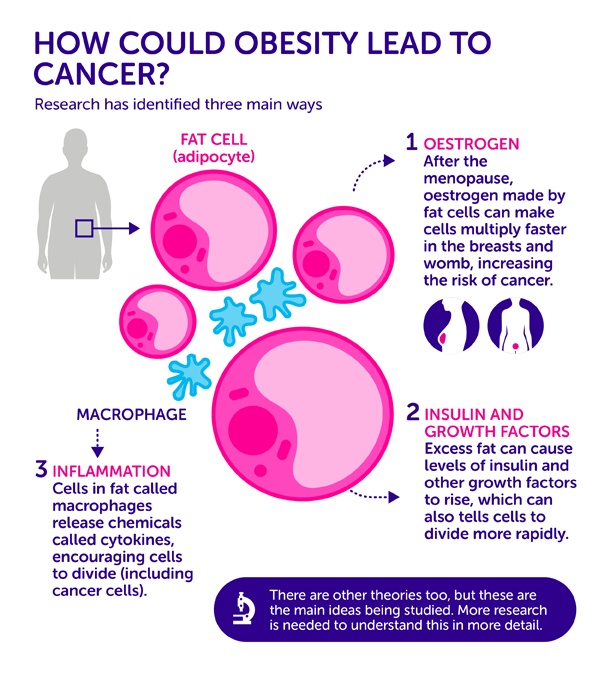
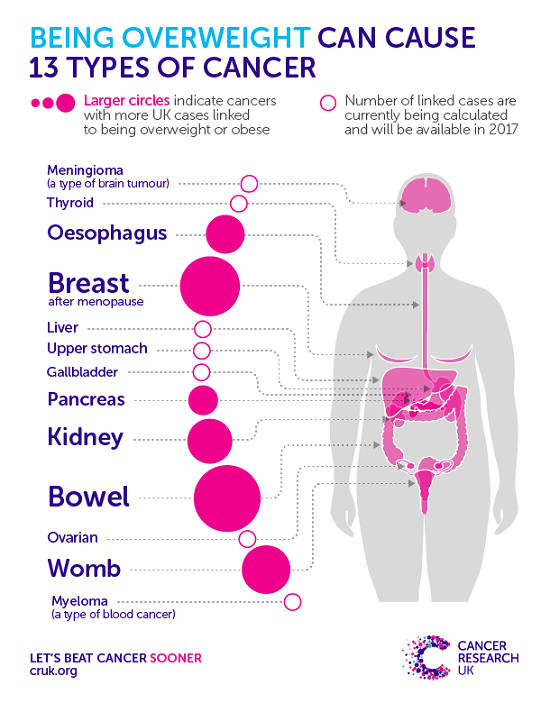
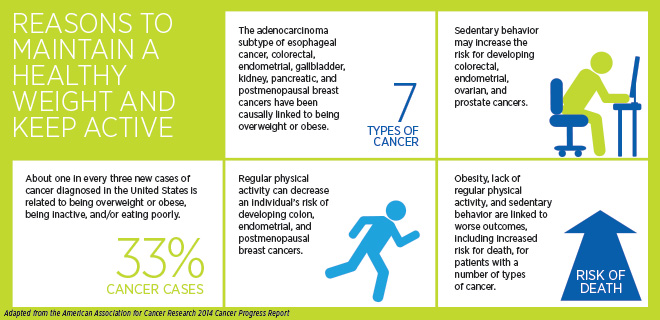
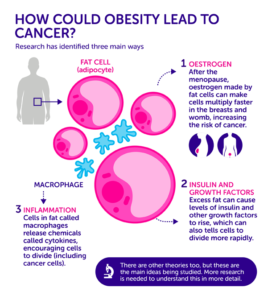
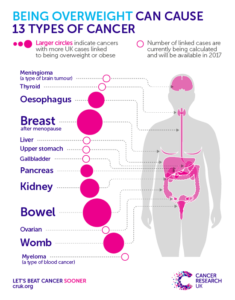
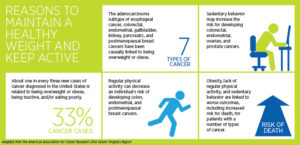
“Obesity has been linked to several common cancers including breast, colorectal, esophageal, kidney, gallbladder, uterine, pancreatic, and liver cancer. Obesity also increases the risk of dying from cancer and may influence the treatment choices. About 4–8% of all cancers are attributed to obesity. The underlying mechanism of obesity causing cancer is complex and is incompletely understood. Lifestyle changes that include diet, exercise, and behavior therapy are the mainstay of interventions. Drug therapy and weight reduction surgery result in a more rapid weight loss and may be used for a subgroup of cancer survivors with obesity.”

National Library of Medicine – NIH (https://www.ncbi.nlm.nih.gov/pmc/articles/PMC9857053/)


Supporting studies on the link between Obesity and Cancer.

LOOKING AT ACTUAL STUDIES SUPPORTING OBESITY&CANCER LINK

Take for example through the American Cancer Society they stated in an article 2006 that a substantial evidence from clinical trials has established that obesity significantly increases the risk for heart disease and diabetes.  More recently, suspicions that obesity is linked to prostate cancer have been supported by a number of investigations, but the relationship has remained unclear.  Now through a pair of new studies provides scientists with some important insights that may have an impact on how physicians manage their patients with prostate cancer.

The pair of studies show 2 significant studies relating how obesity links with prostate cancer, which were:

The implication is that prostate cancer patients who are obese should probably be followed more closely than patients with similar cancer characteristics who are not obese. That could include regular digital rectal exams, more frequent prostate-specific antigen (PSA) testing, and perhaps setting a lower PSA cutoff point as an indication of recurrence, Kane explained.

The greater risk associated with obesity may be related to technical issues, Kane said. For example, it’s more difficult for surgeons to perform a radical prostatectomy in obese patients. However, surgical challenges offer only a partial explanation. In studies where surgeons verified that they had removed all cancer cells during radical prostatectomy, obese patients were still more likely to experience a recurrence of the disease.

The second study, a multi-center trial coordinated at the Duke University School of Medicine in Durham, NC, found that obese men under the age of 63 tend to have larger prostates, which makes finding tumors more difficult. As a result, there’s a real danger of delayed diagnosis, which decreases the chances of a cure and puts patients at greater risk for dying of the disease. The findings appear in the Journal of Urology.

“It’s harder to find cancer in larger prostate glands,” explained Stephen J. Freedland, MD, assistant professor of urology and member of the Duke Prostate Center at the Duke University School of Medicine. “Consequently, our data suggest that we may be underdiagnosing cancers in younger obese men. That also means that the tumors we do pick up are likely to be at a more advanced stage and perhaps more aggressive, and therefore more difficult to treat.”

Let’s look at this at a broader aspect, not just pertaining to prostate cancer.  This would be, “It’s not just patients with prostate cancer that studies like this should be directed toward,” Dr. Kane said. “Patients who are clearly at risk for developing the disease should also take notice of our findings. The central message is yet again that obesity has been identified as an important risk factor for a potentially deadly disease. For all of us, controlling our weight through diet and exercise is important, and we shouldn’t have blinders on and just think of prostate cancer. The number one risk of death for American men is heart disease, so anything we can do to reduce that risk that also reduces the risk for prostate cancer is useful.”  Including it reduces risk for other cancers as well that are impacted by disease, it makes sense.

Obesity links to an increased risk of ovarian cancer.

 Let’s look at this no: Atlanta 2009/01/05 -A new epidemiological study has found that among women who have never used menopausal hormone therapy, obese women are at an increased risk of developing ovarian cancer compared with women of normal weight. Published in the February 15, 2009 issue of CANCER, a peer-reviewed journal of the American Cancer Society, the research indicates that obesity may contribute to the development of ovarian cancer through a hormonal mechanism. Ovarian cancer is the most fatal of gynecologic malignancies, and has a 5-year survival rate of only 37 percent.

To investigate this issue, Dr. Michael F. Leitzmann of the National Cancer Institute and colleagues studied 94,525 U.S. women aged 50 to 71 years over a period of seven years. The researchers documented 303 ovarian cancer cases during this time and noted that among women who had never taken hormones after menopause, obesity was associated with an almost 80 percent higher risk of ovarian cancer. In contrast, no link between body weight and ovarian cancer was evident for women who had ever used menopausal hormone therapy.

According to Dr. Leitzmann, these findings support the hypothesis that obesity may enhance ovarian cancer risk in part through its hormonal effects. Excess body mass in postmenopausal women leads to an increased production of estrogen, which in turn may stimulate the growth of ovarian cells and play a role in the development of ovarian cancer.

In another study done 2003, American Cancer Society researchers analyzed data based on 900,000 American adults with obesity and cancer that they monitored for a total of 16 years.  This is what they found in their landmark study:

1)The researchers found that the most obese women had a 62% increase in their risk of dying from cancer than women of normal weight; for obese men, the increase was 52%. The wide range of tumor types included colorectal, liver, gallbladder, pancreas, esophageal, kidney, prostate, breast, uterine, endometrial, and ovarian cancers. The researchers conclusion was that above-normal weight was associated with almost 20% of all cancer deaths in the United States. “There’s an incredibly powerful link between obesity and cancer,” says oncologist Joyce Slingerland of the University of Miami, Florida. “Everyone’s heard of obesity’s effect on heart disease and diabetes, and we’re now beginning to understand that the cancer risk is just as great,” she says.

Although researchers and epidemiologists had long suspected that diet and cancer were linked, efforts to explain why being fat makes cancer more deadly have only begun to deliver results in the past decade.

So it is up to the people in society of that country they live in to take on responsible actions to make their country a better for all, not just one.  I say that is becoming as healthy as possible that an individual can reach and without America has the answers in knowing how to make this happen 100% in our country.

A new study from American Cancer Society researchers finds it’s not just how much physical activity you get, but how much time you spend sitting that can affect your risk of death.

My final study supporting how obesity links with cancer:

Just think if this was you or someone you know in the world and this happens to you or them; GOD FORBID, but you can help yourself through prevention with losing the weight or just staying slim and tone if you already are.  This will just decrease your risk of getting the cancer.

The JCCC study, led by Dr. Guido Eibl, JCCC member and professor-in-residence in the department of surgery at David Geffen School of Medicine, revealed that mice made obese with high-calorie, high-fat diets developed abnormally high numbers of these lesions.

This is the first study to show a direct causal link in an animal model between obesity and risk of this deadly pancreatic cancer.  The JCCC study, led by Dr. Guido Eibl, JCCC member and professor-in-residence in the department of surgery at David Geffen School of Medicine, revealed that mice made obese with high-calorie, high-fat diets developed abnormally high numbers of these lesions. This is the first study to show a direct causal link in an animal model between obesity and risk of this deadly pancreatic cancer.

The mice eating the normal diet gained an average of approximately 7.2 g over 14 months. Mice on the high-fat, high-calorie diet more than doubled this with an average weight gain of 15.9 g.

Pathological tests showed that mice fed the normal diet had mostly normal pancreases with very few scattered PanIN lesions=intraepithelial neoplasias=precursors to pancreatic lesions.  They are used as markers but can only be seen microscopically so a biopsy is needed.  The mice fed high fat & cholesterol in their diet had significantly more PanIN lesions with less overall healthy pancreases.

The study showed that the mice fed a diet high in fats and calories gained significantly more weight, had abnormalities of their metabolism and increased insulin levels, and had marked pancreatic tissue inflammation with the development of PanIN lesions.

These observations suggest that such a diet like this which leads to weight gain, metabolism disturbances, pancreas inflammation and pancreas lesions that are precursors to cancer.

Obviously research is showing obesity has a link with cancer.  We now know this information let’s make a move America and people elsewhere to become a healthier nation including world.  For diversity is the US and other countries filled with all cultures, races and genders need to learn this knowledge to help make their country whether they were either born there and stayed or those born elsewhere moving to a new country, like America and we the people making up the country need to be responsible not just for yourselves but for your children and future generations in spreading good habits, good dieting, and good exercise to prevent high disease in the country for yourself and your children and the future generations by being a good role model in thinking=live healthy not unhealthy.  In time this would play an impact on your countries economy and health care system in how its run.

References:

1 –American Institute for Cancer Research, Schernhammer ES et al. Circulating levels of insulin-like growth factors, their binding proteins, and breast cancer risk. Cancer Epidemiol Biomarkers Prev. 2005 Mar;14(3):699-704 ES et al. their binding proteins, and breast cancer risk—Cancer Epidemiol Biomarkers Prev. 2006 Mar;14(3):699-704/ AICR ScienceNow /Volume 16/Spring 2006

2 – Studies Help Clarify Link Between Obesity and Prostate Cancer Article date: March 2, 2006 Impact of Obesity on Prostate Cancer Recurrence After Radical Prostatectomy: Data from CaPSURE.” Published in the Nov., 2005 Urology (Vol. 66, No. 5: 1060-1065). First author: William W. Bassett, University of California, San Francisco.“Obesity, Serum Prostate Specific Antigen and Prostate Size: Implications for Prostate Cancer Detection.”Published in the Feb. 2006 Journal of Urology (Vol. 175, No. 2: 500-504). First author: Stephen J. Freedland, MD, Duke University School of Medicine.

3 –Director, Medical & Scientific Communications
American Cancer Society
david.sampson@cancer.org
  Article: “Body mass index and risk of ovarian cancer.” Michael F. Leitzmann, Corinna Koebnick, Kim N. Danforth, Louise A. Brinton, Steven C. Moore, Albert R. Hollenbeck, Arthur Schatzkin, and James V. Lacey, Jr. CANCER; Published Online: January 05, 2009 (DOI: 10.1002/cncr.24086); Print Issue Date: February 15, 2009.

4 –Medical News Today-“Direct  Link to Obesity and Pancreatic Cancer” Author Belinda Weber

5 – Proceedings of the National Academy of Sciences of the United States of America –Article “Link between obesity and cancer” by Sarah C.P. Williams-Science Writer

6 – National Cancer Institute at the National Institute of health – Under their national cancer fact sheet regarding their article “Obesity and Cancer Risk”.
QUOTE FOR THURSDAY:

“March is National Nutrition Month. Established by the Academy of Nutrition and Dietetics in 1973, it’s an opportunity to educate about healthy food choices and designed to focus on creating healthy eating habits and participating in physical activity for better health. This year’s theme is Beyond the Table.”

The University of Arizona (https://lifework.arizona.edu/news/2024/national-nutrition-month-beyond-table)

Nutrition Month=Focus Beyond your table!

Malnutrition involves a dietary deficiency. People may eat too much of the wrong type of food and have malnutrition, but this article will focus on undernutrition, when a person lacks nutrients because they do not consume enough food.

Poor diet may lead to a lack of vitamins, minerals, and other essential substances. Too little protein can lead to kwashiorkor, symptoms of which include a distended abdomen. A lack of vitamin C can result in scurvy.

Scurvy is rare in industrialized nations, but it can affect older people, those who consume excessive quantities of alcohol, and people who do not eat fresh fruits and vegetables. Some infants and children who follow a limited diet for any reason may be prone to scurvy.

According to the World Health Organization (WHO), 462 million people worldwide are malnourished, and stunted development due to poor diet affects 159 million children globally.

Malnutrition during childhood can lead not only to long-term health problems but also to educational challenges and limited work opportunities in the future. Malnourished children often have smaller babies when they grow up.

It can also slow recovery from wounds and illnesses, and it can complicate diseases such as measles, pneumonia, malaria, and diarrhea. It can leave the body more susceptible to disease.

Malnutrition manifests itself as both over- and under-nutrition, and is currently not diagnosed and treated in time. It leads to serious health problems, including the estimated 60 percent of cardiovascular deaths. Researchers suggest that an accurate training of healthcare professionals may be at the heart of solving this problem.  If malnutrition was treated in time, especially from childhood or earlier adulthood many diseases of cardiac to diabetes II to obesity itself with the side effects it caused to other organs.  I could go on about different diseases but cardiac is an important one since the engine to the body is our heart (the size of your fist).

People only look at nutrients as a number, but not as something with nutritional value. They do not consider the food matrix nor biological function.

Applying nutrition into life deals with the relationship between nutrition and the health and wellbeing of a person to even a population.  Take U.S.A. we are the highest with Obesity.  In U.S.A., look how much emphasis is put on fast food selling or advertising alone and we the people over 50% fall for it and if not daily just too much.  Look at disease in this country that could be avoided due to obesity the cause for other diseases in an individual.  Which by the way didn’t happen over night.  Nobody puts  a magnum-45 to someone’s head to walk into McDonald’s or Wendy’s or KOC with many other fast food companies in U.S.A (that have flown in numbers in other countries) to order there food.  Like alcohol for some the person gets addicted to this kind of food.  To change you need the inspiration to want to with the discipline to do so.

There is another disorder Binge Eating Disorder (BED) is newly-recognized and is characterized by recurrent episodes of binge eating that occur twice weekly or more for a period of at least six months. During bingeing, a larger than normal amount of food is consumed in a short time frame and the person engaging in the bingeing behavior feels a lack of control over the eating.

In BED, bingeing episodes are associated with at least three characteristics such as eating until uncomfortable, eating when not physically hungry, eating rapidly, eating alone for fear of being embarrassed by how much food is being consumed, or feeling disgusted, depressed or guilty after the episode of overeating. These negative feelings may in turn trigger more bingeing behavior. In addition, although BED behaviors may cause distress by those affected, it is not associated with inappropriate compensatory behaviors such as those found in Bulimia Nervosa or Anorexia Nervosa. Therefore, people with BED often present as either overweight or obese because they consume so many extra calories.

Take the opposite,  Anorexia nervosa is an eating disorder characterized by weight loss (or lack of appropriate weight gain in growing children); difficulties maintaining an appropriate body weight for height, age, and stature; and, in many individuals, distorted body image. People with anorexia generally restrict the number of calories and the types of food they eat. Some people with the disorder also exercise compulsively, purge via vomiting and laxatives, and/or binge eat.

Anorexia can affect people of all ages, genders, sexual orientations, races, and ethnicities. Historians and psychologists have found evidence of people displaying symptoms of anorexia for hundreds or thousands of years.

Bulimia nervosa is a serious, potentially life-threatening eating disorder characterized by a cycle of bingeing and compensatory behaviors such as self-induced vomiting designed to undo or compensate for the effects of binge eating.

  • Eating, in a discrete period of time (e.g. within any 2-hour period), an amount of food that is definitely larger than most people would eat during a similar period of time and under similar circumstances.
  • A sense of lack of control over eating during the episode (e.g. a feeling that one cannot stop eating or control what or how much one is eating).
  • Recurrent inappropriate compensatory behavior in order to prevent weight gain, such as self-induced vomiting, misuse of laxatives, diuretics, or other medications, fasting, or excessive exercise.
  • The binge eating and inappropriate compensatory behaviors both occur, on average, at least once a week for three months.
  • Self-evaluation is unduly influenced by body shape and weight.
  • The disturbance does not occur exclusively during episodes of anorexia nervosa.

Instead of going on and on with diseases here is what you eat to resolve the malnutrition (either eating too much or not enough).  So eat the following in moderate amounts:

  • plenty of fruit and vegetables.
  • plenty of bread, rice, potatoes, pasta and other starchy foods.
  • some milk and dairy foods.
  • some meat, fish, eggs, beans and other non dairy sources of protein.

Recommended is to check with your doctor especially since they know your medical history.

It’s up to you to make the move; the internet besides so many companies can help you with just picking up a book on the problem of malnutrition (at a book store to even the public library), if you feel you have malnutrition.  Not sure?  Then go to your general practitioner.

Beyond the Table is about growing your food, distributing food, purchasing food at the grocery store or farmers market, and how you treat the food at home. It focuses on food safety and storage of the foods you eat.

  • Food safety is always a good idea. The old saying an ounce of prevention is worth a pound of cure is the best way to view the importance of food safety. Making sure foods are stored at the correct temperature and cooked at the appropriate temperature for the correct amount of time is important to prevent food poisoning. An easy way to monitor food safety in your pantry or fridge is by logging on to FoodSafety.gov. It can be accessed from your PC or an app on your phone.
  • Shopping for food at the grocery store or farmers’ market is how we often purchase food for home use. Farmer’s Markets offer a great way of getting food from farm to table. Check out resources listing Tucson farmers markets and your area.
  • Growing food in the desert can be challenging yet rewarding.
  • Cooking skills that will enhance your food budget and possibly give you a new life skill can be found through culinary classes or invest in a basic skills cookbook if you are a beginner making your own healthy foods.
  • Grocery lists make it easier to shop when you plan meals for the week. They can also help you stay on track when shopping for food.


QUOTE FOR WEDNESDAY:

“Someone in the world develops dementia every 3 seconds. There are over 55 million people worldwide living with dementia in 2020. This number will almost double every 20 years, reaching 78 million in 2030 and 139 million in 2050. Much of the increase will be in developing countries. Already 60% of people with dementia live in low and middle income countries, but by 2050 this will rise to 71%. The fastest growth in the elderly population is taking place in China, India, and their south Asian and western Pacific neighbors.

Demographic ageing is a worldwide process that shows the successes of improved health care over the last century. Many are now living longer and healthier lives and so the world population has a greater proportion of older people. Dementia mainly affects older people, although there is a growing awareness of cases that start before the age of 65.

There are over 10 million new cases of dementia each year worldwide, implying one new case every 3.2 seconds.”

Alzheimer’s Disease International (https://www.alzint.org/about/dementia-facts-figures/dementia-statistics/)

QUOTE FOR TUESDAY:

“Tests and procedures used for colon/rectal cancer diagnosis include:

  • Using a scope to examine the inside of the colon. Colonoscopy uses a long, flexible and slender tube attached to a video camera and monitor to view the whole colon and rectum. A doctor may pass surgical tools through the tube to take tissue samples and remove polyps.
  • Removing a sample of tissue for testing. A biopsy is a procedure to remove a sample of tissue for testing in a lab. For colon cancer, the tissue sample is often collected during a colonoscopy. Sometimes surgery is needed to get the tissue sample. In the lab, tests can show whether the cells are cancerous and how quickly they’re growing. Other tests can give more information about the cancer cells. Your health care team uses the results to understand your prognosis and create a treatment plan.
  • Blood tests. Blood tests aren’t used to diagnose colon cancer. But blood tests can give clues about overall health, such as how well the kidneys and liver are working. A blood test might be used to look for a low level of red blood cells. This result might indicate that a colon cancer is causing bleeding.