Archive | September 2025

QUOTE FOR FRIDAY:

“The distribution of blood cancer cases reveals patterns across age, sex, and race. The risk for most blood cancers increases as people get older, though some types are more prevalent in younger populations. Leukemia is the most common cancer in children, accounting for 28% of all childhood cancers, with the risk for acute lymphoblastic leukemia (ALL) highest in those under five.

Blood cancers are statistically more common in men than in women. For example, 2021 estimates for acute myeloid leukemia (AML) showed an incidence rate of 5.2 per 100,000 for males compared to 3.5 per 100,000 for females.

There are also notable variations among racial and ethnic groups. Multiple myeloma is more than twice as common in African Americans as it is in White Americans. In contrast, chronic lymphocytic leukemia (CLL) is more frequently diagnosed in North America and Europe than in Asia. Hispanic children and adolescents have higher incidence rates of leukemia compared to other groups in the U.S.”

BiologyInsights.com  (Blood Cancer Statistics by Type, Demographics & Survival – Biology Insights)


Part II Learn the blood cells that are affected in the 3 main blood cancers and what happens to the human body including the symptoms?

Lets just start with our type of cells in the body first that would help us better understand these names in their meaning and understand what gets effected immediately when types of cells are not in normal levels.

We have red blood cells (erythrocytes) in our blood stream and abbreviated RBCs.  Their substance in them are rich in hemoglobin, an iron-containing bio-molecule.  They are also known as erythrocytes.  They also are the food carrier of oxygen (02) carried in our body from tissue to tissue.  This is done via the heart by its pumping action.  RBCs are sent throughout the bloodstream from our heart.  In time sent back to the heart when all the 02 is used up by the tissues it reached.  Then sent to the lungs from the right side of the heart to get more 02 rich supply in the cell.  The lungs take from the cell the carbon dioxide (a toxin from the cell) that we release via exhaling from the lungs.  The cell goes to the left side of the heart pumping the RBCs back out in the blood stream to release this 02 (energy)to our tissues to stay alive repeating this cycle over and over again. till that RBC dies off normally.  Without 02 and other nutrients to our tissues this means cellular starvation=death.

We have white blood cells.  White blood cells (also called leukocytes for WBCs in general and abbreviated as WBCs) are the cells of the immune system that are involved in protecting the body, they fight infection.

White blood cells (leukocytes) are the cells of the immune system that are involved in protecting the body against both infectious disease and foreign invaders but their are types of WBCs. All white blood cells are produced and derived from multipotent cells in the bone marrow known as hematopoietic stem cells. Leukocytes are found throughout the body, including the blood and lymphatic system (lymph nodes).

Types of white blood cells

  • Monocytes. They have a longer lifespan than many white blood cells and help to break down bacteria.

  • Lymphocytes. They create antibodies to defend against bacteria, viruses, and other potentially harmful invaders.

  • Neutrophils. They kill and digest bacteria and fungi. They are the most numerous type of white blood cell and your first line of defense when infection strikes.

  • Basophils. These small cells appear to sound an alarm when infectious agents invade your blood. They secrete chemicals such as histamine, a marker of allergic disease, that help control the body’s immune response.

  • Eosinophils. They attack and kill parasites, destroy cancer cells, and help with allergic responses.

Both red blood and white blood cells have what is called a nucleus inside them meaning it stores the cell’s hereditary material, or DNA, and it coordinates the cell’s activities, which include growth, intermediary metabolism, protein synthesis, and reproduction (cell division).  In addition, cancer cells often have an abnormal shape, both of the cell, and of the nucleus (the “brain” of the cell.) The nucleus appears both larger and darker than normal cells. The reason for the darkness is that the nucleus of cancer cells contains excess DNA.

Platelet cells (also called thrombocytes are a component of blood whose function (along with the coagulation factors) is to react to bleeding from blood vessel injury by clumping, thereby initiating a blood clot.  The main function of platelets is to contribute to hemostasis: the process of stopping bleeding at the site in the body anywhere.  Platelets are considered “not a true cell” because of its make up and doesn’t have a nucleus in it like RBCs or WBCs.

Where do all our cells derive from?  The bone marrow, in adult humans bone marrow is primarily located in the ribs, vertebrae, sternum, and bones of the pelvis. On average, bone marrow constitutes 4% of the total body mass of humans.

In the bone marrow the formation of blood cellular components happens. All cellular blood components are derived from haematopoietic stem cells.  The formation of blood cellular components.

When these cells get affected with being increased or decreased in the bloodstream especially changing make up of the cell (Ex. cancer cell) then the person is at risk for problems that can occur if not resolved in the near future.

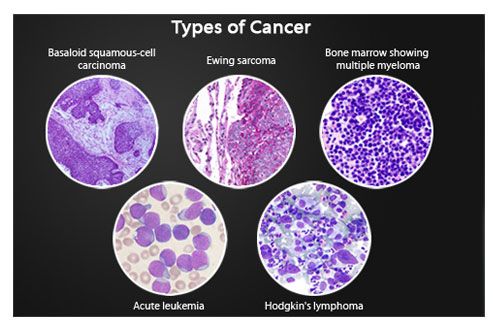
Multiple myeloma, lymphoma, and leukemia

These are all types of cancers that effect your WBCs and immunity system. Doctors often call them blood cancers.  The cells that are effected are WBC’s and after the cancer cells start intially effecting WBC’s affects the other cells.

­While these three types of cancers are alike in some ways (all three deals with intially affecting WBCs and our immune system) but they affect different parts of your body. Some are harder to treat than others.

Multiple myeloma hits your plasma cells. Multiple myeloma is a cancer that forms in a type of white blood cell called a plasma cell.  These white blood cells make antibodies to fight disease. Myeloma cancer cells take over, and your body can’t fight infections like they did when your good WBCs where in normal level.  Remember all cancer cells keep replicating in the bone marrow (Where our cells are made from normally).

They take over eliminating the plasma normal cells allowing cancer cells to take over. In addition, cancer cells often have an abnormal shape, both of the cell, and of the nucleus (the “brain” of the cell.). The nucleus appears both larger and darker than normal cells nucleus (RBCs and WBCs). The reason for the darkness is that the nucleus of cancer cells contains excess DNA.

The cancer cells make abnormal antibodies that settle in your blood not allowing the regular function of regular plasma cells being done (fighting infection off).  Instead cancer cells do the opposite.  They can eat away at bone or damage your kidneys in this disease.

Lymphoma usually starts in your lymph nodes or other parts of your lymphatic system. These small glands in your armpits, groin, and neck store immune cells called lymphocytes. They are white bloods cell that fights infections. When the cancer cells build up in your lymph nodes, your immune system starts to break down.Know that a lymphocyte is one of the sub-types of white blood cell in a vertebrate’s immune system. Lymphocytes include natural killer cells, T cells (for cell-mediated, cyto-toxic adaptive immunity= cells mediate cell toxic adaptive immunity – they control it), and B cells (for humoral, antibody-driven adaptive immunity= human antibodies adapted to immune our system from infection).   They are the main type of cell found in lymph tissue, which prompted the name “lymphocyte”.
Leukemia typically starts in your blood and bone marrow.  You make so many white blood cells that you can’t fight infections. Your marrow can’t make enough of other vital blood cells: red blood cells and platelets.  The leukemia cells can‘t fight infection the way normal white blood cells do. … Eventually, there aren’t enough red blood cells to supply oxygen and nutrients they normally deliver in the blood stream.  There is not enough platelets to clot the blood or enough normal white blood cells to fight infection. This is because these leukemia cells have taken over in number and kill off the good cells of all types; due to this result of this cellular change, problems like infection, anemia, bruising, and bleeding.  This occurs since now the normal cells that fight these problems and preventing these occurences from happening are almost extinct.  What has taken over is the cancer cells .  

These 3 main types of blood cancers start with effecting the WBC’s first but effect all the types of cells in time!

Leukemia, myeloma, and lymphoma are three main types of blood cancers that primarily affect white blood cells.

  • Leukemia affects immature white blood cells, leading to an overproduction of these cells that cannot function properly, crowding out healthy white blood cells. 

  • Myeloma affects plasma cells, which are responsible for producing antibodies to fight infections. Cancerous plasma cells crowd the bone marrow, impairing its ability to produce healthy blood cells. 

  • Lymphoma affects lymphocytes, a type of white blood cell that helps the body fight infections. It can cause lymph nodes to swell and may lead to fatigue, fever, and weight loss. 

    These cancers disrupt the normal function of blood cells, making it harder for the body to fight infections and maintain overall health. 

Symptoms

Blood cancer signs can vary and may be hard to spot. But multiple myeloma, lymphoma, and leukemia do have some similar symptoms.At first, multiple myeloma may not have symptoms. As the cancer grows, you might notice:

  • Bone pain, especially in your chest or spine
  • Confusion
  • Constipation
  • Extreme thirst
  • Fatigue
  • Nausea
  • No appetite
  • Weakness or numbness
  • Weight loss you can’t explain

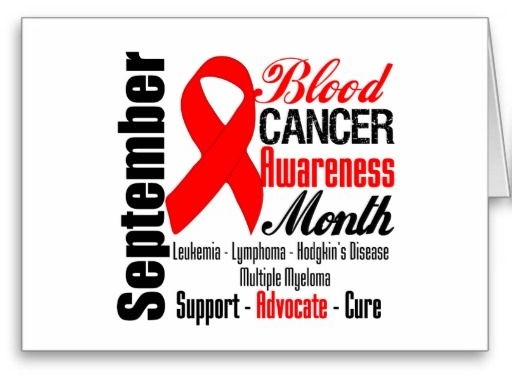
Stay tune for Part II tomorrow.  Its the awareness month of blood cancers!


QUOTE FOR THURSDAY:

“Blood cancer endangers an essential life force: your blood cells. These cells give you energy, help you fight infection, and keep you from bleeding too much. When faulty DNA causes your blood cells to become cancerous, the cancer puts all these important functions at risk. Fortunately, there are many effective and safe ways to treat blood cancer.

Blood cancer affects how your body produces all types of blood cells and how well those cells work. Most blood cancers start in your bone marrow; this is where most of your cells are produced and let into the bloodstream and mature into adult size cells. This is the soft, sponge-like material in the center of your bones. Your bone marrow makes stem cells that mature and become one of the following:  Red blood cells, which carry oxygen throughout your body, White blood cells, which fight infection, Platelets, which control bleeding.

Blood cancer happens when something disrupts how your body makes blood cells. The cancer cells can’t do the jobs normal blood cells do. Instead, the abnormal blood cells multiply unchecked and overwhelm the normal ones.

Like any type of cancer, blood cancer is a serious diagnosis. But the good news is that more and more people are surviving blood cancer.”

Cleveland Clinic (Blood Cancer: Types, Symptoms & Treatment)


Part I Blood Cancer Awareness Month – the functions of different fluids in our blood stream & the names of 3 main types of blood cancers!

The six most common cancers—breast, lung, prostate, colorectal, melanoma and bladder—are solid cancers that account for almost 1 million new cases a year.  In 2023, roughly 2.0 million people will be diagnosed with cancer in the United States. An estimated 297,790 women and 2,800 men will be diagnosed with breast cancer, which makes it the most common cancer diagnosis. Prostate cancer is the leading cancer diagnosis among men and the second most common diagnosis overall with 288,300 expected cases. Lung and bronchus cancer is the third most common cancer diagnosis with an estimated 238,340 new cases.

Cancers that are not considered solid cancers are often lumped together in the category of blood cancers being:

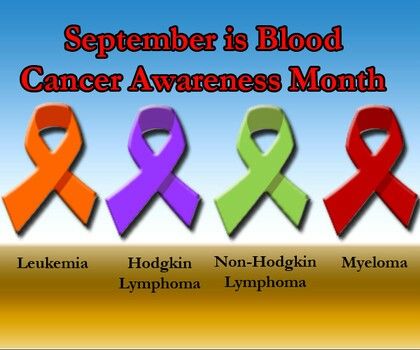
Leukemia, Lymphoma and Myeloma.

What are the functions of these different cells in the human body including the bone marrow and lymph fluids?

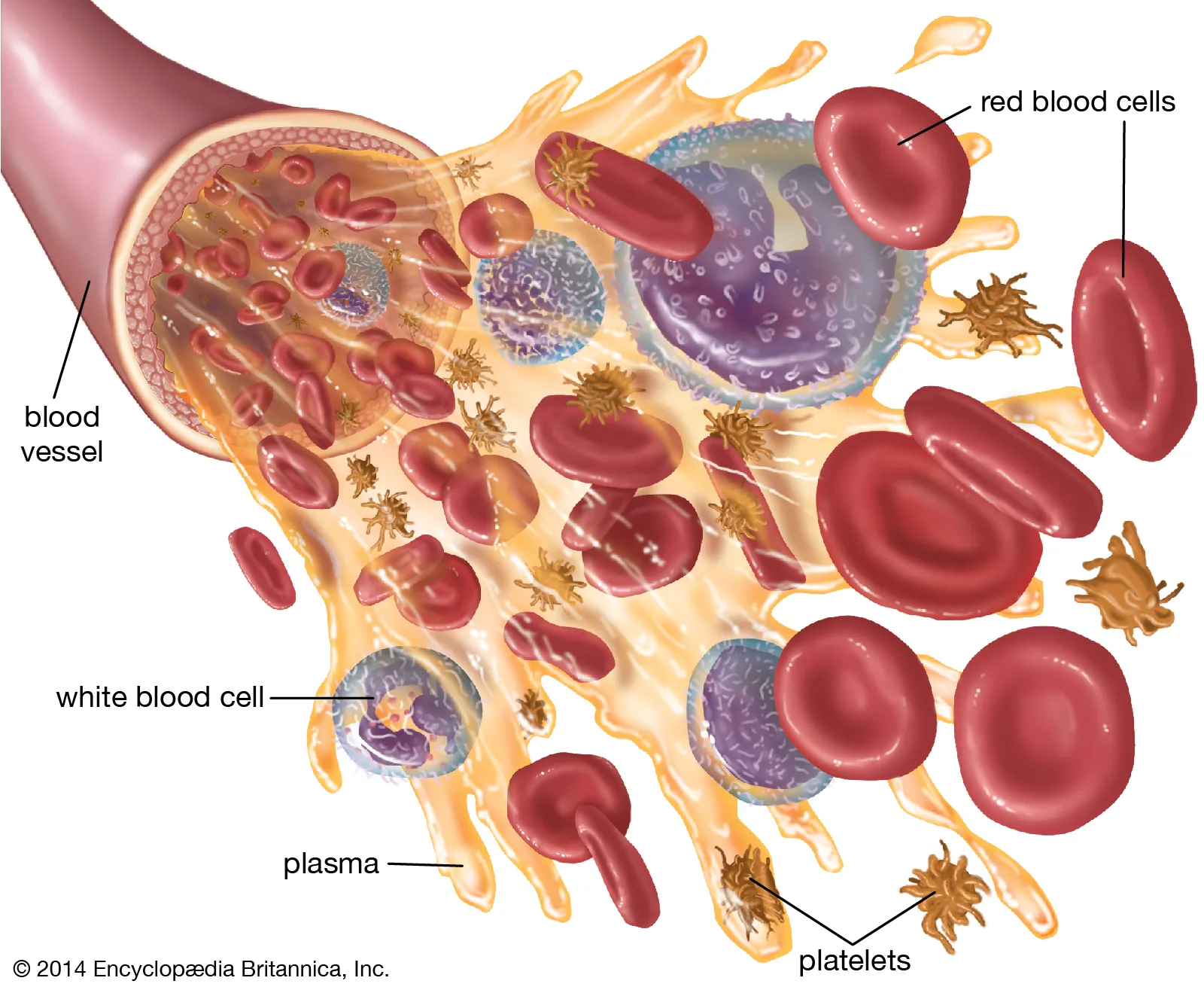
Blood and lymph are the two most important body fluids in the human body. Blood comprises plasma, white blood cells, red blood cells, and platelets.

Lymph is a colorless fluid that circulates inside the lymphatic vessels.

The body fluids and circulation of these body fluids are described below in complete detail.

  • Blood: Blood regulate the flow of oxygen and carbon dioxide in and out of the body-through red blood cells RBC’s, contains immune cells that fight infection-through the white blood cells WBC’s, and Platelets for clotting.  The blood delivers nutrients and hormones.
  • Bone marrow: Red bone marrow produces new blood cells and platelets, which help regulate clotting. Yellow bone marrow produces and stores fats that help build bone and cartilage.
  • Lymph: Lymph fluids carry immune cells throughout the body, deliver bacteria to lymph nodes to be filtered out of the circulatory system, and return excess proteins to the blood supply.

The three main types of blood cancers are:

Multiple myeloma: This cancer develops in the bone marrow and affects plasma cells, which produce antibodies that attack infections and diseases. When plasma cells become cancerous, they may accumulate in the marrow and damage or weaken bone and cause pain. Cancerous plasma cells also produce faulty antibodies, which make it hard for the body to fight infections. multiple myeloma may be treated with targeted therapy, radiation therapy, chemotherapy and/or a stem cell transplant.

Leukemia: This cancer of the blood cells usually starts in bone marrow and travels through the bloodstream. In leukemia, the bone marrow produces mutated cells and spreads them into the blood, where they grow and crowd out healthy blood cells. Leukemia comes in many forms, but the key diagnosis is determined by whether the disease is acute or chronic. Acute leukemias are fast-growing and may require aggressive treatments.

Lymphomas: These diseases affect the cells in the lymphatic system. In lymphomas, immune cells called lymphocytes grow out of control and collect in lymph nodes, the spleen, in other lymph tissues or in neighboring organs. There are dozens of types of lymphoma, but the disease is largely categorized as Hodgkin lymphoma or non-Hodgkin lymphoma. Immunotherapy may be used to treat some cases of Hodgkin lymphoma. Other lymphoma treatments include chemotherapy and surgery to remove affected lymph nodes.

Patients with blood cancers often have symptoms common to all three forms of the blood diseases listed above:

These symptoms are weakness and fatigue, bone pain, infections, fevers and weight loss. And some leukemias and lymphomas are so similar, they may be considered the same disease, but are named depending on whether they are found in the blood or in the lymph system. For instance, chronic lymphocytic leukemia and small lymphocytic lymphoma affect the same kind of cells—small lymphocytes—and are often considered different versions of the same disease. A definitive diagnosis may require a bone marrow biopsy or a procedure called flow cytometry, in which cancerous cells are analyzed with a laser.

QUOTE FOR WEDNESDAY:

“Sickle cell disease (SCD) is an inherited red blood cell disorder. Sickle cells are rigid and crescent-shaped instead of flexible and round like healthy red blood cells. The abnormal sickle shape causes them to get stuck in small blood vessels, clogging blood flow and interfering with oxygen delivery.

Sickle cells tend to die early, resulting in a shortage of red blood cells. The disease can cause pain and other health issues, including sickle cell anemia.

Sickle cell disease is the most common inherited blood disorder the United States, affecting around 100,000 people.”

New York Presbyterian (Sickle Cell Disease (SCD): Symptoms & Causes | NewYork-Presbyterian)

QUOTE FOR TUESDAY:

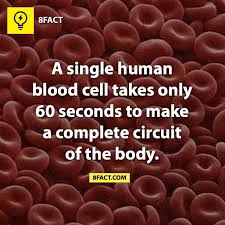
“Your body’s circulatory system consists of your heart and blood vessels. They use blood to bring your cells what they need and take away what they don’t.

Your heart pumps blood through the far-reaching, intricate network of arteries and veins. Your blood delivers oxygen and nutrients to your body’s muscles, tissues and organs. This network also removes waste and takes it to organs that can get rid of it.

People often refer to the circulatory system as the cardiovascular system. They are different names for the same system.

Day and night, even when asleep, your heart moves blood through your body in a circuit or like water pipes. If you follow the blood through your body, it moves from your heart into big highways for blood called arteries that deliver blood to your organs and tissues.

In your tissues, blood oxygen is exchanged for waste in tiny networks of blood vessels called capillaries. After leaving the tissues and organs, your blood returns to your heart through veins with more C02/less 02 and to the kidneys to toxics developed. The blood travels through your heart and lungs to get oxygenated again and repeat the process  just like to the kidneys with more 02 but takes wastes in the blood away=Co2 (the other wastes leave the body via urine). This happens thousands of times each day, with every beat of your heart=our engine to the body.

Your heart circulates about 2,000 gallons (more than 7,500 liters) of your blood every day.”

Cleveland Clinic (How Your Circulatory System Works)

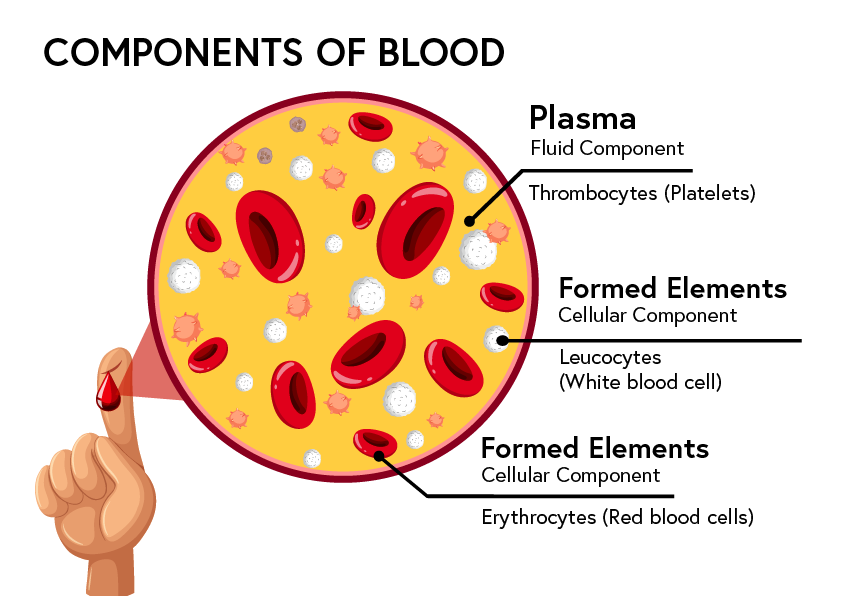
“Blood is mostly fluid. But it also contains cells and proteins that make it (literally) thicker than water. The average adult male has about 5 liters (10.5 pints) of blood. Females have about 4 liters (8.5 pints). Blood makes up about 8% of your body weight:

  • Plasma makes up about 55% of your blood.
  • Red blood cells make up about 44% of your blood.
  • White blood cells and platelets make up about 1% of your blood.”

Cleveland Clinic (Blood: What It Is & Function)

The make up of our specialized connective tissue=blood, the cells that make it up and know their functions to understand blood diseases!


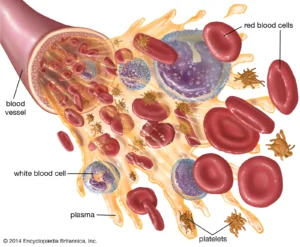
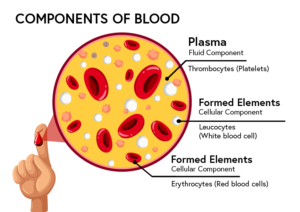
Recall that blood is a connective tissue. Like all connective tissues, it is made up of cellular elements and an extracellular matrix. The cellular elements—referred to as the formed elements—include red blood cells (RBCs)white blood cells (WBCs), and cell fragments called platelets. The extracellular matrix, called plasma, makes blood unique among connective tissues because it is fluid.

Your blood carries oxygen and nutrients to all of the cells in your body. Blood cells also fight infection and control bleeding.

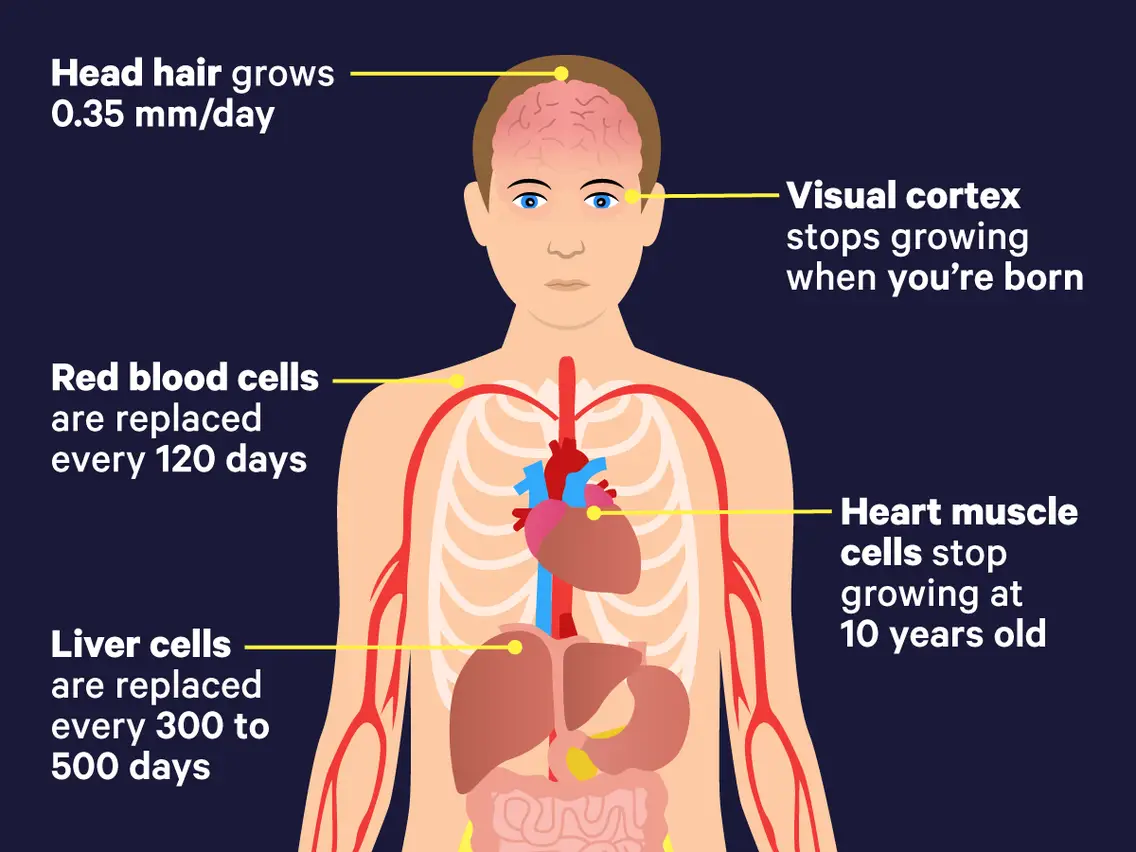
Most blood cells are made in your bone marrow. They are constantly being made and replaced. How long a blood cell lasts before being replaced is called its lifespan.

Blood is viscous, with a viscosity approximately five times greater than water. Viscosity is a measure of a fluid’s thickness or resistance to flow, and is influenced by the presence of the plasma proteins and formed elements within the blood. The viscosity of blood has a dramatic impact on blood pressure and flow. Consider the difference in flow between water and honey. The more viscous honey would demonstrate a greater resistance to flow than the less viscous water. The same principle applies to blood.  Blood viscosity is inversely proportional to hydration; the more hydrated you are, the less viscous your blood becomes. In severely dehydrated individuals, blood can become excessively viscous sometimes resulting in infarction or other cardiovascular events.

The normal temperature of blood is slightly higher than normal body temperature—about 38 °C (or 100.4 °F), compared to 37 °C (or 98.6 °F) for an internal body temperature reading. Although the surface of a blood vessel is relatively smooth, blood experiences friction and resistance to its flow. This produces heat, accounting for the slightly higher temperature of blood.

The pH of blood averages about 7.4; however, it can range from 7.35 to 7.45 in a healthy person. Blood is therefore somewhat more basic (alkaline) on a chemical scale than pure water, which has a pH of 7.0. Blood contains numerous buffers that help to regulate pH.

Blood constitutes approximately 8 percent of adult body weight. Adult males typically average about 5-6 liters of blood, and females average 4–5 liters.

Your blood is made up of 4 parts: red blood cells, white blood cells, platelets, and plasma.

This information explains the different parts of your blood and their functions.

Your blood carries oxygen and nutrients to all of the cells in your body. Blood cells also fight infection and control bleeding.

Most blood cells are made in your bone marrow. They are constantly being made and replaced. How long a blood cell lasts before being replaced is called its lifespan.  This is why for example in cancers a bone marrow aspiration commonly used in checking for blood or other cancers  or bone marrow transplant used as a treatment for giving healthy hematopoietic stem cells into the diseased pt’s bone marrow to replace diseased blood cells and stimulate the production of healthy blood cells, effectively slowing down or stopping the cancer’s progression if the pt is a candidate.

Your blood is made up these 4 types of cells, lets review:

Parts of Your Blood

1-Red blood cells (erythrocytes)

Red blood cells carry oxygen from your lungs to your tissues. They also bring carbon dioxide back to your lungs.

Red blood cells make up almost half of your blood. The lifespan of a red blood cell is around 120 days.

2-White blood cells (leukocytes)

White blood cells fight infection and are an important part of your immune system. They make up a very small part of your total blood (less than 1%).

There are 3 types of white blood cells: I granulocytes, II monocytes, & III lymphocytes. Each type has an important role.

  • I There are 3 types of granulocytes: A.Neutrophils help fight bacterial and fungal infections. B. Basophils are part of your body’s immune response/responses to allergens. Basophils are implicated in multiple human diseases including autoimmune disorders, inflammatory disorders, cancer and allergies and asthma. However, the contributions of basophils to the development of human disease states remain poorly defined. Their exact function isn’t well known.  C.Eosinophils their main action is to help fight infections caused by parasites.  A high number of eosinophils (eosinophilia) are often linked to a variety of disorders. A high eosinophil count may be due to: Adrenal gland deficiency. Also it could mean allergic disease, including hay fever.
  • II Monocytes break down and remove foreign organisms and dying cells from your body. Main action against bacterial infection.  They have subsets no Types (too much for this topic).  Clevaland Clinic states “Monocytes are a type of white blood cell (leukocytes) that reside in your blood and tissues to find and destroy germs (viruses, bacteria, fungi and protozoa) and eliminate infected cells. Monocytes call on other white blood cells to help treat injury and prevent infection.
  • III Lymphocytes make up your immune system.  Lymphocytes are a type of white blood cell. They help your body’s immune system fight cancer and foreign viruses and bacteria. Your lymphocyte count can be taken during a normal blood test at your healthcare provider’s office. Lymphocyte levels vary depending on your age, race, sex, altitude and lifestyle.

Memorial Sloan Kettering Center in NYC states “White blood cells have a wide range of lifespans, from hours to years.”.

3-Platelets (thrombocytes)

Platelets are small parts of cells. Their main function is to control bleeding. They make up a very small part of your blood (less than 1%). The lifespan of platelets is about 9 to 12 days.

4-Plasma

Plasma is the pale-yellow liquid part of your blood that holds all of your blood cells. It makes up a little over half of your total blood. On average about 5-6 liters of blood, and females average 4–5 liters.

Plasma helps move water, nutrients, minerals, medications, and hormones throughout your body. It also carries waste products to your kidneys. Then your kidneys filter out the waste products from your blood. Plasma is made up of water, protein, lipids (fats). It carries water, fat-soluble nutrients, and other substances to and from the different organs.

Plasma is 92% water. Dissolved or suspended within this water is a mixture of substances, most of which are proteins. There are hundreds of substances dissolved in the plasma, although many of them are found only in very small quantities.

Approximately 7 percent make up of plasma is protein.

The three major groups of plasma proteins are as follows:

  • Albumin is the most abundant of the plasma proteins. Manufactured by the liver, albumin molecules serve as binding proteins—transport vehicles for fatty acids and steroid hormones. Recall that lipids are hydrophobic; however, binding to albumin enables their transport in the watery plasma. Albumin is also the most significant contributor to the osmotic pressure of blood; that is, its presence holds water inside the blood vessels and draws water from the tissues, across blood vessel walls, and into the bloodstream. This in turn helps to maintain both blood volume and blood pressure. Albumin normally accounts for approximately 54 percent of the total plasma protein content, or 3.5–5.0 g/dL of blood.
  • The second most common plasma proteins are the globulins. A heterogeneous group, there are three main subgroups known as alpha, beta, and gamma globulins. The alpha and beta globulins transport iron, lipids, and the fat-soluble vitamins A, D, E, and K to the cells; like albumin, they also contribute to osmotic pressure. The gamma globulins are proteins involved in immunity and are better known as an antibodies or immunoglobulins. Unlike alpha and beta globulins, which are produced in the liver, immunoglobulins are produced by specialized leukocytes known as plasma cells. Globulins make up approximately 38 percent of the total plasma protein volume, or 1.0–1.5 g/dL of blood.
  • The least abundant plasma protein is fibrinogen. Like albumin and the alpha and beta globulins, fibrinogen is produced by the liver. It is essential for blood clotting, a process described later in this chapter. Fibrinogen accounts for about 7 percent of the total plasma protein volume, or 0.2–0.45 g/dL of blood.

Other Plasma Solutes

In addition to proteins, plasma contains a wide variety of other substances. These include various electrolytes, such as sodium, potassium, and calcium ions; dissolved gases, such as oxygen, carbon dioxide, and nitrogen; various organic nutrients, such as vitamins, lipids, glucose, and amino acids; and metabolic wastes. All of these non-protein solutes combined contribute approximately 1 percent to the total volume of plasma.

Resources

Johns Hopkins Medicine
www.hopkinsmedicine.org/health/wellness-and-prevention/facts-about-blood
This website has facts about blood, blood cells, and blood cell count.

American Red Cross
www.redcrossblood.org
The American Red Cross offers a variety of information about the different parts of blood and what blood cells do.

Stanford Children’s Health
www.stanfordchildrens.org
Stanford Children’s Health offers a variety of information about the different parts of blood and what blood cells do.
QUOTE FOR MONDAY:

“Observed the first Monday in September, Labor Day is an annual celebration of the social and economic achievements of American workers. The holiday is rooted in the late nineteenth century, when labor activists pushed for a federal holiday to recognize the many contributions workers have made to America’s strength, prosperity, and well-being.”

U.S. Department of Labor (History of Labor Day | U.S. Department of Labor)