“Obesity is a disease in which a person has an unhealthy amount and/or distribution of body fat (1). Compared with people of healthy weight, those with overweight or obesity are at greater risk for many diseases, including diabetes, high blood pressure, cardiovascular disease, stroke, and at least 13 types of cancer, as well as having an elevated risk of death from all causes (2–5).”
Archive | April 2025
QUOTE FOR TUESDAY:
“AT/RTs occur in both children and adults and are very rare in both age groups. Most patients are younger than two years of age at diagnosis. An estimated 470 people are living with this tumor in the United States and only 50 are adults. AT/RTs occur slightly more often in males than females.”
NIH National Cancer Institute (Atypical Teratoid/Rhabdoid Tumors (AT/RT): Diagnosis and Treatment – NCI)
Teratoid/Rhabdoid Tumor (AT/RT)!
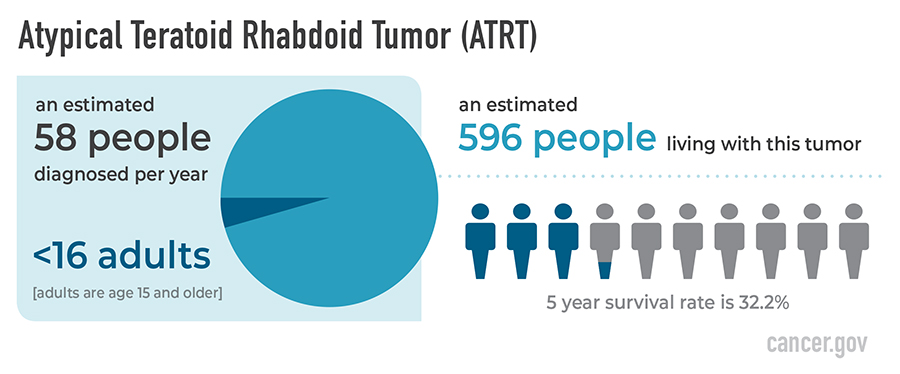
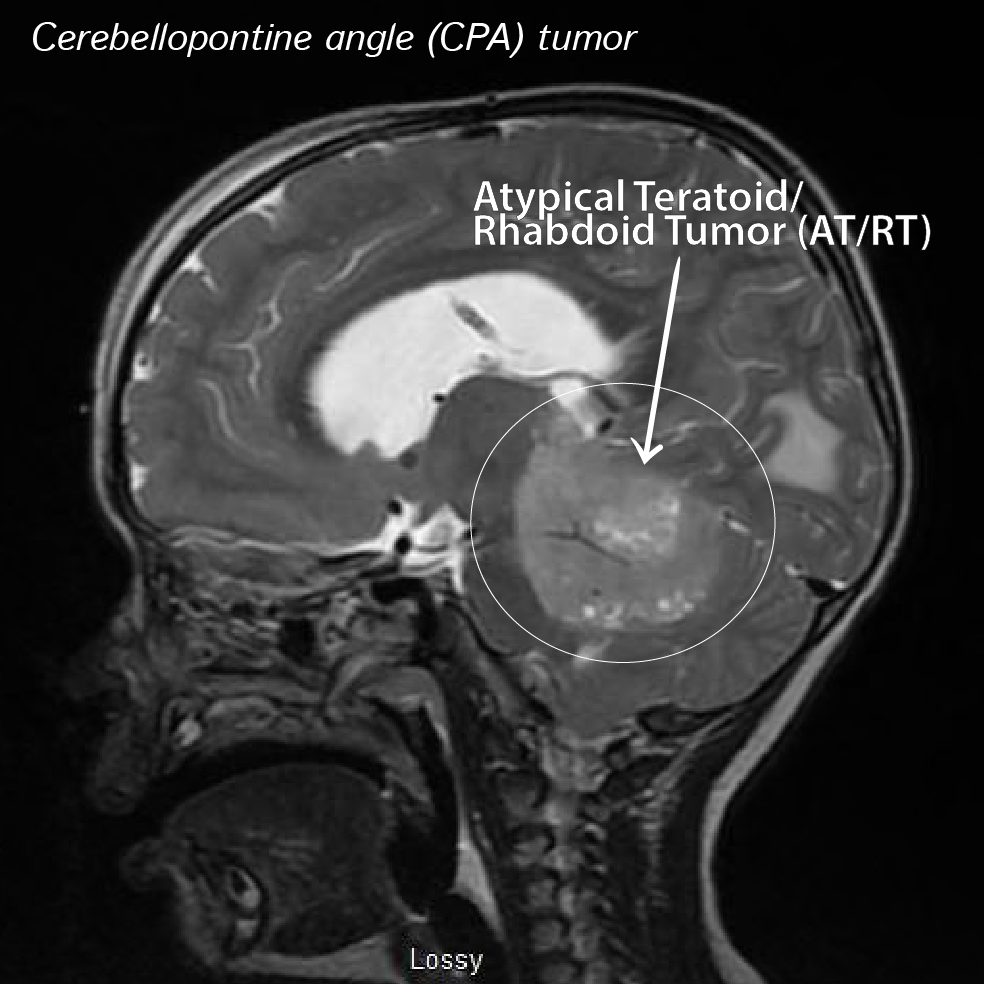
AT/RT is a primary central nervous system (CNS) tumor. This means it begins in the brain or spinal cord.
To get an accurate diagnosis, a piece of tumor tissue will be removed during surgery, if possible. A neuropathologist should then review the tumor tissue.
Central nervous system (CNS) atypical teratoid/rhabdoid tumor (AT/RT) is a very rare, fast-growing cancer that begins in the brain and spinal cord. It usually occurs in children aged 3 years and younger, although it can occur in older children and adults.
About half of these tumors form in the cerebellum or brain stem. The cerebellum is the part of the brain that controls movement, balance, and posture. The brain stem controls numerous functions breathing, heart rate, and the nerves and muscles used in seeing, hearing, walking, talking, and eating. AT/RT can also begin in other parts of the brain and spinal cord.
Certain genetic changes may increase the risk of AT/RT.
A risk factor is anything that increases the chance of getting a disease. Not every child with one or more of these risk factors will develop AT/RT. And it will develop in some children who don’t have a known risk factor.
AT/RT may be linked to changes in the tumor suppressor genes SMARCB1 or SMARCA4. Tumor suppressor genes make a protein that helps control how and when cells grow. Changes in the DNA of tumor suppressor genes like SMARCB1 or SMARCA4 may lead to cancer.
The changes in the SMARCB1 or SMARCA4 genes may be inherited (passed on from parents to offspring). When this gene change is inherited, tumors may form in two parts of the body at the same time (for example, in the brain and the kidney). For children with AT/RT, genetic counseling (a discussion with a trained professional about inherited diseases and a possible need for gene testing) may be recommended.
Most AT/RTs are caused by changes in a gene known as SMARCB1 (also called INI1), and less frequently by mutations in a gene called SMARCA4. SMARCB1 normally signals proteins to stop tumor growth. But, in AT/RTs, SMARCB1 doesn’t function properly and tumor growth is uncontrolled. In addition to occurring in the tumor’s DNA, SMARCB1 and SMARCA4 can also be found in a person’s own DNA. There are three groups of AT/RTs based on their genetic alterations: AT/RT-TYR, AT/RT-SHH, and AT/RT-MYC. Each group tends to develop in a different location of the CNS and is more common in different age groups. AT/RT-MYC is the most frequent group in adults.
Talk with your child’s doctor if you think your child may be at risk.
Cancer is a genetic disease—that is, it is caused by certain changes to genes that control the way our cells function. Genes may be mutated (changed) in many types of cancer, which can increase the growth and spread of cancer cells.
The Grades of the tumors:
Primary CNS tumors are graded based on the tumor location, tumor type, extent of tumor spread, genetic findings, the patient’s age, and tumor remaining after surgery, if surgery is possible.
AT/RTs are all classified as grade 4 (also written as grade IV) tumors. This means they are malignant (cancerous) and fast-growing.
The symptoms of AT/RT aren’t the same in each patient.
Symptoms depend on 2 major factors:
- the child’s age
- where the tumor has formed
Because AT/RT is fast growing, symptoms may develop quickly and get worse over a period of days or weeks. It’s important to check with your child’s doctor if your child has:
- a morning headache or headache that goes away after vomiting
- nausea and vomiting
- unusual sleepiness or change in activity level
- loss of balance, lack of coordination, or trouble walking
- an increase in head size (in infants)
- pain, tingling, numbness, or paralysis in the face
These symptoms may be caused by problems other than AT/RT. The only way to know is to see your child’s doctor.
The prognosis of this disease:
The likely outcome of the disease or chance of recovery is called prognosis. Prognosis is based on the tumor grade, location, tumor type, extent of tumor spread, genetic findings, patient’s age, and tumor remaining after surgery (if surgery is possible).
Many factors can affect prognosis, including the tumor grade and molecular type, the person’s age and health when diagnosed, and how they respond to treatment. If you want to understand your prognosis, talk to your doctor.
The Treatment of Teratoid/Rhabdoid Tumors (AT/RT):
The first treatment for an AT/RT is surgery, if possible. The goal of surgery is to obtain tissue to determine the tumor type and remove as much tumor as possible without causing more symptoms.
People with AT/RTs usually receive further treatments after surgery, which may include radiation, chemotherapy, or clinical trials. Clinical trials test new chemotherapy, targeted therapy, or immunotherapy drugs. Treatments are decided by the patient’s health care team based on the patient’s age, tumor remaining after surgery, tumor type, and tumor location.
QUOTE FOR MONDAY:
“Heavy alcohol use causes numerous diseases that affect the brain, nerves, muscle tissue, heart, stomach, liver, pancreas and other organs. Consuming the substance is a risk factor for several cancers, and it’s associated with psychological disorders.
It doesn’t take long to recover from drinking. A person can take a quick nap to relieve the effects of a few beers. The worst hangovers usually subside in a day. But each drink makes a small amount of hidden damage inside the body. Years of heavy drinking can result in a plethora of long-term illnesses.
Nearly every part of the body is affected by alcohol. When a person drinks, alcohol heads to the stomach, where some of it is absorbed. The liver processes the liquid. Alcohol moves through the brain, the heart and the kidneys. Alcohol in the blood passes through the lungs.
Each part of the body experiences short- and long-term effects of alcohol. Your organs recover from the short-term side effects in hours or days, but they don’t recover from the long-term effects. That damage gets worse each time a person drinks. The risks of permanent damage are increased when a person is mixing drugs and alcohol.
In most people, the liver takes the most damage. Alcoholics are known for liver problems, and several liver diseases are caused solely by long-term alcohol abuse.”
DrugRehab.com
QUOTE FOR THE WEEKEND:
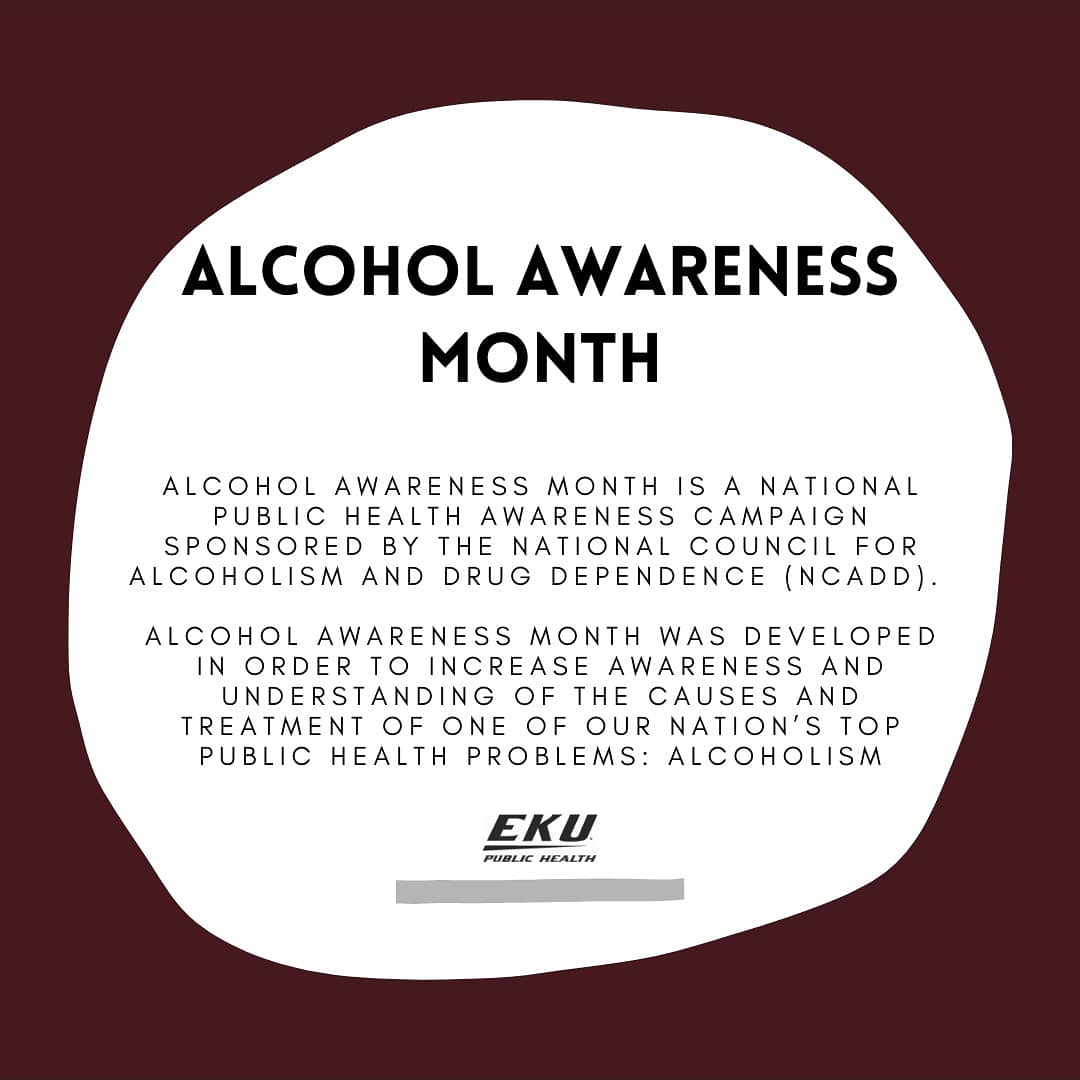
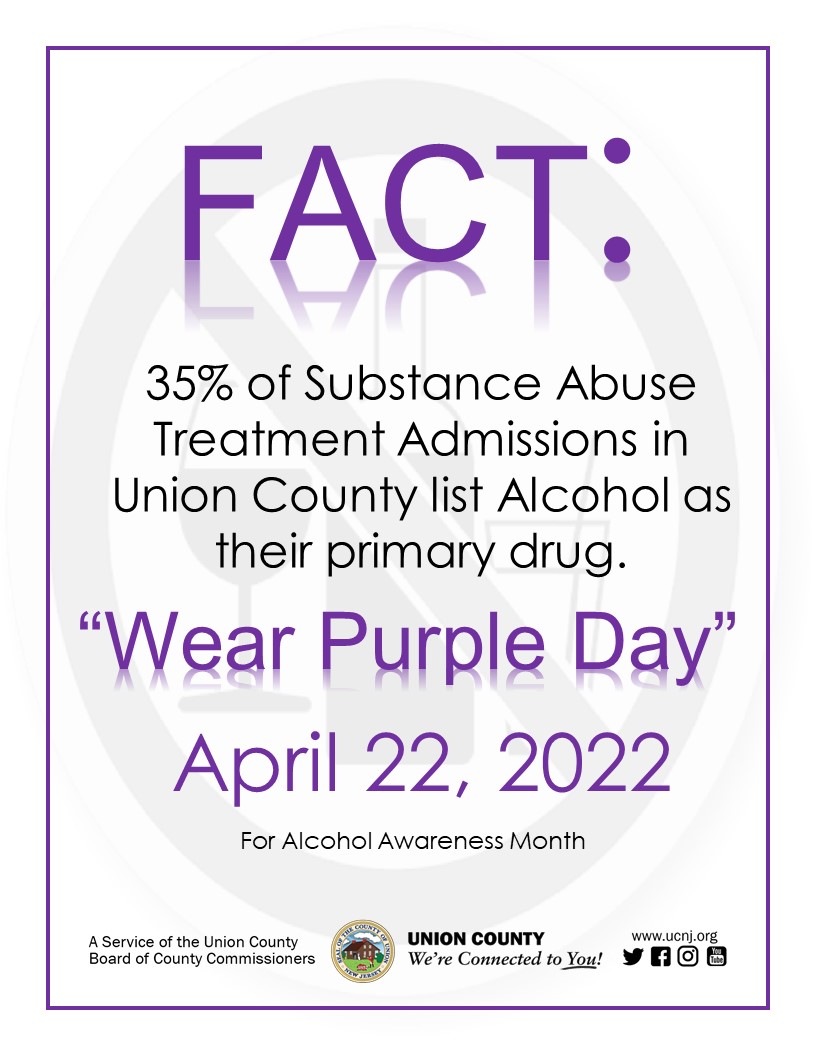
“Alcohol Awareness Month is a public health program organized by the National Council on Alcoholism and Drug Dependence as a way of increasing outreach and education regarding the dangers of alcoholism and issues related to alcohol. The program was started in April 1987 with the intention of targeting college-aged students who might be drinking too much as part of their newfound freedom. It has since become a national movement to draw more attention to the causes and effects of alcoholism as well as how to help families and communities deal with drinking problems.
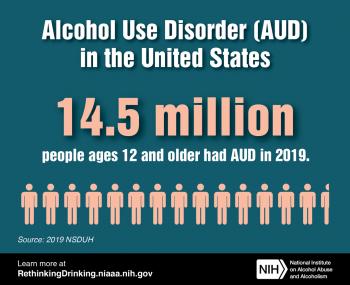
However, the dangers of alcohol abuse go beyond college kids getting too drunk at parties. An estimated 14.4 million Americans ages 18 and older had an alcohol use disorder (AUD) in 2018 according to NSDUH.3 Across the nation, 26.45% individuals 18 and older reported that they engaged in binge drinking in the past month (typically 4 drinks for women and 5 drinks for men in about 2 hours) while 6.6% engaged in heavy alcohol use (binge drinking on 5 or more days in the past month) in the past month.3″
American Addiction Centers (Alcohol.org)
Part II Alcohol Awareness Month – What are the risk factors, what could be telling you there is a problem & how alcohol causes cancer with types it can cause!
Risk factors for alcohol use disorder include:
- Steady drinking over time. Drinking too much on a regular basis for an extended period or binge drinking on a regular basis can lead to alcohol-related problems or alcohol use disorder.
- People who begin drinking at an early age, and especially in a binge fashion, are at a higher risk of alcohol use disorder. Alcohol use may begin in the teens, but alcohol use disorder occurs more frequently in the 20s and 30s. However, it can begin at any age.
- Family history. The risk of alcohol use disorder is higher for people who have a parent or other close relative who has problems with alcohol. This may be influenced by genetic factors.
- Depression and other mental health problems. It’s common for people with a mental health disorder such as anxiety, depression, schizophrenia or bipolar disorder to have problems with alcohol or other substances.
- Social and cultural factors. Having friends or a close partner who drinks regularly could increase your risk of alcohol use disorder. The glamorous way that drinking is sometimes portrayed in the media also may send the message that it’s OK to drink too much. For young people, the influence of parents, peers and other role models can impact risk.
Alcohol intoxication results as the amount of alcohol in your blood stream increases. The higher the blood alcohol concentration is, the more impaired you become. Alcohol intoxication causes behavior problems and mental changes. These may include inappropriate behavior, unstable moods, impaired judgment, slurred speech, impaired attention or memory, and poor coordination. You can also have periods called “blackouts,” where you don’t remember events. Very high blood alcohol levels can lead to coma or even death.
Alcohol withdrawal can occur when alcohol use has been heavy and prolonged and is then stopped or greatly reduced. It can occur within several hours to four or five days later. Symptoms include sweating, rapid heartbeat, hand tremors, problems sleeping, nausea and vomiting, hallucinations, restlessness and agitation, anxiety, and occasionally seizures. Symptoms can be severe enough to impair your ability to function at work or in social situations.
Are you wondering if you drinking is on the high side or it crossed a line into a problem? It may be time to make some changes and its never too LATE!
What could be telling you that your having a problem with drinking? Well if you are asking yourself any of the listed problems or asking yourself the followng questions listed below it maybe time to be checked or you get help:
1. You drink more than planned. If your coming into this situation drinking more than you planned to or longer than you thought than you are having problem controlling your alcohol!
2. You find yourself spending a long time drinking, even getting sick from the drinking but and in time from the side effects of drinking recover. Why even get to that point. Keep track of your daily activities with seeing how often you drink in a diary and see if the bottles add up highier than one glass of wine a day or one or three glasses a week of alcohol. Again you might see it adds up much higher than that.
3. Has your tolerance build up that you have to drink more for your buzz. Your brain adapts over time to alcohol sensitivity and goes up when drinking high levels of alcohol. Just like a completely different disease but similar concept. In a pt without emphysema (COPD type the worst) where in time the brain adjusts to CO2 – Carbon Dioxide levels with O2 levels. A person without emphysema the brain makes us breath on low 02 levels but with a emphysema pt the brain makes them breath based on low CO2 levels since in time the brain developed sensitivity to it.
4. You crave alcohol frequently, another factor in making you want to seek help. There are times you want to drink so badly bases on emotions or physical feelings you are experiencing that can trigger the craving. You can be at a place (like a bar) triggering that craving. That strong need or urge to drink can be triggered by people, places, things also. When you have a trigger reacts to these factors differently than a social drinker’s does.
5. You give up activities; what do you do for fun besides drinking? Now yes life does change but what have you edged out of your life for drinking and or does everything you do entail a lot of drinking. Has drinking stopped you from doing those things you use to do or pushed them out of your life.
6. Are dropping the ball on life? Take work, how many times have you come to work with a hang over, missed dead lines for your boss, or got behind on college work? Now if your drinking in high school you know your under the age and its against the LAW! When your drinking keeps you home sick or from your responsibilities that is a problem!
7. Is it causing friction in your relationships? If you care about your loved ones but can’t imagine your life without drinking that is a problem! If your in this situation, this does not make you a bad person at all but like any problem you need to resolve it. You need to look for help and make changes to help the relationship you have with a significant one in your life or with family members or friends to get those relationships back on the right track for both of you.
8. Are you having Withdrawal S/S from drinking? (S/S are listed above under withdrawal). Remember alcohol changes your brain’s chemistry. When you drink heavy over a long period of time the brain has adapted to the high alcohol in your body. So understand, if you suddenly stop drinking your brain has to adjust again and with doing so this will make withdrawal s/s occur.
9. Have you been put in the situation that you could have been hurt due to drinking or has an injury actual already happened. Your brain didn’t react fast enough or was it from poor decision making that an injury almost occurred or actually happened (Examples of getting into risky situations due to your heavy drinking could be: Driving, swimming, getting into fights, poor sex-ending up with sexual transmitted diseases or passing on your STD like HIV for example and walking into dangerous areas getting hurt or someone else hurt.)
10. Getting sick with medical conditions or health problems due to your heavy drinking. Alcohol can damage your liver, brain, heart, pancreas and even immune system. It can even raise odds of getting certain cancers.
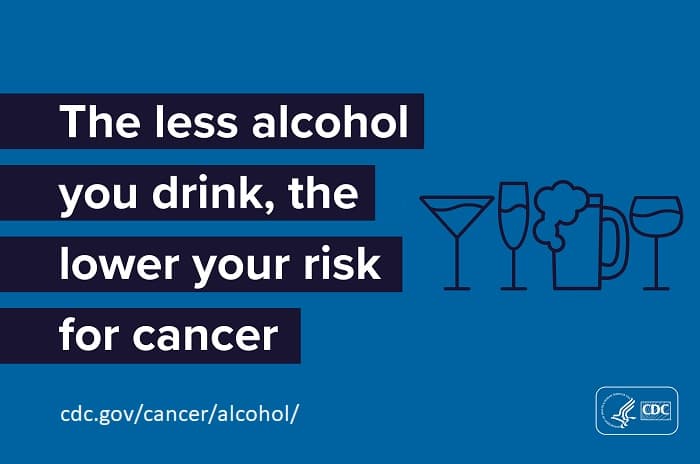
Drinking alcohol increases the risk of cancer. Drinking alcohol doesn’t mean that you’ll definitely get cancer, but the risk is higher the more alcohol you drink.
People might talk about some alcoholic drinks being better or worse for you than others. But all types of alcohol increase the risk of cancer – as it’s the alcohol itself that causes damage, even in small amounts.
So the more you can cut down on alcohol the more you can reduce your risk of cancer.
Drinking less alcohol has lots of other health benefits, too. You can reduce your risk of accidents, high blood pressure and liver disease by cutting back.
Alcohol can damages our cells and this can stop cells repairing damage. Alcohol effects chemical signals which can make cells more likely to divide this in turn increases the chance of cancer to develop. Alcohol makes it easier for cell in our mouth and throat to absorb cancer causing chemicals.
There are many ways that alcohol can cause cancer. Some of the main ways are:
- Damage to cells. When we drink alcohol, our bodies turn it into a chemical, called acetaldehyde. Acetaldehyde can damage our cells and can also stop cells from repairing this damage.
- Changes to hormones. Alcohol can increase the levels of some hormones in our bodies such as oestrogen and insulin. Hormones are chemical messengers, and higher levels of oestrogen and insulin can make cells divide more often. This increases the chance that cancer will develop.
- Changes to cells in the mouth and throat. Alcohol can make it easier for cells in the mouth and throat to absorb harmful chemicals that cause damage.
Remember, it’s the alcohol itself that damages your body, even small amounts. It doesn’t matter whether you drink beer, wine or spirits. All types of alcohol can cause cancer.
There’s plenty of tricks that people claim ‘cure’ hangovers. But even if they work for your hangover, they don’t reverse the damage caused from drinking alcohol.
What types of cancer does alcohol cause?
Drinking alcohol causes 7 different types of cancer. This includes:
- Breast cancer and bowel cancer (two of the most common types)
- Mouth cancer
- Some types of throat cancer: oesophagus (food pipe), larynx (voice box) and pharynx (upper throat)
- Liver cancer
- Colon and Rectum
Stay tune for Part III in tomorrow’s article.
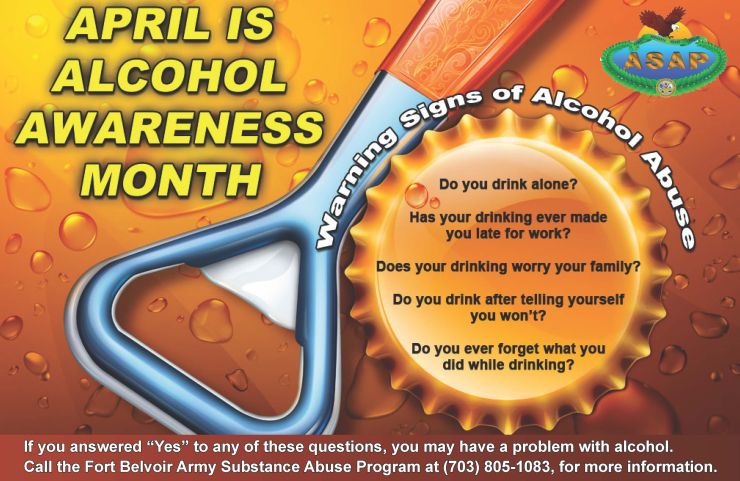
If yes to any of the questions listed in this topic than you may want to be checked out if you don’t know by now for your health!
QUOTE FOR FRIDAY:
“April is Alcohol Awareness Month, an opportunity to update your knowledge about the adverse effects of alcohol misuse on health and society. It is also a good time to talk to teens about drinking and to equip them with the knowledge to handle situations involving alcohol. Even teens who would not normally be tempted to drink alcohol may be drawn in by certain social situations, so don’t assume they have all the facts they need to resist peer pressure. Parents and trusted adults can play a meaningful role in shaping youth’s attitudes toward drinking.
Alcohol-related problems continue to take a heavy toll on individuals, families, and communities. Alcohol is a significant factor in the deaths of people younger than age 21 in the United States. This includes deaths from motor vehicle crashes, homicides, alcohol overdoses, falls, burns, drownings, and suicides.”
National Institute on Alcohol Abuse and Alcoholism
(https://www.niaaa.nih.gov/about-niaaa/directors-page/niaaa-directors-blog/alcohol-awareness-month-raising-awareness-about-dangers-alcohol-use-among-teens)
Part I Alcoholism Awareness Month-Stop Adolescent Drinking!
Alcohol is the drug of choice among youth. Many young people are experiencing the consequences of drinking too much, at too early an age. As a result, underage drinking is a leading public health problem in this country.
Each year, approximately 5,000 young people under the age of 21 die as a result of underage drinking; this includes about 1,900 deaths from motor vehicle crashes, 1,600 as a result of homicides, 300 from suicide, as well as hundreds from other injuries such as falls, burns, and drownings.
Yet drinking continues to be widespread among adolescents, as shown by nationwide surveys as well as studies in smaller populations. As children move from adolescence to young adulthood, they encounter dramatic physical, emotional, and lifestyle changes. Developmental transitions, such as puberty and increasing independence, have been associated with alcohol use. So in a sense, just being an adolescent may be a key risk factor not only for starting to drink but also for drinking dangerously.
How people view alcohol and its effects also influences their drinking behavior, including whether they begin to drink and how much. An adolescent who expects drinking to be a pleasurable experience is more likely to drink than one who does not. An important area of alcohol research is focusing on how expectancy influences drinking patterns from childhood through adolescence and into young adulthood.
Beliefs about alcohol are established very early in life, even before the child begins elementary school. Know before age 9, children generally view alcohol negatively and see drinking as bad, with adverse effects. By about age 13, however, their expectancies shift, becoming more positive. As would be expected, adolescents who drink the most also place the greatest emphasis on the positive and arousing effects of alcohol.
Whatever it is that leads adolescents to begin drinking, once they start they face a number of potential health risks. Although the severe health problems associated with harmful alcohol use are not as common in adolescents as they are in adults, studies show that young people who drink heavily may put themselves at risk for a range of potential health problems.
What has been done to prevent this problem in out communities throughout America:
Raising the Price of Alcohol—A substantial body of research has shown that higher prices or taxes on alcoholic beverages are associated with lower levels of alcohol consumption and alcohol-related problems, especially in young people
Increasing the Minimum Legal Drinking Age—Today all States have set the minimum legal drinking at age 21. Increasing the age at which people can legally purchase and drink alcohol has been the most successful intervention to date in reducing drinking and alcohol-related crashes among people under age 21.
Enacting Zero-Tolerance Laws—All States have zero-tolerance laws that make it illegal for people under age 21 to drive after any drinking. When the first eight States to adopt zero-tolerance laws were compared with nearby States without such laws, the zero-tolerance States showed a 21-percent greater decline in the proportion of single-vehicle night-time fatal crashes involving drivers under 21.
School-Based Prevention Programs—The first school-based prevention programs were primarily informational and often used scare tactics; it was assumed that if youth understood the dangers of alcohol use, they would choose not to drink. These programs were ineffective. Today, better programs are available and often have a number of elements in common: They follow social influence models and include setting norms, addressing social pressures to drink, and teaching resistance skills. These programs also offer interactive and developmentally appropriate information, include peer-led components, and provide teacher training.
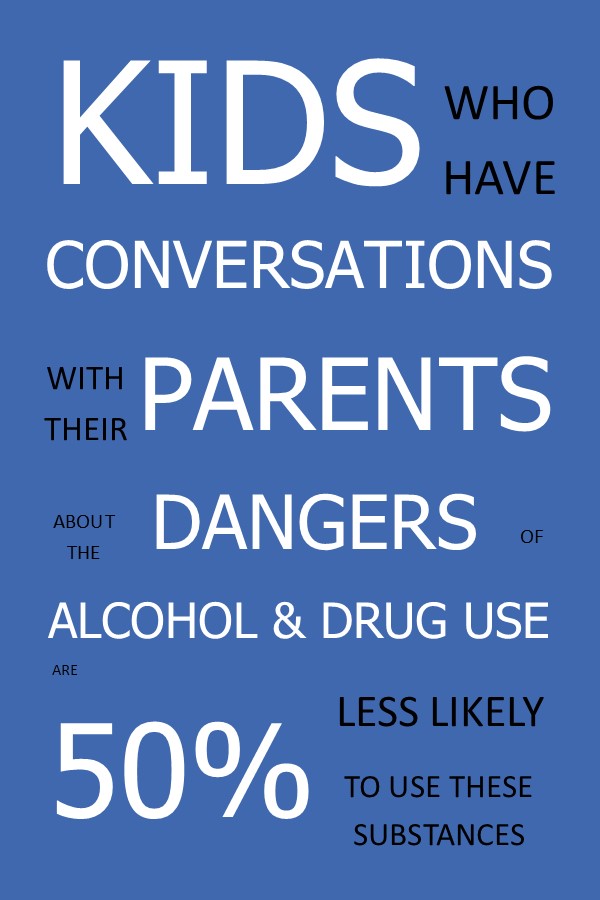
Family-Based Prevention Programs—Parents’ ability to influence whether their children drink is well documented and is consistent across racial/ethnic groups. Setting clear rules against drinking, consistently enforcing those rules, and monitoring the child’s behavior all help to reduce the likelihood of underage drinking. The Iowa Strengthening Families Program (ISFP), delivered when students were in grade 6, is a program that has shown long-lasting preventive effects on alcohol use.
QUOTE FOR WEDNESDAY:
“Autism Acceptance Month celebrates and honors the experiences and identities of Autistic individuals. It emphasizes understanding, inclusion, and support, moving beyond awareness towards meaningful acceptance.
The Autism Society of America is proud to celebrate Autism Acceptance Month, continuing our commitment to #CelebrateDifferences throughout April and beyond. Autism Acceptance Month recognizes that Autism is more than a diagnosis—it is identity, community, and a lived experience that encompasses both challenges and triumphs.”
Autism Society (Autism Acceptance Month | Autism Society)
One of April’s Awareness Health Topics – Autism!
What is autism spectrum disorder?
Autism spectrum disorder (ASD) refers to a group of complex neurodevelopment disorders characterized by repetitive and characteristic patterns of behavior and difficulties with social communication and interaction. The symptoms are present from early childhood and affect daily functioning.
The term “spectrum” refers to the wide range of symptoms, skills, and levels of disability in functioning that can occur in people with ASD. Some children and adults with ASD are fully able to perform all activities of daily living while others require substantial support to perform basic activities. The Diagnostic and Statistical Manual of Mental Disorders (DSM-5, published in 2013) includes Asperger syndrome, childhood disintegrative disorder, and pervasive developmental disorders not otherwise specified (PDD-NOS) as part of ASD rather than as separate disorders. A diagnosis of ASD includes an assessment of intellectual disability and language impairment.
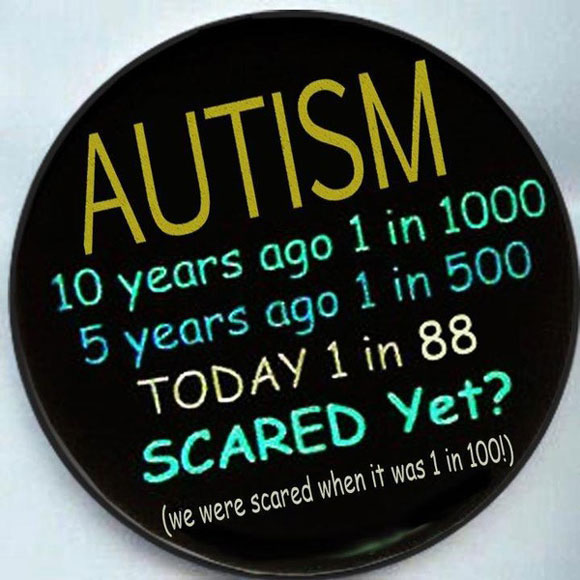
ASD occurs in every racial and ethnic group, and across all socioeconomic levels. However, boys are significantly more likely to develop ASD than girls. The latest analysis from the Centers for Disease Control and Prevention estimates that 1 in 68 children has ASD.
What are some common signs of ASD?
Even as infants, children with ASD may seem different, especially when compared to other children their own age. They may become overly focused on certain objects, rarely make eye contact, and fail to engage in typical babbling with their parents. In other cases, children may develop normally until the second or even third year of life, but then start to withdraw and become indifferent to social engagement.
The severity of ASD can vary greatly and is based on the degree to which social communication, insistence of sameness of activities and surroundings, and repetitive patterns of behavior affect the daily functioning of the individual.
Social impairment and communication difficulties Many people with ASD find social interactions difficult. The mutual give-and-take nature of typical communication and interaction is often particularly challenging. Children with ASD may fail to respond to their names, avoid eye contact with other people, and only interact with others to achieve specific goals. Often children with ASD do not understand how to play or engage with other children and may prefer to be alone. People with ASD may find it difficult to understand other people’s feelings or talk about their own feelings.
People with ASD may have very different verbal abilities ranging from no speech at all to speech that is fluent, but awkward and inappropriate. Some children with ASD may have delayed speech and language skills, may repeat phrases, and give unrelated answers to questions. In addition, people with ASD can have a hard time using and understanding non-verbal cues such as gestures, body language, or tone of voice. For example, young children with ASD might not understand what it means to wave goodbye. People with ASD may also speak in flat, robot-like or a sing-song voice about a narrow range of favorite topics, with little regard for the interests of the person to whom they are speaking.
Repetitive and characteristic behaviors Many children with ASD engage in repetitive movements or unusual behaviors such as flapping their arms, rocking from side to side, or twirling. They may become preoccupied with parts of objects like the wheels on a toy truck. Children may also become obsessively interested in a particular topic such as airplanes or memorizing train schedules. Many people with ASD seem to thrive so much on routine that changes to the daily patterns of life — like an unexpected stop on the way home from school — can be very challenging. Some children may even get angry or have emotional outbursts, especially when placed in a new or overly stimulating environment.
What disorders are related to ASD?
Certain known genetic disorders are associated with an increased risk for autism, including Fragile X syndrome (which causes intellectual disability) and tuberous sclerosis (which causes benign tumors to grow in the brain and other vital organs) — each of which results from a mutation in a single, but different, gene. Recently, researchers have discovered other genetic mutations in children diagnosed with autism, including some that have not yet been designated as named syndromes. While each of these disorders is rare, in aggregate, they may account for 20 percent or more of all autism cases.
People with ASD also have a higher than average risk of having epilepsy. Children whose language skills regress early in life — before age 3 — appear to have a risk of developing epilepsy or seizure-like brain activity. About 20 to 30 percent of children with ASD develop epilepsy by the time they reach adulthood. Additionally, people with both ASD and intellectual disability have the greatest risk of developing seizure disorder.
How is ASD diagnosed?
ASD symptoms can vary greatly from person to person depending on the severity of the disorder. Symptoms may even go unrecognized for young children who have mild ASD or less debilitating handicaps. Very early indicators that require evaluation by an expert include:
- no babbling or pointing by age 1
- no single words by age 16 months or two-word phrases by age 2
- no response to name
- loss of language or social skills previously acquired
- poor eye contact
- excessive lining up of toys or objects
- no smiling or social responsiveness
Later indicators include:
- impaired ability to make friends with peers
- impaired ability to initiate or sustain a conversation with others
- absence or impairment of imaginative and social play
- repetitive or unusual use of language
- abnormally intense or focused interest
- preoccupation with certain objects or subjects
- inflexible adherence to specific routines or rituals
Health care providers will often use a questionnaire or other screening instrument to gather information about a child’s development and behavior. Some screening instruments rely solely on parent observations, while others rely on a combination of parent and doctor observations. If screening instruments indicate the possibility of ASD, a more comprehensive evaluation is usually indicated.
A comprehensive evaluation requires a multidisciplinary team, including a psychologist, neurologist, psychiatrist, speech therapist, and other professionals who diagnose and treat children with ASD. The team members will conduct a thorough neurological assessment and in-depth cognitive and language testing. Because hearing problems can cause behaviors that could be mistaken for ASD, children with delayed speech development should also have their hearing tested.
What causes ASD?
Scientists believe that both genetics and environment likely play a role in ASD. There is great concern that rates of autism have been increasing in recent decades without full explanation as to why. Researchers have identified a number of genes associated with the disorder. Imaging studies of people with ASD have found differences in the development of several regions of the brain. Studies suggest that ASD could be a result of disruptions in normal brain growth very early in development. These disruptions may be the result of defects in genes that control brain development and regulate how brain cells communicate with each other. Autism is more common in children born prematurely. Environmental factors may also play a role in gene function and development, but no specific environmental causes have yet been identified. The theory that parental practices are responsible for ASD has long been disproved. Multiple studies have shown that vaccination to prevent childhood infectious diseases does not increase the risk of autism in the population.
What role do genes play?
Twin and family studies strongly suggest that some people have a genetic predisposition to autism. Identical twin studies show that if one twin is affected, then the other will be affected between 36 to 95 percent of the time. There are a number of studies in progress to determine the specific genetic factors associated with the development of ASD. In families with one child with ASD, the risk of having a second child with the disorder also increases. Many of the genes found to be associated with autism are involved in the function of the chemical connections between brain neurons (synapses). Researchers are looking for clues about which genes contribute to increased susceptibility. In some cases, parents and other relatives of a child with ASD show mild impairments in social communication skills or engage in repetitive behaviors. Evidence also suggests that emotional disorders such as bipolar disorder and schizophrenia occur more frequently than average in the families of people with ASD.
In addition to genetic variations that are inherited and are present in nearly all of a person’s cells, recent research has also shown that de novo, or spontaneous, gene mutations can influence the risk of developing autism spectrum disorder. De novo mutations are changes in sequences of deoxyribonucleic acid or DNA, the hereditary material in humans, which can occur spontaneously in a parent’s sperm or egg cell or during fertilization. The mutation then occurs in each cell as the fertilized egg divides. These mutations may affect single genes or they may be changes called copy number variations, in which stretches of DNA containing multiple genes are deleted or duplicated. Recent studies have shown that people with ASD tend to have more copy number de novo gene mutations than those without the disorder, suggesting that for some the risk of developing ASD is not the result of mutations in individual genes but rather spontaneous coding mutations across many genes. De novo mutations may explain genetic disorders in which an affected child has the mutation in each cell but the parents do not and there is no family pattern to the disorder. Autism risk also increases in children born to older parents. There is still much research to be done to determine the potential role of environmental factors on spontaneous mutations and how that influences ASD risk.
Do symptoms of autism change over time?
For many children, symptoms improve with age and behavioral treatment. During adolescence, some children with ASD may become depressed or experience behavioral problems, and their treatment may need some modification as they transition to adulthood. People with ASD usually continue to need services and supports as they get older, but depending on severity of the disorder, people with ASD may be able to work successfully and live independently or within a supportive environment.
How is autism treated?
There is no cure for ASD. Therapies and behavioral interventions are designed to remedy specific symptoms and can substantially improve those symptoms. The ideal treatment plan coordinates therapies and interventions that meet the specific needs of the individual. Most health care professionals agree that the earlier the intervention, the better.
Educational/behavioral interventions: Early behavioral/educational interventions have been very successful in many children with ASD. In these interventions therapists use highly structured and intensive skill-oriented training sessions to help children develop social and language skills, such as applied behavioral analysis, which encourages positive behaviors and discourages negative ones. In addition, family counseling for the parents and siblings of children with ASD often helps families cope with the particular challenges of living with a child with ASD.
Medications: While medication can’t cure ASD or even treat its main symptoms, there are some that can help with related symptoms such as anxiety, depression, and obsessive-compulsive disorder. Antipsychotic medications are used to treat severe behavioral problems. Seizures can be treated with one or more anticonvulsant drugs. Medication used to treat people with attention deficit disorder can be used effectively to help decrease impulsivity and hyperactivity in people with ASD. Parents, caregivers, and people with autism should use caution before adopting any unproven treatments