Archive | October 2024

Reye’s Syndrome

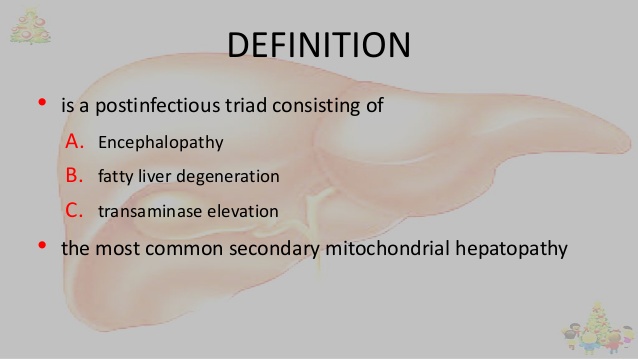
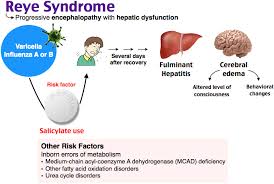
Reye’s syndrome is a rare but serious disease that causes swelling in the liver and brain. It can affect people of any age, but it is most often seen in children and teenagers recovering from a virus such as the flu or chickenpox.Studies have found that the main risk factor for Reye’s syndrome is taking aspirin or other related drugs, called salicylates.Because of this, doctors recommend that children and teenagers recovering from viral infections should avoid taking aspirin.

What Causes It?

Doctors don’t fully understand what causes Reye’s syndrome. They do know that some people are prone to get it when they take aspirin for a virus.

Others have a greater chance of getting it if they:

  • Have a disorder that affects how their bodies break down fatty acids
  • Have been exposed to certain toxins, including paint thinners and products to kill insects and weeds

When Reye’s syndrome strikes, cells throughout your body become swollen and build up fats. In turn, your blood sugar levels drop. Ammonia and acid levels in the blood rise. These changes can hit many organs, such as the brain and liver, where severe swelling can occur.

Symptoms

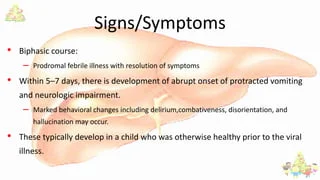
The signs of Reye’s typically appear 3 to 5 days after the start of a viral infection.

In children younger than age 2, early symptoms may include diarrhea and rapid breathing. In older children and teenagers, early symptoms may include ongoing vomiting and unusual sleepinessAs the syndrome goes on, symptoms can become more severe, and may include:

  • Personality changes (more irritable or aggressive)
  • Confusion or hallucinations
  • Weakness or inability to move arms or legs
  • Seizure or convulsions
  • Extreme tiredness
  • Loss of consciousness

Reye’s can be life-threatening. You should call 911 if you see these severe symptoms. Early diagnosis and treatment is crucial.

The syndrome can be mistaken for other conditions, including meningitis (a swelling of membranes covering the brain and spinal cord), a diabetes reaction, or poisoning.

Diagnosis

Doctors don’t have a specific test for Reye’s. They usually do urine and blood tests. They also screen for disorders involving fatty acids.

Other tests may include:

  • Spinal taps (a needle is inserted into a space below the end of the spinal cord to collect fluid)
  • Liver biopsies (a needle is pushed through the abdomen into the liver to get a sample of tissue)
  • Skin biopsies (a doctor scrapes a small skin sample to test)
  • CT or MRI scans (which can also rule out other problems)

Is There a Treatment?

There’s no single treatment that will stop Reye’s syndrome, but doctors can do some things to make sure it is managed. They can also try to prevent more severe symptoms and see that brain swelling is held down. These steps include:

  • Intravenous (IV) fluids that includes glucose and an electrolyte solution may be given through an intravenous (IV) line.
  • Diuretics to help your body get rid of salt and water (and stop swelling)
  • Medications to prevent bleeding
  • Vitamin K, plasma, and platelets (tiny blood cells that help form clots) in instances of liver bleeding
  • Cooling blankets. This intervention helps maintain internal body temperature at a safe level.


QUOTE FOR WEDNESDAY:

“Heart attack and sudden cardiac arrest are both serious medical emergencies, but they are not the same thing. A heart attack happens when blood flow to the heart is blocked. A cardiac arrest occurs when the heart suddenly stops beating. The only way to save a person’s life in cardiac arrest is to restart the heart using CPR and an AED.”

American Heart Association (https://www.heart.org/en/health-topics/house-calls/differences-between-heart-attack-and-cardiac-arrest)

WHAT IS THE DIFFERENCE BETWEEN CARDIAC ARREST VS HEART ATTACK.


Cardiac arrest is the abrupt loss of heart function in a person who may or may not have diagnosed heart disease. The time and mode of death are unexpected. It occurs instantly or shortly after symptoms appear.

Each year, more than 420,000 emergency medical services-assessed out-of-hospital cardiac arrests occur in the United States.

No. The term “heart attack” is often mistakenly used to describe cardiac arrest. While a heart attack may cause cardiac arrest and sudden death, the terms don’t mean the same thing. Heart attacks are caused by a blockage that stops blood flow to the heart. A heart attack (or myocardial infarction) refers to death of heart muscle tissue due to the loss of blood supply, not necessarily resulting in the death of the heart attack victim.

Cardiac arrest is caused when the heart’s electrical system malfunctions. In cardiac arrest death results when the heart suddenly stops working properly. This may be caused by abnormal, or irregular, heart rhythms (called arrhythmias). A common arrhythmia in cardiac arrest is ventricular fibrillation. This is when the heart’s lower chambers suddenly start beating chaotically and don’t pump blood. Death occurs within minutes after the heart stops. Cardiac arrest may be reversed if CPR (cardiopulmonary resuscitation) is performed and a defibrillator is used to shock the heart and restore a normal heart rhythm within a few minutes.

Heart Attack and Cardiac Arrest

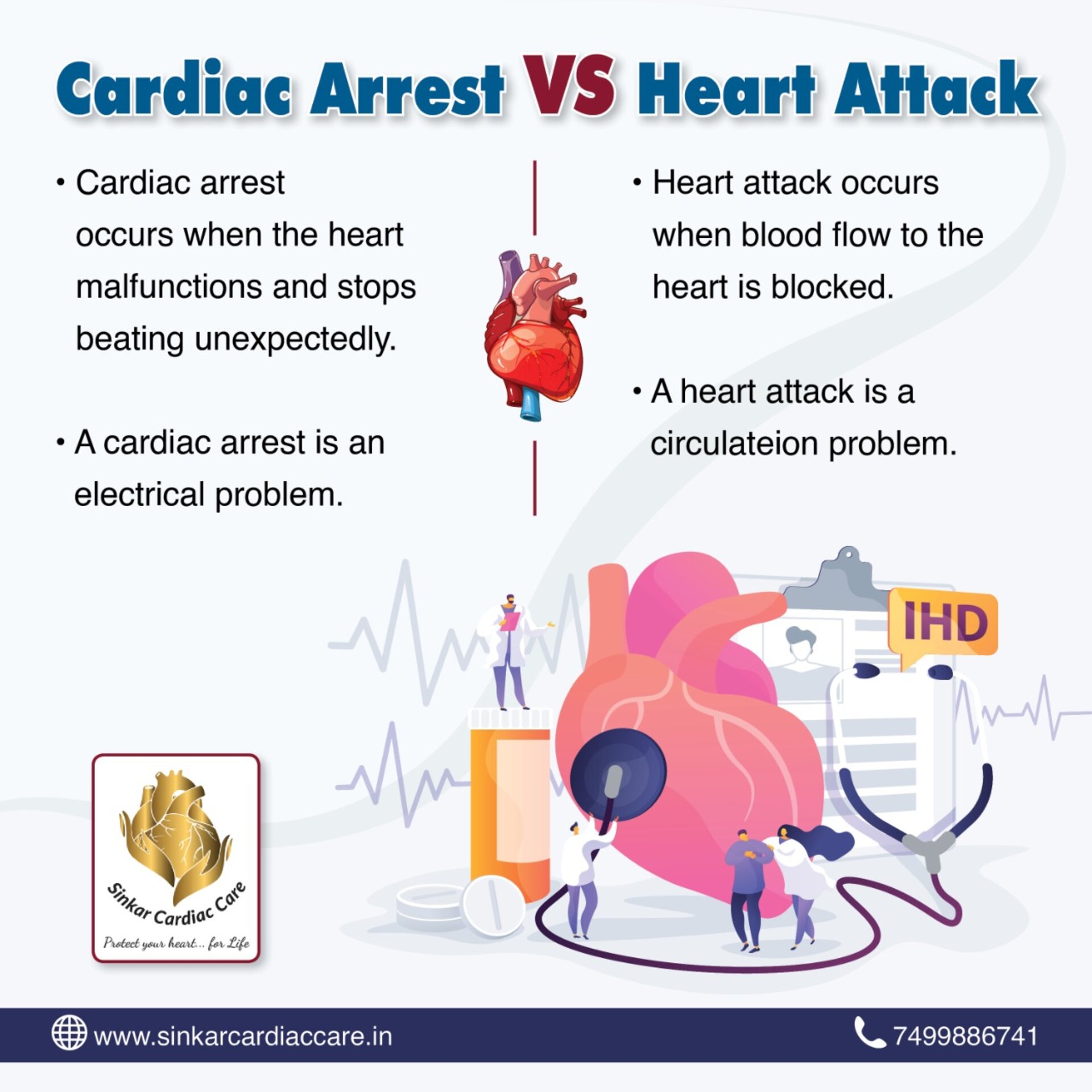
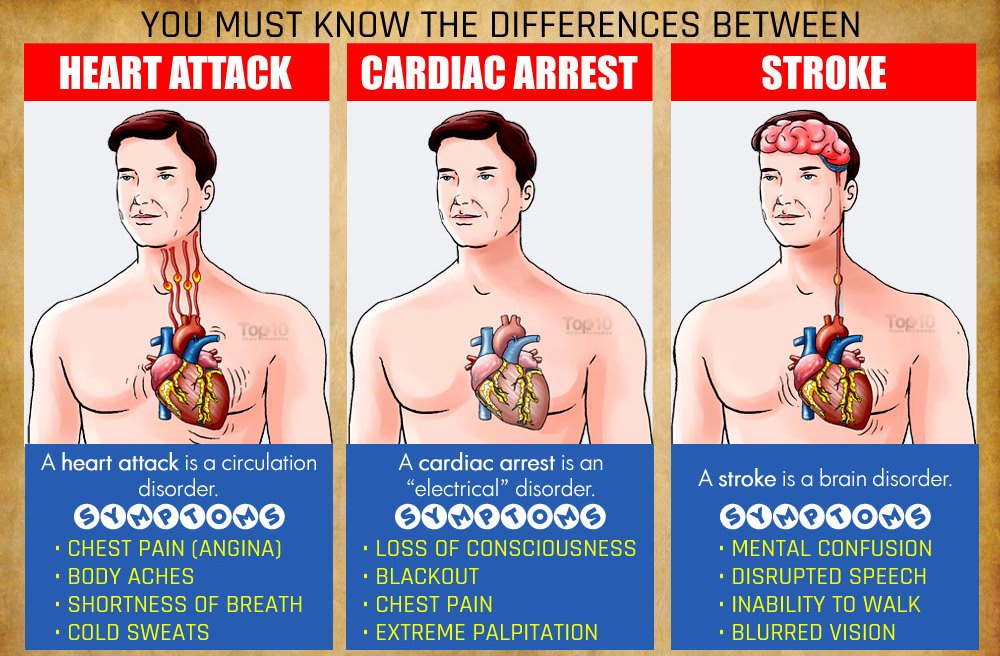
People often use these terms interchangeably, but they are not synonyms. A heart attack is when blood flow to the heart is blocked, and sudden cardiac arrest is when the heart malfunctions and suddenly stops beating unexpectedly. A heart attack is a “circulation” problem and sudden cardiac arrest is an “electrical” problem.

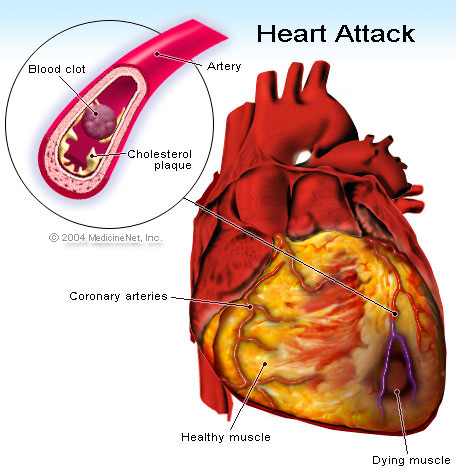
What is a heart attack? A heart attack occurs when a blocked artery prevents oxygen-rich blood from reaching a section of the heart. If the blocked artery is not reopened quickly, the part of the heart normally nourished by that artery begins to die. The longer a person goes without treatment, the greater the damage. Symptoms of a heart attack may be immediate and intense. More often, though, symptoms start slowly and persist for hours, days or weeks before a heart attack. Unlike with sudden cardiac arrest, the heart usually does not stop beating during a heart attack. The heart attack symptoms in women can be different than men.  A heart attack actually caused scarring to the heart since it causes damaging to the heart muscle tissue.

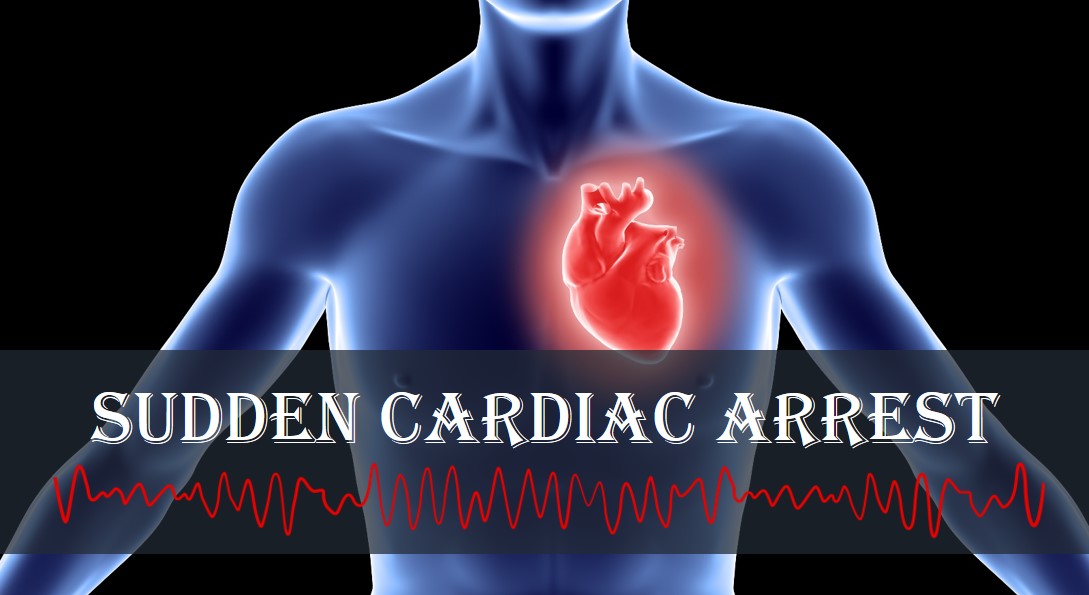
What is cardiac arrest? Sudden cardiac arrest occurs suddenly and often without warning. It is triggered by an electrical malfunction in the heart that causes an irregular heartbeat (arrhythmia). With its pumping action disrupted, the heart cannot pump blood to the brain, lungs and other organs. Seconds later, a person loses consciousness and has no pulse. Death occurs within minutes if the victim does not receive treatment.

Fast action can save lives. Find out what to do if someone experiences a heart attack or cardiac arrestFast action can save lives. Find out what to do if someone experiences a heart attack or cardiac arrest.Fast action can save lives. Find out what to do if someone experiences a heart attack or cardiac arrest.

What to do: Heart Attack Even if you’re not sure it’s a heart attack, don’t wait more than five minutes to call 9-1-1 or your emergency response number. Every minute matters! It’s best to call EMS to get to the emergency room right away. Emergency medical services staff can begin treatment when they arrive — up to an hour sooner than if someone gets to the hospital by car. EMS staff are also trained to revive someone whose heart has stopped. Patients with chest pain who arrive by ambulance usually receive faster treatment at the hospital, too.

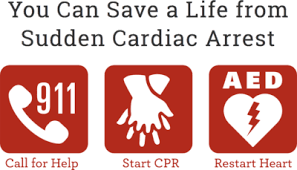
What to do: Sudden Cardiac Arrest Cardiac arrest is reversible in most victims if it’s treated within a few minutes. First, call 9-1-1 for emergency medical services. Then get an automated external defibrillator if one is available and use it as soon as it arrives. Begin CPR immediately and continue until professional emergency medical services arrive. If two people are available to help, one should begin CPR immediately while the other calls 9-1-1 and finds an AED.  Learn CPR  you may just save someone one day being at the right place at the right time.

Sudden cardiac arrest is a leading cause of death unfortunately – nearly 400,000 out-of-hospital cardiac arrests occur annually in the United States. By performing Hands-Only CPR to the beat of the classic disco song “Stayin’ Alive,” you can double or even triple a victim’s chance of survival.

Learn the two easy steps to save a life CPR, go to heart.org/handsonlycpr.


QUOTE FOR TUESDAY:

“Sudden Cardiac Arrest is a leading cause of death in the United States, taking the lives of more than 356,0001 people each year, including more than 23,0002 youth under age 18.  Sudden Cardiac Arrest is a life threatening emergency and it can lead to death in minutes if there is no help immediately to the person having the cardiac arrest. The sudden cardiac arrest survival rate is less than 10%. A bystander administering hands-only CPR can triple a person’s chance of survival, and using an AED in the first minute of collapse can increase survival to 90%.”

Stop Cardiac Arrest (https://stopcardiacarrest.org/)

SUDDEN CARDIAC ARREST AWARENESS MONTH!


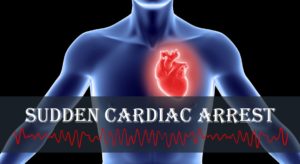
Cardiac arrest is the abrupt loss of heart function in a person who may or may not have diagnosed heart disease. The time and mode of death are unexpected. It occurs instantly or shortly after symptoms appear.

Each year, more than 420,000 emergency medical services-assessed out-of-hospital cardiac arrests occur in the United States.

No. The term “heart attack” is often mistakenly used to describe cardiac arrest. While a heart attack may cause cardiac arrest and sudden death, the terms don’t mean the same thing. Heart attacks are caused by a blockage that stops blood flow to the heart. A heart attack (or myocardial infarction) refers to death of heart muscle tissue due to the loss of blood supply, not necessarily resulting in the death of the heart attack victim.

Cardiac arrest is caused when the heart’s electrical system malfunctions. In cardiac arrest death results when the heart suddenly stops working properly. This may be caused by abnormal, or irregular, heart rhythms (called arrhythmias). A common arrhythmia in cardiac arrest is ventricular fibrillation (VFib). This is when the heart’s lower chambers suddenly start beating chaotically and don’t pump blood anywhere. Death occurs within minutes after the heart stops. Cardiac arrest may be reversed if CPR (cardiopulmonary resuscitation) is performed and a defibrillator is used to shock the heart and restore a normal heart rhythm within a few minutes.

Heart Attack vs Cardiac Arrest:

People often use these terms interchangeably, but they are not synonyms. A heart attack is when blood flow to the heart is blocked, and sudden cardiac arrest is when the heart malfunctions and suddenly stops beating unexpectedly. A heart attack is a “circulation” problem and sudden cardiac arrest is an “electrical” problem.

What is a heart attack? A heart attack occurs when a blocked artery prevents oxygen-rich blood from reaching a section of the heart. If the blocked artery is not reopened quickly, the part of the heart normally nourished by that artery begins to die. The longer a person goes without treatment, the greater the damage. Symptoms of a heart attack may be immediate and intense. More often, though, symptoms start slowly and persist for hours, days or weeks before a heart attack. Unlike with sudden cardiac arrest, the heart usually does not stop beating during a heart attack. The heart attack symptoms in women can be different than men.  A heart attack actually caused scarring to the heart since it causes damaging to the heart muscle tissue.

What is cardiac arrest? Sudden cardiac arrest occurs suddenly and often without warning. It is triggered by an electrical malfunction in the heart that causes an irregular heartbeat (arrhythmia). With its pumping action disrupted, the heart cannot pump blood to the brain, lungs and other organs. Seconds later, a person loses consciousness and has no pulse. Death occurs within minutes if the victim does not receive treatment.

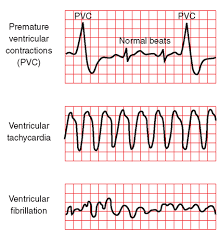
Arrhythmia’s can be:

Premature Ventricular Contractions (PVCs) are below in a normal sinus rhythm (best rhythm to be in) below and if PVCs get more frequent making the rhythm more irregular it can go into a further dysrhythmias , like Ventricular Tachycardia even Ventricular Fibrillation, which could lead into a heart attack or cardiac arrest especially if Ventricular Tachycardia left untreated and especially Ventricular Fibrillation (see rhythms below).

Below PVC’s are in normal sinus rhythm (the best rhythm you could be in)
Fast action can save lives. Find out what to do if someone experiences a heart attack or cardiac arrest.  Fast action can save lives.

What to do: Heart Attack Even if you’re not sure it’s a heart attack, don’t wait more than five minutes to call 9-1-1 or your emergency response number. Every minute matters! It’s best to call EMS to get to the emergency room right away. Emergency medical services staff can begin treatment when they arrive — up to an hour sooner than if someone gets to the hospital by car. EMS staff are also trained to revive someone whose heart has stopped. Patients with chest pain who arrive by ambulance usually receive faster treatment at the hospital, too.

What to do: Sudden Cardiac Arrest Cardiac arrest is reversible in most victims if it’s treated within a few minutes. First, call 9-1-1 for emergency medical services. Then get an automated external defibrillator if one is available and use it as soon as it arrives. Begin CPR immediately and continue until professional emergency medical services arrive. If two people are available to help, one should begin CPR immediately while the other calls 9-1-1 and finds an AED.  Learn CPR  you may just save someone one day being at the right place at the right time.

Sudden cardiac arrest is a leading cause of death unfortunately – nearly 400,000 out-of-hospital cardiac arrests occur annually in the United States. By performing Hands-Only CPR to the beat of the classic disco song “Stayin’ Alive,” you can double or even triple a victim’s chance of survival. Learn the two easy steps to save a life at heart.org/handsonlycpr.

Recognize sudden cardiac arrest (SCA). If a person is unresponsive and not breathing normally, assume it is SCA.

1 Call 911 and follow dispatcher instructions.

2 Start CPR. Push hard and fast on the center of the chest at a rate of 100-120 beats per minute (e.g., to the tune of “Baby Shark” or “Staying Alive”).

3 Use the nearest AED as quickly as possible to restart the heart.