Archive | September 2024

Part II Cholesterol Month: risk factors, what high cholesterol puts you at risk for and how to prevent this from happening!!

  VS


Modifiable Risk Factors putting you at risk for high cholesterol that can put you at risk for heart disease are:

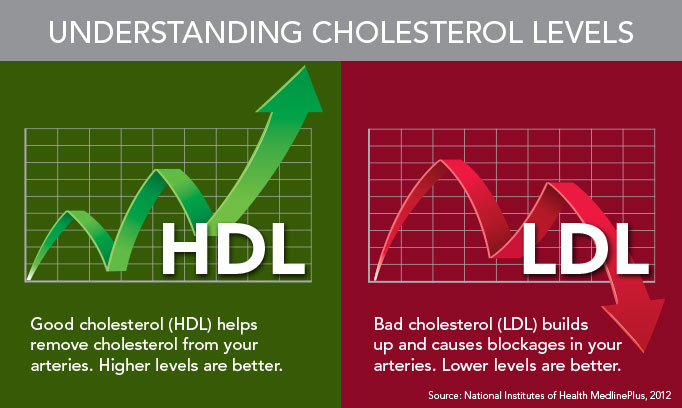
High B/P, Diabetes, Low HDL=good cholesterol, High LDL=bad cholesterol, smoking, eating foods high in SATURATED FAT & CHOLESTEROL, harmful use of alcohol, and lack of any activity in your life (your regular routine doesn’t count like work unless your in a job severely active like construction building homes for example 5 days or week or a personal work out trainer 4 to 5 days week).

MAYO CLINIC states Factors Increasing your BAD Cholesterol:

  • Poor diet. Eating saturated fat, found in animal products, and trans fats, found in some commercially baked cookies and crackers and microwave popcorn, can raise your cholesterol level. Foods that are high in cholesterol, such as red meat and full-fat dairy products, will also increase your cholesterol.
  • Obesity.
  • Lack of exercise. Exercise helps boost your body’s HDL, or “good,” cholesterol while increasing the size of the particles that make up your LDL, or “bad,” cholesterol, which makes it less harmful.
  • Smoking.
  • Age. Because your body’s chemistry changes as you age, your risk of high cholesterol climbs. For instance, as you age, your liver becomes less able to remove LDL cholesterol.
  • Diabetes. High blood sugar contributes to higher levels of a dangerous cholesterol called very-low-density lipoprotein (VLDL) and lower HDL cholesterol. High blood sugar also damages the lining of your arteries.

Non-modifiable Risk Factors=4 types only which are factors we can’t control:

1-Heredity (The higher the risk is when the heredity is closer to you in your family tree=Nuclear family–mom, dad, and siblings).

2-Age (Men aged 45y/o or older & Women aged 55 y/o or older)

3-Gender (It may affect your risk, for years heart disease was considered a man’s disease but we now know that heart disease is the leading cause of death for women as well as men. Although men tend to develop coronary artery disease earlier in life, after age 65 the risk of heart disease for both genders is equal.)

4-Race (Heart disease is higher among African Americans, Mexican Americans, American Indians, native Hawaiians, and some Asian Americans compared to Caucasians).

Your body needs cholesterol to build healthy cells, but high levels of cholesterol can increase your risk of heart disease. With high cholesterol, you can develop fatty deposits in your blood vessels. Eventually, these deposits grow, making it difficult for enough blood to flow through your arteries.
High cholesterol can cause:

Too much cholesterol (LDL cholesterol) puts you at risk for heart disease and stroke, two leading causes of death in the United States. High cholesterol has no signs or symptoms, so the only way to know if you have it is to get your cholesterol checked.

WHAT DOES ALL THIS MEAN?  To make this short & simple, from continuous high cholesterol over time, especially with history in your nuclear family puts you at risk for ATHERO-SCLEROSIS = Blockage In Arteries.  This puts at you at risk for a heart attack, stroke (Based on oxygen blocked by high cholesterol causing lack of oxygenated blood (nutrients) to the heart or brain due to high cholesterol build up in arteries supplying the heart and brain.  This is a high risk for MI & CVA).

Now it makes sense?  The answer to prevention or treatment of cardiac disease is changing or modifying your diet, if it’s unhealthy 100% or just partially. The answer includes exercise (from just walking or if you like working out, even better) and if needed medication but your doctor will decide. All these changes can modify your blood lipid profile=cholesterol control, which helps increasing your heart to a better tolerance with activity, stress and simply functioning. Recommended is going to a cardiologist for people diagnosed with heart conditions or your general practitioner with any illness/disease before making changes to help guide you towards the right choices. Your doctor can help you in determining which prevention or treatment plan is best for you.

Foods high in cholesterol=Fast foods, whole fat dairy products-milk/cheese/butter/mayonnaise/ bacon/processed deli meats/salad dressings and shortenings.

The key is to be living a healthy life. This consists of diet, exercise or activity and healthy habits learned and practiced routinely in your life that will help prevent or assist in treating cardiac disease. The better we treat ourselves regarding health the higher the odds we will live a longer   life. There is not just one food to eat or one type of exercise to do or one healthy habit to keep you healthy, there are choices. Wouldn’t you want less disease/illness for yourself and for others throughout the nation including the future generations?  It is all in change and that would be in your diet, activity getting increased and exercise balanced with rest.  Most importantly sticking to it regularly not doing these changes on occasion and that is all in how well you discipline yourself.

FOR MORE INFORMATION:

National Heart Lung and Blood Institute

P.O. Box 30105

Bethesda, MD 20824-0105

QUOTE FOR THE WEEKEND:

“Your cholesterol levels show how much cholesterol is circulating in your blood. Your HDL (“good” cholesterol) is the one number you want to be high (ideally above 60). Your LDL (“bad” cholesterol) should be below 100. Your total should be below 200. Talk with your provider about what your results mean for you and how to manage your cholesterol.

Your cholesterol levels are important because they help you know your risk for heart disease. Cholesterol is a type of lipid (fat) that helps your body perform many important functions. But too much cholesterol in your blood is harmful. It can enter your artery wall, damage its integrity and lead to atherosclerotic plaque (hardened deposits) forming.

Cholesterol travels through your blood silently. And it turns into plaque silently. Plaque buildup is like someone tiptoeing on a carpet. You might not see or notice its presence for a long time.”

Cleveland Clinic (https://my.clevelandclinic.org/health/articles/11920-cholesterol-numbers-what-do-they-mean)

Part I Cholesterol Month: What is cholesterol, its functions for the body, how its measured, what is good versus bad cholesterol?


What is cholesterol?

Cholesterol forms in the liver but we also get cholesterol through foods we eat too. It is a waxy substance that has many important functions in the body. It is part of various hormones, the makeup of the walls of your body’s cells, a component of bile, and many other purposes. How the body processes it is very complex. It joins with a protein and forms a package called lipoprotein. These lipoproteins carry cholesterol through the blood.

What is the functions of cholesterol in the body?

In our bodies, cholesterol serves three main purposes:
  • It aids in the production of sex hormones.
  • It’s a building block for human tissues.
  • It assists in bile production in the liver.
  • Its main function is to maintain the integrity and fluidity of cell membranes.  Cholesterol helps to regulate membrane fluidity over the range of physiological temperatures. to serve as a precursor for the synthesis of substances that are vital for the organism including steroid hormones, bile acids, and vitamin D.

How is cholesterol measured?

Cholesterol is measured in metric system units. The LDL’s (low density lipoproteins) have the bad cholesterol. LDL’s are the main source of blockage in the arteries. HDL’s (high density lipoproteins) have the good cholesterol. HDL’s help keep cholesterol from building up in the wall of the arteries.  Which most foods show on their labels how much LDL and HDL cholesterol is in a serving of the food your buying.  If it doesnt’t show the cholesterol levels on the label than don’t buy it unless its a treat once in awhile.

Through Cleveland Clinic they state the normal levels of cholesterol for total. HDL and LDL should be:

A HDL level for women 20 yrs old or higher should be 50mg/dl or greater.

A HDL level for men at 20 years old or older should be 40mg/dl or greater.

A LDL level for women or men at 20 years old or older should be less than 100mg/dl.

A total cholesterol level less than 200mg/dl is considered good. It represents the least risk of heart disease. Above that, your level is borderline high. If you are above 200 your level of cholesterol is high.

In our body we have cholesterol which is a type of fat. In certain foods is cholesterol depending on the food you buy. Your total cholesterol includes LDL (low-density lipoprotein) and HDL (high density lipoprotein) cholesterol. Let’s differentiate the two:

1.  LDL (low density lipoprotein) the bad cholesterol can build up in the arterial walls and form plaque in time.  What does this mean?

That build up in the arteries will reduce blood flow and increase your risk to heart disease, especially eating frequently the wrong foods with high and bad cholesterol over years (Example. coronary artery disease, high blood pressure, and eating like this for years can lead to a heart attack or from s/s arising scarring the person to go to the doctor and find out they have blockages & need surgery. The sign and symptoms arising scarring the person can range from chest pain, and can be radiating down the arms, sweating profusely, weakness/fatigue increases in your life, dizziness, you feel like you’re going to fall or actually due to the fatigue/weakness=low blood pressure due to the blockage or the heart just working too hard in doing its function since the cardiac output is decreased from the blockage) Take one of my dear friends who I have known almost 40 years who was a workaholic 10to14hr/7 days a week for at least 35 years and 2 years ago he had to undergo surgery for a coronary artery blockage bypass for 5 vessels blocked 80% to 100%. He should have been dead already due to a heart attach for such blockage but had a successful bypass done followed by long rehab and got better due to high cholesterol eating, smoking (that both play an impact in plaque & tar build up in the vessels) and he stopped but he also was obese by about 50lbs. and lost 30lbs due to better eating and less beer. This could have been prevented if he changed his diet, watched his weight, and quit smoking years ago but that takes discipline, making sacrifices is all within your hands to allow for healthy habits now (prevention) or later when problems occur (treatment), if caught in time. There is a way out of this happening to you.

2-HDL (high density lipoprotein) the good cholesterol it’s known as.  What does this mean?

Because it is thought to help remove bad cholesterol from the body; if you decide the right foods in the right portions that will have more HDL than LDL in them. Differentiating the 2, now another component to keep in mind is risk factors that can put you at risk for heart disease and your doctor will determine what additional risk factors you have putting you at risk for heart disease. These risk factors can be modifiable (controllable by individuals) or non-modifiable (non-controllable by individuals).  Stayed tune for Part II on cholesterol tomorrow covering all this!


QUOTE FOR FRIDAY:

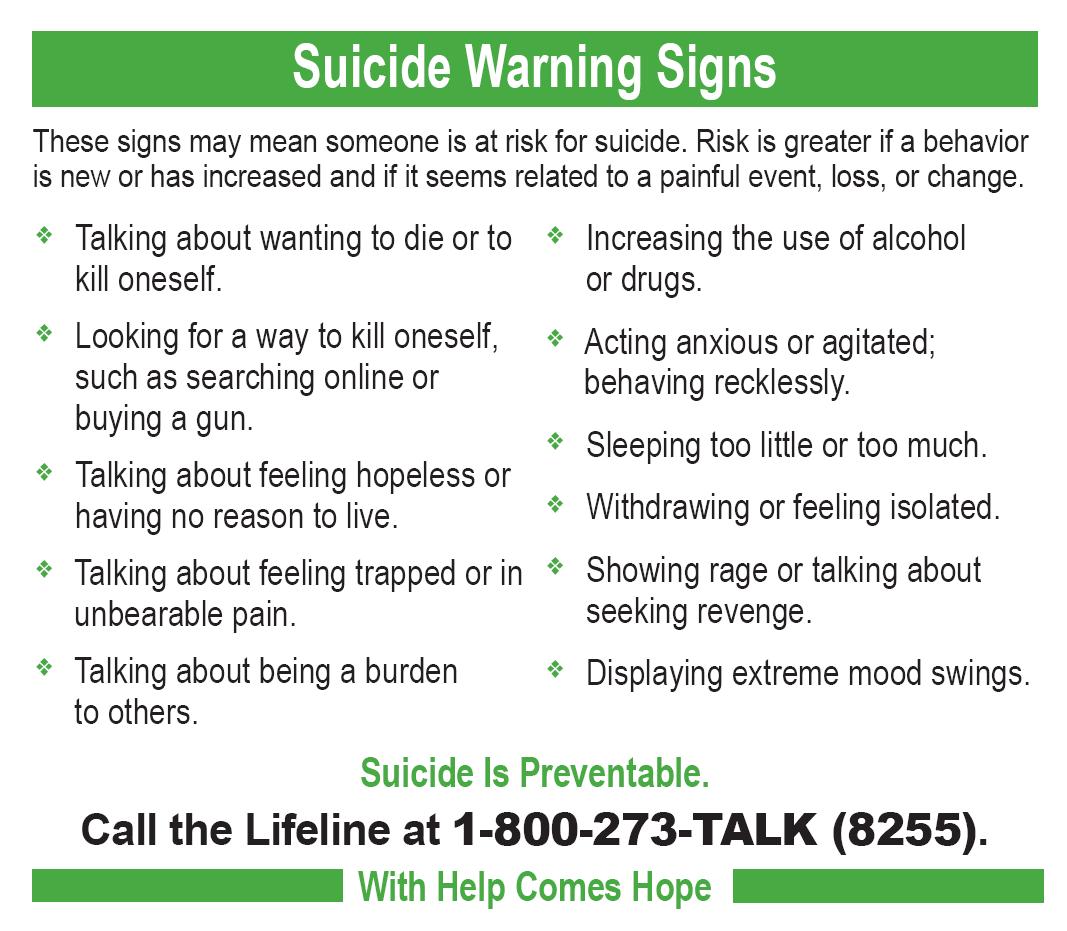
“September is National Suicide Prevention Month – a time to remember the lives lost to suicide, acknowledge the millions more who have experienced suicidal thoughts, and the many individuals, families and communities that have been impacted by suicide. It’s also a time to raise awareness about suicide prevention and share messages of hope.

During September, and throughout the year, we can care about suicide prevention; connect to community, culture, data, and research; and collaborate with others to address this public health problem that has impacted millions of Americans.

EVERYONE can play a role in suicide prevention. Know the warning signs of suicide and #BeThe1To offer support. Seek help for yourself or others by calling or texting 988 or by chat.”

SAMHSA – Substance Abuse and Mental Health Administration

(https://www.samhsa.gov/newsroom/observances/suicide-prevention-month)

SUICIDE PREVENTION MONTH : TOPIC-DEPRESSION VERSUS ANGER


SUICIDE  suicide_warning_signsSUICIDE2badtimes

Depression Vs. Anger — What does it all mean and What do I do?

Getting the blues  or down in the dumps now and than in one thing but staying in the blues or down in the dumps just sinking deeper over a long period of time can be diagnosed as clinical depression. Clinical depression presents many forms and symptoms. It is not something just to be brushed off, assuming it will rectify itself in a while. One of the most common symptoms noted when a person suffers from clinical depression is anger. Whether it’s uncontrollable anger toward oneself or outward aggression toward others, it’s clinically proven that depression and anger run hand in hand.

Do you find yourself feeling angry more often than usual, or more often than not, depression could be to blame. Anger is a common symptom of depression, which can lurk beneath the surface of any man, woman, or child as well.

Depressive disorders come in many different types, but each type has its own unique symptoms and treatments. Major depression, the most common type of a depressive disorder, is characterized by a combination of symptoms (see symptom list) that interfere with the ability to work, study, sleep, eat, and enjoy once pleasurable activities. Such a disabling episode of depression may occur only once but more commonly occurs several times in a lifetime. Mental health professionals use this checklist of specific symptoms to determine whether major depression exists or not. Depression is also rated by your diagnosing physician or mental health professional in terms of its severity — mild, moderate, or severe. Severe depression is the most serious type. A less severe type of depression, dysthymia, involves long-term, chronic symptoms that do not disable, but keep one from functioning well or from feeling good. Many people with dysthymia also experience major depressive episodes at some time in their lives. Another type of depression is experienced as a part of bipolar disorder, also called manic-depressive illness. Not nearly as prevalent as other forms of depressive disorders, bipolar disorder is characterized by cycling mood changes: severe highs (mania) and lows (depression). Sometimes the mood switches are dramatic and rapid, but most often they are gradual. When in the depressed cycle, an individual can have any or all of the symptoms of a depressive disorder. When in the manic cycle, the individual may be overactive, overtalkative, and have a great deal of energy. Mania often affects thinking, judgment, and social behavior in ways that cause serious problems and embarrassment. For example, the individual in a manic phase may feel elated, full of grand schemes that might range from unwise business decisions to romantic sprees

Risk Factors

Numerous risk factors can lead to feelings of depression and anger in an individual. Some of these risk factors include but are not limited to: loneliness, financial strain, unemployment, alcohol or drug abuse, marital or family problems, or lack of a social support network. Depression and anger can also be influenced by childhood trauma, or it can be hereditary.

Symptoms

Anger manifested with depression is no ordinary anger. It can be all-consuming feelings of anger and hatred against one’s self, others or the situation that is causing the depression. One of the first signs of depression in a teenager may be a sudden onset of uncontrollable anger. In turn, constant feelings of anger can also trigger a response of depression. Also noted with depression are a tendency to turn away from family and friends, poor performance at work or school, lack of motivation, feelings of guilt, insomnia and hopelessness

Symptoms of Depression

Not everyone who is depressed or manic experiences every symptom. Some people experience a few symptoms, some many. Severity of symptoms varies with individuals and also varies over time.

Depression

  • Persistent sad, anxious, or “empty” mood
  • Feelings of hopelessness, pessimism
  • Feelings of guilt, worthlessness, helplessness
  • Loss of interest or pleasure in hobbies and activities that were once enjoyed, including sex
  • Decreased energy, fatigue, being “slowed down”
  • Difficulty concentrating, remembering, or making decisions
  • Insomnia, early-morning awakening, or oversleeping
  • Appetite and/or weight loss or overeating and weight gain
  • Thoughts of death or suicide; suicide attempts
  • Restlessness, irritability
  • Persistent physical symptoms that do not respond to treatment, such as headaches, digestive disorders, and chronic painMania
  • Symptoms of Mania (for Bipolar Disorder)
  • Abnormal or excessive elation
  • Unusual irritability
  • Decreased need for sleep
  • Grandiose notions
  • Increased talking
  • Racing thoughts
  • Increased sexual desire
  • Markedly increased energy
  • Poor judgment
  • Inappropriate social behavior

Come back tomorrow for Part 2 on Depression Vs. Anger in Considerations/Treatment and Knowing the Key Factor in what makes us deal with depression, which also can help prevent suicide!!

QUOTE FOR THE THURSDAY:

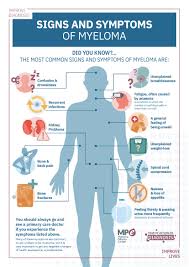
“Multiple myeloma is a cancer that forms in a type of white blood cell called a plasma cell. Healthy plasma cells help fight infections by making proteins called antibodies. Antibodies find and attack germs.

In multiple myeloma, cancerous plasma cells build up in bone marrow. The bone marrow is the soft matter inside bones where blood cells are made. In the bone marrow, the cancer cells crowd out healthy blood cells. Rather than make helpful antibodies, the cancer cells make proteins that don’t work right. This leads to complications of multiple myeloma.

Multiple myeloma treatment isn’t always needed right away. If the multiple myeloma is slow growing and isn’t causing symptoms, close watching might be the first step. For people with multiple myeloma who need treatment, there are a number of ways to help control the disease.”

MAYO CLINIC (https://www.mayoclinic.org/diseases-conditions/multiple-myeloma/symptoms-causes/syc-20353378)


Myeloma Cancer

What is Multiple Myeloma?

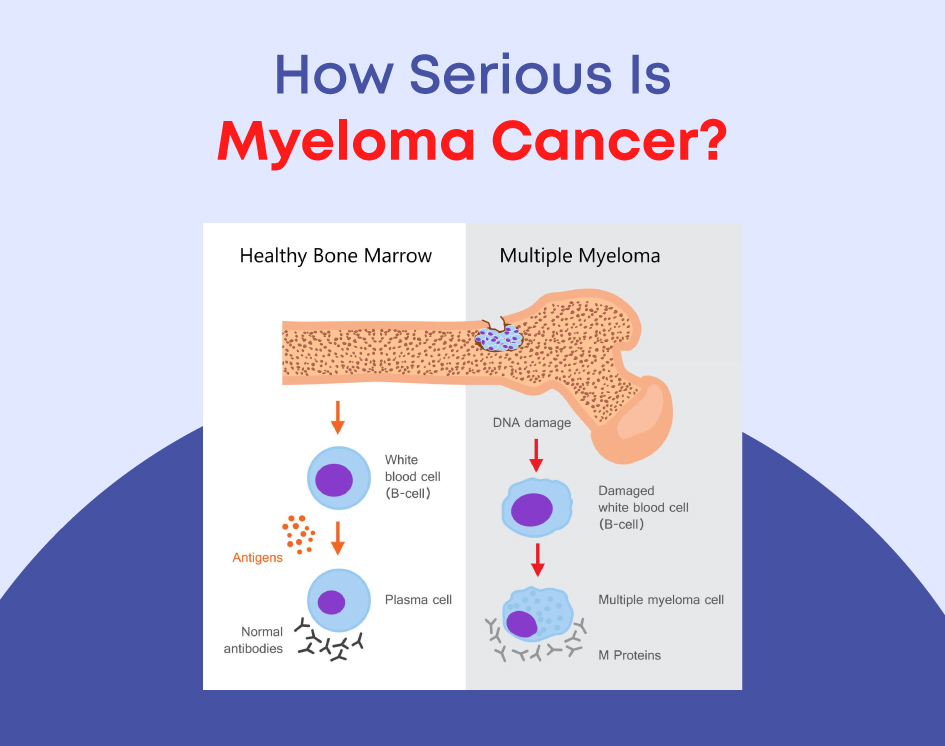
Multiple myeloma is a cancer of plasma cells (B and T cells).  Multiple myeloma is a cancer of plasma cells. Normal plasma cells are found in the bone marrow and are an important part of the immune system.The immune system is made up of several types of cells that work together to fight infections and other diseases.

We stated yesterday myeloma is most often found in bone marrow. Remember normal plasma cells are found in the bone marrow & an important part of the immune system.

The immune system is made up of several types of cells that work together to fight infections and other diseases. Lymphocytes (lymph cells) are one of the main types of white blood cells in the immune system and include T cells and B cells. Lymphocytes are in many areas of the body, such as lymph nodes, the bone marrow, the intestines, and the bloodstream.

When B cells respond to an infection, they mature and change into plasma cells. Plasma cells make the antibodies (also called immunoglobulins) that help the body attack and kill germs.

When plasma cells become cancerous=cancer cells (intially made in the bone marrow than released in the blood), they multiply and begin to crowd out healthy cells and produce abnormal antibodies called M proteins.  This continues to to replicate till the body dies or some treatment takes over decreasing them by destroying them (Ex. Chemo) or possibly putting the patient in remission.

What are the major types of myeloma?

There are four major sub-types of myeloma. Diagnosis depends on how localized or spread out the cancer has become and where it originated. The most common form of myeloma is multiple myeloma. Over 90% of people with myeloma have multiple myeloma.

Multiple myeloma -This is the one we will be discussing in this topic.
Plasmacytoma
Localized myeloma
Extramedullary myelom
Multiple Myeloma Complications:

In multiple myeloma, the overgrowth of plasma cells in the bone marrow can crowd out normal blood-forming cells:

1-Leading to low cell counts=RBCs-low in iron/anemia, level of platelets in the become low (called thrombocytopenia)=increased bleeding and bruising & WBCs low called leukopenia=problems fighting infections.

2-Myeloma cells make a substance that tells the osteoclasts to speed up dissolving the bone. So old bone is broken down without new bone to replace it, making the bones painful, weak, thinning the bones and easy to break.

3-Abnormal plasma cells cannot protect the body from infections. As mentioned before, normal plasma cells produce antibodies that attack germs. In multiple myeloma, the myeloma cells crowd out the normal plasma cells, so that antibodies to fight the infection can’t be made. The antibody made by the myeloma cells does not help fight infections. That’s because the myeloma cells are just many copies of the same plasma cell – all making copies of the same exact (or monoclonal) antibody.

A monoclonal gammopathy is when plasma cells make too many copies of the same antibody. It is usually found on a routine blood test when looking for other conditions.In monoclonal gammopathy of undetermined significance (MGUS), abnormal plasma cells make many copies of the same antibody (called a monoclonal protein). However, these plasma cells do not form an actual tumor or mass and do not cause any of the problems seen in multiple myeloma. MGUS usually does not affect a person’s health. It doesn’t cause weak bones, high calcium levels, kidney problems, or low blood counts.

4-Myeloma cells make an antibody that can harm the kidneys, leading to kidney damage and even kidney failure.

Factors that may increase your risk of multiple myeloma include:

Increasing age. Your risk of multiple myeloma increases as you age, with most people diagnosed in their mid-60s.
Male sex. Men are more likely to develop the disease than are women.
Black race. Black people are about twice as likely to develop multiple myeloma as are white people.
Family history of multiple myeloma. If a brother, sister or parent has multiple myeloma, you have an increased risk of the disease.
Personal history of a monoclonal gammopathy of undetermined significance (MGUS). Every year 1 percent of the people with MGUS in the United States develop multiple myeloma.
Diagnosing Multiple Myeloma:
Blood tests. Laboratory analysis of your blood may reveal the M proteins produced by myeloma cells. Another abnormal protein produced by myeloma cells — called beta-2-microglobulin — may be detected in your blood and give your doctor clues about the aggressiveness of your myeloma.Additionally, blood tests to examine your kidney function, blood cell counts, calcium levels and uric acid levels can give your doctor clues about your diagnosis.
Urine tests. Analysis of your urine may show M proteins, which are referred to as Bence Jones proteins when they’re detected in urine.
Examination of your bone marrow. Your doctor may remove a sample of bone marrow for laboratory testing. The sample is collected with a long needle inserted into a bone (bone marrow aspiration and biopsy).In the lab, the sample is examined for myeloma cells. Specialized tests, such as fluorescence in situ hybridization (FISH) can analyze myeloma cells to understand their genetic abnormalities. Tests are also done to measure the rate at which the myeloma cells are dividing.
Imaging tests. Imaging tests may be recommended to detect bone problems associated with multiple myeloma. Tests may include an X-ray, MRI, CT or positron emission tomography (PET).

After someone is diagnosed with cancer, doctors will try to figure out if it has spread, and if so, how far. This process is called staging (I,II,III,IV). The stage of a cancer describes how much cancer is in the body. It helps determine how serious the cancer is and how best to treat it.

Treatment:

1-Targeted therapy. Targeted drug treatment focuses on specific abnormalities within cancer cells that allow them to survive. Bortezomib (Velcade), carfilzomib (Kyprolis) and ixazomib (Ninlaro) are targeted drugs that block the action of a substance in myeloma cells that breaks down proteins. This action causes myeloma cells to die. Targeted-therapy drugs may be administered through a vein in your arm or in pill form.

Other targeted-therapy treatments include monoclonal antibody drugs that bind to the specific proteins present on myeloma cells, causing them to die.

2-Biological therapy. Biological therapy drugs use your body’s immune system to fight myeloma cells. The drugs thalidomide (Thalomid), lenalidomide (Revlimid) and pomalidomide (Pomalyst) enhance the immune system cells that identify and attack cancer cells. These medications are commonly taken in pill form.

3-Chemotherapy. Chemotherapy drugs kill fast-growing cells, including myeloma cells. Chemotherapy drugs can be given through a vein in your arm or taken in pill form. High doses of chemotherapy drugs are used before a bone marrow transplant.

4-Corticosteroids. Corticosteroids, such as prednisone and dexamethasone, regulate the immune system to control inflammation in the body. They are also active against myeloma cells. Corticosteroids can be taken in pill form or administered through a vein in your arm.

5-Bone marrow transplant. A bone marrow transplant, also known as a stem cell transplant, is a procedure to replace your diseased bone marrow with healthy bone marrow.

Before a bone marrow transplant, blood-forming stem cells are collected from your blood. You then receive high doses of chemotherapy to destroy your diseased bone marrow. Then your stem cells are infused into your body, where they travel to your bones and begin rebuilding your bone marrow.

6-Radiation therapy. This treatment uses beams of energy, such as X-rays and protons, to damage myeloma cells and stop their growth. Radiation therapy may be used to quickly shrink myeloma cells in a specific area — for instance, when a collection of abnormal plasma cells form a tumor (plasmacytoma) that’s causing pain or destroying a bone.

QUOTE FOR WEDNESDAY:

“An estimated 400,000 people were exposed to toxic contaminants, risk of physical injury, and physically and emotionally stressful conditions in the days, weeks, and months following the attacks. Responders who worked on the rescue, recovery, and relief efforts reported a range of illnesses soon after the attacks. Survivors who lived, worked, and attended school in Lower Manhattan, some who remained throughout and some who returned to their lives in the disaster area, started reporting illnesses as well. estimated 400,000 people were exposed to toxic contaminants, risk of physical injury, and physically and emotionally stressful conditions in the days, weeks, and months following the attacks. Responders who worked on the rescue, recovery, and relief efforts reported a range of illnesses soon after the attacks. Survivors who lived, worked, and attended school in Lower Manhattan, some who remained throughout and some who returned to their lives in the disaster area, started reporting illnesses as well.”

Centers for Disease Control and Prevention – CDC  (https://www.cdc.gov/wtc/exhibition/toxins-and-health-impacts.html)

QUOTE FOR TUESDAY:

“If you’ve been diagnosed with cancer, and you aren’t sure about your diagnosis or treatment options, get a second opinion from Cedars-Sinai. Your Virtual Second Opinion will give you the information you need to make the best decisions about your care.  Our hodgkin or  non-hodgkin lymphoma specialists can provide a Virtual Second Opinion in the comfort of your home, and you can get the insights needed to make informed decisions about your care.   Treatments range from chemo, radiation and more.”

Cedars Sinai (https://secondopinion.cedars-sinai.org/department/cancer/?&cid=21046965596&agid=158830926683&tid=kwd-328662390414&kwt=p&adid=691743710360&ext=&dvc=c&loi=&lop=9004281&gclid=EAIaIQobChMI-PzYvvusiAMVFGpHAR3FHQ4aEAAYASAAEgKRwvD_BwE&gclsrc=aw.ds)


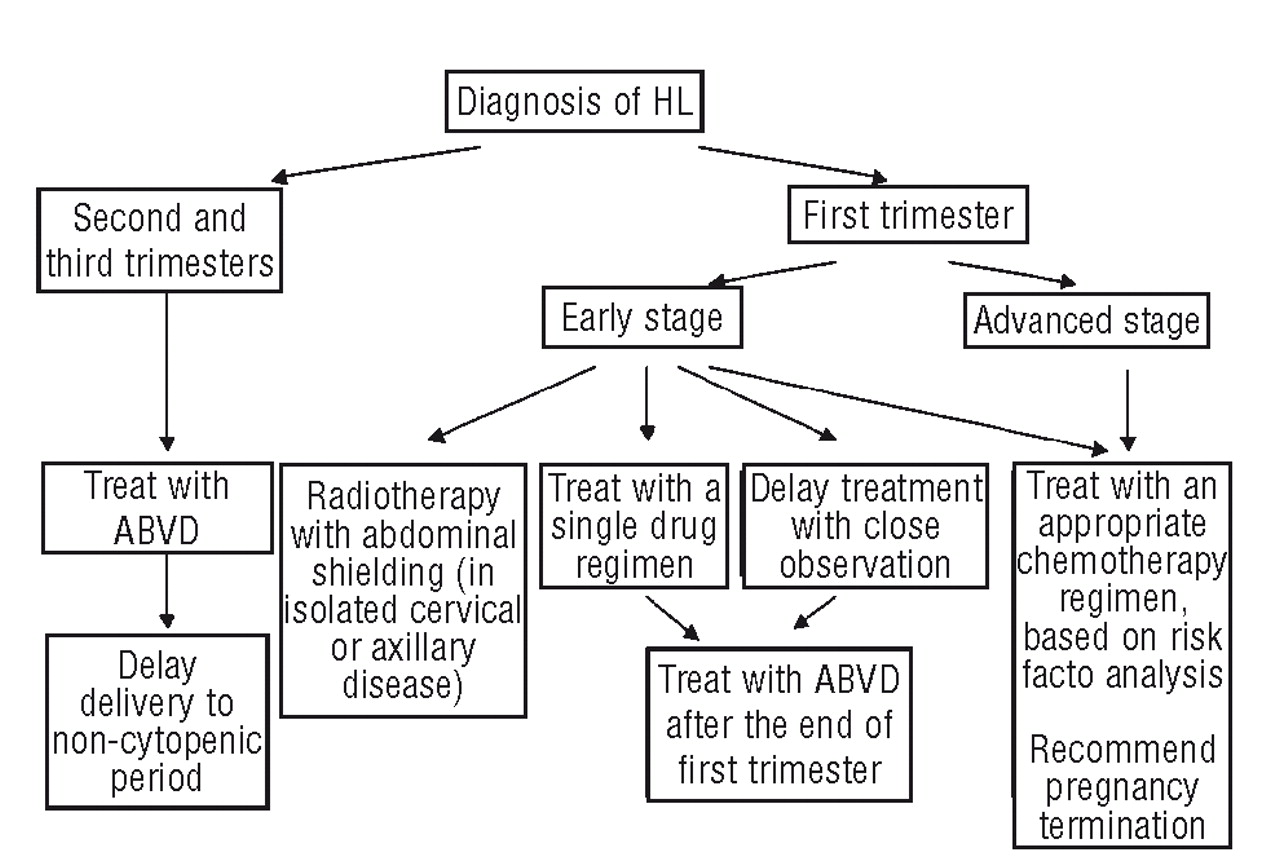
Part II Hodgkin’s versus Non=Hodgkin’s Lymphoma (Treatments)

Treatments for both Hodgkin’s Lymphoma & Non-Hodgkin’s Lymphoma:

First the doctor needs to know what stage of cancer your in ranging from I to IV.  This shows the doctor the following information to help the M.D. decide what treatment would be most effective to take.

  • Stage I. The cancer is limited to one lymph node region or a group of nearby nodes or limited to a single organ.
  • Stage II. In this stage, the cancer is in two lymph node regions, or the cancer has invaded one organ and the nearby lymph nodes as well. But the cancer is still limited to a section of the body either above or below the diaphragm.
  • Stage III. When the cancer moves to lymph nodes both above and below the diaphragm, it’s considered stage III. Cancer may also be found in the lymph nodes above the diaphragm and in the spleen in non-Hodgkins and may also be in one portion of tissue or an organ near the lymph node groups or in the spleen in Hodgkins.
  • Stage IV. This is the most advanced stage of non-Hodgkin’s and Hodgkin’s lymphoma. Cancer cells are in several portions of one or more organs and tissues.
  • Stage III. When the cancer moves to lymph nodes both above and below the diaphragm, it’s considered stage III. Cancer may also be in one portion of tissue or an organ near the lymph node groups or in the spleen.
  • Stage IV. This is the most advanced stage of Hodgkin’s lymphoma. Cancer cells are in several portions of one or more organs and tissues. Stage IV in both lymphomas affects not only the lymph nodes but also other parts of the body, such as the liver, lungs or bones.

Hodgkin Lymphoma Consultation

Your doctor will review your scans and discuss treatment options with you.

Which Hodgkin’s lymphoma treatments are right for you depends on the type and stage of your disease, your overall health, and your preferences. The goal of treatment is to destroy as many cancer cells as possible and bring the disease into remission.

Chemotherapy

Chemotherapy is a drug treatment that uses chemicals to kill lymphoma cells. Chemotherapy drugs travel through your bloodstream and can reach nearly all areas of your body.

Chemotherapy is often combined with radiation therapy in people with early-stage classical type Hodgkin’s lymphoma. Radiation therapy is typically done after chemotherapy. In advanced Hodgkin’s lymphoma, chemotherapy may be used alone or combined with radiation therapy.

Chemotherapy drugs can be taken in pill form or through a vein in your arm, or sometimes both methods of administration are used. Several combinations of chemotherapy drugs are used to treat Hodgkin’s lymphoma.

Side effects of chemotherapy depend on the drugs you’re given. Common side effects are nausea and hair loss. Serious long-term complications can occur, such as heart damage, lung damage, fertility problems and other cancers, such as leukemia.

Radiation therapy

Radiation therapy uses high-energy beams, such as X-rays and protons, to kill cancer cells. For classical Hodgkin’s lymphoma, radiation therapy is often used after chemotherapy. People with early-stage nodular lymphocyte-predominant Hodgkin’s lymphoma may undergo radiation therapy alone.

During radiation therapy, you lie on a table and a large machine moves around you, directing the energy beams to specific points on your body. Radiation can be aimed at affected lymph nodes and the nearby area of nodes where the disease might progress. The length of radiation treatment varies, depending on the stage of the disease. A typical treatment plan might have you going to the hospital or clinic five days a week for several weeks. At each visit, you undergo a 30-minute radiation treatment.

Radiation therapy can cause skin redness and hair loss at the site where the radiation is aimed. Many people experience fatigue during radiation therapy. More-serious risks include heart disease, stroke, thyroid problems, infertility and other cancers, such as breast or lung cancer.

Bone marrow transplant

Bone marrow transplant, also known as stem cell transplant, is a treatment to replace your diseased bone marrow with healthy stem cells that help you grow new bone marrow. A bone marrow transplant may be an option if Hodgkin’s lymphoma returns despite treatment.

During a bone marrow transplant, your own blood stem cells are removed, frozen and stored for later use. Next you receive high-dose chemotherapy and radiation therapy to destroy cancerous cells in your body. Finally your stem cells are thawed and injected into your body through your veins. The stem cells help build healthy bone marrow.

People who undergo bone marrow transplant may be at increased risk of infection.

Other drug therapy

Other drugs used to treat Hodgkin’s lymphoma include targeted drugs that focus on specific vulnerabilities in your cancer cells and immunotherapy that works to activate your own immune system to kill the lymphoma cells. If other treatments haven’t helped or if your Hodgkin’s lymphoma returns, your lymphoma cells may be analyzed in a laboratory to look for genetic mutations. Your doctor may recommend treatment with a drug that targets the particular mutations present in your lymphoma cells.

Targeted therapy is an active area of cancer research. New targeted therapy drugs are being studied in clinical trials.

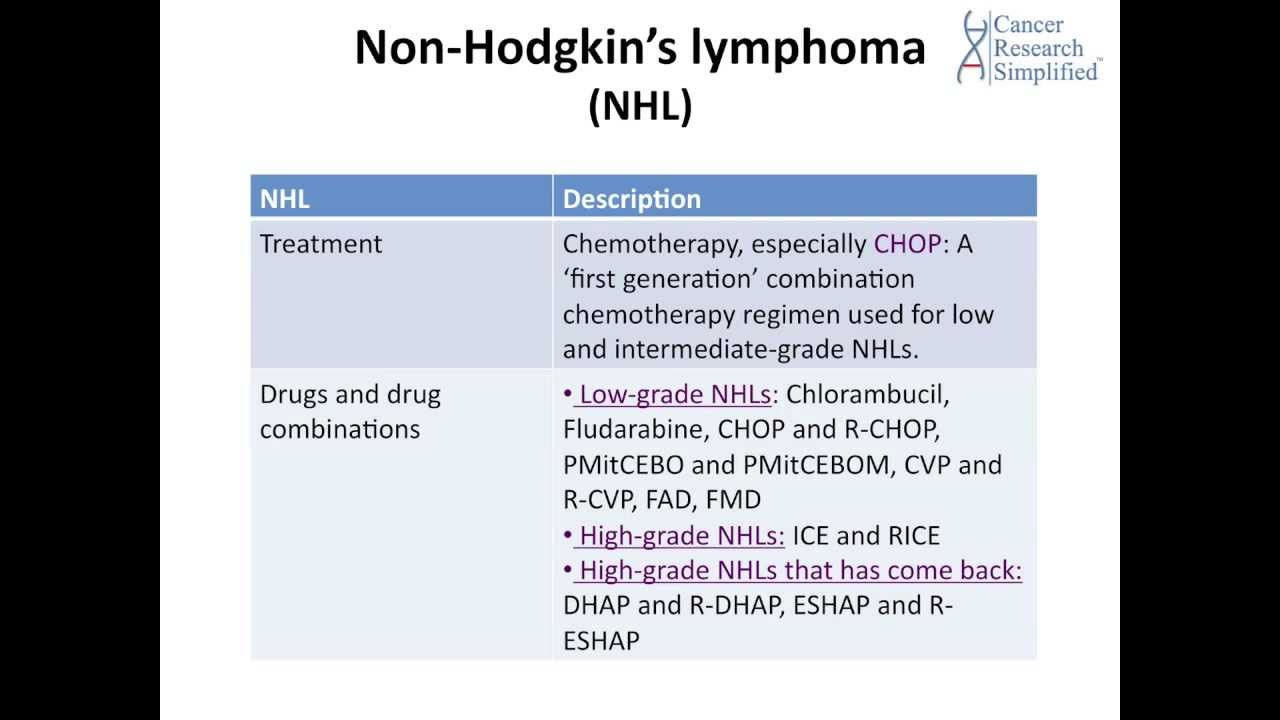
Now look at Non-Hodgkin’s Lymphoma Treatment and look at the similarities of Hodkin’s Lymphoma Rx; both are WBC’s Blood Cancers:

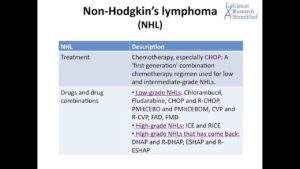
If your non-Hodgkin’s lymphoma is aggressive or causes signs and symptoms, your doctor may recommend treatment. Options may include:

Chemotherapy

Chemotherapy is a drug treatment — given orally or by injection — that kills cancer cells. Chemotherapy drugs can be given alone, in combination with other chemotherapy drugs or combined with other treatments.

Side effects of chemotherapy depend on the drugs you’re given. Common side effects are nausea and hair loss. Serious long-term complications can occur, such as heart damage, lung damage, fertility problems and other cancers, such as leukemia.

Radiation therapy

Radiation therapy uses high-powered energy beams, such as X-rays and protons, to kill cancer cells. During radiation therapy, you’re positioned on a table and a large machine directs radiation at precise points on your body. Radiation therapy can be used alone or in combination with other cancer treatments.

During radiation therapy, you lie on a table and a large machine moves around you, directing the energy beams to specific points on your body. Radiation can be aimed at affected lymph nodes and the nearby area of nodes where the disease might progress. The length of radiation treatment varies, depending on the stage of the disease. A typical treatment plan might have you going to the hospital or clinic five days a week for several weeks, where you undergo a 30-minute radiation treatment at each visit.

Radiation therapy can cause skin redness and hair loss at the site where the radiation is aimed. Many people experience fatigue during radiation therapy. More-serious risks include heart disease, stroke, thyroid problems, infertility, and other cancers, such as breast or lung cancer.

Bone marrow transplant

Bone marrow transplant, also known as a stem cell transplant, involves using high doses of chemotherapy and radiation to suppress your bone marrow. Then healthy bone marrow stem cells from your body or from a donor are infused into your blood where they travel to your bones and rebuild your bone marrow.

People who undergo bone marrow transplant may be at increased risk of infection.

Other drug therapy

Biological therapy drugs help your body’s immune system fight cancer.

For example, one biological therapy called rituximab (Rituxan) is a type of monoclonal antibody that attaches to B cells and makes them more visible to the immune system, which can then attack. Rituximab lowers the number of B cells, including your healthy B cells, but your body produces new healthy B cells to replace these. The cancerous B cells are less likely to recur.

Also, a drug called ibrutinib (Imbruvica) has been approved by the Food and Drug Administration (FDA) for some people undergoing treatment for non-Hodgkin’s lymphoma.

Radioimmunotherapy drugs are made of monoclonal antibodies that carry radioactive isotopes. This allows the antibody to attach to cancer cells and deliver radiation directly to the cells. An example of a radioimmunotherapy drug used to treat non-Hodgkin’s lymphoma is ibritumomab tiuxetan (Zevalin).

Clinical trials

Clinical research studies (clinical trials) may be an option for people whose disease has not been controlled by other treatment options. Ask your doctor about possible clinical trials for your type of non-Hodgkin’s lymphoma.