Archive | September 2024

QUOTE FOR MONDAY:

“Leukemia is a broad term for cancers of the blood cells. The type of leukemia depends on the type of blood cell that becomes cancer and whether it grows quickly or slowly. Leukemia occurs most often in adults older than 55, but it is also the most common cancer in children younger than 15.  There is Acute Lymphoblastic Leukemia, Acute Myeloid Leukemia, Chronic Lymphocytic Leukemia , Chronic Myelogenous Leukemia, Hairy Cell Leukemia, Childhood Acute Lymphoblastic Leukemia, and Childhood Acute Myeloid Leukemia.”

National Cancer Institute (https://www.cancer.gov/types/leukemia#: ~:text=Leukemia%20is%20a%20broad%20term,in%20children%20younger%20than%2015.)

QUOTE FOR THE WEEKEND:

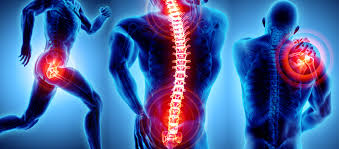
“Chronic pain is pain that lasts for over three months. You may feel the pain all the time or it may come and go. It can happen anywhere in your body and has countless causes.

Chronic pain is a very common condition and one of the most common reasons why people seek medical care. In 2021, about 20.9% of U.S. adults (51.6 million people) experienced chronic pain, according to a study from the U.S. Centers for Disease Control and Prevention (CDC).

Pain is your body’s way of telling you that something’s wrong, like an alarm. But when that alarm continues to go off for months or years, it can drown out many aspects of life that bring you joy. And it can take quite a toll on your physical, mental and emotional health. Because of this, it’s essential to seek help for chronic pain. Together, you and your healthcare provider can develop a plan to help dampen chronic pain.”.

Cleveland Clinic (https://my.clevelandclinic.org/health/diseases/4798-chronic-pain)

Pain Awareness Month: How to close gates of pain, the role of stress, consequence of chronic stress and the key to prevent it!


In most instances, painful sensations arise from tissue injury in the body. Sensitive nerve endings pick up pain signals and carry these messages along nerves to the spinal cord and then onto the brain. All along these complex pathways, there are biological “gates” that can be either opened or closed. When these gates are closed, pain is reduced or eliminated. When open, pain messages continue through the circuit. It is when these gates are jammed open that chronic pain cycles begin.

As you recall, acute pain is short lived and serves as a warning signal. When you fix whatever is wrong, the pain usually goes away. In the case of chronic pain, pain does not necessarily signal that the body is undergoing more damage. Most chronic pain is caused by a malfunction of the nervous system, either in nerves or the brain. The malfunction or opening of the pain gates causes and endless barrage of pain signals to cycle. Chronic pain then becomes a disease itself, taking on a life of its own.

How can we close the gates of pain?

The gates are affected by several factors, most importantly by the pattern of nerve impulses which reach the spinal cord from the rest of the body, and nerve impulses coming from the brain. Sometimes the nerve impulses traveling through the spinal gates can be affected by other forms of physical stimulation. Giving your nervous system a competing source of input can fool the nervous system and alter your perception of pain.

There are many ways to accomplish this. You may have noticed that rubbing or massaging a painful area may have relieved your pain in the past. Applying electrical stimulation (e.g. TENS), applying heat or cold, acupuncture, or nerve blocks may also provide a competing source of input. It is also important to realize that certain mental activities or thoughts taking place in the brain can help to close the spinal gates.

Another way we can work to close the gates of pain is to affect the release of several chemicals that help pain signals travel to the brain. Neurotransmitters are biochemical messengers that carry pain signals from one nerve cell to the next. The three main neurotransmitters that send pain signals to the brain are substance P, NMDA (n-methyl-d-aspartate), and glutamate. Excess amounts of these chemicals, especially substance P, make it easier for pain signals to reach the brain.

Therefore, another way of stopping pain involves manipulating pain provoking neurotransmitters. This can be accomplished by prescription or over the counter medications, acupuncture, injections, hypnosis, or biofeedback.:

The role of the Endorphins:

The endorphins are another class of chemicals which are produced in the brain and serve an important role in the pain experience. These chemical are naturally occurring pain relieving substances, similar to morphine or other opiates, produced in the body. Endorphins work on special receptor sites in the brain. They act as keys which unlock receptors thus generating nerve impulses to shut down pain. Morphine and other opiates have similar chemical structures which turn off pain.
Several situations or conditions raise endorphin levels in the brain thus reducing pain. They include thinking with a positive attitude, happiness, and regular exercise.

The Role of Stress:

It is natural to connect a physical stress to the body, such a broken arm, to the perception of pain. The role of psychological stress may not seem as obvious. The brain structures involved in stress can affect the production of key hormones in the body, suppress the body’s immune system, and activate the autonomic nervous. These are the same biological changes that may occur from physical stresses on the body-the body may not differentiate between physical and psychological stress. The net effects of these changes on the body are to lower our internal resistance to pain, thus further encouraging the chronic pain cycle.

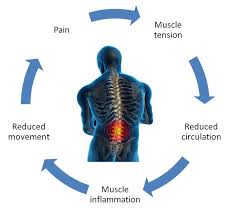
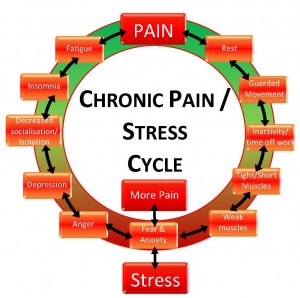
Many sources of stress feed into the chronic pain cycle. First off, as you would expect, pain itself is stressful. Pain sensations are perceived as undesirable and are at very least annoying. Pain creates tension, both physical and emotional. Physical tension may show itself as muscle tension or affect the cardiovascular, gastrointestinal, or immune systems. Emotional tension may reveal itself as anger, frustration, worry, depression, or frustration. Both physical and emotional tension, initially set in motion by pain, worsen pain. Thus the vicious cycle of pain is begins-pain leads to tension and tension leads to more pain.

A second source of stress comes from all the negative consequences that occur as a result of a chronic pain condition. Chronic pain may create difficulties with family relationships, social or recreation activities, self-esteem, and employment.

Yet another source of stress arises from the hardships that can be encountered from the stresses of everyday living. Everything from difficulties putting on your shoes in the morning to difficulties standing long enough to go grocery shopping are added on top of pain-related stressors. In the end, an individual not only suffers from chronic pain, but from chronic stress.

The consequences of chronic stress:

Whatever the type of stress, either physical or psychological, the outcome on pain is to worsen it. Chronic stress also may result in other physical ailments such as tension headaches, muscle spasms, gastrointestinal problems, and elevated blood pressure. It can also lead to fatigue, depression, and a sense of hopelessness.

The key is how to prevent chronic pain:

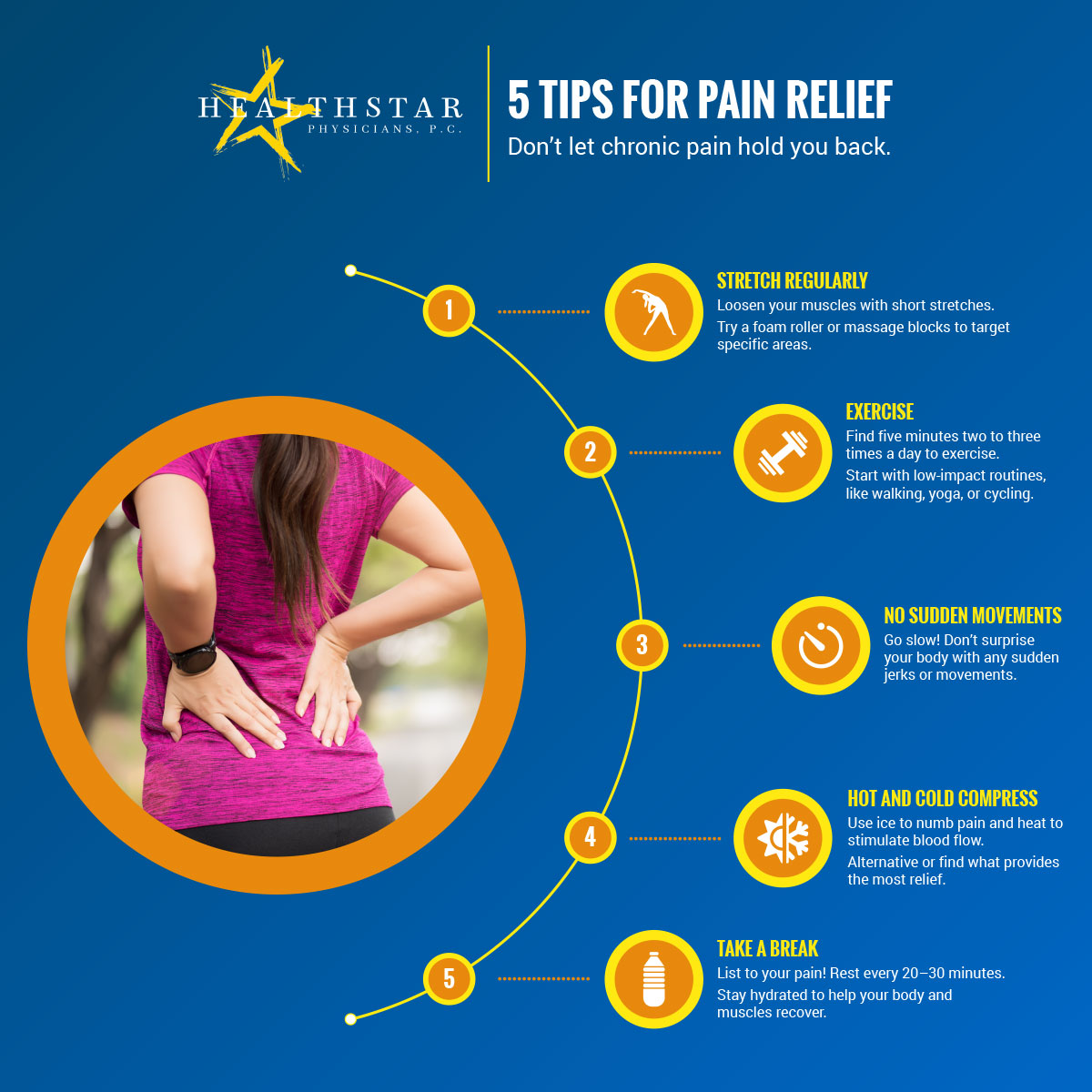
Chronic pain can’t always be prevented But rememeber if you have pain go to a MD to help you get to your optimal level of function and hopes you get to PAIN FREE.

1-  ONE is staying in good physical and mental health may be the best way to prevent it or help you cope with it.
2-  Treat your health problems early.
3- Get enough sleep every night. Learn to alternate activity with rest throughout each day.
4- Exercise.
5- Eat a balanced diet.

Try to reduce stress in your life.
QUOTE FOR FRIDAY:

“Prostate cancer is cancer that occurs in the prostate. The prostate is a small walnut-shaped gland in males that produces the seminal fluid that nourishes and transports sperm.

Prostate cancer is one of the most common types of cancer. Many prostate cancers grow slowly and are confined to the prostate gland, where they may not cause serious harm. However, while some types of prostate cancer grow slowly and may need minimal or even no treatment, other types are aggressive and can spread quickly.

Prostate cancer that’s detected early — when it’s still confined to the prostate gland — has the best chance for successful treatment.”

MAYO CLINIC (https://www.mayoclinic.org/diseases-conditions/prostate-cancer/symptoms-causes/syc-20353087)

QUOTE FOR THURSDAY:

“Treatment for ovarian cancer usually involves a combination of surgery and chemotherapy.

  • Surgery: An operation in which doctors cut out the cancer.
  • Chemotherapy: Use of special medicines to shrink or kill the cancer. The drugs can be pills you take or medicines given in your veins, or sometimes both.
  • Targeted therapy: Use of drugs to block the growth and spread of cancer cells. The drugs can be pills you take or medicines given in your veins. You will get tests to see if targeted therapy is right for your cancer type before this treatment is used.

Visit the National Cancer Institute for more information about ovarian cancer treatment.”

Center for Disease Control and Prevention – CDC (https://www.cdc.gov/ovarian-cancer/treatment/?cid=google:paid_search_co:ik_24:q1_24_rsa_refresh:ovarian&gad_source=1&gclid=EAIaIQobChMIj63WtM3HiAMVAU9HAR3BciZCEAAYASAAEgKu-_D_BwE)

QUOTE FOR WEDNESDAY:

“Ovarian cancer is a type of cancer that begins in the female reproductive organs that produce and store eggs (ovaries). It occurs when abnormal ovarian cells divide and multiply uncontrollably. “Ovarian cancer” is a generic term for any primary malignant ovarian tumor. However, ovarian cancer is not one disease. There are many types of ovarian cancer, including some that are extremely rare and require specialized treatment. Therefore, establishing the correct diagnosis upfront is very important. The main types of ovarian cancer are named for the cells where the disease first forms. There is epithelial ovarian cancer, germ cell ovarian cancer, stromal ovarian cancer, and primary peritoneal ovarian. ”

MD Anderson Cancer Center

Simple facts with consequences you face if you decide to start or continue smoking.

Through an accurate reference the Centers for Disease Control and Prevention, who wants to save lives and protect people, support the following:

Smoking is estimated to increase the risk—

    • For coronary heart disease by 2 to 4 times1,6
    • For stroke by 2 to 4 times1
    • Of men developing lung cancer by 25 times1
    • Of women developing lung cancer by 25.7 times1

Smoking causes diminished overall heath, such as self-reported poor health, increased absenteeism from work, and increased health care utilization and cost.

Smokers are at greater risk for diseases that affect the engine of the body=The heart and its branches=The circulatory system (putting a smoker at high risk for cardiovascular disease).

  • Smoking causes stroke and coronary heart disease—the leading causes of death in the United States.
  • Even people who smoke fewer than five cigarettes a day can have early signs of cardiovascular disease.
  • Smoking damages blood vessels and can make them thicken and grow narrower. This makes your heart beat faster and your blood pressure go up. Clots can also form.
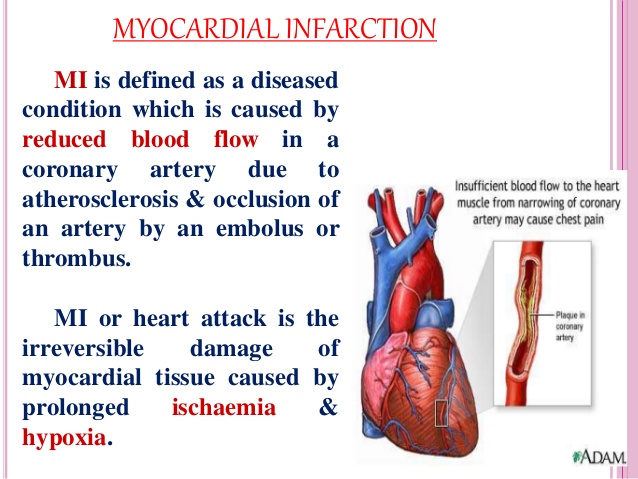
  • A heart attack occurs when a clot blocks the blood flow to your heart. When this happens, your heart cannot get enough oxygen causing starvation of food, being oxygen to the heart tissue. This damages the heart muscle, and part of the heart muscle can die, which is what exactly happens with a heart attack where angina (lack of 02 is reversible).
  • A stroke occurs when a clot blocks the blood flow to part of your brain or when a blood vessel in or around your brain bursts causing again starvation of food, being 02, just in a different tissue part. Get it oxygen is the food to all our tissues of the body
  • Blockages caused by smoking can also reduce blood flow to your skin and legs (For example Peripheral Vascular Disease= PVD). Ever see the commercial with a person telling you to stop smoking with fingers surgically removed or limbs, PVD is what occurred to that individual and the person didn’t stop smoking. Due to this behavior what happened the vessels of the individual’s limbs became so narrowed that it cut off oxygenated blood supply to those tissue parts causing ischemia-lack of oxygen, which led to necrosis of the tissue (death) and the part had to be surgi-cally removed. Now that individual can’t walk or grasp things with those limbs that were operated on. Is smoking worth this consequence? I don’t think so, what about you? Just think about it if you still smoke.Smoking can cause lung disease by damaging your airways and the small air sacs (alveoli) found in your lungs. What actually happens to the lung tissue is the pin point openings (alveoli) keeps expanding to a wider opening. The alveoli is responsible of oxygen and carbon dioxide exchange when we inhale and exhale but with the alveoli stretched the exchange of the gases gets poor.
  • Smoking effects the transmission of the body=The Lungs
  • Lung diseases caused by smoking include COPD, which includes emphysema (especially) and chronic bronchitis.
  • Cigarette smoking causes most cases of lung cancer.
  • If you have asthma, tobacco smoke can trigger an attack or make an attack worse.1,2
  • Smokers are 12 to 13 times more likely to die from COPD than nonsmokers.

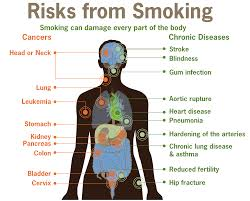
Smoking can cause cancer in almost every area of the body. If nobody smoked, one of every three cancer deaths in the United States would not happen. Smoking increases risk of dying from cancer and other diseases in cancer patients and survivors.

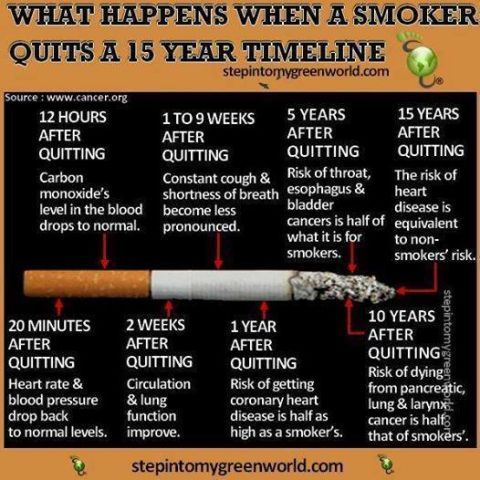
For those who quit smoking what risks you reduce:

  • Quitting smoking cuts cardiovascular risks. Just 1 year after quitting smoking, your risk for a heart attack drops sharply.2
  • Within 2 to 5 years after quitting smoking, your risk for stroke could fall to about the same as a nonsmoker’s.2
  • If you quit smoking, your risks for cancers of the mouth, throat, esophagus, and bladder drop by half within 5 years.2
  • Ten years after you quit smoking, your risk for lung cancer drops by half.

Again, if you smoke you may want to consider stopping; give it a thought.


QUOTE FOR TUESDAY:

“One in 5 children in the United States are obese. Childhood obesity puts kids at risk for health problems that were once seen only in adults, like type 2 diabetes, high blood pressure, and heart disease.  The good news? Childhood obesity can be prevented. Take action during National Childhood Obesity Awareness Month!  You can encourage communities, health professionals, and families to work together to raise awareness about the obesity epidemic and show people how to work towards a solution.  By raising awareness about childhood obesity, we can all work together to keep our kids healthy.”

U.S. Department of Health and Human Services – Health.org (https://health.gov/news/news-and-announcements/2018/09/toolkit-national-childhood-obesity-awareness-month)

National Childhood Obesity Month Awareness:

childhood-obesity  childhood-obesity2

childhoodobesity4childhoodobesity3

It is shown that there are high rates of obesity worldwide which have been attributed to a combination of genetics and environment. Myriad environmental exposures may contribute to obesity, including calorie-rich diets, sedentary behavior, stress, and overuse of antibiotics. Just as important as the types of exposures is the timing. The period from conception to adolescence is known to be especially sensitive to obesity risks influenced by maternal fitness and childhood diet and physical activity. Parental experiences and fitness before conception, generational effects, and early-life events can also affect adult health.

The “CDC-Centers for disease control and prevention” have obesity facts they present as follows:

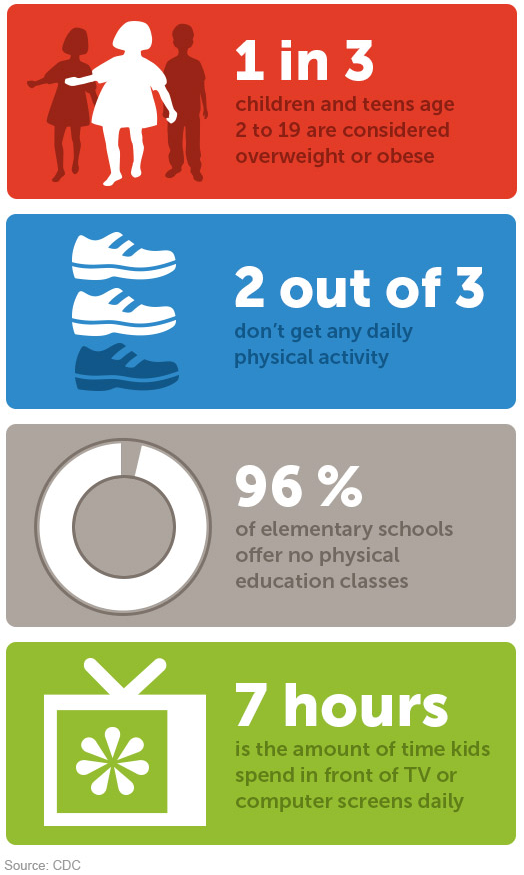
  • “Childhood obesity has more than doubled in children and quadrupled in adolescents in the past 30 years.
  • The prevalence of obesity was 18.5% and affected about 13.7 million children and adolescents.
  • The percentage of children aged 6–11 years in the United States who were obese increased from 7% in 1980 to nearly 18% in 2012, now 18.4%.   Similarly, the percentage of adolescents aged 12–19 years who were obese increased from 5% to nearly 21% over the same period, now is 20.6%.
  • In 2012, more than one third of children and adolescents were overweight or obese.
  • Overweight is defined as having excess body weight for a particular height from fat, muscle, bone, water, or a combination of these factors.
  • Obesity is defined as having excess body fat.
  • Overweight and obesity are the result of “caloric imbalance”—too few calories expended for the amount of calories consumed—and are affected by various genetic, behavioral, and environmental factors.”

WEB M.D. states “One third of children in the U. S. is overweight or obese, and this number is continuing to rise. Children have fewer weight-related health and medical problems than adults. However, overweight children are at high risk of becoming overweight adolescents and adults, placing them at risk of developing chronic diseases such as heart disease and diabetes later in life. They are also more prone to develop stress, sadness, and low self-esteem.

Children become overweight and obese for a variety of reasons. The most common causes are genetic factors, lack of physical activity, unhealthy eating patterns, or a combination of these factors. Only in rare cases is being overweight caused by a medical condition such as a hormonal problem. A physical exam and some blood tests can rule out the possibility of a medical condition as the cause for obesity.

Although weight problems run in families, not all children with a family history of obesity will be overweight. Children whose parents or brothers or sisters are overweight may be at an increased risk of becoming overweight themselves, but this can be linked to shared family behaviors such as eating and activity habits.

A child’s total diet and activity level play an important role in determining a child’s weight. Today, many children spend a lot time being inactive. For example, the average child spends approximately four hours each day watching television. As computers and video games become increasingly popular, the number of hours of inactivity may increase.”

The effects of childhood obesity impact a short time (if handled quick enough and obesity resolved) as opposed to a long lifetime of obesity. Childhood obesity has both immediate and long-term effects on a person’s health and well-being.

Presently by CDC, they state in this topic the following:

Childhood obesity is a serious problem in the United States putting children and adolescents at risk for poor health. Obesity prevalence among children and adolescents is still too high.

For children and adolescents aged 2-19 years1:

  • Hispanics (25.8%) and non-Hispanic blacks (22.0%) had higher obesity prevalence than non-Hispanic whites (14.1%).
  • Non-Hispanic Asians (11.0%) had lower obesity prevalence than non-Hispanic blacks and Hispanics.

Here are childhood effects that can occur:

  • Obese youth are more likely to have risk factors for cardiovascular disease, such as high cholesterol or high blood pressure. In a population-based sample of 5- to 17-year-olds, 70% of obese youth had at least one risk factor for cardiovascular disease versus if one of your parents has cardiac disease one out of a 4 children family are at risk of getting it (25%) just based on the parents history.
  • Obese adolescents are more likely to have pre-diabetes, a condition in which blood glucose levels indicate a high risk for development of diabetes.
  • Children and adolescents who are obese are at greater risk for bone and joint problems, sleep apnea, and social and psychological problems such as stigmatization and poor self-esteem.

Long-term health effects that can occur:

  • Children and adolescents who are obese are likely to be obese as adults and are therefore more at risk for adult health problems such as heart disease, type 2 diabetes, stroke, several types of cancer, and osteoarthritis.  One study showed that children who became obese as early as age 2 were more likely to be obese as adults. Overweight and obesity are associated with increased risk for many types of cancer, including cancer of the breast, colon, endometrium, esophagus, kidney, pancreas, gall bladder, thyroid, ovary, cervix, and prostate, as well as multiple myeloma and Hodgkin’s lymphoma.
  • One of the best strategies to reduce childhood obesity is to improve the diet and exercise habits of your entire family. Treating and preventing childhood obesity helps protect the health of your child now and in the future.

The KEY to stopping childhood obesity into adulthood from is through Prevention (which starts in childhood):

  • Healthy lifestyle habits, including healthy eating and physical activity, can lower the risk of becoming obese and developing related diseases.
  • The dietary and physical activity behaviors of children and adolescents are influenced by many sectors of society, including families, communities, schools, child care settings, medical care providers, faith-based institutions, government agencies, the media, and the food and beverage industries and entertainment industries.
  • Schools play a particularly critical role by establishing a safe and supportive environment with policies and practices that support healthy behaviors. Schools also provide opportunities for students to learn about and practice healthy eating and physical activity behaviors.

To prevent obesity and overweight in children we need our communities throughout the world to:

  • Promote improvements to the nutritional value of the food children eat in schools, child care centers and after-school programs.
  • Support increasing children’s physical activity through improved compliance with physical education mandates by New York City schools, as well as through making physical activities available in after-school programs and City parks and playgrounds.
  • To increase education for children and parents about good nutrition, why healthy food choices are important, and how to combat obesity.
  • To support efforts that help all in every state of America and in the world making healthy food choices, such as laws eliminating trans-fats, and policies to tax or limit the sizes of sugary beverages. Which has already started in many areas but we need to keep doing it and making it stronger for the children health now in their future.

QUOTE FOR MONDAY:

“When we are born, our arteries are clear and healthy. They carry blood, oxygen, and nutrients from our hearts to every part of our bodies. They are the channels of life.

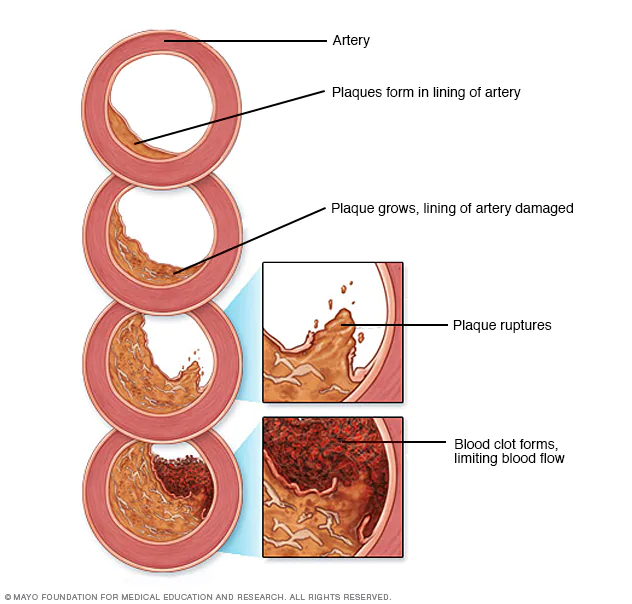
But when our low-density lipoprotein (LDL) cholesterol gets too high, it damages and clogs those arteries which results in cardiovascular disease.

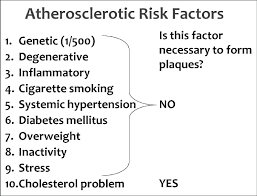
You’ve likely heard of LDL as the “bad cholesterol.” That’s because it’s the single biggest cause of the cardiovascular disease atherosclerosis. When there is too much LDL cholesterol in the bloodstream, it penetrates and irritates the walls of the arteries causing inflammation, plaque and blockages. As long as LDL levels remain high, this process continues and leads to heart attacks, strokes, or peripheral artery disease. 

September is Cholesterol Education Month, so it’s an important time of year to discuss the role of LDL cholesterol in heart disease.

In 2020 alone, approximately 700,000 people died from heart disease in the U.S. It remains the number one killer in America and around much of the world. The easiest way to prevent this is to know your cholesterol numbers and keeping them out of the danger zone.”

Family Heart Foundation (https://familyheart.org/cholesterol-is-key?gad_source=1&gclid=EAIaIQobChMI68_t4sLHiAMVXTIIBR1rghlqEAAYAiAAEgIBovD_BwE)