
Archive | June 2024

MEN VS WOMEN IN HEALTH & 6 TOP MEN DISEASES IN AMERICA


More males than females are born in America each year. Still regarding health to both genders through research and just living the experience of being an RN over a quarter of a century in numerous fields (primarily of adults to geriatrics) it shows women are more healthier than men (even starting from infancy).

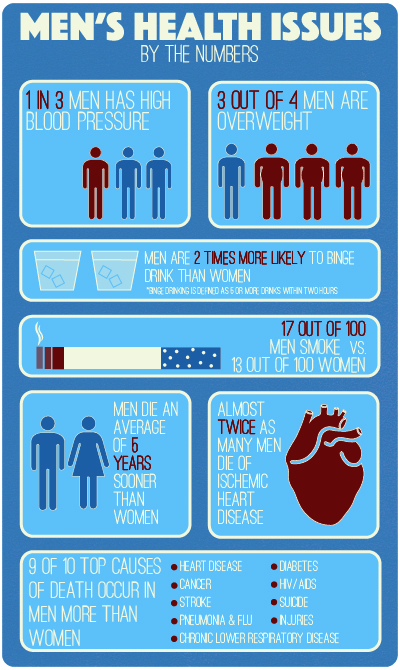
Out of the 15 leading causes of death, men lead women in all of them except Alzheimer’s disease, which many men don’t live long enough to develop in many cases.  Although the gender gap is closing, men still die five years earlier than their wives, on average.

Through WebMD experts have told them the reason for this is that they are partly biological, and men’s approach to their health plays a role too, of course. “Men put their health last,” says Demetrius Porche, DNS, RN, editor in chief of the American Journal of Men’s Health. “Most men’s thinking is, if they can live up to their roles in society, then they’re health.” Not always the case especially when age keeps creeping up on a male with his priorities of life changing with new love or even peeps that come on board in a man’s lifetime. In most cases living healthy normally happens when are age is younger but then due to work to families to expectations leaves little room for healthier habits in the week but even 30 minutes a day could make a tremendous change to all systems of the human body preventing certain diseases/illnesses, especially those due to poor diet, eating habits and overall health habits (Ex. as simple as getting 8 hours for sleep a day).

Men go to the doctor less than women and are more likely to have a serious condition when they do go, research shows. “As long as they’re working and feeling productive, most men aren’t considering the risks to their health,” says Porche. Like a lot of men say “I don’t have to time to think about it.”.   But even if you’re feeling healthy, a little planning can help you stay that way. One is through preventions measures before secondary have to start, meaning ending line your now with a disease or illness, that may have been prevented completely if you lived a healthier life. One way of preventing disease and illness is good eating or diet, with balancing out the 4 food groups (to get all nutrients from minerals to vitamins to enzymes to proteins and more). The top threats to men’s health aren’t secrets: they are commonly known and often preventable.

WebMD consulted the experts that came up with for you this list of the top health threats to men, and how to avoid them.

— “Heart disease and stroke are the first and second leading causes of death worldwide, in both men and women,” says Darwin Labarthe, MD, MPH, PhD, director of the Division for Heart Disease and Stroke Prevention at the CDC. “It’s a huge global public health problem, and in the U.S. we have some of the highest rates.” In cardiovascular disease, cholesterol plaques gradually block the arteries in the heart and brain. If a plaque becomes unstable, a blood clot forms, blocking the artery and causing a heart attack or stroke.

One in five men and women will die from cardiovascular disease, according to Labarthe.  For unclear reasons, though, men’s arteries develop atherosclerosis earlier than women’s. “Men’s average age for death from cardiovascular disease is under 65,” he says; women catch up about six years later.

Even in adolescence, girls’ arteries look healthier than boys’. Experts believe women’s naturally higher levels of good cholesterol (HDL) are partly responsible. Men have to work harder to reduce their risk for heart disease and stroke. How do you go about this? Take a guess. Yes, again through your diet, eating, the 4 food groups in your diet, activity or exercise (at least 30 minutes a day or 1 hour every other day) and practicing daily good health habits.

Lung cancer is a terrible disease: ugly, aggressive, and almost always metastatic (spreads somewhere in the body). Lung cancer spreads early, usually before it grows large enough to cause symptoms or even show up on an X-ray. By the time it’s found, lung cancer is often advanced and difficult to cure. Less than half of men are alive a year later. So … are you still SMOKING?

Tobacco smoke causes 90% of all lung cancers. Thanks to falling smoking rates in the U.S., fewer men than ever are dying of lung cancer. But lung cancer is still the leading cancer killer in men: Again due to many still practicing poor habits which could have prevented many of the lung cancer cases. Anyone who QUITS smoking at any age reduces the risk for lung cancer. Few preventive measures are as effective as stopping smoking and nothing is as challenging, like any addiction (whether mental or physical)

–Prostate Cancer: A Leading Cancer for Men

This is one health problem men can lay full claim to — after all, women don’t have prostates. A walnut-sized gland behind the penis that secretes fluids important for ejaculation, the prostate is prone to problems as men age.

Prostate cancer is the most common cancer in men other than skin cancer. Close to 200,000 men will develop prostate cancer this year in the U.S.

But while one in six men will be diagnosed with prostate cancer in his lifetime, only one in 35 will die from it. “Many prostate cancers are slow-growing and unlikely to spread, while others are aggressive,” says Djenaba Joseph, MD, medical officer for cancer prevention at the CDC. “The problem is, we don’t have effective tests for identifying which cancers are more dangerous.”

Screening for prostate cancer requires a digital rectal exam (the infamous gloved finger) and a blood test for prostate specific antigen (PSA).

But in fact, “Screening has never definitively been shown to reduce the chances of dying from prostate cancer,” according to Joseph. That’s because screening finds many cancers that would never be fatal, even if undetected. Testing then leads to aggressive treatment of relatively harmless cancers, which causes problems like impotence and incontinence.

Should you get screened for prostate cancer? Some experts say yes, but “the best solution is to see your doctor regularly and talk about your overall risk,” says Joseph. “All men should understand the risks and benefits of each approach, whichever you choose.”

–Depression and Suicide: Men Are at Risk 

Depression isn’t just a bad mood, a rough patch, or the blues. It’s an emotional disturbance that affects your whole body and overall health. In effect, depression proves the mind-body connection. Brain chemicals and stress hormones are out of balance. Sleep, appetite, and energy level are disturbed. Research even suggests men with depression are more likely to develop heart disease.

The results can be tragic. Women attempt suicide more often, but men are more successful at completing it. Suicide is the eighth leading cause of death among all men; for young men it’s higher.

–Diabetes: The Silent Health Threat for Men

Diabetes usually begins silently, without symptoms. Over years, blood sugar levels creep higher, eventually spilling into the urine. The resulting frequent urination and thirst are what finally bring many men to the doctor.

The high sugar of diabetes is anything but sweet. Excess glucose acts like a slow poison on blood vessels and nerves everywhere in the body. Heart attacks, strokes, blindness, kidney failure, and amputations are the fallout for thousands of men.

Boys born in 2000 have an alarming one-in-three chance of developing diabetes in their lifetimes. Overweight and obesity are likely feeding the diabetes epidemic. “The combination of diabetes and obesity may be erasing some of the reductions in heart disease risk we’ve had over the last few decades,” warns Labarthe.

Exercise, combined with a healthy diet, can prevent type 2 diabetes. Moderate weight loss — for those who are overweight — and 30 minutes a day of physical activity reduced the chance of diabetes by more than 50% in men at high risk in one major study.

Erectile Dysfunction: A Common Health Problem in Men                          

Erectile dysfunction may not be life threatening, but it’s still signals an important health problem. Two-thirds of men older than 70 and up to 39% of 40-year-old men have problems with erectile dysfunction. Men with ED report less enjoyment in life and are more likely to be depressed.

Erectile dysfunction is most often caused by atherosclerosis — the same process that causes heart attacks and strokes. In fact, having ED frequently means that blood vessels throughout the body are in less-than-perfect health. Doctors consider erectile dysfunction an early warning sign for cardiovascular disease.

You’ve probably heard more about the numerous effective treatments for ED than you ever cared to just by watching the evening news. Treatments make a fulfilling sex life possible despite ED, but they don’t cure the condition. If you have erectile dysfunction, see your doctor, and ask if more than your sex life is at risk.

So what’s the key to decreasing these diseases or illnesses in men live a healthier life so men in America can decrease the chances of developing these diseases or if with one of these diagnoses already it will surely help decrease the impact of the disease or illness compared to living an unhealthy life.   

Various lifestyle factors have been associated with increasing the risk of stroke. These include lack of exercise, alcohol, diet, obesity, smoking, drug use, and stress. Guidelines endorsed by the Centers for Disease Control and Prevention and the National Institutes of Health recommend that Americans should exercise for at least 30 minutes of moderately intense physical activity on most, and preferably all, days of the week. Recent epidemiologic studies have shown a U-shaped curve for alcohol consumption and coronary heart disease mortality, with low-to-moderate alcohol consumption associated with lower overall mortality. High daily dietary intake of fat is associated with obesity and may act as an independent risk factor or may affect other stroke risk factors such as hypertension, diabetes, hyperlipidemia, and cardiac disease. Homocysteine is another important dietary component associated with stroke risk, while other dietary stroke risk factors are thought to be mediated through the daily intake of several vitamins and antioxidants. Smoking, especially current smoking, is a crucial and extremely modifiable independent determinant of stroke. Despite the obstacles to the modification of lifestyle factors, health professionals should be encouraged to continue to identify such factors and help improve our ability to prevent stroke, decrease cancers caused by smoking, decrease coronary artery disease which decreases your chance with Obesity, ED, stroke, & hypertension and more.  

Learn healthy habits or healthier habits, broaden your knowledge on the 4 food groups in what is lean or leaner or leanest with each group, increase your activity 30 minutes a day and learn what a healthy diet actually is.  There are many books out in the world for giving guidance like through Dr. Wayne Scott Anderson’s book “Dr. A’s habits of health” for example and even if you need to lose weight the book can show you the way to do it healthy. It’s not a diet for 3 months or even 6 months to a year but it is learning how to get to your body mass index in the ideal weight range for your height and you decide how low you want to go.  There are many books out in the world that do this or even access through the internet.  Just research if you need it and want it.

Join many others trying to get America healthier and in time decrease our population in diseases or illnesses primarily impacted by health habits, diet, and weight. Wouldn’t you and the future want to get better in mind and body to impact our health care system that includes our insurance and most importantly lives of citizens in the USA in how they live (which would be more active).  It just takes discipline and the drive to want to stay healthy or get in a better state of heath.   We can do this without changing your environment upside down and killing cattle, or living on insects but you could eat healthier foods like not fast food and lean meats with definitely vegetables, fruit and low fat foods.  You can treat yourself now and than.  Hope I have helped someone out there in broadening your knowledge regarding how to keep or reach a healthier life.
 

QUOTE FOR THURSDAY:

“Aphasia is a disorder that affects how you communicate. It can impact your speech, as well as the way you write and understand both spoken and written language.

Aphasia usually happens suddenly after a stroke or a head injury. But it can also come on gradually from a slow-growing brain tumor or a disease that causes progressive, permanent damage (degenerative). The severity of aphasia depends on a number of things, including the cause and the extent of the brain damage.”

MAYO CLINIC (https://www.mayoclinic.org/diseases-conditions/aphasia/symptoms-causes/syc-20369518)

QUOTE FOR WEDNESDAY:

“The human brain has 86 billion neurons, give or take — on the same order as the number of stars in the Milky Way. If you look at the synapses, the connections between neurons, the numbers start to get beyond comprehension pretty quickly. The number of synapses in the human brain is estimated to be nearly a quadrillion, or 1,000,000,000,000,000. And each individual synapse contains different molecular switches. If you want to think about the brain in terms of an electrical system, a single synapse is not equivalent to a transistor — it would be more like a thousand transistors.

To make things more complicated, not all neurons are created equal. Scientists still don’t know how many different kinds of neurons we have, but it’s likely in the hundreds. Synapses themselves aren’t all the same either. And that’s not even taking into account all the other cells in our brain. Besides neurons, our brains contain lots of blood vessels and a third class of brain cells known collectively as glia — many of which are even more poorly understood than neurons.

Scientists are making progress breaking those numbers down into something more comprehensible. At the level of individual brain cells, research teams at the Allen Institute and elsewhere are making headway into sorting the cells into different categories, defined as “cell types,” as well as being able to record electrical activity from living human neurons using creative new techniques.

Many neuroscientists study the brain of the lab mouse, in part with the hopes of understanding basic principles of the mammalian brain that could apply to our brains too.

The mammal the octopus (cephalopods related to squid and cuttlefish-The octopus is classified as one branch of mollusks. — and its brain — are fascinating. For an animal with a brain, they’re about as different from humans as it gets. Octopuses have about half a billion neurons, more than five times as many as the lab mouse. But unlike in our nervous systems, more than half of those neurons are in the octopus’ arms. The animals have incredible autonomous control over their limbs — similar in some ways to our own spinal cords that send messages to out body to move.  Understanding the octopus brain isn’t just interesting in its own right, it could also help us understand broad general principles of large brains and animals who can learn and remember complicated behaviors — like us.”

The human brain is probably one of the most, if not the most, complicated brains in any living species.”

Allen Institute (https://alleninstitute.org/news/why-is-the-human-brain-so-difficult-to-understand-we-asked-4-neuroscientists/)

QUOTE 2 – “The human brain can be subdivided according to various criteria. It can be explained in terms of evolution, as, like all vertebrates, it consists of an end brain, interbrain, midbrain, hindbrain and medullary brain. Anatomically, the areas known as the cerebrum, interbrain and cerebellum, as well as the brain stem, are particularly noticeable. Particularly striking is the cerebral cortex, which forms part of the end brain. During evolution, it has grown so strongly that it surrounds almost the entire brain. With its ridges and coils, the cortex gives the brain its walnut-like look.”

MAX-PLANCK-GESELLSCHAFT (https://www.mpg.de/brain)

QUOTE FOR TUESDAY:

“While people are accustomed to dealing with runny noses and scratchy throats in the fall and winter, many are experiencing the same symptoms this summer.

This could be due to a number of reasons, according to Dr. Judy Tung, section chief of Adult Internal Medicine at NewYork-Presbyterian/Weill Cornell Medical Center. Cold and flu viruses are continuing to circulate — in fact, in late April and early May, New York state saw an unusual spike in influenza — coinciding with summer allergies, not to mention an uptick in COVID-19 cases due to the rise of Omicron subvariants.

Summer cold symptoms are common and confusing this year not only because of COVID but also because of the late flu peak.  Remember Influenza activity is usually is from October to May but can be all year.

So remember colds are not unusual to have in the summer.”

Dr.  Tung from New York Presbyterian/Weill Cornell Medical Center  (https://healthmatters.nyp.org/what-to-know-about-the-surge-in-summer-colds/)


Colds in the summer!

While people are accustomed to dealing with runny noses and scratchy throats in the fall and winter, many are experiencing the same symptoms this summer.

This could be due to a number of reasons, according to Dr. Judy Tung, section chief of Adult Internal Medicine at NewYork-Presbyterian/Weill Cornell Medical Center. Cold and flu viruses are continuing to circulate — in fact, in late April and early May, New York state saw an unusual spike in influenza — coinciding with summer allergies, not to mention an uptick in COVID-19 cases due to the rise of Omicron subvariants.

“Summer cold symptoms are common and confusing this year not only because of COVID but also because of the late flu peak,” says Dr. Tung.

To understand what viruses are circulating now and how to tell the difference between a summer cold, allergies, and COVID-19, Health Matters spoke with Dr. Tung, who is also associate dean for faculty development at Weill Cornell Medicine.

What have you seen in the past recent years with the flu and colds?

We started to see a resurgence of flu at the end of 2021, and then a big drop in cases at the beginning of 2022, during the initial Omicron surge. But with the relaxation of masking and distancing during covid and some still today through out the months when the mask lifted to have to use, influenza experienced a late peak.

As for colds, this summer a lot more GI symptoms that accompany colds — vomiting and diarrhea in addition to fever, congestion and cough. This probably speaks to a dominance of enterovirus, a common summer cold virus that can produce more GI symptoms or pink eye symptoms than rhinovirus, which is more dominant in the winter. This can be confusing, because COVID also causes GI symptoms.

Why are we usually able to avoid bad colds in the summer? Why are colds lasting longer?One theory for why colds are lasting longer is that the immune system got a little forgetful, not having been exposed to the most current viral strains, and therefore is less prepared to fight them off. The immune system builds antibodies and other memory white blood cells to fight off pathogens after being exposed to them. When our immune systems are exposed to cold viruses all year long, they are “on the ready.” That didn’t happen last few years because of all the precautions people took to protect themselves against COVID with masks and distancing.

What are the biggest differences in symptoms between common colds, allergies, and COVID-19?
COVID is associated with loss of smell and taste, or unusual tastes that are not common in uncomplicated colds. Sinus infections can do this, but regular colds typically don’t affect smell or taste to the degree we see in COVID-19.

Allergies can really feel like a cold, down to the body aches when allergies are severe. Allergies do not produce fever and normally take many days of postnasal dripping to cause a cough, whereas colds and COVID can move to coughing swiftly.

What’s the best way to care for summer colds?
There is little difference in the way we care for summer and winter colds — drink fluids and get plenty of rest. One advantage of summer is that you can open windows to ensure that shared space is well ventilated, especially if there is a member in the household who is sick.

With the rise of the Omicron subvariants, what is important to keep in mind when you come down with what seems to be an ordinary cold or allergy symptoms?
It is important to get tested for COVID if you have cold symptoms — not because you are going to get gravely ill, but because you may inadvertently pass it along to someone who could get gravely ill.

Vaccination and boosting definitely protect people from severe COVID infection, preventing hospitalization and death. However, Omicron is highly infectious, and there is increasing evidence that while the vaccines are still proving to protect us against severe COVID, they are not as effective against stopping us from getting infected or reinfected.

Furthermore, there is some recent evidence that while Omicron is definitely milder than Delta, it is more contagious and may linger for longer, so people stay masked for 10 to 14 days and to use home antigen tests and look for a negative test to guide on when you can relax with masking again.


QUOTE FOR MONDAY:

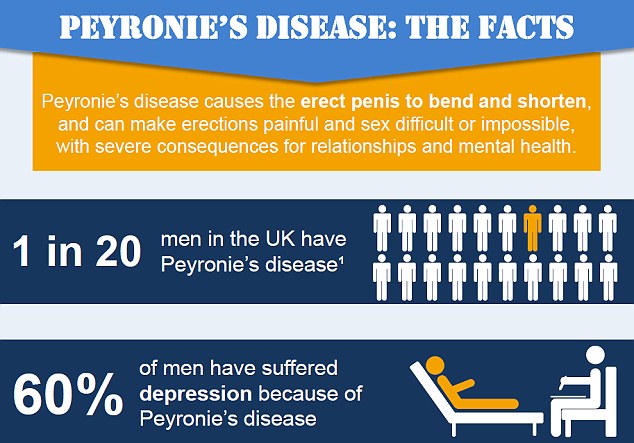
“Medical experts estimate that about 6% to 10% of people between the ages of 40 and 70 with penises have Peyronie’s disease. It can affect anyone with a penis, but it’s less common at other ages.

Peyronie’s disease may be even more widespread because many people may feel too embarrassed to talk about it with a healthcare provider. It’s a good idea to talk to a healthcare provider any time you have concerns about your sexual health.

Peyronie’s disease can be painful. Pain most commonly occurs during the acute stage. But it may continue in the chronic stage. The severity varies from person to person.

The cause of Peyronie’s disease isn’t always clear.”

Cleveland Clinic (https://my.clevelandclinic.org/health/diseases/10044-peyronies-disease)

QUOTE FOR THE WEEKEND:

“Peyronie’s disease is a connective tissue disorder of the penis that can be likened to Dupuytren’s contracture of the hand. It is characterized by the triad of bent erections, pain in the penis with erections and palpable penile plaque. Peyronie’s disease is quite common, affecting as many as one in 11 men, despite the lack of public awareness. The penis is composed of the same connective tissue as every other joint in the body.”

John Hopkin’s Medicine (https://www.hopkinsmedicine.org/health/conditions-and-diseases/peyronie-disease)

Part I Peyronie’s Disease – what it is, what causes it, how common is it, and who is more likely to develop this condition.

Some men have a penis that curves to the side, upward or downward when erect. This is common, and a bent penis in most men isn’t a problem. Generally, a bent penis is only a cause for concern if your erections are painful or if the curvature of your penis interferes with sex.

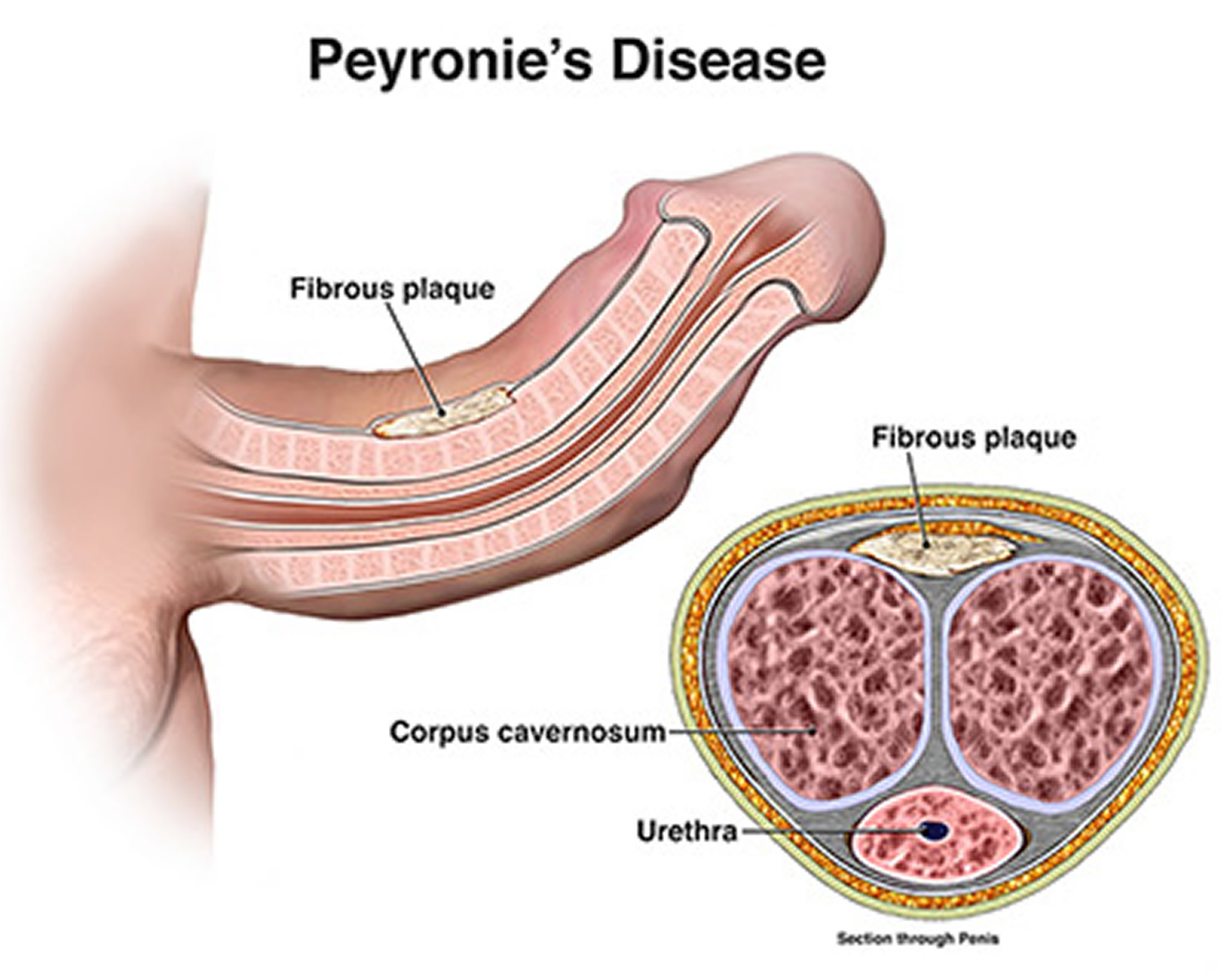
Peyronie’s disease is a disorder in which scar tissue, called a plaque, forms in the penis—the male organ used for urination and sex. The plaque builds up inside the tissues of a thick, elastic membrane called the tunica albuginea. The most common area for the plaque is on the top or bottom of the penis. As the plaque builds up, the penis will curve or bend, which can cause painful erections. Curves in the penis can make sexual intercourse painful, difficult, or impossible. Peyronie’s disease begins with inflammation, or swelling, which can become a hard scar.

The plaque that develops in Peyronie’s disease is not the same plaque that can develop in a person’s arteries. The plaque seen in Peyronie’s disease is benign, or noncancerous, and is not a tumor. Peyronie’s disease is not contagious or caused by any known transmittable disease.

Early researchers thought Peyronie’s disease was a form of impotence, now called erectile dysfunction (ED). ED happens when a man is unable to achieve or keep an erection firm enough for sexual intercourse. Some men with Peyronie’s disease may have ED. Usually men with Peyronie’s disease are referred to a urologist—a doctor who specializes in sexual and urinary problems.

How does an erection occur?

An erection occurs when blood flow increases into the penis, making it expand and become firm. Two long chambers inside the penis, called the corpora cavernosa, contain a spongy tissue that draws blood into the chambers. The spongy tissue contains smooth muscles, fibrous tissues, spaces, veins, and arteries. The tunica albuginea encases the corpora cavernosa. The urethra, which is the tube that carries urine and semen outside of the body, runs along the underside of the corpora cavernosa in the middle of a third chamber called the corpus spongiosum.

An erection requires a precise sequence of events:

  • An erection begins with sensory or mental stimulation, or both. The stimulus may be physical contact or a sexual image or thought.
  • When the brain senses a sexual urge, it sends impulses to local nerves in the penis that cause the muscles of the corpora cavernosa to relax. As a result, blood flows in through the arteries and fills the spaces in the corpora cavernosa like water filling a sponge.
  • The blood creates pressure in the corpora cavernosa, making the penis expand.
  • The tunica albuginea helps trap the blood in the corpora cavernosa, thereby sustaining the erection.
  • The erection ends after climax or after the sexual urge has passed. The muscles in the penis contract to stop the inflow of blood. The veins open and the extra blood flows out of the penis and back into the body.

What causes Peyronie’s disease?

Medical experts do not know the exact cause of Peyronie’s disease. Many believe that Peyronie’s disease may be the result of

  • acute injury to the penis
  • chronic, or repeated, injury to the penis
  • autoimmune disease—a disorder in which the body’s immune system attacks the body’s own cells and organs

Injury to the Penis

Medical experts believe that hitting or bending the penis may injure the tissues inside. A man may injure the penis during sex, athletic activity, or an accident. Injury ruptures blood vessels, which leads to bleeding and swelling inside the layers of the tunica albuginea. Swelling inside the penis will block blood flow through the layers of tissue inside the penis. When the blood can’t flow normally, clots can form and trap immune system cells. As the injury heals, the immune system cells may release substances that lead to the formation of too much scar tissue. The scar tissue builds up and forms a plaque inside the penis. The plaque reduces the elasticity of tissues and flexibility of the penis during erection, leading to curvature. The plaque may further harden because of calcification––the process in which calcium builds up in body tissue.

Autoimmune Disease

Some medical experts believe that Peyronie’s disease may be part of an autoimmune disease. Normally, the immune system is the body’s way of protecting itself from infection by identifying and destroying bacteria, viruses, and other potentially harmful foreign substances. Men who have autoimmune diseases may develop Peyronie’s disease when the immune system attacks cells in the penis. This can lead to inflammation in the penis and can cause scarring. Medical experts do not know what causes autoimmune diseases. Some of the autoimmune diseases associated with Peyronie’s disease affect connective tissues. Connective tissue is specialized tissue that supports, joins, or separates different types of tissues and organs of the body.

How common is Peyronie’s disease?

Researchers estimate that Peyronie’s disease may affect 1 to 23 percent of men between 40 and 70 years of age.1 However, the actual occurrence of Peyronie’s disease may be higher due to men’s embarrassment and health care providers’ limited reporting.1 The disease is rare in young men, although it has been reported in men in their 30s.1 The chance of developing Peyronie’s disease increases with age.

Who is more likely to develop Peyronie’s disease?

The following factors may increase a man’s chance of developing Peyronie’s disease:

  • vigorous sexual or nonsexual activities that cause microscopic injury to the penis
  • certain connective tissue and autoimmune disorders
  • a family history of Peyronie’s disease
  • aging

Vigorous Sexual and Nonsexual Activities

Men whose sexual or nonsexual activities cause microscopic injury to the penis are more likely to develop Peyronie’s disease.

Connective Tissue and Autoimmune Disorders

Men who have certain connective tissue and autoimmune disorders may have a higher chance of developing Peyronie’s disease. A common example is a condition known as Dupuytren’s disease, an abnormal cordlike thickening across the palm of the hand. Dupuytren’s disease is also known as Dupuytren’s contracture. Although Dupuytren’s disease is fairly common in older men, only about 15 percent of men with Peyronie’s disease will also have Dupuytren’s disease.2 Other connective tissue disorders associated with Peyronie’s disease include

  • plantar fasciitis––inflammation of the plantar fascia, thick tissue on the bottom of the foot that connects the heel bone to the toes and creates the arch of the foot
  • scleroderma––abnormal growth of connective tissue, causing it to get thick and hard; scleroderma can cause swelling or pain in muscles and joints

Autoimmune disorders associated with Peyronie’s disease include

  • systemic lupus erythematosus––inflammation and damage to various body tissues, including the joints, skin, kidneys, heart, lungs, blood vessels, and brain
  • Sjögren’s syndrome––inflammation and damage to the glands that make tears and saliva
  • Behcet’s syndrome––inflammation of the blood vessels

Family History of Peyronie’s Disease

Medical experts believe that Peyronie’s disease may run in some families. For example, a man whose father or brother has Peyronie’s disease may have an increased chance of getting the disease.

Aging

The chance of getting Peyronie’s disease increases with age. Age-related changes in the elasticity of tissues in the penis may cause it to be more easily injured and less likely to heal well.


QUOTE FOR FRIDAY:

“In 2021, 4.3% of adults aged ≥18 years reported being bothered a lot by headache or migraine in the past 3 months with the percentage among women (6.2%) higher than that among men (2.2%). Percentages were higher among women than men in all age groups: 7.4% versus 2.5% in adults aged 18–44 years, 6.7% versus 2.4% in those aged 45–64 years, and 3.1% versus 1.5% in those aged ≥65 years. Among men and women, the percentage of those bothered a lot by headache or migraine in the past 3 months was lowest among those aged ≥65 years.”

Source: National Center for Health Statistics, National Health Interview Survey, 2021. https://www.cdc.gov/nchs/nhis.htm Center for Disease Control and Prevention

QUOTE FOR THURSDAY:

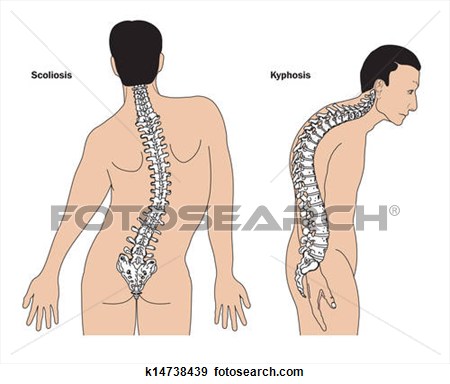
“On an x-ray, the spine of a person with scoliosis looks like an “S” or “C” instead of a straight line. Providers use a special measurement tool to measure the angle of the curve, called a Cobb angle. A slight curve may be normal. Scoliosis is diagnosed when the Cobb angle is 10 degrees or greater.

Scoliosis usually isn’t life-threatening or painful, and those who have it can live normal and active lives. While there are no known ways to prevent the development of scoliosis, early diagnosis and treatment can help prevent the condition from getting worse.”.

Gillette Children’s (https://www.gillettechildrens.org/conditions-care/scoliosis-idiopathic-neuromuscular-and-congenital/what-is-scoliosis)