
Archive | February 2024

What Is Mal de Debarquement Syndrome?


woman feeling rocking dizziness from mal de debarquement after cruise ship vacation

Mal de debarquement (MDD) is a rare and poorly understood disorder of the vestibular system that results in a phantom perception of self- motion typically described as rocking, bobbing or swaying. The symptoms tend to be exacerbated when a patient is not moving, for example, when sleeping or standing still.

When you head out to sea on a cruise ship, your brain and body have to get used to the constant motion. It’s called “getting your sea legs,” and it keeps you from crashing into a wall every time the ship bobs up or down.

When you get back on shore, you need time to get your land legs back. That usually happens within a few minutes or hours, but it can take up to 2 days. With mal de debarquement syndrome, though, you can’t shake the feeling that you’re still on the boat. That’s French for “sickness of disembarkment.” You feel like you’re rocking or swaying even though you’re not.

It can happen to anyone, but it’s much more common in women ages 30 to 60. It’s not clear if hormones play a role.

People who get migraines may be more likely to get it, too, but doctors aren’t sure how the two conditions are linked.

What Are the Symptoms?

Mainly, you feel like you’re rocking, swaying, or bobbing when there’s no reason for it. You might feel unsteady and even stagger a bit.

Other symptoms include:

  • Anxiety
  • Confusion
  • Depression
  • Feeling very tired
  • Having a hard time focusing
  • Nausea

Your symptoms may go away when you ride in a car or train, but they’ll come back when you stop moving. And they can get worse with:

  • Being in a closed-in space
  • Fast movement
  • Flickering lights
  • Stress
  • Tiredness
  • Trying to be still, like when you’re going to sleep
  • Intense visual activity, like playing video games

What Causes It?

It happens most often after you’ve been out on the ocean, but riding in planes, trains, and cars can lead to it, too. It’s even been caused by water beds, elevators, walking on docks, and using virtual reality.

While almost any kind of motion can cause it, doctors don’t know what’s really behind it. In most cases, you get it after a longer trip. But there’s no tie between the length of your trip and how bad the symptoms are or how long they last.

In trying to diagnose this condition through ruling out other problems since no one test diagnoses this condition.  It’s a rare condition, so it may take a few visits to figure it out. Your doctor probably will want to rule out other causes for your symptoms with things like:

  • Blood tests
  • A hearing exam
  • Imaging scans of your brain
  • An exam that makes sure your nervous system is working the way it should
  • An exam to test your vestibular system, which keeps you balanced and steady

If you’ve had the symptoms for more than a month and the tests don’t turn up any reason for them, your doctor may tell you that you have mal de debarquement syndrome.

How Is It Treated?

It’s a hard condition to treat — no one thing works every time. It often goes away on its own within a year. That’s more common the younger you are.

A few things your doctor might recommend include:

2-Medicine. There’s no drug made just for mal de debarquement syndrome, but certain medications used to treat things like depression, anxiety, or insomnia may help some people. Drugs used for motion sickness won’t help.
3-Vestibular rehabilitation. Your doctor can show you special exercises to help you with steadiness and balance.

4-Taking care of yourself. Exercise, managing stress, and getting rest may give you some relief.

Can You Prevent It?

There’s no sure way. If you’ve had mal de debarquement syndrome before, it’s probably best to stay away from the type of motion that brought it on. If you can’t do that, check with your doctor to see if a medication might work for you.
 

QUOTE FOR WEDNESDAY:

Some Facts on Blood:

“01 Up to 3 lives are saved by one pint of donated blood.
02. Between 8-12 pints of blood are in the body of an average adult.
03. One unit of blood is ~525 mL, which is roughly the equivalent of one pint.
04. A newborn baby has about one cup of blood in their body.
05. The average transfusion patient receives 3 units of red blood cells.
06. A, B, AB and O are the four main types of blood types. AB is the universal recipient, O negative is the universal donor.
07. Blood centers often run short of types O and B blood.

70 Rock River Valley Blood Center (Saving lives 70 years.) – (https://www.rrvbc.org/)


QUOTE FOR TUESDAY:

“Everyone deserves the opportunity to lead a full and healthy life. Sadly, systemic issues contribute to health disparities, including for those facing lung cancer. Individuals of color who are diagnosed with lung cancer face worse outcomes compared to white individuals living in America because they are less likely to be diagnosed early, less likely to receive surgical treatment, and more likely to not receive any treatment. Close to two-thirds of the 28 million uninsured people living in America are people of color, and research is clear that having health coverage impacts people’s medical care and ultimately their health outcomes. Addressing racial disparities in healthcare coverage is critical to addressing racial disparities in lung cancer care. Black individuals with lung cancer were 15% less likely to be diagnosed early, 19% less likely to receive surgical treatment, 11% more likely to not receive any treatment, and 16% less likely to survive five years compared to white individuals.”                                                                                        American Lung Association (https://www.lung.org/research/state-of-lung-cancer/racial-and-ethnic-disparities)

Unemployment insurance is a joint state-federal program that provides cash benefits to eligible workers. Each state administers a separate unemployment insurance program, but all states follow the same guidelines established by federal law.”  The U.S. Dept. of Labor (https://www.dol.gov/general/topic/unemployment-insurance)

Part II Black History Month — Read about common diseases in this ethnic group compared to others.

  ZZXdcfvgbhnjmk,.


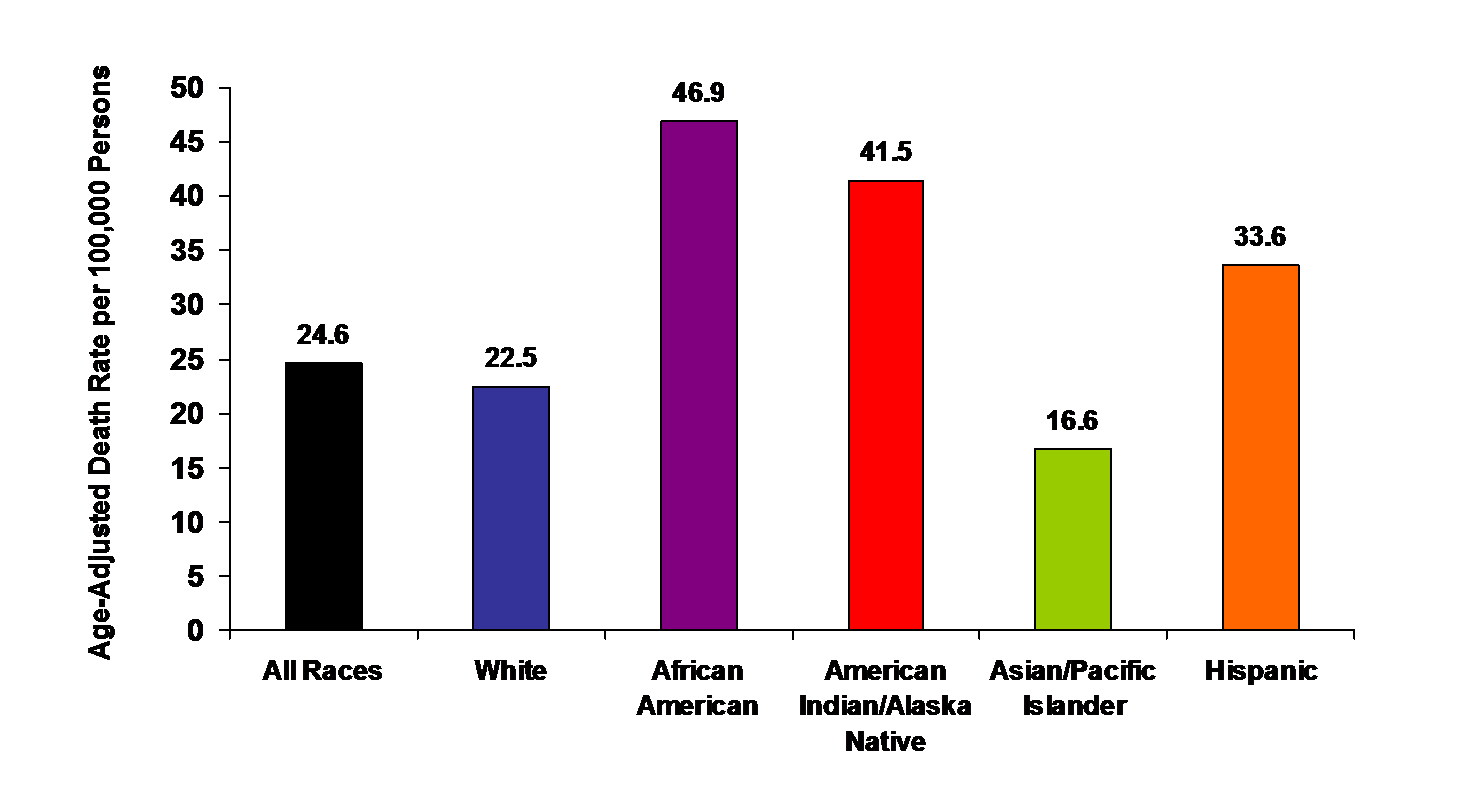
The rates of death by diabetes for each race and ethnicity in the United States in 2005.

Heart disease and stroke disproportionately affect African-Americans.   Why?  One this race is highiest in B/P&high in stroke(one main cause of stoke=high b/p).

Black Americans and High Blood Pressure Heart Disease & Stroke

“What sets the stage for the more aggressive and higher incidence of heart disease in African-Americans is a very high incidence of high blood pressure,” Yancy says. “This predisposes African-Americans to more heart disease, kidney disease, and stroke. This makes us focus on high blood pressure as it forces heart failure.”

Know the facts of how to get High B/P.  Factors are:  Obesity, High Sodium intake, Lack of Exercise, and Genetic History in the family.

Clinical Trials show blacks and whites respond differently to treatments for high blood pressure. Indeed, treatment guidelines suggest that doctors should consider different drugs based on a patient’s race.

But Yancey says that a closer look at the data shows that race tends to be a marker for more complicated high blood pressure treatment.

This ethnic group has factors for complicated B/P.  Non-compliance with the Rx they should be doing and not going to follow up visits.  Ignoring symptoms till they have to go to the ER.  In America if you go to an ER of hospital government assisted they can’t say No we can’t take you for no insurance.   Lack of having medical insurance is another factor.

Unfortunately if no insurance due to inability to afford it and can’t go to doctors for a office visit.  There is help.  What is available is free clinics to provide medical service to any person who can’t afford a bill due to lack of insurance with no fee.  Check out freeclinics.com to find where your free clinics are available in the area you live.

Health care differences between African-Americans and white Americans.

Clinical Trials show blacks and whites respond differently to treatments for high blood pressure. Indeed, treatment guidelines suggest that doctors should consider different drugs based on a patient’s race.

But Yancey says that a closer look at the data shows that race tends to be a marker for more complicated high blood pressure treatment.

“Data suggests that all therapies do equally well — but patients at higher risk need more intensive therapy,” he says.

A similar situation exists for heart failure. A promising treatment for heart failure didn’t seem to be working — until researchers noticed that it worked much better for black patients than for white patients. A study of black patients confirmed this finding — and provided tantalizing evidence that the drug will help patients of all races with certain disease characteristics.

Clinical trials show blacks and whites respond differently to treatments for high blood pressure. Indeed, treatment guidelines suggest that doctors should consider different drugs based on a patient’s race.But Yancey says that a closer look at the data shows that race tends to be a marker for more complicated high blood pressure treatment.”Data suggests that all therapies do equally well — but patients at higher risk need more intensive therapy,” he says.A similar situation exists for heart failure. A promising treatment for heart failure didn’t seem to be working — until researchers noticed that it worked much better for black patients than for white patients. A study of black patients confirmed this finding — and provided tantalizing evidence that the drug will help patients of all races with certain disease characteristics.“The way this discussion of race differences has been helpful for the whole field of cardiology, is it is exposing new treatment options for all people with heart failure for African-American and Caucasian,” Yancy says.

Black Americans and Lung Disease

A 2005 report from the American Lung Association shows that black Americans suffer far more lung disease than white Americans do.

Some of the findings:

-Black Americans have more asthma than any racial or ethnic group in America. And blacks are 3 times more likely to die of asthma than the white race.

-Black Americans are 3 times more likely to suffer sarcoidosis than white Americans. The lung-scarring disease is 16 times more deadly for blacks than for whites.  Black men are leading ethnic sex as smokers.

-Black American children are 3 times as likely as white American children to have sleep apnea.

-Black American babies die of sudden infant death syndrome (SIDS) 2.5 times as often as white American babies.

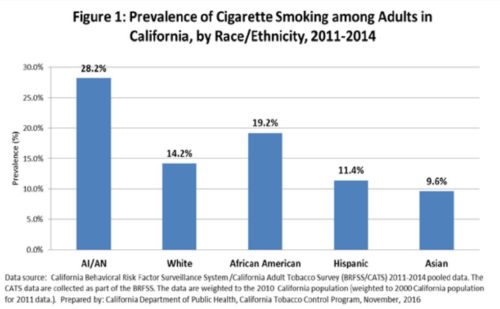
-Black American men are 50% more likely to get lung cancer than white American men.  Lets know some facts, in particular Smoking:

See the image below for the percentage of black men versus white men who smoke in the USA that definitely puts you health at risk for problems.

Image result for Statistics on wornen smokers of the USA

Related image

Also your environment plays a role.  Example living in Jersey City as opposed to the country puts you at a highier risk for lung cancer possibly due to the pollution content, especially if you have been living there 20 years or more as opposed to 5 years.  You have to look at factors that could cause smoking (This is a whole another topic by itself).

Black Americans and Diabetes

Black Americans — and Mexican-Americans — have twice the risk of diabetes as white Americans. In addition, blacks with diabetes have more serious complications — such as loss of vision, loss of limbs, and kidney failure — than whites, notes Maudene Nelson, RD, certified diabetes educator at Naomi Barry Diabetes Center at Columbia University.“The theory is that maybe it is access to health care, or maybe a cultural fatalism — thinking, ‘It is God’s will,’ or, ‘My family had it so I have it’ — not a sense of something I can have an impact on so it won’t hurt me,” Nelson tells WebMD. “But more and more there is thinking it is something that makes blacks genetically more susceptible. It is hard to tell how much of it is what.”

Keep in mind besides Hereditary, Obesity and POOR DIET with NO EXERCISE, and controlling your glucose level (between 100-120 but cer all play crucial factors in getting diabetes.

The Forgotten Killer – There is, indeed, evidence that African-Americans may have a genetic susceptibility to diabetes. Even so, Nelson says, the real problem is empowering patients to keep their diabetes under control.

TO CONTROL DIABETES IS BASED ON DISCIPLINE OF THE INDIVIDUAL TO CONTROL THE DISEASE, ESPECIALLY DM TYPE II!  ITS NOT BASED ON JUST BEING BLACK! IT WOULD BE MORE OF A CHALLENGE THE DM TYPE I!  EXERCISE, DIET, WEIGHT ARE THE MAJOR FACTORS TO CONTROLLING WITH TAKING MEDS THAT ARE PRESCRIBED BY THE MD (pills to insulin).

“Patients often have the sense that they are not as much in charge of managing their diabetes as their doctor,” Nelson says. “Where I work, in various settings, there is an emphasis on patients. We say this is what your blood sugar is; this is what influences your blood sugar; you have to remember to take your meds. So as a diabetes educator I know there has to be an emphasis on patients putting out more effort to manage their own health.”

Black Americans and Sickle Cell Anemia

It’s no surprise that sickle cell anemia affects African-Americans far more than it does white Americans.

This, clearly, is a genetic disease that has little to do with the environment. Yet even here — with a killer disease — social and political issues come into play.

LeRoy M. Graham Jr., MD-a pediatric lung expert, serves on the American Lung Association’s board of directors, is associate clinical professor of pediatrics at Morehouse School of Medicine in Atlanta, and serves as staff physician for Children’s Healthcare of Atlanta. Graham says, the National Institutes of Health is changing this situation.

One reason for this change — as research into lung disease, heart disease, and diabetes shows — is the growing realization that the health black Americans who dominate this disease primarily and not a caucasian disease is a human health issue that needs to be addressed like all others.   All diseases need to be addressed but obviously the highest number of population regarding diseases are looked into more to decrease the count.


QUOTE FOR MONDAY:

“Diabetes offers a perfect model for tackling a major killer within the Black population and demonstrating the role of social determinants of health. More than 37 million Americans (about one in 10) have diabetes, and more than 90 million American adults are prediabetic. In 2018, Black/African American adults were 60% more likely to be diagnosed with diabetes than whites.”

U.S. News (https://www.usnews.com/news/health-news/articles/2022-02-22/black-history-month-battle-health-inequity-by-addressing-social-determinants)

QUOTE FOR THE WEEKEND:

“February is dedicated to the work of perianesthesia nurses. Perianesthesia nurses specialize in helping or caring for patients who are entering or recovering from anesthesia. These nurses help many patients and families all the time and deal with normal and adverse reactions to sedation multiple times a day. They are extremely passionate about the work they do, which is why, this week, the American Association of Perianesthesia Nurses, is stressing the importance of celebrating the exceptional work practiced by these nurses.”

Legacy Health Services (https://lhshealth.com/2019/02/perianesthesia-nurse-awareness-week/)

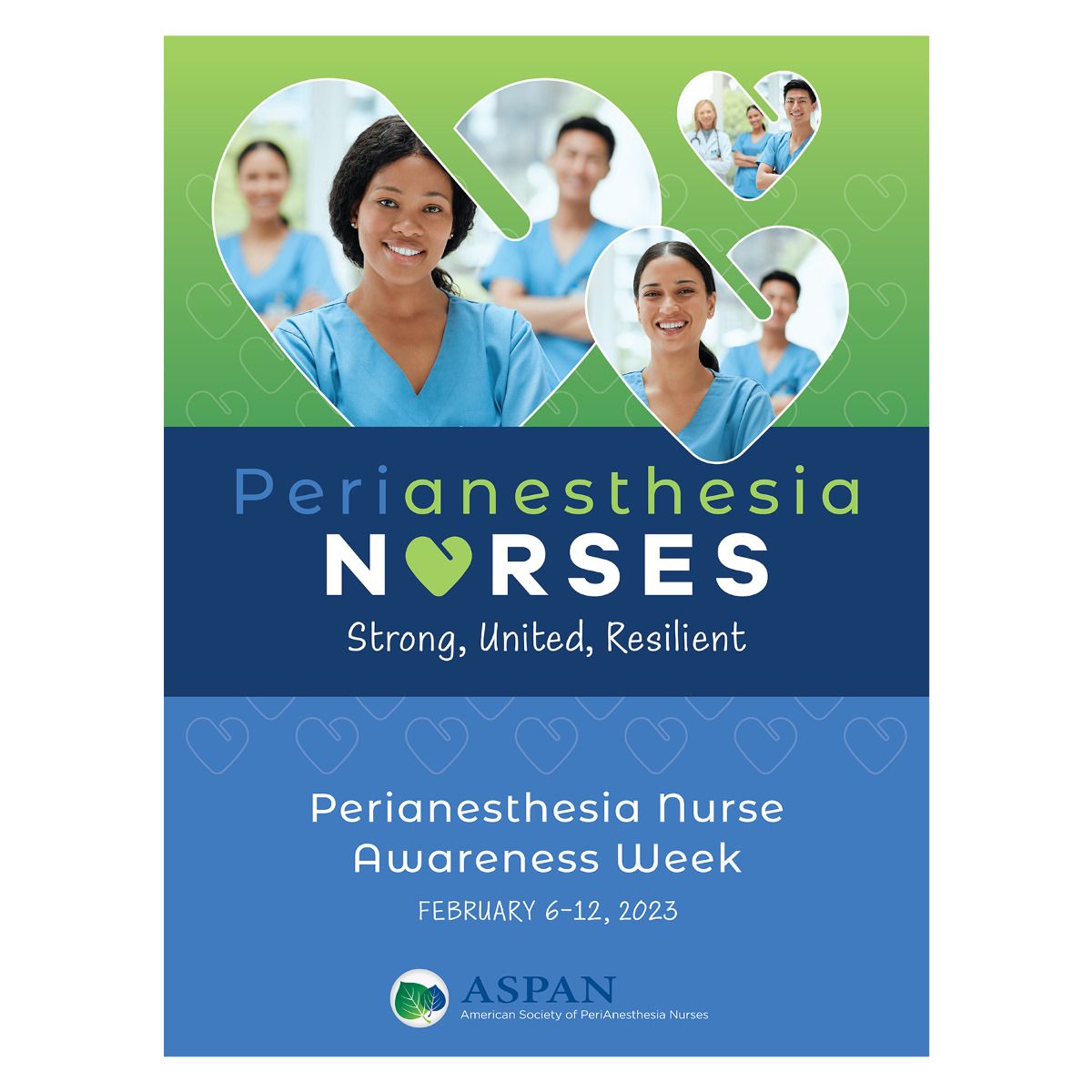
Peri-anesthesia Nurse Awareness in February!

The nation’s 60,000 perianesthesia nurses will highlight and celebrate their work during PeriAnesthesia Nurse Awareness Week (PANAW), which is observed throughout the United States the first full week of February.

Perianesthesia Nurses care for patients before and after procedures requiring anesthesia, sedation, and analgesia. Approximately 40 million surgical procedures take place in the U.S. each year.

What Does a Perianesthesia Nurse Do? The main responsibility of a perianesthesia nurse is to monitor patients who are recovering from anesthesia and medical procedures. To do this, they will regularly monitor and record patients’ vital signs, including heart rate, blood pressure, temperature, and respiration rate.
The core ideology of the American Society of PeriAnesthesia Nurses (ASPAN) is to serve nurses “practicing in all phases of preanesthesia and postanesthesia care, ambulatory surgery, and pain management.  The National Association of PeriAnesthesia Nurses of Canada (NAPAN©) promotes leadership to PeriAnesthesia nurses (from the PreAdmission/PreOperative Phase through to the Anesthesia Phase and all of the PostAnesthesia phases) in education, research and adapting to evolving practices in client and health services needs within the Canadian health care system.
This type of nursing usually includes at lease a associate degree or in certain hospitals a BSN degree in Nursing plus certifications for this area that has to be renewed q 2 years.  The certifications start with getting certified in Basic Care Life Support (BCLS) and Advanced Care Life Support (ACLS).  In the United States, RNs can receive specialty certification through the American Society of PeriAnesthesia Nurses (ASPAN) as either Certified PostAnesthesia Nurses (CPAN) or Certified Ambulatory PeriAnesthesia Nurses (CAPA).
n Canada, the Canadian Nurses Association has recently added peri- or post-anesthesia nursing as a certified specialty with the first Certification qualification examination currently being offered (registration fall, 2013 with exam date April 5, 2014). The Canadian certification is PeriAnesthesia Nurse Certified (Canada), or PANC(C).

The work environments these nurses work in consists of  a few areas that are critical:

1. Pre-operative  –  Nurses are responsible for a large amount of the assessment done in pre-operative clinics, where patients (pts or pt)are evaluated for the ability to tolerate anesthetic and screened for factors which may affect the course of the anesthetic experience.  The nurses set up up from IV’s started, vital signs, assessment of the pt from head to toe, making sure the pt did not eat for the amount of hours prior to going into surgery.  It is doing whatever is necessary prior to a patient having surgery is done from physically and that all paperwork is done in the chart from consents to even labs done within 24 hours or a few days depending on the type of surgery being done if its in a ambulatory day clinic but as a hospital pt labs are usually done that morning 2a or 6a if not further than the day before depending on the reason the pt is in the hospital.
2. Post – operative – Nurses provide extensive care to patients in the early stages of emergence from anesthetic and in the immediate post-operative period until they are deemed stable enough to safely transfer to other areas; which vary from returning back to the room on the unit they are on in the hospital or to the ambulatory room they came from in the hospital where in the end the pt leaves from their and goes home or in some cases leave from straight from the recovery room to home.  Nurses in the post – op or recovery room are assessing pts around the clock till cleared stable and cleared by the MD to go home, usually with a driver with them or back to their room.
3. Ambulatory – There is a large number of procedures that are performed on an outpatient basis where the patient is not expected to require hospitalization after the procedure. Examples include dental, gynecological, back surgery where a MD inserts steroid injections in a pt, and diagnostic imaging clinics.  Ambulatory surgery usually is micro surgeries.
4 – Pain Management – Pain management nurses are sometimes considered to be perianesthesia nurses, given the collaborative nature of their work with anesthetists and the fact that a large proportion of acute pain issues are surgery related. However, distinct pain management certifications exist through the American Society for Pain Management Nurses.
Peri-anesthesia nursing encompasses several sub-specialty practice areas and represents a diverse number of practice environments and skill sets.  Thank you to all the nurses in America and in other countries for your service in caring for patients in this specialty area.

QUOTE FOR FRIDAY:

“Millions of people in the United States are living with a visual impairment. A visual impairment can make it hard to do everyday activities, like getting around, reading, or cooking. And it can’t be fixed with glasses, contacts, or other standard treatments, like medicine or surgery.

The good news is that vision rehabilitation services can help people with a visual impairment make the most of the vision they have — and keep doing the things they love. Take some time this Low Vision Awareness Month to learn about vision rehabilitation.”

NIH – National Eye Institute (https://www.nei.nih.gov/learn-about-eye-health/outreach-resources/vision-rehabilitation-resources/low-vision-awareness-month)

QUOTE FOR THURSDAY:

“Darier’s disease is a dominantly inherited condition affecting skin, nails and mucosae.   Prevalence is estimated at 1 in 36 000 (in North-East England). Skin signs generally develop between 6 and 20 years of age, although lesions may be overlooked until aggravated by heat, sweating or sunlight.

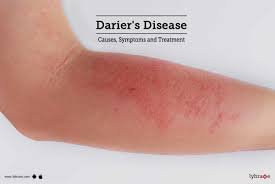
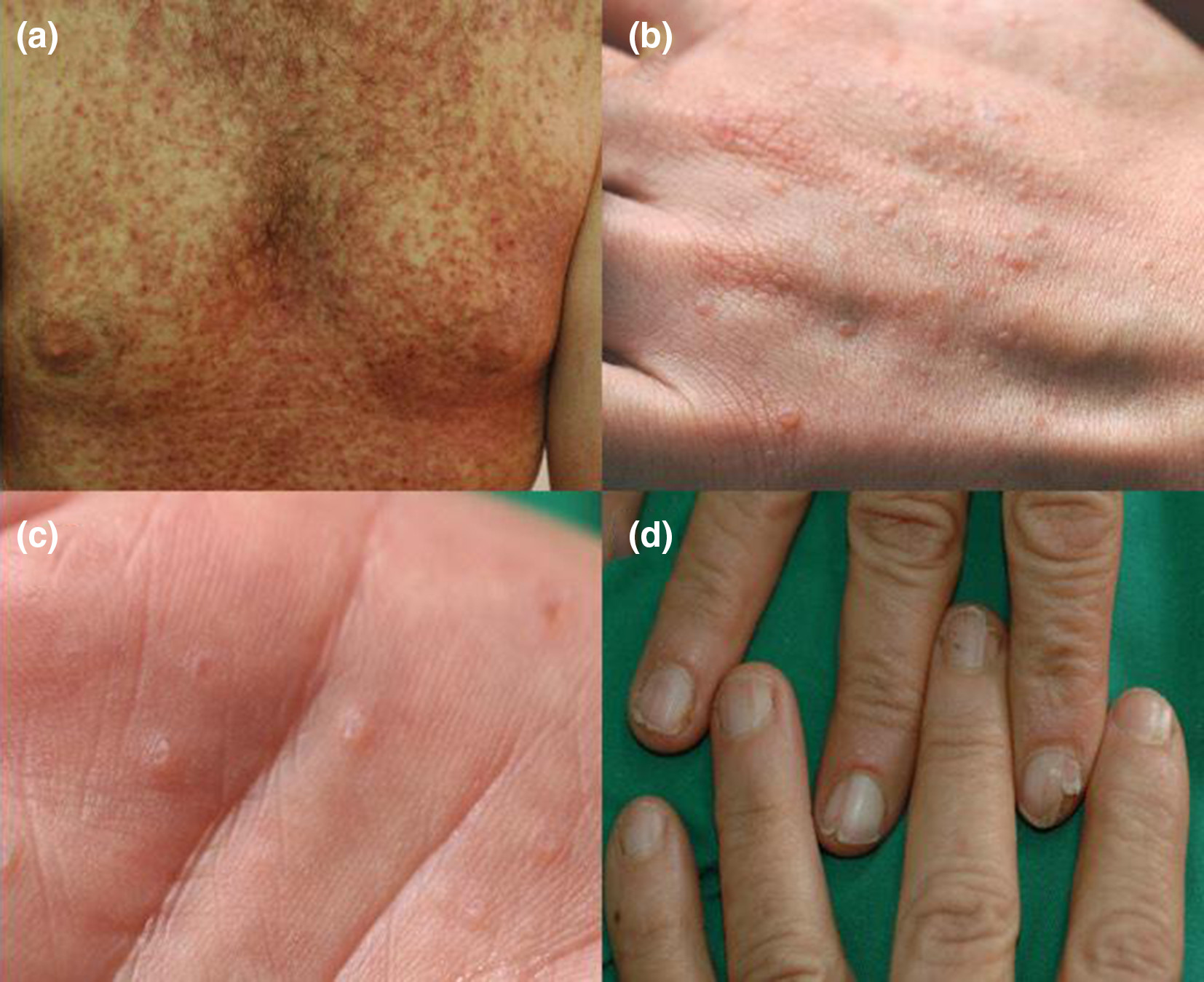
Clinically, the distinctive lesion is a warty plaque formed by coalescing firm, greasy, skin-coloured papules. The seborrhoeic areas of the trunk and face are predominantly affected. Pruritus is common, occurring in 80% of patients, and may be intractable; pain is unusual. When flexures are involved, the lesions may be hypertrophic, fissured and malodorous.”

National Library of Medicine (https://www.ncbi.nlm.nih.gov/pmc/articles/PMC539598/)


What is Darier’s Disease?


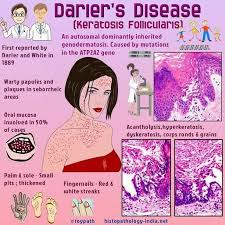
Darier disease, previously known as keratosis follicularis, is a rare autosomal dominant genodermatosis characterized by keratotic papules and longitudinal eyrthronychia; it is caused by mutations in the ATP2A2 gene, encoding a calcium pump within the endoplasmic reticulum.

Darier disease, also known as Darier-White disease, keratosis follicularis, or dyskeratosis follicularis (MIM #124200), again know it is a rare autosomal dominant genodermatosis characterized by a persistent eruption of red-brown, keratotic papules scattered to confluent in a seborrheic distribution, nail abnormalities, pitting of palms and soles, and mucosal changes [1]. The disease usually starts around puberty and runs a chronic course with exacerbations induced by sun exposure, heat, friction, or infections.

Darier disease is exacerbated by sunlight, heat, infections, and friction. This activity reviews the clinical presentation encompassing multiple red or brown papules with hyperkeratosis, nail anomalies including longitudinal erythronychia, and mucosal changes typically surfacing around puberty and persisting throughout life. By exploring evaluation techniques and treatment modalities, this session empowers healthcare professionals to adopt a holistic approach, focusing on interdisciplinary collaboration to manage this dermatological disorder effectively. The interprofessional team’s role in assessing, diagnosing, and coordinating care for Darier disease patients is underscored, recognizing the impact of external exposures and emphasizing tailored therapeutic strategies to improve patient outcomes and quality of life.  Avoid going to the dermatologist which is the worst move you could do since it will only get worse to the spread of the disease to completely over the body over  years due to what exacerbates it (take the sun just alone).

This disease can be characterized by multiple dark scaly patches of itchy skin most commonly affecting the chest, back, ears, forehead, scalp, neck, and groin areas. These wart-like lesions can be foul smelling and disfiguring and has been known to affect nails and mucous membranes of the individual.

The occurrence of Darier disease is rare with the age of onset usually in the first or second decade of life. It is frequently worse in the summer with heat and humidity as major precipitating factors and can be exacerbated by sun exposure, trauma, or bacterial infections.

Review of the cause of this disease is oftentimes due to a mutation in a specific gene known as ATP2A2 which can alter the function and development of the skin. The affected parent with this gene has at least a fifty percent chance of passing it down to their children. Patients with this disease may be associated with behavioral disorders and rarely with decreased intelligence. Most patients with Darier disease have a family history of either one or both parents being affected. However, it can also present itself without any family history as well. Even though the severity fluctuates over time, Remember, Darier disease is a chronic condition that persists throughout life and is not associated with any skin cancers.

Darier disease is a rare disorder that affects all ethnic groups. The estimated prevalence ranges from 1 to 4 per 100,000 people [2-5]. In a Singaporean study, the incidence was 0.3 per 1 million people per year.

What helps diagnosing this disease     :

1 A dermatology consult for the MD just to look at the skin as the first approach is the best MD to go to, the expert on skin disease diagnosing.

2. Depending on the area affected, patients with Darier disease often presents with multiple crusty and itchy patches of skin. When the scaly crusts are removed, a slit-like opening becomes visible. In areas such as nails, they are described as a sandwich of red and white bands running along the length of the nail that is thin with its characteristic V-shaped scalloping. Mucous membranes may present as white, cobblestone appearing lesions of the cheeks, palate, and gums. With the discovery of the ATP2A2 gene, skin biopsy is helpful in diagnosis through gene sequencing when suspected. SKIN BIOPSY is always helpful with diagnosing skin disease which includes tumors on the skin.

Treatments for Darier’s Disease:

This disease depends on the severity of the presented clinical symptoms.

1. For most minor cases , the disorder can be managed by using sunscreen, moisturizing lotions, avoidance of non-breathable clothing, and excessive perspiration.

2, For more severe cases of Darier’s disease, hospitalisation may be required to heal affected individuals who display frequent relapse and remit patterns. In less severe cases, signs and symptoms may clear up completely through hygienic interventions. Most patients with Darier’s disease live normal, healthy lives. Rapid resolution of rash symptoms can be complicated due to the increased vulnerability of affected skin surfaces by secondary bacterial or viral infections.

****In cases of Epidermal Staphylococcus aureus, human papillomavirus (HPV) and herpes simplex virus (HSV) infections have been reported. In these cases, topical and/or oral antibiotic/antiviral medications may need to be prescribed.****

Typical recommendations are the application of antiseptics, soaking in astringents, antibiotics, benzoyl peroxide, and topical diclofenac sodium.

If Darier’s is more localized, common treatments include:

  • Topical retinoids: used to help in the reduction of hyperkeratosis, retinoids work by causing the skin cells in the top layers to die and be shed off. The common retinoids used for this disorder are:
    • Adapalene
    • Tazarotene gel
    • Tretinoin
  • Dermal abrasion
    • Removal of the top layer of skin to help smooth and stimulate new growth of the skin.[21]
  • Electrosurgery
    • Used to help stop bleeding and remove abnormal skin growths.
  • Topical corticosteroids