Archive | August 2021

QUOTE FOR TUESDAY:

“Know the extent of the disease;  The identified incidence of Legionnaires’ disease varies widely according to the level of surveillance and reporting. Since many countries lack appropriate methods of diagnosing the infection or sufficient surveillance systems, the rate of occurrence is unknown. In Europe, Australia and the USA there are about 10–15 cases detected per million population per year.

Of the reported cases 75–80% are over 50 years and 60–70% are male. Other risk factors for community-acquired and travel-associated legionellosis include: smoking, a history of heavy drinking, pulmonary-related illness, immuno-suppression, and chronic respiratory or renal illnesses.”

World Health Organization – WHO

QUOTE FOR MONDAY:

“The bacterium L. pneumophila was first identified in 1977, as the cause of an outbreak of severe pneumonia in a convention centre in the USA in 1976.  Legionnaires’ disease has an incubation period of 2 to 10 days (but up to 16 days has been recorded in some outbreaks).  Untreated Legionnaires’ disease usually worsens during the first week.Of the reported cases 75–80% are over 50 years and 60–70% are male.”

World Health Organization – WHO

QUOTE FOR THE WEEKEND:

“Although Legionnaires’ disease primarily affects the lungs, it occasionally can cause infections in wounds and in other parts of the body, including the heart.  Most people catch Legionnaires’ disease by inhaling the bacteria from water or soil. Older adults, smokers and people with weakened immune systems are particularly susceptible to Legionnaires’ disease.  Although prompt treatment with antibiotics usually cures Legionnaires’ disease, some people continue to have problems after treatment.”

MAYO CLINIC

QUOTE FOR FRIDAY:

You can get Legionnaire’s disease at any time of the year, but more cases are usually found in the summer and early fall. While Legionnaires‘ disease can be very serious, most cases can be treated successfully. The Legionella pneumophila bacteria can also cause a less severe, flu-like condition known as Pontiac fever. Legionnaires’ disease typically affects people older than 45, especially if they smoke or have a long-term lung disease such as asthma.

Michigan Medicine University of Michigan


QUOTE FOR THURSDAY:

“Lung congestion is emerging as a pervasive, insidious problem in end-stage renal disease (ESRD) patients on dialysis. Pulmonary congestion and congestive heart failure are pervasive in ESRD, in ESRD the kineys don’t work partly to 100% in filtering out waste products + water dumping them into the bladder to urinating them out of the body.  Due to this water & waste products build up in the circulatory system & in time water builds up in the lungs.”

Karger (blood purification-karger.com)

How Lung Congestion is a common probem with Peritoneal Dialysis Patients.

Peritoneal dialysis is a commonly used form of renal replacement therapy worldwide, although less frequently utilized in the United States (around 10% of prevalent dialysis patients). Two major variations of peritoneal dialysis are commonly used:

  • Continuous ambulatory peritoneal dialysis (CAPD): The patient performs exchanges manually three to four times per day.
  • Automated peritoneal dialysis (APD): An automated cycler performs multiple nighttime exchanges. At the end of this time the patient either instills fluid in the abdomen for a daytime dwell- continuous cycling peritoneal dialysis (CCPD) or leaves no dialysate in the abdomen for the daytime- nocturnal intermittent peritoneal dialysis (NIPD). NIPD is probably not suitable for patients with minimal residual kidney function (RKF).Important goals for a PD patient to achieve include: normalization of acid-base abnormalities, bone and mineral metabolism abnormalities, blood pressure, nutritional status, and functional status.Ultra-filtration failure is clinically recognized as the inability to maintain normal fluid homeostasis. While peripheral and pulmonary edema are specific findings of volume overload, more sensitive signs include hypertension and weight gain. In the evaluation of volume overload, the provider must assess contributing factors such as dietary sodium excess, non-compliance with medications or with the dialysis regimen, episodes of hyperglycemia (which decrease the osmotic stimulus for water removal), and decreased residual kidney function.

Difficulty with ultra-filtration may be associated with dialysate leaks. Leaks can occur into the pleural space (hydrothorax), abdominal wall (causing localized edema), or into a hernia. Due to sequestration of fluid and increased lymphatic absorption, ultrafiltration is decreased.

A rare condition, encapsulating peritoneal sclerosis (EPS) may present with ultrafiltration failure. The patient may also have symptoms of uremia (due to inadequate solute removal), nausea/vomiting, decreased appetite, and weight loss.

Soon after an episode of peritonitis, a decrease in drain volume can be detected in many patients. This may explain the correlation between peritonitis and a high rate of cardiovascular events.

Tests Performed:

Peritoneal equilibration test (PET)

After an overnight dwell, 2 liters of 2.5% dextrose solution is instilled and dwells for 4 hours. At time 0, 2 hrs, and 4 hours, samples of dialysate urea, glucose, sodium, and creatinine are measured along with serum values at 2 hours. One can then calculate the ratio of dialysate/plasma (D/P) creatinine and the ratio of dialysate glucose at 4 hrs to time 0 (D/Do glucose).

Patients who have rapid absorption of glucose and/or rapid removal of creatinine are classified as rapid (or high) transporters while patients who have slow equilibration of urea, creatinine, and dextrose are slow transporters. Using published nomograms, patients can be classified in one of four categories: High, High-Average, Low-Average, and Low transporters.

PET allows the provider to tailor a dialysis prescription to the patient’s peritoneal characteristics. In general, fast transporters will have better ultrafiltration with shorter exchanges and usually are treated with CCPD or NIPD. One should perform the first PET test 4 – 6 weeks after initiating dialysis as it may be inaccurate immediately after starting PD. Similarly, a PET should not be performed within one month of an episode of peritonitis. A PET only needs to be repeated for a clinical change. There is no role for routine monitoring of transport status.

Dialysate and urine collection for urea

  • Based on a 24 hour collection of urine and sample of drained dialysate over 24 hours.
  • Dialysis dose is typically quantified by the removal of urea (Kt/Vurea). The daily peritoneal Kt urea is calculated by multiplying D/P urea by 24 hour drain volume. To normalize for urea distribution volume (V), which is assumed to be total body water, Kt urea is divided by V which can be calculated through many methods (such as Watson method). Finally, to arrive at the weekly Kt/V (std Kt/V) the daily Kt/V is multiplied by 7. To calculate renal (residual) Kt/V, U/P urea is multiplied by 24 hour urine volume and divided by V. The renal Kt/V is multiplied by 7 as well. The renal Kt/V and peritoneal Kt/V can then be added together to give the total Kt/V result.
  • In patients who rely on residual kidney function to achieve the minimum acceptable weekly Kt/V urea of 1.7, urine collection should be done every two months; dialysate collection and urine collection is otherwise typically done every four months.
  • Observational studies suggested that higher Kt/V urea values are correlated with decreased mortality. However, the early studies did not separate renal urea removal from dialytic urea removal. Subsequent analysis of large cohorts, such as CANUSA, have demonstrated that the presence of residual kidney function is far more important to survival than peritoneal urea removal.
  • Three randomized studies have compared different targets of solute removal in PD patients
    • ADEMEX (Mexico): Achieved peritoneal Kt/V 2.2 vs 1.8. No difference in mortality or hospitalizations were seen although more patients withdrew from the low dose group due to uremia.
    • Lo WK et al (Hong Kong): Patients randomized to three total (renal + peritoneal) Kt/V targets-1.5 to 1.7, 1.7 to 2.0, and > 2.0. This study demonstrated no difference in survival or hospitalizations but patients in the lowest dose group had worse anemia and higher erythropoietin requirements. Patients in that group were more likely to be removed from the study by their physician due to uremic symptoms.
    • Mak et al (Hong Kong): Patients on CAPD randomized to extra exchange or not. Achieved peritoneal Kt/V was 1.56 vs 1.92. There was no difference in serum albumin but higher dose group had fewer hospitalizations.
  • Most national and international guidelines recommend achieving total Kt/V urea of >=1.7

Abdominal X- ray/Peritoneography

  • Plain abdominal X-rays are performed to evaluate for malposition of the peritoneal catheter.
  • The normal position of catheter is in the pelvic gutter.
  • In patients with normal inflow of dialysate but problems with outflow, the most common underlying cause is constipation. However, if symptoms do not improve after resumption of normal bowel movements, abdominal X-ray should be done to assess catheter position.
  • For peritoneography, the initial X ray is taken, then 100-200 ml non-ionic contrast is mixed into a 2L dialysate bag and instilled in the patient. The patient changes positions to mix dialysate and a repeat X ray is taken.
  • Can be used to diagnose an entrapped catheter or a peritoneal leak.

Abdominal computed tomography scan

  • Can be used to evaluate the presence of dialysate leaks. Contrast injection as per peritoneography can help to delineate the leak.
  • Abdominal computed tomography (CT) scan can also be used when EPS is suspected. Typical imaging findings include peritoneal calcifications, thick-walled “cocoon” encasing the intestines, and bowel dilatation.


QUOTE FOR WEDNESDAY:

“Did you know you have more than 600 muscles in your body? These muscles help you move, lift things, pump blood through your body, and even help you breathe.  Keeping your muscles healthy will help you to be able to walk, run, jump, lift things, play sports, and do all the other things you love to do. Exercising, getting enough rest, and eating a balanced diet will help to keep your muscles healthy for life.  Keeping your muscles healthy will help you to be able to walk, run, jump, lift things, play sports, and do all the other things you love to do.  Strong muscles also help to keep your joints in good shape. If the muscles around your knee, for example, get weak, you may be more likely to injure that knee. Strong muscles also help you keep your balance, so you are less likely to slip or fall.”

National Institute of Arthritis and Musculoskeletal and Skin Diseases

QUOTE FOR TUESDAY:

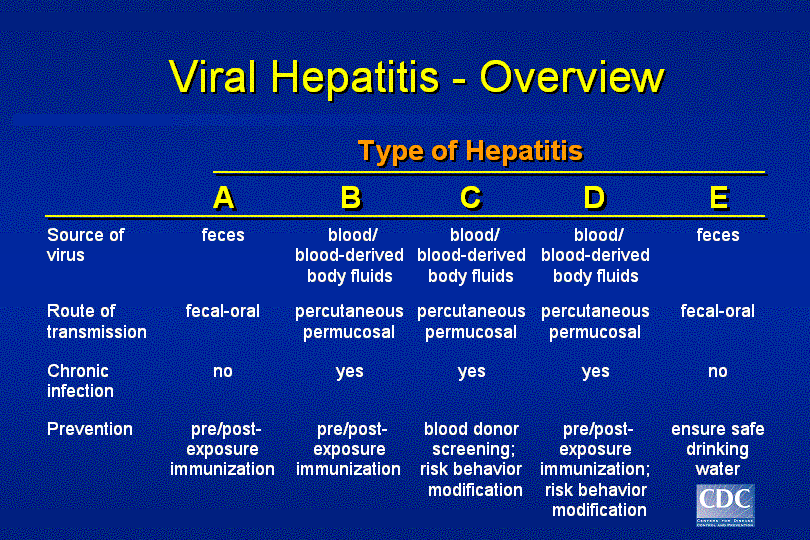
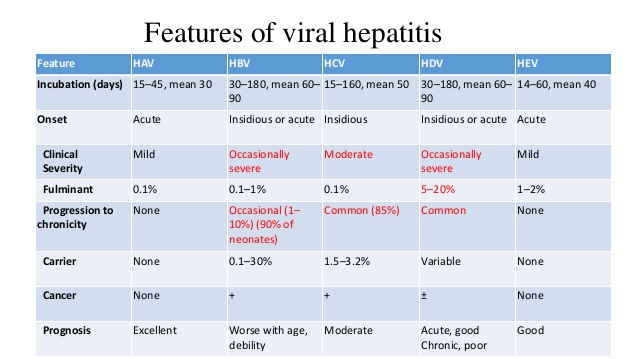
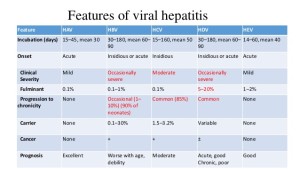
Hepatitis D, also known as “delta hepatitis,” is a liver infection caused by the Hepatitis D virus (HDV). Hepatitis D is uncommon in the United States. Hepatitis D only occurs among people who are infected with the Hepatitis B virus (BHV) because HDV is an incomplete virus that requires the helper function of HBV to replicate. HDV can be an acute, short-term, infection or a long-term, chronic infection.  Hepatitis E is a liver infection caused by the Hepatitis E virus (HEV). Hepatitis E is a self-limited disease that does not result in chronic infection. While rare in the United States, Hepatitis E is common in many parts of the world. It is transmitted from ingestion of fecal matter, even in microscopic amounts, and is usually associated with contaminated water supply in countries with poor sanitation. There is currently no FDA-approved vaccine for Hepatitis E.  Both these types of hepatitis have no vaccine.”

Missouri Department of Health and Senior Services

QUOTE FOR MONDAY:

“Hepatitis A-Estimated 24,900 new infections in 2018; Hepatitis B-Estimated 21,600 new infections in 2018• Estimated 862,000 people living with chronic HBV infection in 2016;&Hepatitis C-Estimated 50,300 new infections in 2018• Estimated 2.4 million people living with HCV infection in 2016.”.

CDC.gov

Part I Hepatitis and it’s types (A and B):

Hepatitis_Overview       Hepatatis approach-to-evaluation-of-liver-disorders-34-638

Viral hepatitis, including hepatitis A, hepatitis B, and hepatitis C, are distinct diseases that affect the liver and have different hepatitis symptoms and treatments. Other causes of hepatitis include recreational drugs and prescription medications. Hepatitis type is determined by laboratory tests.

HEPATITIS A:

If you have this infection, you have inflammation in your liver that’s caused by a virus. You don’t always get symptoms, but when you do, you might have: Jaundice (yellowing of the skin), Pain in your belly, Loss of appetite, Nausea, Fever, Diarrhea, Fatigue, Loss of weight, fever, sore muscles, **Pain on the right side of the belly, under the rib cage-where your liver is located** (if not a combination of these symptoms).

Children often have the disease with few symptoms.

You can spread the Hepatitis A virus about 2 weeks before your symptoms appear and during the first week they show up, or even if you don’t have any.

How it’s transmitted:

You can catch the disease if you drink water or food that’s been contaminated with the stool of someone with the virus.  You can also get infected if you:

-Eat fruits, vegetables, or other foods that were contaminated during handling.

-Eat raw shellfish harvested from water that’s got the virus in it.

-Swallow contaminated food.

Examples: Sometimes a group of people who eat at the same restaurant can get hepatitis A. This can happen when an employee with hepatitis A doesn’t wash his or her hands well after using the bathroom and then prepares food. It can also happen when a food item is contaminated by raw sewage or by an infected garden worker.

-The disease can also spread in day care centers. Children, especially those in diapers, may get stool on their hands and then touch objects that other children put into their mouths. And workers can spread the virus if they don’t wash their hands well after changing a diaper.

How Is It Diagnosed?

Blood tests allow doctors to diagnose it. **It is important to identify the type of hepatitis virus causing the infection to prevent it from spreading and to start the proper treatment. Since this Hepatitis A virus infection is spread through food or water that has been contaminated by the feces (stool) of an infected person.

Are There Any Long-Term Effects?

Usually the virus doesn’t cause any long-term problems or complications. But according to the CDC, 10% to 15% of people with hepatitis A will have symptoms that last a long time or come back over a 6- to 9-month period. In rare situations, some people may have liver failure or need a transplant.

What’s the Treatment?

No treatments can cure the disease. Your doctor may take tests that check your liver function to be sure your body is healing.

Who is at highest risk for this?

-Live with or have sex with someone who’s infected.*

-Travel to countries where hepatitis A is common.*

Remember the people who are also at risk:

-Men who have sex with men*

-People who inject illegal drugs*

-Kids in child care and their teachers*

HEPATITIS B

Hepatitis is a serious disease caused by the hepatitis B virus (HBV). Infection with this virus can cause scarring of the liver, liver failure, liver cancer, and even death. What happens to most cases of Hepatitis patients is the adult cases (up to 95%), hepatitis B causes limited infection. Usually people manage to fight off the infection successfully within a few months, developing an immunity that lasts a lifetime. (This means you won’t get the infection again).  Blood tests show evidence of this immunity, but no signs of active infection. Unfortunately, this is not true in infants and young children in which 90% of infants and 30% to 50% of children will develop a chronic infection.

Symptoms of acute infection (when a person is first infected with hepatitis) include:

-Jaundice (yellowing of the skin or whites of the eyes and/or a brownish or orange tint to the urine)/Unusually light colored stool/Unexplained fatigue that persists for weeks or months/Flu-like symptoms such as fever, loss of appetite, nausea, and vomiting/Abdominal Pain

Often, symptoms occur one to six months after exposure, with an average of three month. An estimated 30% of those infected do not have any symptoms at all.

How it’s transmitted:

Hepatitis B is spread in infected blood and other bodily fluids such as semen and vaginal secretions. It is spread in the same way that the virus that causes AIDS (HIV) is spread but hepatitis B is 50 to 100 times more infectious. Most people who are infected with hepatitis B in the U.S. do not know they have it. If you’re pregnant and you’ve got hepatitis B, you could give the disease to your unborn child. If you deliver a baby who’s got it, he needs to get treatment in the first 12 hours after birth.

How it’s diagnosed:                                                                                                              

If your doctor suspects that you may have hepatitis B, he or she will perform a complete physical exam and order blood tests to look at the function of your liver. Hepatitis B is confirmed with blood tests that detect the virus.

If your disease becomes chronic, liver biopsies (tissue samples) may be obtained to detect the severity of the disease.

Are There Any Long-Term Effects?

Liver damage if the virus is not taken care will happen with multiple organ crash from putting affect on other organs from doing their jobs.

WHAT’S THE TREATMENT:

Treatment depends on whether you:

-Have been recently infected with the virus (treating acute hepatitis B).*

-Have the symptoms of an acute infection. *

-Have chronic infection (Have had the hepatitis B for a chronic period of time).

-Acute vs Chronic=different RX.*

Acute Hep B. you should get a shot of hepatitis B immunoglobulin (HBIG) and the first of three shots of the hepatitis B Vaccine (What is a PDF document?). It is important to receive this treatment within 7 days after a needle stick and within 2 weeks after sexual contact that may have exposed you to the virus. The sooner you receive treatment after exposure, the better the treatment works.

Regarding Chronic Hep B treatment depends on how active the virus is in your body and your chance of liver damage. The goal of treatment is to stop liver damage by keeping the virus from multiplying.

Antiviral medicine is used if the virus is active and you are at risk for liver damage. Medicine slows the ability of the virus to multiply.

Antiviral treatment isn’t given to everyone who has chronic hepatitis B.

Follow-up visits

Whether or not you take medicine, you will need to visit your doctor regularly. He or she will do blood tests to check your liver and the activity of the hepatitis B virus in your body.

Some of the tests can find out whether the virus is multiplying in your liver, which would increase your risk of liver damage.

Liver transplant

If you develop advanced liver damage and your condition becomes life-threatening, you may need a liver transplant. But not everyone is a good candidate for a liver transplant.

If you have not gotten a hepatitis B vaccine and think you may have been exposed to the virus, you should get a shot of hepatitis B immunoglobulin (HBIG) and the first of three shots of the hepatitis B vaccine. It is important to receive this treatment within 7 days after a needle stick and within 2 weeks after sexual contact that may have exposed you to the virus. The sooner you receive treatment after exposure, the better the treatment works.

THOSE AT HIGHEST RISK FOR HEPATITIS B:

-Being born in, or spending more than 6 months in, parts of the world where hepatitis B is common or where a large number of people have been infected for a long time. Such areas include Southeast and Central Asia, the islands of the South Pacific, the Amazon River basin, the Middle East, Africa, Eastern Europe, and China.

-Being a man who has sex with men.

-Being sexually active. This includes having unprotected sex with someone who is infected with the virus or whose sexual history is unknown to you.

-Having more than one yex partner. (Your risk is higher if you have another sexually transmitted infection such as chlamydia.)

-Living with someone who has a chronic hepatitis B infection.

-Getting  or body piercing and tattoos from someone who doesn’t sterilize his or her equipment.

-Sharing needles or other equipment (such as cotton, spoons, and water) to inject illegal drugs.