




Archives

QUOTE FOR MONDAY:

“Winter isn’t easy … and we’re not just talking about shoveling snow off the driveway. The cold-weather months bring a blizzard of health issues ranging from flu bugs to dry skin to the winter blues.  But there are steps you can take to minimize problems and remain healthy and happy until spring. (An added bonus? These steps don’t require snow boots.)

1-Winter can be rough on your lips. The cold air outside and the furnace-dried air inside work in tandem to dry out your lips, which can leave them painfully chapped and cracked.  Lip balms and ointments, drinking more water and running a humidifier can help eliminate dry lips.

2- Caring for your hair during the winter months since it can make the hair brittle.  Winter can be tough on your hair. The air outside is colder. The air inside is dry. You’re dealing daily with static electricity, harsh water treatment chemicals and hat hair.   “You should treat your hair like a cashmere sweater,” says dermatologist Wilma Bergfeld, MD. “The first rule of thumb is to limit how often you beat it up by scorching it with an iron, overheating it with a dryer or using a caustic chemical on it. Remember, hair is a fiber.”

Everyone’s hair types differ, Dr. Bergfeld says, and while it’s important that everyone treat their hair gently (particularly in the winter), it’s especially important if you have fragile, damaged or fine hair.

Overall, in the winter it’s important to take it easy when brushing your hair, especially when it’s wet, Dr. Bergfeld says. Wet hair is more fragile, so wait to comb it after washing until it’s less damp, she says.

Brushing your hair gently is also important when you hair is drier than normal, which can happen more often in winter months.

Air drying your hair is always best since it uses less heat (heat can make everything worse). Whenever possible, skipping the styling tools is always recommended.  Bleaching, lightening or lifting your hair lighter is the worst thing you can do for your hair because they penetrate the hair strands and break down the fatty acids and proteins to remove your hair’s pigment. It can take a long time for your hair to recover. In winter when your hair is drier than in other months, the recovery can take longer.

3-Winter weather can leave your skin itchy, red and flaky. That can turn into a BIG pain given that we’re talking about your body’s largest organ.  A long, hot shower feels great when it’s chilly outside — but it’s not the best for your skin.

Once you get out of that quick shower and towel off, applying a moisturizer can help keep your skin hydrated and healthy.

“The function of most moisturizers is to trap moisture in your skin,” says Dr. Piliang. “When your skin is damp after a shower, applying moisturizer helps lock that in. The timing is important.”

Once you get out of that quick shower and towel off, applying a moisturizer can help keep your skin hydrated and healthy.

“The function of most moisturizers is to trap moisture in your skin,” says Dr. Piliang. “When your skin is damp after a shower, applying moisturizer helps lock that in. The timing is important.”

“Products with added fragrance can lead to micro-irritations,” she says. “All of those little irritations accumulate, and, over time, that eventually could cause your skin to be dry, itchy and cracked.”

So, try to lean toward unscented moisturizing products, like the old standby petroleum jelly (Vaseline®).

4-Sniffing dry winter air can dry out your sinuses. And while the thought of less gooey mucus in your nasal cavities might sound enticing, it’s not ideal. The reason? That gunk protects you by trapping germs before they infect you.

That’s part of the reason why respiratory ailments such as bronchitis, sinusitis and even nosebleeds are so common during winter.  Winter asthma can be a big issue, too.

“Limit time outside as best you can when the conditions really seem to affect you,” recommends Dr. Thakur.

This is especially true when exercising, as cold air plus physical activity can be a double trigger. Lean toward indoor workouts when it’s freezing outside if you’re prone to exercise-induced asthma.

So cover your mouth and nose in cold air, wear a scarf or a mask can be effective, add moisture in the air have a running humidifier in the home.

5- Avoid germs, so take precautions by:

  • Limiting contact with people who are sick
  • Staying away from crowds when illnesses are going around
  • Washing your hands often
  • Disinfecting commonly touched surfaces”

Cleveland Clinic (9 Tips to Stay Healthy During Winter)


The winter is far from over; be safe and healthy the rest of the cold season!


We all know in many states this winter so far has been nothing but for some areas in the U.S., just take Boston, but know winter isn’t over and February hasn’t even hit yet!  The CDC recommends the following to stay safe and healthy in the winter:

“Winter storms and cold temperatures can be dangerous. Stay safe and healthy by planning ahead. Prepare your home and vehicles. Prepare for power outages and outdoor activity. Check on older adults.

Although winter comes as no surprise, many of us may not be ready for its arrival. If you are prepared for the hazards of winter, you are more likely to stay safe and healthy when temperatures start to fall.

Prepare Your Home

Staying inside is no guarantee of safety. Take these steps [PDF – 344 KB] to keep your home safe and warm during the winter months.

  • Winterize your home.
    • Install weather stripping, insulation, and storm windows.
    • Insulate water lines that run along exterior walls.
    • Clean out gutters and repair roof leaks.
  • Check your heating systems.
    • Have your heating system serviced professionally to make sure that it is clean, working properly, and ventilated to the outside.
    • Inspect and clean fireplaces and chimneys.
    • Have a safe alternate heating source and alternate fuels available.
  • If you do not have working smoke detectors, install one inside each bedroom, outside each sleeping area, and on every level of the home, including the basement. Test batteries monthly and replace them twice a year.
  • Prevent carbon monoxide (CO) poisoning emergencies.
    • Install a battery-operated or battery backup CO detector to alert you of the presence of the deadly, odorless, colorless gas. Check or change the battery when you change your clocks in the fall and spring.
    • Learn the symptoms of CO poisoning: headache, dizziness, weakness, upset stomach, vomiting, chest pain, and confusion.

Prepare Your Vehicle

Get your vehicle ready for cold weather use before winter arrives.

  • Service the radiator and maintain antifreeze level.
  • Check your tires’ tread or, if necessary, replace tires with all-weather or snow tires.
  • Keep the gas tank full to avoid ice in the tank and fuel lines.
  • Use a wintertime formula in your windshield washer.
  • Prepare a winter emergency kit to keep in your car in case you become stranded. The kit should include:
    • Cell phone, portable charger, and extra batteries.
    • Items to stay warm, such as extra hats, coats, mittens, blankets, or sleeping bags.
    • Food and water.
    • Booster cables, flares, tire pump, and a bag of sand or cat litter (for traction).
    • Compass and maps.
    • Flashlight, battery-powered radio, and extra batteries.
    • First-aid kit; and
    • Plastic bags (for sanitation).

Prepare for Emergencies

Be prepared for weather-related emergencies, including power outages.

  • Stock food that needs no cooking or refrigeration and water stored in clean containers.
  • Ensure that your cell phone is fully charged.
  • When planning travel, be aware of current and forecast weather conditions.
  • Keep an up-to-date emergency kit, including:
    • Battery-operated devices, such as a flashlight, a National Oceanic and Atmospheric Administration (NOAA) Weather Radio, and lamps.
    • Extra batteries.
    • First-aid kit and extra medicine.
    • Baby items; and
    • Cat litter or sand for icy walkways.
  • Protect your family from carbon monoxide (CO).
    • Keep grills, camp stoves, and generators out of the house, basement, and garage.
    • Locate generators at least 20 feet from the house.
    • Leave your home immediately if the CO detector sounds and call 911.

Take Precautions Outdoors

Outdoor activities can expose you to several safety hazards, but you can take these steps to prepare for them:

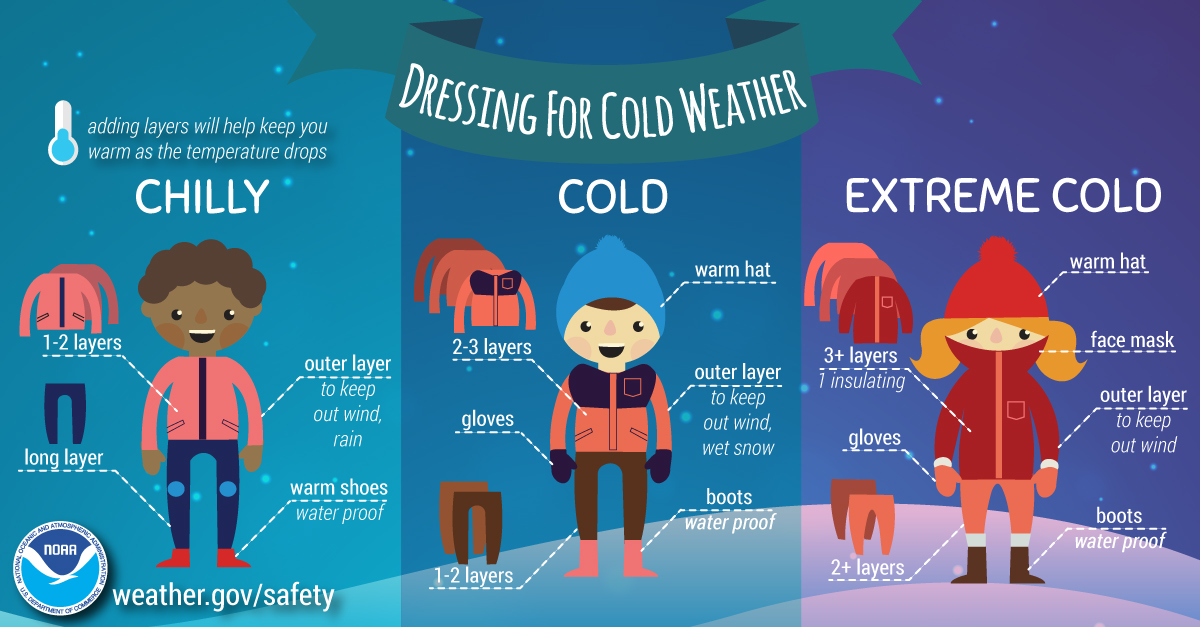
  • Wear appropriate outdoor clothing: wear a tightly woven, preferably wind-resistant coat or jacket; inner layers of light, warm clothing; mittens; hats; scarves; and waterproof boots.
  • Sprinkle cat litter or sand on icy patches.
  • Learn safety precautions to follow when outdoors.
    • Work slowly when doing outside chores.
    • Take a buddy and an emergency kit when you are participating in outdoor recreation.
    • Carry a cell phone.

Do This When You Plan to Travel

When planning travel, be aware of current and forecast weather conditions.

  • Avoid non-essential travel when the National Weather Service has issued advisories.
  • If you must travel, inform a friend or relative of your proposed route and expected time of arrival.
  • Follow these safety rules if you become stranded in your vehicle.
    • Make your vehicle visible to rescuers. Tie a brightly colored cloth to the antenna, raise the hood (if it is not snowing), and turn on the inside overhead lights (when your engine is running).
    • Move anything you need from the trunk into the passenger area. Stay with your vehicle unless safety is no more than 100 yards away.
    • Keep your body warm. Wrap your entire body, including your head, in extra clothing, blankets, or newspapers. Huddle with other people if you can.
    • Stay awake and stay moving. You will be less vulnerable to cold-related health problems. As you sit, keep moving your arms and legs to improve circulation and stay warmer.
    • Run the motor (and heater) for about 10 minutes per hour, opening one window slightly to let in air. Make sure that snow is not blocking the exhaust pipe—this will reduce the risk of carbon monoxide (CO) poisoning.

Be ready to check on family and neighbors who are especially at risk from cold weather hazards: young children, older adults, and the chronically ill.

If you have pets, bring them inside. If you cannot bring them inside, provide adequate, warm shelter and unfrozen water to drink.

No one can stop the onset of winter. However, if you follow these suggestions, you will be ready for it when it comes.”

So be safe this winter by being prepared!

QUOTE FOR THE WEEKEND:

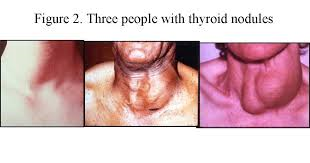
“Thyroid nodules are quite common. When examined with ultrasound imaging, as many as one-third of women and one-fifth of men have small thyroid nodules.

Most thyroid nodules are too small to see or feel. They tend to be found when you have an imaging test done for some other reason.

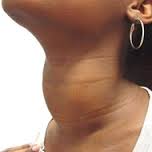
A large nodule or goiter may cause a sense of tightness or pain in your neck, and can sometimes grow large enough to interfere with breathing or swallowing.

If your thyroid function is affected, you might notice other symptoms. If your gland is producing too much thyroid hormone it will exhibit signs or symptoms of hyperthyroidism.  If your gland is producing not enough thyroid hormone it will produce signs and symptoms of hypothyroidism.

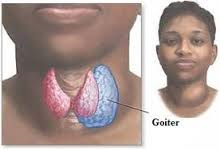
A goiter is an enlargement of the thyroid, the H-shaped gland that wraps around the front of your windpipe, just below your Adam’s apple.

A goiter can be smooth and uniformly enlarged, called diffuse goiter, or it can be caused by one or more nodules within the gland, called nodular goiter. Nodules may be solid, filled with fluid, or partly fluid and partly solid.”

University of California San Francisco Health – USCF Health (Thyroid Nodules and Goiter | Conditions | UCSF Health)


Nodules & Thyroid goiter

thyroid awareness month goiter6thyroid awareness goiter1thyroid awareness month goiter4  thyroidawarenessmonthGoiter2

Goiter in the thyroid

A goiter is simply an enlarged thyroid gland. Multiple conditions can lead to goiter, including hypothyroidism, hyperthyroidism, excessive iodine intake, or thyroid tumors. Goiter is a non-specific finding that warrants medical evaluation.

History: The doctor will take a detailed history, evaluating both past and present medical problems. If the patient is younger than 20 or older than 70 years, there is increased likelihood that a nodule is cancerous. Similarly, the nodule is more likely to be cancerous if there is any history of radiation exposure, difficulty swallowing, or a change in the voice. It was actually customary to apply radiation to the head and neck in the 1950s to treat acne! Significant radiation exposures include the Chernobyl and Fukushima disasters. Although women tend to have more thyroid nodules than men, the nodules found in men are more likely to be cancerous. Despite its value, the history cannot differentiate benign from malignant nodules. Thus, many patients with risk factors uncovered in the history will have benign lesions. Others without risk factors for malignant nodules may still have thyroid cancer.

Physical examination: The physician should determine if there is one nodule or many nodules, and what the remainder of the gland feels like. The probability of cancer is higher if the nodule is fixed to the surrounding tissue (unmovable). In addition, the physical exam should search for any abnormal lymph nodes nearby that may suggest the spread of cancer. In addition to evaluating the thyroid, the physician should identify any signs of gland malfunction, such as thyroid hormone overproduction (hyperthyroidism) or underproduction (hypothyroidism).

Blood tests: Initially, blood tests should be done to assess thyroid function. These tests include:

  • The free T4 and thyroid stimulating hormone (TSH) levels. Elevated levels of the thyroid hormones T4 or T3 in the context of suppressed TSH suggests hyperthyroidism
  • Reduced T4 or T3 in the context of high TSH suggests hypothyroidism
  • Antibody titers to thyroperoxidase or thyroglobulin may be useful to diagnose autoimmune thyroiditis
  • (for example, Hashimoto’s thyroiditis).
  • If surgery is likely to be considered for treatment, it is strongly recommended that the physician als determine the level of thyroglobin. Produced only in the thyroid hormone in the blood. Thyroglobulin carries thyroid hormone in the blood. Thyroglobulin levels should fall quickly within 48 hours in the thyroid gland is completely remobed. If thyroglobulin levels start to climb.
  • Ultrasonography: A physician may order an ultrasound examination of the thyroid to:
  • Detect nodules that are not easily felt
  • Determine the number of nodules and their sizes
  • Determine if a nodule is solid or cystic
  • Assist obtaining tissue for diagnosis from the thyroid with a fine needle aspirate (FNA)Radionuclide scanning: Radionuclide scanning with radioactive chemicals is another imaging technique a physician may use to evaluate a thyroid nodule. The normal thyroid gland accumulates iodine from the blood and uses it to make thyroid hormones. Thus, when radioactive iodine (123-iodine) is administered orally or intravenously to an individual, it accumulates in the thyroid and causes the gland to “light up” when imaged by a nuclear camera (a type of Geiger counter). The rate of accumulation gives an indication of how the thyroid gland and any nodules are functioning. A “hot spot” appears if a part of the gland or a nodule is producing too much hormone. Non-functioning or hypo-functioning nodules appear as “cold spots” on scanning. A cold or non-functioning nodule carries a higher risk of cancer than a normal or hyper-functioning nodule. Cancerous nodules are more likely to be cold, because cancer cells are immature and don’t accumulate the iodine as well as normal thyroid tissue. However, cold spots can also be caused by cysts. This makes the ultrasound a much better tool for determining the need to do an FNA.
  • Fine needle aspiration: Fine needle aspiration (FNA) of a nodule is a type of biopsy and the most common, direct way to determine what types of cells are present. The needle used is very thin. The procedure is simple and can be done in an outpatient office, and anesthetic is injected into tissues traversed by the needle. FNA is possible if the nodule is easily felt. If the nodule is more difficult to feel, fine needle aspiration can be performed with ultrasound guidance. The needle is inserted into the thyroid or nodule to withdraw cells. Usually, several samples are taken to maximize the chance of detecting abnormal cells. These cells are examined microscopically by a pathologist to determine if cancer cells are present. The value of FNA depends upon the experience of the physician performing the FNA and the pathologist reading the specimen. Diagnoses that can be made from FNA include:
  • Despite its value, the ultrasound cannot determine whether a nodule is benign or cancerous.
  • Benign thyroid tissue (non-cancerous) can be consistent with Hashimoto’s thyroiditis, a colloid nodule, or a thyroid cyst. This result is reported from approximately 60% of biopsies.
  • Cancerous tissue (malignant) can be consistent with diagnosis of papillary, follicular, or medullary cancer. This result is reported from approximately 5% of biopsies. The majority of these are papillary cancers.
  • Suspicious biopsy can show a follicular adenoma. Though usually benign, up to 20% of these nodules are found ultimately to be cancerous.
  • Non-diagnostic results usually arise because insufficient cells were obtained. Upon repeat biopsy, up to 50% of these cases can be distinguished as benign, cancerous, or suspicious.

One of the most difficult problems for the pathologist is to be confident that a follicular adenoma – usually a benign nodule – is not a follicular cell carcinoma or cancer. In these cases, it is up to the physician and the patient to weigh the option of surgery on a case-by-case basis, with less reliance on the pathologist’s interpretation of the biopsy. It is also important to remember that there is a small risk (3%) that a benign nodule diagnosed by FNA may still be cancerous. Thus, even benign nodules should be followed closely by the patient and physician. Another biopsy may be necessary, especially if the nodule is growing. Most thyroid cancers are not very aggressive; that is, they do not spread rapidly. The exception is poorly differentiated (anaplastic) carcinoma, which spreads rapidly and is difficult to treat.

QUOTE FOR FRIDAY:

“Not everyone is always eligible or physically able to donate blood. But, if you’re among those who can donate, your willingness to help will save lives.

On average, someone in the United States needs blood every two seconds. That blood has to be donated from someone else — we don’t have a synthetic substitute.

“The blood products provided to The Ohio State University Wexner Medical Center from volunteer donors are directly responsible for helping us save lives every day.”Scott Scrape, MD, a pathologist and Transfusion Medicine physician at the Ohio State Wexner Medical Center.

Your decision to donate blood can make a big difference to people in your community. For example, during the COVID-19 pandemic, there was a blood shortage, and many hospitals — including some in central Ohio — faced a critical need to get blood to their patients.”

The Ohio State University (Why Should You Donate Blood? | Ohio State Health & Discovery)

National Blood Donor Month-Know the facts on Blood donating and why it is so vital to be done throughout world!

January is National Blood Donor Month, a time to celebrate generous volunteer donors and raise awareness for the need for blood donations.  The purpose is to raise awareness about the vital importance of blood donation. Every drop counts and every donor is a hero.

It began in 1970 when President Richard Nixon made an historic proclamation. During this special month, we encourage all those impacted by the lifesaving power of blood donation to come together to honor and celebrate the incredible generosity of America’s voluntary blood donors.

According to the American Red Cross, winter is “one of the most difficult times of year to collect enough blood products to meet patient needs.” That’s because of, among other things, busy holiday schedules and bad weather often resulting in canceled blood drives. Furthermore, seasonal illnesses such as the flu force potential donors to forgo their blood donations.

That’s just one of the reasons that National Blood Donor Month, which has taken place each January since 1970, is such an important observance. Donating blood saves many lives and improves health for many people. According to the World Health Organization, “blood is the most precious gift that anyone can give to another person — the gift of life. A decision to donate your blood can save a life.”

Did you know these facts? Seek below:

1. About 36,000 units of red blood cells and 7,000 units of platelets are needed every single day in the U.S.

2. A single-car accident victim may need up to 100 pints of blood to survive.

3. 38% of our population is eligible to donate, but less than 10% actually do.

4. A single donation from a single patient can help more than one person.

5. The most requested blood type by hospitals is type O. This kind of blood can be transfused to patients of all blood types, so it’s always in great demand and very short supply. Only 7% of people in the U.S. have type O.

6. About 6.8 million people donate blood every year in the U.S.

7. Donating blood is a simple, safe process. All you have to do is register, take a mini-medical history test, donate, and then accept free refreshments like water, Gatorade, granola bars, etc.

Ohio University states the following 2/19/25:

“The Ohio State Wexner Medical Center, a large academic health center that sees about 65,000 patient admissions each year, needs about 5,000 blood products each month, Scrape says.

“That’s about six to seven blood products every hour of every day.”

In the United States, about 29,000 units of red blood cells are needed each day, according to the American Red Cross.

Unfortunately, only about 3% of age-eligible Americans donate each year.

Give blood. Don’t wait for a disaster. Someone needs blood now! Contact the American Red Cross or your local blood bank for more information.


QUOTE FOR THURSDAY:

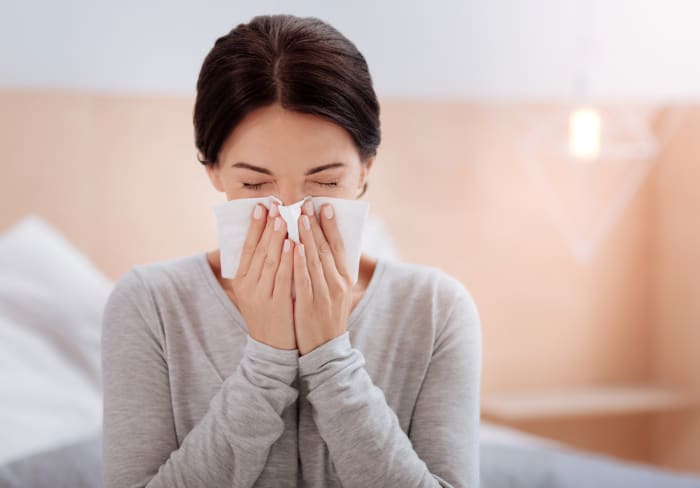
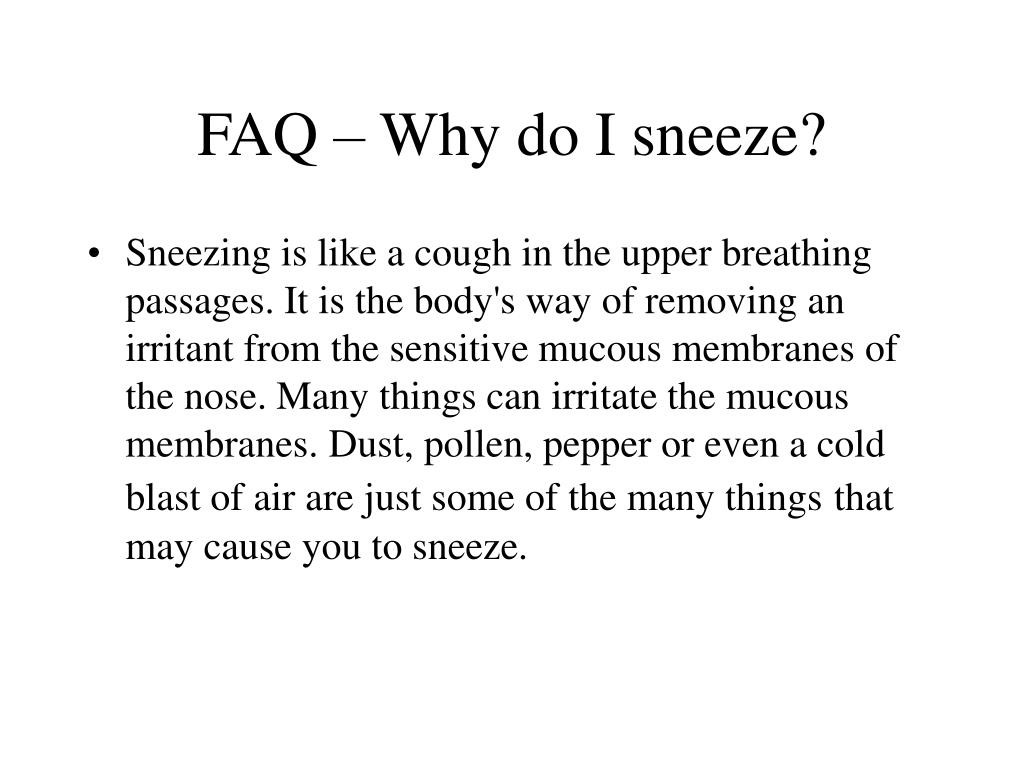
“We all know the feeling – you get the little twitch in your nose that won’t go away. You may wipe or itch your nose, but you don’t find relief until you let out a big ACHOO.

We all sneeze. It is just your body’s natural way of clearing out debris from the nose. While most people only sneeze a few times a day, there are other factors that could contribute to a change in your sneezing habits explains Frederick Yoo, M.D., an otolaryngologist and sinus surgery specialist at Henry Ford Health.

“Sneezing is often triggered by irritant to the nose,” says Dr. Yoo. “Your trigeminal nerve is a large nerve with branches to different parts of the face and irritation, from allergens, objects in the nose, boogers and mucus, of this nerve in the nose triggers the body to sneeze.”

Henry Ford Health (Why Do I Sneeze So Much? An ENT Expert Explains | Henry Ford Health – Detroit, MI)

Why the human sneezes multiple times including causes, common questions about sneezing and when to consult your M.D!

Understanding the sneeze reflex:

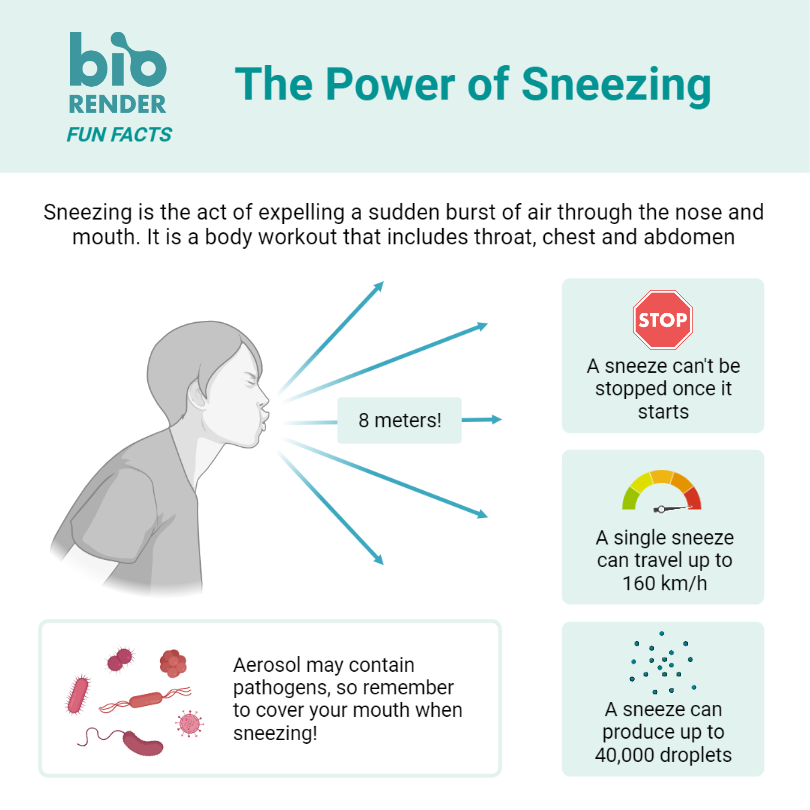
Sneezing is a natural, involuntary reflex that protects the body. While a single sneeze effectively clears irritants, many people experience multiple sneezes in a row. This article explores the reasons behind consecutive sneezes.

The sneeze reflex is a process that expels foreign particles from the nasal passages. It begins when irritants, such as dust, pollen, or strong odors, stimulate nerve endings in the nose. These nerve signals quickly travel to the brainstem.

Upon receiving these signals, the brainstem triggers a rapid, coordinated response involving various muscles. Air is forcefully expelled from the lungs, clearing the nasal passages of irritants through both the nose and mouth.

Why You Sneeze Multiple Times:

Experiencing several sneezes in a row indicates the body is thoroughly clearing its nasal passages. If the initial sneeze does not completely remove the irritant, the reflex will repeat until the nasal lining is free of the foreign particles. This persistent irritation can be caused by a cluster of dust particles or a stubborn allergen.

Allergies are a frequent cause of sequential sneezing, as the body reacts to allergens like pollen, pet dander, or dust mites. Allergic reactions lead to sustained inflammation and irritation within the nasal membranes. The repeated sneezes are the body’s continued attempt to expel these pervasive allergens, often resulting in prolonged sneezing episodes.

Common Causes of Sneezing:

  1. AllergiesAllergic reactions to substances such as pollen, dust mites, pet dander, and mold can cause your   immune system to overreact, leading to a sneeze reflex as defense mechanism. 

  2. InfectionsViral infections, such as the common cold and flu, which irritate the nasal lining, resulting in sneezing along with other symptoms like congestion and coughing. 

  3. Environmental IrritantsDust, smoke, strong odors, and lastly chemical fumes can irritate the nasal passages, prompting sneeze reflex to clear these irritants. 

  4. Temperature ChangesSudden changes in temperature, for example moving from warm environment to cold air, can stimulate what we call nasal nerves and trigger sneezing. 

  5. Photic Sneeze ReflexSome individuals experience sneezing when exposed to bright light, phenomenon known as photic sneeze reflex and it may be genetic. 

  6. Other TriggersSneezing can also be caused by strong emotions, spicyfoods, or even after eating large meal (a phenomenon that is known as “snatiation”)

Common questions about sneezing:

Not all sneezes happen when foreign substances enter our nostrils. Sometimes, we find ourselves bracing for a sneeze’s impact at unusual moments.

Why do we close our eyes when we sneeze?

Closing your eyes is a natural reflex your body has each time you sneeze. Despite common lore, leaving your eyes open while you sneeze will not cause your eyes to pop out of your head.

Why do we sneeze when we’re sick?

Just like our body tries to clear house when a foreign substance enters the body, it also tries to eliminate things when we’re sick. Allergies, the flu, a common cold — they can all cause a runny nose or sinus drainage. When these are present, you may experience more frequent sneezing as the body works to remove the fluids.

Why do we sneeze when we have allergies?

Dust stirred up while cleaning may make anyone sneeze. But if you are allergic to dust, you may find yourself sneezing more often when you clean because of how frequently you come into contact with dust.

The same is true for pollen, pollution, dander, mold, and other allergens. When these substances enter the body, the body responds by releasing histamine to attack the invading allergens. Histamine triggers an allergic reaction, and symptoms include sneezing, runny eyes, coughing, and runny nose.

Why do we sneeze when looking at the sun?

If you walk out into the day’s bright sun and find yourself close to a sneeze, you’re not alone. According to the National Institutes of Health Trusted Source, the tendency to sneeze when looking at a bright light affects up to one third of the population. This phenomenon is known as photic sneeze reflex or solar sneeze reflex.

Why do some people sneeze multiple times?

Researchers aren’t sure why some people sneeze multiple times. It may be a sign that your sneezes aren’t quite as strong as a person who only sneezes once. It could also be a sign that you have ongoing or chronic nasal stimulation or inflammation, possibly as a result of allergies.

Can orgasms cause sneezes?

Indeed, it’s possible. ResearchersTrusted Source have discovered that some people sneeze when they have sexual thoughts or when they orgasm. It’s not clear how the two things are connected.

When to consult your doctor:

While occasional multiple sneezes are normal, certain symptoms warrant medical attention. Consult a doctor if sneezing is accompanied by a high fever, difficulty breathing, or chest pain. Unusual nasal discharge also signals a need for evaluation.

Seeking medical advice is also appropriate if sneezing becomes severe enough to disrupt daily life, including sleep or work activities. A sudden onset of new, severe sneezing without clear environmental triggers should also be investigated. If repeated sneezing suggests undiagnosed or poorly managed allergies, a doctor can provide proper diagnosis and treatment options.

QUOTE FOR WEDNESDAY:

“Traumatic brain injury usually results from a violent blow or jolt to the head or body. An object that goes through brain tissue, such as a bullet or shattered piece of skull, also can cause traumatic brain injury.

Mild traumatic brain injury may affect your brain cells temporarily. More-serious traumatic brain injury can result in bruising, torn tissues, bleeding and other physical damage to the brain. These injuries can result in long-term complications or death”

MAYO Clinic (Traumatic brain injury – Symptoms and causes – Mayo Clinic)

Part II Total Brain Injury – National Winter Sports Month Awareness!

  xte head tackle CTE5

CTE 5cte hockey

CTE7 CTE 6

CTE6 CTE9


Part II reviews Concussion-The symptoms/grade levels/diagnostic tooling with treatment and  CTE=Chronic Traumatic Encephalopathy

 The signs and symptoms you may see indicating a concussion aren’t immediately present where in other situations observed immediately; it depends on the impact of the hit to the brain and location. Concussions are fairly common. Some estimates say a mild brain trauma is sustained every 21 seconds in the U.S. But it’s important to recognize the signs of a concussion so you can take the proper steps to treat the injury.

There are some common physical, mental, and emotional symptoms a person may display following a concussion. Any of these could be a sign of traumatic brain injury: confusion or feeling dazed/clumsiness/slurred speech/nausea or vomiting /headache /balance problems or dizziness /blurred vision/sensitivity to light/sensitivity to noise/sluggishness/Tinnitis – ringing in the ears/behavior or personality changes/concentration difficulties/memory loss.

Concussions are graded as mild (grade 1), moderate (grade 2), or severe (grade 3), depending on such factors as loss of consciousness, amnesia, and loss of equilibrium.

-Grade 1 concussion symptoms last for less than 15 minutes. There is no loss of consciousness.

-Grade 2 concussion there is no loss of consciousness but symptoms last longer than 15 minutes.

-Grade 3 concussion the person loses consciousness, sometimes just for a few seconds.

The seriousness of a concussion dictates what kind of treatment you should get. Most people with concussions fully recover with appropriate treatment. But because a concussion can be serious, safeguarding the person who got the concussion is important.   Seek medical attention. A health care professional can decide how serious the concussion is and whether you require treatment or not.

If you have suffered a grade 1 or grade 2 concussion, wait until symptoms are gone before returning to normal activities. That could take several minutes, hours, days, or even a week but still see a MD to know the level for sure.

If you have sustained a grade 1,2, or 3 concussion, see a doctor immediately for observation and treatment since most people don’t know the different levels or what level they have had. A doctor will be able to tell all through diagnostic tooling.  The M.D. will need to know details about how the concussion even happened including the symptoms you or the patient is having.   The doctor asks simple common questions to evaluate memory and concentration skills (your name, the present year, where you are, etc…).

REGARDING DIAGNOSTIC TOOLING:

The doctor may test coordination and reflexes, which are both functions of the central nervous system. The doctor may also order a CT scan or an MRI to rule out bleeding or other serious brain injury especially if he feels it was a grade 3 concussion.

If hospitalization is not required, the doctor will provide instructions for recovery. Aspirin-free medications may be prescribed and you will be advised to take it easy. Experts recommend follow-up medical attention within 24 to 72 hours if symptoms worsen.

  • Take a break. If your concussion was sustained during athletic activity, stop play and sit it out. Your brain needs time to properly heal, so rest is key. Definitely do not resume play the same day. Athletes and children should be closely monitored by coaches upon resuming play. If you resume play too soon, you risk a greater chance of having a second concussion, which can compound the damage. The American Academy of Neurology has issued guidelines about resuming activities after a concussion.
  • Guard against repeat concussions. Repeat concussions cause cumulative effects on the brain. Successive concussions can have devastating consequences, including brain swelling, permanent brain damage, long-term disabilities, or even death. Don’t return to normal activities if you still have symptoms. Get a doctor’s clearance so you can return to work or play with confidence.

Can I Prevent a Concussion?

NO, since normally a concussion is unexpected, so it is tough to prevent. But there are several common-sense precautions you can take to lessen the possibility of traumatic brain injury.  What you can do is PREVENTION by wearing proper protective equipment in high contact sports from football to hockey to boxing and even soccer (all increase the chance of a concussion).  Bicycling, skateboarding, horseback riding to roller blading all can be a threat of a concussion due to a fall to the head.  Wear head gear, padded guards for knees/elbows and even mouth gear or eye guards especially in racquet ball.  Believe it or not a bike helmet can lower the risk of traumatic head injury by 85%. Ensure that the equipment is properly fitted, well maintained, and worn consistently.

For athletes and non athletes, always wear a seatbelt, obey posted speed limits, and don’t use drugs or alcohol, don’t be foolish texting or using the cell phone while driving because they can impair reaction time. Obviously, don’t fight to cause a blow to your head from occuring, and more males than females report traumatic head injuries.

Look what can happen after repeated blows done to the head over a long time – Chronic traumatic encephalopathy (CTE) is a form of encephalopathy that is a progressive degenerative disease, which can currently only be definitively diagnosed postmortem.  Let us look at the meaning of the word actually in medical terminology=Chronic (meaning over a period of a long time) Traumatic (meaning the blows to the head) Encephalopathy (swelling of the brain definitely is a part of what happens but in all types of encephalopathy there is a brain malfunction.  Know there are over 150 different terms that modify or precede “encephalopathy” in the medical literature.

In March 2014, researchers announced the discovery of an exosome particle created by the brain which has been shown to contain trace proteins indicating the presence of the disease  Baseline testing has been created to assess potential cognitive impairment in athletes in contact sports, but a test to determine the presence of CTE while the person is alive and a conventional postmortem diagnosis is not yet available.

The disease was previously called dementia pugilistica (DP), i.e. “punch-drunk”, as it was initially found in those with a history of boxing. CTE has been most commonly found in professional athletes participating in American football, Association football, ice hockey, professional wrestling and other contact sports who have experienced repetitive brain trauma. It has also been found in soldiers exposed to a blast or a concussive injury, in both cases resulting in characteristic degeneration of brain tissue and the accumulation of tau protein. Individuals with CTE may show symptoms of dementia, such as memory loss, aggression, confusion and depression, which generally appear years or many decades after the trauma.

CTE is a progressive degenerative disease of the brain found in people with a history of repetitive brain trauma, including symptomatic concussions as well as sub-concussive hits to the head that do not cause symptoms. In the case of blast injury, a single exposure to a blast and the subsequent violent movement of the head in the blast wind can cause the condition.  Look at the perfect example of who this happened to that most of Americans know or heard about what the famous boxer Muhammed Ali.

Unfortunately chronic traumatic encephalopathy (CTE) at this time can only be diagnosed 100% after death. Below is a list of confirmed cases of CTE and the breakdown by sport. It should be noted that this is a small list compared to doctors understanding of the problem of CTE and the many undiagnosed cases. Through the work of the Center of the Study of Traumatic Encephalopathy researchers have been successful in securing donations of professional athletes brains after death for further study so researchers can better understand CTE and how to better prevent it. Many on this list were identified this way.

Professional Football Players:

  • John Grimsley – Houston Oilers, Miami Dolphins – February 2008 (45) – Case Study
  • Chris Henry – Cincinnati Bengals – December 2009
  • Dave Duerson – Chicago Bears – Suicide – February 17th, 2011 (50)
  • Lew Carpenter – Detroit Lions, Clevelend Browns, Green Bay Packers – November 14th, 2010 (78)
  • Lou Creekmur – Detroit Lions (NFL Hall of Fame) – July 5th, 2009 (82) – Case Study
  • Shane Dronett – Denver Broncos, Detroit Lions, Atlanta Falcons – January 12, 1971 Floyd Patterson

Professional Boxers:

Bobby Chacon/Jerry Quarry/Mike Quarry/Wilfred Benitez/Emile Griffith/Willie Pep/Sugar Ray Robinson/Billy Conn/Joe Frazier/Muhammad Ali (suspected)

How many non professionals have been injured due to TBI’s  with not any better.  We know now and are taking action in awareness to the public to decrease the occurrences of these brain injuries from happening!  Help the community with awareness too!!

If you notice in most of my articles there is a key to prevention in getting a illness or disease.  Start taking the step towards prevention and not waiting till it happens especially CTE since the symptoms tell the M.D. the patient has high probability of the disease but can’t be actually 100% diagnosed till death in the morgue.

SO TAKE THE STEP IN MAKING A CONCUSSION NOT HAPPEN=PREVENTION, it is so simple.  Which decreases the chance of dementia, memory loss, depression from repeated blows to the head. PROTECT YOURSELF!

CTE 3

You may not be happy with the results especially if the cause of death was hemmorage in the brain!