Archives

Part 2 How bad is Ebola elsewhere and what are its signs & symptoms?

How bad is it elsewhere? In West Africa, pretty bad. Lack of resources and a slow global response has let the virus run wild. Over at Nature, they used WHO data to illustrate just how terrifying it’s getting. For an on-the-ground perspective, see what Karin Huster, a healthcare worker who just got back from treating Ebola in Liberia’s clinics, told R29. We’re also beginning to feel the first economic effects of the crisis.

What is the CDC doing to stop the spread of Ebola? Well, the first thing to remember is that the U.S. is not in the middle of the same kind of outbreak those in Guinea, Sierra Leone, and Liberia have been dealing with for months now. Ebola has not spread to the general American population, and those who have contracted the virus here have been in close contact with someone who was already severely infected. Complicating matters, the nurses who cared for Duncan report that they were forced to do so without proper training or equipment. And, Vinson says that she called the CDC before getting on her flight with a low-grade fever, but was told her temperature did not surpass the dangerous threshold (100.4 degrees Fahrenheit). However, the CDC has learned from its slow response to Dallas and has vowed to dispatch an Ebola response team to any hospital in the country with a confirmed case of the

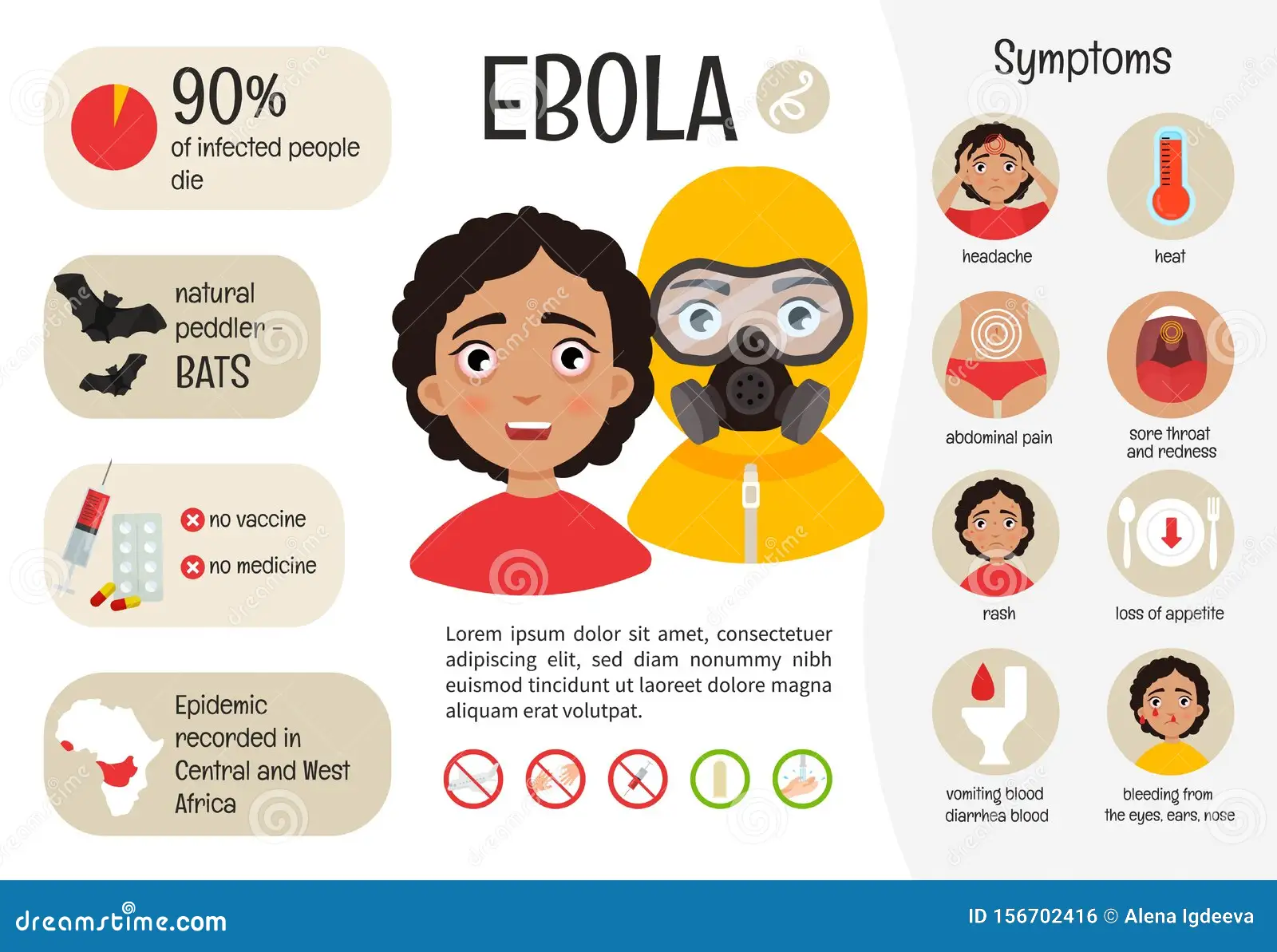
How contagious is Ebola? Compared to other diseases you are more likely to get (such as enterovirus D68, the measles, and the flu), Ebola is not very contagious. It has a long incubation period (21 days) during which an infected person may begin to show symptoms. But, as far as we know, that person is not contagious until he or she is symptomatic. Ebola can only be spread by: direct contact with the bodily fluids of someone who is contagious (e.g., blood, urine, vomit); objects that have been contaminated with those fluids; or infected mammals, such as bats.

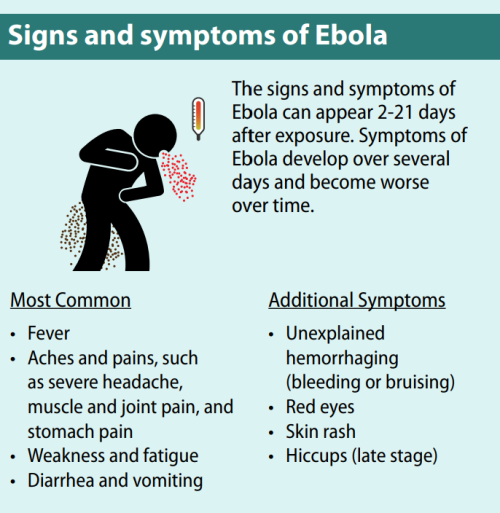
What are the symptoms of Ebola? Fever, headache, muscle pain, severe vomiting, and bloody diarrhea, among other unpleasant things. These symptoms hit hard and and they hit fast. They also get worse the longer you’re infected. So, if you feel kind of icky but are still dragging yourself to work, you’re probably Ebola-free BUT GO TO THE M.D.

Can we treat it? Not in every case. We have several experimental options, such as ZMapp, that have worked for some human cases or in animals. But, American scientists are still working on a cure that can save as many people as possible — and get approved by the FDA, too. Chinese and Russian scientists are on the case too, reportedly working on a cure and vaccine, respectively. But, Ebola is not necessarily a death sentence. About half of the people who have contracted it worldwide have lived to tell the tale. The CDC says whether or not you survive depends on your immune system and the quality of care you’re getting. And, when a person recovers from the virus, he or she will have antibodies that will protect against Ebola infection for at least 10 years.

Can we protect against it? Yes — with proper hand hygiene, basic public health tactics, a vaccine on the way, and a ramped-up CDC response.

Finally, I reinforce that unless you have had direct contact with the bodily fluids of someone with Ebola when that person was contagious (or if you’ve eaten some bushmeat recently), then your risk for Ebola are low and you don’t need to worry about getting it. Really, even Fox News says so. Instead, you should probably just get yourself a flu shot with how much higher you are at risk of getting the flu as opposed to the disease Ebola but our country should take strict action in preventing a disease epidemic in travelers coming back or from Africa to the US or any other country that has this disease in their country, safety for the people in America.

How is Ebola so deadly:

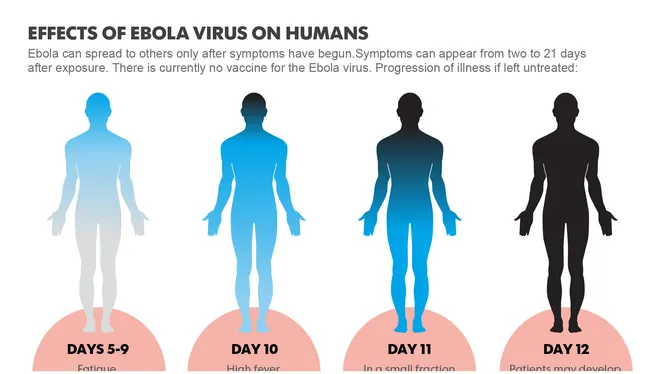
Lets look here on how it works: Symptoms start in two days to three weeks after contracting the virus, with a fever, sore throat, muscle pain, and headaches. Typically, vomiting, diarrhea, and rash follow, along with decreased function of the liver and kidneys. Looking at a car the engine of the human body is the heart, the liver Are we absolutely sure it’s not airborne? Pretty much.

Some of these fears can be traced to a 2012 paper in which researchers found that one strain of Ebola in pigs could be transmitted to macaque monkeys housed in separate cages. But, this effect has only been shown in animals. Although some scientists have suggested that the virus may have mutated into a more contagious (i.e. airborne) form, this has not been confirmed and remains extremely unlikely. Plenty of other scientists have proclaimed their disagreement.

Symptoms start two days to three weeks after contracting the virus, with a fever, sore throat, muscle pain, and headaches. Typically, vomiting, diarrhea, and rash follow, along with decreased function of the liver and kidneys. Which means in English your organs, the kidney and the liver go in decreased function and not resolved will go into failure and with the these 2 organs doing that it effects the rest of your organs. Just like a car if your oil or transmission or both aren’t functioning properly it will affect your engine (and the heart is our engine to the human body where your oil and transmission are like the kidneys and liver for example as a metaphor). Ending line one system affected with multiple systems failing with no treatment death occurs whether a car or human body.
QUOTE FOR FRIDAY:

“Ebola is a rare but life-threatening infection. It can cause outbreaks of serious disease, especially in parts of Africa. Ebola spread through the air?

No, the virus that causes Ebola is not transmitted through the air. Unlike a cold or the flu, the Ebola virus is not spread by tiny droplets that remain in the air after an infected person coughs or sneezes.

Ebola is spread between humans when an uninfected person has direct contact with body fluids of a person who is sick with the disease or has died. People become contagious when they develop symptoms.”

MAYO CLINIC (Ebola transmission: Can Ebola spread through the air? – Mayo Clinic)


What is Ebola and how does it spread?

According to the Center for Disease Control (CDC )the 2014 Ebola epidemic is the largest in history, affecting in West Africa. One imported case from Liberia and associated locally acquired cases in healthcare workers have been documented. CDC and partners are taking precautions to prevent the further spread of Ebola within the United States. We should have taken action with making limitations a long time ago but again our government seems to worry about other countries more than our own or else we would not have this potential epidemic. Look at what is finally being doing in airports at least in New York regarding visitors coming from Africa, they are being checked for disease in someway, that should have started years ago with the increase or population into our country from people unfortunately in other countries with more disease due to less protection or action due to their economy and what they can afford. Yet, in the end our government needs to protect us the US citizens and have a regulation much more tighter than it was if US citizens for whatever the reason is leaving this country to other countries for business (EX. News Report Employees.) or vacation is allowed; which it has been going on for ages. The key factor like to almost any disease or infection in or out of hospitals is: Prevention!

Share Compartment

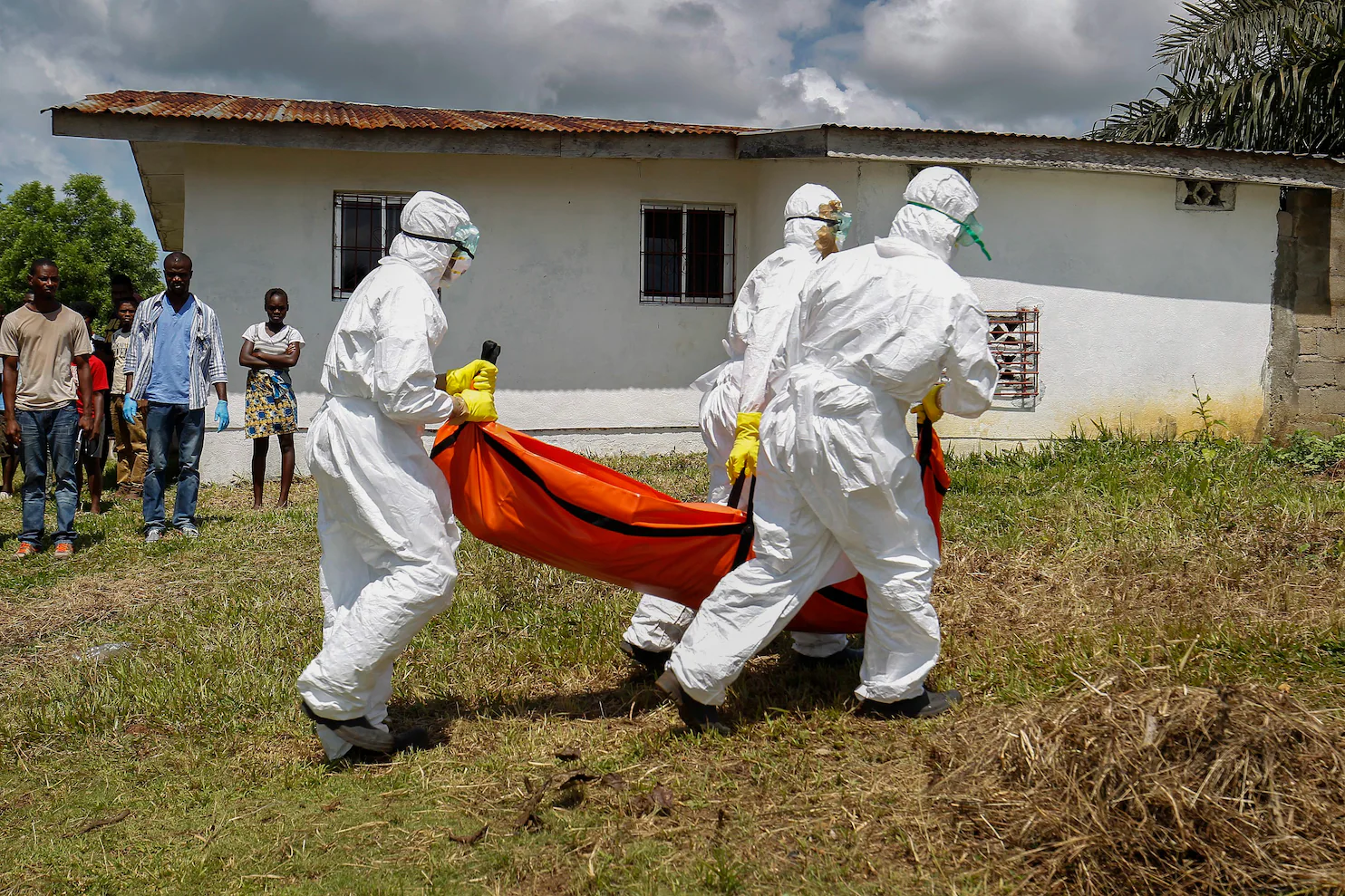
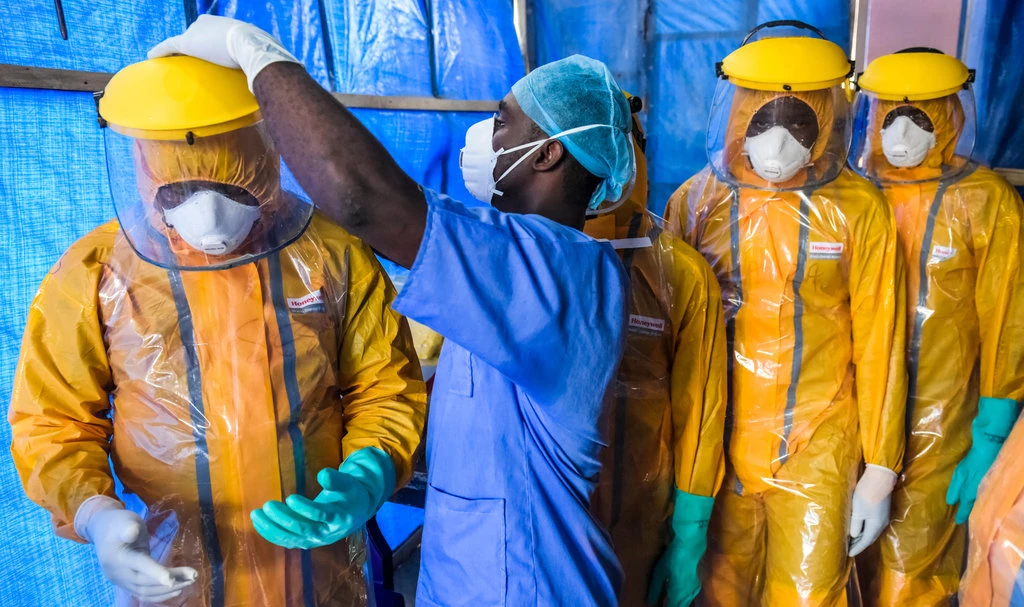
MSF (Médecins Sans Frontières) health staff in protective clothing constructing perimeter for isolation ward.

***Background of the disease Ebola

***The Ebola virus causes an acute, serious illness which is often fatal if untreated. Ebola virus disease (EVD) first appeared in 1976 in 2 simultaneous outbreaks, one in Nzara, Sudan, and the other in Yambuku, Democratic Republic of Congo. The latter occurred in a village near the Ebola River, from which the disease takes its name.

The past current outbreak in West Africa, (first cases notified in March 2014), is the largest and most complex Ebola outbreak since the Ebola virus was first discovered in 1976. There have been more cases and deaths in this outbreak than all others combined. It has also spread between countries starting in Guinea then spreading across land borders to Sierra Leone and Liberia, by air (1 traveller only) to Nigeria, and by land (1 traveller) to Senegal. God willing we do something fast enough with all the medical technology we have in America and fine a way to control it in our own country; we came through in controlling the flu and so many other epidemics.

The most severely affected countries, Guinea, Sierra Leone and Liberia have very weak health systems, lacking human and infrastructural resources, having only recently emerged from long periods of conflict and instability. On August 8, the WHO Director-General declared this outbreak a Public Health Emergency of International Concern. Well the US better do something fast to prevent both me and many others in this home land to keep us safe. By the way I am RN 26 years and this topic Ebola concerns me terribly.

PRESENTLY NOW according to the CDC this is the case with Ebola since this past Monday, “there are about 8,900 cases of Ebola infection worldwide with almost 4,500 deaths as of this week. And, the World Health Organization announced on Monday that we may see 10,000 new cases per week by December. Yes, that headline-making virus has now also made its way to the U.S. But, no, you will still probably not get it. Here’s what we know, and what you need to know about today’s Ebola situation.”

Transmission of Ebola

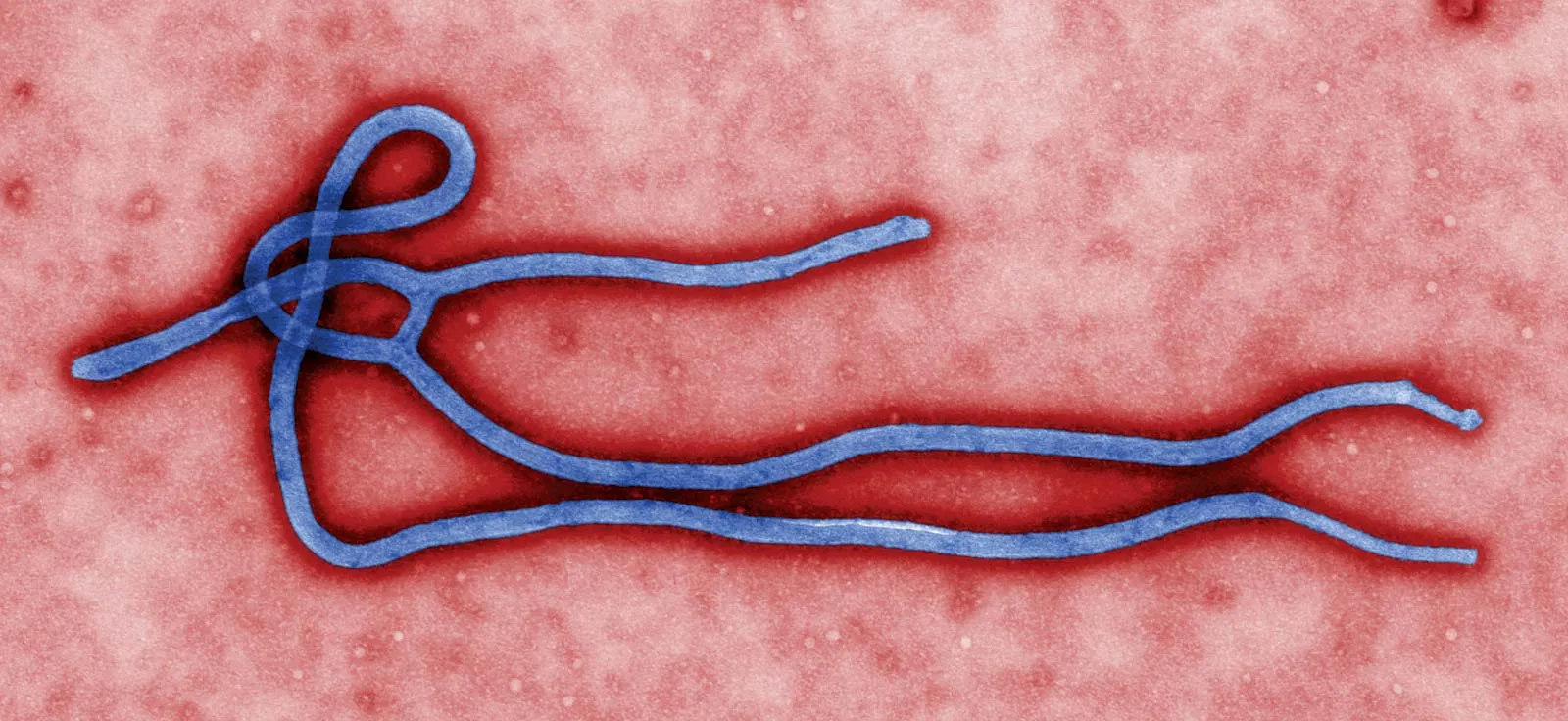
It is thought that fruit bats of the Pteropodidae family are natural Ebola virus hosts. Ebola is introduced into the human population through close contact with the blood, secretions, organs or other bodily fluids of infected animals such as chimpanzees, gorillas, fruit bats, monkeys, forest antelope and porcupines found ill or dead or in the rainforest that picked up this virus.

Ebola then spreads through human-to-human transmission via direct contact (through broken skin or mucous membranes) with the blood, secretions, organs or other bodily fluids of infected people, and with surfaces and materials (e.g. bedding, clothing) contaminated with these fluids.

Health-care workers have frequently been infected while treating patients with suspected or confirmed EVD. This has occurred through close contact with patients when infection control precautions are not strictly practiced or taught to the medical workers through detailed and concise information with written instructions, proper demonstration, with most important follow up by health care worker superiors like managers to nursing education depts.

For further information on this go to my reference http://www.who.int/mediacentre/factsheets/fs103/en/The World Health Organization. *** There is no FDA-approved vaccine available for Ebola, unfortunately but like most after damage occurs in enough quantities (which is the case) in time most diseases come up with one regarding the many over the few diseases we haven’t seem to have invented yet. So the key for this disease right now is PREVENTION of it.

Keep in mind through the CDC we are in the U.S. working on a treatment. Let us take a look.

“Experimental vaccines and treatments for Ebola are under development, but they have not yet been fully tested for safety or effectiveness.

Recovery from Ebola depends on good supportive care and the patient’s immune response. People who recover from Ebola infection develop antibodies that last for at least 10 years, possibly longer. It isn’t known if people who recover are immune for life or if they can become infected with a different species of Ebola. Some people who have recovered from Ebola have developed long-term complications, such as joint and vision problems.”

Here are some tips given by the CDC (Center for Disease Control): If you travel to or are in an area affected by an Ebola outbreak, make sure to do the following:

  • Practice careful hygiene. For example, wash your hands with soap and water or an alcohol-based hand sanitizer and avoid contact with blood and body fluids.
  • Do not handle items that may have come in contact with an infected person’s blood or body fluids (such as clothes, bedding, needles, and medical equipment). In a hospital patients with contaminating diseases through blood, secretions or fluids of the body is when contact isolation is used to prevent the spread of diseases (EX. MRSA, VRE)that can be spread through contact with open wounds, urine, blood, simple secretions of the body (even tears or fluids coming from the eye). Health care workers making contact with a patient on contact isolation are required to wear gloves, a gown, even a mask if one wants (which I without question do for any contact isolation a pt is on for their contaminating disease to prevent spread on me or others). With Ebola it may even go into further restrictions with disease to PREVENT further contamination which is only watching the safety of all citizens and visitors in this country or hopefully this will be carried out in Africa and anywhere else at this point.
  • Avoid funeral or burial rituals that require handling the body of someone who has died from Ebola.
  • Avoid contact with bats and nonhuman primates or blood, fluids, and raw meat prepared from these animals.
  • Avoid hospitals in West Africa where Ebola patients are being treated, if .not needed. The U.S. embassy or consulate is often able to provide advice on facilities.

Lets look at what has happened so far. Thomas Eric Duncan contracted the virus while in West Africa. He then flew on a commercial flight to visit family in the States in late September. On the 26th, he went to Texas Presbyterian Health Hospital with a fever and was sent home with Tylenol and antibiotics. Two days later, Duncan went back to the hospital, and on the 29th he was confirmed to be the first person diagnosed with Ebola on U.S. soil. He died on October 8th. He is one of three confirmed Ebola cases to be diagnosed in the U.S. The other two are nurses who were treating Duncan at the hospital. The first was Nina Pham, who is reportedly in “good condition.” The second, Amber Vinson, took a commercial airline flight back from Cleveland the day before developing a severe fever. While we don’t know if she was contagious on the flight, the CDC says she had a low-grade fever before boarding and it is in the processes of reaching out to other passengers on the flight.   Check out part 2 tomorrow!

QUOTE FOR THURSDAY:

“Heart failure occurs when the heart muscle doesn’t pump blood as well as it should. When this happens, blood often backs up and fluid can build up in the lungs, causing shortness of breath.

Some heart conditions slowly leave the heart too weak or stiff to fill and pump blood properly. These conditions include narrowed arteries in the heart and high blood pressure.

Proper treatment may improve the symptoms of heart failure and may help some people live longer. Lifestyle changes can improve quality of life. Try to lose weight, exercise, use less salt and manage stress.

But heart failure can be life-threatening. People with heart failure may have severe symptoms. Some may need a heart transplant or a device to help the heart pump blood.

Heart failure also may be called congestive heart failure.”

MAYO CLINIC (Heart failure – Symptoms and causes – Mayo Clinic)

QUOTE FOR WEDNESDAY:

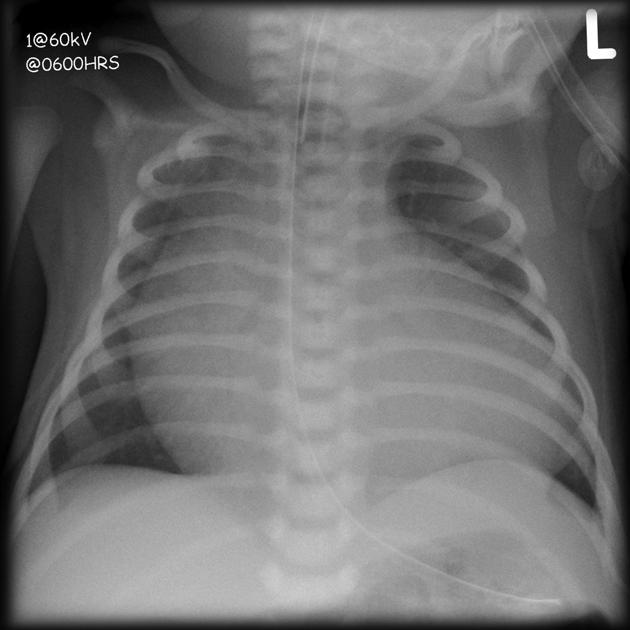
 “WHEREAS, thrombocytopenia-absent radius (TAR) syndrome is a rare genetic condition characterized by the absence of the radius bones in the forearms and low levels of platelets in the blood (thrombocytopenia); and,

WHEREAS, thrombocytopenia prevents normal blood clotting, resulting in easy bruising and frequent nosebleeds, with the potential for life-threatening episodes of severe bleeding in the brain and other organs; and,

WHEREAS, thrombocytopenia usually appears during infancy and becomes less severe over time, with platelet levels often normalizing in later childhood and into adulthood; and,

WHEREAS, the physical findings and severity of TAR syndrome vary among affected individuals and can include skeletal abnormalities of the arms, legs, or hips, as well as heart defects, kidney defects, and difficulty digesting milk.”

State of Michigan (https://www.michigan.gov/whitmer/news/proclamations/2023/04/01/april-2023-thrombocytopenia-a)

TAR Syndrome Month Awareness

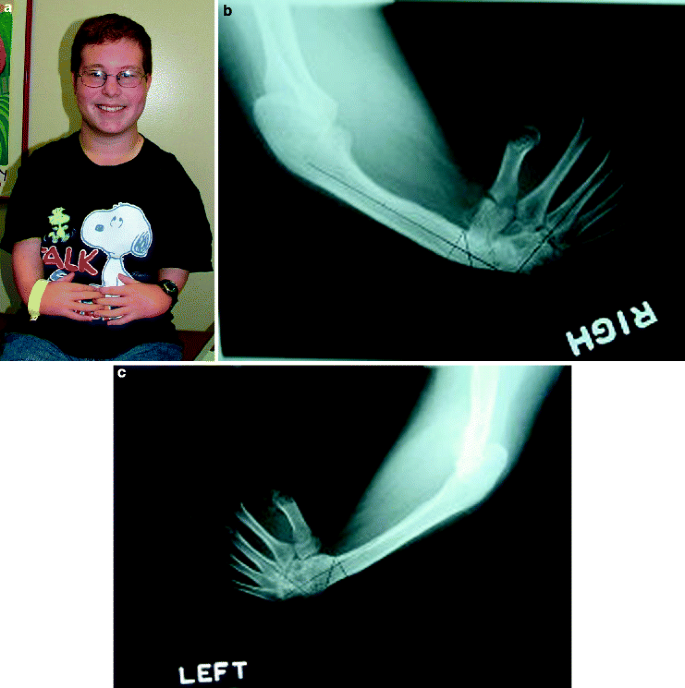
Thrombocytopenia-absent radius (TAR) syndrome is a rare disorder that is present at birth (congenital). It is characterized by low levels of platelets in the blood (thrombocytopenia) and absence (aplasia) of the long, thin bones of the forearms (radii) but with presence of thumbs.

Other abnormalities are often present including additional skeletal defects such as absence or underdevelopment of the other bone of the forearm (ulna), structural malformations of the heart (congenital heart defects) and kidney (renal) defects. Affected individuals may be short for their age (short stature) and have cow’s milk intolerance.

Thrombocytopenia is congenital or develop within the first few weeks to months of life. Usually, platelet counts remain low during the first two years of life; then, they increase but do not normalize. Additional recurrent manifestations include: cardiac anomalies (atrial and/or ventricular septal defect, patent foramen ovale), gastro-intestinal involvement (cow’s milk allergy, increased susceptibility to gastro-enteritis), genitourinary anomalies (kidney agenesis or malrotation, horseshoe kidney, hydronephrosis, pyelectasis). Other rare manifestations include Mayer-Rokitansky-Kuster-Hauser syndrome, rib and vertebral anomalies, Langerhans cell histiocytosis, transient leukemoid reaction, acute myeloid or lymphoblastic leukemia. Cognitive development is usually normal.

The prevalence of thrombocytopenia-absent radius (TAR) syndrome is estimated at around 1/100,000-200,000 people.

Cause of TAR-Thrombocytopenia Absent Radius Syndrome:

TAR syndrome is inherited as an autosomal recessive genetic disorder and caused by deletion and/or variants in the RBM8A gene.

TAR syndrome is caused by compound heterozygosity for a null (most often a 1q21.1 deletion including RBM8A) and a hypomorphic RBM8A allele.  It was demonstrated that Rbm8a is an essential neurogenesis regulator in embryonic cortical development.  Most people with TAR syndrome have a mutation in one copy of the RBM8A gene and a deletion of genetic material from chromosome 1 that includes the other copy of the RBM8A gene in each cell.

Diagnosing TAR-Thrombocytopenia Absent Radius Syndrome:

It has been reported that TAR syndrome can be accompanied by craniofacial, cardiac, digestive, urogenital, and psychiatric abnormalities, as well as by lactose intolerance(4). The diagnosis of TAR syndrome is based on ultrasound findings and fetal blood sampling by cordocentesis to determine the number of platelets.

Suggestive Findings. Thrombocytopenia absent radius (TAR) syndrome should be suspected in individuals with: Bilateral absence of the radii with the presence of both thumbs. Thrombocytopenia, usually <50 platelets/nL (normal range: 150-400 platelets/nL)

Management and Treatment of TAR-Thrombocytopenia Absent Radius Syndrome:

There is no curative treatment for TAR syndrome. Symptomatic treatment of manifestations and prevention of complications include: early detection of thrombocytopenia, prevention of bleeding and hemorrhage, platelet transfusions in case of severe thrombocytopenia, surgical interventions if required to manage cardiac, urinary or skeletal malformations, avoidance of cow’s milk.

Prognosis of TAR-Thrombocytopenia Absent Radius Syndrome:

Prognosis is variable and mainly conditioned by the severity of thrombocytopenia and its complications (intracranial, digestive hemorrhage). Cardiac defects, renal malformations, acute complications of cow’s milk intolerance, acute leukemia can also affect the prognosis.

If a patient survives the initial 2 years of life, life expectancy is normal, MedLinePlus.com states.

Affected children who survive this period and do not have damaging hemorrhages in the brain usually have a normal life expectancy and normal intellectual development. The severity of skeletal problems in TAR syndrome varies among affected individuals.


QUOTE FOR TUESDAY:

“April is National Humor Month! Celebrated from April 1st to the 30th, National Humor Month was first set up in 1976 by Larry Wilde. Wilde is a well-known author and humorist who, according to the National Humor Month website, created National Humor Month in order to “heighten public awareness on how the joy and therapeutic value of laughter can improve health, boost morale, increase communication skills and enrich the quality of one’s life.”

Humor is a wonderful thing and while it varies from person to person the idea of it, finding something that amuses you and allowing yourself to enjoy it, doesn’t change. Indulging in laughter is a great way to enjoy things in life that make you happy and take a break from all the stress out there. Not to mention laughter has many awesome benefits to you, like helping your health. In fact, the use of humor and laughter in a therapeutic sense is also starting to become more widespread. Larry Wilde wrote about this on his website, he said that “[t]he idea of laughing and the use of humor as a tool to lift ailing spirits is growing. Scientific research now indicates that the curative power of laughter and its ability to relieve debilitating stress and burnout may indeed be one of the great medical discoveries of our times.” It has been found that laughter can cause positive, healing reactions in the body, such as; it can reduce stress and pain, strengthen the immune system, help your heart, and help relax and recharge the body.”

Bellevue University – Freeman Lozier Library (Freeman/Lozier Library)

National Humor Month – Laughter, Health and how it helps our lives.


EVER FEELING RUN DOWN?

Try laughing more. Some researchers think laughter just might be the best medicine, helping you feel better and putting that spring back in your step. “I believe that if people can get more laughter in their lives, they are a lot better off,” says Steve Wilson, MA, CSP, a psychologist and laugh therapist. “They might be healthier too.”

Recommended Related to Mind, Body, Spirit How to Get the Life You Want By Kristyn Kusek Lewis’s point of view she says:   You’ve been putting it off forever — that secret dream to start a business, write a book, run a marathon…. Whatever your desire, ignoring it means denying who you really are. And don’t you deserve better? Here, your no-excuses, no-regrets guide to answering the voice in your head that says, “I want more.” Ask yourself: Are you ready to finally tackle the burden or bad habit that’s been dragging you down? You’re many things—maybe a wife and mom, prized employee,… Read the How to Get the Life You Want article > > Yet researchers aren’t sure if it’s actually the act of laughing that makes people feel better. A good sense of humor, a positive attitude, and the support of friends and family might play a role, too.

“The definitive research into the potential health benefits of laughter just hasn’t been done yet,” says Robert R. Provine, professor of psychology and neuroscience at the University of Maryland, Baltimore County and author of Laughter: A Scientific Investigation. But while we don’t know for sure that laughter helps people feel better, it certainly isn’t hurting. Continue reading below…

Laughter Therapy: What Happens When We Laugh? We change physiologically when we laugh. We stretch muscles throughout our face and body, our pulse and blood pressure go up, and we breathe faster, sending more oxygen to our tissues. People who believe in the benefits of laughter say it can be like a mild workout — and may offer some of the same advantages as a workout. “The effects of laughter and exercise are very similar,” says Wilson. “Combining laughter and movement, like waving your arms, is a great way to boost your heart rate.”

One pioneer in laughter research, William Fry, claimed it took ten minutes on a rowing machine for his heart rate to reach the level it would after just one minute of hearty laughter. And laughter appears to burn calories, too.

Maciej Buchowski, a researcher from Vanderbilt University, conducted a small study in which he measured the amount of calories expended in laughing. It turned out that 10-15 minutes of laughter burned 50 calories. While the results are intriguing, don’t be too hasty in ditching that treadmill. One piece of chocolate has about 50 calories; at the rate of 50 calories per hour, losing one pound would require about 12 hours of concentrated laughter!

Laughter’s Effects on the Body In the last few decades, researchers have studied laughter’s effects on the body and turned up some potentially interesting information on how it affects us:

  • Blood flow – Researchers at the University of Maryland studied the effects on blood vessels when people were shown either comedies or dramas. After the screening, the blood vessels of the group who watched the comedy behaved normally — expanding and contracting easily. But the blood vessels in people who watched the drama tended to tense up, restricting blood flow.
  • Immune response – Increased stress is associated with decreased immune system response, says Provine. Some studies have shown that the ability to use humor may raise the level of infection-fighting antibodies in the body and boost the levels of immune cells, as well.
  • Blood sugar levels – One study of 19 people with diabetes looked at the effects of laughter on blood sugar levels. After eating, the group attended a tedious lecture. On the next day, the group ate the same meal and then watched a comedy. After the comedy, the group had lower blood sugar levels than they did after the lecture.
  • Relaxation and sleep – The focus on the benefits of laughter really began with Norman Cousin’s memoir, Anatomy of an Illness. Cousins, who was diagnosed with ankylosing spondylitis, a painful spine condition, found that a diet of comedies, like Marx Brothers films and episodes of Candid Camera, helped him feel better. He said that ten minutes of laughter allowed him two hours of pain-free sleep.
  • Humor is infectious – The sound of roaring laughter is far more contagious than any cough, sniffle, or sneeze. When laughter is shared, it binds people together and increases happiness and intimacy. Laughter also triggers healthy physical changes in the body. Humor and laughter strengthen your immune system, boost your energy, diminish pain, and protect you from the damaging effects of stress. Best of all, this priceless medicine is fun, free, and easy to use.  Laughter is strong medicine for mind and body.
  • Laughter – is a powerful antidote to stress, pain, and conflict. Nothing works faster or more dependably to bring your mind and body back into balance than a good laugh. Humor lightens your burdens, inspires hopes, connects you to others, and keeps you grounded, focused, and alert.  With so much power to heal and renew, the ability to laugh easily and frequently is a tremendous resource for surmounting problems, enhancing your relationships, and supporting both physical and emotional health.
  • Laughter – is good for your health.
  • Laughter – relaxes the whole body. A good, hearty laugh relieves physical tension and stress, leaving your muscles relaxed for up to 45 minutes after.
  • Laughter boosts the immune system – Laughter decreases stress hormones and increases immune cells and infection-fighting antibodies, thus improving your resistance to disease.
  • Laughter triggers the release of endorphins, the body’s natural feel-good chemicals.  Endorphins promote an overall sense of well-being and can even temporarily relieve pain.
  • Laughter protects the heart – Laughter improves the function of blood vessels and increases blood flow, which can help protect you against a heart attack and other cardiovascular problems.

REFERENCES: 1.) Melinda Smith, M.A., and Jeanne Segal, Ph.D. Last updated: April 2014.  HELPGUIDE.ORG 2)  By R. Morgan Griffin   WebMD Feature  Reviewed by Michael W. Smith, MD

QUOTE FOR MONDAY:

Infertility can feel like being dealt a bad hand, where the odds seem stacked against you and the path to building a family is uncertain #ALLinFertility honors the resilience of those facing these challenges while spotlighting the need for inclusivity, understanding, and action.  

Much like a deck of cards, family building holds countless possibilities. Each person’s journey is uniquely their own. There’s no single “right” way to create a family—there are many paths, each with its own set of challenges and rewards. Whether you experience going through fertility treatments, adoption, donor conception, fostering, or living child-free not by choice, we honor every path taken and every story you shared.

Infertility affects people from all backgrounds, identities, and communities. #ALLinFertility ensures that diverse voices and experiences are represented, advocating for equal access to family building care, regardless of ethnicity, gender, sexuality, or socioeconomic status.

national infertility awareness week (About NIAW | Niaw Resolve)

Infertility Week Awareness 4/21-4/27 Know the risk factors, when to go to a doctor and how its treated.

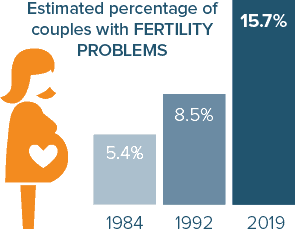
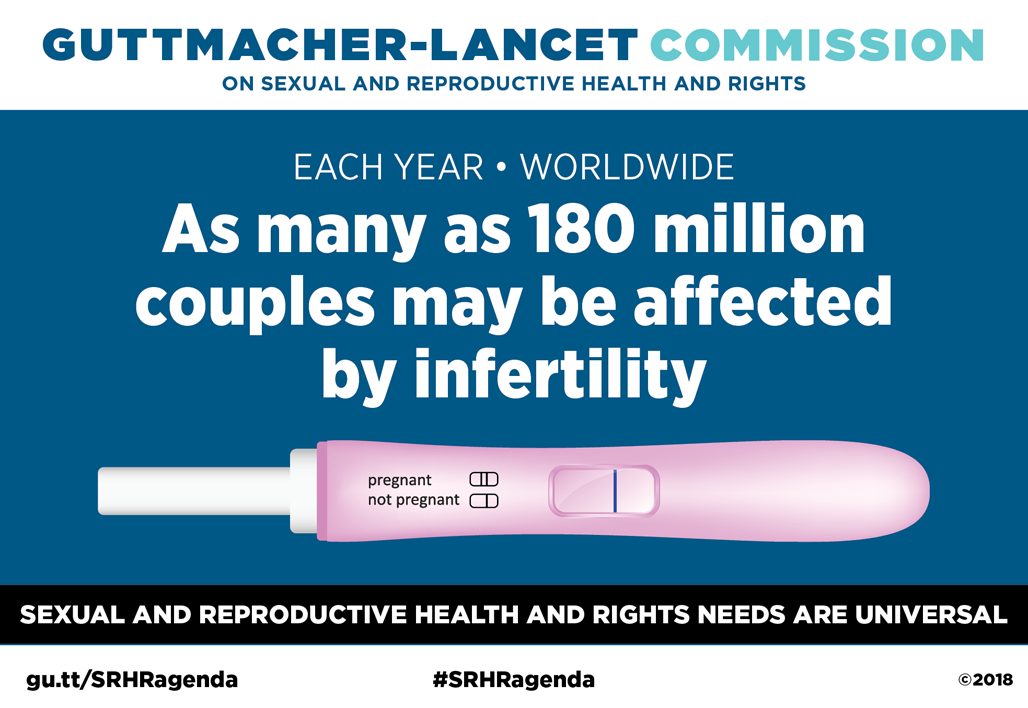
If you and your partner are struggling to have a baby, you’re not alone. In the United States, 10% to 15% of couples are infertile. Infertility is defined as not being able to get pregnant despite having frequent, unprotected sex for at least a year for most couples.

Infertility may result from an issue with either you or your partner, or a combination of factors that prevent pregnancy. Fortunately, there are many safe and effective therapies that significantly improve your chances of getting pregnant.

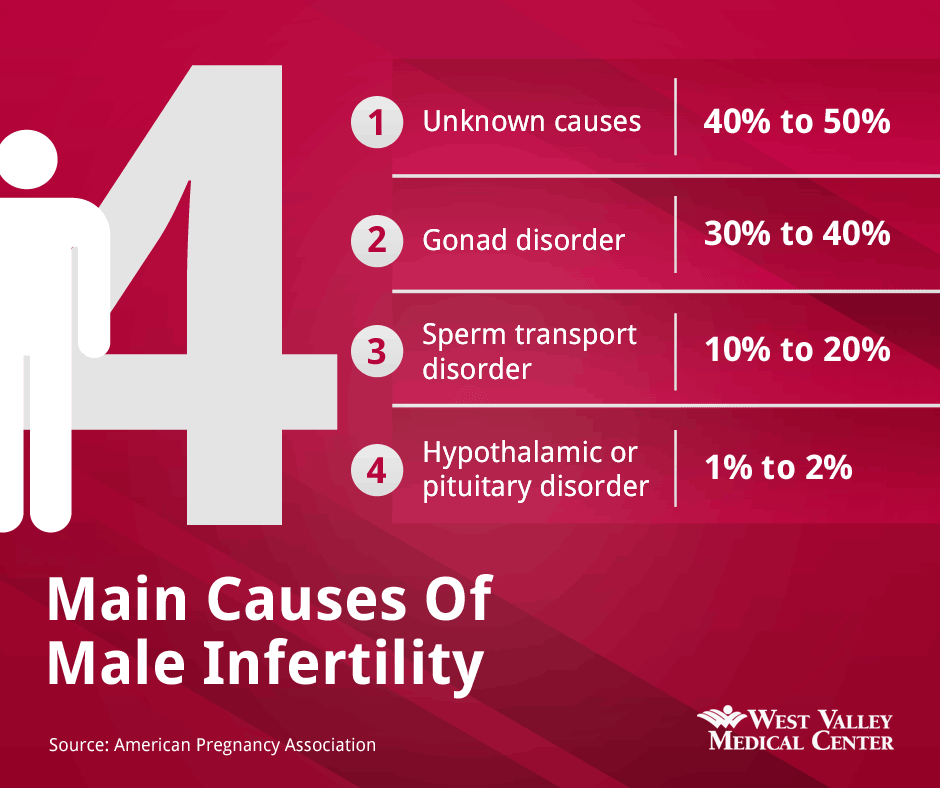
The main symptom of infertility is not getting pregnant. There may be no other obvious symptoms. Sometimes, women with infertility may have irregular or absent menstrual periods. In some cases, men with infertility may have some signs of hormonal problems, such as changes in hair growth or sexual function.

Most couples will eventually conceive, with or without treatment.

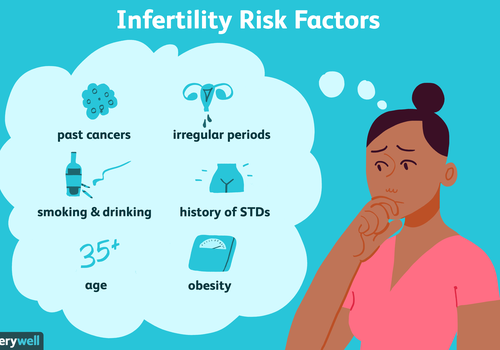
Risk Factors to being prone to this diagnose:

Age. Women’s fertility gradually declines with age, especially in the mid-30s, and it drops rapidly after age 37.

Tobacco use. Smoking tobacco or marijuana by either partner may reduce the likelihood of pregnancy.

Alcohol use. For women, there’s no safe level of alcohol use during conception or pregnancy. Alcohol use may contribute to infertility. With men it can decrease sperm count.

Being overweight. Among American women, an inactive lifestyle and being overweight may increase the risk of infertility. Sperm count for men can be affected by low sperm count.

Being underweight. Women at risk of fertility problems include those with eating disorders, such as anorexia or bulimia.

Exercise issues. A lack of exercise contributes to obesity, which increases the risk of infertility. Less often, ovulation problems may be associated with frequent strenuous, intense exercise in women who are not overweight.

When to take a trip to the doctor:

You probably don’t need to see your health care provider about infertility unless you have been trying regularly to get pregnant for at least one year. Women should talk with a care provider, the earlier the better, but if you haven’t yet go if you are:

  • age 35 or older and have been trying to conceive for six months or longer
  • over age 40
  • having irregular or absent periods or very painful periods
  • with known fertility problems
  • diagnosed with endometriosis or pelvic inflammatory disease
  • have had multiple miscarriages
  • have undergone treatment for cancer
  • have a history of endometriosis
  • have a history of fallopian tube damage or blockage
  • have a history of cancer and its treatment
  • history of pelvic adhesions

Men should talk to a health care provider if they have:

  • A low sperm count or other problems with sperm
  • A history of testicular, prostate or sexual problems
  • Undergone treatment for cancer
  • Small testicles or swelling in the scrotum
  • Others in your family with infertility problems

Know for many infertility can be treated with medicine, surgery, intrauterine insemination, or assisted reproductive technology.  So go to the doctor if you are having problems and they can give you direction.