“Many STDs cause no symptoms in some people, which is one of the reasons experts prefer the term “sexually transmitted infections” to “sexually transmitted diseases.”
MAYO CLINIC
“Eating the right combination of superfoods, such as fresh produce, whole grains, lean protein, and low-fat dairy will give your body the energy it needs, protect you from chronic diseases, and may even whittle your waist. ”
Health.com-This entry was posted on September 4, 2015
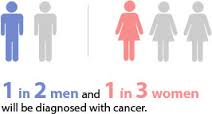
“About half of all men and one-third of all women in the US will develop cancer during their lifetimes. Today, millions of people are living with cancer or have had cancer.
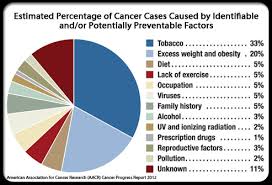
The risk of developing many types of cancer can be reduced by changes in a person’s lifestyle, for example, by staying away from tobacco, limiting time in the sun, being physically active, and eating healthy.”
AMERICAN CANCER SOCIETY
Cancer can be a simple disease or a monster to the body and let us first start reviewing the basics of cancer to understand this sentence.
The body is made up of trillions of living cells. Normal body cells grow, divide to make new cells, and die in an orderly fashion. During the early years of a person’s life, normal cells divide faster to allow the person to grow.
After the person becomes an adult, most cells divide only to replace worn-out or dying cells or to repair injuries.
The pathophysiological responses of a patient with cancer are frequently determined by the size and extent of the tumor and by the presence or absence of metastases.
Cancer starts when cells in a part of the body start to grow out of control. Cancer cell growth is different from normal cell growth. Instead of dying, cancer cells continue to grow and form new, abnormal cells. Cancer cells can also invade (grow into) other tissues, something that normal cells cannot do. Growing out of control and invading other tissues are what makes a cell a cancer cell. Cells become cancer cells because of DNA (deoxyribonucleic acid) damage.
DNA is in every cell and it directs all its actions. In a normal cell, when DNA is damaged the cell either repairs the damage or the cell dies. In cancer cells, the damaged DNA is not repaired, but the cell doesn’t die like it should. Instead, the cell goes on making new cells that the body doesn’t need. These new cells all have the same damaged DNA as the first abnormal cell does=cancer cells.
The normal cells of a human body=Our red blood cells (our iron and cells that provide nutrition to our tissues by feeding oxygen to all our tissues), our white blood cells (fight infection off our body-part of immunity system), and our platelets (controls our clotting of the blood) all are taken over by the cancer cells especially if the cancer is primarily in the bone or metastasized to the bone since this organ in the human body produces all our blood cells in the bone marrow and the cancer in that causes the bone marrow to make cancer cells which is hard to cure especially if your cancer in the bone is at grade 3 or 4. If a patient’s cancer is grade 1 or 2 its much easier to treat to possible completely cure.
Again cancer can be a simple disease or a monster.
People can inherit abnormal DNA (it’s passed on from their parents), but most often the DNA damage is caused by mistakes that happen while the normal cell is reproducing or by something in the environment. Sometimes the cause of the DNA damage may be something obvious like cigarette smoking or sun exposure. But it’s rare to know exactly what caused any one person’s cancer. In most cases, the cancer cells form a tumor.
Some cancers, like leukemia, rarely form tumors. Instead, these cancer cells involve the blood and blood-forming organs and circulate through other tissues where they grow. Neoplasms or “new growths” are relatively autonomous (independent). This means that the growth and its behavior are more or less independent of the host (the normal body functions).
Neoplasms have been defined as benign or malignant; cancer is a common synonym used to refer to a malignant neoplasm. The difference between a benign and malignant neoplasm depends on its behavior in the host. Now if the neoplasm stays localized, enlarges slowly, is homogeneous in appearance, and can be resected or removed, then it is benign.
On the other hand, if the neoplasm spreads or metastasizes to other areas of the body, infiltrates and causes the destruction of normal tissue, left untreated, will kill the host, then the neoplasm is considered malignant (it takes over in the body).
If a large tumor is occupying the oral cavity, then the patients will have problems with ingestion that might lead to an altered immune-responsiveness.
If the tumor is in the large colon, then obstruction of the lumen, changes in bowel habits, and GI bleeding can occur.
In addition, if tumors are large they often outgrow the blood supply, which leads to necrosis and bleeding.
However, all the above changes are relatively late signs; the tumor would be quite large for a patient to exhibit these effects. Most small tumors are painless and symptomless.
In one sense this is unfortunate. If small tumors were painful, perhaps more patients would seek earlier treatment and tumors could be treated more successful being diagnosed before they are large.
Sciatica most commonly occurs when a herniated disk, bone spur on the spine or narrowing of the spine (spinal stenosis) compresses part of the nerve.
Mayo Clinic
It is the life of the crystal, the architect of the flake, the fire of the frost, the soul of the sunbeam. This crisp winter air is full of it.
~John Burroughs, “Winter Sunshine”. (April 3, 1837 – March 29, 1921) was an American naturalist and nature essayist, active in the U.S. conservation movement.
“If you suspect that someone has had a brain injury, the first step is to talk with the person, share your observations, and encourage the person to get help. The next step is for the person to share a medical, family and military history with the physician.”
Harvey E. Jacobs, Ph.D. and Flora Hammond, M.D
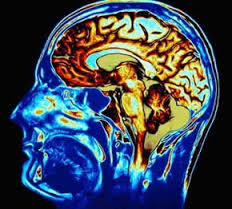
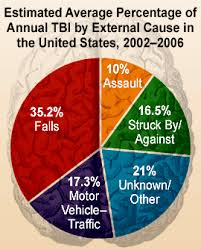
A Brain Injury is damage to the brain that results in a loss of function such as mobility or feeling.
There are several different types of brain injuries. A mild injury may cause temporary symptoms while a severe injury could require years of rehabilitation.
The two most common types of brain trauma injuries: 1. traumatic brain injuries 2. acquired brain injuries.
1-Traumatic brain injury occurs from external force on the head or neck. These injuries can occur from blows to the head or aggressive twisting of the neck. Some ways this could happen include falls, motor vehicle accidents, sports, and vigorous shaking. In infants, Shaken Baby Syndrome is a type of traumatic brain injury.
Traumatic Brain Injuries can result from a closed head injury or a penetrating head injury.
*Closed Injury: A closed injury occurs when the head suddenly and violently hits an object but the object does not break through the skull.
*Penetrating Injury: A penetrating injury occurs when an object pierces the skull and enters brain tissue. As the first line of defense, the skull is particularly vulnerable to injury. Skull fractures occur when the bone of the skull cracks or breaks. A depressed skull fracture occurs when pieces of the broken skull press into the tissue of the brain. A penetrating skull fracture occurs when something pierces the skull, such as a bullet, leaving a distinct and localized injury to brain tissue. Skull fractures can cause cerebral contusion. Brain trauma occurs when a person has an injury to the brain, and can be mild or severe.
2-An acquired brain injury means simply you got this injury after you were born and it was caused by a condition or illness after birth. This type of injury can result from several different causes like strokes, toxic poisoning or brain tumors. Degenerative diseases and lack of oxygen may also cause this type of brain trauma.
Here are some examples of acquired brain injuries:
*Bleeding in the brain which can lead to brain injury. Blood Vessels in the brain can rupture resulting in an intra-cerebral hemorrhage (one of the causes of a stroke). Symptoms may include headaches, loss of vision, weakness to one side of the body and eye pain to even garbled speech.
*Anoxia– This is another insult to the brain that can cause injury. Anoxia is a condition in which there is an absence of oxygen supply to an organ’s tissues, even if there is adequate blood flow to the tissue. Common causes of anoxia are near drowning, choking, suffocation, strangulation, heart attacks, lung damage, or very low blood pressure.
*Hypoxia: Hypoxia refers to a decrease in oxygen supply rather than a complete absence of oxygen, and ischemia is inadequate blood supply, as is seen in cases in which the brain swells. In any of these cases, without adequate oxygen, a biochemical cascade called the ischemic cascade is unleashed, and the cells of the brain can die within several minutes. This type of injury is often seen in near-drowning victims, in heart attack patients, or in people who suffer significant blood loss from other injuries that decrease blood flow to the brain.
*Toxemia, which is poisoning from chemical or biological factors that can damage the brain. Toxemia can be caused by drugs, chemicals, gases or even toxic foods.
*Viruses and bacteria. An infection of the brain can be very damaging like:
*Meningitis is a inflammation of the lining around the brain or spinal cord, usually due to infection; Neck stiffness, headache, fever, and confusion are common symptoms.
*Encephalitis (en-sef-uh-LIE-tis) is inflammation of the brain. Viral infections are the most common cause of the condition. Encephalitis can cause flu-like symptoms, such as a fever or severe headache. It can also cause confused thinking, seizures, or problems with senses or movement..
*HIV can lead to brain injury. HIV, can affect the brain in different ways. Here are types of HIV brain injuries:
-1:HIV-meningoencephalitis is infection of the brain and the lining of the brain by the HIV virus. It occurs shortly after the person is first infected with HIV and may cause headache, neck stiffness, drowsiness, confusion and/or seizures. –2:HIV-encephalopathy (HIV-associated dementia) is the result of damage to the brain by longstanding HIV infection. It is a form of dementia and occurs in advanced HIV infection. -3:Mild Neurocognitive Disorder is problems with thinking and memory in HIV, however is not as severe as HIV-encephalopathy. Unlike HIV-encephalopathy it can occur early in HIV infection and is not a feature of Aquired Immune Deficiency Syndrome – AIDS. *Lastly , Herpes. There are two types of herpes simplex virus (HSV). Either type can cause encephalitis.
HSV type 1 (HSV-1) is usually responsible for cold sores or fever blisters around your mouth.
HSV type 2 (HSV-2) commonly causes genital herpes. Encephalitis caused by HSV-1 is rare, but it has the potential to cause significant brain damage or death.
*Other herpes viruses. Other herpes viruses that may cause encephalitis include the Epstein-Barr virus, which commonly causes infectious mononucleosis, and the varicella-zoster virus, which commonly causes chickenpox and shingles.
*Viral infections due to blood sucking insects like mosquitoes and ticks to animals with rabies a rapid progression to encephalitis once symptoms begin. Rabies is a rare cause of encephalitis in the U.S.
When a person sustains trauma to the brain, he or she may lose motor functions along with cognitive and physical abilities. Physicians use the Glasgow Coma Scale to determine the extent of brain trauma. This is a neurological scale that measures the level of a person’s consciousness. The Rancho Los Amigos Scale is used to monitor the recovery of the brain.
When a person is diagnosed with a brain trauma, doctors will decide if rehabilitation is needed. Rehabilitation programs may vary depending on the type of brain injury and estimated recovery time. Treatment usually consists of physical therapy and daily activities. In extreme cases, patients may need to learn how to read and write again.
Therapy for brain trauma typically takes place on an outpatient basis or through an assisted living facility. Therapy may last several weeks, months or even years, and sometimes the patient is not able to make a full recovery.
It may not always be obvious when a person has sustained a brain injury. The patient may have hit his or her head and not have symptoms until a few hours later. Some signs of a possible brain injury are headaches, confusion and loss of memory. If brain trauma is not treated, it could cause permanent damage or death.
Brain injuries can affect the patient and the patient’s family, with emotional and financial hardship. When problems arise with treatment or financial issues, a brain injury lawyer or specialist may need to intervene.
Folate, one of the B-group of vitamins, is needed for many important processes inside your body, including making red blood cells. If you have less folate than you need, your body won’t make as many red blood cells, and the red blood cells that are produced will be abnormally large in size and won’t last as long as they should.
Anemia occurs when there are too few red blood cells or not enough hemoglobin in the blood. Folate-deficiency anemia is a type of anemia that’s caused when there isn’t enough folate in the body.
MAYO CLINIC
“I basically walked around with a goiter for four years because I was so afraid of surgery.”
Jennifer Grey (born March 26, 1960 an American Actress).