“Auto-brewery syndrome (ABS) is a rare condition that causes alcohol intoxication in people who haven’t consumed any alcohol. It’s also known as gut fermentation syndrome (GFS). It happens when microbes in your intestines ferment the sugars that you eat to produce ethanol — just like a brewery in your gut.”
Archives
Auto Brewery Syndrome-What it is, the causes, the symptoms and how its diagnosed!
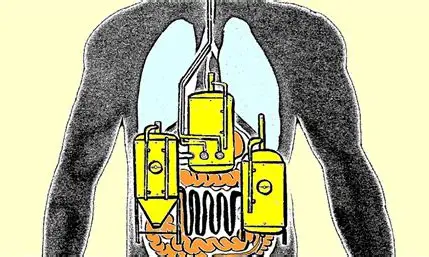
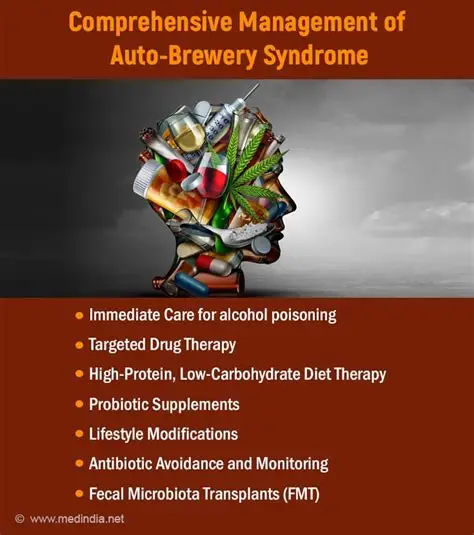

Auto brewery syndrome is a rare condition in which your body turns sugary and starchy foods into alcohol. This can cause symptoms as if you were drunk, even if you haven’t had any alcohol.
Auto-brewery syndrome or gut fermentation syndrome is a condition in which ethanol is produced through endogenous fermentation by fungi or bacteria in the gastrointestinal system, oral cavity, or urinary system. Patients with auto-brewery syndrome present with many of the signs and symptoms of alcohol intoxication while denying an intake of alcohol and often report a high-sugar, high-carbohydrate diet.
The production of endogenous ethanol occurs in minute quantities as part of normal digestion, but when fermenting yeast or bacteria become pathogenic, extreme blood alcohol levels may result. Auto-brewery syndrome is more prevalent in patients with co-morbidities such as diabetes, obesity, and Crohn disease but can occur in otherwise healthy individuals. Several strains of fermenting yeasts and rare bacteria are identified as pathogens. While auto-brewery syndrome is rarely diagnosed, it is probably underdiagnosed. Even rarer are two cases of auto-brewery syndrome identified, one in the oral cavity and one in the urinary bladder.
ETIOLOGY:
Various yeasts from the Candida and Saccharomyces families are commensals turned pathogenic that cause auto-brewery syndrome. Several strains of bacteria are also known to ferment ethanol.
-
Fermenting yeasts such as Saccharomyces cerevisiae, S. boulardii, and various strains of Candida, including C. glabrata, C. albicans, C. kefyr, and C. parapsilosis are identified as causes of this condition.
-
The bacteria Klebsiella pneumonia, Enterococcus faecium, E. faecalis, and Citrobacter freundii are implicated in at least one case each.
-
Existing conditions, such as diabetes or liver problems, can impact the diagnosis of ABS. Patients with type 2 diabetes mellitus (DM) or liver cirrhosis (LC) tested higher for endogenous ethanol (EnEth) levels than a control group without the disease. But the EnEth levels peaked highest in a group of patients with both type 2 DM and LC, where the blood alcohol concentration reached 22.3 mg/dL.
-
Four common yeasts (Candida albicans, Candida tropicalis, Saccharomyces cerevisiae, and Torulopsis glabrata) were combined with infant formulas. Ethanol production was measured after 24 and 48 hours. The quantities of ethanol produced suggest an explanation for patients exhibiting auto-brewery syndrome.
-
Bacterial production of EnEth is involved in the development of non-alcoholic fatty liver disease (NAFLD). Higher levels of EnEth are also detected in obese patients and those with non-alcoholic steatohepatitis (NASH).
SYMPTOMS:
Auto brewery syndrome can make you:
- drunk without drinking any alcohol
- very drunk after only drinking a small amount of alcohol (such as two beers)
Symptoms and side effects are similar to when you are slightly drunk or when you have a hangover from drinking too much:
- red or flushed skin
- dizziness
- disorientation
- headache pain
- nausea and vomiting
- dehydration
- dry mouth
- burping or belching
- fatigue
- memory and concentration problems
- mood changes
Auto brewery syndrome can also lead to or worsen other health conditions such as:
- chronic fatigue syndrome
- irritable bowel syndrome
- depression and anxiety
How does someone get this syndrome?
Adults and children can have auto brewery syndrome. Signs and symptoms are similar in both. Auto brewery syndrome is usually a complication of another disease, imbalance, or infection in the body.
You can’t be born with this rare syndrome. However, you may be born with or get another condition that triggers auto brewery syndrome. For example, in adults, too much yeast in the gut may be caused by Crohn’s disease. This can set off auto brewery syndrome.
In some people liver problems may cause auto brewery syndrome. In these cases, the liver isn’t able to clear out alcohol fast enough. Even a small amount of alcohol made by gut yeast leads to symptoms.
Toddlers and children with a condition called short bowel syndrome have a higher chance of getting auto brewery syndrome. A medical case reported that a 3-year-old girl Trusted Source with short bowel syndrome would get “drunk” after drinking fruit juice, which is naturally high in carbohydrates.
Other reasons you may have too much yeast in your body include:
- poor nutrition
- antibiotics
- inflammatory bowel disease
- diabetes
- low immune system
How its diagnosed:
There are no specific tests to diagnose auto brewery syndrome. This condition is still newly discovered and more research is needed. Symptoms alone are typically not enough for a diagnosis.
Your doctor will likely do a stool test to find out if you have too much yeast in your gut. This involves sending a tiny sample of a bowel movement to a lab to be tested. Another test that might be used by some doctors is the glucose challenge.
In the glucose challenge test, you’ll be given a glucose (sugar) capsule. You won’t be allowed to eat or drink anything else for a few hours before and after the test. After about an hour, your doctor will check your blood alcohol level. If you don’t have auto brewery syndrome your blood alcohol level will be zero. If you have auto brewery disease your blood alcohol level may range from 1.0 to 7.0 milligrams per deciliter.
If you suspect you have this auto brewery syndrome, you might try a similar test at home, though you shouldn’t use it to self-diagnose. Eat something sugary, like a cookie, on an empty stomach. After an hour use an at-home breathalyzer to see if your blood alcohol level has risen. Write down any symptoms.
This home test may not work because you may not have noticeable symptoms. At-home breathalyzers may also not be as accurate as the ones used by doctors and law enforcement. Regardless of what you observe, see a doctor for a diagnosis.
QUOTE FOR THE WEEKEND:
“Legionnaires’ disease is a severe case of pneumonia – an inflammation in the lungs caused by a bacterium called legionella.
Legionnaires’ disease is caused by the waterborne Legionella bacteria, named after the 1976 outbreak involving a Philadelphia convention of the American Legion. During the event, many veterans and some attendees developed a severe, previously unrecognized form of pneumonia that became known as Legionnaires’ disease.
Up to 18,000 people are hospitalized with Legionnaires’ disease annually in the U.S. with outbreaks most common between June and October.
About 1 in 10 people who get sick from being infected by Legionella will die. Awareness and early treatment are vital to help people fully recover from this disease.”
Alliance to Prevent Legionnaires Disease (Awareness – Prevent Legionnaires)
Part I Legionnaires/Pontiac Fever- What is this illness, the symptoms, & who is at increased risk?
Legionnaires’ disease is a severe form of pneumonia — lung inflammation usually caused by infection. Legionnaires’ disease is caused by a bacterium known as legionella.
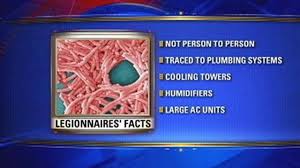
Legionella bacteria are found naturally in freshwater environments, like lakes and streams. The bacteria can become a health concern when they grow and spread in human-made building water systems like
- Showerheads and sink faucets
- Cooling towers (structures that contain water and a fan as part of centralized air cooling systems for buildings or industrial processes)
- Hot tubs
- Decorative fountains and water features
- Hot water tanks and heaters
- Large, complex plumbing systems
Home and car air-conditioning units do not use water to cool the air, so they are not a risk for Legionella growth.
However, Legionella can grow in the windshield wiper fluid tank of a vehicle (such as a car, truck, van, school bus, or taxi), particularly if the tank is filled with water and not genuine windshield cleaner fluid.
You can’t catch Legionnaires’ disease from person-to-person contact. Instead, most people get Legionnaires’ disease from inhaling the bacteria. Older adults, smokers and people with weakened immune systems are particularly susceptible to Legionnaires’ disease.
The legionella bacterium also causes Pontiac fever, a milder illness resembling the flu. Separately or together, the two illnesses are sometimes called legionellosis. Pontiac fever usually clears on its own, but untreated Legionnaires’ disease can be fatal. Although prompt treatment with antibiotics usually cures Legionnaires’ disease, some people continue to experience problems after treatment.
Know this about Legionnaire’s disease, although the disease primarily affects the lungs, it occasionally can cause infections in wounds and in other parts of the body, including the heart.
Legionnaires’ disease usually develops two to 10 days after exposure to legionella bacteria. It frequently begins with the following signs and symptoms:
- Headache
- Muscle pain
- Chills
- Fever that may be 104 F (40 C) or higher
- By the second or third day, you’ll develop other signs and symptoms that may include:
- Cough, which may bring up mucus and sometimes blood
- Shortness of breath
- Chest pain
- Gastrointestinal symptoms, such as nausea, vomiting and diarrhea
- Confusion or other mental changesA mild form of Legionnaires’ disease — known as Pontiac fever — may produce signs and symptoms including fever, chills, headache and muscle aches. Pontiac fever doesn’t infect your lungs, and symptoms usually clear within two to five days.WHEN TO SEE A DOCTOR:
Who are at risk for Legionnaires’ disease:
Most healthy people exposed to Legionella do not get sick. People at increased risk of getting sick are:
- People 50 years or older
- Current or former smokers
- People with a chronic lung disease (like chronic obstructive pulmonary disease or emphysema)
- People with weak immune systems or who take drugs that weaken the immune system (like after a transplant operation or chemotherapy)
- People with cancer
- People with underlying illnesses such as diabetes, kidney failure, or liver failure
See your doctor if you think you’ve been exposed to legionella bacteria. Diagnosing and treating Legionnaires’ disease as soon as possible can help shorten the recovery period and prevent serious complications. For people at high risk, prompt treatment is critical.
updated 11/21/2023 by strive for good health.
QUOTE FOR FRIDAY:
“The American Cancer Society’s estimates for soft tissue sarcomas in the United States for 2025 are:
- About 13,520 new soft tissue sarcomas will be diagnosed (7,600 in males and 5920 in females).
- About 5,420 people (2,960 males and 2,450 females) are expected to die of soft tissue sarcomas.
These statistics include both adults and children.”
Key Statistics for Soft Tissue Sarcomas | American Cancer Society
Part II Sarcoma Awareness Month – Learn the symptoms, how its diagnosed, and the treatment!!
Soft tissue sarcoma symptoms:
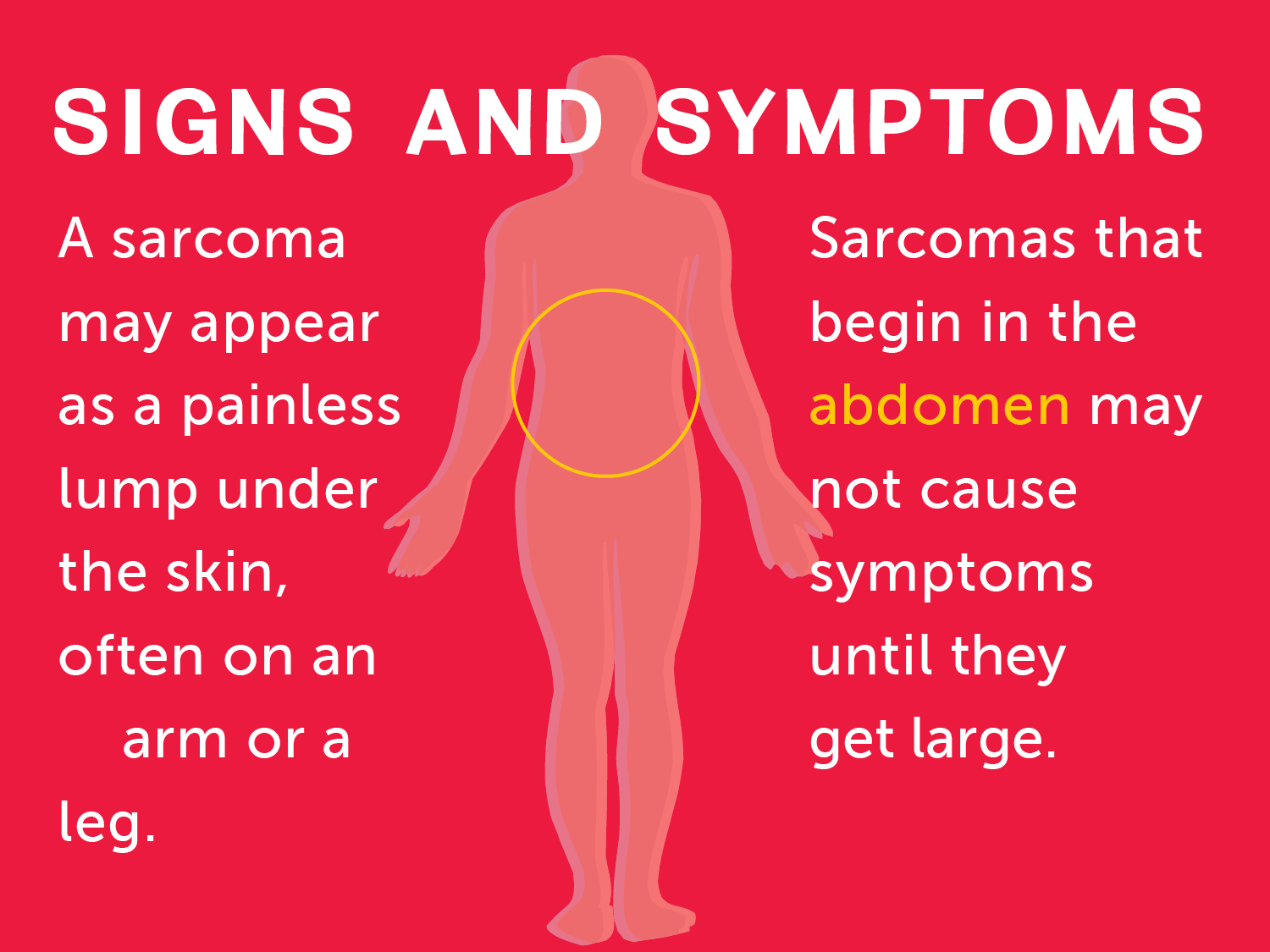
Like many forms of cancer, soft tissue sarcoma symptoms may appear at a more advanced stage of the disease, or you might not notice any symptoms at all. Symptoms, if they are present, will also vary depending on the type of sarcoma and its location.
Signs of soft tissue sarcoma include:
A lump or mass is the most common soft tissue sarcoma sign. The lump will form in the area in which the tumor is growing, and it may be accompanied by some pain if it is pressing on a nerve or muscle. Even if the lump isn’t painful, if it continues to grow, or if it is located deep within an extremity or body cavity, consult your doctor.
Uncomfortable swelling is another sign of soft tissue sarcoma, especially when it is located in the arms and legs.
Limited mobility may be a symptom of soft tissue sarcoma. Some tumors can restrict motion, such as those found in the hip, knee, shoulder or hands.
Skin lesions can occur when a sarcoma tumor breaks through the skin.
Other symptoms may be signs of soft tissue sarcoma, because a sarcoma tumor can form almost anywhere in the body and can therefore affect a variety of organs. For example, sarcomas in the abdomen may cause abdominal pain, vomiting or constipation, while sarcomas in the uterus may cause vaginal bleeding and/or abdominal pain. With gastrointestinal stromal tumors (GISTs), you may feel full after eating only very small meals, or you may vomit blood or have dark bowel movements.
Diagnosing Sarcoma:
If your doctor thinks you may have a sarcoma, you’ll probably need a full exam and tests, including: A sample of cells from the tumor, called a biopsy. A plain x-ray to imaging tests, such as a CT scan, an ultrasound, an MRI, a PET (Positron Emission Tomography) to help see inside your body. A bone scan, if you might have osteosarcoma. Also a biopsy-several types of biopsies are used to diagnose sarcomas..
Treatment of Soft Tissue Sarcoma:
Surgery is typically the primary treatment for soft-tissue sarcoma, used to remove tumors. Chemotherapy, radiation therapy and/or targeted therapy may also be recommended, either alone or in combination with surgery, depending on the stage and extent of the disease, along with other factors.
Surgery
The goal of surgery is to locate and completely remove the soft tissue sarcoma tumor. Our pathologists then examine the tumor to determine whether or not additional treatment is necessary, and to reduce the risk of recurrence.
Chemotherapy
Chemotherapy may be used in combination with surgery and radiation therapy to treat advanced-stage soft tissue sarcoma. Chemotherapy drugs work to either destroy cancer cells or impede their ability to grow and reproduce.
At our hospitals, we are developing innovative therapies personalized to the care of each soft tissue sarcoma patient. Our medical oncologists work closely with soft tissue sarcoma patients to determine if chemotherapy is an appropriate treatment option. Throughout your soft tissue sarcoma treatment, your care team continually monitors the effect of chemotherapy on the disease, with physical exams, blood tests, CT scans, MRI scans and chest X-rays and imaging.
Radiation therapy
Depending on the type of soft tissue sarcoma you have and the extent of the disease, your soft tissue sarcoma treatment plan may include radiation therapy. Though surgery is usually the main treatment approach for soft tissue sarcoma, radiation treatments may also be used before (neoadjuvant therapy) or following surgery (adjuvant therapy).
Targeted therapy
Unlike standard chemotherapy drugs, which may affect all cells in the body, targeted therapy drugs are designed to seek out and kill specific cancer cells while sparing surrounding healthy cells. Targeted cancer therapies may be used alone, in combination with other targeted therapy treatments or with other soft tissue sarcoma treatments, such as chemotherapy, radiation therapy and surgery. Among the drugs used in targeted therapy are so-called kinase inhibitors, which target specific protein receptors that help regulate cell growth.
QUOTE FOR THURSDAY:
“Carcinoma is one of the five main types of cancer.
Carcinomas are the kind you hear about the most. When people say they have skin cancer, prostate cancer, breast cancer, lung cancer and so on, those are all carcinomas.
“Carcinomas are the most common type of cancer. They’re the ones most people immediately think of,” Dr. Shepard says.
That’s because 80% of cancer diagnoses are carcinomas.
Carcinomas are cancers that develop in your epithelial cells. Those are the cells at the outermost layer of the surfaces inside and outside your body. They’re the cells that surround your skin, as well as your organs and glands.”
Cleveland Clinic (The Difference Between Carcinoma and Sarcoma)
Part I Sarcoma Awareness Month-What sarcoma is and the causes!
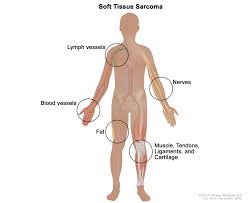
What is Sarcoma?
Sarcoma is a rare but deadly form of cancer affecting connective tissues such as fat, muscle, blood vessels, nerve, bone, deep skin and cartilage. There are roughly 15,000 new cases in the United States each year, with a very low median age of 36 (for bone sarcomas). Survival rates are low, even in comparison to other rare cancers. Rhabdomyosarcoma, a relatively common sarcoma, has a five-year survival rate of 65%, even if caught before metastasis. If caught after metastasis, the five-year survival rate lowers to approximately 30%. This is all to say that while sarcomas are rare, they are extremely devastating.
Sarcomas are a diverse and sporadic group of tumors that have minimal hereditary influence. They are generally classified into two major groups; the group of tumor-specific reoccurring genetic mutations via specific and aberrant chromosome translocation, and the group of non-reoccurring mutations which are based on severe genetic and chromosomal instability. Both groups have altered cell growth-factor signaling pathways. As a result, the introduction of drugs which can normalize growth-factor receptors and proteins are of great interest and the primary treatment given. With improvements in these drugs, it is believed that sarcoma can move from a deadly disease to a chronic but non-life-threatening disease.
Unfortunately, the specificity of the first group of sarcomas, where specific chromosomes are improperly translocated, can often permit the sarcoma to prevail after standard treatment. This is obviously problematic but, if overcome, could spark the development of a whole new field of cancer treatment. In other words, if scientists can discover how to isolate and guide specific chromosomal arrangement, they will able to address many of the hard to treat cancers of today.
With genetic engineering it is theoretically possible to prevent cancer before it begins. However, even without moving this far into the future, the improper chromosomal translocation can provide a sort of name-tagging of the cancer cell. With the cancer cells identified, it can guide modalities aimed at destroying diseased tissue while sparing healthy tissue.
Sarcoma is an under-researched cancer whose research can help to elevate cancer treatment, as a whole. Not only would breakthroughs save the lives of countless children, it could also advance medicine, as a whole. By bringing awareness to sarcoma and the potential development its research can spark, this potential can become a reality.
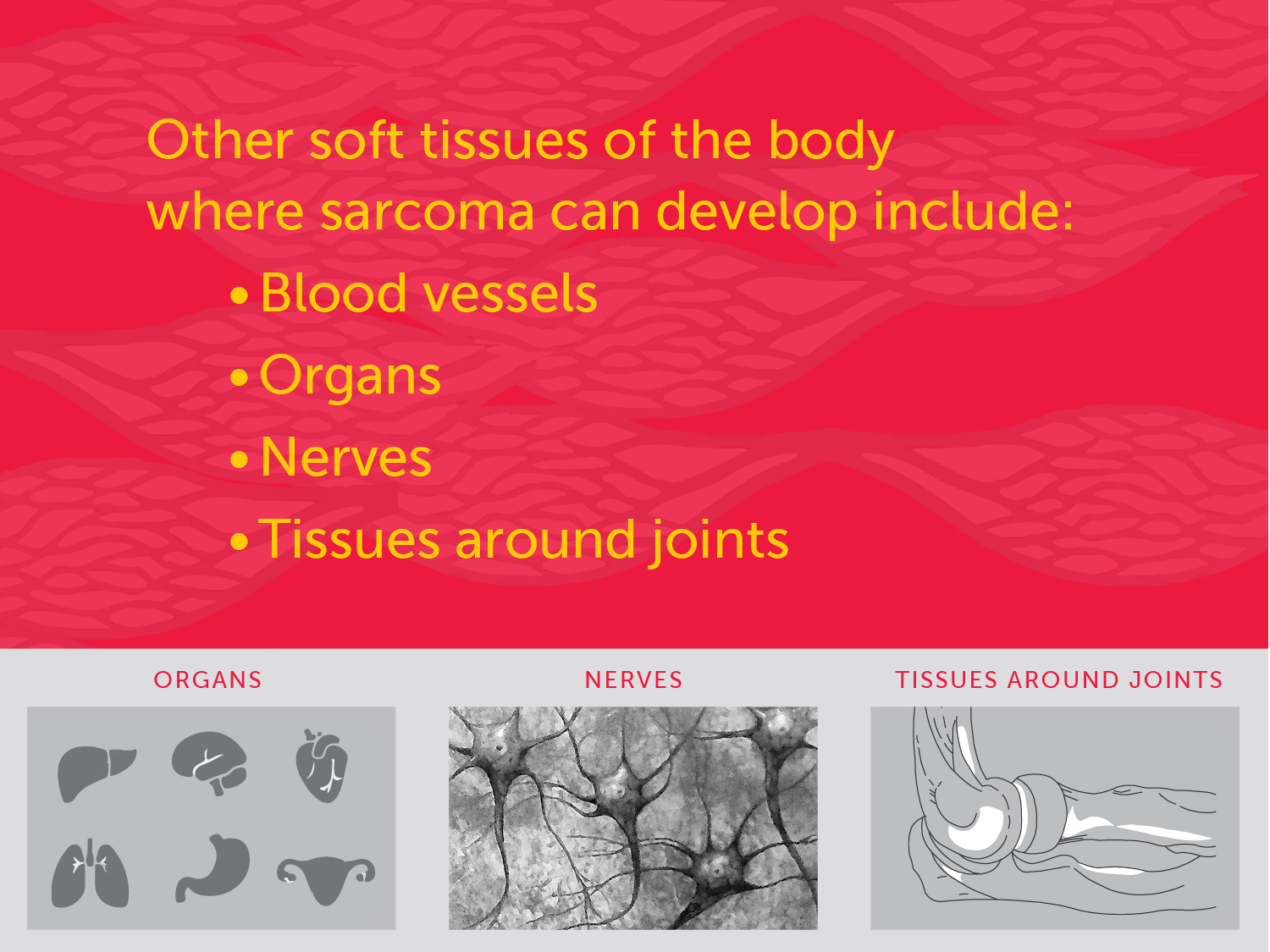
Soft tissue sarcomas may develop in any tissue that connects, supports or surrounds other structures and organs in the body. Some examples of where soft tissues sarcomas can develop are muscles, fascia (the tough membrane that surrounds muscles), tendons, fat, blood vessels, nerves and synovial tissues (connective tissue that makes up the membranes surrounding joints).
Soft tissue sarcomas are rare in adults, accounting for less than 1 percent of all new cases of cancer. The American Cancer Society reports that about 12,750 new cases of soft tissue sarcoma will be diagnosed in 2019 (7,240 cases in males and 5,510 cases in females). Sarcomas can be found almost anywhere in the body.
According to the National Cancer Institute, about 50 percent of soft tissue sarcoma cases occur in the extremities (arms and legs), 40 percent occur in the trunk (back and chest), and 10 percent occur in the head and neck.
Causes of Sarcoma:
The American Cancer Society states the following on causes of Sarcoma:
“Scientists don’t know exactly what causes most soft tissue sarcomas , but they have found some risk factors that can make a person more likely to develop these cancers. And research has shown that some of these risk factors affect the genes in cells in the soft tissues.
Researchers have made great progress in understanding how certain changes in DNA (pieces of genes) can cause normal cells to become cancer. DNA carries the instructions for nearly everything our cells do. We usually look like our parents because they are the source of our DNA. But DNA affects more than just the way we look.
The DNA is made of genes. Genes carry the recipes for making proteins, the molecules that control all cell functions. Some genes contain instructions for proteins that control when our cells grow and divide.
- Certain genes that promote cell division are called oncogenes.
- Others that slow down cell division or cause cells to die at the right time are called tumor suppressor genes.
Cancers can be caused by DNA mutations (defects) that turn on oncogenes or turn off tumor suppressor genes.
Many family cancer syndromes have been found in which inherited DNA mutations cause a very high risk of developing breast, colon, kidney, eye, or other cancers. Some of these syndromes are also linked to an increased risk of developing soft tissue sarcomas.
DNA mutations in soft tissue sarcoma are common. But they’re usually acquired during life rather than having been inherited before birth. Acquired mutations may result from exposure to radiation or cancer-causing chemicals. In most sarcomas, they occur for no apparent reason.
Researchers still don’t know why most soft tissue sarcomas develop in people who have no apparent risk factors.”
QUOTE FOR WEDNESDAY:
“Cardiomyopathy can be caused by various factors, including genetic predisposition, viral infections, alcohol abuse, high blood pressure, autoimmune diseases, and certain medications. Complications of cardiomyopathy can include arrhythmias, heart failure, stroke, heart valve disease, cardiac arrest, and cardiogenic shock. Early detection and management are crucial to prevent these complications.”
National Heart, Lung and Blood Institute (Cardiomyopathy – Causes and Risk Factors | NHLBI, NIH)
Part III Cardiomyopathy – Types of it, risk factors in getting it, complications from the diagnosis, and how to prevent it!
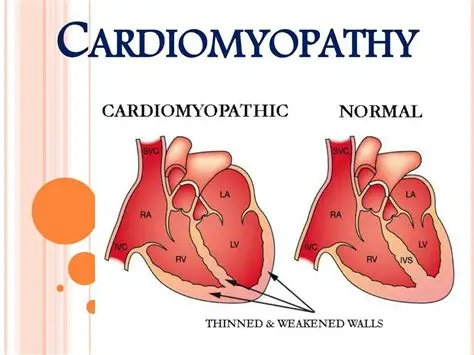
The main types of cardiomyopathy include dilated, hypertrophic and restrictive cardiomyopathy.
-

Dilated cardiomyopathy
-
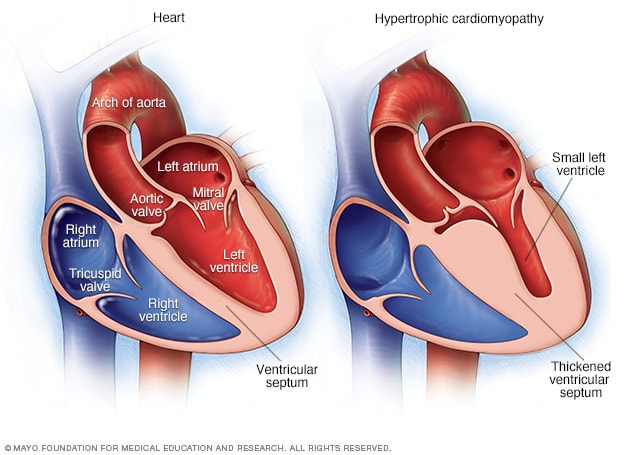
Hypertrophic cardiomyopathy
Types of cardiomyopathy include:
- Dilated cardiomyopathy. In this type of cardiomyopathy, the pumping ability of your heart’s main pumping chamber — the left ventricle — becomes enlarged (dilated) and can’t effectively pump blood out of the heart.Although this type can affect people of all ages, it occurs most often in middle-aged people and is more likely to affect men. The most common cause is coronary artery disease or heart attack.
- Hypertrophic cardiomyopathy. This type involves abnormal thickening of your heart muscle, particularly affecting the muscle of your heart’s main pumping chamber (left ventricle). The thickened heart muscle can make it harder for the heart to work properly.Hypertrophic cardiomyopathy can develop at any age, but the condition tends to be more severe if it becomes apparent during childhood. Most affected people have a family history of the disease, and some genetic mutations have been linked to hypertrophic cardiomyopathy.
- Restrictive cardiomyopathy. In this type, the heart muscle becomes rigid and less elastic, so it can’t expand and fill with blood between heartbeats. This least common type of cardiomyopathy can occur at any age, but it most often affects older people.Restrictive cardiomyopathy can occur for no known reason (idiopathic), or it can by caused by a disease elsewhere in the body that affects the heart, such as when iron builds up in the heart muscle (hemochromatosis).
- Arrhythmogenic right ventricular dysplasia. In this rare type of cardiomyopathy, the muscle in the lower right heart chamber (right ventricle) is replaced by scar tissue, which can lead to heart rhythm problems. It’s often caused by genetic mutations.
- Unclassified cardiomyopathy. Other types of cardiomyopathy fall into this category.
Risk factors
There are a number of factors that can increase your risk of cardiomyopathy, including:
- Family history of cardiomyopathy, heart failure and sudden cardiac arrest
- Long-term high blood pressure
- Conditions that affect the heart, including a past heart attack, coronary artery disease or an infection in the heart (ischemic cardiomyopathy)
- Obesity, which makes the heart work harder
- Long-term alcohol abuse
- Illicit drug use, such as cocaine, amphetamines and anabolic steroids
- Certain chemotherapy drugs and radiation therapy for cancer
- Certain diseases, such as diabetes, an under- or overactive thyroid gland, or a disorder that causes the body to store excess iron (hemochromatosis)
- Other conditions that affect the heart, such as a disorder that causes the buildup of abnormal proteins (amyloidosis), a disease that causes inflammation and can cause lumps of cells to grow in the heart and other organs (sarcoidosis), or connective tissue disorders
Complications
-
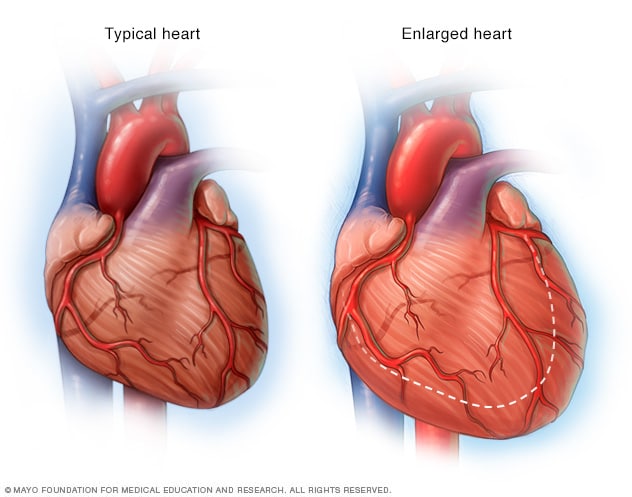
Enlarged heart, in heart failure
Cardiomyopathy can lead to other heart conditions, including:
- Heart failure. Your heart can’t pump enough blood to meet your body’s needs. Untreated, heart failure can be life-threatening.
- Blood clots. Because your heart can’t pump effectively, blood clots might form in your heart. If clots enter your bloodstream, they can block the blood flow to other organs, including your heart and brain.
- Valve problems. Because cardiomyopathy causes the heart to enlarge, the heart valves might not close properly. This can lead to a backward flow of blood.
- Cardiac arrest and sudden death. Cardiomyopathy can lead to abnormal heart rhythms. These abnormal heart rhythms can result in fainting or, in some cases, sudden death if your heart stops beating effectively.
Prevention
In many cases, you can’t prevent cardiomyopathy. Let your doctor know if you have a family history of the condition.
You can help reduce your chance of cardiomyopathy and other types of heart disease by living a heart-healthy lifestyle and making lifestyle choices such as:
- Avoiding the use of alcohol or cocaine
- Controlling high blood pressure, high cholesterol and diabetes
- Eating a healthy diet
- Getting regular exercise
- Getting enough sleep
- Reducing your stress