“When you exhaust all possibilities remember this: You haven’t!”
Thomas Edison (Inventor and Businessman)
“When you exhaust all possibilities remember this: You haven’t!”
Thomas Edison (Inventor and Businessman)
Gro Harlem Brundtland (born April 20, 1939) is a former Prime Minister of Norway and a current Special Envoy with the United Nations.
“Smoking is hateful to the nose, harmful to the brain, and dangerous to the lungs.”
King James I
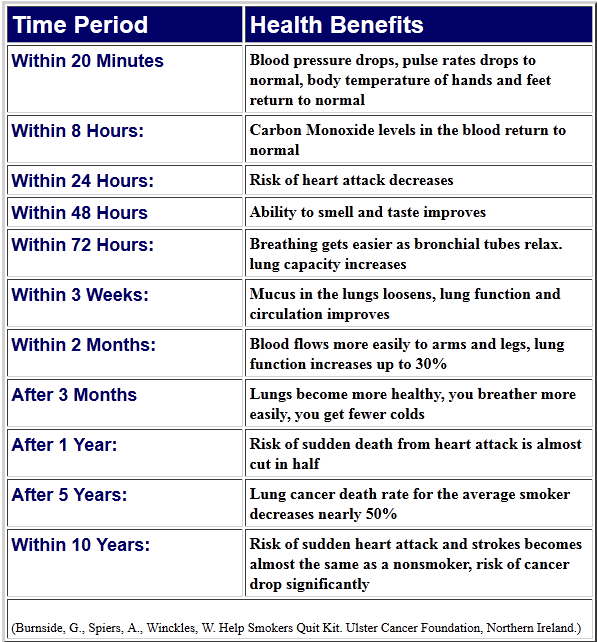
GET IT NOW? Please say yes. Smoking rots for your body not just in the lungs but everywhere. How do you make a complete turn-around? Look at your health in regards to what your goal is out of life. Do you want to live longer and most importantly HEALTHIER? When healthier in mind and body you are able to do more with your life in activities of daily living and more than that, so QUIT. If you want to sit most of your life with continuing to smoke but if not you must stop smoking now unless you have a unusual discipline in your way of living that allows you to have a about 6 cigarettes to 1 pack a YEAR, not daily. It is recommended you stop completely but if it actually has to be a part of your life than do it in moderation or less. If you’re able to do that your definitely not addicted to the bad habit physically, if anything addicted to it mentally. That would still make your life healthier as to smoking frequently every day. Know you take the risk of increasing your quantity in time so I recommend Quit.
Various lifestyle factors have been associated with increasing the risk of stroke. These include lack of exercise, alcohol, diet, obesity, smoking, drug use, and stress. Guidelines endorsed by the Centers for Disease Control and Prevention and the National Institutes of Health recommend that Americans should exercise for at least 30 minutes of moderately intense physical activity on most, and preferably all, days of the week. Recent epidemiologic studies have shown a U-shaped curve for alcohol consumption and coronary heart disease mortality, with low-to-moderate alcohol consumption associated with lower overall mortality. High daily dietary intake of fat is associated with obesity and may act as an independent risk factor or may affect other stroke risk factors such as hypertension, diabetes, hyperlipidemia, and cardiac disease.
Homocysteine is another important dietary component associated with stroke risk, while other dietary stroke risk factors are thought to be mediated through the daily intake of several vitamins and antioxidants. Smoking, especially current smoking, is a crucial and extremely modifiable independent determinant of stroke. Despite the obstacles to the modification of lifestyle factors, health professionals should be encouraged to continue to identify such factors and help improve our ability to prevent stroke, decrease cancers caused by smoking, decrease coronary artery disease, and obesity. Learn healthy habits or healthier habits, broaden your knowledge on the 4 food groups in what is lean or leaner or leanest with each group, increase your activity 30 minutes a day and learn what a healthy diet actually is through Dr. Wayne Scott Anderson’s book “Dr. A’s habits of health” and even if you need to lose weight we can show you the way to do it healthy, for example or many other authors available in how to live healthy. Wouldn’t you and the future want to get better in mind and body to impact our health care system that includes our insurance and most importantly lives of citizens in the USA in how they live (which would be more active). It just takes discipline and the drive to want to stay healthy or get in a better state of heath. Hope I have helped someone out there in broadening your knowledge regarding how to keep or reach a healthier life.
Let’s start with what smoking actually does to the body. Smoking harms nearly every organ of the body. Smoking causes many diseases and reduces the health of smokers in general. It primarily starts at the lungs. How? Well think of your lung tissue with openings all over which are air sacs called alveoli. This is an anatomical structure that has the form of a hollow cavity which does the exchange of oxygen and carbon dioxide in and out of our body, when we inhale and exhale. The thing to know about this tissue is that before you start smoking the alveoli are expandable (think of it like a rubber band) allowing the person to get a good exchange of oxygen getting in the body to go to all our tissues and carbon dioxide getting out of the body (O2=oxygen being the fuel to our tissues and without it causes cellular starvation, carbon dioxide=CO2 being an acid / toxin to the human body and exhaled by the lungs). After years of smoking the alveoli stretches out not allowing a good exchange of O2 and CO2. The sad thing for a smoker is the alveoli cannot REVERSE back after damage has already occurred unless you had a lung transplant with continuing to smoke, which no M.D. or health insurance would allow. More realistic would be QUIT the bad habit. The tissue doesn’t get completely better but it improves when you quit. So the pt with Emphysema has alveoli that can’t exchange oxygen and carbon dioxide from the blood like it use to at the bottom of the lungs, prior to even starting to smoke. Also, after smoking years and when diagnosed with COPD you have difficulty breathing (that is why smoking is a major cause of bronchitis or Emphysema=types of chronic obstructive pulmonary disease=COPD and it is not REVERSIBLE). Emphysema is the worst type of COPD you can get. COPD is the third leading cause of death in the U.S., and the economic burden of COPD in the U.S. in 2007 was $42.6 billion in health care costs and lost productivity. Isn’t this reason enough to stop smoking?
Emphysema is an enlargement of the air spaces distal to the terminal bronchioles, with destruction of their walls. People with emphysema have historically been known as “Pink Puffers”, due to their pink complexion.
Chronic bronchitis is defined in clinical terms as a cough with sputum production on most days for 3 months of a year, for 2 consecutive years. People with advanced COPD that have primarily chronic bronchitis were commonly referred to as “Blue Bloaters” because of the bluish color of the skin and lips (cyanosis) along with hypoxia and fluid retention.
Now knowing just this you’ll understand why smoking alone can cause the following conditions, Through the Centers for Disease Control and Prevention. They state the following:
Smoking and Increased Health Risks
Compared with nonsmokers, smoking is estimated to increase the risk of—
Smoking and Cardiovascular Disease
Smoking and Respiratory Disease
Smoking and Cancer
Smoking causes the following cancers: (in alphabetical order)
Smoking and Other Health Effects
Smoking has many adverse reproductive and early childhood effects, including increased risk for—
“Alzheimer’s caregivers ride the world’s biggest, fastest, scariest, emotional roller coaster ride everyday.”
Bob Demarco (Founder of Alzheimer’sReadingRoom.com)
“When the heart doesn’t pump blood effectively, the lungs, brain and all other organs can’t work properly and may shut down or be damaged.”
American Heart Association
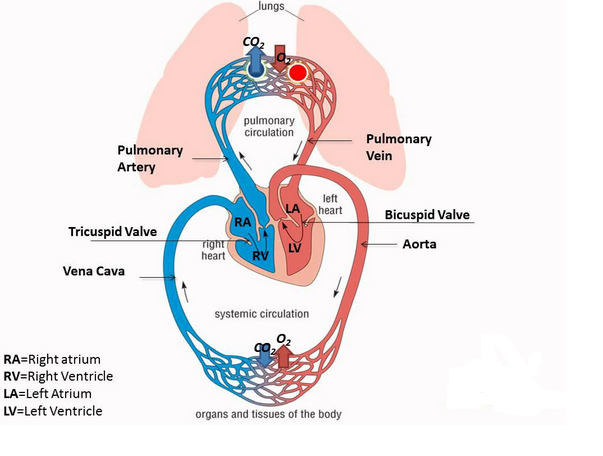

The heart works like a pump and beats 100,000 times a day. For the heart to do its function therapeutically it needs another organ to be involved called the lungs or the body could not live. If one of these organs gets damaged in time the other organ gets affected with no treatment the person will die sooner in life (Ex. Heart Failure in time affects the lungs to some degree, even to the severity of respiratory failure). A good metaphor for this is the car; if the engine gets damaged with no repair, in time the transmission will get affected; with no repair at all the car will die. The heart being the engine the oil being the blood and the lungs being the transmission.
One of the main functions of the red blood cells (RBCs) is to carry oxygen throughout the body to give all tissues our food to stay alive, that would be oxygen. For this to take place this is done through the heart beating nonstop which allows the flow of blood to be running continuous in our blood stream (circulatory system) and at the same time this allows our cells in the blood stream to get to the lungs for oxygen and carbon dioxide exchange. These 3 functions could not take place if the heart wasn’t pumping blood to and from the heart/lungs 24 hrs a day. Your pulse or heart rate does the pumping.
This is what takes place when the heart pumps our blood:
The red blood cells carry oxygen and remove the ending result of oxygen used by our tissues, called carbon dioxide=CO2. To get rid of the CO2 (a toxin) in our body the gas is carried from our body by carrying CO2 to the lungs through the RBCs. The high CO2 (carbon dioxide) with low oxygen (O2) concentration RBCs go to one side of the heart (being the right side) to get CO2 removed in exchange for more O2 in a red blood cell (RBC) this is done at the base of the lungs. This is done through breathing. Then these RBCs get highly oxygenated which then proceed to the left side of the heart. These RBCs get pumped throughout the body where the tissues utilize the oxygen in the RBCs by transferring O2 from the RBCs to the tissue as their food to stay alive. Without oxygen our tissues would starve and we would die. For the oxygen to be transported to the tissues of the body (as their food) it works like this: After the right side of the heart pumps blood to the lungs with high CO2 concentration RBCs, while we inhale to allow more oxygen in the cells at the bottom of the lungs an exchange of gas concentration in the RBCs takes place. The cells release CO2 which is released out of our body through exhaling but also when we inhale more 02 is transported into the RBCs to take another trip around the body releasing the high 02 levels to the tissues that need to utilize it; BUT to do this the blood now is sent to the left side of the heart. For all this to take place the heart pumps to transport the oxygen throughout the body giving nutrition to the tissues, without it=cellular starvation would take place=death, but at the same time sends high CO2 RBCs to the right side for a O2/CO2 exchange at the lungs by going through the right side of the heart.
The heart has two sides, separated by an inner wall called the septum. The septum divides the right from the left side of the heart since the right and left chambers do different functions, as described above. These 2 sides work to different ways.
So lets review, remember the right side of the heart is sending RBCs with highier CO2 concentration and a low oxygen concentration. You have these RBCs coming from above the heart finally entering the Rt upper chamber (Right Atrium=RA) called the Superior Vena Cava with below the heart the Inferior Vena Cava the meet into each other dumping the high CO2 blood into the RA. Then the blood goes through a valve called the tricuspid valve dumping the blood into the Rt.lower chamber called Rt. Ventricle and through the pulmonary valve going via the pulmonary artery (one of the few arteries with high CO2 concentration, usually arteries high in 02 concentration) dumping the blood at the base of the lungs for 02 and CO2 exchange when we inhale and exhale. After the gas exchange takes place the red blood cells become higher oxygenated in levels and much lower in carbon dioxide levels. Inside a cell is never 100% 02 or CO2. Now this high oxygenated blood goes to the left side of the heart leaving the lungs via the pulmonary vein (one of the few veins high in O2). The blood dumps now in the Left side of the heart into the upper chamber=Lt. atrium down through the mitral valve to the left ventricle proceeding to the aorta where the high concentrated RBCs go throughout the body dispensing oxygen to our tissues where it is needed.
If you look the right side sends blood from the heart to lungs back to heart=short distance so the muscle on the right side is thin compared to the left side. The reason the left side has a bigger and stronger muscle is the left side of the heart receives the oxygen-rich blood from the lungs and pumps it to go throughout the body (The Lt. side of heart down to the feet, up to the brain to the ending place-back to the right side of the heart, and does this process all over again.). The left side of the heart has to dispense the high (O2) blood throughout the body so that side of the heart works out more in pumping; so the muscle on the left side is larger than the right side. The muscle of the heart is called myocardium (myo=muscle and cardium=the heart).
Let’s review the heart anatomy. It has 4 chambers in it. Two chambers are on the right side and another two on the left. The right side of the heart has only higher concentrated CO2-carbon dioxide in the blood going through that side to get to the lungs for more oxygen to be dumped into the left side. To do this the blood first is entered to the lungs from the right side of the heart. Here it removes the toxin CO2 from our body through us breathing to get more 02-oxygen into our RBCs (red blood cells). Then this blood enters to the left side of the heart where it has more high oxygenated blood entering that side to have our food, being O2, get dispensed throughout our tissues to stay alive. Without 02 we would go through cellular/tissue starvation. The heart moves the oxygen throughout the body via its pumping action whereas the lungs provide us the oxygen via inhaling with removing the toxin CO2 from the RBCs via exhaling.
How does the O2 and CO2 get moved throughout the bloodstream? That is where the heart comes into play with its heart rate (pumping). Without a pulse means no pumping to move the O2 & CO2 where they have to go.
Well he don’t fill the heart up with gas like a car but instead this organ has a conduction pathway that operates through electrical activity taking place by certain electrical cells with electrolytes. These electrical cells have several unique charateristics which are automaticity – the cell can generate an electrical impulse without being stimulated; excitability – the cell can change its internal electrical balance to reach its threshold; & conductivity – the cell can move an electrical impulse to the next cell. Also we have sodium, potassium and calcium channels inside the heart that are the major electrolytes in playing a role to allow or not allow conduction to take place based on the amount of their presence out or in the way of these cardiac cells which will impact the speed of conduction to take place.
We also have a natural pacemaker (the other main ingredient) of the heart to pump; and this is called the SA Node. It sits in the the upper Rt. chamber (atrium) of the heart. This natural pacemaker conducts impulses from the top to the bottom of the heart (from both sides) with these electrolytes (mentioned above) involved to let this conduction take place in allowing the heart to beat; allowing the heart to pump the blood throughout our system to give oxygen to all tissues and remove carbon dioxide from the body bringing it to the lungs where we expel it via breathing. To do dispense these gases to and from our RBCs the cells have to be moved in the blood via the heart pumping. Inspiration brings the 02 via the lungs to the bottom of them to gets released into our red blood cells at the same time the RBCs release CO2 into the lungs and during expiration removes the C02 from our body. Knowing the anatomy of the heart is so important especially to understand heart disease.
We know there is a right and left side of the heart and each side having 2 chambers (upper-atriums and lowers-ventricles) with completely different functions.