” The most common types of breast cancer are ductal carcinoma in situ, invasive ductal carcinoma, invasive lobular carcinoma, medullary carcinoma, and Paget disease of the nipple (see definitions under these headings). “
American Cancer Society
” The most common types of breast cancer are ductal carcinoma in situ, invasive ductal carcinoma, invasive lobular carcinoma, medullary carcinoma, and Paget disease of the nipple (see definitions under these headings). “
American Cancer Society
Can a healthy diet prevent breast cancer?
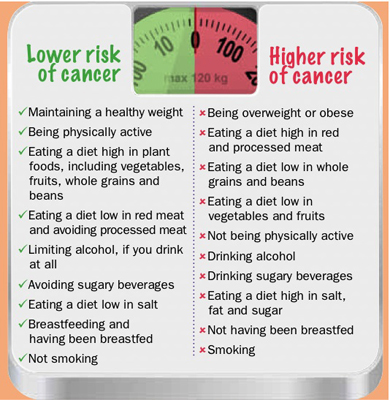
Eating a diet rich in fruits and vegetables hasn’t been consistently shown to offer protection from breast cancer. In addition, a low-fat diet appears to offer only a slight reduction in the risk of breast cancer.
However, eating a healthy diet may decrease your risk of other types of cancer, as well as diabetes, heart disease and stroke. A healthy diet can also help you maintain a healthy weight — a key factor in breast cancer prevention.
Is there a link between birth control pills and breast cancer?
A number of older studies suggested that birth control pills slightly increased the risk of breast cancer, especially among younger women. In these studies, however, 10 years after discontinuing birth control pills women’s risk of breast cancer returned to the same level as that of women who never used oral contraceptives. Current evidence does not support an increase in breast cancer with birth control pills.
Be vigilant about breast cancer detection. If you notice any changes in your breasts, such as a new lump or skin changes, consult your doctor. Also, ask your doctor when to begin mammograms and other screenings.
Once you’ve been diagnosed with breast cancer, your doctor works to find out the specifics of your tumor. Using a tissue sample from your breast biopsy or using your tumor if you’ve already undergone surgery, your medical team determines your breast cancer type. This information helps your doctor decide which treatment options are most appropriate for you.
Here’s what’s used to determine your breast cancer type.
Whether your cancer is invasive or noninvasive helps your doctor determine whether your cancer may have spread beyond your breast, which treatments are more appropriate for you, and your risk of developing cancer in the same breast or your other breast.
The type of tissue where your breast cancer arises determines how the cancer behaves and what treatments are most effective. Parts of the breast where cancer begins include:
“Be vigilant about breast cancer detection. If you notice any changes in your breasts, such as a new lump or skin changes, consult your doctor. Also, ask your doctor when to begin mammograms and other screenings.”
American Breast Cancer Society
“Some men with minimally enlarged prostate glands may experience symptoms while other men with much larger glands may have few symptoms. BPH is very common among older men, affecting about 60% of men over age 60 and 80% of men over age 80. Recommended to start yearly annual BPH visits to the doctor at age 50.”
University of Maryland-School of Medicine.
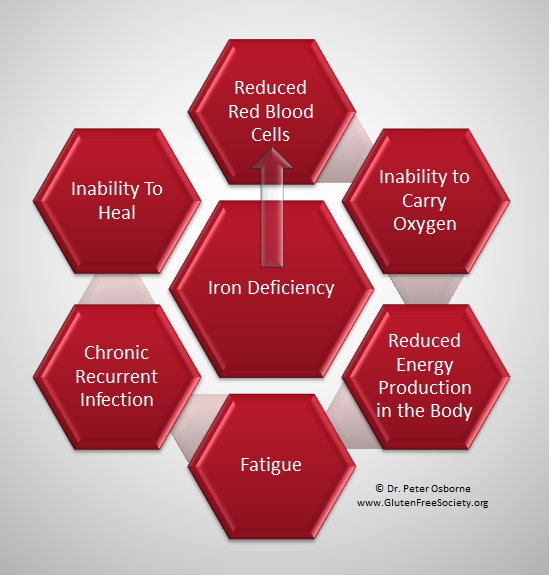
Initially, iron deficiency anemia can be so mild that it goes unnoticed. But as the body becomes more deficient in iron and anemia worsens, the signs and symptoms intensify.
MATO CLINIC
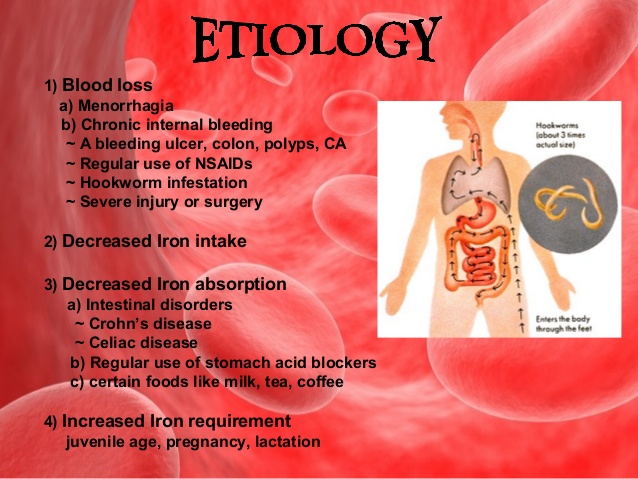
This form of iron deficiency anemia is treated with changes in your diet and iron supplements.
If the underlying cause of iron deficiency is loss of blood — other than from menstruation — the source of the bleeding must be located and stopped. This may involve surgery.
The diagnosis tests that are usually done by a doctor are the following:
Physical exam. During a physical exam, your doctor may listen to your heart and your breathing. Your doctor may also place his or her hands on your abdomen to feel the size of your liver and spleen. He would look at the color of the skin and the eyes to look for paleness.
Blood Tests. Your doctor would do the basis blood tests being a CBC which is used to count the number of blood cells in a sample of your blood. For anemia, your doctor will be interested in the levels of the red blood cells contained in the blood particularly your hematocrit (the solids of the blood) and the hemoglobin (the liguid of your blood) in your bloodstream. If anemic both of these will be low and hematocrit below 7.0 down to 6.0 is critical.
Normal adult hematocrit values vary from one medical practice to another but are generally between 40 and 52 percent for men and 35 and 47 percent for women. Normal adult hemoglobin values are generally 14 to 18 grams per deciliter for men and 12 to 16 grams per deciliter for women.
Additional testing maybe ordered as well; like the following to help determine what the person has with the what treatment to tell the MD is needed to help the individual get better.
This could be: . A test to determine the size and shape of your red blood cells. Some of your red blood cells may also be examined for unusual size, shape and color. Doing so can help pinpoint a diagnosis. For example, in iron deficiency anemia, red blood cells are smaller and paler in color than normal. In vitamin deficiency anemias, red blood cells are enlarged and fewer in number.
If you receive a diagnosis of anemia, your doctor may order additional tests to determine the underlying cause. For example, iron deficiency anemia can result from chronic bleeding of ulcers, benign polyps in the colon, colon cancer, tumors or kidney problems.
Occasionally, it may be necessary to study a sample of your bone marrow to diagnose anemia.
***Treatment for iron-deficiency anemia will depend on its cause and severity. Treatments may include dietary changes and supplements, medicines, and surgery.
Severe iron-deficiency anemia may require a blood transfusion, iron injections, or intravenous (IV) iron therapy. Treatment may need to be done in a hospital.
The goals of treating iron-deficiency anemia are to treat its underlying cause and restore normal levels of red blood cells, hemoglobin, and iron.*****
“Anemia is a condition in which you don’t have enough healthy red blood cells to carry adequate oxygen to the body’s tissues. Having anemia may make you feel tired and weak”
MAYO CLINIC
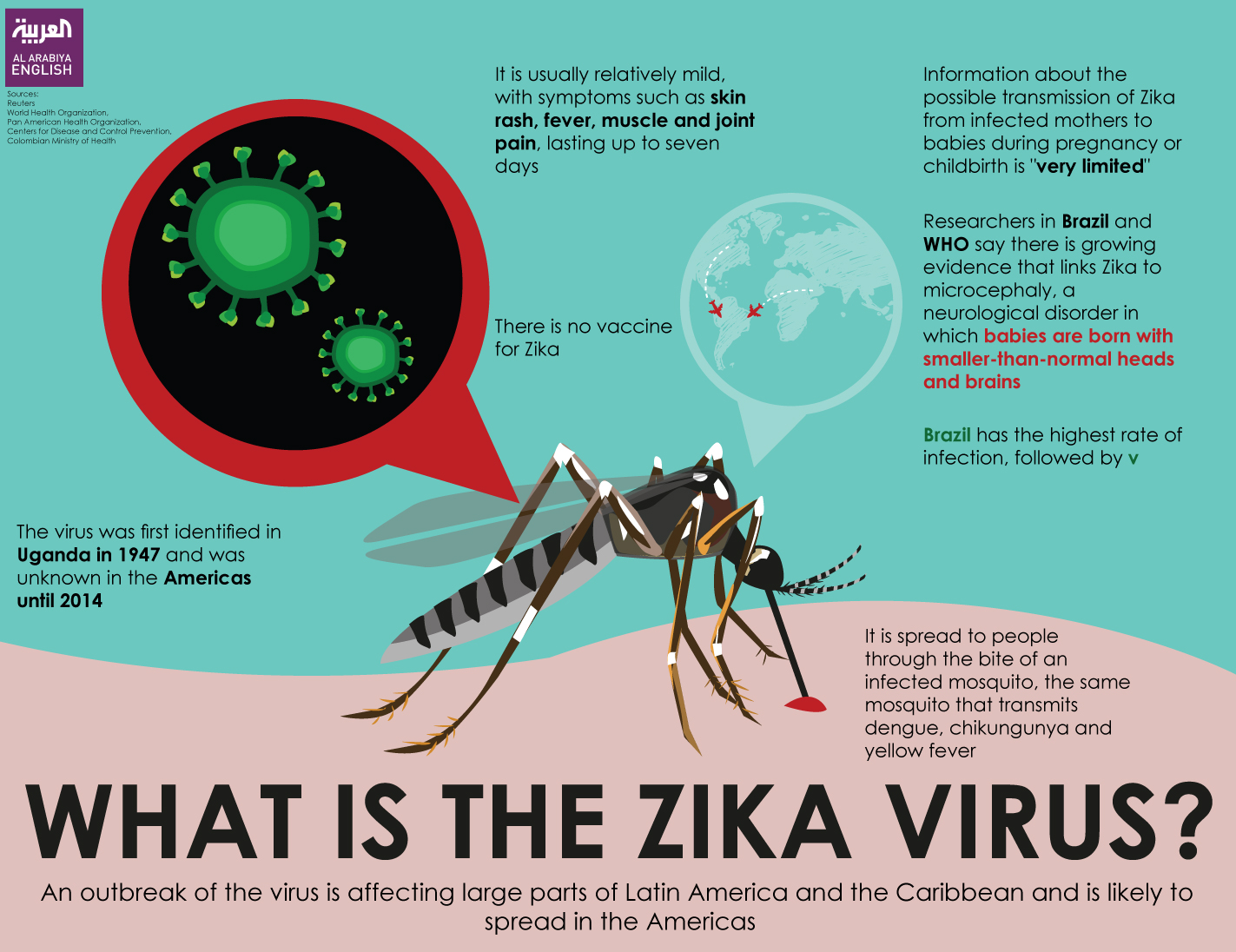
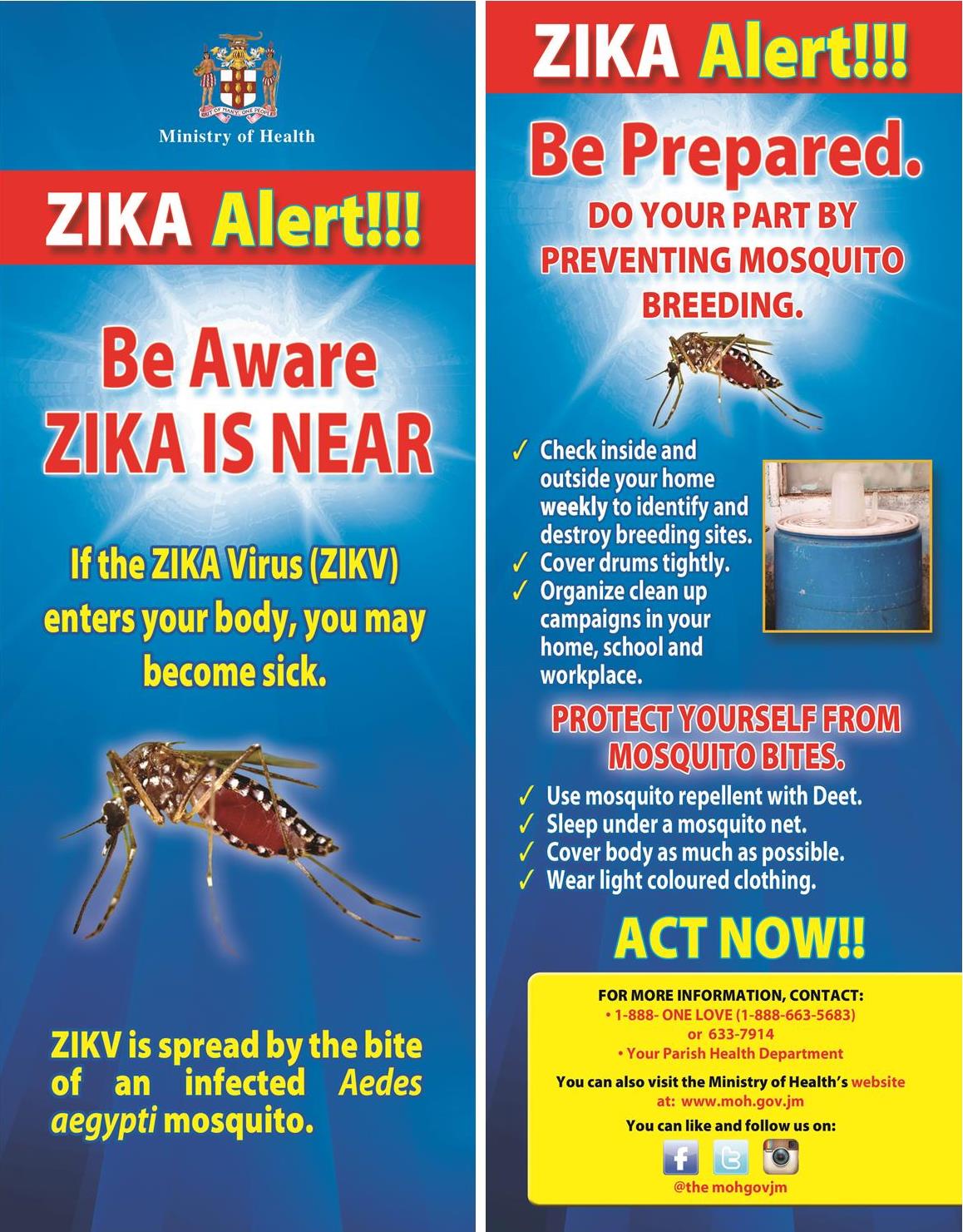
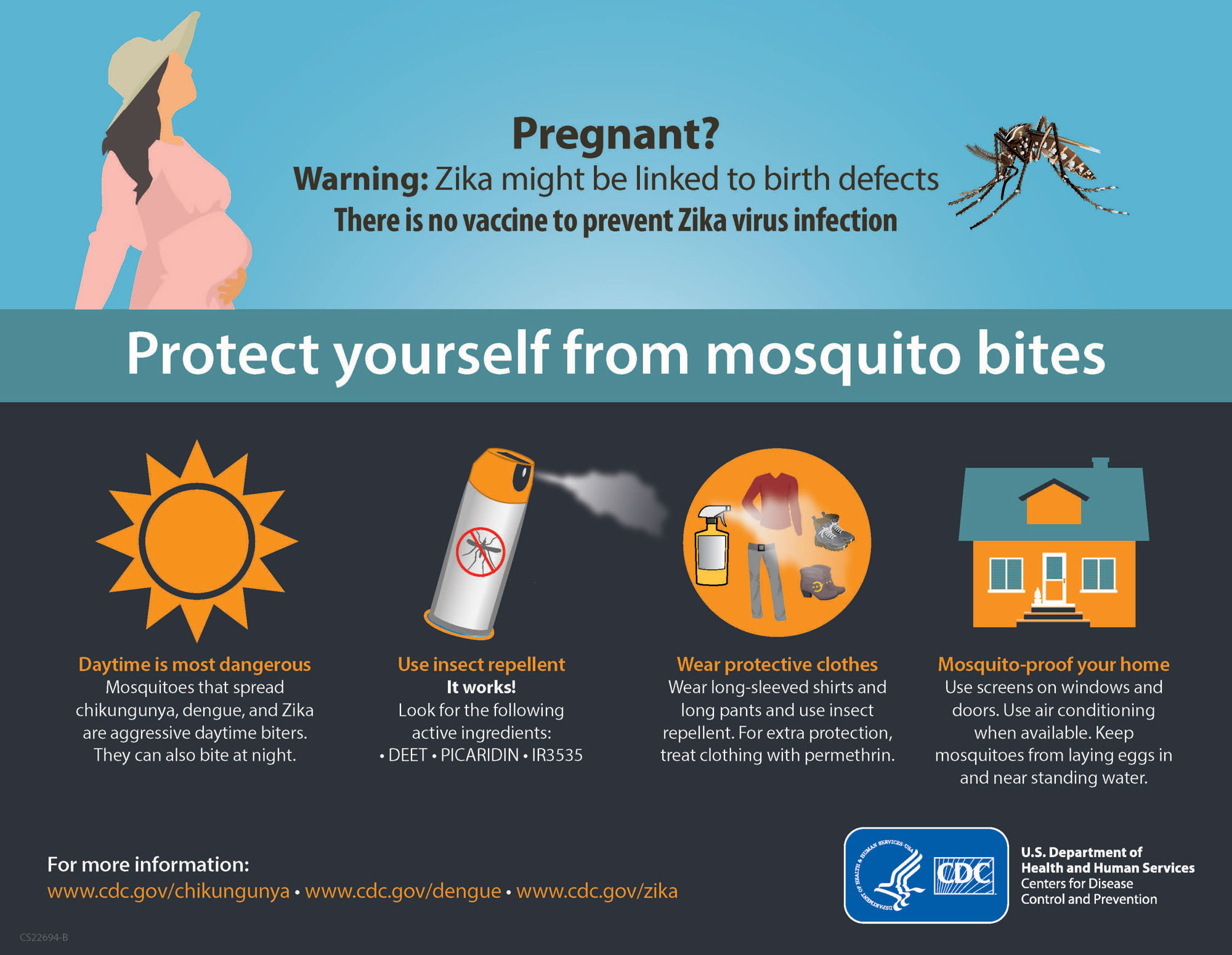
“Several years ago, it was all about West Nile and now Zika virus. All kinds of celebrities are engaged in solutions to Malaria for third world countries. Obviously, we’re familiar with all of them. But which disease are you most likely to get and which are you most likely to recuperate from?
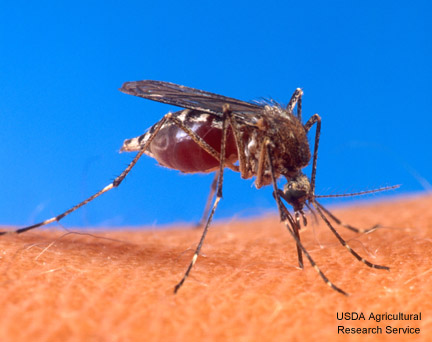
A little bit of background on mosquitoes. They must have water to lay eggs. It doesn’t need to be much water at all – just enough to fill the palm of your hand. The mosquitoes lay eggs that hatch into water-loving larva. The larval stage is brief – only 3 days or so – and water is the essential ingredient.”
Greenbugallnatural
West Nile Virus 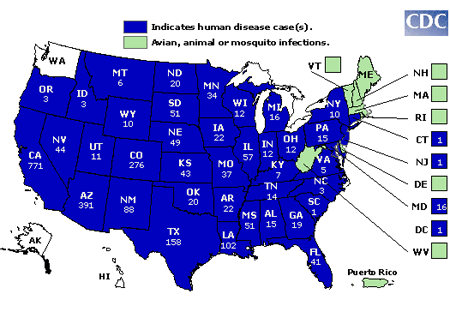
The Department of Health in New York is taking action against mosquitoes who spread the Zika virus with the West Nile Virus. Zika Virus is an epidemic already in Florida but NYC is trying to stop this. How? Well AM radio station 1010Wins stated yesterday that Tonight at 10pm till the am and now Fox news states tomottow at 6am the action will start; which is pesticides in the air will be dropped in the sky for hours to prevent amid growing concern of these mosquitoes spreading Zika or West Nile Virus to New York City areas. Hopefully other areas of NY and the NE will be prevented long before a cases show up before the other cities/towns take action.
While assuring residents that the virus is not spreading in New York City, it says local mosquitoes are spreading other diseases like the West Nile Virus.
With mosquito season upon us, the city is going to begin a three day aerial bombardment of marsh and other non-residential areas at some two dozen sites in the Bronx, Queens, Staten Island and Brooklyn Fox News states but all 5 buroughs covered 1010 wins states also.
Officials say they will use “environmentally friendly” larvicide to kill the infant mosquito larvae.
With projected hot and damp weather the mosquito population is expected to have huge growth this season.
Residents Fox News spoke to in Marine Park, Brooklyn said they were concerned and relieved that the city is taking action.
Mike Nagar said he’s skeptical about how safe the chemicals are that will be sprayed but would you rather be diseased with Zika or West Nile Virus or God knows what if no action is taken place.
Standing beside his pregnant wife, Daniel Cicolello said he’s concerned because the mosquito-borne Zika virus impacts pregnant women.
Those so terribly concerned should ease their conscious and get out of NY for TH,FRI and the Weekend and come home on SUN or deal with infection control measures rather than do nothing.
It is known to cause birth defects. It is not considered dangerous for most people and action to prevent an epidemic is a must to prevent a negative domino effect spreading it on or too many people or everyone to kill some and get others terribly sick with continuous spreading. If the mosquitoes don’t get controlled neither will the Zika or West Nile Virus.
Health officials note that there have been 78 cases of Zika reported in the city, but that all the patients have recovered.
“I now realize that I have a platform to inspire young girls, and as someone who never had a role model who looked like me when I was growing up, I now hope to be able to show that albinism can be beautiful and is just another kind of normal.”
Thando Hopa (#SouthAfrican #African #Africa #Motherland #Model #Albino)