



Archives

Dogs are more than great pets, they aid in our health!

dsc_0315-3035dsc_0270  dsc_0129

csc_0910   dsc_0489-3

Goldsmiths College released a study that showed more dogs will approach someone who’s crying or in distress than someone who is not. This shows that dogs are empathetic and are eager to help comfort humans in pain.

Their sense of smell can do even more than we think; dogs can also detect low blood sugar in their master. They will either alert the person that the sugar has dropped or, if a diabetic attack has already occurred, will bark and bark and bark in an attempt to alert somebody to come help, thus working to save the diabetic’s life.

Some dogs are also able to detect seizures in humans. Recent research has shown certain dogs are able to warn seizure patients that they’re going to experience an attack, sometimes hours before it happens. Nobody yet knows how they do it, or why only certain dogs can do it. They also can’t be trained to do it, so if you feel you need a seizure-sniffing dog, you need to make sure you have yourself a natural.

Due to their incredible sense of smell, dogs have shown anywhere from 70 to 99% accuracy (depending on the study) when tasked with detecting lung cancer in a nearby patient.

Fibromyalgia is a debilitating disease that can leave its victim in constant pain. Studies have shown that the Xolo dog’s body temperature can be used as a kind of therapeutic heating pad, due to it being a hairless species. Of course, unlike heating pads, a Xolo will bond with you, snuggle with you and keep you warm as long as you need, leading to both external comfort and internal happiness.

In a surprising twist, it might actually be beneficial to get a dog for your baby, even if they’re allergic. Studies have shown that children under the age of one who live with a dog are much less likely to develop the chronic, and annoying, skin condition called eczema.

Dogs can highly make humans more social. The British Medical Journal has concluded that dogs act as “social catalysts,” who help people get out more, approach others more easily, and overall reduce isolation. This is actually just as important as the basic companionship that dogs provide, as human social support is beneficial to human health and the dog.

Simply by being themselves, dogs have been shown to help reduce PTSD among soldiers. In addition to providing the usual doggie companionship, they have been shown to help sufferers come out of their shells, be less numb and angry, and improve their social life as well.

A dog kissing you obviously feels wonderful, but it might actually have physical benefits too. Studies have shown that saliva, both the human and doggie variety, can help stimulate nerves and muscles, and get oxygen moving again, which is the secret ingredient in helping wounds to heal. In short, “licking your wounds” is not just a cliché after all.

Almost certainly due to the positive vibes and good feelings that dogs bring out of their masters, even in the worst of times, studies have found that older people who own dogs average at least one less doctor appointment per year than those who do not.

Not that they are the cure but preliminary studies by the American Heart Association are revealing that dog owners have less risk of heart disease than those without dogs. The reasons given are the exercise that owners get when walking their dogs, plus the presence of the dog helps the owner deal with stress better. The evidence is mostly anecdotal right now, but dog owners know that it’s all true.

Day-to-day depression, or even more serious chronic depression, is easier to handle with the love of a dog, studies show. Simply by having them around, and knowing that even at our worst, somebody loves us unconditionally and is eager to see us happy again, we’re given a reason to get up and keep going.

Autistic children often find the world very stressful, in ways that the non-autistic can’t understand. Luckily, a dog can. Studies are showing that bringing a therapy dog into an autistic household helps to reduce the amount of cortisol (a stress hormone) in the autistic child’s body. This both calms the child down and shows him that he has a friend.

Bullying has been a huge problem for a long time, and people are finally doing something about it. Dogs, too. Experimental programs have been launched that bring dogs into schools to promote empathy, with the lesson that you shouldn’t treat people badly, because you wouldn’t do it to a dog. Thus far, kids have been able to make the connection, which will hopefully continue to be the case.

Dogs have shown that they can help keep dementia sufferers on schedule, reminding them when its time for medicine and when to see the doctor. In addition, when the owner experiences frustration over the state of their mind, the “dementia dog” is right there to support them, comfort them, and remind them that someone’s always there for them.

AREN’T DOGS AMAZING!!
QUOTE FOR FRIDAY:

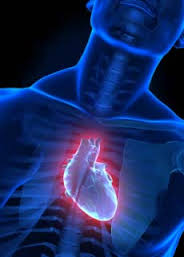
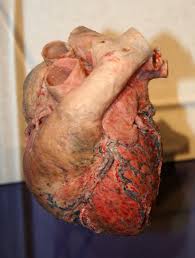
“The normal size of the heart is about the size of your fist, maybe a little bigger. It pumps blood continuously through your entire circulatory system.  This organ keeps us alive circulating oxygen throughout out our body to all tissues.”

American Heart Association


Expand your life with a healthier heart!

heart-liveheart-attack-1

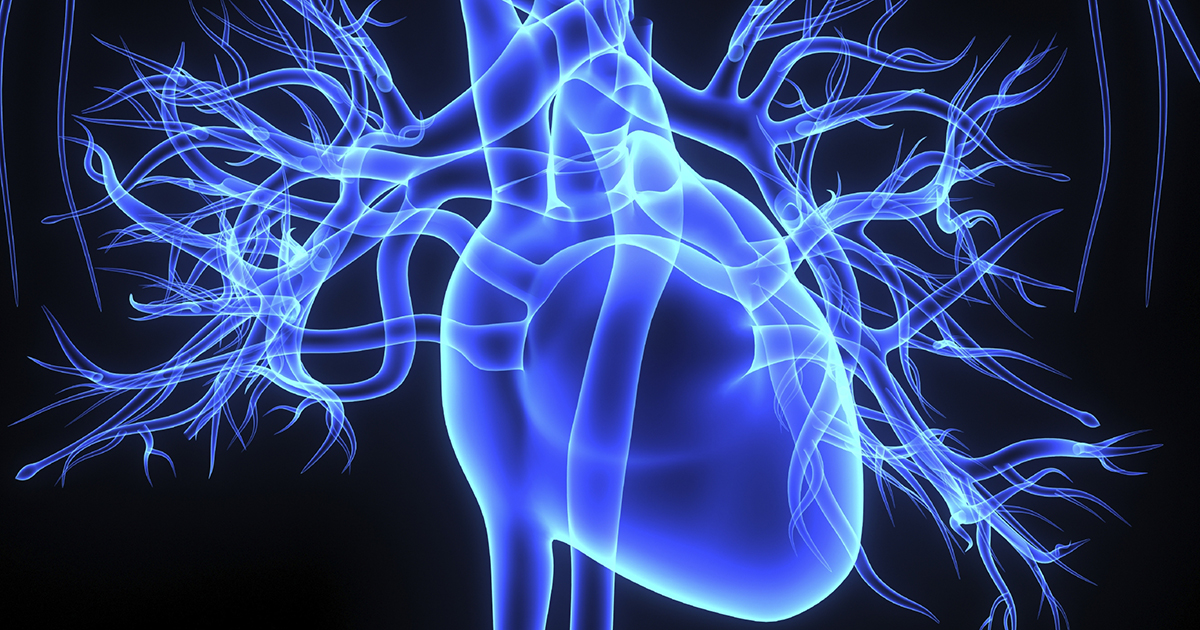
The heart is like the engine to a car but for us it’s the “pump” for the human body; without the engine the car won’t run and without the pump we won’t live. The normal size of the heart is about the size of your fist, maybe a little bigger. It pumps blood continuously through your entire circulatory system. The heart consists of four chambers, 2 on the right and 2 on the left. The right side only pumps high carbon dioxide levels of blood, after all the oxygen was used by the tissues and returns to the heart in the right upper chamber and leaves to the lung from the right lower chamber. From the lungs it than goes to the left side of the heart now, which is a very short distance as opposed to where the left side pumps the blood. The L side of the heart pumps blood to the feet, brain and all tissues in between with high oxygen levels of blood.   This is why the L side of the heart does more work than the R side since the blood leaving the L side has a longer distance in distributing oxygen. The heart pumps the blood with high oxygen blood levels to reach all your tissues and cells, going to the feet, brain, and to all other tissues in between returning home again to the right side of the heart (upper chamber) to get sent to the lungs again for more oxygen. This is why the muscle on the L side of the heart is larger than the right, it works harder. Every time your heart beats (the sound we call lub dub) the organ is sending out a cardiac output of blood either to the lungs for more oxygen or to the body tissues through the aorta to give oxygenated blood to your tissues and cells. This is the mechanics of how the heart works in our body.

Let’s see what can occur if the heart doesn’t function properly. If your heart is not pumping out a sufficient amount in your cardiac output to either the lungs (from rt. Side) or to the tissues (from the lt. side) than it tries to work harder where it does ok at first but over time weakens. As this weak heart struggles to pump blood the muscle fibers of the heart stretch. Over time, this stretching leaves the heart with larger, weaker chambers. The heart enlarges (cardiomegaly).   If this continues to go on this could go into R or L sided heart failure. When this happens, blood that should be pumped out of the heart backs up in the lungs (L sided failure) or in the tissues (R sided failure). The side the failure is on doesn’t allow proper filling of the chambers on that side and back up happens; so if on the L the fluids back up in the lungs or the R the fluids first back up in the veins which can expand to hold extra blood but at some point dump the extra fluids in your tissues (This is edema in feet first due to gravity).   This is all due to overloading of the blood not filling up in the chambers of the heart to make a good cardiac output of blood and in time the fluid backs up (bad pumping=backup of blood=fluid overload in the lungs (pulmonary congestion) to fluid staying in the skin (first the lower extremities due to gravity=feet which we call edema working its way up the legs.). This condition in time with no treatment will go into congestive heart failure (CHF) to the other side of the heart if not controlled. CHF can range from mild to severe. There is 670,000 cases are diagnosed with this every year and is the leading cause of hospitalization in people over 65 y/o. Causes of CHF are: heart attack, CAD (coronary artery disease), cardiomyopathy, conditions that overwork the heart like high blood pressure, diabetes and obesity (These diseases can be completely preventable or at least well controlled).

There is many of us in this world with knowing how our activity/exercise, eating, and habits could be better for health but do little action if any on our own to change it, which is a large part for certain diseases being so high in America (diabetes, stroke, cardiac diseases=high blood pressure, atherosclerosis, arteriosclerosis to CHF and more). If people were more healthier and more active regarding these diseases alone it would decrease in population creating a positive impact on how our health system with insurance presently (a disaster) with our economy for many could get better. A healthy heart can pump to all parts of the body in a few seconds which is good cardiac output from the organ but when it gets hard for the heart to keep up with its regular routine it first compensates to eventually it decompensates causing ischemia (lack of oxygen to the heart tissue). It’s like any tissue in the body, lack of oxygen=lack of nutrients to the body tissue=STARVATION and with lack of oxygen will come PAIN eventually to death if not treated. Take the heart, if it isn’t getting enough oxygen it can go into angina. That is reversible since it is heart pain due to not enough oxygen to the heart tissue=no damage but if left untreated what will occur is a heart attack=myocardial infarction (MI) and is permanent damage because scarring to the heart tissue takes place.

Let’s understand what the heart can develop over time with an unhealthy heart due to bad health habits. If you are eating too much for too long foods high in sodium your vessels will narrow in size. By allowing this you increase the pressure in the vessels that increases your blood pressure called hypertension. If you are also inactive you are at risk of obesity which puts stress on the heart and in time causing high B/P. Constantly be in a high B/P and this could cause the vessel to rupture (at the heart=possible heart attack, at the brain=possible stroke, also called CVA with both on high occurrences in our population of the US.).   With bad habits (especially poor diet, inactive, and smoking) you can cause over time atherosclerosis=a blockage in the artery with the resolution surgery (from a cardiac catheterization up your groin or having difficulty in the arm to the heart where an angiogram to an angioplasty with possibly a stent is performed or if the blockage to blockages is so bad a CABG=coronary artery bypass=a 6hr plus operation where diversion of a vein from your leg (donor graft site) around the blockage is done. Smoking can lead to this but it also can cause your vessels to become brittle=arteriosclerosis. Healthy Habits would impact a positive result for all people who have had this diagnosis before but most important be a great PREVENTATIVE measure for people not diagnosed with cardiac disease.

There are 4 things you have no control over heredity, age, sex, and race but healthy habits (which you can control in your life) are sure to benefit you by keeping the odds down of you inheriting disease, help your age factor; and race is a lot associated with eating cultural habits (what you eat and how many times a day you eat with what quantity or size the dish is).

If you make the decision to live a life that’s healthy for your heart through proper eating, doing healthy habits and doing some exercise or activity with balancing rest in your busy schedule more power to you with higher odds you will live a healthier life and more productive one.

QUOTE FOR THURSDAY:

“Catheter ablation for SVT utilizing radiofrequency ablation (electrocautery injury) was developed in the 1980’s and has since revolutionized the treatment of SVT.”

UNC Healthcare (Center for vascular and heart care)


Part III Ablation-treatment approaches.

afib-with-rvr-5 heart-attack-2

In some cases, arrhythmias may not require treatment. Other arrhythmias can be controlled by treating the underlying cause. Arrhythmias that cause symptoms may require one or more of the following treatments to reduce the number or duration of arrhythmic events.

         Medications. Common medications for suppressing arrhythmias include:

  • Beta-blockers;
  • Calcium channel blockers;
  • Digitalis; and
  • Antiarrhythmic agents.                                                                                                                                                                                                                                                                                                                                                                                                 Cardioversion. This procedure restores a normal heartbeat by transmitting a brief electric shock through the chest to the heart. Usually an outpatient procedure that is performed in a hospital while the patient is under heavy sedation or anesthesia, it is commonly used to treat:
  • Digitalis should not be used for certain arrhythmias, such as WPW syndrome. People with atrial fibrillation are typically prescribed an anticoagulant to minimize their risk of clotting and stroke.
  • Atrial fibrillation;
  • Atrial flutter; and
  • Ventricular arrhythmias.
  • Radiofrequency Catheter ablation. A catheter with an electrode tip is positioned on the affected area. The catheter delivers energy to destroy tissue that is interfering with the normal transmission of electrical impulses through the heart. It is most commonly used for:
  • SVT – Supra Ventricular Tachycardia (Pulse over 100);
  • Atrial fibrillation-particularly newly diagnosed;
  • Atrial flutter; and
  • Certain types of ventricular arrhythmias.During a catheter ablation procedure, catheters (long wire electrodes) are advanced through the veins in the leg up to the heart.Once the SVT is diagnosed, to cure the SVT, an ablation catheter is advanced to the heart. An ablation catheter is capable of delivering small radiofrequency lesions (electrocautery burns) on the order of 4-5 mm in diameter. These radiofrequency lesions have no long-term adverse consequences. Depending on the type of SVT, these radiofrequency lesions are delivered in various locations of the heart.
  • Pacemaker. A small electronic device that is surgically implanted under the skin near the collarbone. A pacemaker regulates a slow or erratic heartbeat by sending rhythmic electrical charges to the right atrium and right ventricle. Pacemakers are frequently used to treat Sick Sinus Syndrome.
  • Maze procedure. A physician makes multiple incisions through the atrium. The resulting scar tissue conducts impulses through the heart’s electrical system in a way that allows normal conduction but does not sustain atrial fibrillation. Since it is a form of cardiac surgery, it is reserved for those patients who have undergone a failed catheter ablation or as an add-on for those having a surgical procedure for another condition.
  • Occasionally, more complex diagnostic and ablation techniques are required for catheter ablation of SVT. This may be the case particularly in patients with other heart problems or a history of heart surgery. In such situations, sophisticated 3-dimensional mapping techniques using a balloon catheter may be used to identify the location necessary to successful ablate the SVT
  • Various measurements of the electrical system are performed. If a person is in normal rhythm at the time of the procedure, an attempt is made then to reproduce the SVT by pacing the heart through the catheters. Occasionally an intravenous medicine called isoproterenol is required to “rev up” the heart in order to reproduce the SVT. Once the SVT is reproduced, the specific type of SVT can be diagnosed using the catheters in the heart.
  • Catheter ablation for SVT utilizing radiofrequency ablation (electrocautery injury) was developed in the 1980’s and has since revolutionized the treatment of SVT. With catheter ablation, a procedure is performed entirely through intravenous catheters inserted into the veins in the leg and sometime the shoulder. It is a minimally invasive procedure. That is, no open heart surgery is needed. Generally, procedures can be performed on an outpatient basis. Overall cure rates with catheter ablation is >90% and can be as high as 96-98% depending on the specific type of SVT.


QUOTE FOR WEDNESDAY:

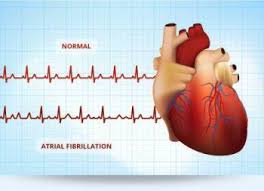
“Cardiac arrhythmia, also known as cardiac dysrhythmia or irregular heartbeat, is a group of conditions in which the heartbeat is irregular, too fast, or too slow.  One form of treatment can be ablation depending on the cardiac rhythm.”

Susheel K. Kodali, MD is the co-director of the Heart Valve Center at NewYork-Presbyterian/ Columbia University Medical Center.

Part II Ablation

afib-with-rvr-9afib-with-rvr-8

Let’s review what ablation is again;

Ablation is simply to be used to treat abnormal heart rhythms, or arrhythmias. The type of arrhythmia and the presence of other heart disease will determine whether ablation can be performed surgically or non-surgically.

CAUSES AND RISK FACTORS

Problems with the heart’s electrical system or with the muscles’ response to the signal can cause arrhythmias. Physicians have categorized arrhythmias to their type:

  • Disorders of impulse generation – A signal that generates part of the heart’s electrical system other than the SA node.
  • Disorders of impulse conduction – “block” the heart’s electrical impulse and prevent it from traveling its normal pathway.
  • Heart attack – causes scarring of the heart, which can interrupt electrical impulses.
  • People without heart disease can develop an arrhythmia for unknown causes, but risk factors can include:
  • Emotional stress;
  • Consumption of alcohol, caffeine, diet pills, and tobacco; and
  • Some prescription medications (certain heart drugs and certain cold, cough, allergy medications and anti-depressants).
  • WHAT ARE THE SYMPTOMS?

The onset and duration of arrhythmia symptoms vary according to its type, frequency, duration, and whether structural heart disease is present.

Common symptoms that people experience may include:

  • Palpitations (the sensation of skipped heartbeats);
  • Lightheadedness;
  • Shortness of breath;
  • Fatigue;
  • Chest pain;
  • Fainting; and
  • Urge to urinate. *                                                                                                                                                                                                                                                                                                                                                                                                           DIAGNOSIS
  • Arrhythmias can be difficult to diagnose because they can be unpredictable and brief. A physician will typically take a person’s medical history, and perform a physical examination, during which the physician may detect an arrhythmia using a stethoscope. Arrhythmias that occur infrequently, last for short periods of time, or do not cause noticeable symptoms may require more detailed tests, such as:
  • Certain arrhythmias may cause fainting, and, occasionally stroke, while others (‘silent’ arrhythmias) cause no symptoms.
  • Electrocardiogram (ECG);
  • A Holter monitor (an ambulatory ECG); and/or
  • A loop ECG.QUOTE FOR THE DAY:
  • Part III on Ablation tomorrow.


QUOTE FOR TUESDAY:

“Ablation uses extreme temperatures to destroy tumors or alleviate blockages and other symptoms. Ablative therapies include radiofrequency ablation, microwave ablation and cryotherapy.”


QUOTE FOR MONDAY:

“When the Twin Towers collapsed to the ground on September 11, 2001, a massive cloud of smoke, dust and debris released hazardous asbestos fibers and other toxic substances into the air. Asbestos fireproofing materials from 20 stories of the towers came showering down on New York City.”

The Mesothelioma Center


HEALTH EFFECTS FROM SEPTEMBER11 TERRORISM ATTACK!

911 911_attacks 911


The world trade center (WTC) terrorist attact and its aftermath exposed hundreds of thousands of people to dust, debris, smoke and fumes. September 11, 2001, among rescue and clean up workers, office workers, building evacuees, and residents of lower Manhattan have shown increased respiratory and other physical health problems. Following is a outline of the most common conditions experienced by individuals exposed to the WTC attacks and their aftermath. The types of conditions are:

Upper Airway Cough Syndrome: Formerly named postnasal drip syndrome which is commonly caused by continuous irritation or infection of the sinuses and the nose either due to allergies or from environmental irritants. The signs or symptoms that arise from this are cough, nasal congestion, postnasal drip and frequent need to clear the throat.

Asthma/Reactive Airways Dysfunction Syndrome:  Some people exposed to the WTC disaster area have developed asthma related to exposure to irritants (also called reactive airways dysfunction syndrome [RADS]). Signs and symptoms include: Shortness of Breath (SOB); chest tightness, wheezing, coughing, phlegm, possible triggering of symptoms by colds or seasonal allergies or exercise or fragrances or extremes of temperature or humidity, recurrent episodes of respiratory infections requiring antibiotic treatment.

Gastroesophageal Reflux Disease and Laryngopharyngeal Reflux Disease:    

Some people exposed to the WTC disaster developed this condition. GERD results from the flow back or return (reflux) of stomach contents into the esophagus. LPRD results from the reflux of stomach contents into the voice box or throat.

Symptoms of GERD: Heartburn, acid regurgitation, upset stomach, cough made worse with meals or at night

Symptoms of LPRD: Hoarseness or other vocal changes, sore throat, cough, sensation of having a lump in the throat


Long-Term Physical Health Concerns

There has been increased concern about sarcoidosis and cancer among individuals who were highly exposed during the WTC disaster. The NYC Department of Health and Mental Hygiene, in conjunction with other programs, is closely monitoring these conditions in order to detect any increases in these diseases.

At this time, there is no evidence of an increased rate of cancer among individuals highly exposed to the WTC disaster. Increased rates of sarcoidosis have been documented among fire department personnel ( Izbicki G, Chavko R, Banauch, GI, et al. World Trade Center “Sarcoid-Like” Granulomatous Pulmonary Disease in New York City Fire Department Workers. Chest. 2007;3:131;1414-1423). Rates of sarcoidosis among other groups are currently under investigation.


  Sarcoidosis is difficult to verify because NYC providers are not required by law to report sarcoidosis cases to the Health Department.  Based on New York City death certificate records over the past 10 years, there have been an average of 32 sarcoidosis deaths per year, with the annual number remaining the same since the WTC attacks. During the same period, there have been between 362 and 439 sarcoidosis-related hospitalizations per year in NYC (five per 100,000 people), with the annual rate remaining the same since the disaster.

* Breathing in beryllium, other metal dust or fumes or moldy materials can cause lung disease, which may resemble sarcoidosis.

For more information about sarcoidosis, see our sarcoidosis fact sheet.

Sarcoidosis

Sarcoidosis* is an auto-immune disease that can attack any organ of the body, although it often starts in the lungs or lymph nodes. It mainly affects people between 20 and 40 years of age, with African-Americans three times more likely to develop the condition than Caucasians and women twice as likely to develop it as men. While most sarcoidosis patients recover without treatment, less than one-third develop chronic debilitating sarcoidosis and fewer than 5% die from the disease. The exact cause of sarcoidosis is unknown.

Sarcoidosis and World Trade Center (WTC) Dust Exposure

While studies have not definitively linked dust exposure from the WTC disaster to new-onset sarcoidosis among exposed workers, the data does suggest elevated levels of sarcoidosis among firefighters.

There have been a few reported sarcoidosis cases among rescue workers that may be related to Ground Zero dust exposure. In May 2007, the New York City Chief Medical Examiner determined that dust exposure from the disaster contributed to a sarcoidosis death, based on published epidemiologic findings among exposed firefighters.


Cancers

The collapse and burning of the WTC and neighboring buildings released a complex mixture of irritant dust, smoke and gases. The dust cloud also contained heavy metals, as well as asbestos and other carcinogens. In addition, smoke released from the fires contained hazardous and potentially cancer-causing substances.

Because of these exposures, there has been concern about the possibility of increased cancer rates among WTC-exposed people. The NYC Department of Health and Mental Hygiene, the Fire Department of New York and other researchers are carefully monitoring cancer rates among highly exposed people.

In 2007, the NYC Department of Health and Mental Hygiene brought together a panel of experts, including representatives from FDNY, the Mount Sinai School of Medicine, the New York State Department of Health and the National Institute for Occupational Safety and Health, to discuss the potential impact of the WTC disaster on cancer rates and mortality. For more information, click here  .

In 2010, after beginning the process of confirming cancer diagnoses within their cohorts, the NYC Department of Health and Mental Hygiene and FDNY co-chaired another conference of outside experts, including biostatisticians, environmental health scientists and cancer epidemiologists, to help address the complex methodological questions associated with their preliminary cancer investigations. The conference produced several recommendations which are described in the 2010 WTC Medical Working group annual report   .

Although cancer associated with specific exposures takes a long time to develop, three early cancer studies based on verified diagnoses within their cohorts through 2008 (the latest year for which data was available when these analyses began) have been published:

  • FDNY found that nearly 9,000 firefighters with WTC exposure may be at greater risk for cancer than firefighters who weren’t exposed.
  • The WTC Health Registry found small increases in rates of prostate cancer, thyroid cancer and multiple myeloma, a blood cancer, among nearly 34,000 WTC rescue and recovery workers in comparison to rates among New York State residents after adjusting for age, race/ethnicity and sex.
  • Prostate and thyroid cancer rates were higher than expected among nearly 21,000 rescue and recovery workers enrolled in the WTC Health Program in comparison to rates in New York, New Jersey, Connecticut and Pennsylvania where the majority of workers lived.

Cancer analyses continue at FDNY, the WTC Health Registry and at the Mount Sinai School of Medicine.

In 2012, the National Institute for Occupational Safety and Health added many different types of cancers to the list of conditions that can be treated at the World Trade Center Health Program.

back to top

What the New York City Health Department Is Doing:

Through the World Trade Center (WTC) Health Registry, the Health Department is conducting a cancer study that will help determine if cancer rates are higher among those exposed to the WTC disaster. Results of the study will appear on this Web site and will be submitted to peer-reviewed scientific journals.

The Department is also conducting a broader public awareness campaign about cancer testing, and is working with its clinical partners to offer free cancer screenings. Identifying cancer early in the course of the disease reduces the risk of developing disability from cancer. Department efforts to reduce the rates of smoking among WTC disaster-exposed people also help reduce their risk for developing cancer and other diseases.
What You Can Do

Seek medical care.

If you were exposed to the WTC disaster and have developed symptoms or conditions you feel are related to this exposure, tell your doctor and bring the Clinical Guidelines for Physicians Treating Adults Exposed to the WTC Disaster  to help your doctor diagnose and treat your symptoms. The Health Department also released clinical guidelines   for health care providers on how to treat children and adolescents exposed to the WTC disaster.

If you or your doctor believe that you require more specialized care, you may be eligible for free treatment at a WTC Center of Excellence or affiliated facility.

Practice preventive health.

Whether or not you are currently experiencing symptoms, there are things you can do to maintain your current health status, prevent worsening of your health, and detect any new conditions. Suggested measures include:

1.     If you smoke, quit! Tobacco is known to cause cancer and make existing respiratory conditions worse. If you currently smoke, there are programs in place to help you quit.

2.     Lead a healthy lifestyle by drinking alcohol in moderation and avoiding more than moderate sun exposure. Increase physical activity, keep your weight down and eat a healthful and nutritious diet.

3.     Have a physical exam every year that includes a complete blood count (CBC). Be sure your exam includes all tests appropriate for your sex and age, including cancer screenings.

4.     Avoid risks at work and during leisure time. If you have any respiratory conditions try to reduce your exposure to irritants such as dust, pollen, grass and smoke both at home and at work. Consider giving up activities that expose you to irritants, and if activities cannot be avoided, wear personal protective equipment to minimize exposure.


If you want to learn how to eat healthy with all four food groups with learning how to lose weight within your body mass index you have come to the right blog. There are 4 food groups with each group having lean, leaner and the leanest type of foods in that group of the 4. If you want to learn more about this read a book through Dr. Wayne Scott Anderson with his book “Dr A’s Habits of Health” and even foods to buy if you want them in the beginning of your diet loss which is you buying more health bars to lunches and dinners to desserts of all kinds to all types of shakes/drinks and so much more foods via Jenny Craig or Slim fast or Medifast etc… Remember though these are processed foods but may work for you in the beginning a short time in usage to help you (They are low in fat/calories/carbs). Though if you want more natural foods to help decrease your weight and healthier even Shaklee based on healthy eating foods not processed or you can do it yourself at home if you have the power to read up on and buy healthier foods lower in carbs, fats, cholesterol and calories. Learn how to become healthier for yourself, even spreading the news to family or friends who may become interested and being a great mentor for your children in helping the next generation to be more healthy which would help our health care system to helping our health economy that includes insurance payments for bills at hospitals/doctor’s offices lessened. Helping those who want to become healthier from being effected from 9/11 disaster in 2001 and even our society as a whole is a goal of this blog since it has become so unhealthy in diet causing so many increases in diseases/illnesses, including children, (Obesity, Diabetes II, coronary artery disease, hypertension, and more). Take a look at facebook or UTube with pictures of people in America shopping at Walmart. It may be funny to a some individuals but it is also outright scary with what’s happening to our country. Our country has increased drastically in poor health habits that killed our economy with let alone what our health care system with increase in insurance costs for our society. We could, as a society, turn things around for the better regarding ourselves and others in our country for everyone’s health that would impact every American citizen of all ages in a positive way. I hope I have impacted someone in this country in wanting to learn more about knowing how to become healthier with making a good change for our country as a diversified whole. Society has a responsibility and impact on how things run in each of their respective countries but especially in America, since we live in a democracy. Its common sense if we get better regarding our health overall it will put an impact on our health economy if we don’t our health care system will just get WORSE. Come on America let’s make our nation a better place to live in we have enough diseases now coming into our country. We need better control of disease. If you’re a strong person with discipline you can do this and higher odds will live a happier and more satisfying life. Do you want that and do you have what it takes? It is all in the mind.