Archives

Part 1-Take control of your Diabetes!

diabetes2a diaetes2 diabetes

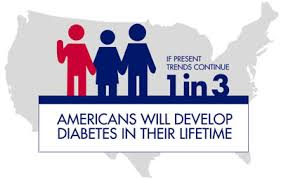
Diabetes is becoming more common in the United States. From 1980 through 2011, the number of Americans with diagnosed diabetes has more than tripled (from 5.6 million to 20.9 million). Do you know how much it is costing in our country?


What is diabetes?

Diabetes is a group of diseases marked by high levels of blood glucose resulting from defects in insulin production, insulin action, or both. Diabetes can lead to serious complications and premature death, but people with diabetes, working together with their support network and their health care providers, can take steps to control the disease and lower the risk of complications.

There are 2 types:

Type 1 diabetes was previously called insulin-dependent mellitus (IDDM) or juvenile-onset diabetes. This type of diabetes happens when the immune system ends up destroying beta cells in the body that come from our pancreas and they are the only cells in the human body that make the hormone INSULIN the regulates your glucose. Insulin allows glucose to transfer into the cells and tissues of our body to give them their energy to do their job in the body and nutrition to work properly=sugar-glucose. To live with this diabetes the person must have their insulin delivered by injection or a pump. This form of diabetes usually occurs in children or young adults but can occur at any age.

Type 2 diabetes was called non-insulin dependent diabetes mellitus (NIDDM) or adult-onset diabetes. In adults, type 2 diabetes accounts for about 90-95% of all diagnosed cases of diabetes. It usually begins as insulin resistance, a disease in which the cells do not use insulin properly due to the pancreas not making enough or the pancreas not secreting the correct form o of insulin to do its function. Ending line the insulin isn’t working properly. As the need for insulin rises, the pancreas gradually loses its ability to produce it.

Type 2 diabetes is associated with older age, OBESITY, family history of diabetes, history of gestational diabetes, impaired glucose metabolism, physical inactivity and race/ethnicity.

Gestational diabetes is a form of glucose intolerance diagnosed during pregnancy. Gestational diabetes occurs more frequently among African Americans, Hispanic/Latino Americans, and American Indians. It is also more common among obese women and women with a family history of diabetes. During pregnancy, gestational diabetes requires treatment to optimize maternal blood glucose levels to lessen the risk of complications in the infant.

Other types of diabetes result from specific genetic conditions (such as maturity-onset diabetes of youth), surgery, medications, infections, pancreatic disease, and other illnesses. Such types of diabetes account for 1% to 5% of all diagnosed cases.

Treating diabetes

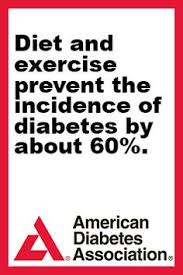
Diet, insulin, and oral medication to lower blood glucose levels are the foundation of diabetes treatment and management. Patient education and self-care practices are also important aspects of disease management that help people with diabetes lead normal lives.

  • To survive, people with type 1 diabetes must have insulin delivered by injection or a pump.
  • Many people with type 2 diabetes can control their blood glucose by following a healthy meal plan and exercise program, losing excess weight, and taking oral medication. Medications for each individual with diabetes will often change during the course of the disease. Some people with type 2 diabetes may also need insulin to control their blood glucose.

Self-management education or training is a key step in improving health outcomes and quality of life. It focuses on self-care behaviors, such as healthy eating, being active, and monitoring blood sugar.

Criteria for the diagnosis of diabetes:

  • A fasting blood sugar level ≥126 milligrams per deciliter (mg/dL) after an overnight fast, which is just taking the finger stick right when you wake up before breakfast OR
  • A 2-hour blood sugar level ≥200 mg/dL after a 2-hour oral glucose tolerance test (OGTT), OR
  • An A1c level ≥6.5%.   (The A1C test is a simple lab test that measures average blood glucose levels over the past 3 months. A small blood sample to check your A1C can be taken at any time of the day=simply a blood test)
  • Pretty simple isn’t it.

Diabetes is not only common and serious; it is also VERY COSTLY! Let us take a look:

The cost of treating diabetes is staggering. According to the American Diabetes Association, the annual cost of diabetes in medical expenses and lost productivity rose for $98 billion in 1997 to $132 billion in $2002 to $174 billion in 2007.

One out of every 5 U.S. federal health care dollars is spent treating people with diabetes. The average yearly health care costs for a person without diabetes is 2,560 dollars; for a person with diabetes that figure soars to $11,744. Much of the human and financial costs can be avoided with proven diabetes prevention and management steps.

Turn into PART 2 tomorrow and learn what the symptoms and complications are of Diabetes with how to decrease your odds of getting Diabetes with knowing what measures to take to better control your Diabetes, with your doctor’s approval.

REFERENCES for Part 1 and Part 2 :

  1. Center for Disease (CDC) – “National Diabetes Fact Sheet”
  2.  NYS Dept. of Health –Diabetes
  3.  Diabetic Neuropathy.org   “All about diabetic neuropathy&nerve damage caused by Diabetes.”Copyright 02–04.
  4. NIDDK “National Institute of Diabetes and Digestive and Kidney Diseases”
  5. National Diabetes Information Clearinghouse (NIDC) – U.S. Department of Health and Human Services. “Preventing Diabetes Problems: What you need to know”

QUOTE FOR WEDNESDAY:

“Alzheimer’s disease, which is currently at epidemic proportions, with 5.4 million Americans – including one in eight people aged 65 and over – living with the disease. By 2050, this is expected to jump to 16 million, and in the next 20 years it is projected that Alzheimer’s will affect one in four Americans. People we need to live healthier if not to help ourselves our future young ones.”

U. S. National Library of Medicine


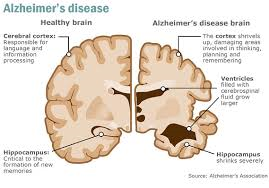
Part 2 Alzheimer’s Disease considered by some as Diabetes 3=Brain Diabetes.

alzheimer  alzheimers-disease

More Tips for Avoiding Alzheimer’s Disease

The beauty of following a healthy diet is that it helps treat and prevent all chronic degenerative diseases, from the common ones like heart disease, cancer, diabetes, obesity and Alzheimer’s to the ones you have never heard of or can’t even pronounce.

The first step is to eat healthy, maintaining exercise balanced with rest and practice healthy habits in addressing Alzheimer’s disease, which is currently at epidemic proportions, with 5.4 million Americans – including one in eight people aged 65 and over – living with the disease. By 2050, this is expected to jump to 16 million, and in the next 20 years it is projected that Alzheimer’s will affect one in four Americans. People we need to live healthier if not to help ourselves our future young ones.

In spite of how common memory loss is among Westerners, it is NOT a “normal” part of aging. While even mild “senior moments” may be caused by the same brain lesions associated with Alzheimer’s disease and other forms of dementia, these cognitive changes are by no means inevitable! People who experience very little decline in their cognitive function up until their deaths have been found (post-mortem) to be free of brain lesions, showing that it’s entirely possible to prevent the damage from occurring in the first place and one of the best ways to do this is by leading a healthy lifestyle.

  • Fructose.  As mentioned, most everyone will benefit from keeping their total fructose consumed to below 25 grams per day.
  • Improve Magnesium Levels. There is some exciting preliminary research strongly suggesting a decrease in Alzheimer symptoms with increased levels of magnesium in the brain. Unfortunately most magnesium supplements do not pass the blood brain levels, but a new one, magnesium threonate, appears to and holds some promise for the future for treating this condition.
  • Optimize your vitamin D levels with safe sun exposure. Strong links between low levels of vitamin D in Alzheimer’s patients and poor outcomes on cognitive tests have been revealed.  Researchers believe that optimal vitamin D levels may enhance the amount of important chemicals in your brain and protect brain cells by increasing the effectiveness of the glial cells in nursing damaged neurons back to health.
  • Vitamin D may also exert some of its beneficial effects on Alzheimer’s through its anti-inflammatory and immune-boosting properties. Sufficient vitamin D is imperative for proper functioning of your immune system to combat inflammation that is also associated with Alzheimer’s.
  • Vitamin B12: According to a small Finnish study recently published in the journal Neurology, people who consume foods rich in B12 may reduce their risk of Alzheimer’s in their later years. For each unit increase in the marker of vitamin B12 (holotranscobalamin) the risk of developing Alzheimer’s was reduced by 2 percent. Very high doses of B vitamins have also been found to treat Alzheimer’s disease and reduce memory loss.
  • Eat a nutritious diet, rich in folate. Vegetables, without question, are your best form of folate, and we should all eat plenty of fresh raw veggies every day.
  • High-quality animal-based omega-3 fats, such as krill oil. (I recommend avoiding most fish because, although fish is naturally high in omega-3, most fish are now severely contaminated with mercury.) High intake of the omega-3 fats EPA and DHA help by preventing cell damage caused by Alzheimer’s disease, thereby slowing down its progression, and lowering your risk of developing the disorder.
  • Avoid and remove mercury from your body. Dental amalgam fillings, which are 50% mercury by weight, are one of the major sources of heavy metal toxicity, however you should be healthy prior to having them removed.
  • Avoid aluminum, such as antiperspirants, non-stick cookware, vaccine adjuvants, etc.
  • Exercise regularly. It’s been suggested that exercise can trigger a change in the way the amyloid precursor protein is metabolized thus, slowing down the onset and progression of Alzheimer’s. Exercise also increases levels of the protein PGC-1alpha. Research has also shown that people with Alzheimer’s have less PGC-1alpha in their brains and cells that contain more of the protein produce less of the toxic amyloid protein associated with Alzheimer’s. I would strongly recommend reviewing the Peak Fitness Technique for my specific recommendations.
  • Avoid flu vaccinations as most contain both mercury and aluminum, well-known neurotoxic and immunotoxic agents.
  • Eat plenty of blueberries. Wild blueberries, which have high anthocyanin and antioxidant content, are known to guard against Alzheimer’s and other neurological diseases.
  • Challenge your mind daily. Mental stimulation, especially learning something new, such as learning to play an instrument or a new language, is associated with a decreased risk of Alzheimer’s. Researchers suspect that mental challenge helps to build up your brain, making it less susceptible to the lesions associated with Alzheimer’s disease.
  • Avoid anticholinergic and statin drugs.   Drugs that block acetylcholine, a nervous system neurotransmitter, have been shown to increase your risk of dementia. These drugs include certain nighttime pain relievers, antihistamines, sleep aids, certain antidepressants, medications to control incontinence, and certain narcotic pain relievers.
  • Statin drugs are particularly problematic because they suppress the synthesis of cholesterol, deplete your brain of coenzyme Q10 and neurotransmitter precursors, and prevent adequate delivery of essential fatty acids and fat-soluble antioxidants to your brain by inhibiting the production of the indispensable carrier biomolecule known as low-density lipoprotein.

QUOTE FOR TUESDAY:

“The cause of the debilitating, and fatal, brain disease Alzheimer’s is conventionally said to be a mystery.”

Dr. Mercola who founded Mercola.com & is now the world’s top natural health resource site, with over 1.5 million subscribers.) ;

Part I Alzheimer’s Disease considered by some as Diabetes 3=Brain Diabetes.

alzheimers-awareness  alzheimerdisease


At one time Alzheimer’s disease was a disease considered with unknown etiology (or cause). Today it is considered different in the eyes of many in the medical profession. By a Dr. Mercola a physician who founded Mercola.com (Mercola.com is now the world’s top natural health resource site, with over 1.5 million subscribers.) feels this about alzeiher’s disease:

The cause of the debilitating, and fatal, brain disease Alzheimer’s is conventionally said to be a mystery.”

While we know that certain diseases, like type 2 diabetes, are definitively connected to the foods you eat, Alzheimer’s is generally thought to strike without warning or reason.

That is, until recently.

Now, a growing body of research suggests there may be a powerful connection between the foods you eat and your risk of Alzheimer’s disease and dementia, via similar pathways that cause type 2 diabetes. Some have even re-named Alzheimer’s as “type 3 diabetes.””

Can You Eat Your Way to Alzheimer’s?

In a recent animal study, researchers from Brown University in Providence, Rhode Island were able to induce many of the characteristic brain changes seen with Alzheimer’s disease (disorientation, confusion, inability to learn and remember) by interfering with insulin signaling in their brains.

Know that faulty insulin (and leptin, another hormone) signaling is an underlying cause for insulin resistance, which, of course, typically leads to type 2 diabetes. However, while insulin is usually associated with its role in keeping your blood sugar levels in a healthy range, it also plays a role in brain signaling. When researchers disrupted the proper signaling of insulin in the brain, it resulted in dementia.

What does this have to do with your diet? Let us go back to one of my articles on diabetes and how it impacts your diet. It states “The foods we eat that contain starches, carbohydrates, calories are made up of sugar. When food reaches our stomach in time digestion starts to take place where these foods are broken down in the stomach into individual or complex sugar molecules ( glucose being one of the most common and important ones). The glucose then passes from our stomach into our bloodstream when it reaches the liver 60 to 80 % of the glucose gets stored in that organ turning glucose into inactive glucose that’s converted to glycogen. The purpose for glycogen is when our glucose is low and our body needing energy we have this extra stored sugar, glycogen, to rely on. This is done by the liver which allows the sugar to be stored and released back into the bloodstream if we need it=energy, since nothing is in our stomach at that time, in that case scenario). When glucose=an active sugar, it is our energy for our cells and tissues and is a sugar ready to be utilized by the body where it is needed, by many organs. Think of a car for one moment, and what makes it run? That would be gas/fuel for it to function. The same principle with glucose in your bloodstream=fuel for the human body so we can function, for without it we wouldn’t survive. That is the problem with a person that has diabetes. They eat, they break the food down, the glucose gets in the blood but the glucose fuel can’t be used due to lack of or NO insulin at all. Insulin allows glucose to pass into our cells and tissues to be used as energy/fuel for the body parts to work. Glucose is used as the principle source of energy (It is used by the brain for energy, the muscles for both energy and some storage, liver for more glucose storage=that is where glucose is converted to glycogen, and even stored in fat tissue using it for triglyceride production). Glucose does get sent to other organs for more storage, as well. Insulin plays that vital role in allowing glucose to be distributed throughout the body. Without insulin the glucose has nowhere to go.

So how does this impact your brain thinking? “This new focus on the Alzheimer’s/Diabetes/Insulin connection follows a growing recognition of insulin’s role in the brain. Until recently, the hormone was typecast as a regulator of blood sugar, giving the cue for muscles, liver and fat cells to extract sugar from the blood and either use it for energy or store it as fat. We now know that it is also a master multitasker: it helps neurons, particularly in the hippocampus and frontal lobe, take up glucose for energy, and it also regulates neurotransmitters, like acetylcholine, which are crucial for memory and learning.” What is effected with Alzheimer’s disease? Your memory and learning, So your diet plays a big role in Alzheimer’s disease.”                                                                                        

Over-consumption of sugars and grains is what ultimately causes your body to be incapable of “hearing” the proper signals from insulin and leptin, leaving you insulin resistant in both body and brain. Alzheimer’s disease was tentatively dubbed “type 3 diabetes” in early 2005 when researchers learned that the pancreas is not the only organ that produces insulin. Your brain also produces insulin, and this brain insulin is necessary for the survival of your brain cells.

If You Have Diabetes, Your Risk of Alzheimer’s Increases Dramatically

Diabetes is linked to a 65 percent increased risk of developing Alzheimer’s, which may be due, in part, because insulin resistance and/or diabetes appear to accelerate the development of plaque in your brain, which is a hallmark of Alzheimer’s. Separate research has found that impaired insulin response was associated with a 30 percent higher risk of Alzheimer’s disease, and overall dementia and cognitive risks were associated with high fasting serum insulin, insulin resistance, impaired insulin secretion and glucose intolerance.

A drop in insulin production in your brain may contribute to the degeneration of your brain cells, mainly by depriving them of glucose, and studies have found that people with lower levels of insulin and insulin receptors in their brain often have Alzheimer’s disease (people with type 2 diabetes often wind up with low levels of insulin in their brains as well). As explained in New Scientist, which highlighted this latest research:

What’s more, it encourages the process through which neurons change shape, make new connections and strengthen others. And it is important for the function and growth of blood vessels, which supply the brain with oxygen and glucose.

As a result, reducing the level of insulin in the brain can immediately impair cognition. Spatial memory, in particular, seems to suffer when you block insulin uptake in the hippocampus… Conversely, a boost of insulin seems to improve its functioning.

When people frequently gorge on fatty, sugary food, their insulin spikes repeatedly until it sticks at a high level. Muscle, liver and fat cells then stop responding to the hormone, meaning they don’t mop up glucose and fat in the blood. As a result, the pancreas desperately works overtime to make more insulin to control the glucose – and levels of the two molecules skyrocket.

The pancreas can’t keep up with the demand indefinitely, however, and as time passes people with type 2 diabetes often end up with abnormally low levels of insulin.”

Alzheimer’s Might be “Brain Diabetes”

It’s becoming increasingly clear that the same pathological process that leads to insulin resistance and type 2 diabetes may also hold true for your brain. As you over-indulge on sugar and grains, your brain becomes overwhelmed by the consistently high levels of insulin and eventually shuts down its insulin signaling, leading to impairments in your thinking and memory abilities, and eventually causing permanent brain damage.

Regularly consuming more than 25 grams of fructose per day will dramatically increase your risk of dementia and Alzheimer’s disease. Consuming too much fructose will inevitably wreak havoc on your body’s ability to regulate proper insulin levels.

Although fructose is relatively “low glycemic” on the front end, it reduces the affinity for insulin for its receptor leading to chronic insulin resistance and elevated blood sugar on the back end. So, while you may not notice a steep increase in blood sugar immediately following fructose consumption, it is likely changing your entire endocrine system’s ability to function properly behind the scenes.

Additionally, fructose has other modes of neurotoxicity, including causing damage to the circulatory system upon which the health of your nervous system depends, as well as profoundly changing your brain’s craving mechanism, often resulting in excessive hunger and subsequent consumption of additional empty carbohydrate-based calories.

In one study from UCLA, researchers found that rats fed a fructose-rich and omega-3 fat deficient diet (similar to what is consumed by many Americans) developed both insulin resistance and impaired brain function in just six weeks.

Plus, when your liver is busy processing fructose (which your liver turns into fat), it severely hampers its ability to make cholesterol, an essential building block of your brain crucial to its health. This is yet another important facet that explains how and why excessive fructose consumption is so detrimental to your health. Decreasing fructose intake is one of the most important moves you can take in decreasing the risk of Alzheimer’s disease in your lifetime.

Tips for avoiding Alzheimer’s Disease is Part 2 tomorrow. 😉

Marriage and how to make it a success!

marriage-and-success marriage-and-success2 marriage-and-success4

Marriage is a bonding of two people who have spent a considerable period of time together. On average over a yr to 3 yrs is long enough to be able to decide whether an individual on both sides wants to make more of a commitment from committed couple being exclusive to now a couple for life.


During the time of exclusive commitment of 1 to 3 yrs (for some even more) both parties get to see the other person’s overall morals, values, priorities in life with interests. For some there a lot of common modalities with each other make a great pair but for others similarities are a few but also differences (from a few to multiple).   This is where with the differences can the two work out being in a relationship for life living with each other day in and day out or most days. Well yes it is just up to the two that make up the couple to want to take the initiative in learning the other one’s desires and interests but in regards to changing morals and values for some in the couple shouldn’t take place unless that individual wants to and believes that is the morals and values they want to live by not to make the other one happy since high odds the relationship won’t work out.

What makes a relationship honestly work. Well there are ingredients to it not just one thing.

Those ingredients entail:


Love/Commitment. At its core, love is a decision to be committed to another person. It is far more than a fleeting emotion as portrayed on television, the big screen, and romance novels. Everyday life wears away the “feel good side of marriage.” Feelings, like happiness, will fluctuate. But, real love is based on a couple’s vows of commitment: “For better or for worse” — when it feels good and when it doesn’t. Feelings come and go, but a true decision to be committed lasts forever – and that is what defines true love. It is a decision to be committed through the ups and the downs, the good and the bad. When things are going well, commitment is easy. But true love is displayed by remaining committed even through the trials of life in your marriage journey.


Sexual Faithfulness. Sexual faithfulness in marriage includes more than just our bodies. It also includes our eyes, mind, heart, and soul. When we devote our minds to sexual fantasies about another person, we sacrifice sexual faithfulness to our spouse. When we offer moments of emotional intimacies to another, we sacrifice sexual faithfulness to our spouse. Guard your sexuality daily and devote it entirely to your spouse. Sexual faithfulness requires self-discipline and an awareness of the consequences. Refuse to put anything in front of your eyes, body, or heart that would compromise your faithfulness as a spouse by either side. Including actions that can be perceived by the other as a break in the emotional, intimate, love, close friendship bonds you both have. Remember it is easy for human behavior to remember what was done badly to you but easy to forget the good that was done to you by your mate especially with fighting a lot. This brings in the old saying it’s easy to forgive but not forget it-human behavior. With fighting a lot this can easily put a big damper on the high impact of love covering all aspects from sexually to emotionally to simple how nice you are to one another with respecting each other. Both parties have to put their spouse first when fire escalates irrelevant who initiated the fire for if the fire gets out of hand to control it will be hard to put out or forget.  By preventing this from occurring in your relationship you always must consider your spouses feelings. It really isn’t hard. This brings us to the next ingredient.


Humility. We all have weaknesses and relationships always reveal these faults quicker than anything else on earth. An essential building block of a healthy marriage is the ability to admit that you are not perfect, that you will make mistakes, and that you will need forgiveness. Holding an attitude of superiority over your partner will bring about resentment and will prevent your relationship from moving forward. If you struggle in this area, grab a pencil and quickly write down three things that your partner does better than you – that simple exercise should help you stay humble. Repeat as often as necessary which will keep retain this good knowledge you have about your mate and make you bite your tongue in the next disagreement. For when you do have those disagreements to arguments it brings up our next ingredient.


Patience/Forgiveness. Because no one is perfect, patience and forgiveness will always be required in a marriage relationship. Successful marriage partners learn to show unending patience and forgiveness to their partner. They humbly admit their own faults and do not expect perfection from their partner. They do not bring up past errors in an effort to hold their partner hostage. And they do not seek to make amends or get revenge when mistakes occur. If you are holding onto a past hurt from your partner, forgive him or her. It will set your heart and relationship free.


Time. Relationships don’t work without time investment. Never have, never will. Any successful relationship requires intentional, quality time together. And quality time rarely happens when quantity time is absent. The relationship with your spouse should be the most intimate and deep relationship you have. Therefore, it is going to require more time than any other relationship. If possible, set aside time each day for your spouse. And a date-night once in awhile wouldn’t hurt either.


Honesty and Trust. Honesty and trust become the foundation for everything healthy in a marriage. But unlike most of the other essentials on this list, trust takes time. You can become selfless, committed, or patient in a moment, but trust always takes time. Trust is only built after weeks, months, and years of being who you say you are and doing what you say you’ll do. It takes time, so start now… and if you need to rebuild trust in your relationship, you’ll need to work even harder.


Communication. Successful marriage partners communicate as much as possible. They certainly discuss kids’ schedules, grocery lists, and utility bills. But they don’t stop there. They also communicate hopes, dreams, fears, and anxieties. They don’t just discuss the changes that are taking place in the kid’s life, they also discuss the changes that are taking place in their own hearts and souls. This essential key cannot be overlooked because honest, forthright communication becomes the foundation for so many other things on this list: commitment, patience, and trust… just to name a few.


Selflessness. Although it will never show up on any survey, more marriages are broken up by selfishness than any other reason. Surveys blame it on finances, lack of commitment, infidelity, or incompatibility, but the root cause for most of these reasons is selfishness. A selfish person is committed only to himself or herself, shows little patience, and never learns how to be a successful spouse. Give your hopes, dreams, and life to your partner but your partner has to want to live and enhance those dreams with you with never putting the majority of your dreams down or not acknowledging them. By both partners accepting and supporting each other’s dreams only allows the two in the marriage to begin to live life together and only intensify the love for each other with respect.


Lastly give incentives and rewards.

For the couples in general affective affirmation is a good key to marriage happiness. Affective affirmation is for example letting your partner know that they’re special, valued and you don’t take them for granted. Showing your mate through incentives and rewards is acknowledging them in a loving to even intimate way, depending on what the spouse uses as a reward or giving as a good incentive.

Couples show affective affirmation through words and actions. It’s as simple as saying “I love you” or “You’re my best friend.” Affirmative behaviors can be anything from turning the coffee pot on in the morning for your partner to sending them a sexy email to filling their tank with gas.

Contrary to popular belief, men need more affective affirmation than women because women can get it from other people in our lives.

The key is to give consistent affirmation rather than heaps of it at once.

You both can make a marriage live on for life but it’s also up to both to make it exciting and a wondrous journey but many make it dull, boring to dense that at times leads to curiosity out of the marriage to divorce. It is up to the couple to both make the marriage work not only one can make it work but the two have to work at it to make it a great marriage to both parties.

QUOTE FOR MONDAY:

Heart disease continues to be the number one killer; cancer, the number 2 killer, not far behind. The tragic aspect of these deadly diseases is that they could all be cured, I do believe, if we had sufficient funding.

 Arlen Specter ((February 12, 1930 – October 14, 2012) was a United States Senator from Pennsylvania